

In the world of wellness trends, you’ve probably heard of intermittent fasting, a practice that’s becoming increasingly popular. But have you heard of water fasting? If you’re reading this, chances are you have.
Basically, as the name implies, water fasting involves consuming only water for a set period. The fasting time can vary from a 24-hour fast to longer fasting periods.
As with anything, it’s essential to approach it with knowledge and caution. Here, we’ll explore common questions and share practical tips on breaking a water fast gradually, so you can decide whether this approach fits your needs.
Like any sudden change in your diet, it’s important to clarify in advance that you should consult a health professional who can guide you. We always recommend having support and guidance. Your health comes first.
How to Correctly Break Your Water Fast?
Your return to eating after a water fast should be gradual and careful. The key is to reintroduce foods gently so as not to overwhelm your digestive system, which has been resting.
Initially, the priority should be rehydrating the body. After only being on water, your body needs to recharge. Start with small amounts of clear liquids and electrolytes. Natural coconut water is a potential option to replenish electrolytes that are lost during the fast (1). You can also try vegetable or bone broths.
Regarding hydration, a small detour: it’s worth noting that some people claim that water quality matters during a fast as well. You may hear that distilled or mineral water is considered a good option for water fasting (2). In reality, any water that’s safe to drink is perfectly fine. For those wondering “how much water should I drink while fasting“, your needs may vary based on your body size, activity level, climate, and the duration of your fast.
When returning to rehydration and refeeding, it’s a good idea to start with small portions, listen to your body, and don’t overdo it. If you feel uncomfortable, reduce the amount or wait a bit longer before trying more.
The pace at which you progress will depend on the duration of the fast. For example, a 3-day water fast will require a slower and more prolonged transition to solid foods.
What should you eat? Next, we’ll look at foods that may feel easier to tolerate during this phase and may help make the transition more comfortable.
Read more: Fasted Cardio Benefits: What You Should Know

What Should You Eat After a Water Fast?
Once you’ve properly rehydrated, it’s time to slowly reintroduce solid foods. Don’t rush to eat large meals or rich or heavy foods. Remember that the goal is to nudge your digestive system awake gently and allow it to readjust to the digestion process.
The key is to opt for foods that are easy to digest and low in fiber and fats because during the fast, the production of digestive enzymes decreases (3). Foods that are high in fiber and fats require more digestive effort, which could overwhelm a system that is reawakening. The longer you’ve been fasting, the more cautious you may need to be at first.
Ideal foods to start with:
- Fruit and vegetable purées: Apples, pears, pumpkin, or sweet potato, cooked and mashed, may feel easier to eat at first (4).
- Steamed vegetables: Steamed vegetables such as broccoli, cauliflower, or carrots may feel easier to tolerate than raw vegetables (5).
- Bone broth: Rich in collagen and nutrients, bone broth is often chosen as a light option during the transition back to regular meals (4).
- Cooked white rice: Cooked white rice is gentle on the stomach and provides easily digestible carbohydrates (4).
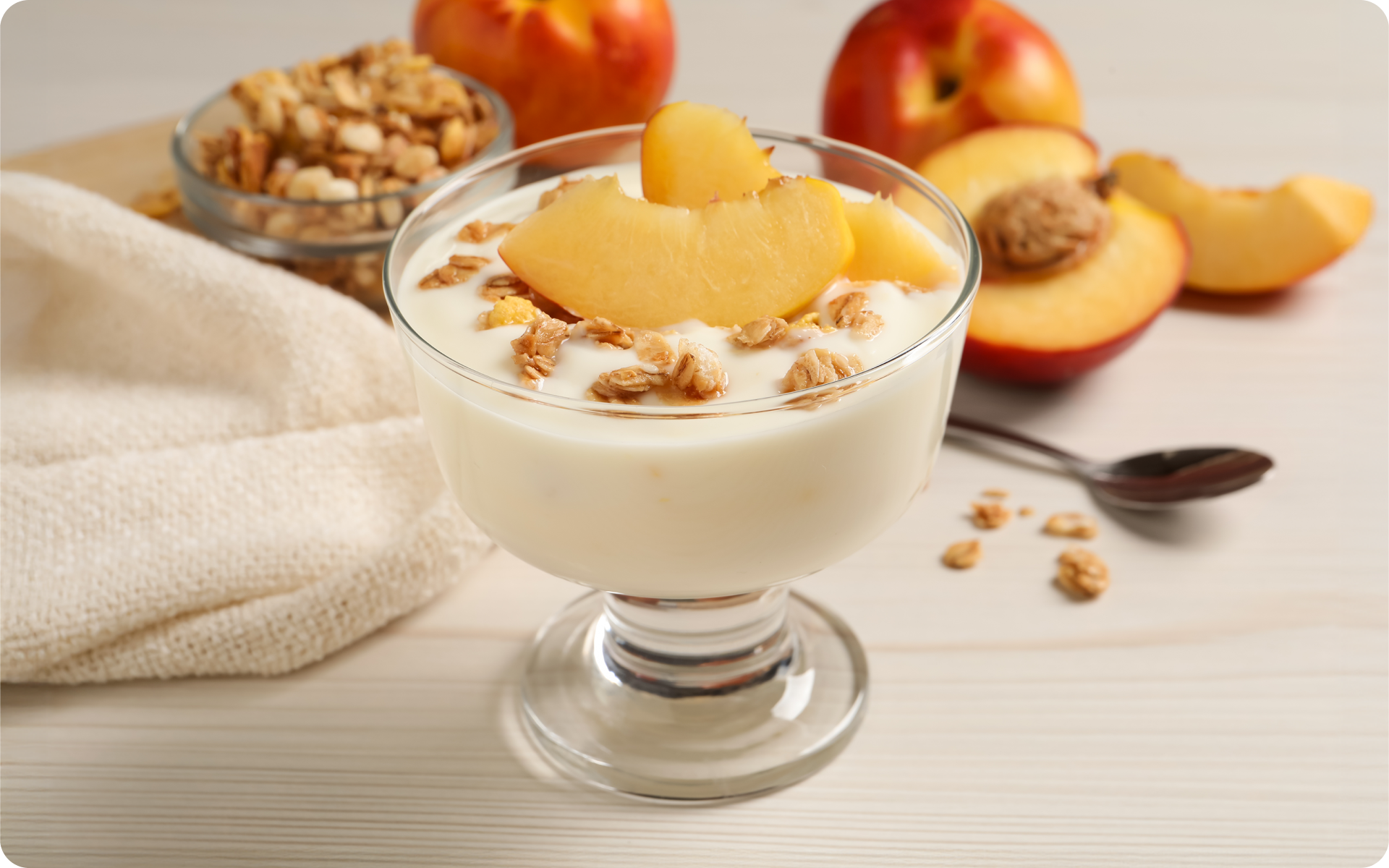
- Unsweetened natural yogurt: If you tolerate dairy well, unsweetened natural yogurt could be a good source of protein and probiotics.
Tips:
- Small portions: Start with very small portions. For example, one or two tablespoons of applesauce may be enough to begin (5). See how you tolerate that, then you can try more.
- Chew well: Chew each bite thoroughly to aid digestion.
- Introduce foods one at a time: Introduce one new food at a time and observe how your body reacts to it (5).
- Stay hydrated: Continue to drink plenty of water throughout the day.
Want to spring-clean your diet, skyrocket your self-confidence, and shatter your insecurities? Check out the BetterMe Well-Being Coach app and set this plan in motion!

Which Foods Are the Easiest to Digest After Fasting?
Generally, foods that are soft, cooked, and relatively simple may feel easier to tolerate after a water fast. These foods are often chosen because they may feel lighter during the transition back to regular eating.
The first hours after fasting are like a window of opportunity to nourish your body with what it really needs. While many people are interested in water fasting benefits, the way you break your fast also plays an important role in how you feel afterward.
In addition to the ones we’ve already mentioned, these could also be considered nutritious and easy-to-digest foods:
- Scrambled eggs: Scrambled eggs are a good source of easily digestible, high-quality protein (6).
- Fermented vegetables: In small amounts, foods such as kimchi or sauerkraut can help repopulate the gut microbiota with beneficial bacteria. Start with one tablespoon and see how you feel (7).
- Lean protein: After your first meal, you could gradually introduce lean protein sources such as shredded cooked chicken, steamed white fish, or scrambled eggs. Opt for gentle cooking methods such as boiling, baking, or steaming.
Is It Better to Break a Water Fast with Carbs or Protein?
During water fasting, the body exhausts its glycogen stores and may enter a state of ketosis, where fats become the primary source of energy (8). This state involves a series of metabolic adaptations that should be taken into account when breaking the fast.
As mentioned above, soft fruits or cooked vegetables can be a simple place to start, and protein can be added gradually afterward as part of a balanced meal.
Some people choose to add an easy-to-eat protein source in the first meal or the next one. A homemade bone broth, rich in collagen and amino acids, is a great option. Alternatively, cooked egg white or scrambled egg can be another simple option that provides high-quality protein. If you tolerate dairy well, natural unsweetened yogurt could also be a good addition.
Rather than a strict dichotomy between carbohydrates and proteins, the key is to adopt a gradual and balanced approach. Start with small portions of easily digested foods, paying attention to how your body responds. You could start with fruit and then introduce a small portion of protein a few hours later. It’s also helpful to continue drinking water, and some people may also include electrolytes during this transition period.
Read more: Salt for Fasting: Why It Matters and How to Use It
Which Foods Should You Not Eat After Fasting?
We’ve already seen that when breaking the fast, the main goal is to rehydrate and gradually reintroduce foods to reactivate digestion without overloading. Remember, your digestive system has been at rest. Digestion is a complex process, and after a fast, your body needs time to re-engage these processes efficiently. Opting for light, nutrient-dense, and easily digestible options is the key to a smooth transition and avoiding digestive issues.
Now, we’ll dive into the other side of the coin: the foods you should avoid after fasting.
Highly processed foods:
- Fast foods: Burgers, French fries, pizzas, sausages.
- Packaged snacks: Chips, cookies, industrial bakery items.
Very high-fat foods:
- Fatty red meats: Offal, processed meats (opt for lean proteins such as skinless chicken or white fish).
- High-fat dairy products: Fatty cheeses, whole milk, cream.
- Fried foods.
Added sugars:
- Sugary sodas.
- Sweets and desserts: Cakes, ice cream, candies.
- Packaged fruit juices: Even if they seem healthy, they often contain high amounts of added sugar.
High insoluble fiber foods:
While fiber is an important part of a balanced diet, large amounts of insoluble fiber may feel harder to tolerate right after a fast.
-
- Whole grains in excess: You can introduce them gradually and in small amounts.
- Raw vegetables.
- Legumes: Lentils, chickpeas, beans.
Irritants for the gut:
-
- Caffeine: Coffee, black tea, energy drinks.
- Alcohol.
- Spicy spices: Chili, pepper, curry.

Frequently Asked Questions
Does lemon water break a fast?
In small amounts, a splash of lemon in water may not meaningfully affect the fast for many people. Because the amount is very small, some people do not consider it enough to materially change the fast. However, if you add a lot of lemon or sugar, this could interrupt the fast.
Is yogurt good to break a fast?
Yogurt can be a good option for breaking a fast, but the key is to choose the right type. Opt for plain, unsweetened yogurt with no added sugars. Greek yogurt can be one convenient option because it contains protein and may work well for people who tolerate dairy.
Is coffee okay on a 3-day fast?
Some people prefer to stick strictly to water, but coffee is sometimes considered acceptable during a fast, even a prolonged one such as a 3-day fast, as long as it’s consumed without sugar, milk, or cream. Some people do not consider plain black coffee enough to meaningfully interrupt a fast, though views can differ. However, if you’re sensitive to caffeine, it’s better to avoid coffee or limit it to a small amount in the morning. And if you drink coffee, make sure that you drink enough water to stay hydrated during your fast.
What drinks don’t break a fast?
Generally, drinks that don’t break a fast are those with no calories and that don’t raise your insulin/glucose levels. These include:
- Water: The best option to stay hydrated during a fast.
- Unsweetened tea: Green tea, black tea, herbal teas (such as chamomile or mint) without sweeteners.
- Black coffee: Without sugar, milk, cream, or sweeteners.
- Sparkling water: Without sugar or added fruit juices.
Can I eat meat after a 24-hour fast?
Yes, you can eat meat after a 24-hour fast. A lean protein source such as meat can be one option to include as you return to regular meals. Choose lean cuts and consider pairing them with vegetables and healthy fats (not in excess) for a balanced meal that helps you break your fast properly. You may want to opt for softer, well-cooked meats that will be easier to digest in the beginning.
The Bottom Line
Water fasting could offer some benefits, but it’s important to approach it with caution and, most importantly, with guidance from a healthcare professional. Breaking the fast is as important as the fast itself. The key is patience, rehydration, and the gradual reintroduction of easily digestible foods.
Avoid drastic changes and heavy foods at first, then gradually expand your choices over time. Your wellbeing is the guide: if you feel unwell, adjust the pace or consult a professional.
Listen to your body, prioritize your wellbeing, and enjoy the process of nourishing yourself again. Remember, the goal isn’t merely to end the fast, but to lay a foundation for lasting well-being.
DISCLAIMER:
This article is intended for general informational purposes only and does not serve to address individual circumstances. It is not a substitute for professional advice or help and should not be relied on for making any kind of decision-making. Any action taken as a direct or indirect result of the information in this article is entirely at your own risk and is your sole responsibility.
BetterMe, its content staff, and its medical advisors accept no responsibility for inaccuracies, errors, misstatements, inconsistencies, or omissions and specifically disclaim any liability, loss or risk, personal, professional or otherwise, which may be incurred as a consequence, directly or indirectly, of the use and/or application of any content.
You should always seek the advice of your physician or other qualified health provider with any questions you may have regarding a medical condition or your specific situation. Never disregard professional medical advice or delay seeking it because of BetterMe content. If you suspect or think you may have a medical emergency, call your doctor.
SOURCES:
- Coconut Water: A Sports Drink Alternative? (2023, pubmed.ncbi.nlm.nih.gov)
- Efficacy and safety of prolonged water fasting: a narrative review of human trials (2023, pmc.ncbi.nlm.nih.gov)
- Fasted for Too Long? Here’s Why You Need Digestive Enzymes (2025, pharexhealth.com)
- Therapeutic Diets for the Management of Gastrointestinal Conditions and Preoperative and Postoperative Care (2025, ncbi.nlm.nih.gov)
- Easy-to-digest foods that are gentle on your GI system (2025, oshihealth.com)
- The Health Benefits of Egg Protein (2022, pmc.ncbi.nlm.nih.gov)
- Fermented-food diet increases microbiome diversity, decreases inflammatory proteins, study finds (2021, med.stanford.edu)
- Biochemistry, Ketogenesis (2025, ncbi.nlm.nih.gov)

 By
By 
 By
By