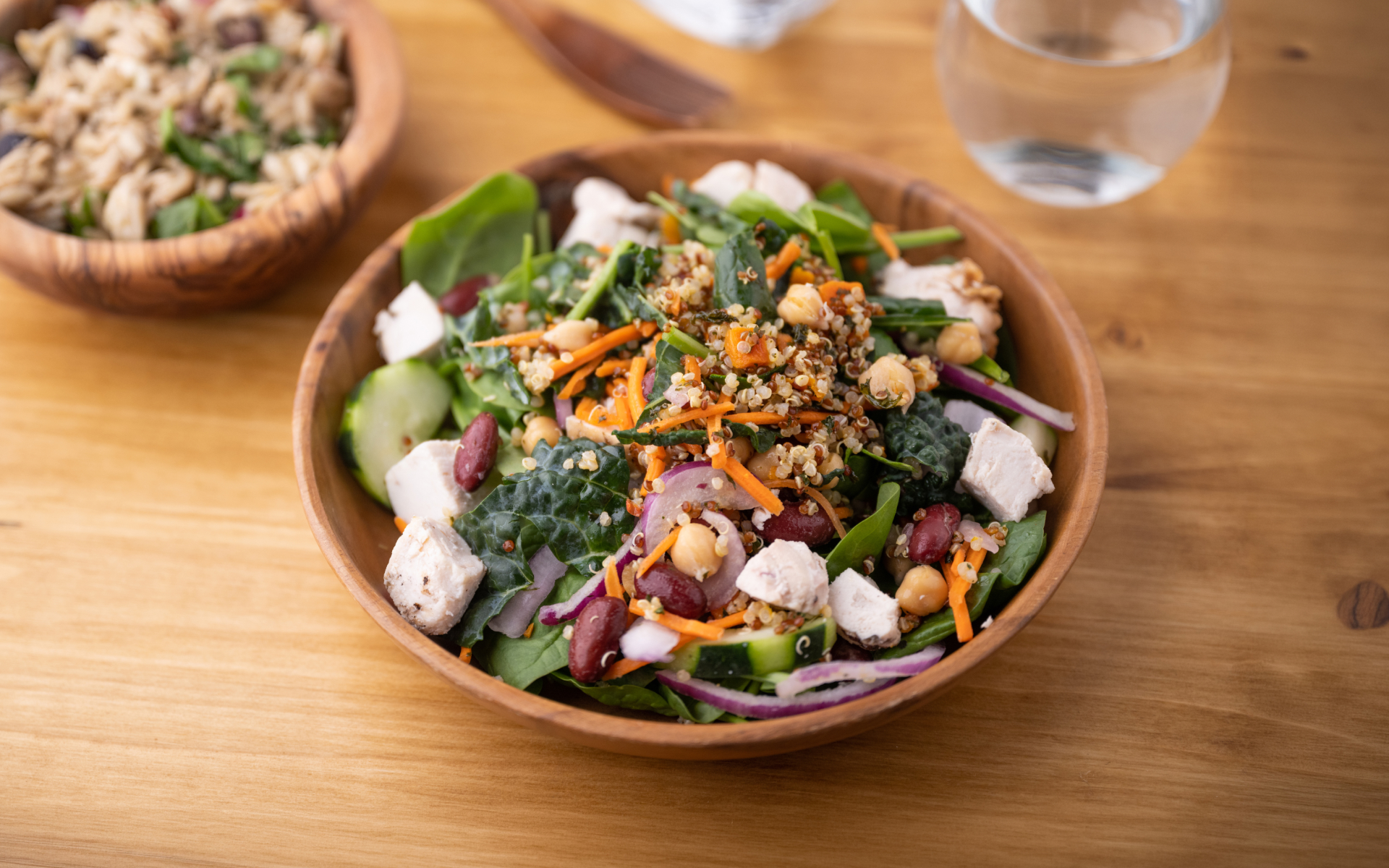

A keto diet for vegetarians routine involves eating high-fat, moderate-protein, and very low-carb foods without consuming meat, poultry, or seafood. You can build your meals around plant-based fats, eggs, dairy, nuts, seeds, and low-carb vegetables. Tracking your macronutrients may help you work toward your goals while staying aligned with your dietary preferences.
A meat-free, low-carb lifestyle can feel challenging at first, but it can be possible with careful planning. A vegetarian approach to this eating style relies on nutrient-dense plant and dairy sources to meet daily goals. It’s a great option for people who prefer to skip meat but still want to explore a low-carb routine. This method focuses on healthy fats and whole foods to keep you energized and satisfied throughout the day. By planning ahead, you can enjoy a variety of delicious, filling meals that fit your lifestyle. If you’re ready to learn how to balance your macros and discover new favorite recipes, keep reading to find out everything you need to know.
Can You Do Keto Without Eating Meat?
Yes, you can absolutely follow a low-carb routine without eating meat. A low-carb vegetarian diet focuses on high-fat, moderate-protein, and low-carb foods from plant and certain animal-byproduct sources.
Instead of relying on chicken or beef, you build your meals around eggs, dairy, nuts, seeds, and plant-based proteins. Many people find this approach enjoyable as it encourages eating a wide variety of whole foods. The main goal is to keep your daily carbohydrate intake low enough to shift how your body uses energy. You do this by carefully tracking your net carbs—the total carbohydrates minus the fiber content (1).
As meat is naturally carb-free, vegetarians have to be a bit more mindful of carbs in plant-based proteins. For example, beans and lentils contain protein but are often a bit high in carbohydrates for a strict low-carb routine (2). However, with thoughtful planning, a vegetarian keto meal plan can be more balanced and varied. By focusing on nutrient-dense ingredients, you can maintain this lifestyle in the long term.

What Foods Can You Eat on a Vegetarian Keto Diet?
You can eat a wide variety of high-fat, low-carb foods on a meat-free low-carb routine. Building a solid list of vegetarian keto foods is the first step toward a lasting routine. By organizing your pantry and fridge with the right staples, you set yourself up for easy meal preparation. Here’s a breakdown of what to include.
Eggs
Eggs are a fantastic staple for any vegetarian keto diet plan. They offer an excellent balance of protein and fat while containing almost zero carbs (3). You can boil, scramble, or poach them for quick meals.
- Whole eggs
- Egg whites
- Pasteurized eggs
Dairy
Full-fat dairy products are excellent additions to vegetarian keto meals. They provide essential fats, calcium, and protein (4), but you should monitor your portions to avoid excess carbs.
- Heavy cream
- Butter and ghee
- Hard cheeses (cheddar, parmesan, swiss)
- Soft cheeses (brie, cream cheese, feta)
- Plain full-fat Greek yogurt
Soy Foods
Soy is one of the most reliable vegetarian keto protein sources available (5). It’s highly versatile and takes on the flavor of whatever spices or sauces you use.
- Extra-firm tofu
- Tempeh
- Edamame (in moderation)
- Unsweetened soy milk
Nuts and Seeds
Nuts and seeds are nutrient powerhouses that provide healthy fats and fiber (6). They’re perfect for snacking or adding a satisfying crunch to salads and bowls.
- Almonds and macadamia nuts
- Walnuts and pecans
- Chia seeds and flaxseeds
- Hemp hearts
- Unsweetened nut butters
Oils and Fats
Fats make up the majority of your daily intake on this routine. Choosing high-quality oils helps you meet your keto macros while adding great flavor to your dishes.
- Extra-virgin olive oil
- Coconut oil and MCT oil
- Avocado oil
- Sesame oil
Whether you’re looking to simply pep up your fitness routine, jazz up your diet with mouth-watering low-calorie recipes or want to get your act together and significantly drop that number on your scale – BetterMe Well-Being Coach app has got you covered! Improve your body and revamp your life!

Low-Carb Vegetables
Vegetables should make up a significant portion of your daily plate (7). Focus on leafy greens and vegetables that grow above the ground, as they generally contain fewer net carbs.
- Spinach and kale
- Zucchini and broccoli
- Cauliflower and cabbage
- Asparagus and bell peppers
Fruits in Small Portions
Most fruits are too high in sugar for this eating style, but a few of them can be enjoyed in moderation. Berries are generally the best choice when you want something sweet.
- Avocados (technically a fruit and very high in fat)
- Strawberries
- Raspberries
- Blackberries
Herbs and Flavor Boosters
Spices and herbs add variety to your meals without adding significant carbohydrates. They’re essential for keeping your daily menu interesting and flavorful.
- Salt and pepper
- Garlic powder and onion powder
- Fresh basil, cilantro, and parsley
- Hot sauce (no added sugar)
Convenience Foods
Sometimes you need a quick option when you are short on time. Certain packaged foods can fit into your routine if you read the labels carefully.
- Unsweetened almond milk
- Low-carb protein powders
- Shirataki noodles
To help you compare your options, here’s a quick overview of some popular foods and their typical macronutrient profiles:
| Food (typical serving) | Typical protein (g) | Net carbs (g) | Notes |
|---|---|---|---|
| Extra-firm tofu (about 3 oz / 85 g) | 13 g | 2 g | Great for stir-fries and scrambles. |
| Eggs (about 2 large) | 12 g | 1 g | Versatile and easy to prepare. |
| Almonds (1 oz / 28 g, about 23 almonds) | 6 g | 3 g | Calorie-dense, so portion size matters. |
| Hemp hearts (3 tbsp / 30 g) | 10 g | 1-2 g | Easy to sprinkle on salads or yogurt. |
| Spinach (1 cup raw / about 30 g) | 1g | <1 g | Cooks down significantly; add more if using it cooked. |
Read more: Slow-Carb Meal Plan: What to Eat And Why?

What Vegetarian Foods Should You Limit on Keto?
You should limit or avoid foods that are high in sugar and carbohydrates in general. Even healthy plant-based foods can easily push you over your daily carbohydrate limit.
Grains and Starches
Grains contain high amounts of carbohydrates that will quickly exceed your daily goals. This includes both refined grains and whole grains, which are digested into sugars.
- Wheat, rice, and oats
- Bread and pasta
- Quinoa and barley
Root Vegetables
Vegetables that grow below the ground tend to store energy as starch. While they offer various nutrients, their carb load is typically too high for this routine.
- Potatoes and sweet potatoes
- Carrots and parsnips
- Beets and turnips
Most Fruits
Fruits are naturally high in fructose, a type of simple sugar. Eating too much fruit can easily crowd out the room you have for low-carb vegetables.
- Bananas and apples
- Grapes and mangoes
- Pineapple and watermelon
Legumes and Beans
While beans are popular in many plant-based diets, they are incredibly starch-heavy. They offer protein, but the high carbohydrate content makes them difficult to fit into a strict low-carb day. You may be able to fit in a small serving here or there, depending on what the rest of your day looks like.
- Chickpeas and lentils
- Black beans and kidney beans
- Peas

How Can You Get Enough Protein on Vegetarian Keto?
You can get enough protein by prioritizing eggs, dairy, soy, and specific seeds at every meal. Getting adequate protein can be a concern on a vegetarian keto diet because many common plant proteins—such as beans and lentils—are also high in carbohydrates (8).
Individual protein needs differ based on your body size, age, daily activity level, and personal goals. Some people require more protein to support muscle maintenance, while others feel comfortable with moderate amounts. The keto diet is moderate in protein by design, whether vegetarian or not. If you have high protein needs, it simply may not be the right diet for you.
Here are some effective strategies to help you work toward your targets.
Prioritize Tofu and Tempeh
Soy products offer complete proteins with very few carbohydrates
(9). You can easily incorporate tofu into breakfast scrambles, salads, and dinner stir-fries. Tempeh provides a hearty texture and works well as a meat substitute in various recipes.
Rely on Eggs and Dairy
If you consume animal byproducts, eggs and cheese are your best friends. They can fit a low-carb, higher-fat macronutrient pattern. Cottage cheese and Greek yogurt are particularly dense in protein (10) and can serve as quick snacks or meal bases.
Incorporate Hemp and Chia Seeds
Seeds are incredibly nutrient-dense and offer a great protein-to-carb ratio (11). Hemp hearts, in particular, pack a significant amount of protein per tablespoon (12). You can blend them into smoothies, bake them into low-carb bread, or sprinkle them over your meals.
Consider Low-Carb Protein Powders
Sometimes, whole foods are not quite enough to hit your daily targets. A high-quality, unsweetened protein powder made from whey, soy, or pea isolate can fill the gap (13). Check the label carefully to ensure there are no hidden sugars or high-carb fillers.
What Is a Simple 7-Day Vegetarian Keto Meal Plan?
A simple 7-day vegetarian keto meal plan combines easy-to-prep foods such as eggs, tofu, greens, and cheese. Having a structured weekly outline helps remove the guesswork from your daily routine.
If you’re following a keto intermittent fasting meal plan, you can use the meals below within your preferred eating window while keeping the same focus on low-carb vegetarian foods, healthy fats, and moderate protein.
Below is a practical 7-day vegetarian keto meal plan designed as a general example that combines protein sources, fats, and lower-carb foods.
| Day | Breakfast | Lunch | Dinner | Snack |
|---|---|---|---|---|
| Monday | 2 scrambled eggs with spinach and feta | Zucchini noodles with pesto and walnuts | Tofu stir-fry with broccoli and sesame oil | A handful of macadamia nuts |
| Tuesday | Full-fat Greek yogurt with chia seeds | Avocado and egg salad over mixed greens | Cauliflower crust pizza with mozzarella | Celery sticks with cream cheese |
| Wednesday | Tofu scramble with bell peppers | Leftover cauliflower pizza | Tempeh and asparagus roasted in olive oil | Hard-boiled egg |
| Thursday | Keto smoothie (almond milk, spinach, protein powder) | Cottage cheese with a few raspberries | Mushroom and swiss cheese omelet | Pumpkin seeds |
| Friday | 2 fried eggs cooked in butter with avocado | Spinach salad with hemp hearts and olive oil dressing | Eggplant baked with parmesan and marinara | Almonds |
| Saturday | Almond flour pancakes with butter | Leftover eggplant bake | Zucchini boats stuffed with cheese and herbs | Olives and string cheese |
| Sunday | Crustless quiche with kale and cheddar | Salad with tempeh, avocado, and ranch dressing | Broccoli and cheddar soup (thickened with cream) | Pecans |
Reasons why BetterMe is a safe bet: a wide range of calorie-blasting workouts, finger-licking recipes, 24/7 support, challenges that’ll keep you on your best game, and that just scratches the surface! Start using our app and watch the magic happen.
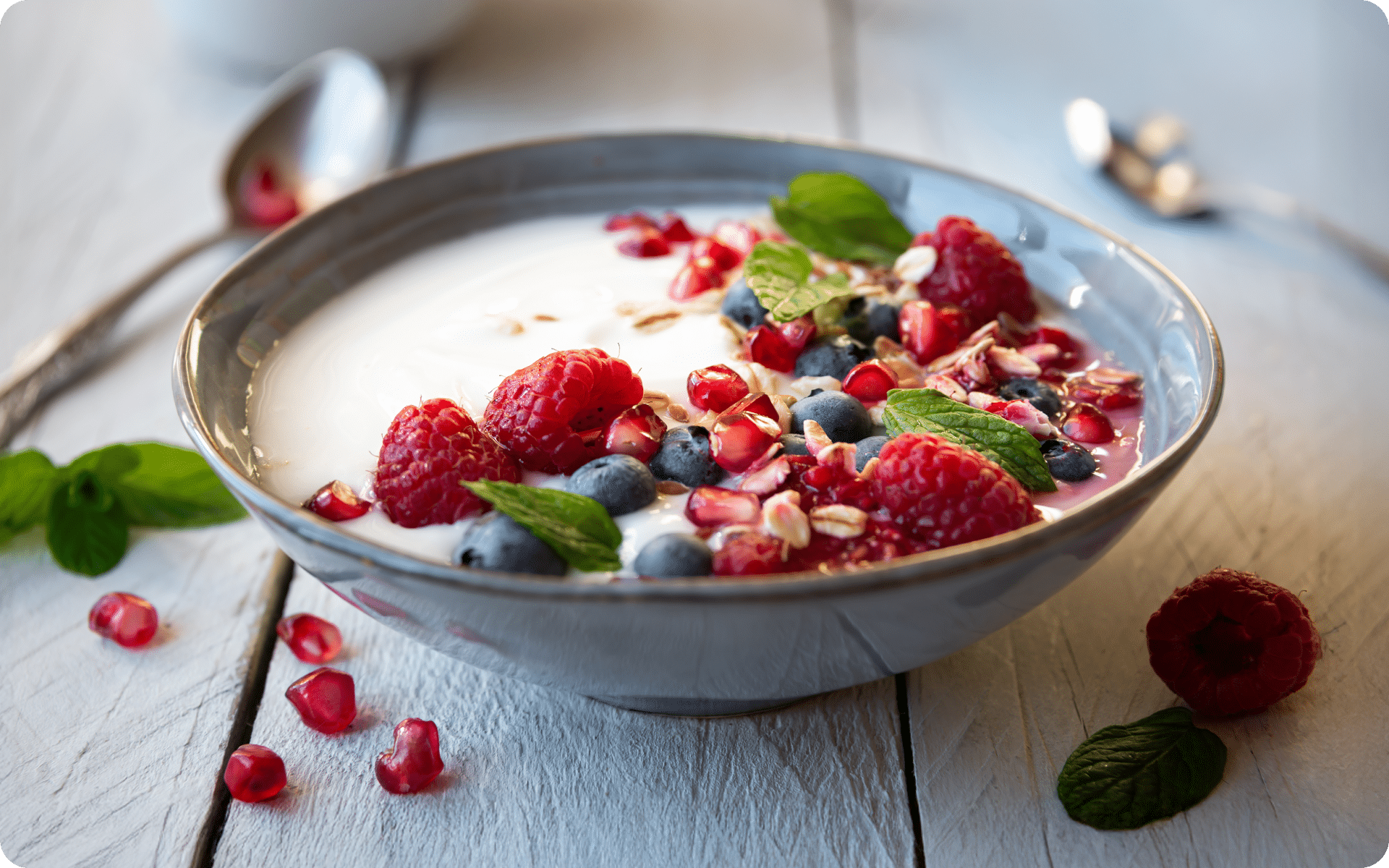
How Can You Meal Prep Vegetarian Keto Meals?
You can meal prep vegetarian keto meals by batch-cooking versatile ingredients such as eggs, tofu, and low-carb vegetables. Taking time on the weekend to prepare food makes sticking to your routine much easier during busy weekdays.
Vegetarian keto meal prep requires a focus on foods that store well and can be quickly assembled. Here’s how you can approach your preparation process.
Step-by-Step Protein Prep
Having your main protein sources ready to go is essential for quick meals.
- Boil a dozen eggs and store them in the fridge for quick snacks or salads.
- Press and cube two blocks of extra-firm tofu, then bake them with olive oil and spices.
- Portion out your nuts, seeds, and cheeses into individual grab-and-go containers.
Vegetable Washing and Chopping
Vegetables can take a lot of time to prepare on the spot, so doing this in advance saves energy.
- Wash and dry leafy greens thoroughly, storing them with a paper towel to absorb moisture.
- Chop broccoli, cauliflower, and zucchini into bite-sized pieces for roasting or stir-fries.
- Rice a head of cauliflower and store it in an airtight container to use as a base for dinners.
Pre-Mixing Sauces and Dressings
Fats and flavorings are essential to this routine, and homemade options are often the best.
- Whisk together olive oil, lemon juice, and herbs for a simple daily salad dressing.
- Make a batch of avocado mayo or keto-friendly pesto.
- Store these dressings in glass jars in the refrigerator for up to a week.
Read more: High Fiber Low Carb Diet Plan: A Gentle Guide
Can a Vegetarian Keto Diet Support Weight Loss?
Yes, a well-planned low-carb vegetarian diet can support weight management for many people. When carbohydrate intake is reduced, the body may rely more on fat-derived energy sources, though individual responses vary.
Weight management is always a holistic process, and diet is only one part of the equation. For anyone looking for a keto diet plan for women over 50, it’s especially important to focus on nutrient-dense foods, adequate protein, hydration, and a routine that feels sustainable rather than overly restrictive. To see changes, you generally need to maintain a moderate calorie deficit over time (14).
Fat-containing foods can be filling, which may help some people manage appetite (15). However, because fats are calorically dense, it’s still possible to overeat if you’re not mindful of your portions.
Individual outcomes vary based on multiple factors. Sleep quality, stress levels, and daily physical activity all play crucial roles in how your body responds to a new routine.
A lack of regular physical activity is often associated with reduced energy levels (16), so consider pairing your diet with gentle movement. Keep in mind that finding a routine that feels sustainable and enjoyable is the best way to encourage lasting results.

What Mistakes Should You Avoid on a Vegetarian Keto Diet?
You should avoid relying heavily on ultra-processed foods, ignoring hidden carbs, and forgetting to balance your electrolytes. Transitioning to this routine requires a bit of a learning curve.
Relying on Ultra-Processed Alternatives
It can be tempting to buy packaged “keto-friendly” snacks and baked goods. While these are convenient, they are often heavily processed and low in essential nutrients. You should aim to build your meals around whole foods such as eggs, avocados, and fresh greens.
Miscalculating Net Carbs
Carbohydrates can hide in surprising places, such as sauces, dressings, and certain vegetables. If you do not track your intake carefully in the beginning, you may consume more carbs than intended. Reading labels and understanding portion sizes is essential for success.
Not Getting Enough Variety
Eating the same cheese and eggs every single day can quickly lead to boredom. A lack of variety may also prevent you from getting a wide range of vitamins and minerals. Make an effort to rotate your vegetables, try different nuts, and experiment with new tofu recipes.
Forgetting Fluids and Electrolytes
When you reduce carbohydrates, your body has a tendency to flush out water and essential minerals. This can lead to temporary discomfort or fatigue. Some people adjust fluids and electrolyte-containing foods during this transition, but anyone who has medical concerns or dietary restrictions should consult a healthcare provider first.

Frequently Asked Questions
Can beginners follow a vegetarian keto diet?
Beginners may be able to follow a vegetarian keto diet with planning and basic macro tracking. It requires learning to balance macros and familiarizing yourself with low-carb plant foods. Starting with a simple meal plan and focusing on whole foods can make the transition smooth and manageable.
Can vegetarian keto include enough protein?
Yes, many people can get enough protein on a vegetarian keto diet. By including eggs, cheese, tofu, tempeh, and seeds, you may be able to meet your daily protein needs with careful planning. It just requires a bit more planning than a traditional meat-based routine. That being said, the keto diet is moderate in protein by design, so it isn’t the ideal diet for people who have high protein needs.
Can you eat beans on a vegetarian keto diet?
Most beans are difficult to fit into a strict keto routine as they are relatively high in carbohydrates. While they offer good protein and fiber (17), the starch content of a reasonable portion size will quickly push you over your daily net carb limit. Black soybeans are sometimes used in small amounts as a lower-carb exception.
What are good vegetarian keto snacks?
Good snacks include hard-boiled eggs, cheese sticks, macadamia nuts, and celery with almond butter. These options provide healthy fats and protein with minimal carbohydrates. They are also easy to prepare and take with you when you’re on the go.
Can you follow vegetarian keto without dairy?
Yes, it’s possible to follow this routine without dairy by focusing entirely on vegan keto principles. You would rely heavily on avocados, coconut oil, nuts, seeds, and soy for your fats and proteins. If you still eat eggs, it will be a lot easier to meet your protein needs. This approach requires very careful planning to ensure you get adequate nutrition.
The Bottom Line
Maintaining a keto diet plan vegetarian routine is a practical and rewarding way to support your wellness goals. By focusing on nutrient-dense plant proteins, healthy fats, and low-carb vegetables, you can create a varied and satisfying daily menu. Start small, try new recipes, and enjoy discovering what works best for your body.
DISCLAIMER:
This article is intended for general informational purposes only and does not serve to address individual circumstances. It is not a substitute for professional advice or help and should not be relied on for making any kind of decision-making. Any action taken as a direct or indirect result of the information in this article is entirely at your own risk and is your sole responsibility.
BetterMe, its content staff, and its medical advisors accept no responsibility for inaccuracies, errors, misstatements, inconsistencies, or omissions and specifically disclaim any liability, loss or risk, personal, professional or otherwise, which may be incurred as a consequence, directly or indirectly, of the use and/or application of any content.
You should always seek the advice of your physician or other qualified health provider with any questions you may have regarding a medical condition or your specific situation. Never disregard professional medical advice or delay seeking it because of BetterMe content. If you suspect or think you may have a medical emergency, call your doctor.
SOURCES:
- Get to Know Carbs (n.d., diabetes.org)
- Nutraceutical Properties of Legume Seeds: Phytochemical Compounds (2021, intechopen.com)
- Nutritional Aspects of Eggs for a Healthy and Sustainable Consumption: A Narrative Review (2025, onlinelibrary.wiley.com)
- The Role of Dairy in Human Nutrition: Myths and Realities (2025, mdpi.com)
- A review on plant-based proteins from soybean: Health benefits and soy product development (2022, sciencedirect.com)
- Perspective: Is it Time to Expand Research on “Nuts” to Include “Seeds”? Justifications and Key Considerations (2022, sciencedirect.com)
- Healthy Eating Plate (2023, nutritionsource.hsph.harvard.edu)
- Health Benefits of Plant-Based Nutrition: Focus on Beans in Cardiometabolic Diseases (2021, mdpi.com)
- Soybeans and soy foods (2026, betterhealth.vic.gov.au)
- Perspective: Milk and Dairy Provide Affordable High-Quality Protein and Merit Inclusion in the Protein Foods Group (2025, sciencedirect.com)
- Nutritional and Health Potential of Edible Seeds: Micronutrient Bioavailability and Mechanistic Insights (2023, onlinelibrary.wiley.com)
- Hemp Seeds (Cannabis sativa L.) as a Valuable Source of Natural Ingredients for Functional Foods—A Review (2024, mdpi.com)
- Can you consume enough protein on a plant-based diet? (2024, mcpress.mayoclinic.org)
- Optimal Diet Strategies for Weight Loss and Weight Loss Maintenance (2020, pmc.ncbi.nlm.nih.gov)
- The Lipids and Volume in Satiation and Satiety (LIVES) Hypothesis: A Proposed Alternative Model for the Pathogenesis of Obesity (2023, mdpi.com) 15
- The Effect of Chronic Exercise on Energy and Fatigue States: A Systematic Review and Meta-Analysis of Randomized Trials (2022, frontiersin.org) 16
- Health Benefits of Plant-Based Nutrition: Focus on Beans in Cardiometabolic Diseases (2021, mdpi.com)