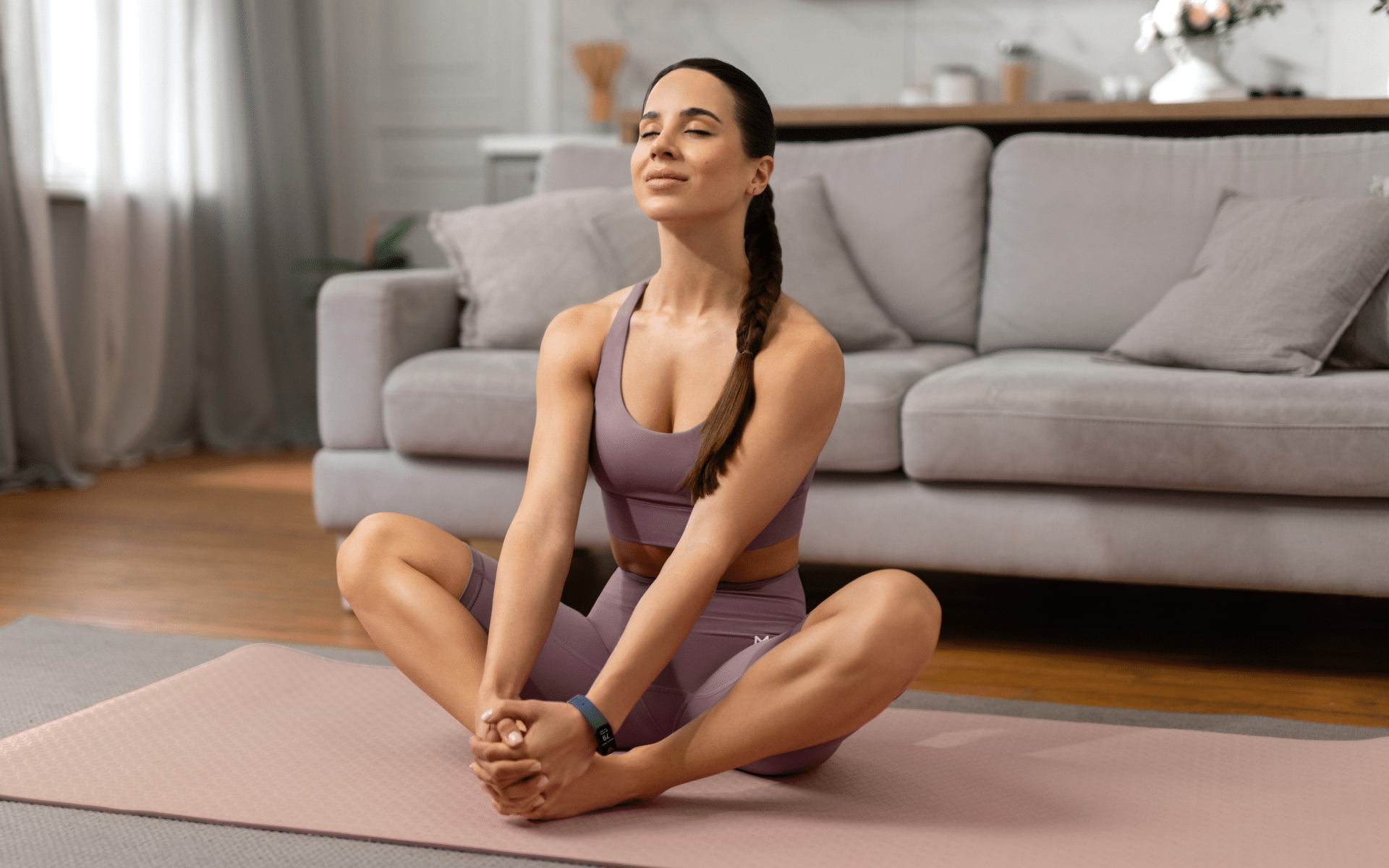
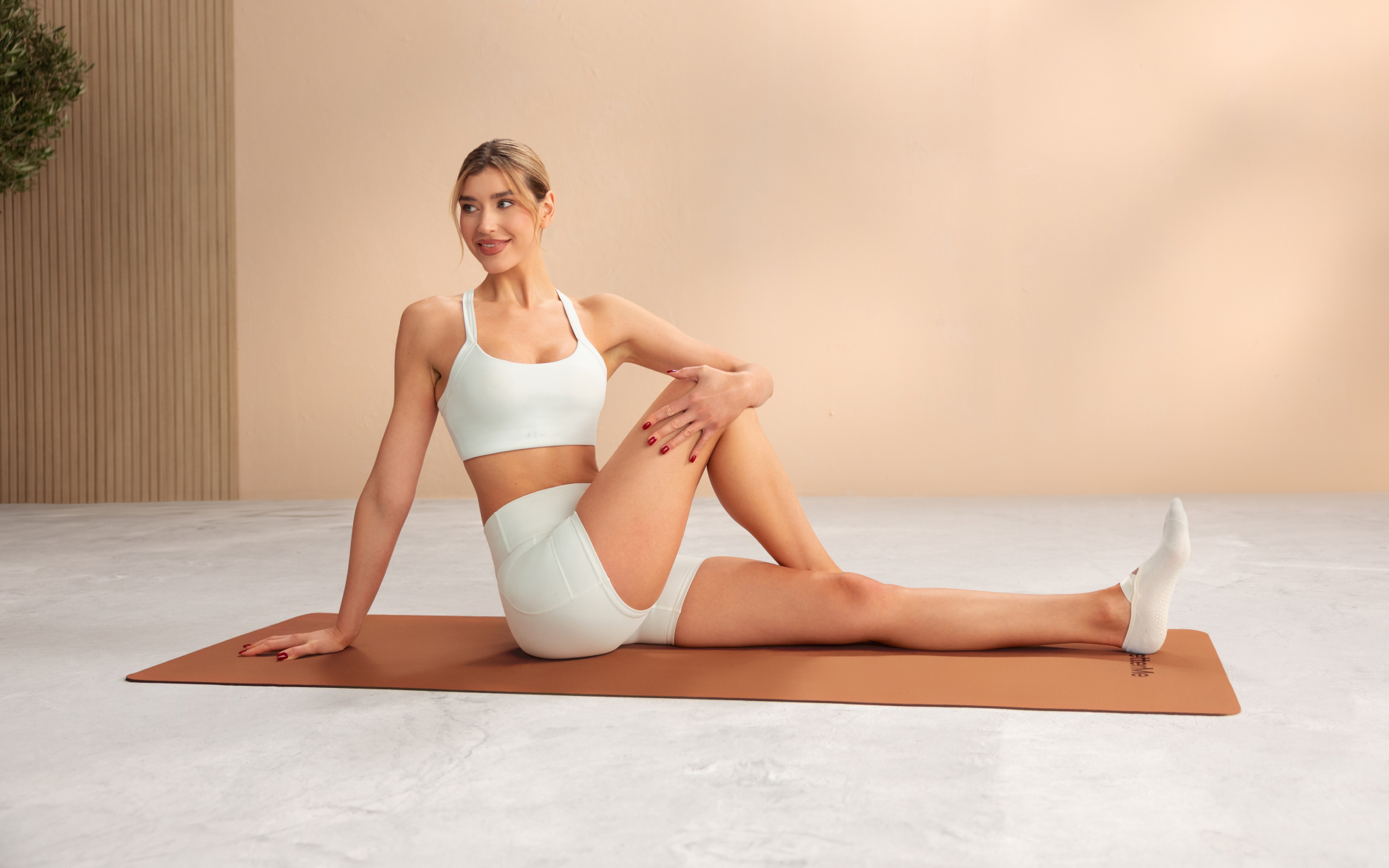
Mat Pilates is a form of Pilates that’s done on a floor mat, using slow, controlled movements and steady breathing. It’s one of the two forms of Pilates, the other being done using specialised equipment called the reformer machine.
When it comes to beginner mat Pilates, the focus isn’t on pushing hard or moving fast—it’s about learning the basics, finding your rhythm, and adjusting exercises so that they feel manageable. Most people can try it, with small tweaks along the way to match their comfort level.
Now, here’s where it starts to feel relevant. Life today isn’t exactly built for long gym sessions or expensive routines, and honestly, not everyone wants that anyway. Between rising costs and packed schedules, people are leaning toward options that feel… doable. Beginner mat Pilates fits into that space quite naturally. It asks for very little, just a mat and some time, and gives you a chance to move without pressure.
There’s also something quietly reassuring about it and a certain ease to it, too. You’re not thrown into intensity from day one, and you dont need to “perform” for anyone. It’s steady and that’s exactly what makes it stick for so many people trying to build a routine that actually lasts.
Can a Beginner Do Mat Pilates?
The answer is yes, most people can try it, and many do. Beginner mat Pilates is often seen as one of the more approachable entry points into movement, especially if you’re not used to structured workouts or you’ve been away from exercise for a while (1). The pace is usually slower, the movements are controlled, and there’s room to pause, reset, and try again. That alone makes it less intimidating than many other routines.
That being said, “beginner-friendly” doesn’t mean effort-free. Some of the smallest movements can feel surprisingly challenging at first, and that’s normal. You might notice your muscles shaking a little, or struggle to coordinate breathing with movement—it happens, and it dont mean you’re doing something wrong. It just means your body is learning something new.
A few things that can help early on:
- Start with guided sessions
Following a structured class or video can make a big difference. It helps you understand how each movement should feel, not just how it looks. - Focus on form over repetition
In beginner mat Pilates, quality matters more than quantity. Doing fewer reps with better control is often more useful than rushing through a full set (2). - Use modifications freely
Many exercises can be adjusted like bending your knees, reducing range of motion, or taking breaks. That flexibility is part of what makes it accessible. - Expect a learning curve
It can take a few sessions before things start to click. Some days will feel smoother than others, and thats completely fine.
Research also suggests that Pilates can support core strength and body awareness when practiced consistently (3). While the results vary from person to person, the emphasis on controlled movement and alignment is often what draws beginners in and keeps them coming back.
So yes, a beginner can absolutely do mat Pilates. The key is to approach it with a bit of patience, a willingness to feel slightly awkward at first, and the understanding that progress tends to come gradually rather than all at once.
How Should a Beginner Start Mat Pilates?
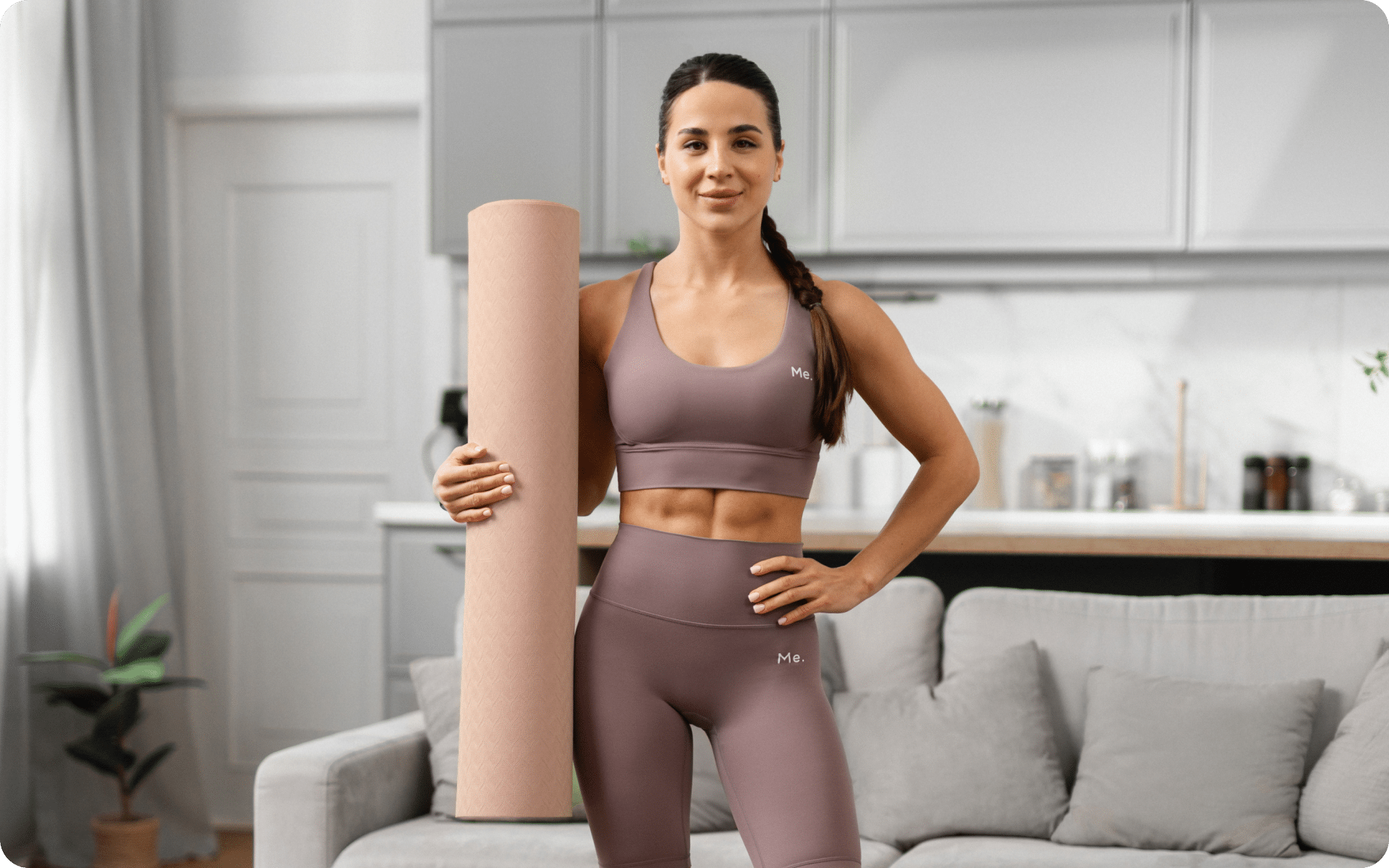
Starting beginner mat Pilates doesn’t need to feel like a big, dramatic shift. In fact, it works better when it’s simple. You don’t have to overhaul your entire routine overnight. You just carve out a small pocket of time and begin there. Even 10–15 minutes can be enough to get familiar with the basics, especially in the early days.
As mentioned, one of the hacks to begin is by following a short, structured session. There are many Pilates exercises for beginners available online, including guided routines like BetterMe’s Pilates programs, which walk you through breathing, alignment, and pacing step by step.
This type of guidance matters more than you might expect, because Pilates isn’t just about moving—it’s also about how you move. And yes, it can feel a bit confusing at first, like your brain and body aren’t quite on the same page yet, but that settles with practice.
Here’s a realistic way to ease into it:
- Set a low starting point
Aim for a couple of sessions a week rather than committing to it every single day. It’s tempting to go all in initially but consistency beats intensity here. - Create a small, comfortable space
You don’t need a huge space or a full workout setup. A mat, a quiet corner, and enough room to stretch out is plenty. This is why many people do Pilates for beginners at home since it removes a lot of excess effort. - Learn the basics of breathing
Pilates breathing can feel unusual. It’s more intentional. You might forget it halfway through a move, and thats okay—just come back to it when you notice. - Keep sessions short and focused
Instead of long workouts, try a simple mat Pilates sequence that covers a few core movements. Think of it as practice, not performance. - Be patient with progress
Some days will feel smooth, others a bit clumsy. That uneven rhythm is part of the process and not a sign you’re doing it wrong.
It’s also worth understanding the difference between Mat Pilates vs Reformer Pilates at this stage. Reformer Pilates uses a machine with springs and resistance, while mat work relies on your body weight. For beginners, mat Pilates is often the easier place to start as it strips things back and helps you build a foundation before adding complexity (4).
Reasons why BetterMe is a safe bet: a wide range of calorie-blasting workouts, finger-licking recipes, 24/7 support, challenges that’ll keep you on your best game, and that just scratches the surface! Start using our app and watch the magic happen.
What Are Mat Pilates Exercises for Beginners?
This is where things get a bit more hands-on. Beginner mat Pilates isn’t about memorizing a long list of moves—it’s about understanding a core set of exercises that teach control, breathing, and stability. Still, having a more complete picture helps. It gives you options, lets you mix things up, and builds confidence over time.
Below is our structured guide to beginner mat Pilates exercises, grouped by movement focus so it’s easier to follow and actually use for your workout.
Core & Stability Focus
| Exercise | How to Do It | What It Targets | Beginner Help |
|---|---|---|---|
| The Hundred (modified) | On your back, knees bent, arms pumping gently as you breathe in counts. | Deep core, breathing rhythm | Keep head down if needed, no pressure to lift. |
| Single Leg Stretch | Alternate pulling one knee in while extending the other leg. | Core coordination | Move slow as fast switching isn’t the goal. |
| Double Leg Stretch | Both legs extend out and return in, arms reaching overhead then circling back. | Core strength | Keep range small at first, it dont need to be big. |
| Toe Taps | Knees in tabletop, tap one foot down at a time. | Lower core | Focus on keeping your back steady. |
| Dead Bug (Pilates style) | Opposite arm and leg extend slowly while lying on your back. | Core control | If it feels shaky, thats okay—go slower. |
Lower Body & Glutes
| Exercise | How to Do It | What It Targets | Beginner Note |
|---|---|---|---|
| Pelvic Curl (Bridge) | Lift hips slowly off the mat, then lower down with control. | Glutes, lower back | Think of rolling up, not lifting quickly. |
| Side-Lying Leg Lifts | Lie on one side, lift top leg up and down. | Outer thighs, hips | Keep hips stacked, even if range is small. |
| Clamshells | Knees bent, open and close top knee like a shell. | Hip stabilizers | Avoid rolling backward, its a common slip. |
| Leg Circles | One leg extended upward, draw small circles. | Hip mobility | Smaller circles = more control. |
Posture & Spine Mobility
| Exercise | How to Do It | What It Targets | Beginner Note |
|---|---|---|---|
| Spine Stretch Forward | Sit tall, slowly reach forward rounding your back. | Spine flexibility | Don’t force depth, ease into it. |
| Cat-Cow Stretch | Alternate arching and rounding spine on hands and knees. | Spinal mobility | Let breath guide the movement. |
| Chest Lift | Lift head and shoulders slightly off the mat. | Upper abs | Keep neck relaxed, dont strain upward. |
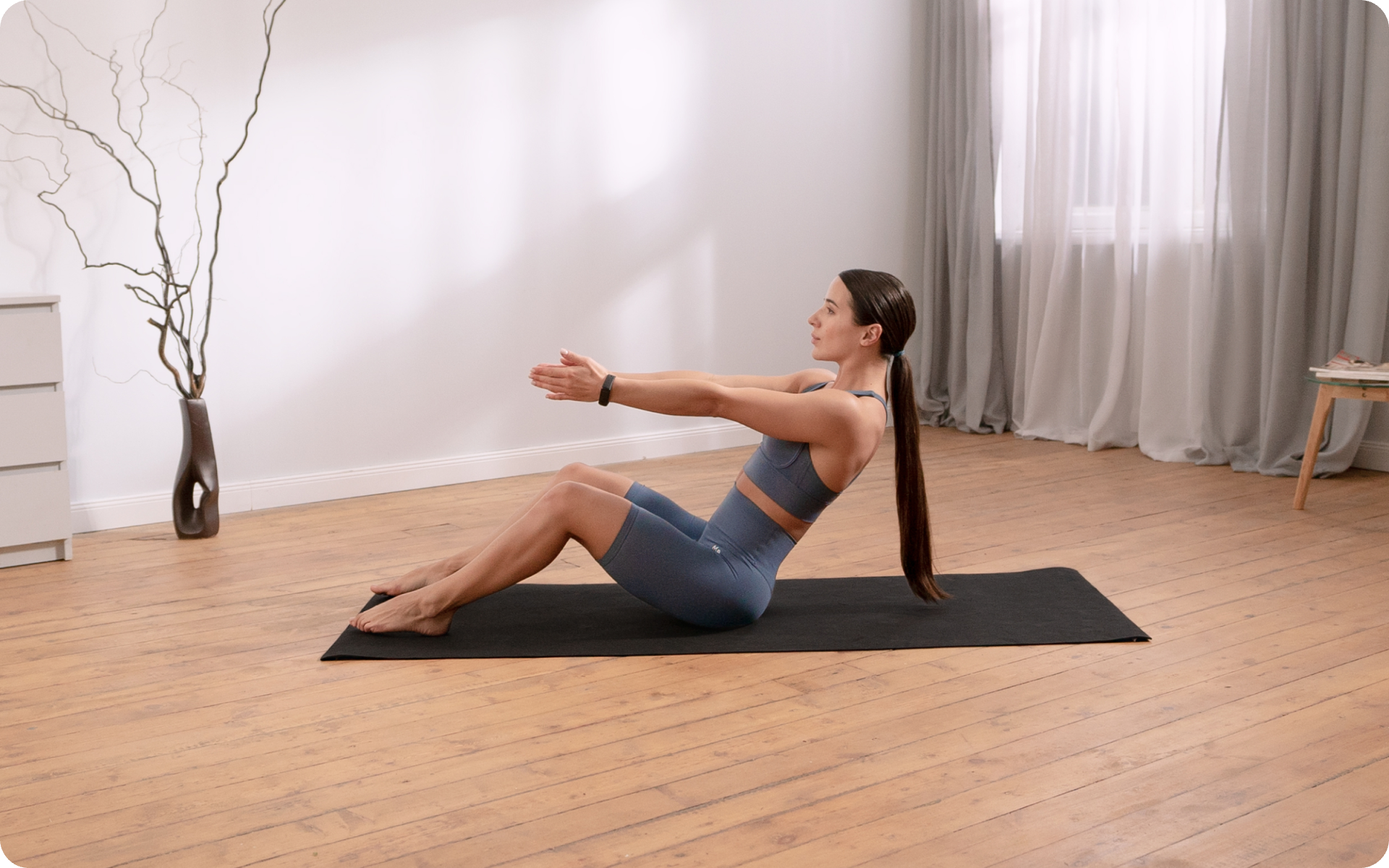
| Saw (modified) | Sit tall, rotate torso and reach toward opposite foot. | Rotation, posture | Keep movement controlled, not rushed. |
Full Body & Coordination
| Exercise | How to Do It | What It Targets | Beginner Note |
|---|---|---|---|
| Swimming (modified) | On your stomach, lift opposite arm and leg gently. | Back body, coordination | Keep movements small and steady. |
| Plank (knees down) | Hold a straight line from shoulders to knees. | Core, shoulders | Start with short holds, even 10 seconds counts. |
| Bird Dog | On hands and knees, extend opposite arm and leg. | Balance, core | Try not to wobble, even if its tricky. |
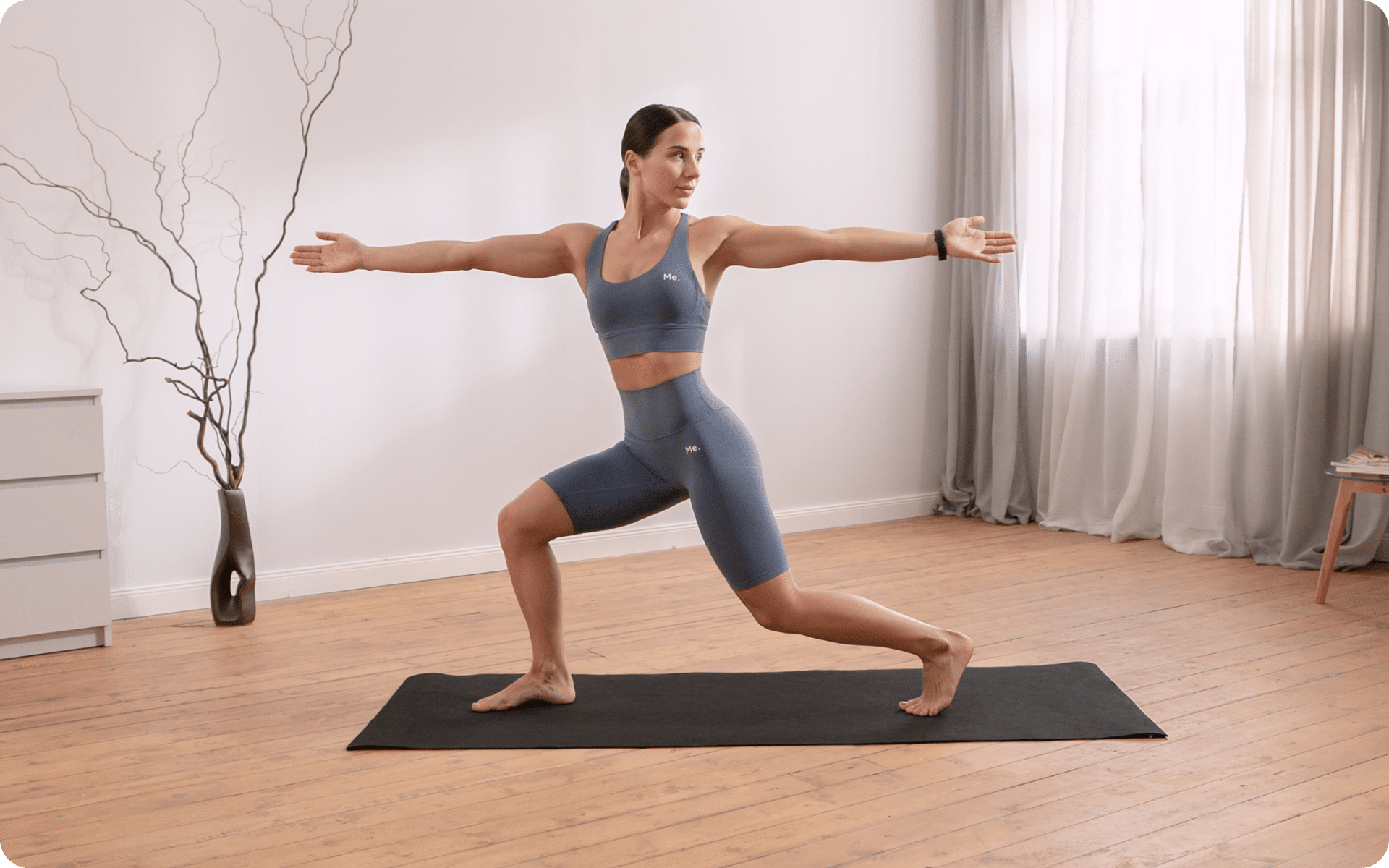
| Wall Roll Down | Stand against a wall and slowly roll down one vertebra at a time. | Spine awareness | Use the wall as support, don’t rush. |
Read more: How to Do the Active Calf Stretch in Your Wall Pilates Routine
How to Use These in a Routine
You don’t need to do all of these at once because that would honestly be overwhelming. A simple mat Pilates sequence might include:
- 1–2 core exercises
- 1 lower body movement
- 1 spine or posture exercise
- 1 full-body stability move
That’s enough. More than enough, actually, especially in the beginning when you’re starting out.
This is where beginner mat Pilates quietly stands out. Unlike high-intensity workouts, these mat Pilates moves ask you to slow down and notice things like how your back feels against the mat, whether your breathing is steady, if one side feels stronger than the other. It’s subtle work, but it adds up.
Also, many of these fall under what people casually refer to as floor mat exercises, meaning simple, grounded routines done without equipment. That simplicity is part of their USP – you can return to them again and again, adjusting as you go.
What Do I Need for My First Mat Pilates Class?
Starting beginner mat Pilates doesn’t require a long checklist, but having a few basics in place can make the whole experience feel smoother. It’s less about “being prepared” in a strict sense, and more about removing small distractions so you can actually focus on the exercises. The setup is supposed to be simple, but these little details add up in the long run.
Here’s what you’ll want to have ready:
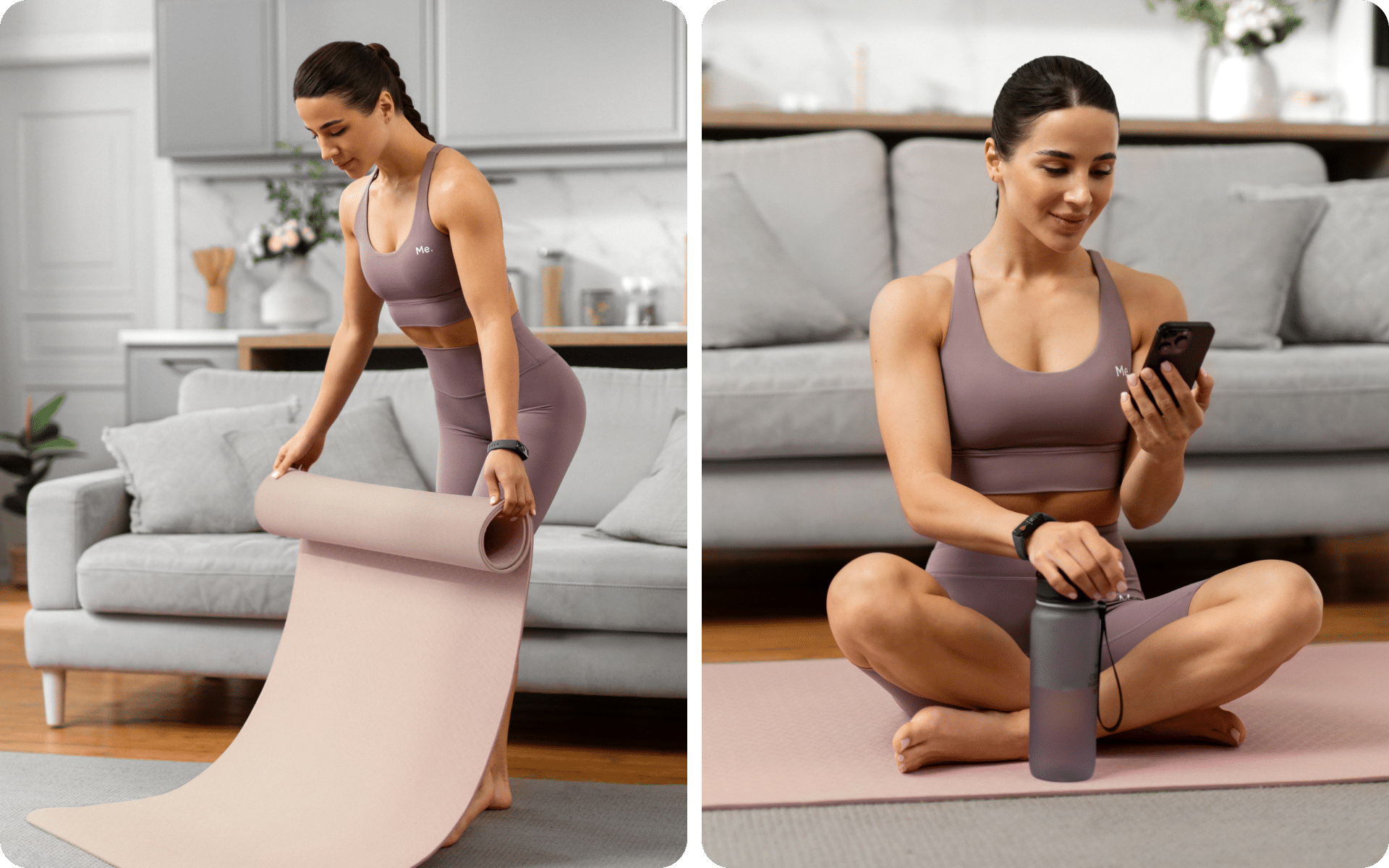
- A supportive mat
This is the one thing you really shouldn’t skip on. Since most floor mat exercises are done lying down or seated, a bit of cushioning will definitely help. If the mat is too thin, you might feel discomfort in your back or hips and that can take your attention away from the exercise itself. - Comfortable, movement-friendly clothing
You don’t need anything technical or expensive. Just something that lets you move freely without constantly adjusting it. Clothes that are very loose can shift around while very tight ones can feel restrictive. The idea is to find something thats in-between, even if it takes a couple tries. - A water bottle
Even though beginner mat Pilates isn’t high-impact, staying hydrated still matters. You might not reach for it often, but when you do, you’ll be glad it’s there. Just don’t overdo it, small sips is enough! - Optional support items
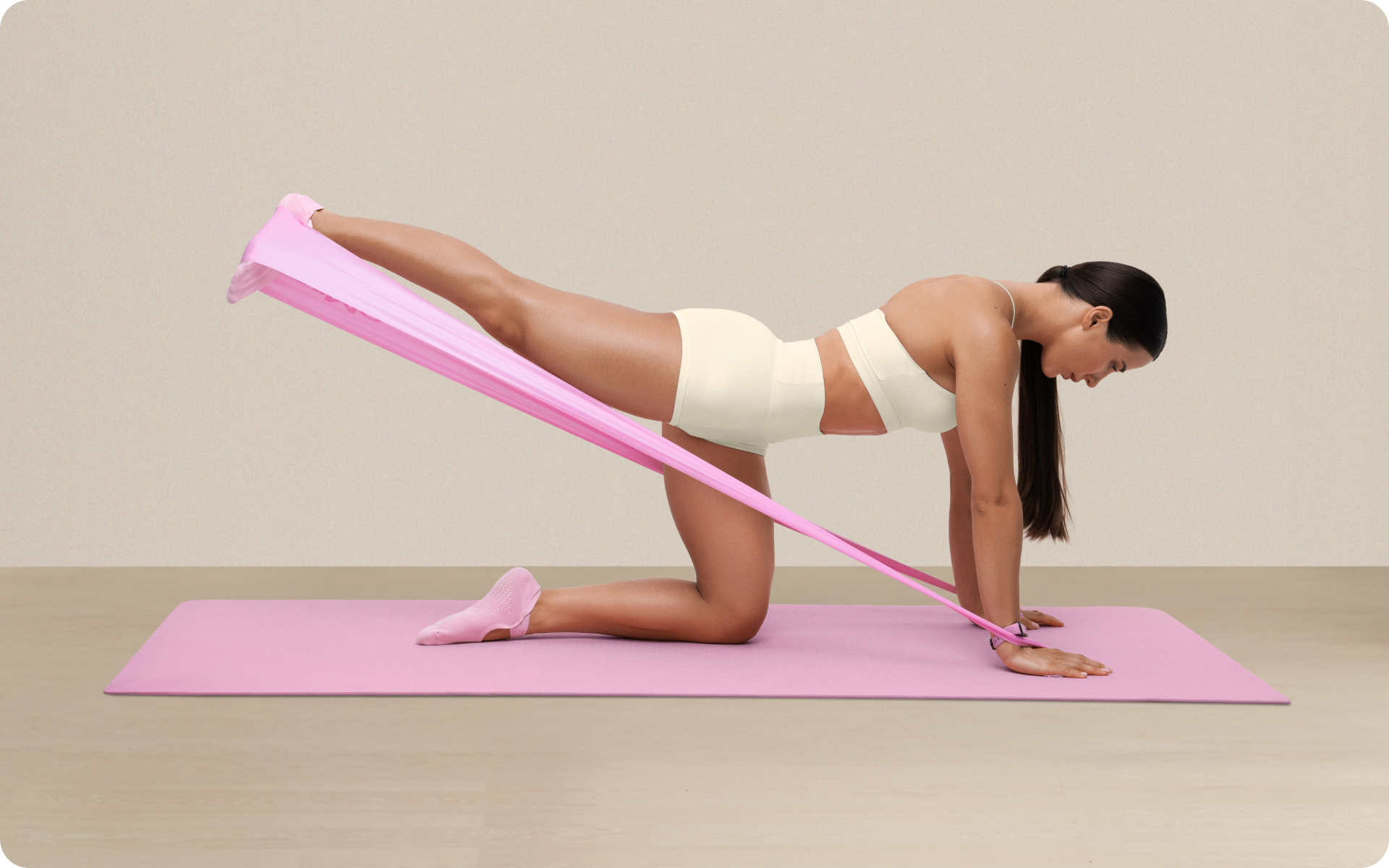
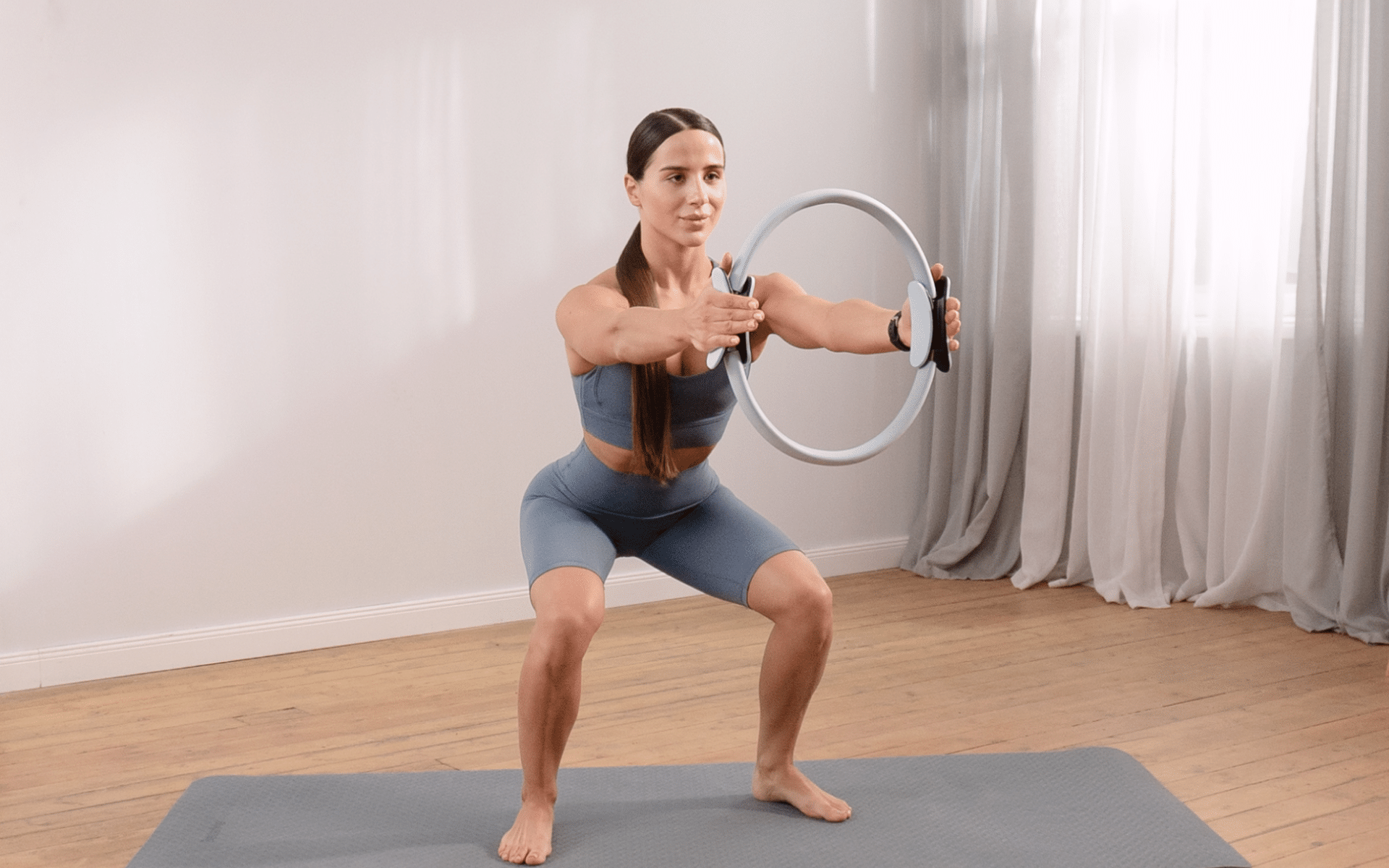
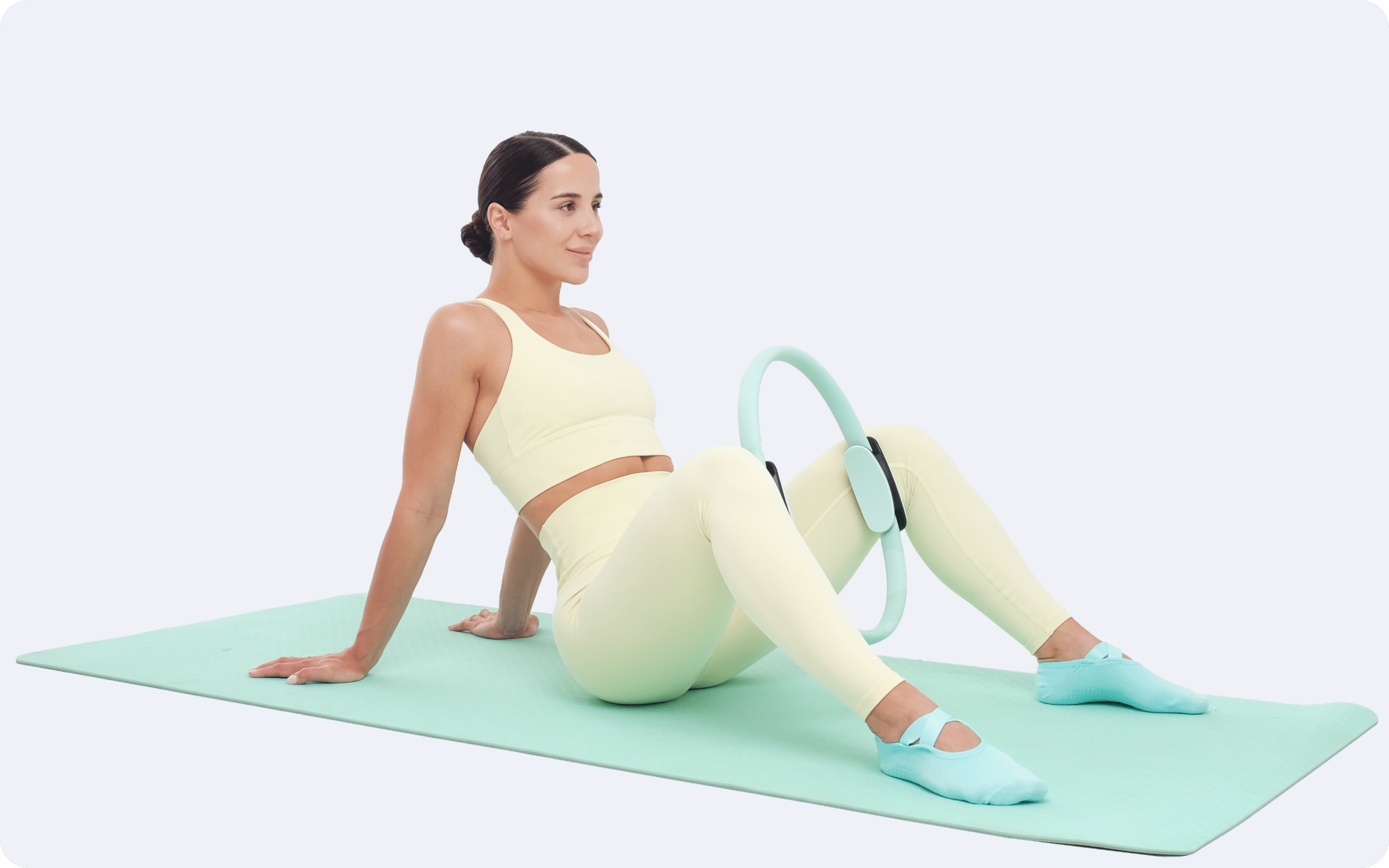
A folded towel or small cushion can help support your head or lower back, especially if certain positions feel a bit uncomfortable at first. Resistance bands or rings are also sometimes helpful for your sessions but they’re not essential when you’re just starting, so it dont need to be a priority.
It also helps to decide where you feel most comfortable starting. Some people prefer a class setting for guidance while others lean toward practicing at home where there’s no pressure to keep up. Both approaches work and neither is “better.” What matters is that you feel at ease enough to focus, pause when needed, and try again without overthinking it.
In the end, you don’t need much to begin. A mat, a bit of space, and a willingness to feel slightly unsure at first. The rest will fall into place as you go, even if it dont seem like it right away.
Intense sweat sessions, working weight loss tips, lip-smacking recipes come in one package with the BetterMe Well-Being Coach app—all at your fingertips, start transforming your life now!
How Often Should a Beginner Do Mat Pilates?
There’s no one-size answer here and that’s actually a good thing. With beginner mat Pilates, frequency isn’t about doing more. It’s about doing enough to stay consistent without feeling overwhelmed. For most people starting out, 2 to 3 sessions per week is a realistic place to begin. It gives your body time to adjust while still building a steady rhythm.
It’s easy to feel tempted to do it every day especially if the sessions seem gentle. But more isn’t always better in the beginning. Your muscles are learning new patterns, your coordination is catching up, and your body needs time to process that. Skipping rest days can make things feel harder than they need to be, even if it dont seem obvious at first.
Here’s a simple way to think about it:
- Start with short, manageable sessions
Around 10–20 minutes is enough in the early stages. You don’t need long workouts to see progress. - Space out your sessions
For example, try every other day. This gives your body time to recover and adapt especially if you’re new to structured movement. - Pay attention to how you feel
Some days you’ll feel more in sync and other days a bit off. That variation is normal, and it’s okay to adjust your schedule around it. - Build gradually
After a few weeks, you might feel ready to increase your routine to 3–4 sessions. There’s no rush, and pushing too quickly can take away from the learning process.
According to research as well, regular movement spread across the week tends to support general fitness more effectively than sporadic, intense sessions (5). Pilates fits well into that idea since it’s designed to be practiced consistently, not all at once.
What’s interesting is how routine starts to form. At first, it might feel like something you have to remind yourself to do. Then, slowly, it becomes part of your week without much effort. That shift doesn’t happen overnight and thats honestly fine.
In the end, beginner mat Pilates works best when it feels sustainable. A few sessions a week, done with attention and patience, can go further than daily workouts that feel forced or rushed.
Read more: 6 Pilates Exercises to Do On the Reformer
Can Mat Pilates Help Build Strength and Muscle Tone?
It can but maybe not in the way people first imagine. Beginner mat Pilates isn’t about lifting heavy weights or chasing visible changes overnight. Instead, it works through controlled, bodyweight movements that ask your muscles to stay engaged for longer periods. That kind of tension, even without added resistance, can support gradual strength and muscle tone over time (6).
You might not leave a session feeling exhausted, but certain areas like your core, hips, even your shoulders, can feel quietly worked. That’s because many mat pilates moves rely on holding positions, stabilizing your body, and moving with a certain precision rather than force.
Here’s how beginner mat Pilates contributes to strength and tone:
- Core engagement is constant
Most exercises, even the simpler ones, involve your core in some way (7). Over time, this repeated activation can help build strength in a steady, low-impact way. - Muscles work through control, not speed
Slower movements increase time under tension. It might not feel intense in the traditional sense but your muscles are still working consistently, even if it doesn’t seem obvious (8). - Supports balanced muscle use
Instead of focusing on one area at a time, many exercises involve multiple muscle groups working together. This can help create a more even sense of strength across the body. - Progression comes from precision
As you improve, the exercises don’t always get “harder” in the usual way—you just perform them with better control, deeper engagement, and improved alignment.
It’s also worth setting expectations clearly. Beginner mat Pilates can support strength and muscle tone, but it’s not designed for rapid muscle growth. If that’s the goal, it’s often paired with other forms of training. On its own, though, it offers a steady, low-impact way to build a stronger foundation.
Frequently Asked Questions
What mat exercise is the most basic Pilates?
One of the most basic exercises is the Pelvic Curl (Bridge) as it teaches core engagement and controlled movement without being very complex.
Which is better for beginners, mat or reformer Pilates?
For most beginners, mat Pilates is easier to start with since it requires no equipment and focuses on learning foundational movement patterns before adding any resistance.
Is mat Pilates enough of a workout?
Yes, mat Pilates can be enough of a workout especially for improving core strength, stability, and mobility when practiced consistently.
Is mat Pilates better than gym?
It depends on your goals—mat Pilates suits those looking for low-impact, controlled movement while a gym may offer more variety for strength and higher-intensity training.
Is mat Pilates the hardest?
Not necessarily; it can feel challenging because it relies on body control but difficulty varies based on the exercises and your experience level.
The Bottom Line
Beginner mat Pilates offers a steady, approachable way to build a movement habit without overcomplicating things. It doesn’t demand much to get started yet it creates space for gradual progress—physically and mentally. Through simple, controlled exercises, you begin to understand how your body moves, where it feels strong, and where it needs a bit more attention.
What makes it stand out is its flexibility. You can practice at home, follow guided sessions, or take it at your own pace without feeling rushed. Over time, those small, consistent efforts can support strength, coordination, and overall body awareness. It’s not about dramatic change, it’s about steady improvement that fits into real life.
There will be days when it feels smooth, and others when it doesnt quite click. That’s part of the process. The key is to keep showing up, even in small ways, and let the routine build naturally from there.
DISCLAIMER:
This article is intended for general informational purposes only and does not serve to address individual circumstances. It is not a substitute for professional advice or help and should not be relied on for making any kind of decision-making. Any action taken as a direct or indirect result of the information in this article is entirely at your own risk and is your sole responsibility.
BetterMe, its content staff, and its medical advisors accept no responsibility for inaccuracies, errors, misstatements, inconsistencies, or omissions and specifically disclaim any liability, loss or risk, personal, professional or otherwise, which may be incurred as a consequence, directly or indirectly, of the use and/or application of any content.
You should always seek the advice of your physician or other qualified health provider with any questions you may have regarding a medical condition or your specific situation. Never disregard professional medical advice or delay seeking it because of BetterMe content. If you suspect or think you may have a medical emergency, call your doctor.
SOURCES:
- The Effect of Mat Pilates Exercise Program on Body Mass Index and Body Composition in Non-Physically Active Working Iraqi Women (2023, Journal of Sports Medicine and Therapy)
- Six Basic Principles and Steps for Teaching Pilates Exercises in Physical Education (2026, Journal of Physical Education, Recreation & Dance)
- Effects of Pilates on Body Posture: A Systematic Review (2023, Archives of Rehabilitation Research and Clinical Translation)
- Reformer Pilates vs Mat Pilates and Muscle Mass: Current State of Knowledge (2026, Quality in Sport)
- Association of Weekend Warrior and Other Physical Activity Patterns With Mortality Among Adults With Diabetes : A Cohort Study (2025, Annals of Internal Medicine)
- The effects of mat Pilates exercise and barrel Pilates exercise on body composition and muscle activity in adult women (2025, Journal of Bodywork and Movement Therapies)
- Mat Pilates probably improves balance and strength in older adults (n.d., NIHR)
- How slow should you go? A systematic review with meta-analysis of the effect of resistance training repetition tempo on muscle hypertrophy (2025, Journal of Strength and Conditioning Research)
 Reviewed by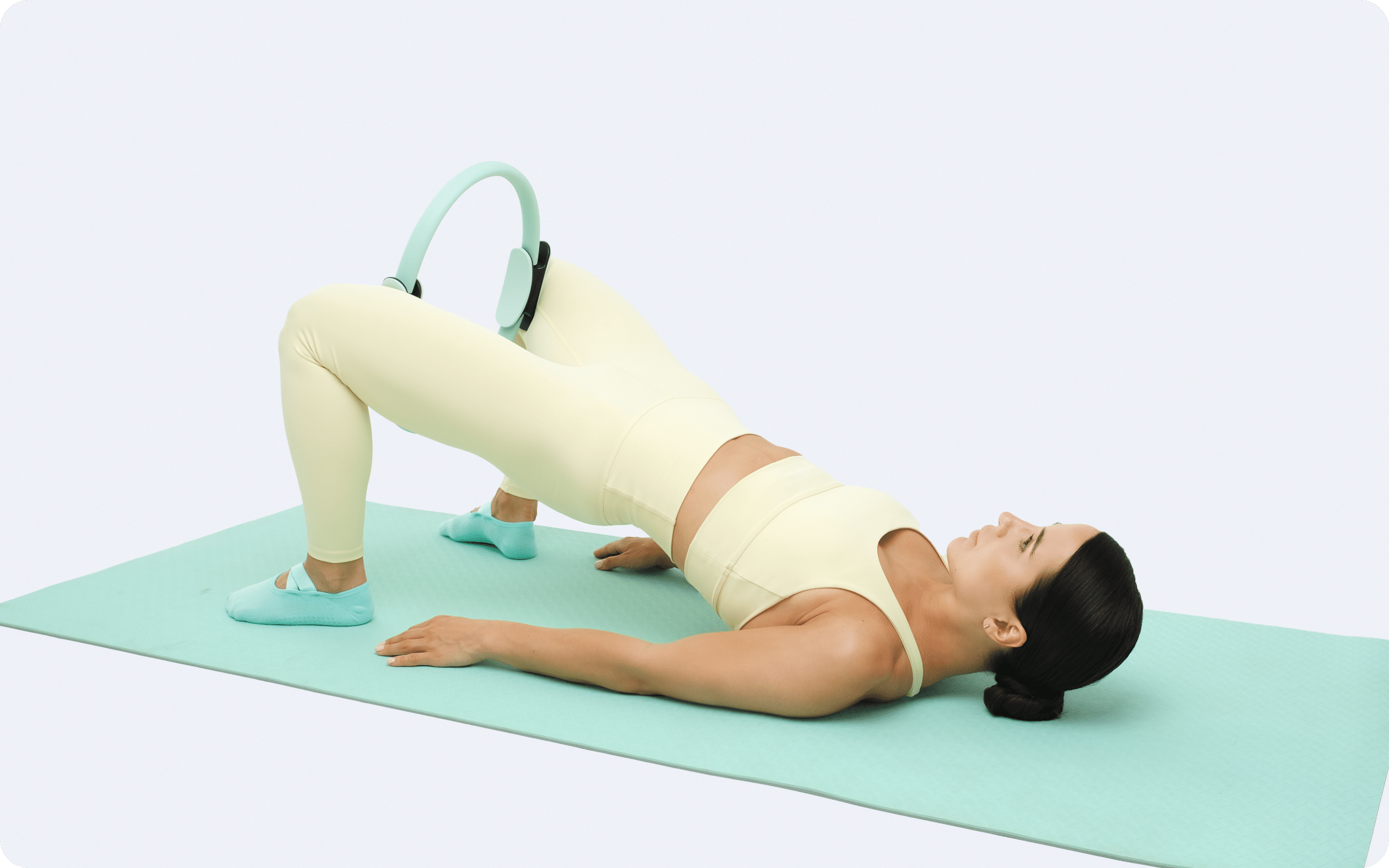
 Reviewed by