
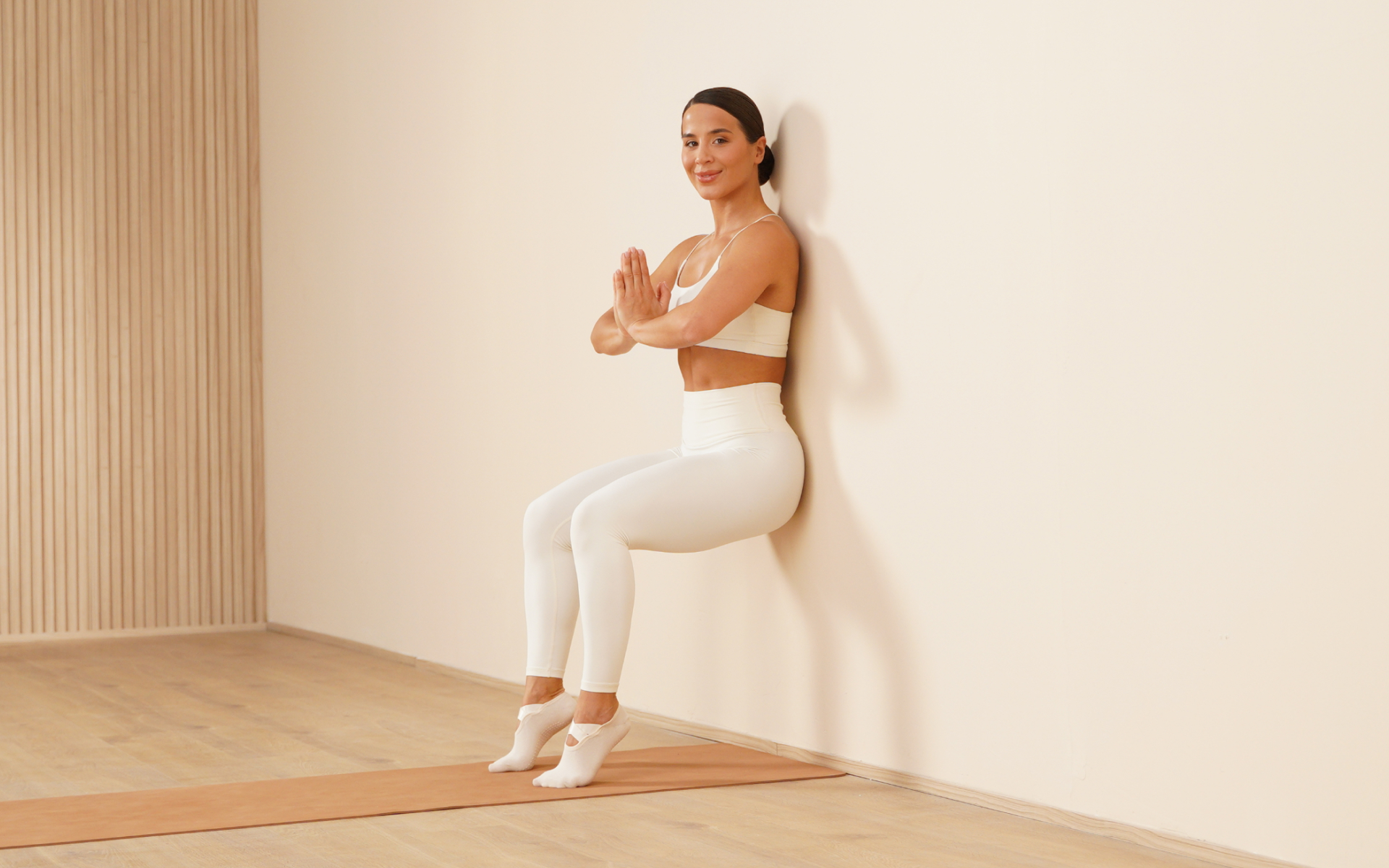
Your lower legs carry the entire weight of your body through thousands of steps every single day – not to mention their role in your workout program. If you want to maintain optimal athletic performance, limit lower limb discomfort, and build sustainable fitness habits, addressing calf mobility is non-negotiable.
To help you navigate resting your lower legs, this guide will break down the mechanics of the active calf stretch within a wall Pilates framework. We’ll explore exactly what this movement entails, why it matters, and how you can seamlessly integrate it into your weekly training schedule.
What Is the Active Calf Stretch in Wall Pilates?
The active calf stretch in wall Pilates is a wall-supported movement that lengthens the calf muscles while you actively engage the foot, ankle, and lower leg, rather than just passively hanging in a stretch.
Typically, you perform this stretch by placing your hands against a wall and stepping one leg back. With your back heel reaching down toward the floor, you initiate a gentle bend and straightening of the knee, or a controlled ankle movement through a full range of motion.
This deliberate muscle engagement (1, 2):
- Can help maintain healthy ankle mobility
- May support greater calf flexibility
- Often encourages better lower-leg activation during your workouts
By actively contracting the opposing muscles, you signal the nervous system to relax the target muscle, which creates a gentle and effective stretch environment (3).
How Do You Loosen Tight Calves Fast?
When you feel acute tightness in your lower legs, the instinct is often to hold a static stretch for several minutes. Understanding static vs dynamic stretching can be helpful here, as active movement often provides faster relief for calf tightness than holding one position alone. However, loosening tight calves “fast” typically requires a more integrated approach that involves blood flow, nervous system down-regulation, and active movement (4).
To encourage immediate relief, start with self-myofascial release, using a foam roller or massage ball for 60 to 90 seconds per leg. This targeted pressure can help hydrate the fascial tissue and reduce localized neural tension (5).
Immediately follow this tissue work with a wall Pilates active calf stretch. Moving the ankle through its active range of motion under mild load increases local blood circulation and desensitizes the stretch reflex (3).
To see the fastest results, perform 10 to 15 repetitions of a dynamic calf stretch on each leg, pausing for 2 to 3 seconds at the end range. Combining tissue mobilization with active elongation provides a more immediate reduction in stiffness than passive stretching alone (4).
Want to spring-clean your diet, skyrocket your self-confidence, and shatter your insecurities? Check out the BetterMe Well-Being Coach app and set this plan in motion!
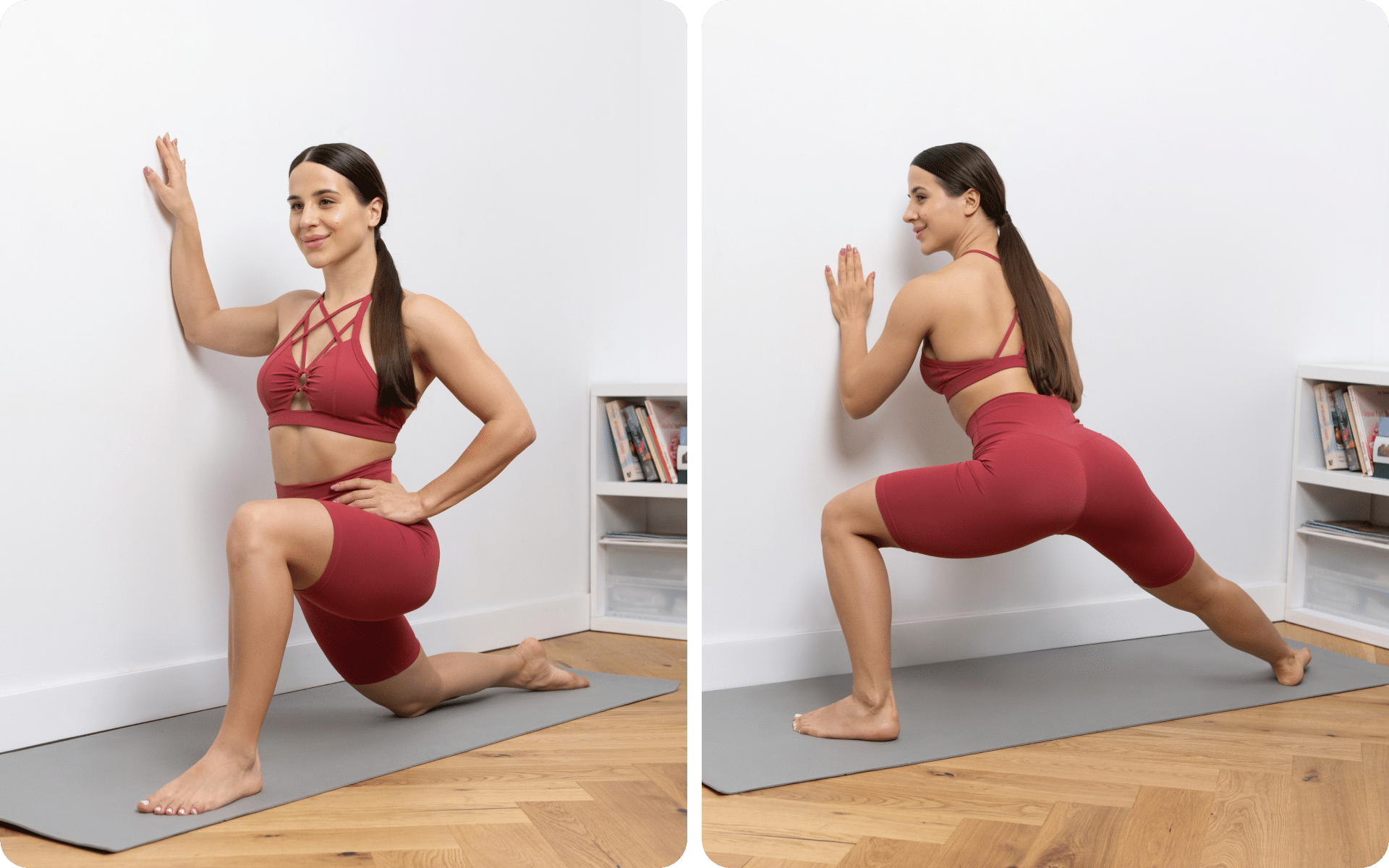
Why Is Calf Stretching Important?
Your calf is complex and is composed primarily of the gastrocnemius and soleus muscles. It functions as a powerful shock absorber and propulsive force generator (6).
When these tissues become chronically tight, your ankle dorsiflexion (the ability to pull your toes toward your shin) becomes restricted to less than the optimal 15 to 20 degrees needed for normal gait and athletic movements (7).
A lack of ankle mobility forces your body to compensate. This compensation often shifts the mechanical stress upward to the knee joint, hips, or lower back, or downward into the plantar fascia of the foot (8).
Maintaining optimal calf flexibility helps preserve the structural integrity of your entire kinetic chain. Furthermore, regular active stretching promotes healthy blood flow and lymphatic drainage in the lower extremities, which is essential for rest after intense training sessions (9).
Read more: 3 Wall Posture Exercises to Practice at Home
How to Do a Calf Stretch on a Wall as a Pilates Beginner
If you’re new to wall Pilates, mastering the basic mechanics of this stretch is your first priority.
Place your hands against a wall at shoulder height and move your feet back so your heels are close to the ground. The key is that your heels should get as close to the ground as possible without actually resting on it.
At the bottom of the movement, focus on pulling your heels down or pulling your toes toward your knees. This will help you achieve a good stretch in the posterior lower leg.
To move into the next phase, press through your toes to push up, engaging and squeezing your calf muscles. The goal is to get a good amount of dorsiflexion at the bottom (toes moving closer to your knees) and then press up to the top for plantarflexion (pushing your heels away from the floor).
Perform 10 to 12 repetitions of this movement.
If you don’t have a wall, a windowsill will work just as well. Start by pulling your heels toward the ground, then press them away in a slow, controlled rhythm. On one end, you’re working on strength, and on the other, you’re improving mobility and flexibility as you pull your heels down.
What Are the Best Active Calf Stretch Wall Pilates Exercises?
To build a comprehensive lower leg routine, you can use different types of stretching exercises and setups to target the calf muscles from several angles. The table below outlines a highly effective program that targets both the gastrocnemius and soleus muscles.
| Exercise name | Sets | Reps/duration | Focus area |
|---|---|---|---|
| Straight leg wall calf stretch | 2 | 12-15 reps | Gastrocnemius (upper calf) |
| Bent knee wall stretch | 2 | 12-15 reps | Soleus (lower calf) |
| Calf stretch on wall or step | 3 | 10 reps | Full ankle mobility |
| Pilates wall angel (with heel raise) | 2 | 10-12 reps | Full body coordination/posture |
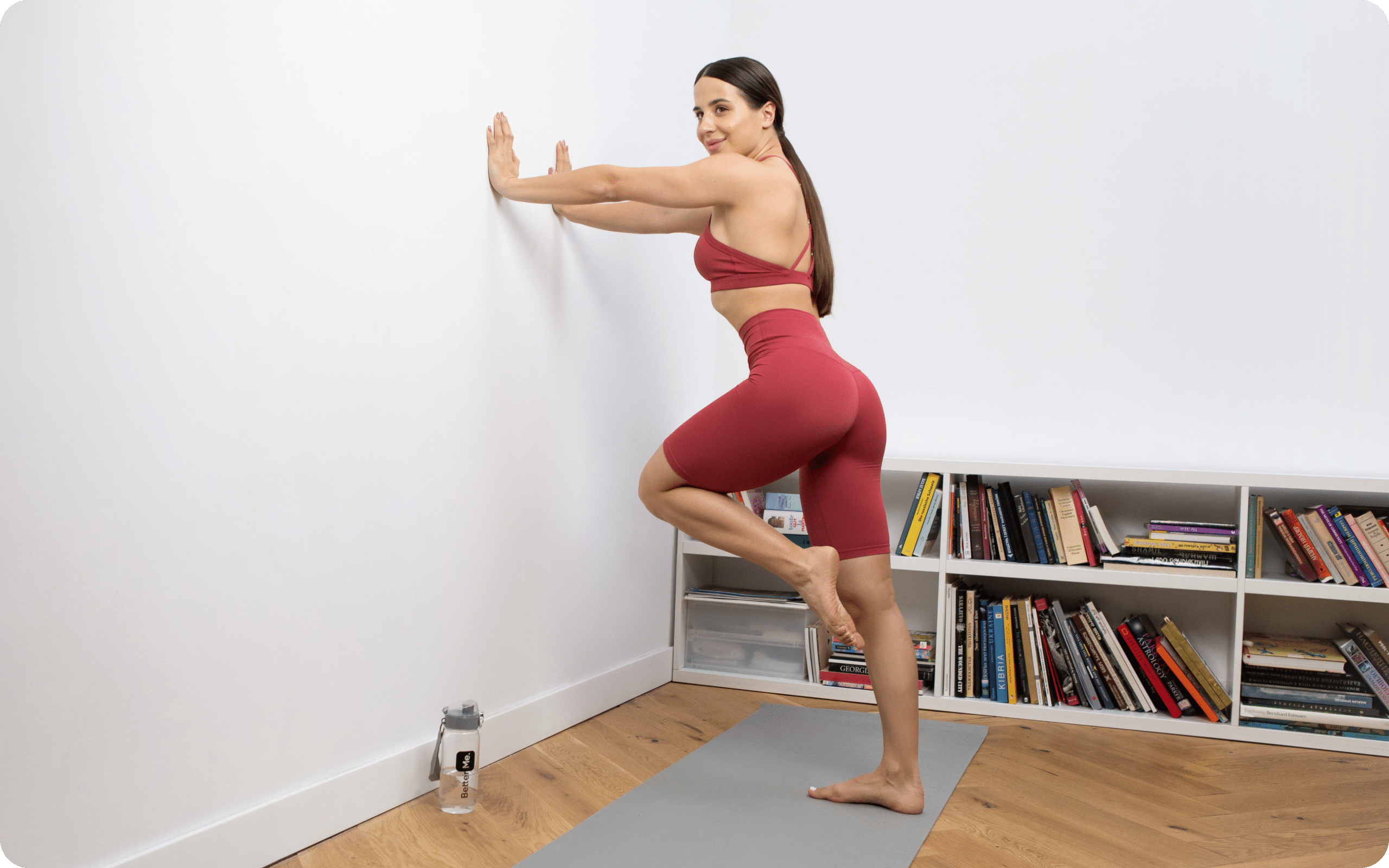
Straight Leg Wall Calf Stretch
- Stand facing a wall, with both hands flat against the surface at chest level.
- Step your right foot back approximately 24 to 30 inches, keeping your right knee completely straight.
- Keep your left knee slightly bent and your torso upright.
- Actively press your right heel toward the floor while pulling your toes upward inside your shoe.
- Lift your heel 2 inches off the ground, then actively drive it back down. Repeat for the prescribed number of repetitions.
Bent Knee Wall Stretch
- Assume the same starting position as for the straight leg variation, facing the wall.
- Step your right foot back, but this time, bend your right knee slightly (approximately 15 to 20 degrees).
- Keep your back heel pressed down as you actively drive your bent knee closer to the wall.
- You should feel the stretch shift lower down your leg, near your Achilles tendon.
- Pulse gently into the stretch, then back out, maintaining muscle engagement throughout.
Calf Stretch on Wall or Step
- Find a wall or a stable step. If you’re using a wall, place the ball of your right foot up against the baseboard with your heel on the floor.
- Keep your leg straight and actively lean your hips toward the wall.
- If you’re using a step, stand on the edge and let one heel drop below the level of the step.
- Actively push up onto your toes, then slowly lower your heel below parallel over 3 to 4 seconds.
- Pause at the bottom for 2 seconds before initiating the next repetition.
Pilates Wall Angel (with Heel Raise)
- Stand with your back, hips, and head resting flat against a wall. Walk your feet out approximately 6 to 8 inches from the baseboard.
- Raise your arms to a 90-degree angle, pressing your elbows and wrists into the wall to perform a standard Pilates wall angel.
- As you slide your arms up the wall, press through your toes to lift your heels off the floor.
- As you pull your arms back down, actively lower your heels, controlling the descent.
- Keep your core braced and maintain contact with the wall throughout the entire movement.
What Are Some Common Mistakes with Calf Stretches?
When attempting a calf stretch against a wall surface, many people inadvertently compromise their mechanics. The first common mistake is allowing the back foot to rotate outward. When the foot turns out, the stretch bypasses the main fibers of the calf and collapses the arch of the foot. Always ensure that your toes are pointing straight forward toward the wall.
Another frequent error is bouncing passively at the end range of motion. Uncontrolled bouncing can trigger a stretch reflex, which causes the muscle to contract protectively rather than lengthen. Instead, utilize a dynamic calf stretch where the movement is slow, intentional, and controlled by your own muscle force (10).
Finally, avoid overarching your lower back. Keep your ribcage stacked over your pelvis to ensure that the tension remains in your lower leg, not your lower back (lumbar spine).
BetterMe Well-Being Coach app helps you achieve your body goals with ease and efficiency by helping to choose proper meal plans and effective workouts. Start using our app and you will see good results in a short time.
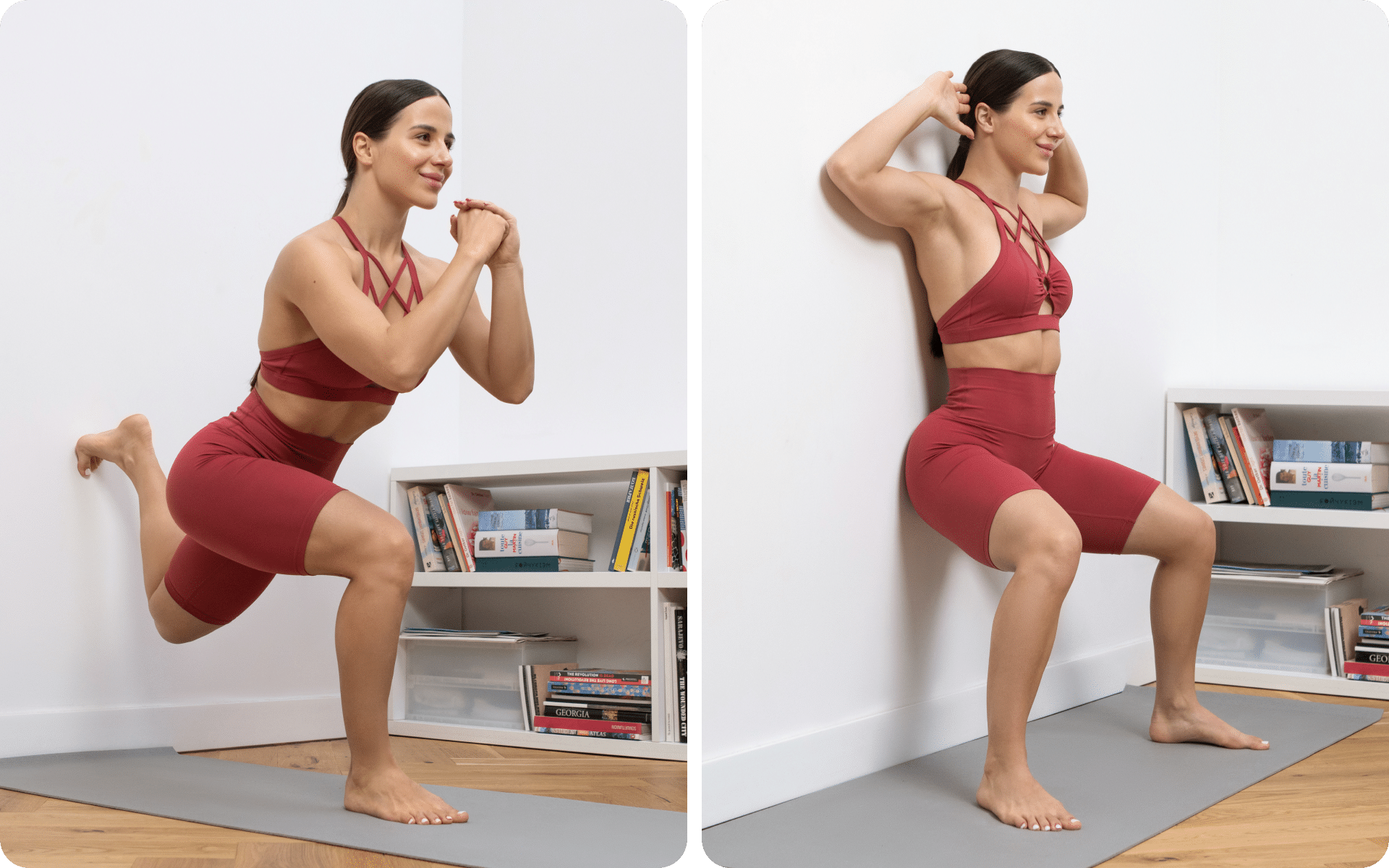
What Happens if You Stretch Your Calf Too Much?
While flexibility is essential, aggressive or excessive stretching can yield negative consequences. If you push a muscle far beyond its current tissue tolerance, you risk creating micro-tears in the muscle fibers or the connective tissue of the Achilles tendon.
Overstretching often signals the nervous system that the joint is in danger. In response, the brain increases neural tension in the area, which leaves the calf feeling tighter and more restrictive than before you stretched it. This is known as a protective spasm (11).
To avoid this, always keep your stretching intensity at around a 6 out of 10. You should feel a mild, completely tolerable pulling sensation, but never sharp discomfort or localized burning.
What Happens if You Don’t Stretch Your Calves?
Neglecting calf mobility can lead to a cascade of biomechanical issues over time. Without regular elongation, the muscle fibers adapt to a shortened position. This reduces your active range of motion, specifically limiting ankle dorsiflexion to under 10 degrees (12).
When the ankle cannot bend sufficiently during walking, running, or squatting, the foot is forced to pronate (collapse inward) excessively, or the heel lifts prematurely. This mechanical flaw places increased stress on the plantar fascia, potentially contributing to plantar fasciitis (13).
It also forces the knee to absorb forces it is not designed to handle, which can lead to anterior knee discomfort (14). Maintaining a routine that includes a wall Pilates active calf stretch can help preserve joint health and functional movement patterns.
Read more: Wall Slide Exercises You Can Do Anywhere for Better Movement
How Long Does It Take to Loosen Tight Calves?
Tissue adaptation requires consistency and time. You can’t permanently remodel muscle length in a single weekend. If you implement a structured routine that involves a dynamic calf stretch and active loading 3 to 4 times per week, you can typically expect to feel temporary relief immediately after the session due to increased blood flow and neural relaxation.
However, to create lasting changes in tissue length and joint range of motion, research has suggested that it takes approximately 4 to 6 weeks of consistent practice (10). Dedicating 5 to 10 minutes every other day to a targeted calf stretch against a wall sequence will yield far better long-term results than stretching aggressively once a week (15). For some people, the benefits of stretching before bed may include reduced calf tension and a more relaxed feeling at the end of the day.
Frequently Asked Questions
What is the root cause of tight calves?
Tight calves are most commonly caused by repetitive use, poor footwear, a lack of regular stretching, or spending prolonged periods in a shortened ankle position, such as wearing high heels or sitting at a desk with feet resting on the toes.
What is the number one exercise for calves?
While there is no single perfect exercise, the weighted calf raise is highly effective for building strength, while the active calf stretch against the wall is optimal for improving functional mobility and flexibility.
Where should I massage tight calves?
Focus your massage efforts on the thickest part of the muscle belly (the gastrocnemius) just below the back of the knee, as well as the lower, flatter portion of the calf (the soleus) that transitions into the Achilles tendon.
What emotions are held in the calves?
In holistic and somatic practices, the lower legs and calves are often associated with feelings of forward momentum, fear of moving forward, or unreleased stress related to taking action in life.
Is walking good for tight calves?
Walking is excellent for promoting blood flow to the lower legs, but if it’s done with poor mechanics or a severely restricted gait, it can exacerbate tightness – it should be paired with regular active stretching.
The Bottom Line
Optimizing your lower leg mechanics doesn’t require complex machinery or hours of your time. By incorporating the active calf stretch into your wall Pilates routine or weekly fitness schedule, you’ll provide your body with the necessary input to maintain healthy, resilient tissues.
Focus on active engagement, control your range of motion, and prioritize consistency over intensity. When you focus on mobility as a fundamental aspect of your training rather than an afterthought, you pave the way for sustainable, injury-free performance for many years to come.
DISCLAIMER:
This article is intended for general informational purposes only and does not serve to address individual circumstances. It is not a substitute for professional advice or help and should not be relied on for making any kind of decision-making. Any action taken as a direct or indirect result of the information in this article is entirely at your own risk and is your sole responsibility.
BetterMe, its content staff, and its medical advisors accept no responsibility for inaccuracies, errors, misstatements, inconsistencies, or omissions and specifically disclaim any liability, loss or risk, personal, professional or otherwise, which may be incurred as a consequence, directly or indirectly, of the use and/or application of any content.
You should always seek the advice of your physician or other qualified health provider with any questions you may have regarding a medical condition or your specific situation. Never disregard professional medical advice or delay seeking it because of BetterMe content. If you suspect or think you may have a medical emergency, call your doctor.
SOURCES:
- Effect of 12-Week Dynamic Stretching of Ankle Plantar Flexors on Joint Flexibility and Musculoskeletal Properties in The Contralateral Muscle (2025, pmc.ncbi.nlm.nih.gov)
- The influence of gastrocnemius stretching combined with joint mobilization on weight-bearing ankle dorsiflexion passive range of motion (2015, pmc.ncbi.nlm.nih.gov)
- CURRENT CONCEPTS IN MUSCLE STRETCHING FOR EXERCISE AND REHABILITATION (2012, pmc.ncbi.nlm.nih.gov)
- Acute effects of dynamic stretching on neuromechanical properties: an interaction between stretching, contraction, and movement (2021, researchgate.net)
- Effects of 5-Week Foam Rolling Intervention on Range of Motion and Muscle Stiffness (2022, pubmed.ncbi.nlm.nih.gov)
- Calf Muscle (2023, my.clevelandclinic.org)
- Diagnosis of Musculus Gastrocnemius Tightness – Key Factors for the Clinical Examination (2016, pmc.ncbi.nlm.nih.gov)
- Associations Between Limited Dorsiflexion Under Load and Compensatory Hip/Pelvic Gait Patterns in Healthy Adults (2026, mdpi.com)
- Biomechanical, Healing and Therapeutic Effects of Stretching: A Comprehensive Review (2023, mdpi.com)
- Muscle Stretching: Exploring the Impact of Different Modalities on Maximal Range of Motion and Strength with Practical Recommendations (2025, link.springer.com)
- A Critical Analysis of the Side Effects of Over Stretching (2021, researchgate.net)
- Effects of peak ankle dorsiflexion angle on lower extremity biomechanics and pelvic motion during walking and jogging (2024, frontiersin.org)
- Plantar Fasciitis (2024, ncbi.nlm.nih.gov)
- Is there an association between plantar fasciitis and knee osteoarthritis? (2023, pubmed.ncbi.nlm.nih.gov)
- Improvements in Flexibility Depend on Stretching Duration (2023, pmc.ncbi.nlm.nih.gov)
 Reviewed by
 Reviewed by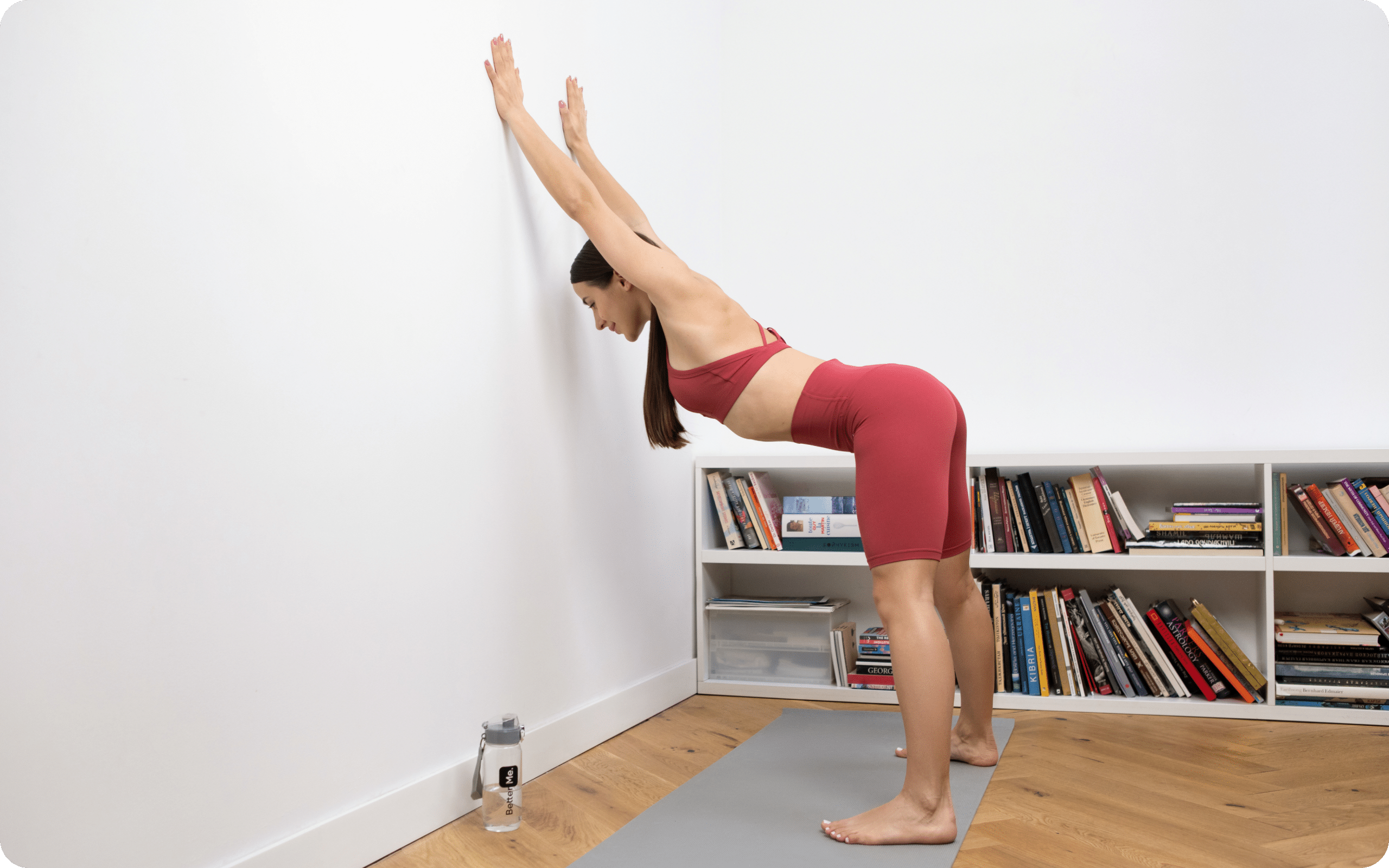
 Reviewed by