
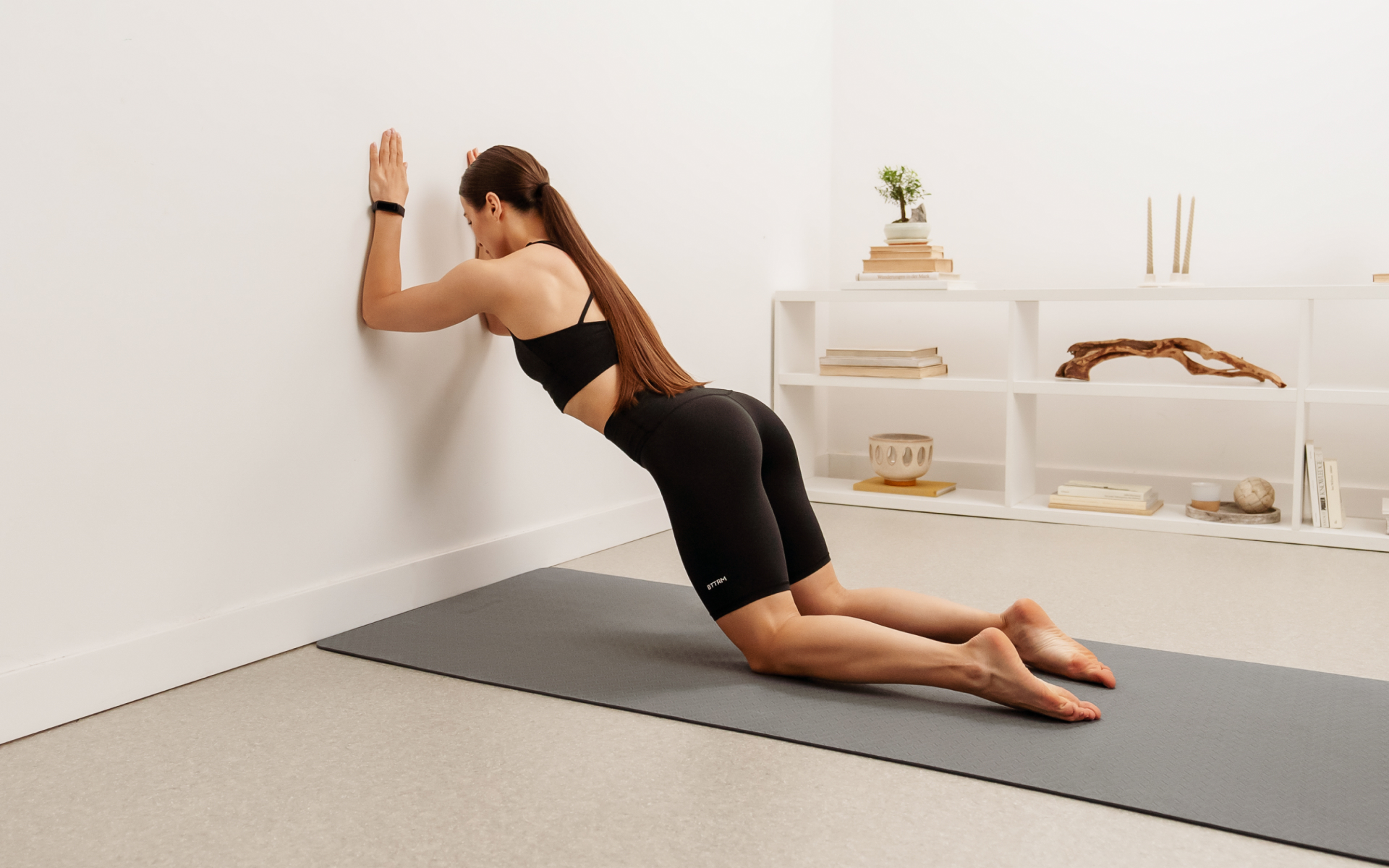
If you spend eight hours a day sitting at a desk or training intensely without an adequate rest protocol, you most likely experience tension in your posterior chain. The posterior chain includes the muscles that run down the back of your body, from your shoulders to your heels. Muscular stiffness in this area can limit your range of motion and hinder athletic performance.
Addressing this tension requires targeted mobility work. Wall-supported back mobility exercises can be a gentle way to ease stiffness, improve movement control, and support better posture.
In this guide, you’ll learn how to integrate a specific set of movements into your routine to support rest. We’ll break down the mechanics of wall-supported stretching, explain the physiological benefits, and provide a clear, actionable stretching program that you can implement today.
What Are Wall Stretches for the Lower Back?
Wall stretches for the lower back are gentle, wall-supported mobility and stretching drills. They may help relieve stiffness and improve comfort in the lower-back area by addressing nearby muscles, including the hips, glutes, and hamstrings (1), while supporting overall posture.
Using a wall provides external stability, which allows you to relax into the stretch without requiring significant balance or core activation (2). Examples include the wall hamstring stretch, the wall-supported hip flexor stretch, and the knees-to-chest stretch with feet on the wall.
Safety Note: If discomfort increases during any movement, you should stop immediately. If the symptoms persist for more than 48 hours, consult a clinician.
How to Quickly Decompress the Lower Back?
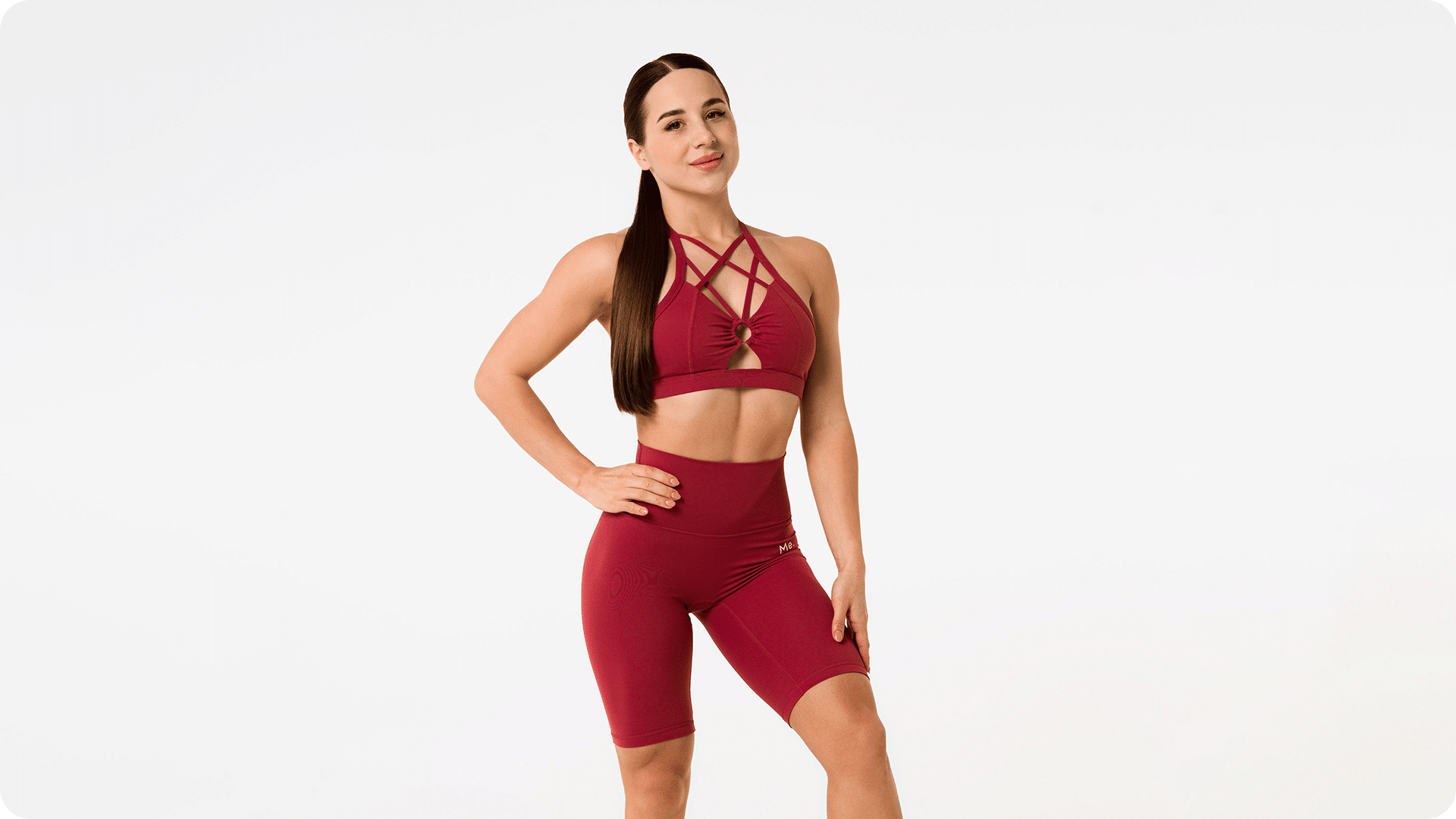
Spinal decompression involves creating space between the vertebrae to relieve pressure on the intervertebral discs (3). You can quickly decompress the lower back using wall-assisted gravity stretches.
By lying on your back with your hips close to the wall and elevating your legs, you alter the gravitational pull on your back. This supine position neutralizes the pelvis and removes the compressive load of your upper-body weight, which lowers intradiscal pressure and allows the intervertebral discs to expand slightly (4).
Sustaining this position for 3 to 5 minutes allows the spinal discs to rehydrate. Lower back stretches performed in this unloaded state promote optimal tissue relaxation and may reduce feelings of acute tightness (5).
What Are the Benefits of Wall Stretches?
Engaging in wall stretches for back mobility offers several physiological advantages for both athletes and desk workers.
First, these stretches improve your range of motion (ROM). A joint’s range of motion dictates how efficiently you can move through exercises such as squats or deadlifts. Consistently applying mechanical tension to your soft tissues through stretching can increase your functional mobility (6).
Second, a regular wall stretch for posture can help align the back. When the hip flexors and hamstrings are excessively tight, they can pull the pelvis into an anterior or posterior tilt. Stretching these muscles against a stable surface helps restore a neutral pelvic alignment (7).
Finally, chronic stretching may promote vascular health. Gently stretching the muscles encourages blood flow to the connective tissues, delivering oxygen and nutrients necessary for cellular repair post-exercise (8).
How Do You Stretch Your Lower Back with a Wall?
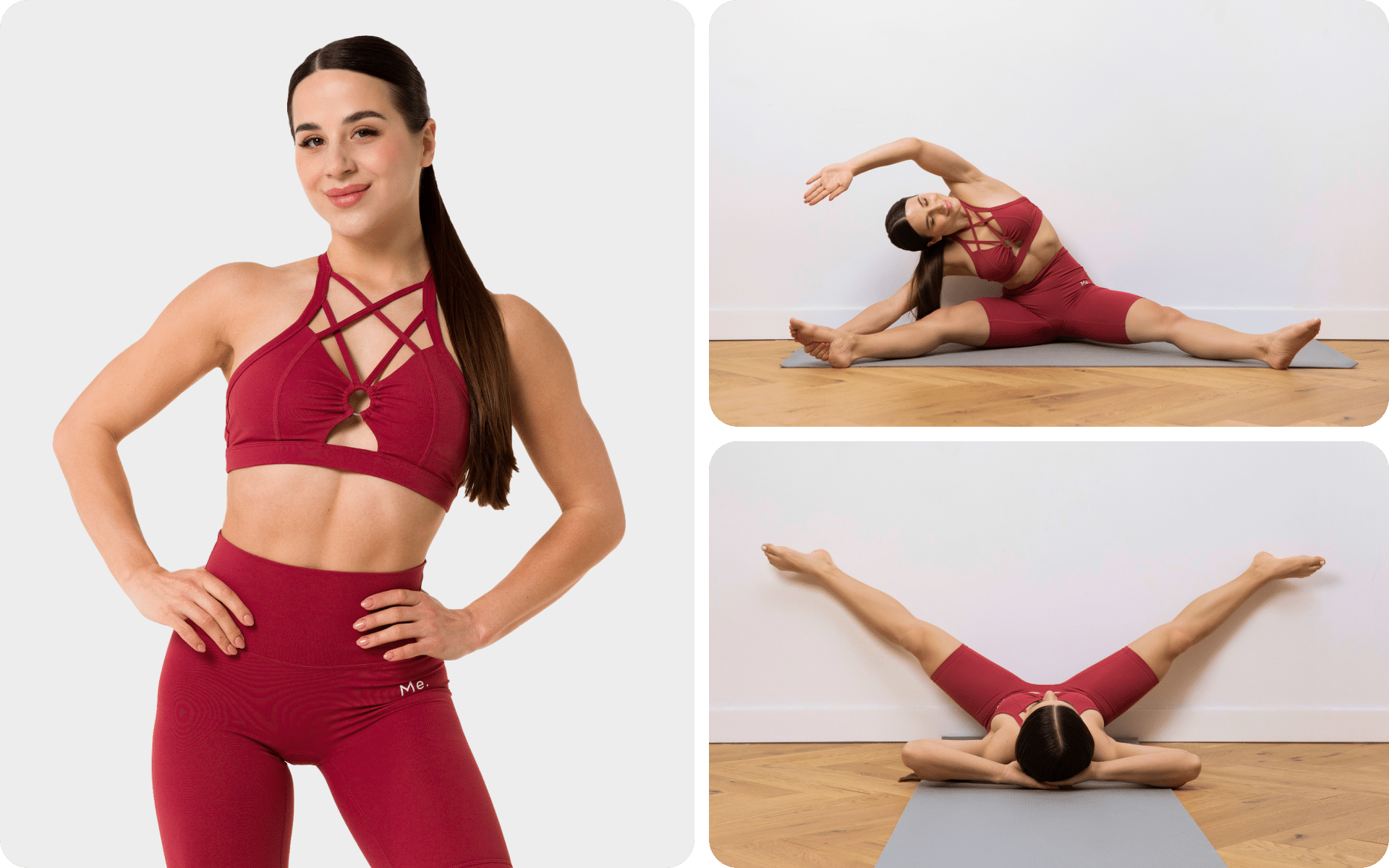
To stretch your lower back with a wall, you must prioritize stability and gradual progression. The wall serves as a fixed anchor point.
Begin by positioning your body close to the wall, ensuring your back maintains a neutral alignment. Don’t force your body into a deep stretch immediately. Instead, move to the point of mild tension—usually perceived as a 4 or 5 on a discomfort scale of 1 to 10.
Breathe deeply, inhaling for 4 seconds and exhaling for 4 seconds. As your nervous system relaxes, you may gently push deeper into the stretch. Always keep your movements controlled to avoid triggering the stretch reflex, which causes the muscle to contract rather than lengthen.
Read more: How to Do the Active Calf Stretch in Your Wall Pilates Routine
What Are Some of the Best Wall Stretches for the Lower Back?
To effectively address posterior chain tightness, you need a structured approach. Many of these movements are similar to gentle yoga stretches for lower back, but the wall adds extra support and stability. Below is a program that outlines 6 wall stretches for the lower back and hips.
Program Notes:
- Glossary: ROM (range of motion)—the full movement potential of a joint. Neutral Spine—maintaining the natural curves of the back.
- Equipment needed: A clear wall space and a standard yoga mat (5 to 6 millimeters thick).
- Frequency: 3 to 4 days per week.
- Sets and Duration: 2 sets per exercise. Hold each stretch for 45 to 60 seconds.
- Rest: 15 to 30 seconds between sets.
| Exercise name | Target area | Sets | Hold duration |
|---|---|---|---|
| 1. Wall hamstring stretch | Hamstrings, lower back | 2 | 45-60 secs per leg |
| 2. Knees-to-chest on wall | Lower back, glutes | 2 | 45-60 secs |
| 3. Wall-supported figure-four | Glutes, external rotators | 2 | 45-60 secs per leg |
| 4. Wall-supported hip flexor | Hip flexors, quads | 2 | 45-60 secs per leg |
| 5. Wall stretch calf | Gastrocnemius, soleus | 2 | 45-60 secs per leg |
| 6. Wall stretch shoulder | Lats, thoracic spine | 2 | 45-60 secs |
Wall Hamstring Stretch
Tight hamstrings pull on the pelvis, which creates tension in the lower back. This movement directly targets the back of the thighs.
- Lie flat on your back in front of a doorway or the corner of a wall.
- Extend one leg straight up and rest the heel against the wall.
- Keep your resting leg flat on the floor through the doorway.
- Scoot your hips closer to the wall until you feel a moderate stretch in the back of your elevated thigh.
- Hold the position for 45 to 60 seconds, then switch legs.
Knees-to-Chest on Wall
This is one of the most effective lower-back stretches for gentle flexion and decompression.
- Lie on your back with your glutes positioned 4 to 6 inches away from the wall.
- Place both feet flat on the wall so your knees and hips are bent at 90-degree angles.
- Slowly walk your feet down the wall, drawing your knees toward your chest.
- Allow your lower back to flatten against the floor.
- Hold this position, focusing on deep diaphragmatic breathing for 60 seconds.
Wall-Supported Figure-Four
The glute muscles play a major role in pelvic stability. Tightness here frequently refers to tension in the lumbar (lower back) region.
- Lie on your back with your feet flat on the wall and your knees bent at 90 degrees.
- Cross your right ankle over your left knee, creating a “figure-four” shape.
- Gently press your right knee away from your chest until you feel a stretch in your right glute.
- For a deeper stretch, scoot your hips 1 to 2 inches closer to the wall.
- Hold for 45 to 60 seconds, then repeat on the opposite side.
Reasons why BetterMe is a safe bet: a wide range of calorie-blasting workouts, finger-licking recipes, 24/7 support, challenges that’ll keep you on your best game, and that just scratches the surface! Start using our app and watch the magic happen.
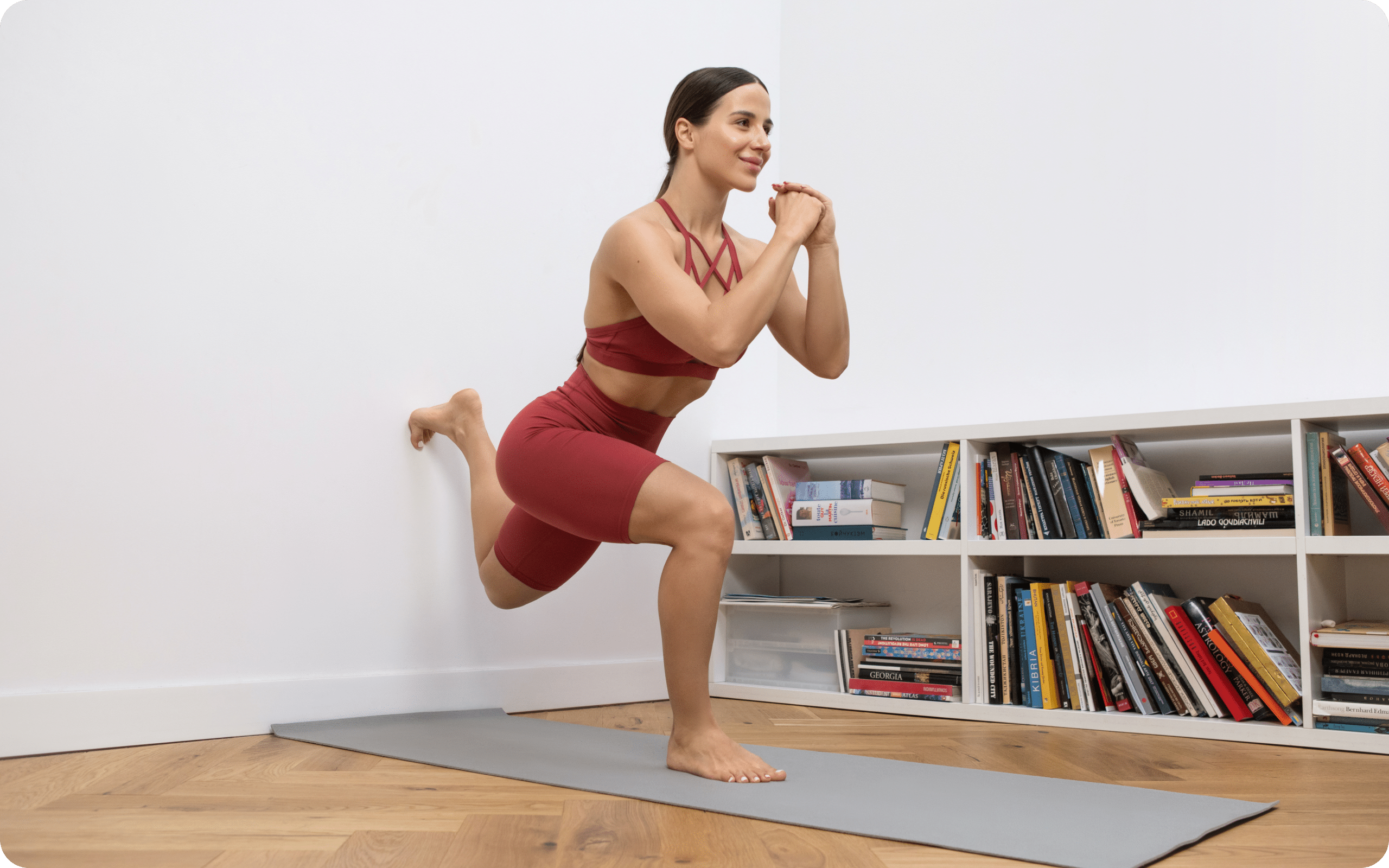
Wall-Supported Hip Flexor Stretch
Shortened hip flexors from prolonged sitting can cause an anterior pelvic tilt, which stresses the lower back.
- Kneel facing away from the wall with a folded towel under your back knee for padding.
- Slide your trailing shin up the wall so the top of your foot rests against it.
- Step your front foot forward so your knee is bent at a 90-degree angle.
- Keep your torso upright and gently squeeze your glutes to push your hips forward.
- Maintain this upright posture and hold for 45 to 60 seconds per leg.
Wall Stretch Calf
The fascial line connects your calves all the way up to your neck. A wall stretch calf movement ensures that the lower kinetic chain doesn’t restrict the upper chain.
- Stand facing the wall, approximately 12 to 18 inches away.
- Place both hands flat on the wall at shoulder height.
- Step one foot back 24 to 30 inches, keeping the leg straight and the heel pressed firmly into the floor.
- Bend your front knee slightly and lean your body weight into the wall.
- Hold for 45 to 60 seconds per side.
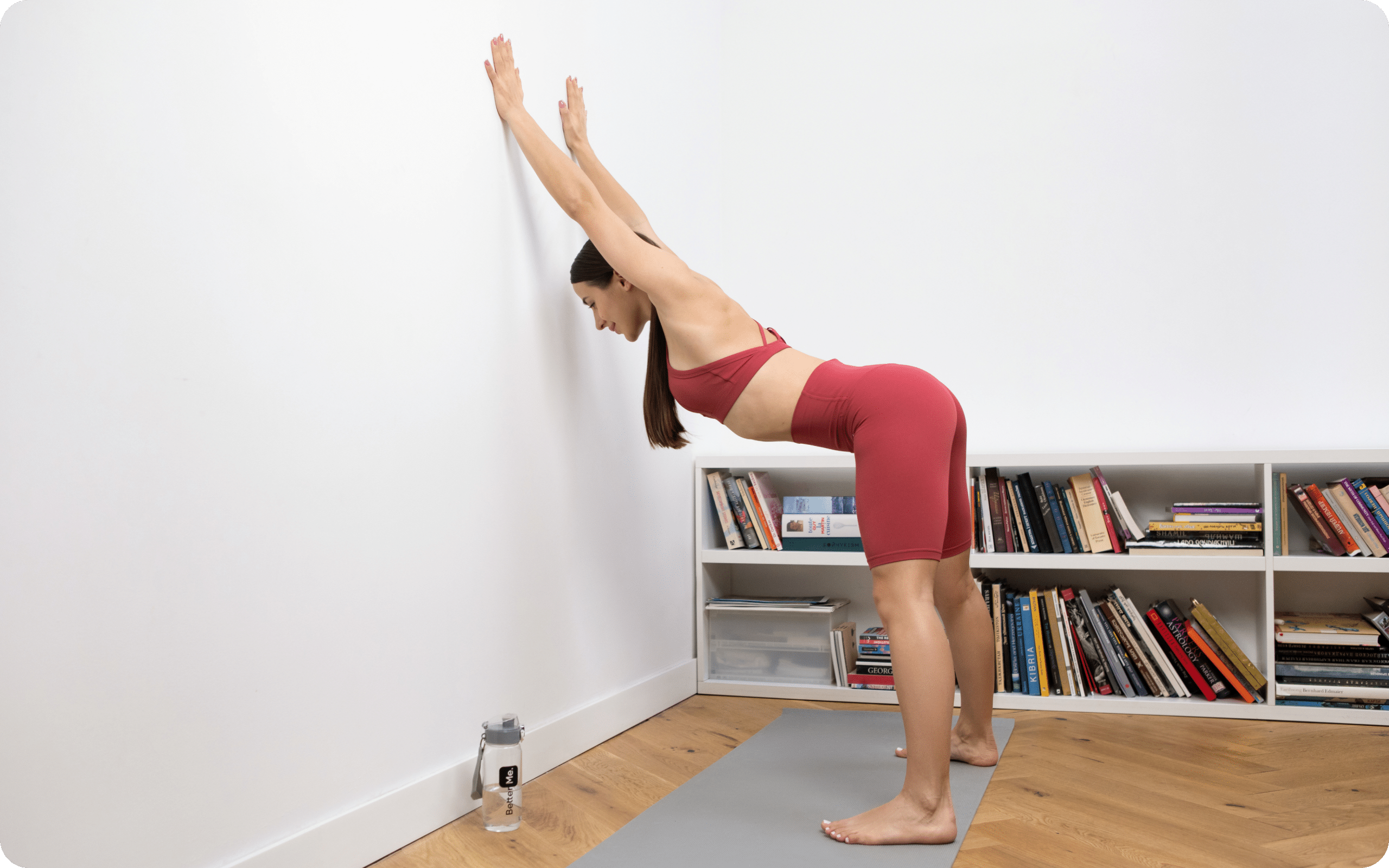
Wall Stretch Shoulder
Upper-body immobility forces the lower back to overcompensate during athletic movements. A wall stretch shoulder exercise targets the latissimus dorsi, a large muscle that attaches directly to the lumbar fascia.
- Stand facing the wall, approximately 24 inches away.
- Hinge at your hips and place your palms flat on the wall at hip height.
- Push your hips back while keeping your arms straight, creating a 90-degree angle with your body.
- Allow your chest to drop toward the floor to stretch your lats and mid-back.
- Hold this position for 45 to 60 seconds, breathing deeply into your ribcage.
How to Stretch the Sides of the Lower Back?
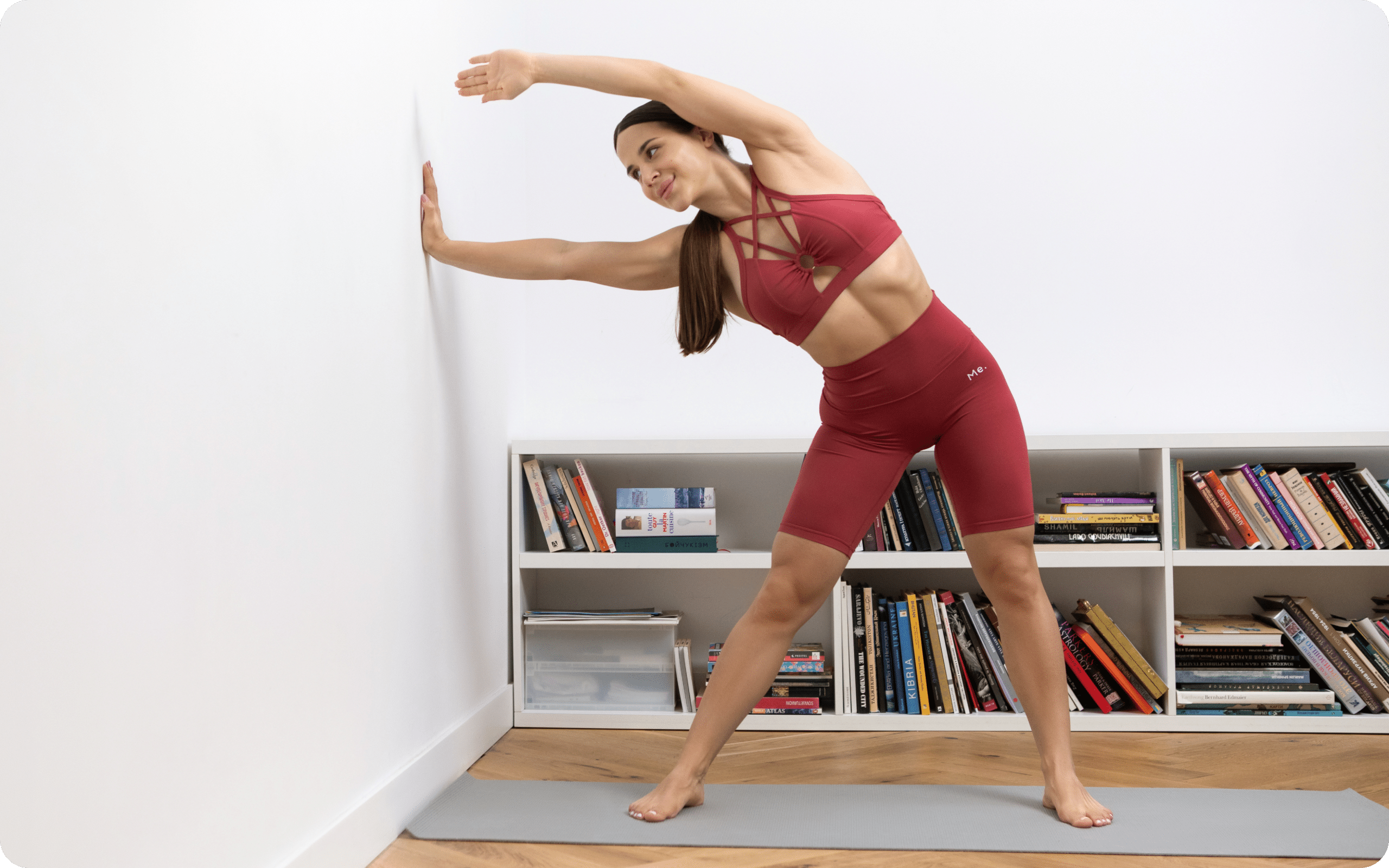
The quadratus lumborum (QL) is a deep abdominal muscle on either side of the lumbar spine (9). To stretch the sides of your lower back, you must incorporate lateral flexion (10).
Stand with your right side facing the wall, about 12 inches away. Cross your left foot behind your right foot. Reach your left arm up and over your head, resting your left hand on the wall for support.
Gently push your left hip away from the wall. You’ll feel a deep stretch along the left side of your torso. Hold this lateral stretch for 30 to 45 seconds, then switch sides.
How Long Should You Hold a Wall Stretch?
The duration of a stretch dictates the physiological response of the muscle tissue. For acute range of motion improvement, you should hold soft tissue stretches for a minimum of 5 to 30 seconds (11).
However, for chronic flexibility enhancement, which means long-term changes to muscle length, you should perform 2 to 3 sets daily. Each stretch should be held for 30 to 120 seconds per muscle group (11).
Holding a stretch for less than 30 seconds may not provide sufficient mechanical tension to permanently alter tissue length. Conversely, holding a static stretch for over 120 seconds yields diminishing returns and may temporarily decrease muscle power output.
Read more: Wall Slide Exercises You Can Do Anywhere for Better Movement
How Long Should You Wall Stretch to Decompress Your Back?
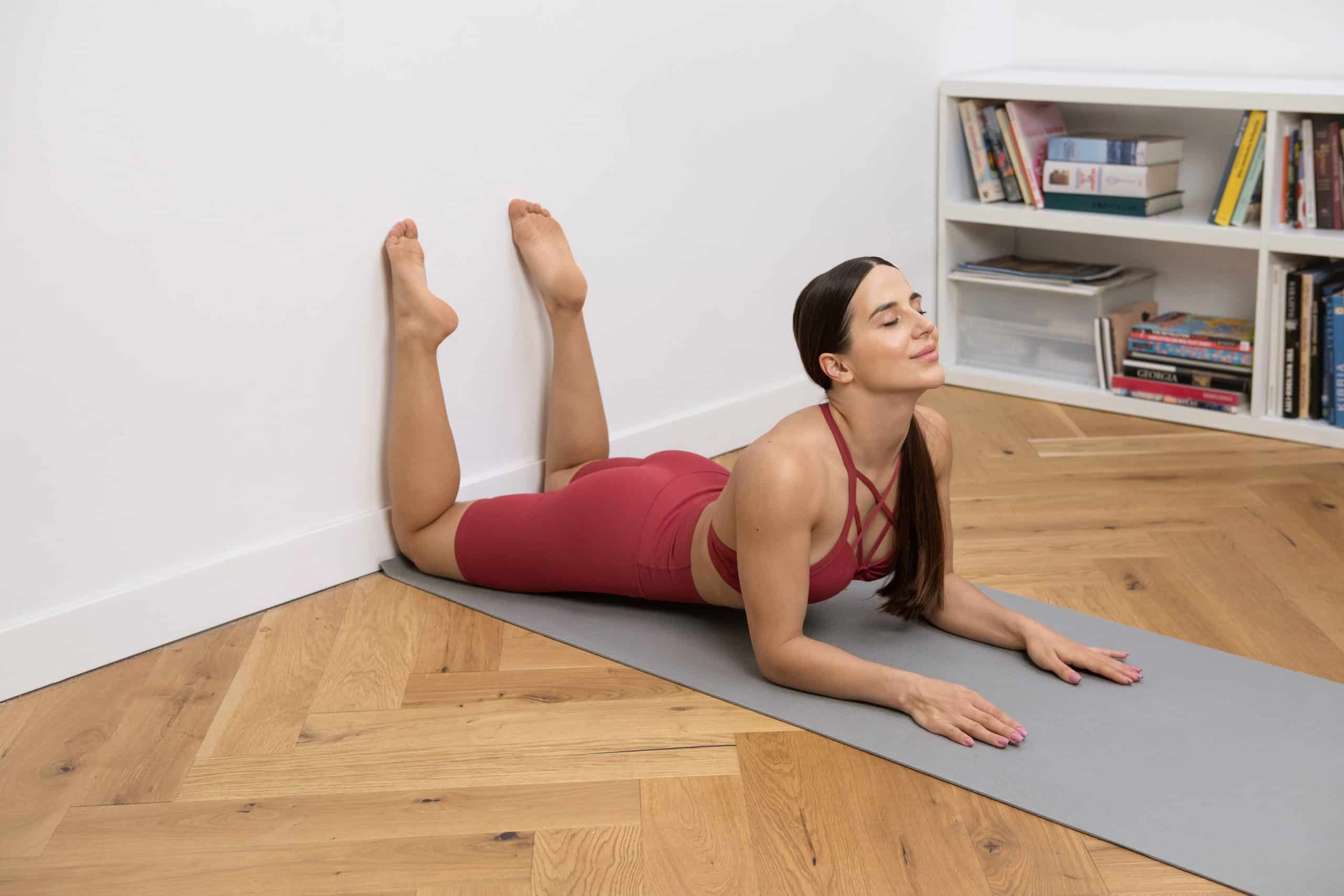
To effectively decompress your back using wall stretches, you need to allow sufficient time for the back muscles to relax.
You should maintain a decompressive wall position, such as resting your legs up the wall, for 3 to 10 minutes. This duration gives the parasympathetic nervous system enough time to lower your heart rate and signal the paraspinal muscles to release their tension. Perform this decompression routine once a day, ideally post-workout or at the end of your workday, to maximize spinal fluid exchange.
What Happens if I Do Wall Stretches for the Lower Back Every Day?
Committing to daily wall stretches for the lower back and hips can significantly alter your functional biomechanics.
If you do wall stretches every day, you’ll likely experience increased flexibility and a broader range of motion within 4 to 6 weeks. Some benefits of stretching in the morning may include reduced stiffness, improved circulation, and an easier transition into daily movement. Daily stretching promotes consistent blood flow to the connective tissues, which can help with resting after strenuous training.
In addition, integrating a wall stretch for posture into your daily routine helps retrain the nervous system to maintain a neutral spine. Over time, this consistent practice can lead to sustained improvements in movement efficiency and a reduction in movement-related stiffness.
Intense sweat sessions, working weight loss tips, lip-smacking recipes come in one package with the BetterMe Well-Being Coach app—all at your fingertips, start transforming your life now!
Frequently Asked Questions
Does walking decompress your back?
Walking doesn’t actively decompress the spine, as gravity still applies a compressive load. However, walking promotes blood flow and gentle mobilization of the spinal joints, which can help reduce stiffness.
Should I stretch or rest my stiff neck?
Gentle mobility exercises are generally preferred over complete rest for a stiff neck. Moving the neck through a range of motion without discomfort encourages blood flow and prevents further stiffening of the tissues.
Is 20 minutes of stretching a day enough?
Yes, 20 minutes of targeted stretching per day is highly effective for maintaining and improving flexibility. This duration allows you to perform 2 to 3 sets of 60-second holds for major muscle groups.
Is it better to stretch in the morning or at night?
Stretching in the morning helps wake up the nervous system and relieve sleep-induced stiffness, while stretching at night helps relax muscles after daily loading. Choose the time that will allow you to remain consistent.
Is a 1-minute dead hang good?
A 1-minute dead hang is an excellent goal for grip strength and upper-body decompression. It applies a traction force to the spine, which can temporarily relieve pressure on the intervertebral discs.
The Bottom Line
Tension in the posterior chain is a manageable variable. By implementing structured wall stretches, you can actively influence your flexibility, posture, and recovery from strenuous activities. Focus on consistency, adhere to the recommended holding times, and prioritize proper breathing to maximize the physiological benefits of these movements.
DISCLAIMER:
This article is intended for general informational purposes only and does not serve to address individual circumstances. It is not a substitute for professional advice or help and should not be relied on for making any kind of decision-making. Any action taken as a direct or indirect result of the information in this article is entirely at your own risk and is your sole responsibility.
BetterMe, its content staff, and its medical advisors accept no responsibility for inaccuracies, errors, misstatements, inconsistencies, or omissions and specifically disclaim any liability, loss or risk, personal, professional or otherwise, which may be incurred as a consequence, directly or indirectly, of the use and/or application of any content.
You should always seek the advice of your physician or other qualified health provider with any questions you may have regarding a medical condition or your specific situation. Never disregard professional medical advice or delay seeking it because of BetterMe content. If you suspect or think you may have a medical emergency, call your doctor.
SOURCES:
- Relationship between Hamstring Tightness and Chronic Lower Back Pain: A Literature Review (2025, ijfmr.com)
- Effects of active and passive light-touch support on postural stability during tandem standing (2020, pmc.ncbi.nlm.nih.gov)
- Intradiscal pressure depends on recent loading and correlates with disc height and compressive stiffness (2014, pubmed.ncbi.nlm.nih.gov)
- Cervical and thoracic intervertebral disc hydration increases with recumbency: a study in 101 healthy volunteers (2018, sciencedirect.com)
- Biomechanical, Healing and Therapeutic Effects of Stretching: A Comprehensive Review (2023, mdpi.com)
- Investigation of the effects of hamstring stretching exercises on pelvic posture and biomechanics (2025, sciencedirect.com)
- Microvascular Adaptations to Muscle Stretch: Findings From Animals and the Elderly (2022, frontiersin.org)
- Practical recommendations on stretching exercise: A Delphi consensus statement of international research experts (2025, sciencedirect.com)
- Anatomy, Abdomen and Pelvis, Quadratus Lumborum (2024, ncbi.nlm.nih.gov)
- Association of Quadratus Lumborum Muscle Stiffness with Chronic Low Back Pain Features: An Observational Study (2025, pmc.ncbi.nlm.nih.gov)
- Improvements in Flexibility Depend on Stretching Duration (2023, pmc.ncbi.nlm.nih.gov)
 Reviewed by
 Reviewed by
 Reviewed by