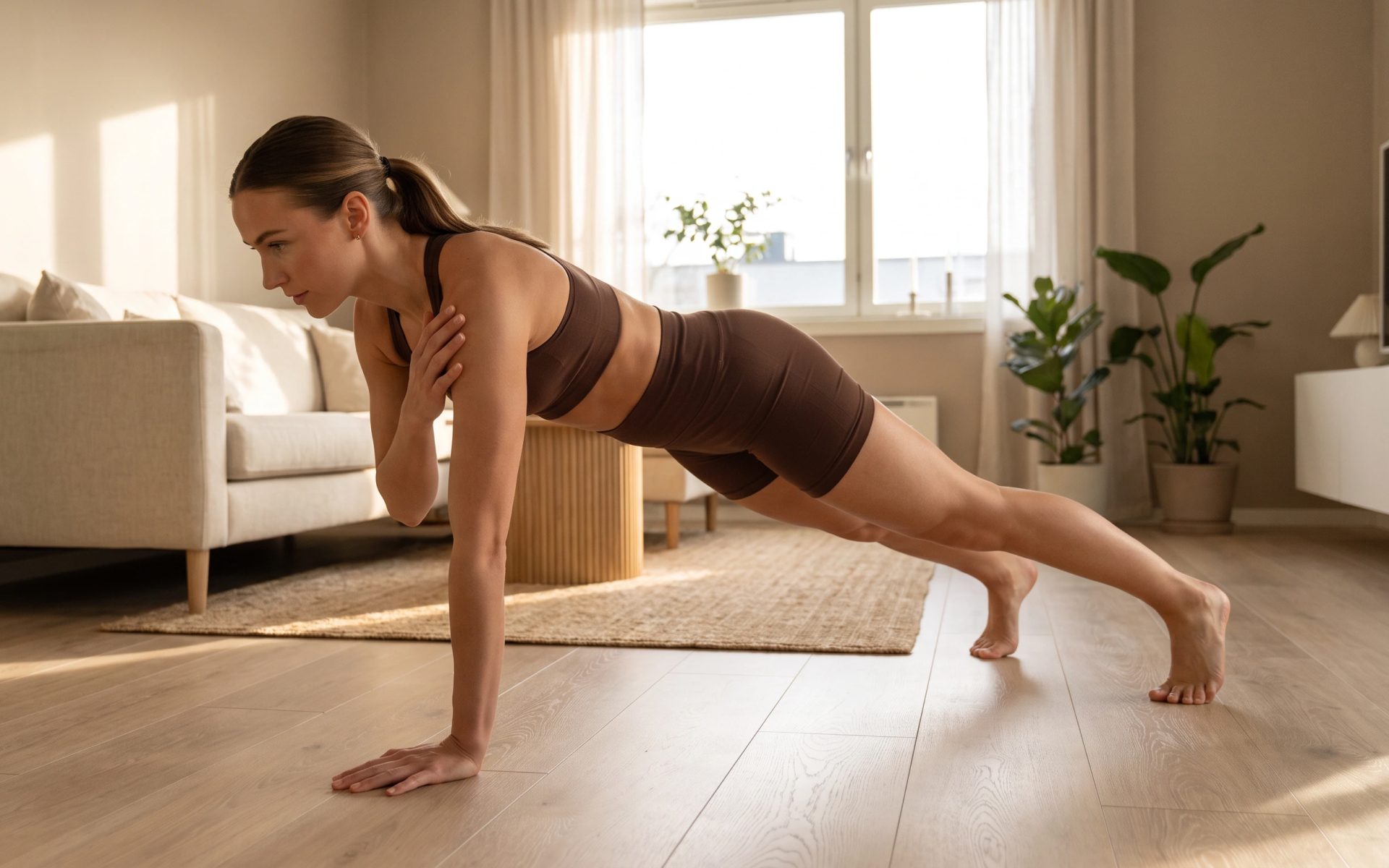
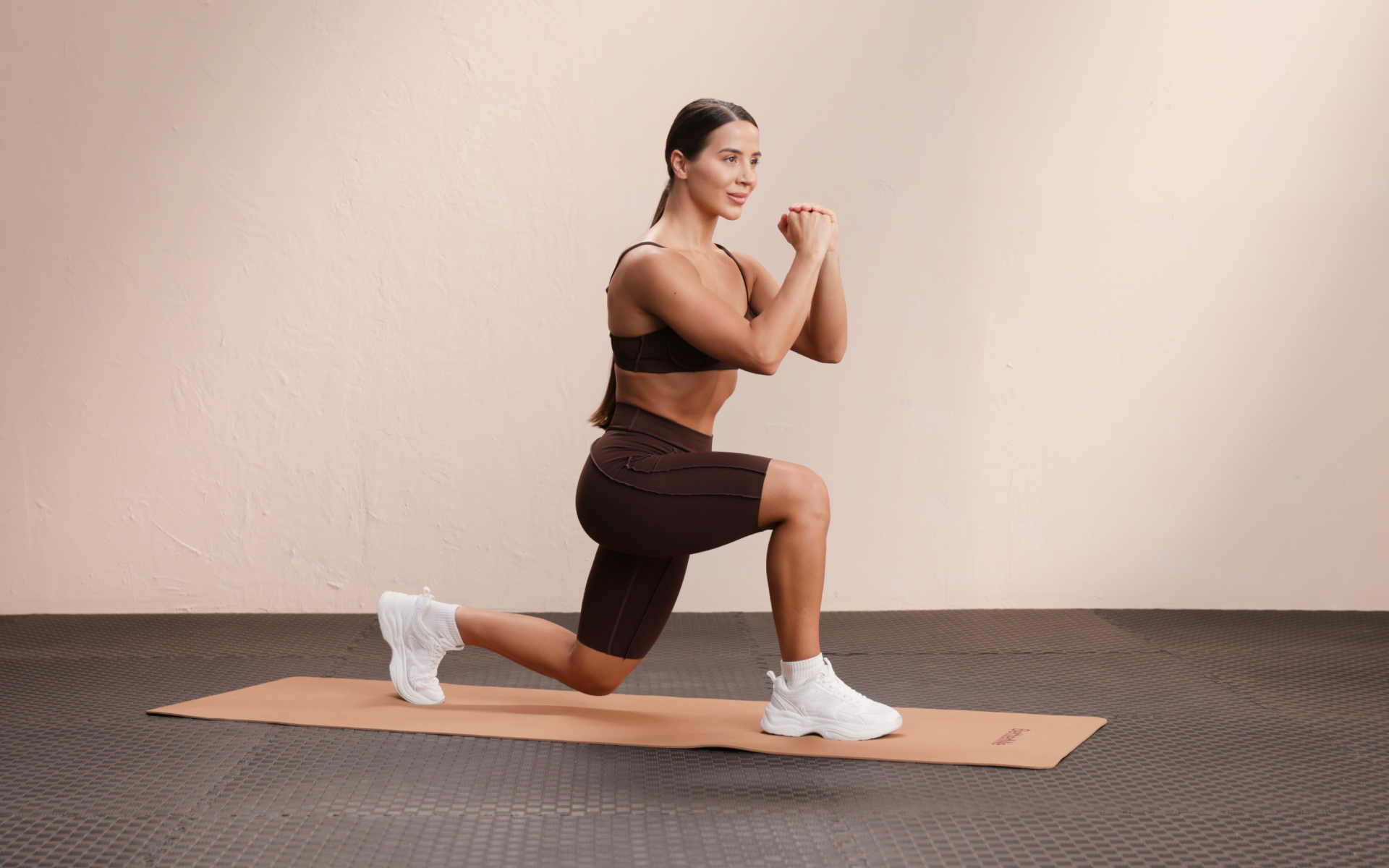
A 30 minute calisthenics workout provides an effective way to build muscle and increase endurance using your own body weight. This routine can be adjusted for any fitness level, allowing you to train multiple muscle groups efficiently. Read on to learn how to structure your sessions for your needs.
Calisthenics is a form of exercise that uses your body weight to build strength, endurance, and flexibility. This guide is for people who want to build a consistent movement routine without a complicated setup. It matters because finding time to exercise can be tough, and bodyweight training offers an adaptable solution.
You do not need a gym membership or heavy weights to begin.
Whether you want to support your physical wellness or simply move more, a 30 minute calisthenics workout can be a sustainable starting point for calisthenics strength training. Ahead, we share a practical, beginner-friendly plan to help you get started.
Is 30 Minutes of Calisthenics a Day Enough?
Thirty minutes of daily calisthenics is often enough to support muscular strength and overall wellbeing (1). You can accomplish a lot with focused, steady effort.
The ideal amount of time depends on your current fitness level and your personal goals. For many people, a short, consistent routine is more sustainable than longer, infrequent sessions. Reputable health organizations generally recommend at least 150 minutes of moderate-intensity movement per week (2). A 30-minute daily habit easily meets this suggestion while leaving room for rest.
When planning your schedule, consider your overall weekly routine. You may find that daily practice feels great, or you might prefer to rest every other day. Individualized approaches tend to yield the most lasting results. Adjust your frequency so it supports your lifestyle rather than draining your energy.
What Muscles Can a 30-Minute Calisthenics Workout Train?
A 30-minute calisthenics workout for beginners can train all your major muscle groups if you choose compound exercises. You can effectively engage your upper body, lower body, and core.
While you can target the whole body, it is important to be realistic about what is possible. You will not be able to do dozens of different exercises in half an hour. Instead, selecting a few key movements is often the most effective strategy. Squats, push-ups, and lunges naturally involve multiple muscles at once.
If you prefer to focus on specific areas, you can split your days. One day can target your back and arms, while another focuses on legs and core. Both full-body and split routines are valid options, and this flexibility is one reason many people choose calisthenics and weight training over gym-only programs. The best choice is the one that you can perform consistently.
What Is a Beginner-Friendly 30-Minute Calisthenics Workout Plan?
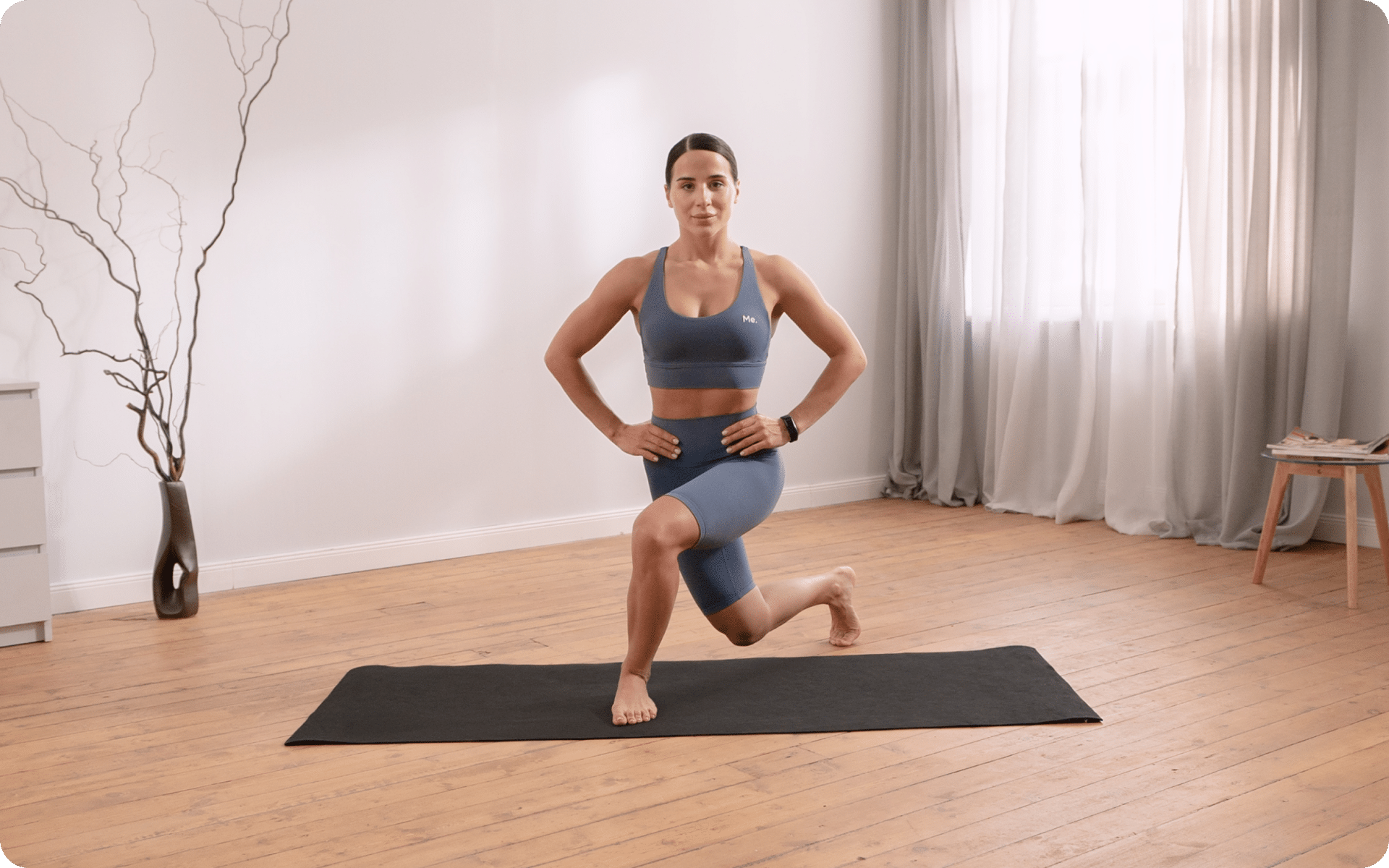
A beginner-friendly plan focuses on basic movements that build a foundation of strength and stability. You can try this straightforward routine using a circuit format.
If you want a simple routine at home, the table below offers a clear starting point. It uses no special equipment, so it can work well for beginners who want to build a steady habit. It may be best used as part of a 30day calisthenics workout plan for beginners and adjust the pace as your confidence grows.
| Exercise | Sets | Reps / Time | Rest Between Sets |
|---|---|---|---|
| Wall Push-Ups | 3 | 8–12 reps | 60 seconds |
| Bodyweight Squats | 3 | 10–15 reps | 60 seconds |
| Glute Bridges | 3 | 10–15 reps | 60 seconds |
| Plank Hold | 3 | 20–30 seconds | 60 seconds |
Read more: How to Start Calisthenics Workouts at Home for Beginners
Wall Push-Ups
- Stand an arm’s length away from a sturdy wall.
- Place your hands flat on the wall at shoulder height.
- Slowly bend your elbows to bring your chest toward the wall.
- Press back to the starting position with control.
Bodyweight Squats
- Stand with your feet about shoulder-width apart.
- Keep your chest up and lower your hips as if sitting in a chair.
- Go down as far as feels comfortable for your knees.
- Press through your feet to return to a standing position.
Glute Bridges
- Lie on your back with your knees bent and feet flat on the floor.
- Rest your arms comfortably by your sides.
- Push through your heels to lift your hips toward the ceiling.
- Lower your hips back down slowly.
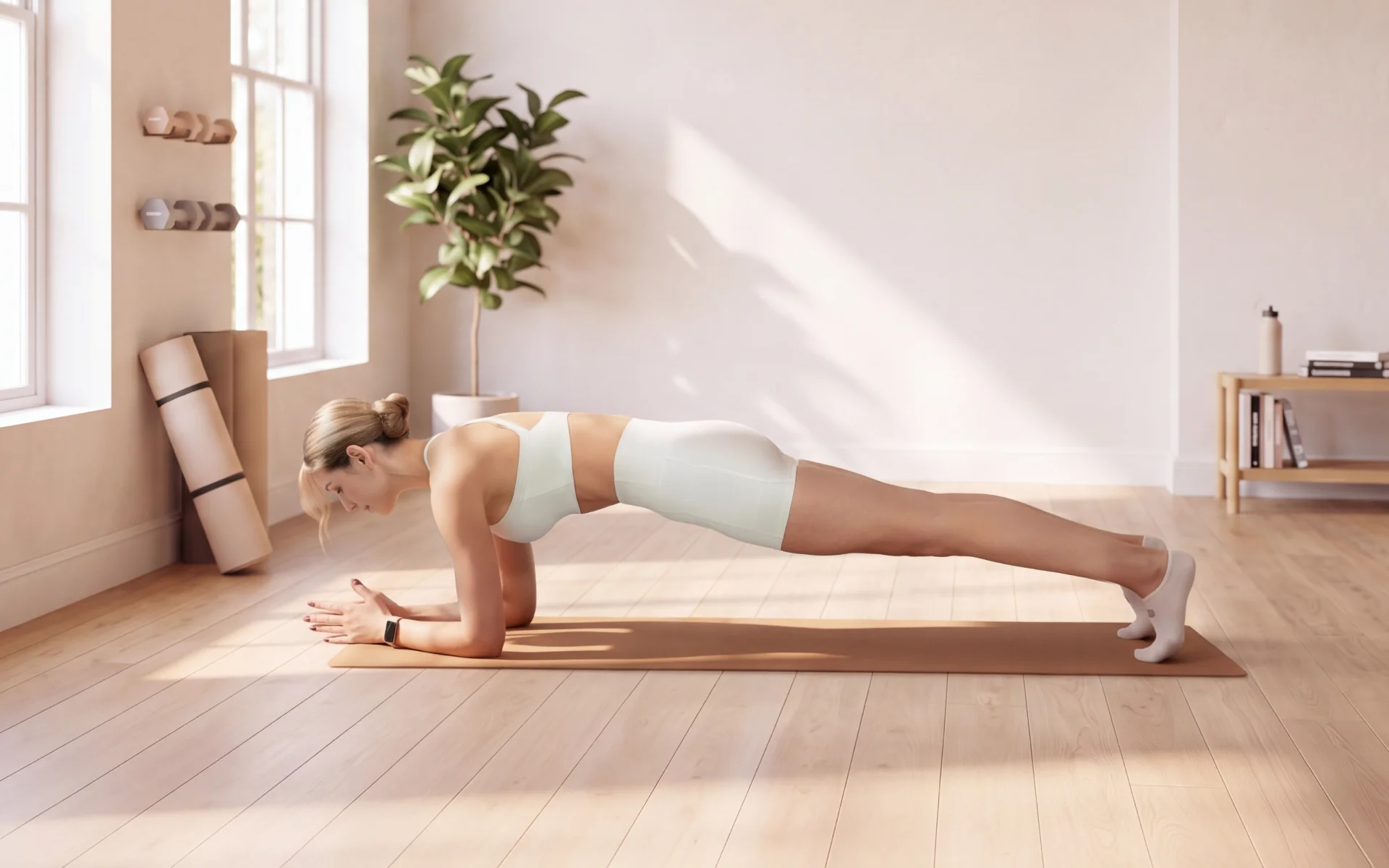
Plank Hold
- Start on your forearms and knees, or extend to your toes.
- Keep your body in a straight line from your head to your knees or heels.
- Engage your core muscles and breathe steadily.
- Hold the position gently until the time is up.
How Can You Make a 30-Minute Calisthenics Workout Harder?
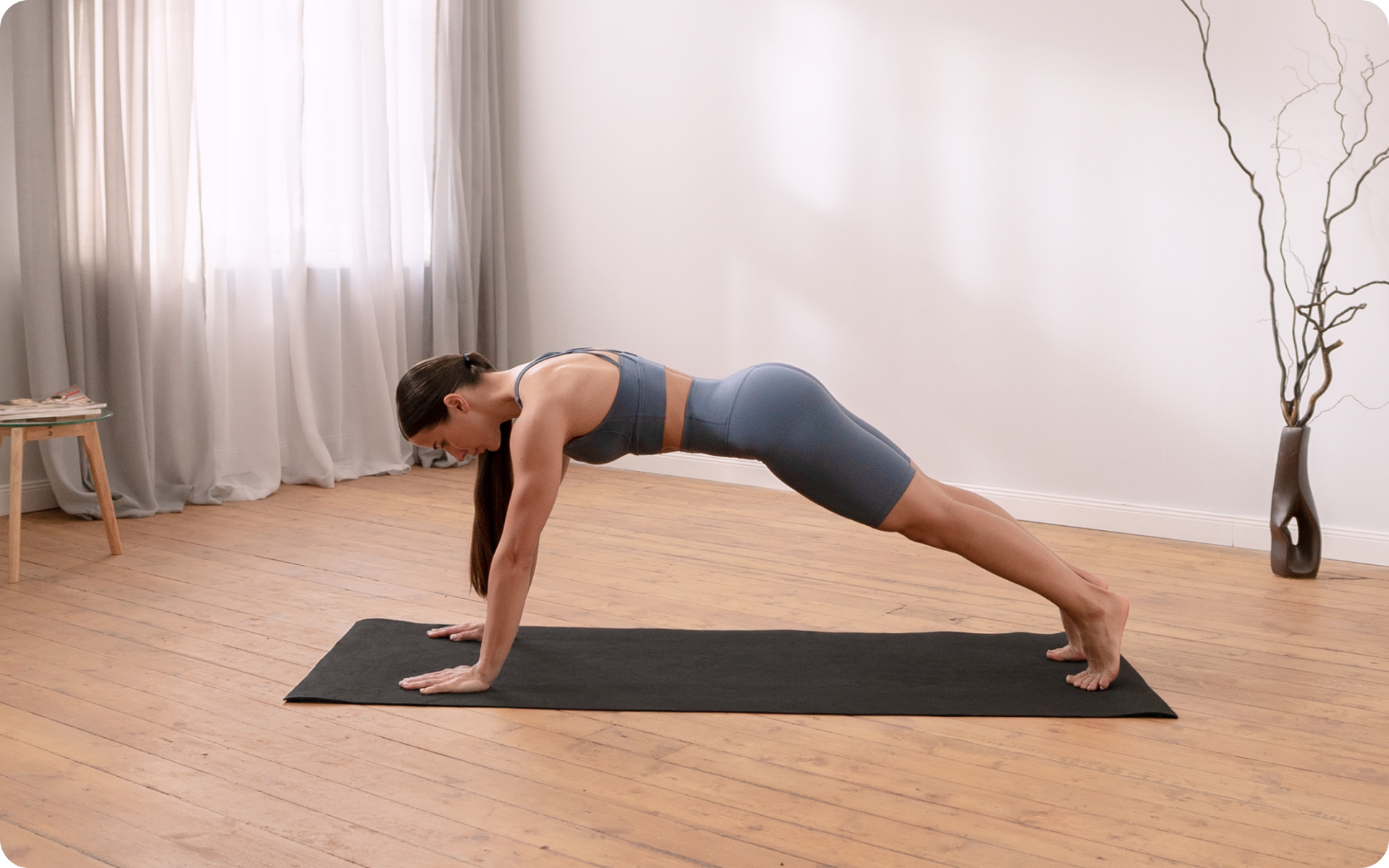
You can increase the difficulty of your 30 minute calisthenics workout at home by using a concept called progressive overload. This means gradually challenging your muscles more over time (3).
There are several ways to apply progressive overload without completely changing your routine. Thoughtfully adjusting your approach can help you continue using calisthenics to build muscle over time. You might consider adjusting the tempo, changing the leverage, or adding accessible equipment.
For instance, resistance bands, a pull-up bar, or gymnastics rings can offer new variations. Here is how you can modify your exercises.
Adjust the Tempo
- Slow down the lowering phase of the movement.
- Pause for two seconds at the hardest part of the exercise.
- Push back to the start with a controlled, steady pace.
Change the Leverage
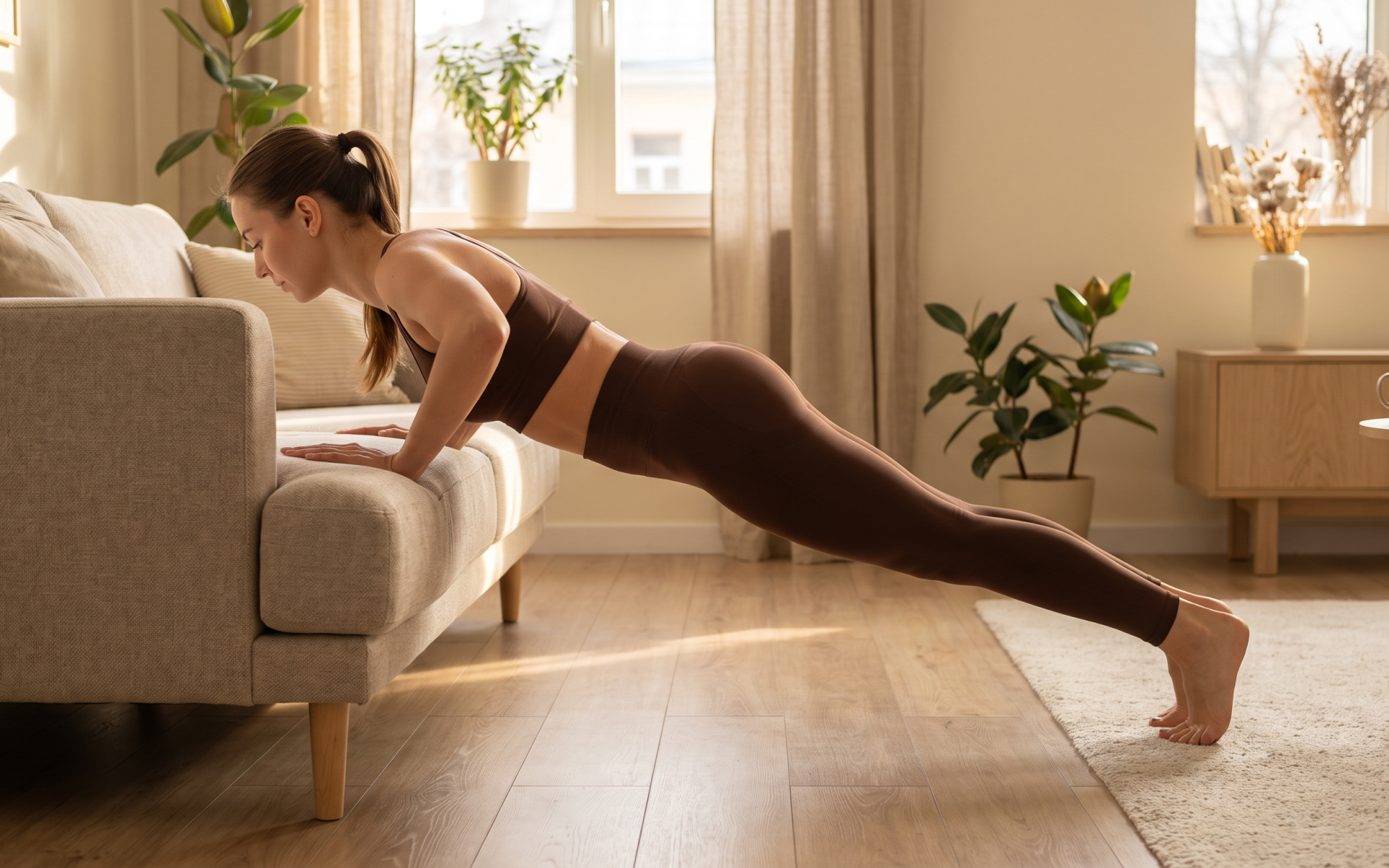
- Adjust your body angle to put more weight on the working muscles.
- Move from wall push-ups to incline push-ups on a sturdy chair.
- Shift from knee planks to full-toe planks.
Increase the Range of Motion
- Go slightly deeper into your squats if your mobility allows.
- Elevate your hands on sturdy books to stretch further during push-ups.
- Take a slightly wider step during lunges.
Reduce the Rest Time
- Shorten your rest periods from 60 seconds to 45 seconds.
- Try performing two exercises back-to-back before resting.
- Keep your breathing steady as you decrease downtime.
Add Equipment
- Use a resistance band to make squats more challenging.
- Hang from a pull-up bar to target your back muscles.
- Grip gymnastics rings for an added stability challenge.
| Overload Method | How It Changes Difficulty | Example Exercise |
|---|---|---|
| Tempo | Increases time under tension | Slow-motion squats |
| Leverage | Shifts more body weight to muscles | Incline push-ups |
| Range of Motion | Requires muscles to work through a longer path | Deep lunges |
| Reduced Rest | Challenges muscular endurance | Back-to-back sets |
BetterMe Well-Being Coach app helps you achieve your body goals with ease and efficiency by helping to choose proper meal plans and effective workouts. Start using our app and you will see good results in a short time.
How Many Times a Week Should You Do 30-Minute Calisthenics?
You should aim for two to four sessions a week when starting out. This frequency provides a good balance of movement and necessary rest.
Your ideal schedule depends on your goals, your training experience, and your overall routine. Beginners may find that two days a week is enough to learn the movements. As you grow more comfortable, you can gradually add another day. Always listen to your body and prioritize rest days to support your recovery journey.
Some people prefer a 30 minute calisthenics workout female routine specifically designed around their energy cycles. Similarly, a 30 minute calisthenics workout for women can be tailored to focus on specific movement goals. Ultimately, routine selection depends on your individual preferences rather than gender alone. Ensure your schedule feels sustainable and enjoyable over the long term.
What Happens If You Do Calisthenics for 30 Minutes a Day?
Practicing for 30 minutes calisthenics workout no equipment daily can lead to some improvements in strength, endurance, and consistency. Individual results naturally vary based on your starting point and effort.
You May Build a Steady Routine
Working out daily helps cement exercise as a normal part of your life. Shorter sessions often feel more manageable, which can reduce the urge to skip them. Over time, this consistency can make moving your body feel like second nature.
You May Improve Movement Skills
Bodyweight exercises require coordination and balance (4). Practicing frequently helps your brain and muscles communicate better. You may notice that your squats and push-ups feel smoother and more controlled.
You May Increase Strength Endurance
Regular practice challenges your muscles to work for extended periods. You may find that you can perform more repetitions before feeling fatigued (4). This kind of endurance can support everyday activities, like carrying groceries or climbing stairs.
You May Enhance Body Awareness
Calisthenics teaches you how to control your body in space. You may become more mindful of your posture and alignment (4). This heightened awareness can carry over into how you sit, stand, and walk.
You May Experience Better Energy
Many people find that a short bout of movement leaves them feeling refreshed (5). A daily 30-minute session can help clear your mind. You may experience a more balanced mood and better energy levels throughout the day.
Read more: Calisthenics Back Workout No Equipment: A Complete Guide
What Mistakes Should You Avoid During a 30-Minute Calisthenics Workout?
Avoiding common mistakes can help you get the most out of your 30 minute calisthenics workout at home. Focusing on quality over quantity is a great place to start.
Doing Too Much Too Soon
Many beginners try to perform advanced exercises on their first day. This can lead to frustration and unnecessary strain. Start with simple variations and focus on mastering the basics before moving forward.
Rushing Your Repetitions
Trying to finish your sets as fast as possible often compromises your alignment. Moving too quickly uses momentum instead of muscle power. Take your time, focus on the targeted muscles, and keep a steady pace.
Skipping the Warm-Up
Jumping right into a workout can be tough on your body. A short, gentle warm-up prepares your muscles and joints for movement. Spend three to five minutes doing light activities like arm circles and marching in place.
Ignoring Progression
Doing the exact same routine for months may eventually stall your progress. Your body adapts to the challenge over time. You should gradually introduce harder variations or add repetitions to keep moving forward.
Unclear Form Standards
Stopping a set only when you are completely exhausted can lead to poor execution. It is better to stop a set when your form starts to break down. Clean, controlled repetitions are much more effective than sloppy, rushed ones.
Frequently Asked Questions
Is it better to workout in the morning or night?
The best time to work out is whenever you can do it consistently. Some people enjoy morning sessions to boost their energy for the day. Others prefer evening workouts to help them unwind and transition into rest (6).
What is a good diet for calisthenics?
A balanced diet that includes whole foods, lean proteins, and plenty of vegetables supports any fitness routine (7). Your nutritional needs vary depending on your activity level and personal goals. It is often helpful to focus on eating enough to sustain your energy.
Does calisthenics give a better physique?
Calisthenics can help support a comprehensive routine aiming to build muscle and reduce body fat when combined with a balanced diet (1). Many people appreciate the athletic, toned appearance that bodyweight training can support. Individual outcomes vary based on genetics, effort, and overall lifestyle habits.
What is the 80/20 rule in calisthenics?
The 80/20 rule suggests focusing 80 percent of your effort on foundational, compound movements. The remaining 20 percent can be spent on specialized skills or isolation exercises. This approach ensures you build a strong base before attempting advanced techniques.
Should a 30-minute calisthenics workout be full-body?
A 30-minute session does not have to be full-body, but it is often the most efficient choice. Full-body routines allow you to hit all major muscle groups frequently throughout the week. Alternatively, you can split your days to focus on specific areas if that feels better.
The Bottom Line
Consistency is the most important factor in any movement practice. A 30 minute calisthenics workout offers a practical, adaptable way to build strength and support your overall wellness. Start small, focus on controlled movements, and enjoy the process of discovering what your body can do.
DISCLAIMER:
This article is intended for general informational purposes only and does not serve to address individual circumstances. It is not a substitute for professional advice or help and should not be relied on for making any kind of decision-making. Any action taken as a direct or indirect result of the information in this article is entirely at your own risk and is your sole responsibility.
BetterMe, its content staff, and its medical advisors accept no responsibility for inaccuracies, errors, misstatements, inconsistencies, or omissions and specifically disclaim any liability, loss or risk, personal, professional or otherwise, which may be incurred as a consequence, directly or indirectly, of the use and/or application of any content.
You should always seek the advice of your physician or other qualified health provider with any questions you may have regarding a medical condition or your specific situation. Never disregard professional medical advice or delay seeking it because of BetterMe content. If you suspect or think you may have a medical emergency, call your doctor.
SOURCES:
- Potential Health Benefits and Risks Associated with Calisthenics, a Sport of Increasing Popularity – A Literature Review (2025, researchgate.net)
- Physical activity (2026, who.int)
- Effects of Resistance Training Overload Progression Protocols on Strength and Muscle Mass (2024, pubmed.ncbi.nlm.nih.gov)
- Benefits of Bodyweight Training (2025, humankinetics.me)
- Movement matters: short-term impacts of physical activity on mood and well-being (2023, link.springer.com)
- Best Time of Day for Strength and Endurance Training to Improve Health and Performance? A Systematic Review with Meta-analysis (2023, pmc.ncbi.nlm.nih.gov)
- Nutrition and athletic performance (2025, medlineplus.gov)
 By
By 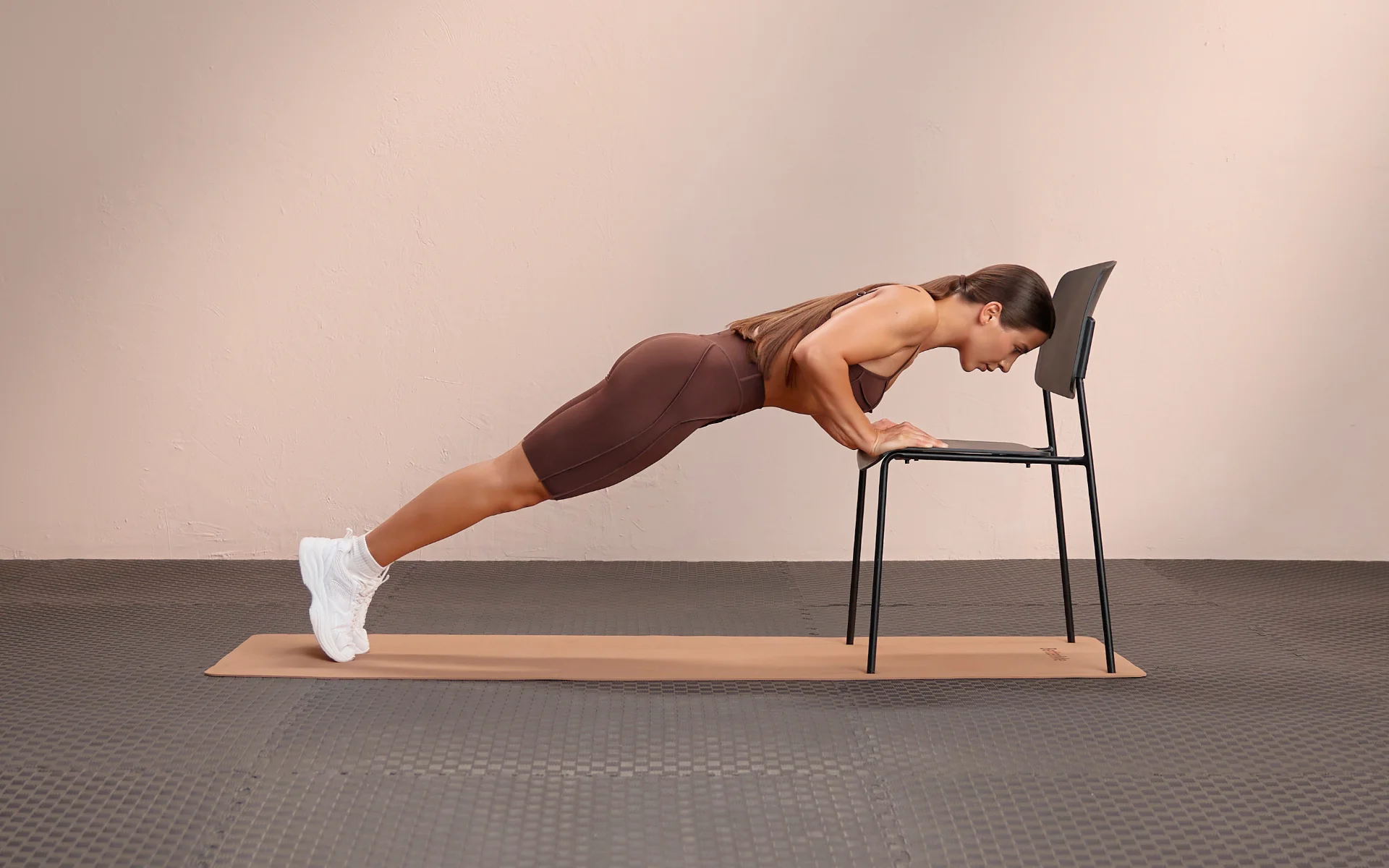
 Reviewed by