

Fasting is a restrictive process that offers a range of health benefits. Whatever your reasons for fasting, there’s always room for debate about whether certain products can break your fast.
This time, we’re going to look at yogurt—a delicious, nutritious food you can purchase anywhere or make by yourself (the latter is so much better for you). Does yogurt break a fast? Read on to find out the truth.
But that’s not all—this review also rounds up many informed answers to no less engaging questions:
- What can you eat after fasting?
- How can you break a fast and remain in a state of ketosis?
- Does yogurt spike insulin while fasting?
- What’s the longest and safest time to stay in ketosis?
- Can yogurt stop fat burning during a fast?
Does Yogurt Break a Fast?
The main question here is, “Can you eat yogurt while fasting?”
Well, the answer is simple at this point: definitely yes. Any kind of dairy, including yogurt, breaks your fast.
Yogurt, even plain without sugar, contains calories, protein, carbs, and often fat. A typical 100-gram Greek yogurt nutrition looks the following way:
Calories: 59
Fats: 0.4 grams
Protein: 10 grams
Carbs: 4 grams (1).
If you’re following a more flexible fasting approach, or fasting for the first time, unsweetened yogurt may be used intentionally to ease your hunger or protect muscle.
However, individuals who are following a strict fast should avoid yogurt during fasting windows, giving preference to black coffee, plain tea, and water.
Read more: Lemon Water Fasting: Benefits and How to Do It

What Should You Eat After a Fast?
Foods to avoid when breaking a fast and foods to eat actually matter here, regardless of the fasting regime you chose.
Here’s the deal: after not eating for a while, your digestion slows down, so devouring heavy meals right in could be harmful for your body. The best meals that end your fast could be beverages, such as smoothies or soups (2).
A good rule of thumb is to break your fast with protein-rich products, healthy fats, and low-glycemic carbs. They will help your blood sugar stay steady and give you lasting energy.
Plain Greek yogurt can also be a gentle option after fasting, and it’s often considered the best yogurt for weight loss because it’s higher in protein and usually lower in added sugar than flavored varieties.
There are different protein smoothies and soups you can make. For example, those with lentils or beans. Other options include:
- Bone broth or vegetable broth
- Well-cooked vegetables (carrots, zucchini, spinach)
- Plain yogurt or kefir
- Small piece of cheese
- Sliced turkey or chicken
- Steel-cut or rolled oats
- Berries (strawberries, blueberries, raspberries)
- Apples or pears
- Sweet potatoes (well-cooked)
- Whole grains (brown rice, quinoa)
- Eggs (boiled, poached, or scrambled)
- Fish (salmon, cod, or tuna)
- Legumes (lentils, beans)
- Greek yogurt or cottage cheese
- Avocados
- Nuts and seeds (almonds, walnuts, chia, flax)
- Olive oil or coconut oil
After a short fast, you might eat a small snack first, such as a piece of cheese, a boiled egg, or a slice of turkey. Later, you can move on to something more nutritious, such as soup, or fish with vegetables and avocado.
You should abstain from sugary, ultra-processed foods as they hit your blood sugar fast, which will leave you feeling hungry again (3).
But what if your fast lasts longer? Two or three days? First of all, you need to consult a specialist before jumping into prolonged fasting regimes.
For now, let’s imagine you’ve consulted a doctor, who offered you a guide on prolonged safe fasting. So how do you break it? The best food to break a 3-day fast or slightly shorter is warm broth or cooked vegetables—they help your digestive system wake up.
Other food options to break your longer fast include:
- A small amount of plain yogurt or kefir
- Soft-cooked eggs or a small portion of fish or chicken
- Avocado, a few nuts, or a drizzle of olive oil
- Well-cooked oatmeal, sweet potatoes, or soft fruit such as berries or apples
- Quinoa or brown rice in small portions
How you eat also matters. Consume small portions, chew slowly (this can be hard, particularly after a long fast, but your stomach requires time to adjust), and sip warm water or tea to improve digestion.
Reasons why BetterMe is a safe bet: a wide range of calorie-blasting workouts, finger-licking recipes, 24/7 support, challenges that’ll keep you on your best game, and that just scratches the surface! Start using our app and watch the magic happen.
Does Yogurt Spike Insulin While Fasting?
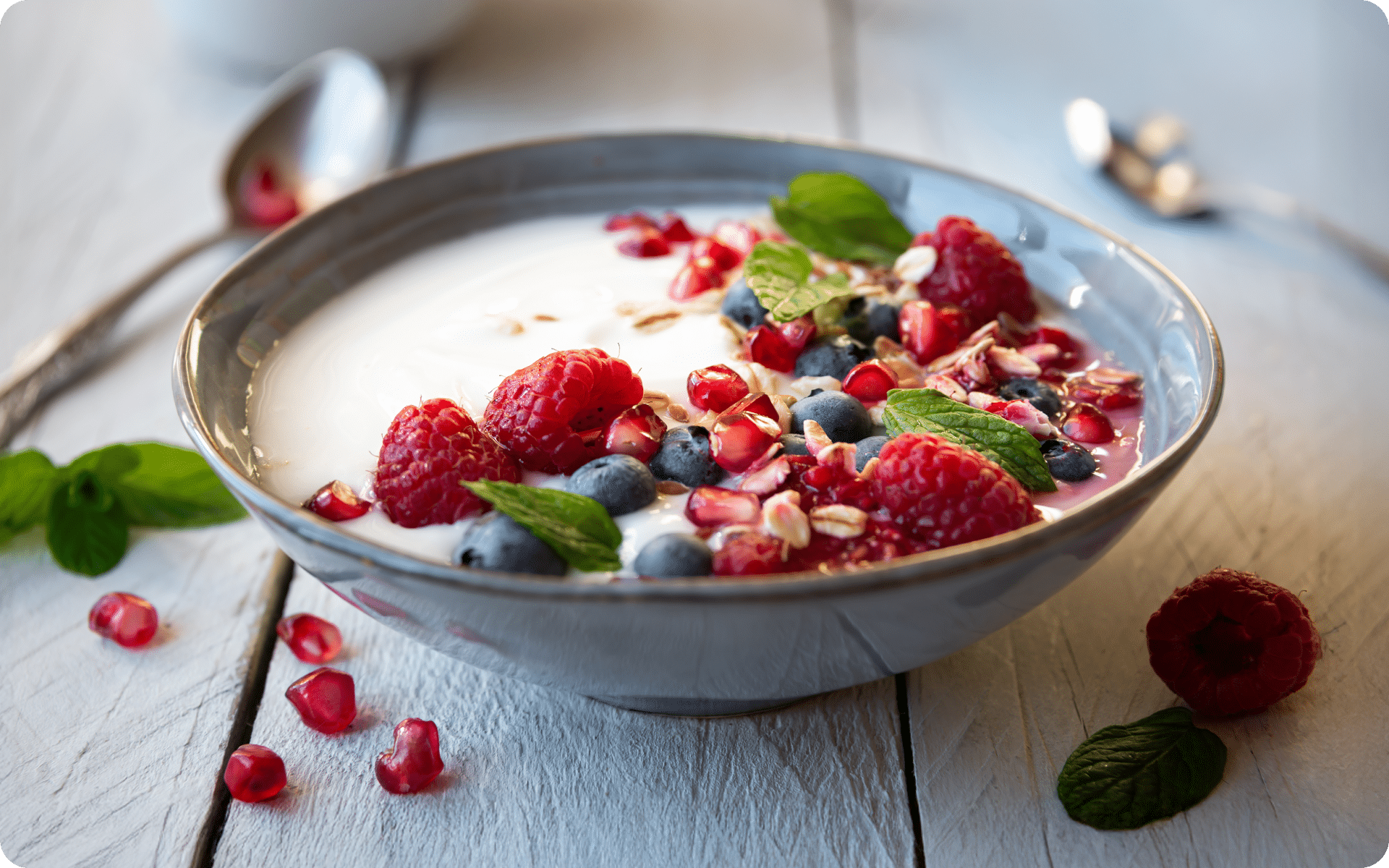
If you’re fasting and wondering whether yogurt counts, the honest answer is yes, yogurt can raise your insulin and technically break a fast.
When you fast, your insulin levels stay low because you’re not eating anything. Yogurt changes the situation as it contains carbs and protein that trigger insulin release. Even though protein leads to insulin release, it doesn’t act in the same way as carbs do, which results in a slower hormonal response (4).
So, eating yogurt may spike insulin. However, not all the yogurts hit in the same way. Sweetened yogurts cause a sharper insulin spike, while Greek yogurt or full-fat ones cause a steadier rise due to a lower carb content. It does break your fast, but it’s gentler on blood sugar.
Greek yogurt benefits for weight loss and blood sugar cannot be undervalued. One older study highlighted that yogurt consumption could be linked to a lower risk of type 2 diabetes (5).
Therefore, unsweetened dairy options reduce the impact on your blood sugar (6).
Does Yogurt Stop Fat Burning During a Fast?
Yogurt may pause fat burning during a fast, but not in a scary, permanent way. When you fast, your body keeps insulin low and leans more on stored fat for fuel. Eating yogurt with its protein and carb content nudges you out. This switches the gears, and your body starts to use nutrients for fuel instead of fat.
Since sugary yogurts hit insulin harder, they shut down fat burning more clearly. But plain Greek or full-fat yogurt causes a smaller, slower response, which means fat burning doesn’t shut off for the entire day. It simply slows down for a short time while your body uses the food you take.
Remember the last thing: it’s a temporary thing. Yogurt cancels out any benefits of fasting whatsoever. When insulin levels come back down, your body goes right back to burning fat.
So, if you’re doing a truly strict fast with zero interruptions, avoid yogurt, but if you’re fasting for balance and hunger control, yogurt is your pal.
A study cited in PubMed showed that yogurt consumption can play a positive role in healthy weight management and body fat loss (7).
Read more: Intermittent Fasting Diet Plan: What to Eat, When to Eat, and What to Avoid
How Can You Break a Fast and Stay in Ketosis?
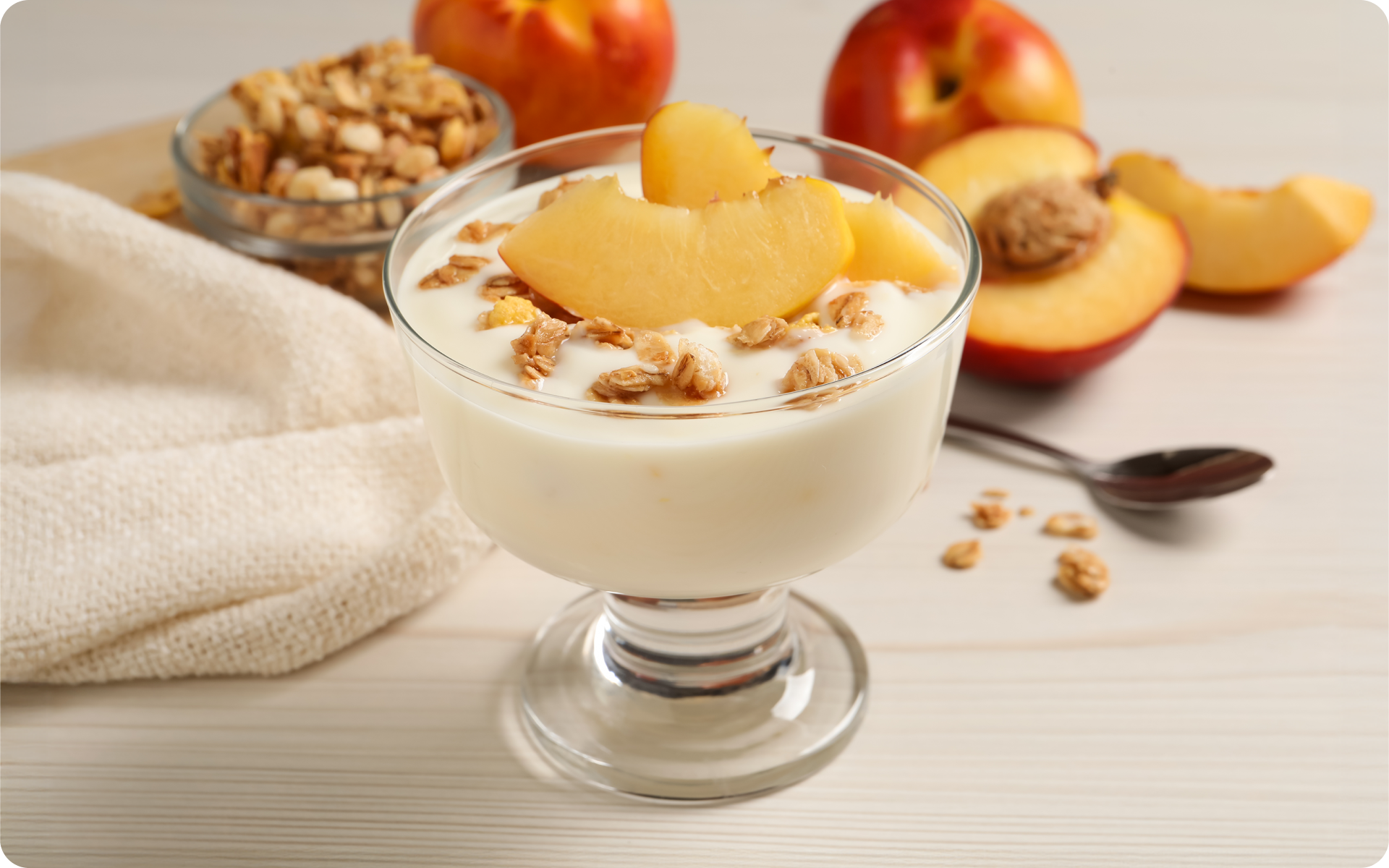
If you’re aiming to break your fast without kicking yourself out of ketosis, here’s what you can do:
1. Eat low-carb, high-fat foods first: When you’re coming off a fast, you need to keep your insulin levels low to stay in fat-burning mode. Choose foods that are high in healthy fats, moderate in protein, and low in carbs. Examples include:
- Avocado
- Nuts and seeds
- Olive oil or coconut oil
- Fatty fish such as salmon or sardines
- Eggs
2. Watch your protein intake: Protein can stimulate insulin, so avoid jumping into eating meats or dairy meals right away. Eat small portions of eggs, cheese, or Greek unsweetened yogurt instead. A keto diet yogurt is a perfect option to stay in ketosis after a fasting period.
3. Watch your carbs as well: even small amounts of sugar or starchy carbs can spike insulin, which temporarily kicks you out of ketosis. Avoid eating bread, rice, fruit (except berries in moderation), or sweetened foods after a fast.
In the aforementioned segments, we highlighted foods you should eat first to break your fast. Again, the pace and portion size both matter. Help your body adjust gently rather than indulging in pleasurable treats in large amounts.
What’s the Longest You Should Stay in Ketosis?
There’s no strict maximum on how long you should stay in ketosis. The optimal duration depends on your goals, health, and how your body reacts in general.
Technically, your body can stay in the fat-burning state for months and even years. For most people who are using keto for weight loss or blood sugar control, a few weeks to a few months is a typical length.
Staying in ketosis nonstop can have side effects, which cause you to run out of certain vitamins and minerals. Other drawbacks include:
- Dehydration
- Bad breath
- Insomnia
- Constipation
- Kidney stones
- Low bone density (8)
A study in Science Advances expressed concern over nonstop ketogenic diets. Experiments on mice showed a buildup of senescent cells (these are “aged” cells that don’t work properly and can promote inflammation) in organs such as the heart and kidneys (9).
So, it’s less about how long you can stay in ketosis and more about what works best for your body and goals.

Frequently Asked Questions
Can I break my fast with yogurt and fruit?
Yes, you can break a fast with yogurt and fruit, even if it’s unsweetened yogurt. The protein and carb content can raise insulin, temporarily pausing the fat-burning process. However, if the question is about whether these foods are good for breaking a fast, then the answer is yes. Plain yogurt with fruits in smaller portions smoothly breaks your fast.
How many calories break a fast?
If you’re following an intermittent fasting schedule, any amount of calories will break a fast. More flexible fasting regimes allow under 50 calories during a fast. It depends more on your goals and the strictness of the fasting plan.
Does brushing your teeth break a fast?
No, toothpaste doesn’t break a fast—it contains no significant calories, so it won’t trigger an insulin response. Make sure you don’t swallow your toothpaste, particularly flavoured and sugary ones.
Does black coffee break a fast?
Black unsweetened coffee doesn’t break your fast—it has zero calories and aids digestion. If you like black coffee, feel free to enjoy it during fasting.
The Bottom Line
This review has shown that even plain unsweetened yogurt can break your fast. Unlike sweetened varieties, it doesn’t spike insulin nearly as much. However, it signals your body that food has arrived and can be used for fuel.
Yogurt may also temporarily stop fat-burning for a short period, but it doesn’t completely stop general fasting benefits.
If you’re aiming to stay in ketosis after fasting, choose low-carb, high-fat foods with a small amount of protein. That being said, yogurt is still a decent option for breaking a fast as it’s nutrient-rich, supports digestion, and can help with weight management.
Yogurt gently ends your fast, offers health-promoting perks, and can fit into your eating plan easily.
DISCLAIMER:
This article is intended for general informational purposes only and does not serve to address individual circumstances. It is not a substitute for professional advice or help and should not be relied on for making any kind of decision-making. Any action taken as a direct or indirect result of the information in this article is entirely at your own risk and is your sole responsibility.
BetterMe, its content staff, and its medical advisors accept no responsibility for inaccuracies, errors, misstatements, inconsistencies, or omissions and specifically disclaim any liability, loss or risk, personal, professional or otherwise, which may be incurred as a consequence, directly or indirectly, of the use and/or application of any content.
You should always seek the advice of your physician or other qualified health provider with any questions you may have regarding a medical condition or your specific situation. Never disregard professional medical advice or delay seeking it because of BetterMe content. If you suspect or think you may have a medical emergency, call your doctor.
SOURCES:
- Greek yogurt (2026, eatthismuch.com)
- A healthy Ramadan (n.d., nutrition.org.uk)
- Ultra-processed food consumption and risk of diabetes: results from a population-based prospective cohort (2024, pmc.ncbi.nlm.nih.gov)
- Effects of protein intake on glucagon, insulin, and glucose dynamics: implications for diabetes (2026, frontiersin.org)
- Yogurt and Diabetes: Overview of Recent Observational Studies (2017, sciencedirect.com)
- Surprising foods that do (and don’t) spike blood sugar (2025, mayoclinic.org)
- The Potential Role of Yogurt in Weight Management and Prevention of Type 2 Diabetes (2016, pubmed.ncbi.nlm.nih.gov)
- Ketosis (2022, clevelandclinic.org)
- Ketogenic diet induces p53-dependent cellular senescence in multiple organs (2024, science.org)

 By
By 
 By
By 
 Reviewed by