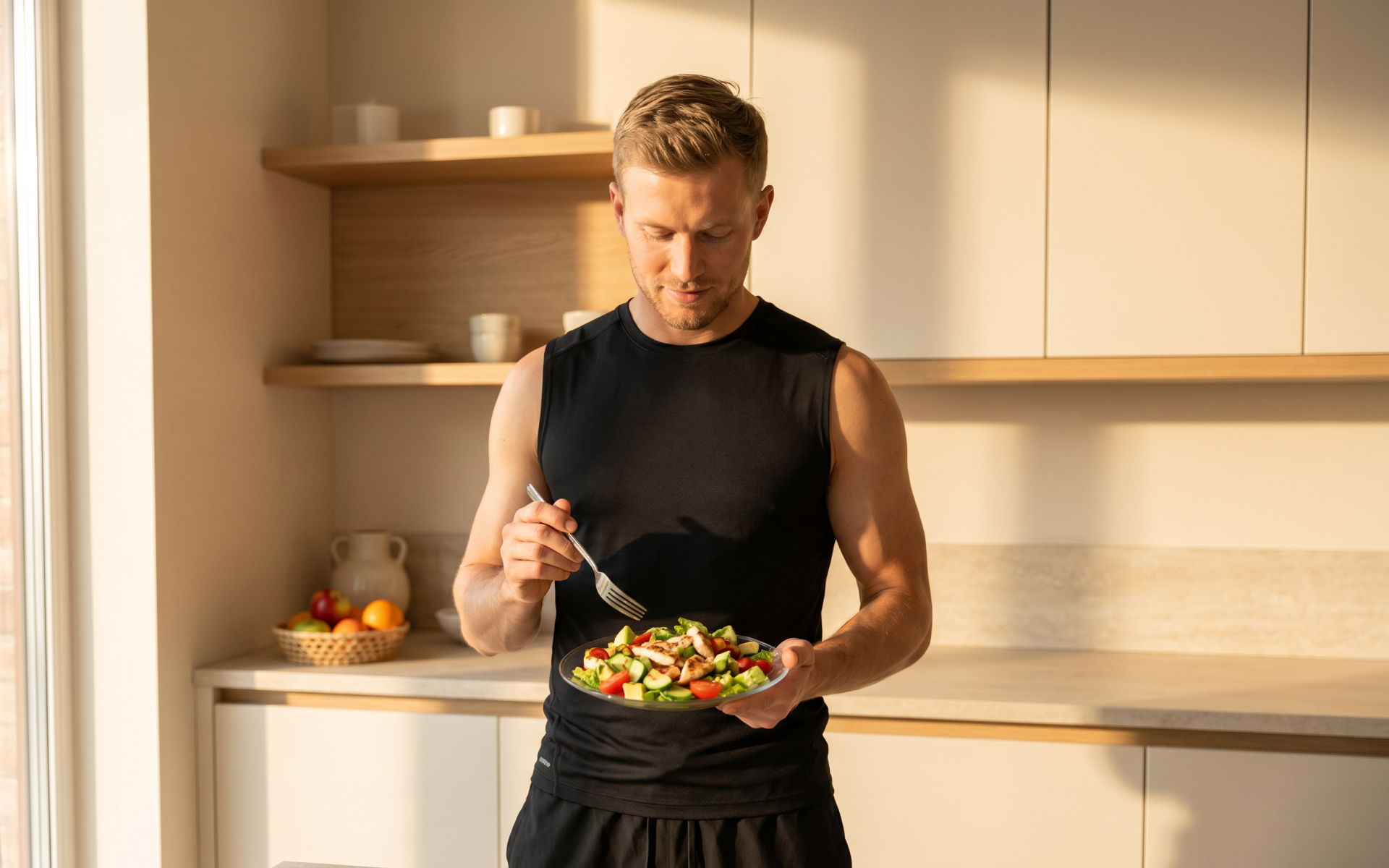
Unlike old premises that plant-based diets lack protein, modern nutrition science and real-world experience have shown that following a plant-based diet can easily meet, and even exceed, protein needs, when properly planned.
Whether you’re looking for plant-based diet recipes for beginners, aiming to build muscle, or simply trying to stay fuller for longer, we’ll show you how easy it can be to meet your protein needs without animal products. Following a plant-based lifestyle can be both satisfying and powerfully nourishing.
What Is a Nutrient-Packed, High-Protein Plant-Based Meal Plan?
A nutrient-dense, high-protein, plant-based meal plan puts the focus on nutrient-dense, minimally processed plant foods, ensuring adequate protein intake to support muscle health, energy, metabolism, and overall wellness (1, 2).
In essence, this type of meal plan emphasizes:
- Legumes (lentils, chickpeas, beans)
- Soy products (tofu, tempeh, edamame)
- Whole grains (quinoa, oats, brown rice)
- Nuts and seeds (hemp, chia, almonds, pumpkin seeds)
- Vegetables (especially higher-protein ones like broccoli and spinach)
What makes this “nutrient-packed” isn’t just protein quantity, but also its quality combined with all the other amazing nutrients plant foods have to offer (such as fiber, vitamins, minerals, and antioxidants) (3).
In addition, plant-based meals can naturally help support gut health, reduce inflammation, and promote long-term disease prevention.
A well-designed high-protein plant-based plan will balance protein (essential for muscle repair and satiety), complex carbs (for sustained energy), healthy unsaturated fats (for hormone balance), and the vast array of micronutrients your body needs (for immune and metabolic health).

Can You Get Enough Protein from Plant-Based Foods?
Yes, absolutely! Have you ever heard people saying you can’t get enough protein on a plant-based diet? This is one of the most persistent myths.
The truth is, protein deficiency is incredibly rare if you make sure to eat enough calories from a variety of plant foods.
What Are Our Daily Protein Needs?
On average, the recommended protein intake for an adult is 0.8 grams of protein per kg of body weight (or 0.36 grams of protein per pound). For very active individuals or athletes, the recommended intake may go up to 1-1.2 grams of protein per kg of body weight, or sometimes more in certain cases (4).
Let’s take an example of a 60 kg adult. This person’s needs would range between 48 and 72 grams of protein daily, depending on activity level.
Read more: Plant-Based Weekly Meal Plan: A Kickstart Guide By Experts
How Do Plants Provide Enough Protein?
Many plant foods are as rich in protein as animal products. For example (5):
- Lentils: ~18g per cooked cup
- Chickpeas: ~15g per cup
- Tofu: ~20g per cup
- Tempeh: ~30g per cup
- Quinoa: ~8g per cup
- Hemp seeds: ~10g per 3 tbsp
By adding a variety of plant foods to your diet, you can certainly reach—or even surpass—your protein needs.
One important aspect to note is that while plant proteins are a healthy and sustainable way to meet your nutrition needs, not all of them contain the full set of essential amino acids.
Amino acids are the building blocks of protein, and 9 (out of 20 amino acids that form all proteins) are “essential” for us, as the body cannot produce them on its own (6).
As plant foods may be rich in protein but low in one or more of these amino acids, they were considered “incomplete”.
However, evidence has shown that this doesn’t mean that a plant-based diet is lacking. You can easily get all essential amino acids by ensuring a varied plant-based diet throughout the day.
This is what’s often called “complementary protein pairing”. For example, grains (such as rice or wheat) are low in lysine but higher in methionine, while legumes (such as beans or lentils) are the opposite. When eaten together, or on the same day, but not necessarily in the same meal, they provide a complete amino acid profile. Some plant foods, such as quinoa, soy, and amaranth, are naturally complete proteins on their own (7).
What Plant Food Has the Highest Protein?
While all plant foods can be a great addition to your diet, some are richer than others when it comes to protein content (5). These should be the backbone of your meal plan:
- Tempeh: ~30g protein per cup
- Lentils: ~18g per cup
- Tofu: ~20g per cup
- Edamame: ~17g per cup
- Chickpeas: ~15g per cup
- Hemp Seeds: ~10g per 3 tablespoons
- Seitan (if gluten tolerated): ~25g per 3 oz
That’s not to say you should only rely on these foods. Including other plant foods that may not be quite as rich in protein (such as black beans, oats, quinoa, and other beans and seeds) will also ensure you get all the essential micronutrients your body needs, along with additional protein and fiber.
So, rather than relying on a single food, the best approach is to build meals that combine:
- A legume or soy product
- A whole grain
- A fat source
- Additional non-starchy vegetables or fruits
This ensures both protein quantity and nutrient diversity.
Whether you’re looking to simply pep up your fitness routine, jazz up your diet with mouth-watering low-calorie recipes or want to get your act together and significantly drop that number on your scale – BetterMe Well-Being Coach app has got you covered! Improve your body and revamp your life!
What Is a Good Plant-Based Protein Meal?
Any good plant-based protein meal should include around 20 to 40 grams of quality protein, carb sources rich in fiber, healthy unsaturated fats, and an array of vegetables and/or fruits.
Some great examples are:
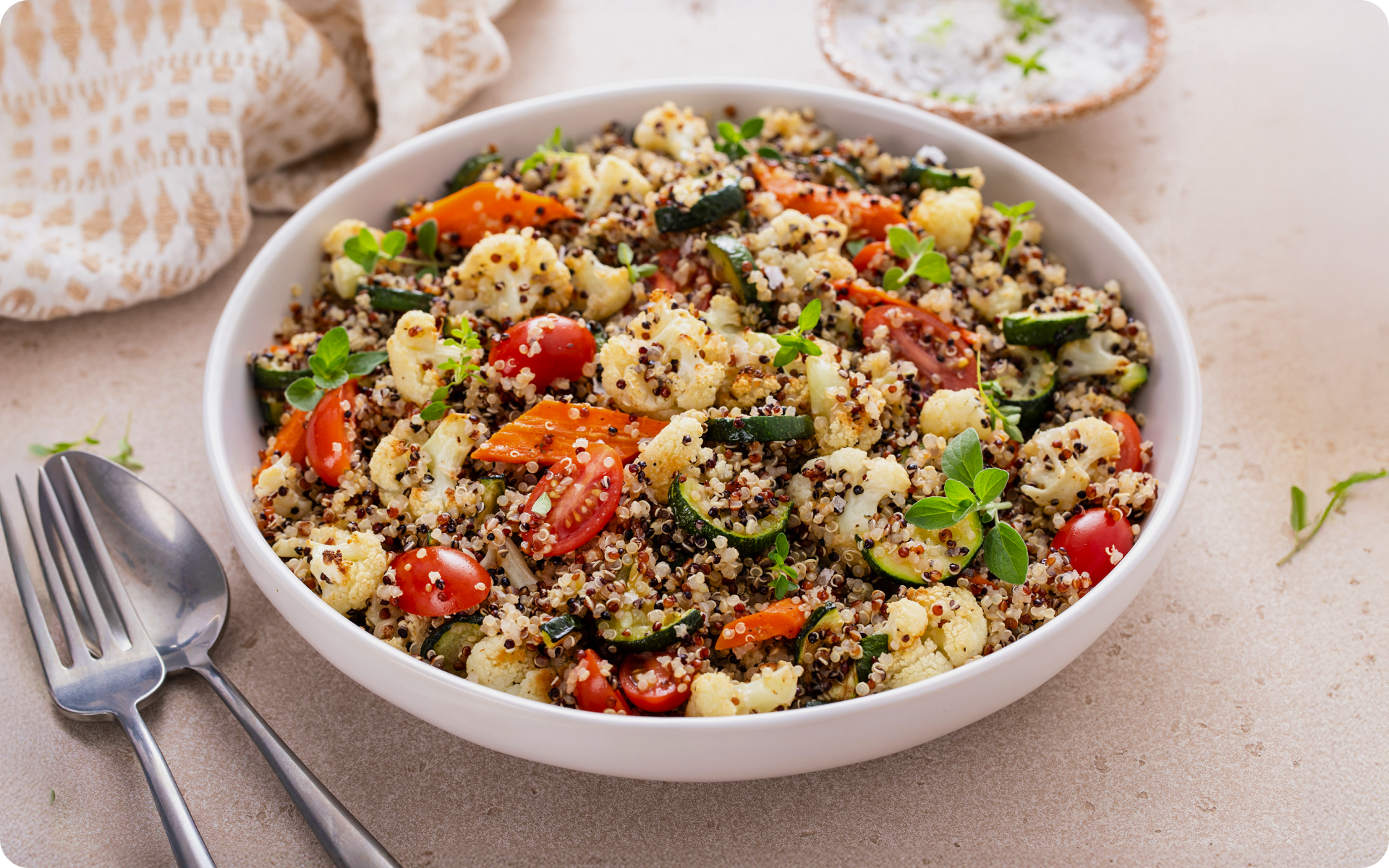
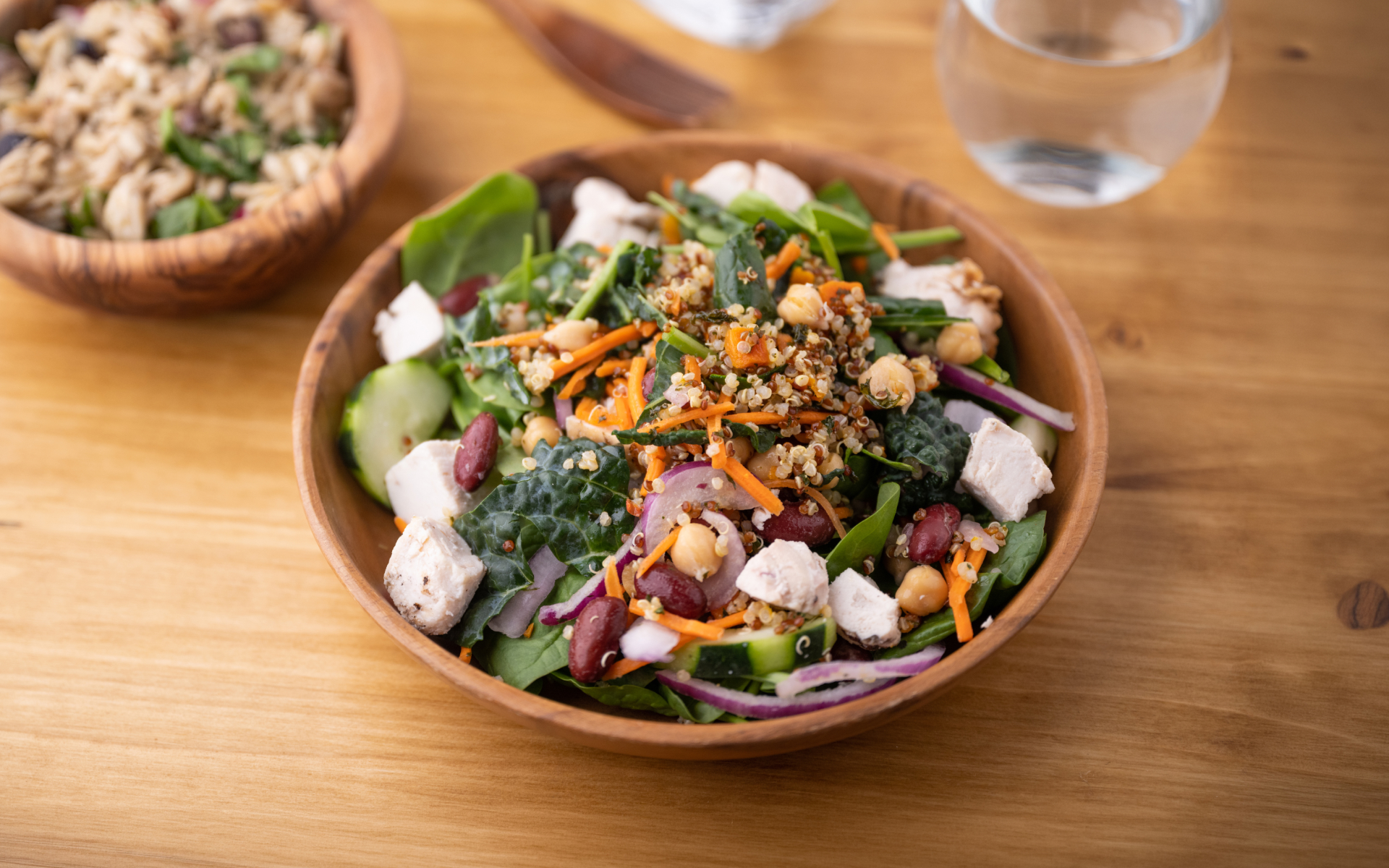
- Lentil quinoa bowl (~25–30g protein)
- Lentils (1 cup cooked) → ~18g protein
- Quinoa (½ cup cooked) → ~4g protein
- Roasted vegetables (1–2 cups) → ~2–3g protein
- Tahini (1 tbsp) → ~3g protein
- Tofu stir-fry (~30g protein)
- Firm tofu (200g / ~7 oz) → ~22–24g protein
- Broccoli (1 cup cooked) → ~4g protein
- Brown rice (1 cup cooked) → ~5g protein
- Sesame seeds (1 tbsp) → ~2g protein
- Chickpea salad wrap (~20–25g protein)
- Chickpeas (¾–1 cup) → ~11–15g protein
- Whole grain wrap (1 large) → ~5–7g protein
- Avocado (¼–½ medium) → ~1–2g protein
- Greens (spinach, lettuce, etc.) → ~1–2g protein
- Tempeh Buddha bowl (~35g protein)
- Tempeh (150g / ~5 oz) → ~28–30g protein
- Sweet potato, roasted (1 medium) → ~2–3g protein
- Kale (1 cup cooked) → ~3g protein
- Peanut sauce (2 tbsp peanut butter base) → ~7–8g protein
Blended options can work well too, and vegan protein shakes for weight loss may be especially helpful when they include plant protein, fruit, and a source of fiber or healthy fats to make them more filling.
What Is a 7-Day Sample High-Protein Plant-Based Meal Plan?
Here’s a balanced and simple 7-day sample high-protein vegan meal plan designed to give you ideas for making satisfying, protein-rich meals throughout the week:
Day 1
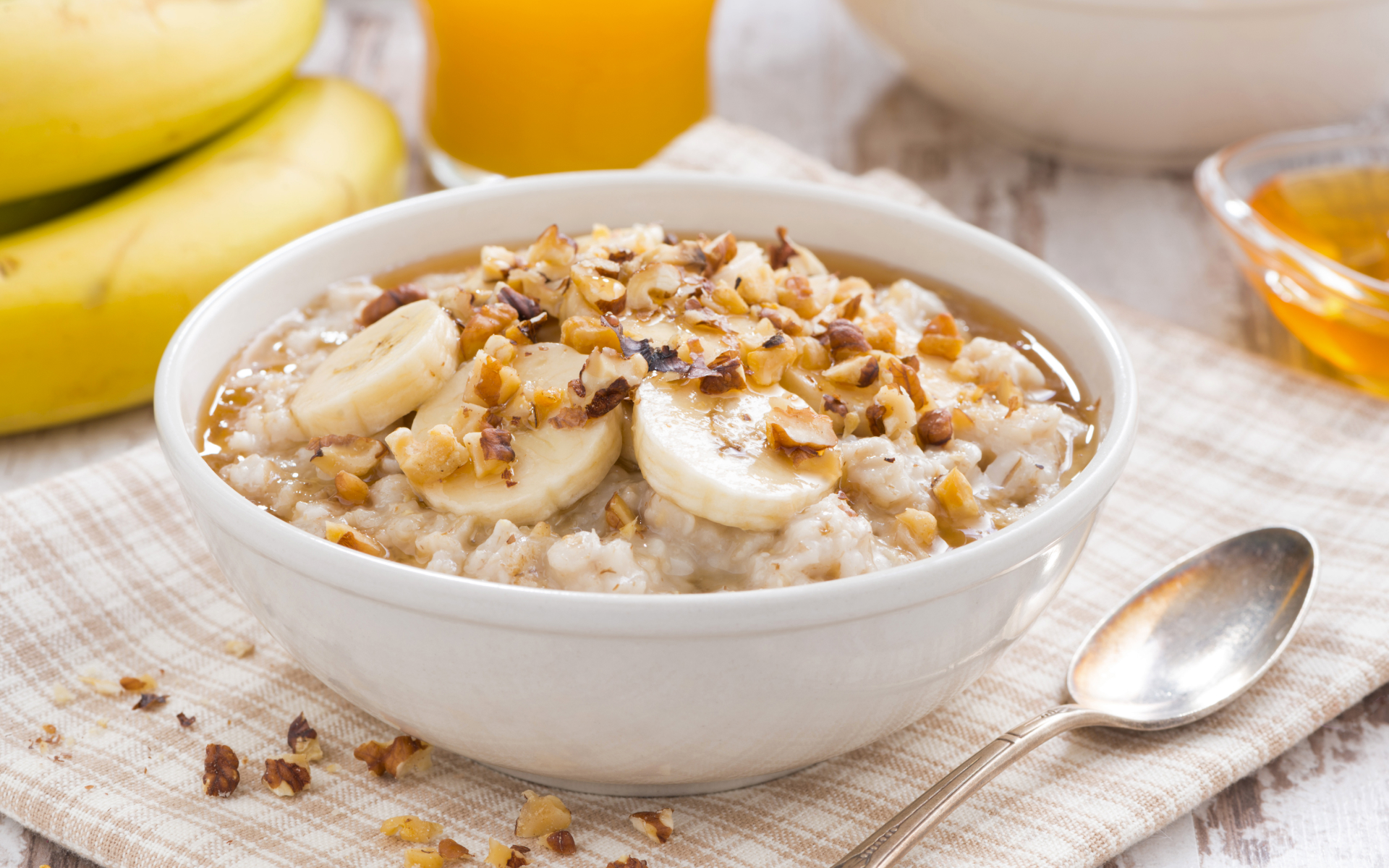
- Breakfast: Oatmeal mixed with nut butter and topped with nuts, seeds, and fruit
- Lunch: Lentil quinoa bowl with roasted vegetables and tahini dressing
- Dinner: Tofu stir-fry with broccoli, brown rice, and sesame seeds
Day 2
- Breakfast: Smoothie bowl with plant protein and fruit, topped with granola
- Lunch: Chickpea salad wrap with avocado and leafy greens
- Dinner: Tempeh Buddha bowl with sweet potatoes, kale, and peanut sauce
Day 3
- Breakfast: Overnight oats with chia seeds and berries
- Lunch: Quinoa black bean bowl with corn, salsa, and avocado
- Dinner: Hearty vegan chili with beans, vegetables, and spices
Day 4
- Breakfast: Tofu scramble with vegetables and whole-grain toast
- Lunch: Lentil soup with herbs and mixed vegetables
- Dinner: Peanut tofu noodles with stir-fried vegetables
Day 5
- Breakfast: Protein pancakes topped with nut butter and fruit
- Lunch: Hummus vegetable bowl with roasted vegetables and grains
- Dinner: Chickpea curry with spices and a side of rice
Day 6
- Breakfast: Smoothie with plant-based protein, spinach, and fruit
- Lunch: Edamame salad with quinoa, crunchy vegetables, and sesame dressing
- Dinner: Tempeh tacos with cabbage slaw and avocado
Day 7
- Breakfast: Oatmeal with seeds, nut butter, and fruit
- Lunch: Bean burrito bowl with rice, beans, vegetables, and salsa
- Dinner: Stir-fried tofu with mixed vegetables and a savory sauce
Read more: 30-Day Plant-Based Diet Meal Plan: Your Guide To Healthy Eating
What Are Some Common Mistakes with a High-Protein Plant-Based Meal Plan?
While it’s a myth that you can’t get enough protein on a plant-based meal plan, there are still common mistakes that can happen without proper planning. That being said, this isn’t unique to plant-based eating—any meal plan can fall short without good planning.
Let’s look at the most common mistakes in this case.
- Not eating enough calories: Protein needs won’t be met if overall food intake is too low.
- Ignoring protein sources: Relying only on vegetables instead of legumes, beans, grains, and soy.
- Lack of variety: Eating the same foods daily limits amino acid diversity.
- Overreliance on ultra-processed foods: Vegan doesn’t automatically mean it’s healthy—there are a lot of vegan junk foods that often lack protein.
- Skipping meal planning: Without structure, protein intake may fall short (can happen with any diet).
- Fear of carbs: Whole grains are essential for energy and balance.

Frequently Asked Questions
Does oatmeal contain protein?
Yes. Oats have about 5-7 grams of protein per serving. When it’s combined with plant milk, seeds, nut butter, or protein powder, oatmeal becomes a high-protein meal.
Which vegetable has the most protein?
While they’re not as protein-dense as legumes, top high-protein vegetables include broccoli, spinach, brussels sprouts, and peas. They won’t be your primary protein source, but they can certainly add to your total.
What is a good protein breakfast?
Some great protein breakfasts are tofu scramble with vegetables and whole-grain toast, protein smoothie with soy milk, and oatmeal with seeds, fruit, and nut butter.
Does avocado have protein?
Avocados are mainly a great source of fiber and healthy fats, but they contain a small amount of protein.
The Bottom Line
A nutrient-packed, high-protein plant-based meal plan isn’t only possible, it can also do wonders for your overall health. By focusing on protein-rich foods such as legumes, soy products, grains, nuts, and seeds, you can easily meet protein needs while gaining the added advantages of fiber, antioxidants, and heart-healthy nutrients.
However, thoughtful planning is the key to ensuring you get all the essential amino acids you need, along with healthy fats, fiber, and an array of micronutrients to support your health.
A properly planned high-protein plant-based meal can help with muscle growth, weight management, long-term health, and environmental sustainability.
DISCLAIMER:
This article is intended for general informational purposes only and does not serve to address individual circumstances. It is not a substitute for professional advice or help and should not be relied on for making any kind of decision-making. Any action taken as a direct or indirect result of the information in this article is entirely at your own risk and is your sole responsibility.
BetterMe, its content staff, and its medical advisors accept no responsibility for inaccuracies, errors, misstatements, inconsistencies, or omissions and specifically disclaim any liability, loss or risk, personal, professional or otherwise, which may be incurred as a consequence, directly or indirectly, of the use and/or application of any content.
You should always seek the advice of your physician or other qualified health provider with any questions you may have regarding a medical condition or your specific situation. Never disregard professional medical advice or delay seeking it because of BetterMe content. If you suspect or think you may have a medical emergency, call your doctor.
SOURCES:
- Sustaining Protein Nutrition Through Plant-Based Foods (2022, nlm.nih.gov)
- Plant-Based Sources of Protein Infographic (n.d., heart.org)
- Green strength: The role of micronutrients in plant-based diets for athletic performance enhancement (2024, nlm.nih.gov)
- Protein: What’s Enough? (n.d., heart.org)
- FoodData Central (n.d., usda.gov)
- Biochemistry, Essential Amino Acids (n.d., nlm.nih.gov)
- Protein Complementation (n.d., nutrition.org)

 By
By 
 By
By