
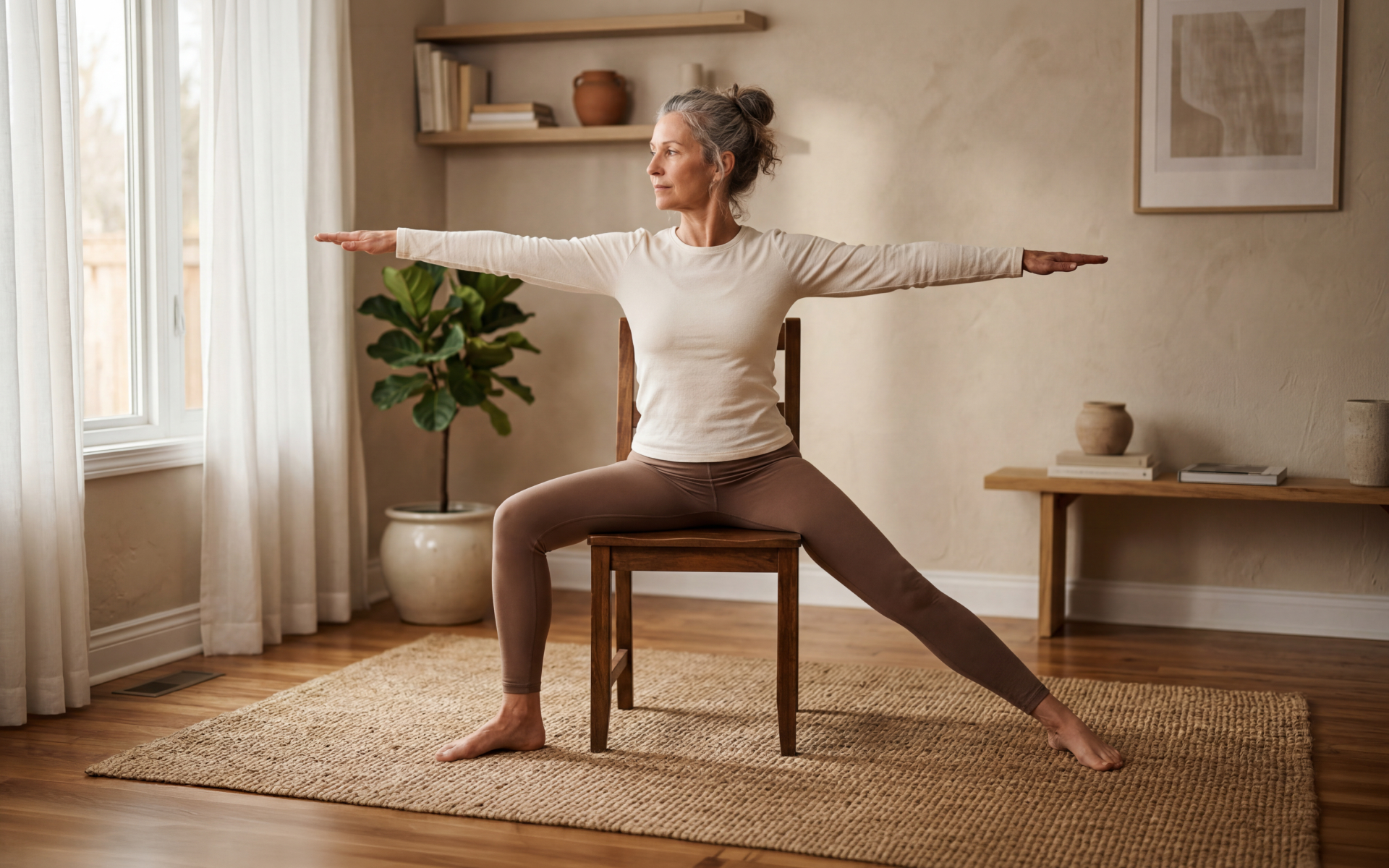
A seated yoga poses sequence routine offers a gentle and accessible way to bring movement and mindfulness into your day—no standing or complex transitions required.
Unlike traditional yoga, this style of practice can feel both approachable and adaptable for beginners and seniors who are looking to ease into yoga or find a low-impact exercise option that can be done while seated on a mat or a chair.
While individual experiences may vary, many people find that well-structured yoga sequences for beginners can support relaxation, encourage body awareness, and contribute to an overall sense of balance.
In this guide, we’ll explore what a seated yoga pose sequence involves, how to build one that suits your needs, and more.
What Is a Balanced Seated Yoga Pose Sequence?
In yoga, a sequence is essentially a deliberate arrangement of yoga asanas (aka poses) and breathing techniques to create a cohesive and purposeful flow. One movement easily flows into the other one.
Therefore, a balanced seated yoga pose sequence is a thoughtfully arranged routine that combines a set of movements that easily flow into each other. The seated yoga positions and movements complement each other.
Such a routine is done from a seated position (often on a chair) and aims to engage different muscles in a well-rounded and gentle way. This encourages a variety in the stretches, twists, and folds, while maintaining a steady and intentional flow throughout the practice.
What Makes a Good Flow in Seated Yoga Practice?
A good flow in chair yoga sequence practice focuses more on how naturally one movement leads into the next, rather than the complexity of the asanas (poses) in question. Such a sequence typically feels smooth, unforced, and easy to follow. Each pose builds on the previous one in a way that creates sense for the body.
For example, a gentle seated yoga poses for seniors or beginners routine with good flow may:
- Start with simple warm-up moves
- Move on to stretches, light twists, and folds
- End with a cool down
This progression may feel more natural, gradual, and comfortable compared to a routine that skips preparation or ends abruptly.
Reasons why BetterMe is a safe bet: a wide range of calorie-blasting workouts, finger-licking recipes, 24/7 support, challenges that’ll keep you on your best game, and that just scratches the surface! Start using our app and watch the magic happen.
How to Structure a Seated Yoga Poses Sequence
Every effective routine needs structure. But how do you ensure that the routine you come up with is structured enough to be beneficial?
In one study that looked at how yoga instructors can better teach older adults this practice, researchers advised any instructor who works with seniors to focus on (1):
- Adapting poses for the group in class
- Incorporating supportive props to make performing the poses/movement easier
- Fostering a welcoming and encouraging environment
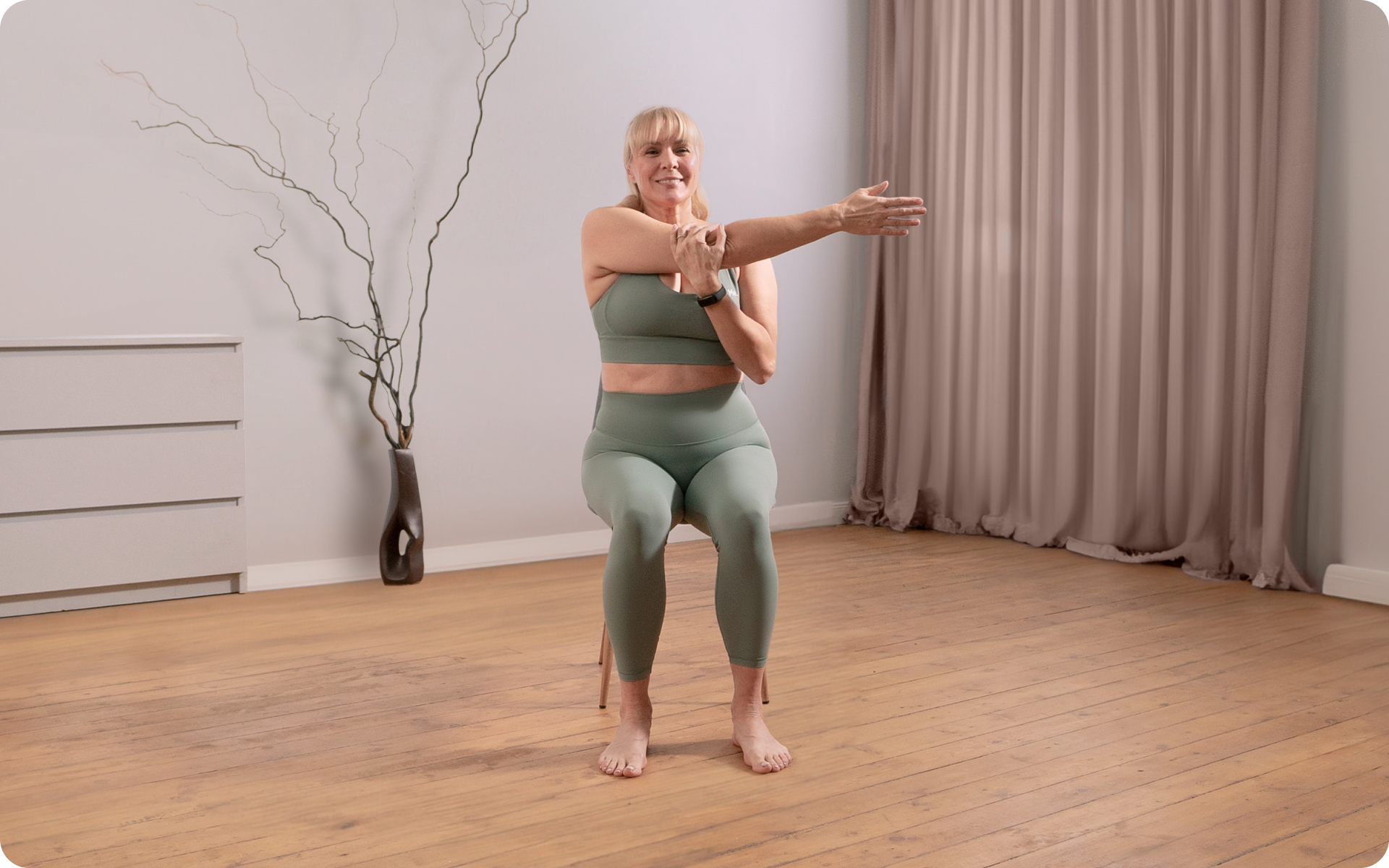
Seated yoga (aka chair yoga) is often described as a practice that can be done anywhere, anytime, and can be practiced while sitting on a chair or while standing by using a chair as the supportive device (2, 3).
The practice is considered adaptable because:
- It can be done on any stable, non-wheeled chair
- It typically requires minimal space and time
- It can be modified to suit a wide range of abilities and preferences—from medical professionals to older adults who may be experiencing physical, time, or psychological constraints (2)
Some researchers have also suggested that this practice may feel more stable and manageable for older adults with greater physical impairment than traditional yoga (5).
Therefore, by opting for a seated yoga poses sequence for seniors routine, you’ve already managed to adapt the practice for the specific demographic (older adults) in question.
To create a well-structured sequence of yoga poses for beginners or seniors, you should:
Start by Centering
This is a short meditation or breathwork period. It typically lasts for approximately 5 minutes. Participants use this time to clear their minds and increase body awareness before the routine starts.
The Warm-Up
Every workout routine, no matter how low-impact, should be preceded by a warm-up.
Some researchers and experts have stated that by taking the time to warm up before the main exercise session, you may experience benefits such as improved performance, better flexibility, and easier transition into movement (5, 6).
The warm-up also helps get your mind ready for the upcoming movements in the main routine.
The Main Workout
The poses chosen should easily transition into the next. For this section of your chair yoga sequence for seniors or beginners, the poses typically flow into each other seamlessly. Start with easier asanas and gradually introduce more engaging poses depending on fitness, flexibility, and comfort levels.
Finish with a Cool-Down Session
As with warm-ups, cool-downs are also highly recommended after every workout session. Experts suggest that those who take 5-10 minutes to cool down after the main exercise session may benefit from a more relaxed transition out of activity, reduced risk of strain, and tense muscles after activity (7, 8).
Read more: Chair-Based Exercises for Seniors: A Short Guide to Stay Active and Mobile
Sample of Seated Yoga Poses Sequence for Beginners and Seniors
Centering
Sit tall with your feet flat on the ground. Inhale deeply through the nose and exhale slowly, allowing your body and mind to relax.
Warm-Up Movements
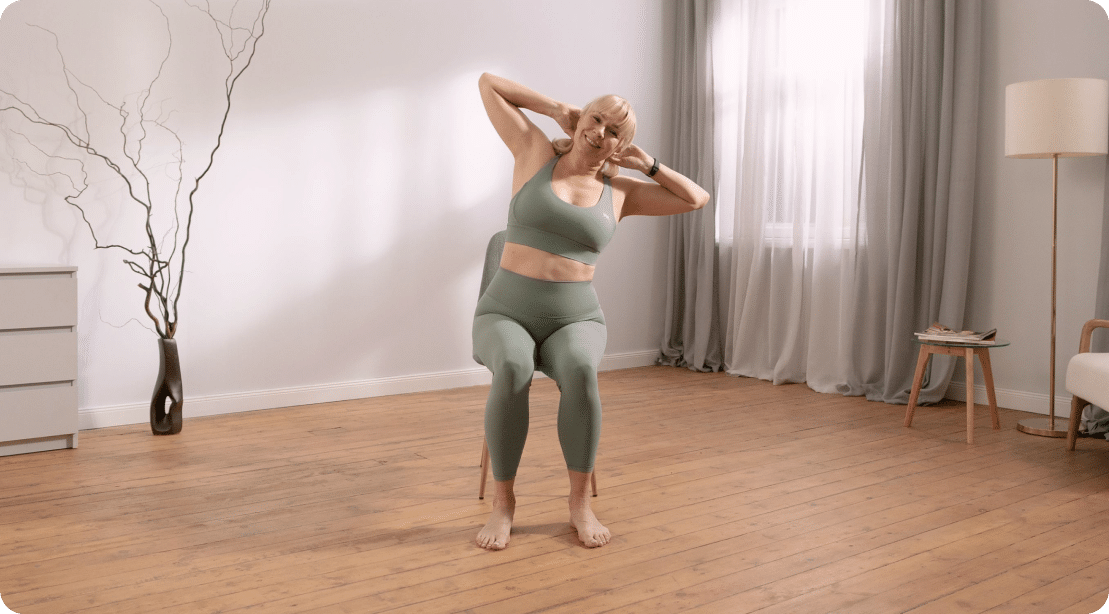
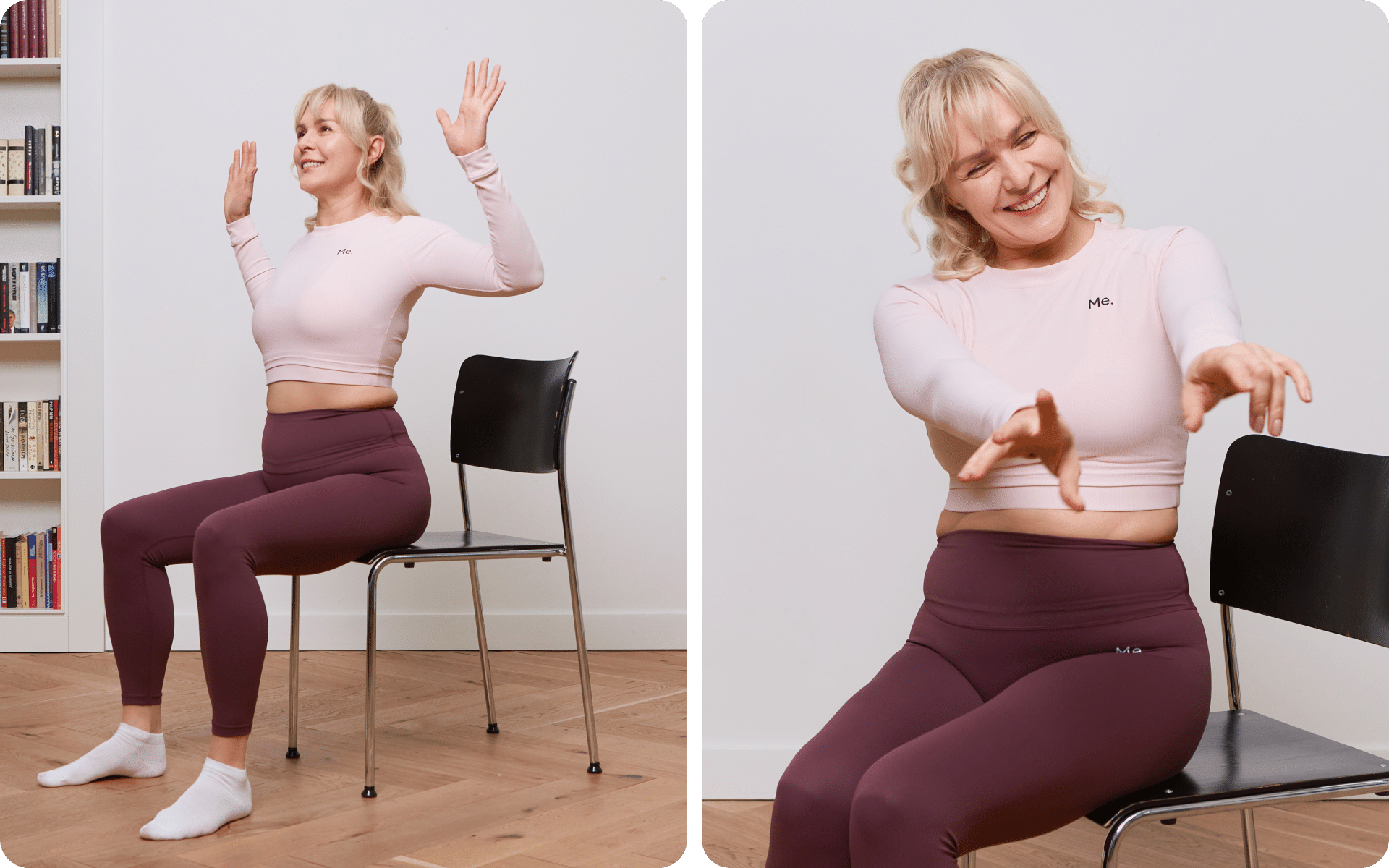
While still seated, do some wrist circles, neck rolls, seated cat-cow stretch, torso twists, and seated marches.
Main Workout
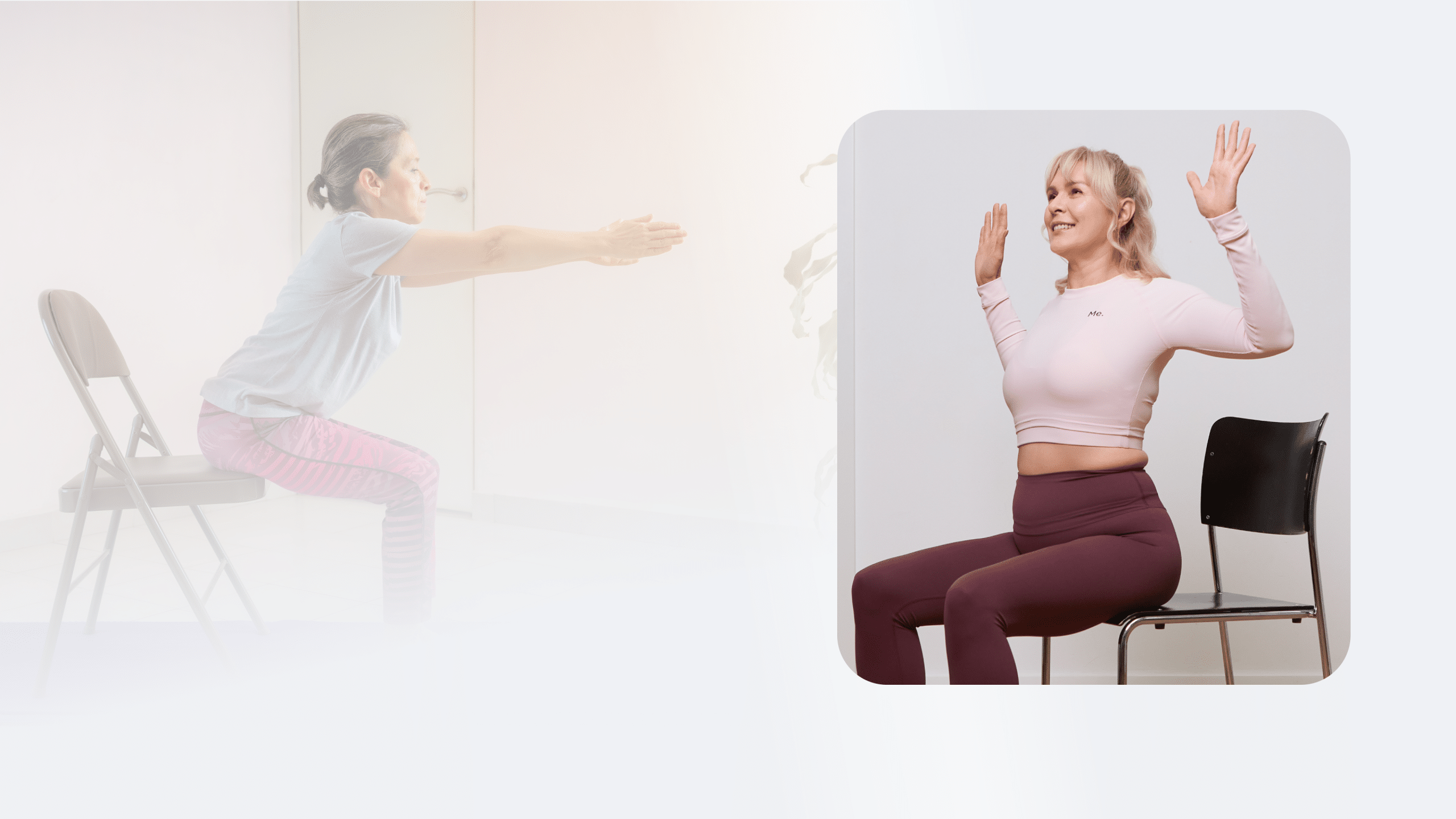
Seated Warrior 1
- With your foot on the floor, extend your right leg to the back and lift both arms above your head.
- Hold this position for 5-8 breaths and then bring your arms down and your foot back to the front side. Switch sides and repeat the movement on the other side.
Chair Gomkhasana
- Sit tall on a sturdy chair with your feet flat on the floor.
- Cross your right knee over your left knee, bringing your right foot closer to the left hip. Keep your torso straight.
- Raise your right arm toward the ceiling, then bend your elbow, placing your palm behind your upper back.
- Extend your left arm out to the side, then bend your elbow to bring your left hand up the center of your back.
- Clasp your fingers. If you can’t clasp your hands, use a strap/towel to bridge the gap.
- Keep your back erect, lift your chest, and hold for 5-8 breaths.
- Release, then switch, repeating the movement on the other side, breathing deeply before switching sides.
Half Lord of the Fishes
- Sit with your legs outstretched in front of you.
- Lift your left leg, placing your left foot on the outside of your right knee. Bend your right leg and place the right foot on the outside of your left hip.
- On the inhale, press your sitting bones down and lengthen your back. Place your left arm behind you, and extend your right arm up.
- On the exhale, twist your body to the left, and hug your knee with your right arm.
- Continue extending your back on the in-breath and twisting from your belly on the out-breath.
- Stay for 5 to 8 breaths.
- Come out of the twist as you exhale and move back into the starting position.
- Repeat on the other side.
Janu Sirsasana (two chair variation)
- Place a sturdy chair about 2 feet in front of the chair you will be sitting on. Find one that’s the same height. If not, place a folded blanket to elevate the surface.
- Sit on the edge of the first chair, placing one leg extended forward toward the second chair.
- Bend the opposite knee and place the sole of that foot against your inner opposite thigh, allowing the bent knee to rest on the floor or a prop.
- Square your shoulders with the extended leg. Inhale to lengthen your back, lifting through the crown of your head.
- As you exhale, hinge from your hips to fold forward.
- Rest your forearms on the seat of the second chair in front of you. Allow your forehead to rest on your hands or directly on the chair seat. If you cannot fold this far down, fold as far down as you can.
- Maintain the position for 5-10 deep breaths, allowing your torso to surrender into the stretch, focusing on lengthening your back.
- Inhale slowly to lift your torso, switch sides, and repeat.
Seated Pigeon
- Sit on the chair and bring your left ankle to rest on your right thigh, keeping your knee in line with your ankle.
- Hold this chair pigeon for three to three-five breaths.
- Intensify the stretch if you like by bending forward.
- Repeat with your right leg.
Cool-Down Movements
Finish with some wrist shakes, torso side stretches, then sit tall and breathe deeply. If you can, get on a mat on the floor and lie on your back in corpse pose.
Whether you’re looking to simply pep up your fitness routine, jazz up your diet with mouth-watering low-calorie recipes or want to get your act together and significantly drop that number on your scale – BetterMe Well-Being Coach app has got you covered! Improve your body and revamp your life!
Is Yoga Effective?
Seated yoga can be an effective option for many people, particularly those who are looking for a low-impact, gentle routine to incorporate into their day-to-day schedules. While individual experiences and results may vary, studies on this variation of yoga practice have suggested that it may be associated with (3, 11, 12, 13):
- Targeting and reducing feelings of discomfort in older adults
- Improved mobility, functional fitness, balance, flexibility, and range of motion over time
- Enhanced sense of well-being, muscular strength, and relaxation.
How Long Should a Seated Yoga Sequence Last?
Most yoga classes, specifically community classes, are typically 60 minutes long (9), but shorter sessions can also be effective.
Beginners, seniors, and those with busy schedules can start with shorter 15-30 minutes. Not only does the shorter routine cater to diverse schedules, it may also help to increase consistency in different groups over time (10).
What Mistakes Reduce the Effectiveness of Yoga?
Some mistakes that may reduce the effectiveness of this practice include
- Lack of Consistency: Irregular sessions may make it harder for you to become familiar with movements. Try sticking to this exercise at least 3-5 times a week.
- Skipping warm-up and/or cool-down sessions: This may increase the risk of strain to your muscles and joints. Always set aside 5-10 minutes before and after the workout to do your warm-up and cool-down.
- Ignoring discomfort: It’s generally helpful to adjust or pause if something doesn’t feel right.
- Pushing too fast: Gradual progression is often more sustainable in the long term.
- Not using props: They make movements more accessible and comfortable. If you find yourself struggling with some poses, use props such as blocks, straps, boxes, or blankets to improve alignment.
Read more: Seated Upper-Body Workout for Seniors: 5 Exercises for Strength
How Many Times a Week Should I Do Chair Yoga?
The frequency of your chair yoga practice depends on your individual goals, fitness level, and preferences. For general fitness, we’d recommend aiming to perform a seated yoga poses sequence 3-5 times per week, with each session roughly 15 to 30 minutes long.
Frequently Asked Questions
Is yoga better than walking?
Neither option is necessarily better than the other. They simply support different goals. Yoga is generally better suited for flexibility and relaxation, while walking is commonly linked to cardiovascular activity. If you can, combine both yoga and walking, in addition to strength training exercises, for a balanced weekly workout routine.
What should I not do after yoga?
After yoga, it may be best to avoid:
a. Consuming junk food: Refuel after your workout with healthy, high-protein meals with whole carbohydrates, healthy fats, and vegetables. Avoid sugary drinks, salty snacks, and overly processed foods. If you cannot have a meal, opt for a homemade protein smoothie instead.
b. Skipping cool-down: As mentioned, stopping abruptly after your final pose and walking off may increase your risk of strain.
Is it better to do yoga in the morning or at night?
Neither option is better than the other. The best time for a yoga routine is determined by individual needs and preferences, such as your fitness and wellness goals, lifestyle, and energy levels at different times of day.
If you’re unsure what to do, try both options for a few days to see which one you like best. Arguably, the most important factor in all of this is your consistency. Find a time that works for you and try your best to stick with it. The results will come before you know it.
Should I eat before or after yoga in the morning?
Both options can work—it all depends on your preference. If your energy levels feel low in the morning, try having a light, easily digestible snack, such as a banana, 30-60 minutes before the session. Try not to eat a large meal immediately before, as a full stomach may interfere with your movements and poses.
What exercises should I avoid before bed?
Some researchers have suggested avoiding high-intensity exercises late at night before bed. They state that engaging in such activities may negatively impact sleep quality. Instead, they recommend low to moderate intensity exercises for better sleep (14).
The Bottom Line
A well-structured seated yoga poses sequence may offer a gentle way to incorporate movement into the routines of seniors and beginners. While results may differ, over time, this practice may also contribute to multiple wellness benefits such as relaxation, flexibility, and overall well-being. If you’re interested in starting yoga, this simple and adaptable sequence can be a good place to begin.
DISCLAIMER:
This article is intended for general informational purposes only and does not serve to address individual circumstances. It is not a substitute for professional advice or help and should not be relied on for making any kind of decision-making. Any action taken as a direct or indirect result of the information in this article is entirely at your own risk and is your sole responsibility.
BetterMe, its content staff, and its medical advisors accept no responsibility for inaccuracies, errors, misstatements, inconsistencies, or omissions and specifically disclaim any liability, loss or risk, personal, professional or otherwise, which may be incurred as a consequence, directly or indirectly, of the use and/or application of any content.
You should always seek the advice of your physician or other qualified health provider with any questions you may have regarding a medical condition or your specific situation. Never disregard professional medical advice or delay seeking it because of BetterMe content. If you suspect or think you may have a medical emergency, call your doctor.
SOURCES:
- Empowering older adults through yoga: Strategies for effective instruction (2025, sciencedirect.com)
- Chair Yoga (2021, journals.lww.com)
- The Effectiveness of Chair Yoga in Older Adults: A Literature Review (2023, researchgate.net)
- Physical and Mental Benefits of Chair Yoga for Older Adults: A Case Series (2025, pmc.ncbi.nlm.nih.gov)
- Revisiting the ‘Whys’ and ‘Hows’ of the Warm-Up: Are We Asking the Right Questions? (2023, pmc.ncbi.nlm.nih.gov)
- The Effects of Warm-Up Strategies on Athletic Performance: A Systematic Review (2025, researchgate.net)
- How to reduce your risk of injury from exercise or physical activity (2025, nhsinform.scot)
- Warm Up, Cool Down (2024, heart.org)
- Effects of Temperature and Tempo: Evaluating How Much Time in a Typical Community-Based Yoga Class Is Moderate-Intensity Aerobic Activity (2023, mdpi.com)
- Exploring yoga adherence, experiences, future preferences and barriers in the medical university community, a 6-week study (2026, pmc.ncbi.nlm.nih.gov)
- Yoga for Healthy Aging: Science or Hype? (2021, pmc.ncbi.nlm.nih.gov)
- Effect of Chair Yoga Therapy on Functional Fitness and Daily Life Activities among Older Female Adults with Knee Osteoarthritis in Taiwan: A Quasi-Experimental Study (2023, pmc.ncbi.nlm.nih.gov)
- Perceptions and experiences of chair-based yoga by older adults with multimorbidity – a qualitative process evaluation of the Gentle Years Yoga randomised controlled trial (2025, link.springer.com)
- Effect of Nighttime Exercise on Sleep Quality Among the General Population in Riyadh, Saudi Arabia: A Cross-Sectional Study (2023, pmc.ncbi.nlm.nih.gov)
 Reviewed by
 Reviewed by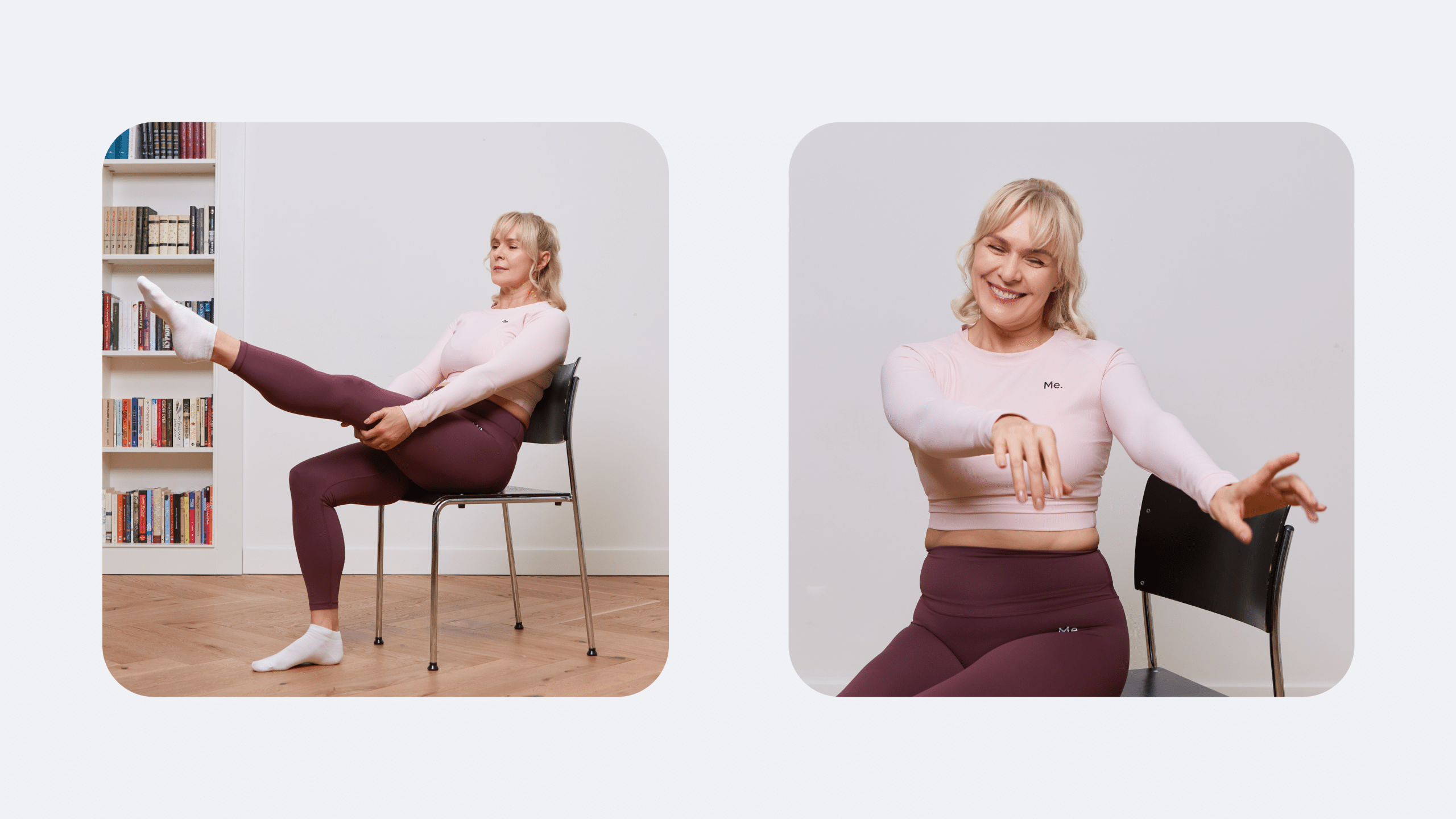
 Reviewed by