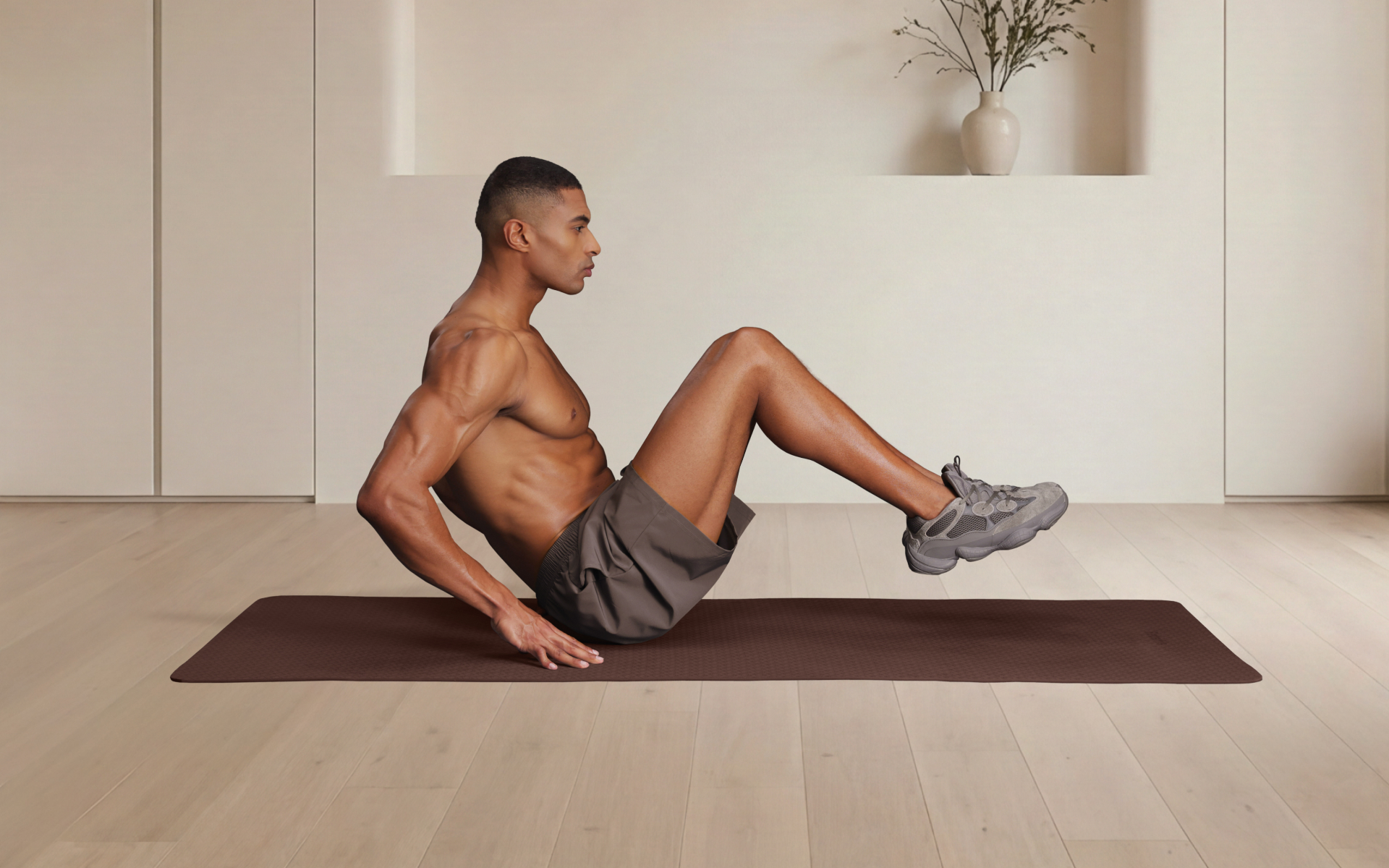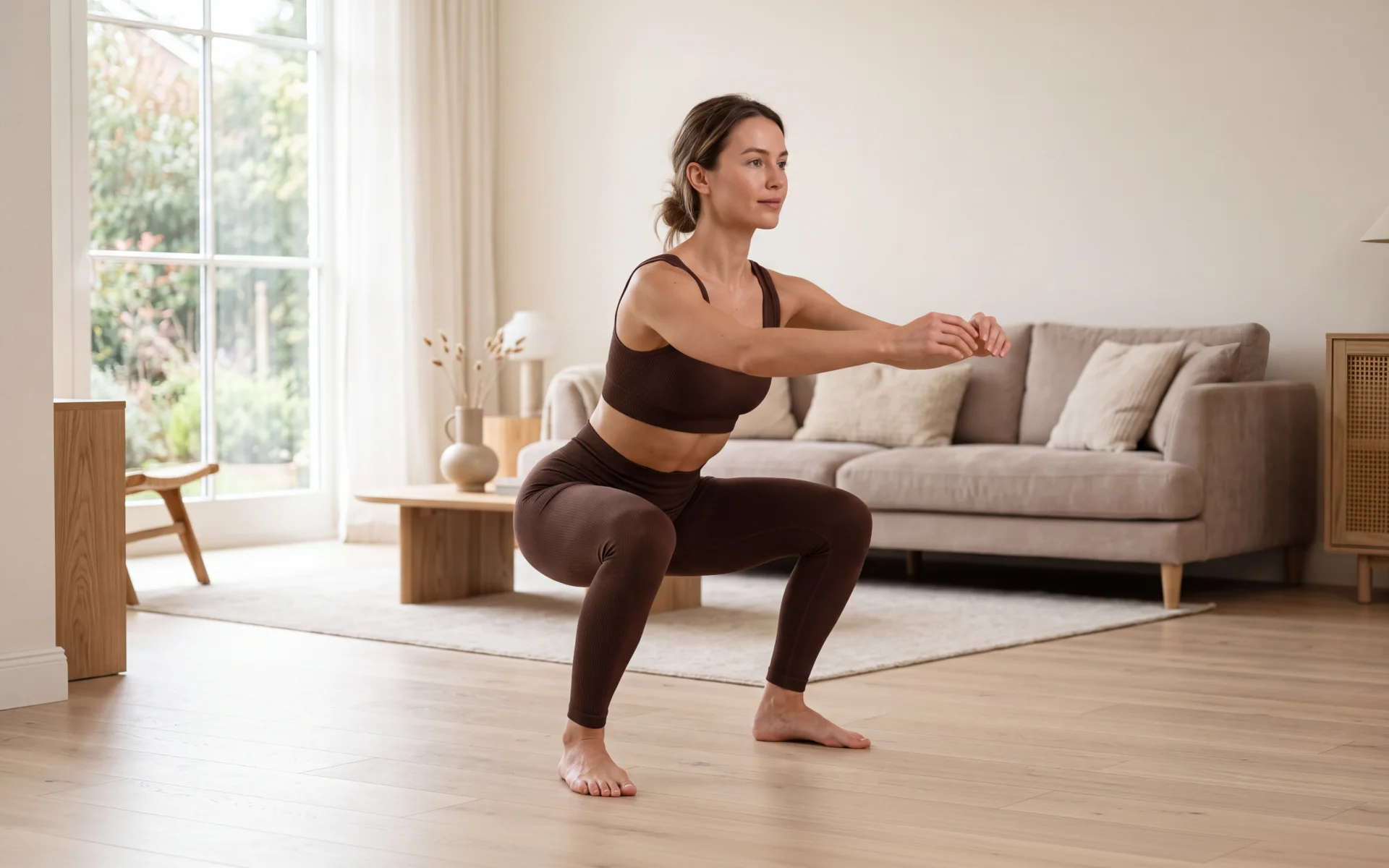
A calisthenics back workout no equipment routine focuses on using your body weight to build strength. You can effectively target your upper and lower back muscles using exercises like reverse snow angels, sliding floor pulldowns, and prone I-Y-T raises. These movements require minimal gear, making them an excellent choice for a calisthenics back workout no equipment at home. By practicing slow, controlled repetitions and focusing on muscle contraction, you can support muscle growth and improve your overall posture without stepping foot in a gym.
A calisthenics back workout no equipment routine is a practical way to build upper body strength. You do not need expensive machines or heavy weights to challenge your muscles. Calisthenics back exercises rely entirely on your body weight and gravity. These back exercises no equipment options may be a practical choice if you want a simple routine you can do at home, while traveling, or during a short break. This approach can help you build a steady routine that you can adjust over time.
Whether you want to try upper back calisthenics no equipment moves or focus on stability, there are options for everyone. Keep reading to explore a beginner-friendly plan, learn proper techniques, and discover how to structure your training for lasting results.
Can You Build Your Back With Calisthenics?
Yes, you can build back strength using bodyweight exercises. Muscle growth happens when you challenge your muscles through mechanical tension and progressive overload (1). You do not necessarily need free weights to create this tension.
Some research suggests that bodyweight training can stimulate muscle growth similarly to traditional weightlifting (2). The key is to perform exercises with proper form and a full range of motion. You must also gradually increase the difficulty as your body adapts.
For a calisthenics back workout no equipment for beginners, you can start with floor-based movements. As you grow stronger, you can adjust your body angle or increase your repetitions (3). This ensures your muscles continue to work hard over time.
These movements can also work well as back exercises for women, especially for those who want to improve posture, upper-body strength, and core stability without using gym machines.
What Calisthenics Back Exercises Can You Do Without Equipment?
You can perform many movements on the floor to target different areas of your back. Lower back calisthenics no equipment exercises focus on your spinal erectors. Upper back calisthenics no equipment moves target your lats, traps, and rhomboids. Some of these movements also function as back mobility exercises, allowing your shoulders and back to move through a controlled range of motion while strengthening the surrounding muscles.
While many people look for a calisthenics bicep workout with no equipment, remember that pulling movements naturally engage your biceps as well.
Here is a comparison of effective bodyweight exercises you can try today.
| Exercise | Target Area | Difficulty | Regression (Easier) | Progression (Harder) | Tempo | Notes |
|---|---|---|---|---|---|---|
| Superman Hold | Lower back, glutes | Beginner | Lift upper body only | Hold weights in hands | 3-second hold | Keep your neck neutral to avoid strain. |
| Sliding Floor Pulldowns | Lats, upper back | Intermediate | Use a slippery floor | Add resistance bands | Slow and controlled | Focus on pulling with your elbows. |
| Reverse Snow Angels | Shoulders, upper back | Beginner | Keep arms bent | Hold light objects | 2 seconds up, 2 down | Squeeze your shoulder blades together. |
| Prone I-Y-T Raises | Mid back, traps | Intermediate | Perform one letter at a time | Lift chest higher | Pause at the top | Keep thumbs pointing up. |
| Back Widow | Lats, mid back | Advanced | Push less forcefully | Elevate your feet | Explosive up, slow down | Use your elbows to push your torso up. |
Read more: Lessie Fitness Beginner Thighs & Glutes Calisthenics Workout
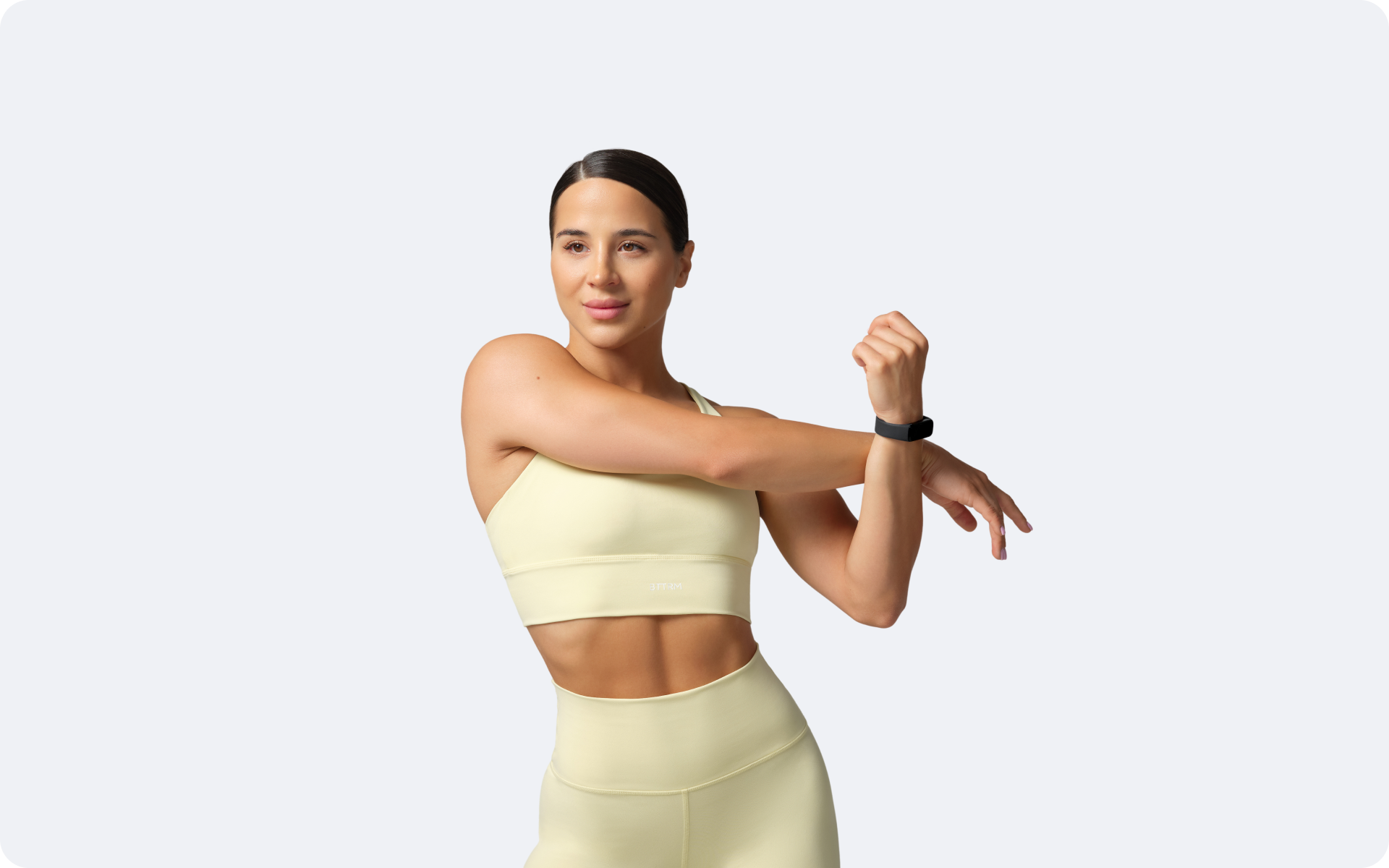
Superman Hold
The Superman hold is a gentle way to engage your entire posterior chain.
- Lie flat on your stomach with your arms extended forward.
- Keep your legs straight behind you.
- Squeeze your glutes and lift your arms, chest, and legs off the floor.
- Hold this top position for 3 seconds.
- Slowly lower your body back to the starting position.
Sliding Floor Pulldowns
This move mimics a traditional lat pulldown without needing a bar.
- Lie on your stomach on a smooth floor wearing a long-sleeved shirt.
- Extend your arms straight out in front of you.
- Press your palms into the floor.
- Pull your body forward by driving your elbows down toward your hips.
- Slide back to the starting position and repeat.
Reverse Snow Angels
This exercise supports shoulder mobility and upper back strength.
- Lie face down with your arms by your sides and palms facing down.
- Lift your chest and arms slightly off the floor.
- Sweep your arms in a wide arc up toward your head.
- Bring your hands close together above your head.
- Slowly reverse the motion back to your sides.
Prone I-Y-T Raises
These raises target the small stabilizing muscles around your shoulder blades.
- Lie on your stomach with your arms extended forward (the “I” position).
- Lift your arms up, squeeze your back, and lower them.
- Move your arms out slightly to form a “Y” and lift again.
- Move your arms straight out to the sides to form a “T” and lift.
- Keep your thumbs pointed toward the ceiling throughout the movement.
Back Widow
This is a challenging move that relies on elbow drive.
- Lie on your back with your knees bent and feet flat on the floor.
- Bend your elbows to 90 degrees and rest them on the floor beside you.
- Press your elbows firmly into the ground.
- Squeeze your back muscles to lift your upper back off the floor.
- Slowly lower your torso back down with control.
How Do You Train Your Back With Calisthenics Without Equipment?
To train your back effectively, you need a structured approach. A random assortment of exercises will not yield the best results. You should organize your calisthenics back workout at home into a clear plan.
Some research suggests that muscle growth and strength tends to improve when you give a muscle enough total work/load each week and repeat that work across 2–3 sessions (4), rather than trying to do everything in one workout.
In practice, that can mean picking 4–5 calisthenics back exercises, doing 2–4 sets of each, and training with controlled effort while leaving room to recover.
You can build a routine that challenges your muscles adequately using sets and reps, then progress over time by adding reps, slowing the tempo, or choosing a harder variation (5).
Reasons why BetterMe is a safe bet: a wide range of calorie-blasting workouts, finger-licking recipes, 24/7 support, challenges that’ll keep you on your best game, and that just scratches the surface! Start using our app and watch the magic happen.
How Long Should a Calisthenics Back Workout Be?
A well-designed bodyweight back routine does not need to take hours. For many people, a session lasting 20–40 minutes is plenty. This timeframe allows you to complete a thorough warm-up, the main exercises, and a cool-down.
Keeping your workouts concise can help you maintain high energy levels. If you drag the session out, your form may begin to suffer. Quality movement is always more important than a longer workout duration.
How Many Times a Week Should You Train Back?
Training frequency depends on your current fitness level and recovery capacity. Many individuals find success training their back 2–3 times per week. This provides a good balance of stimulus and rest.
Muscles need time to rebuild after a challenging session. If you work the same muscle group every day, you might experience excessive fatigue (6). Spread your workouts evenly throughout the week, such as Monday and Thursday.
What Are Common Mistakes in Calisthenics Back Workouts?
A calisthenics back workout can be simple, but small mistakes can make it less effective. Most issues come from either form or programming. If you notice one of these habits in your routine, that is not a failure—it is just a useful place to adjust and improve.
Rushing the Movement
Many people move too fast through back exercises. When momentum takes over, your back muscles may do less of the work. Slowing down can help you feel the target area more clearly, especially during the lowering part of each rep.
Shrugging the Shoulders
It is common to let the shoulders creep up toward the ears. This can shift effort away from the upper and mid-back muscles you are trying to train. Instead, think about keeping your neck long and your shoulders down as you move.
Arching the Back Too Much
Some floor-based back exercises create an extra-large arch through the lower back. That may look like a bigger range of motion, but it does not always mean better muscle engagement. A smaller, controlled lift often works better than trying to lift as high as possible.
Read more: How to Start Calisthenics Workouts at Home for Beginners
Ignoring the Lower Back
People often focus only on the lats and upper back. Your lower back also plays an important role in support and posture. Including moves like Superman holds or other lower back calisthenics no equipment options can help create a more balanced routine.
Using the Same Variation for Too Long
Doing the same version of an exercise for months isn’t a very helpful approach. As your body adapts, the movement may feel easier and provide less challenge. You can keep progressing by adding reps, slowing the tempo, pausing at the hardest point, or moving to a harder variation.
Doing Too Much in One Session
It can be tempting to cram every back move into one workout. In practice, too much volume in one session can make later sets sloppy and harder to control. For many people, 4–5 exercises done with focus works better than a long list of rushed movements.
Skipping Rest Between Back Sessions
Back muscles need time to recover from hard training. If you train them again too soon, your performance may drop and your form may get worse (6). Spacing your sessions across the week often helps you keep better quality in each workout.
Forgetting to Breathe
Holding your breath during a challenging rep is another common habit. This can make the movement feel more tense and less controlled. A simple approach is to exhale during the hardest part of the rep and inhale as you return to the start.
Frequently Asked Questions
Is calisthenics enough for a complete back workout?
Yes, calisthenics can provide a thorough and complete back workout. By selecting exercises that target the upper, middle, and lower back, you can effectively engage all the major muscle groups. Over time, you can modify angles and increase repetitions to keep the routine challenging and support steady progress.
Is 20 minutes of calisthenics enough?
Yes, a focused 20-minute calisthenics routine can be highly effective. If you minimize rest times and focus on controlled, deliberate movements, you can challenge your muscles adequately in a short period. This makes it a practical option for busy individuals seeking consistent movement.
Can you train back every day with calisthenics?
No, it is generally better to allow for rest days between targeted back workouts. Your muscles require time to recover and rebuild after exercise (6). Training your back 2–3 times a week is often a balanced approach for many people.
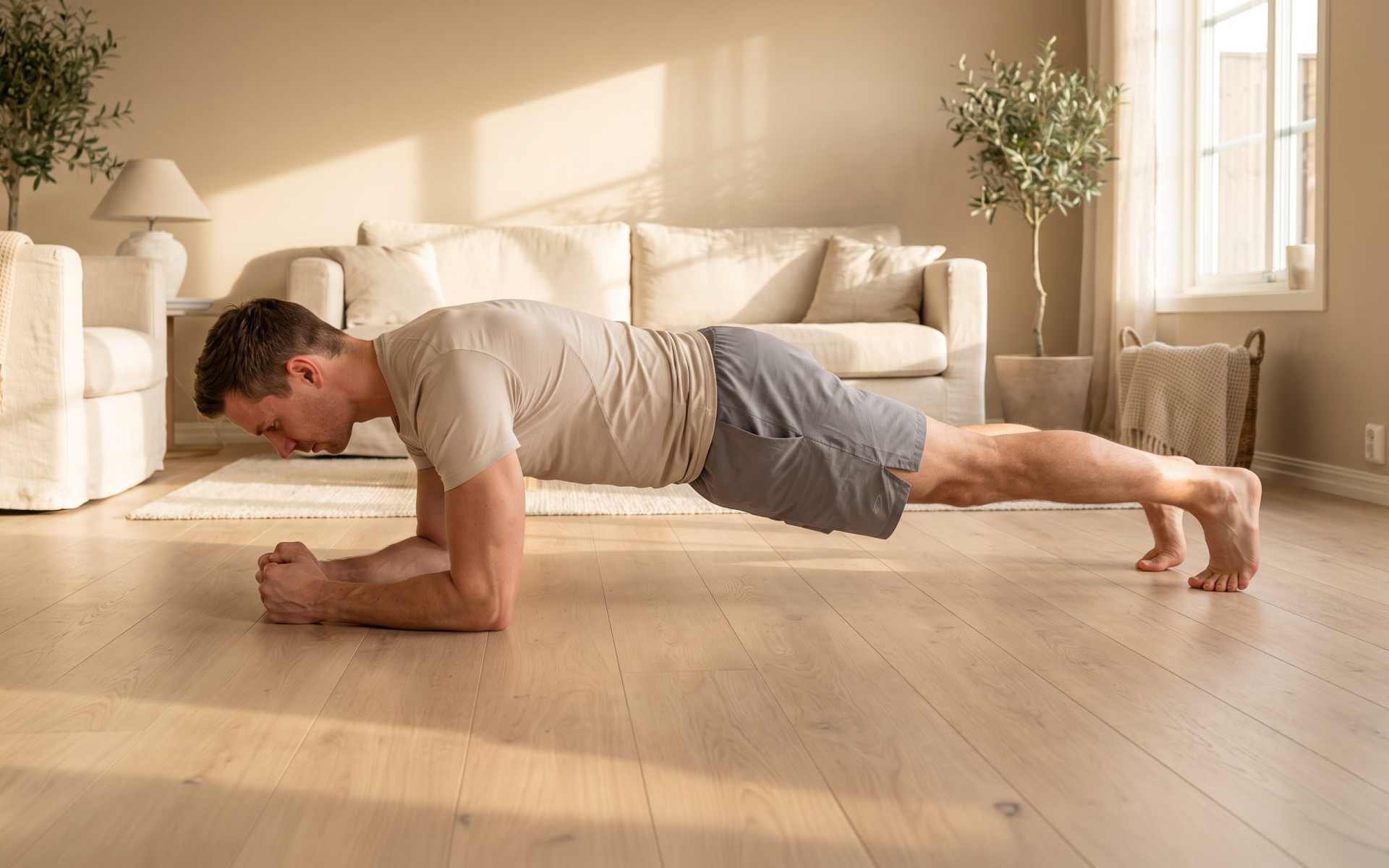
Are planks good for your back?
Yes, planks are excellent for supporting overall core and back stability. They engage the deep stabilizing muscles of the trunk, which can help support your posture (7). Maintaining proper alignment during a plank is important to avoid placing excess stress on your lower back.
Do push-ups work your back?
Yes, push-ups engage your back muscles as stabilizers, though they primarily target the chest and triceps (8). Your lats and rhomboids work to keep your shoulder blades stable as you lower and press your body. However, you still need dedicated pulling exercises to fully develop your back.
The Bottom Line
Keep practicing your calisthenics back workout no equipment routine to build a strong foundation. Consistency and proper form will help you see lasting changes over time. Start small, stay patient, and enjoy the journey of discovering what your body can do.
DISCLAIMER:
This article is intended for general informational purposes only and does not serve to address individual circumstances. It is not a substitute for professional advice or help and should not be relied on for making any kind of decision-making. Any action taken as a direct or indirect result of the information in this article is entirely at your own risk and is your sole responsibility.
BetterMe, its content staff, and its medical advisors accept no responsibility for inaccuracies, errors, misstatements, inconsistencies, or omissions and specifically disclaim any liability, loss or risk, personal, professional or otherwise, which may be incurred as a consequence, directly or indirectly, of the use and/or application of any content.
You should always seek the advice of your physician or other qualified health provider with any questions you may have regarding a medical condition or your specific situation. Never disregard professional medical advice or delay seeking it because of BetterMe content. If you suspect or think you may have a medical emergency, call your doctor.
SOURCES:
- Anabolic signals and muscle hypertrophy – Significance for strength training in sports medicine (2025, sciencedirect.com)
- Effects of free weight and body mass‐based resistance training on thigh muscle size, strength and intramuscular fat in healthy young and middle‐aged individuals (2023, physoc.onlinelibrary.wiley.com)
- Calisthenics: An effective, low-frills way to stay fit (2024, health.harvard.edu)
- The influence of resistance exercise training prescription variables on skeletal muscle mass, strength, and physical function in healthy adults: An umbrella review (2024, sciencedirect.com)
- No Time to Lift? Designing Time-Efficient Training Programs for Strength and Hypertrophy: A Narrative Review (2021, link.springer.com)
- The Importance of Recovery in Resistance Training Microcycle Construction (2024, pmc.ncbi.nlm.nih.gov)
- The Core of the Issue: Plank Performance and Pain in the Lower Back (2025, mdpi.com)
- Comparison of Muscle Activation between Traditional, Diamond and Knuckle Push Up Among Trained Men (2020, iopscience.iop.org)
 By
By 
 Reviewed by