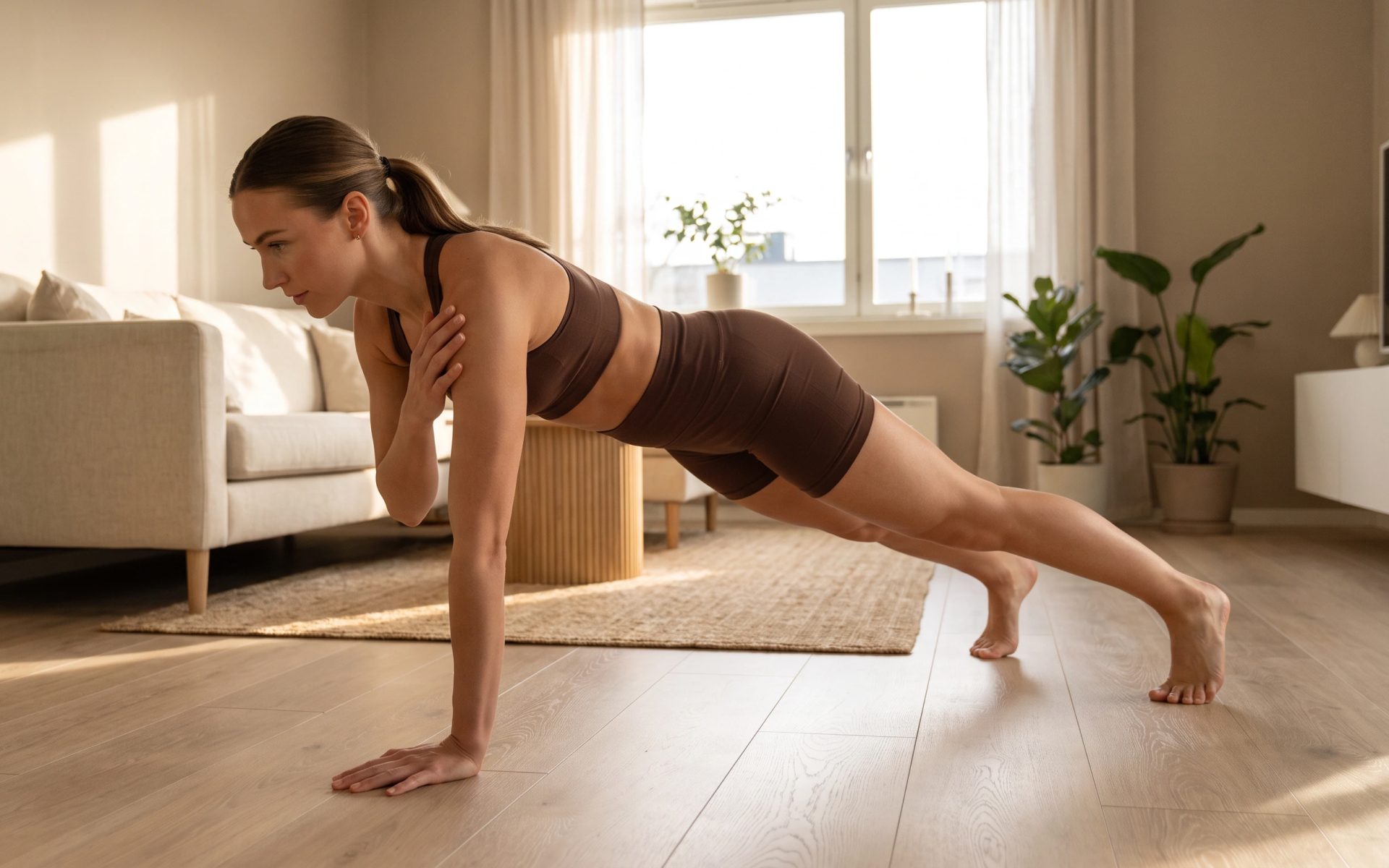
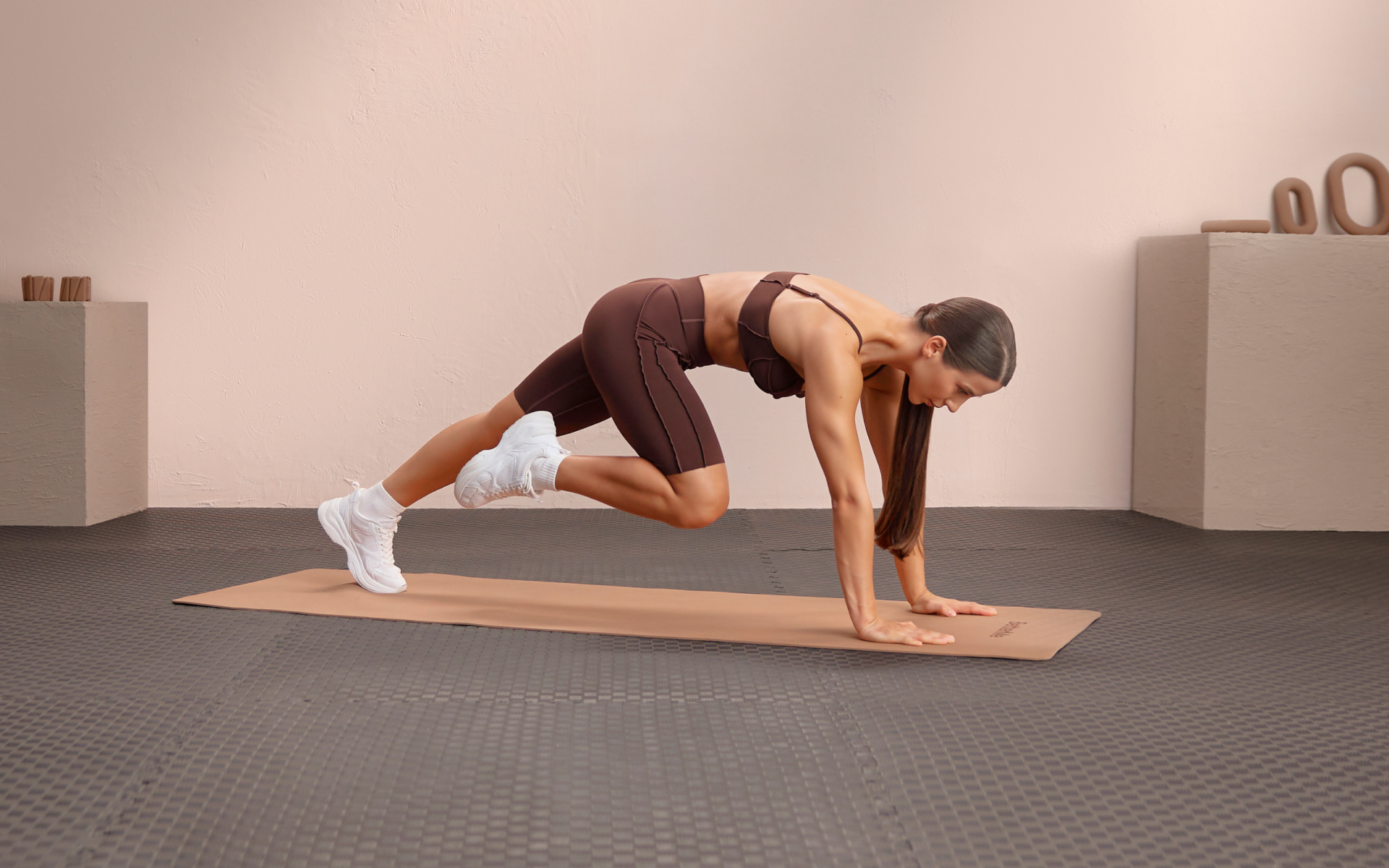
Calisthenics relies on your body’s weight for exercise. It’s popular due to its simplicity and accessibility, which makes it perfect for those who avoid gym visits. For beginners, calisthenics at home requires no equipment and offers an easy way to build strength and flexibility.
Starting with basic calisthenics workouts at home is key to laying a strong foundation. This guide will walk you through everything you need to begin, including a beginner-friendly 20-minute workout that fits easily into any schedule.
What Is Calisthenics?
Calisthenics workouts at home for beginners with no equipment have become increasingly popular thanks to their versatility and effectiveness. This classic form of strength training uses your own body weight as resistance, making it both accessible and efficient. It offers a well-rounded workout experience that helps improve strength, flexibility, and endurance—all without the need for any equipment.
Understanding Calisthenics
Calisthenics includes a wide range of exercises. For example, you can perform movements such as:
- Push-ups
- Jumping jacks
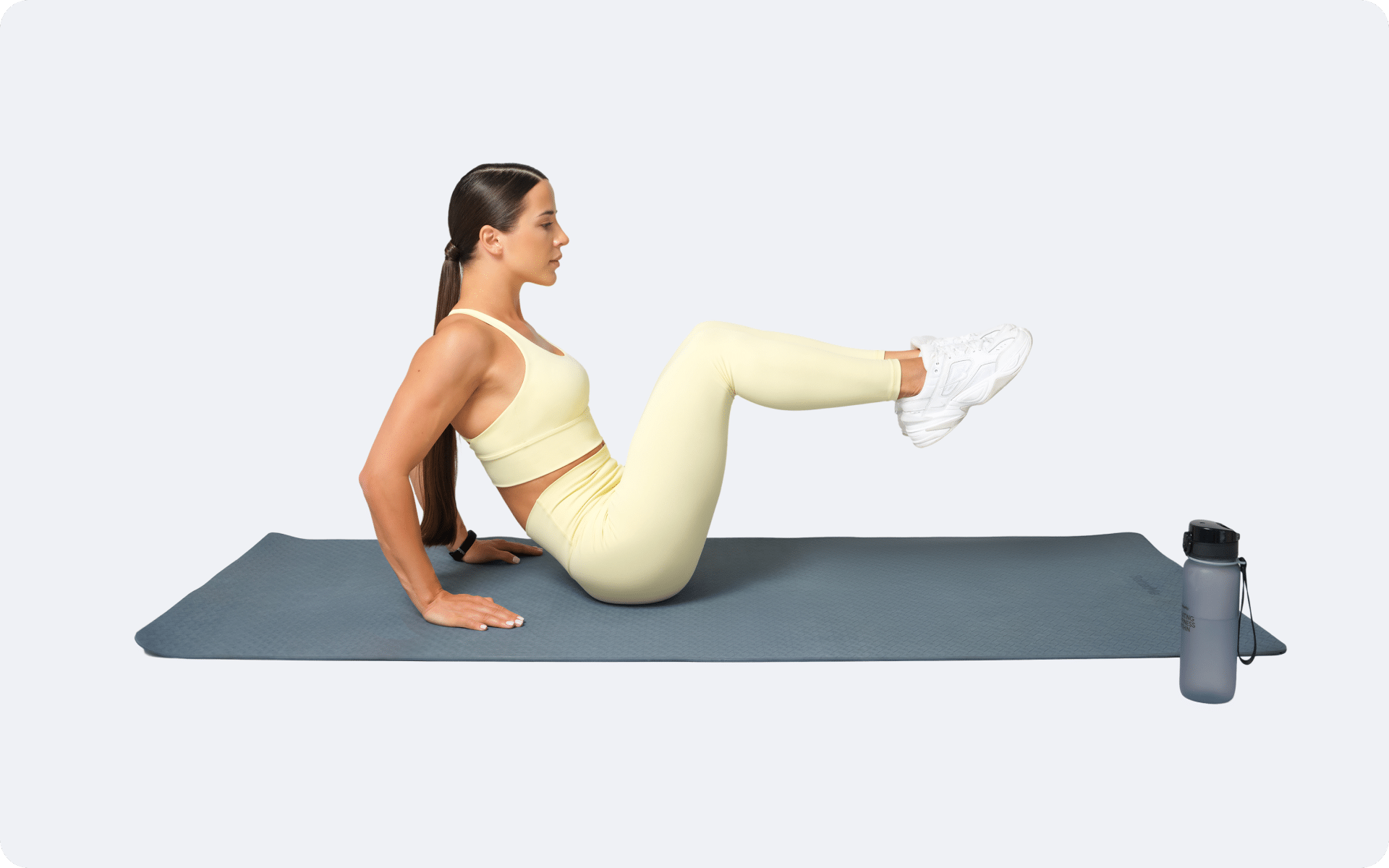
- Sit-ups
- Squats
- Planks
- Leg raises
These are just a few of the standard staples in calisthenics. A calisthenics workout for beginners can be changed to suit various fitness levels. This makes it one of the best calisthenics workouts for beginners at home.
Benefits of Calisthenics
Calisthenics workouts at home for beginners no equipment offer many advantages:
- Convenience: Exercise anytime without equipment.
- Adaptability: Adjust exercises as you gain strength and endurance [2].
- Efficiency: Short workouts yield results in muscle strength and flexibility.
- Effectiveness: Build muscle mass and improve aerobic capacity.
How Do Beginners Start Calisthenics?
To begin calisthenics at home, find a safe workout space. Focus on good form, slowly increase the intensity, and allow time for recovery.
Steps to Start Calisthenics
Assess Your Current Fitness Level
Check your fitness before you start. This will ensure safety and effectiveness. Here’s how:
- Test your fitness by checking your heart rate, timing workouts, and testing flexibility
- Record weight and body measurements to track progress
- Consider past workout history and any injuries
- Consider your daily activities and diet
- Consult your doctor if you have any health concerns
Find a Safe Space to Work Out
An ideal workout spot is crucial for safety and effectiveness. Choose an area that’s:
- Free of hazards and clutter
- Flat
- Non-slippery
- Well-ventilated
- Cool
- Properly lit
Set Achievable Goals
Goals are the key to a successful fitness journey. They boost motivation. Even a great 20-minute calisthenics workout should follow these steps:
- Define clear and concise goals
- Use numbers to track progress
- Ensure goals match your fitness level
- Add deadlines for accountability
Cultivate the Right Mindset
Health and fitness are mental too. The right mindset helps overcome challenges in a calisthenics workout at home. It’s essential to:
- Stay positive
- Be patient
- Embrace a growth mindset
- Keep a consistent workout schedule
- Focus on form, not quantity
Read more: 1-Month Calisthenics Workout Plan for Body Strength
Is It Possible to Learn Calisthenics at Home?
Yes! You can learn calisthenics at home, and it’s a great option for all fitness levels. Many people succeed with calisthenics workouts at home for beginners. You can exercise at your own pace and in your own space.
Benefits of Home Workouts
Home calisthenics for beginners offers several benefits:
- Cost-effective: No need for a pricey gym membership or equipment.
- Time-saving: No commute. Fit a quick 20-minute calisthenics workout into your day.
- Comfortable: Exercise at home without feeling watched. Create your perfect workout space.
Challenges and How to Overcome Them
Calisthenics workouts at home for beginners no equipment can have challenges. Here’s how to handle them:
- Staying motivated: Set achievable goals and stick to them. A routine helps you focus.
- Space management: You can exercise in a small area, such as your living room.
- Using equipment: Add simple, affordable tools like resistance bands.
Do Home Calisthenics Workouts Work?
Yes, calisthenics workouts at home for beginners can lead to significant fitness gains. Some say they can even match gym workouts [5].
Effectiveness of Calisthenics at Home
A study on calisthenics examined athletes over eight weeks. Participants saw less body fat and more muscle mass. Adding calisthenics to your routine can improve your overall fitness.
Gym workouts use machines and weights, but home calisthenics workouts for beginners focus on:
- Body control
- Balance
- Core strength
- Mindfulness
Calisthenics is flexible. You can do it anywhere and adjust it to fit your needs.
The Science Behind Bodyweight Training
Bodyweight exercises form the base of 20-minute calisthenics workouts. They work many muscle groups, building strength and stability. Research has confirmed the benefits of this type of training [3].
One study had people do simple exercises such as push-ups and squats daily. This habit-based plan helps improve health and reduces the risk of chronic disease. This type of approach to a bodyweight workout plan for beginners has been shown to improve their health and reduce the risk of chronic diseases.
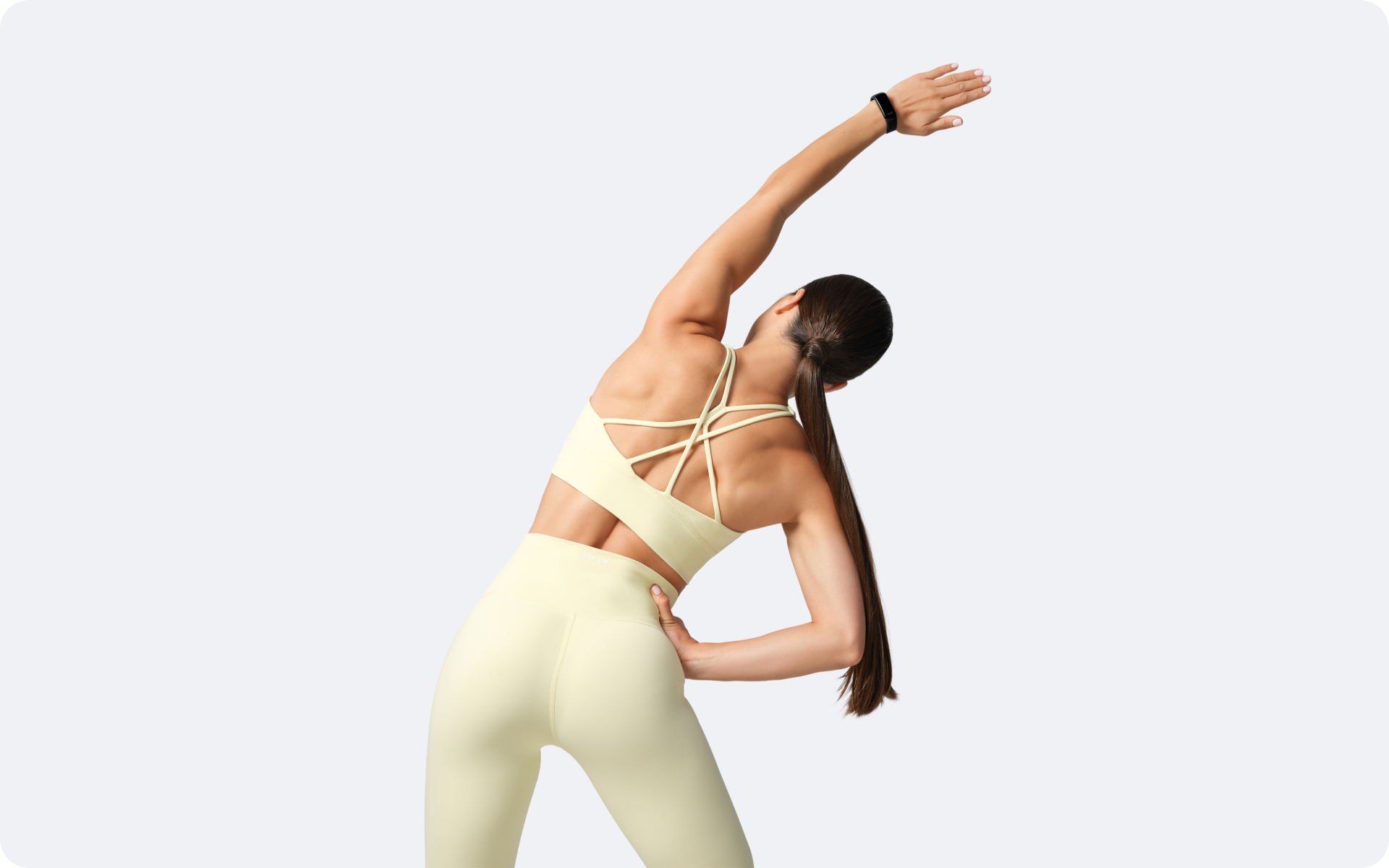
What Are Some Easy Calisthenics Workouts at Home for Beginners?
There’s no need for a gym membership or fancy equipment. Calisthenics workouts at home for beginners are practical and effective. It’s time to get fit right at home!
Basic Calisthenics Exercises
Begin with a simple calisthenics workout at home for beginners with no equipment [6]:
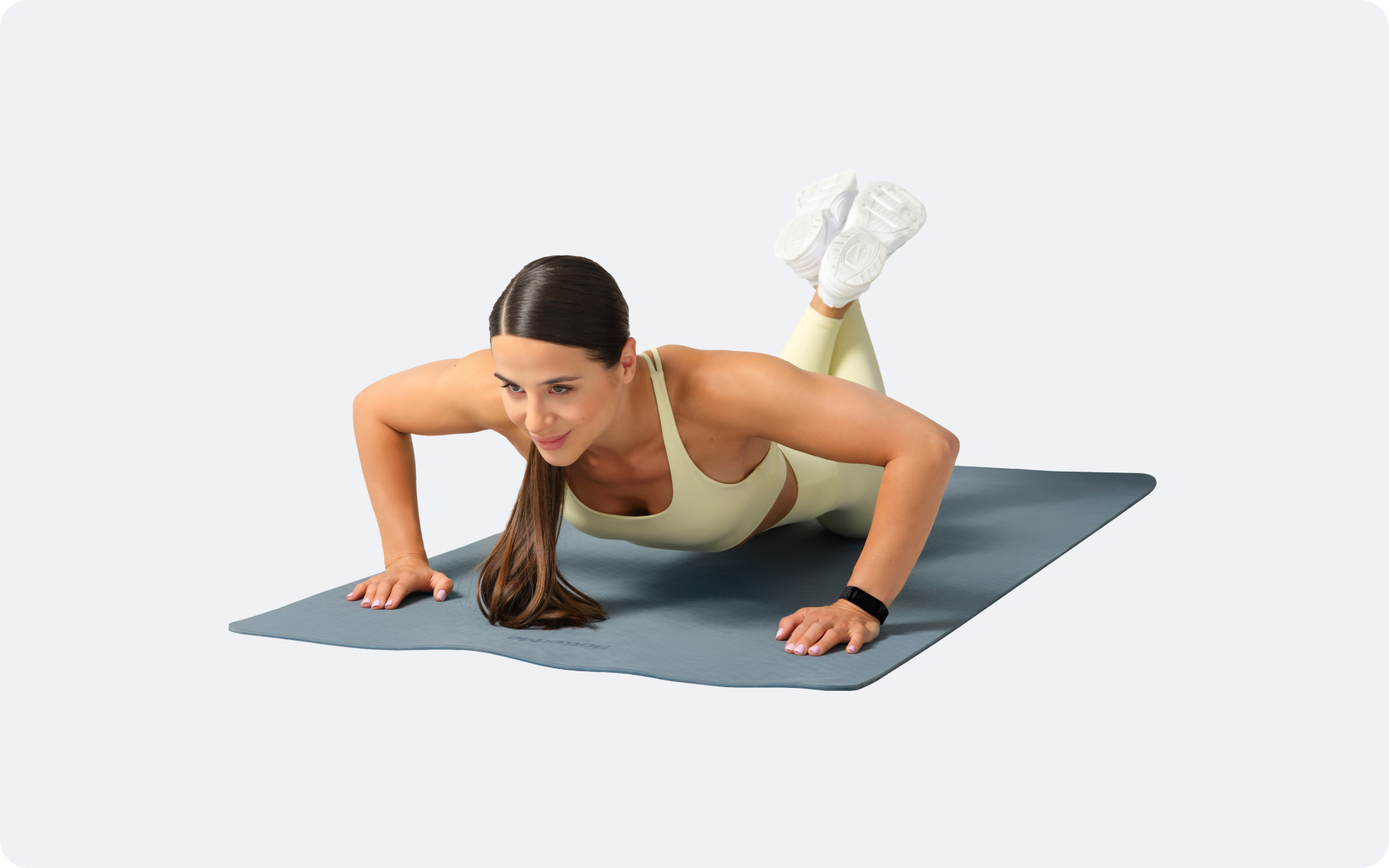
- Push-ups: Start on your knees. Move to the complete form as you get stronger.
- Squats: Stand with your feet shoulder-width apart. Lower as if sitting in a chair, then rise.
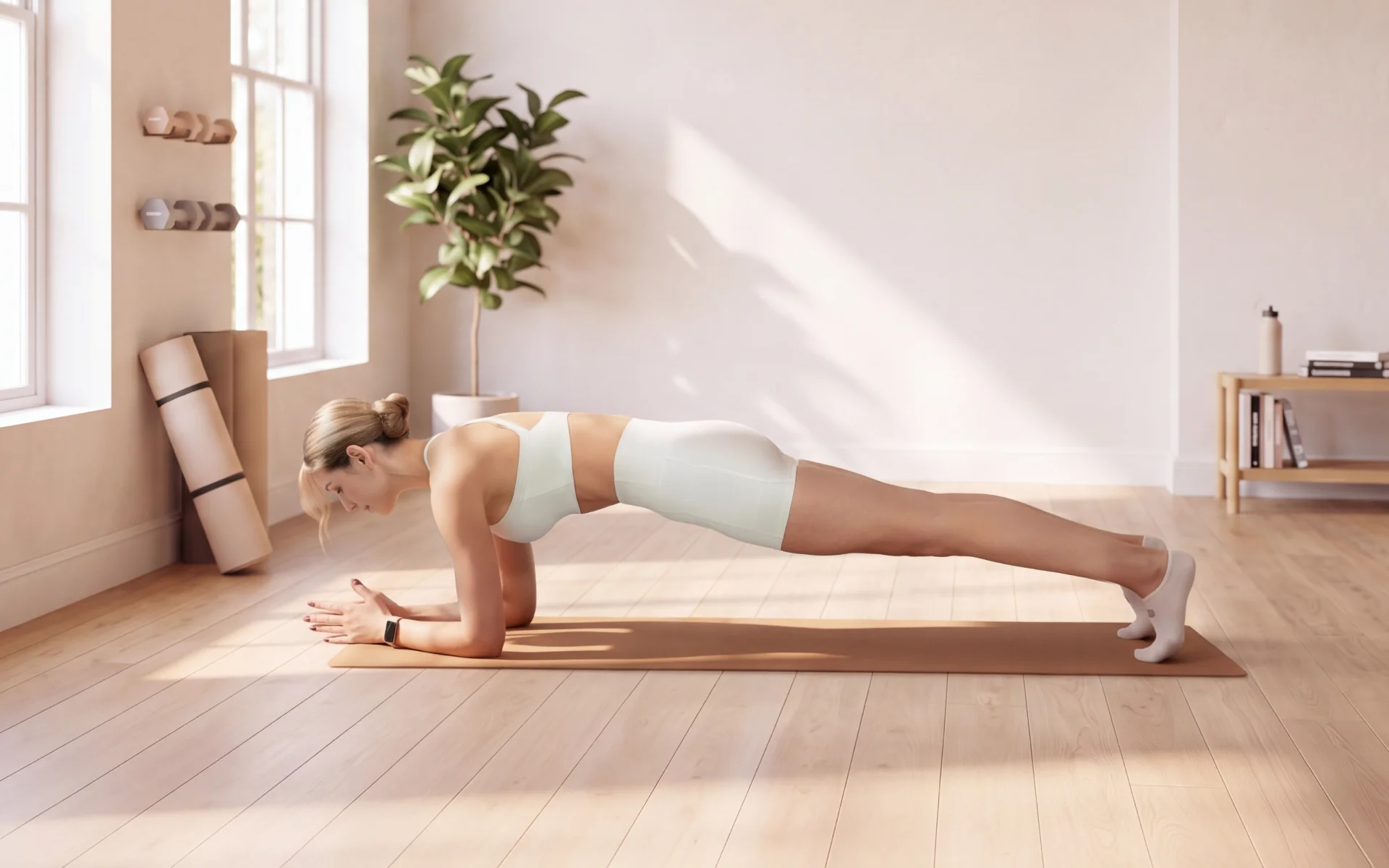
- Planks: Lie face down and support yourself with your elbows. Keep your body in a straight line, engaging your core.
- Jumping jacks: Boost cardio and coordination.
- Sit-ups: Start with modified sit-ups if needed to engage your core more.
Intense sweat sessions, working weight loss tips, lip-smacking recipes come in one package with the BetterMe Well-Being Coach app—all at your fingertips, start transforming your life now!
20-Minute Calisthenics Workout
A structured 20-minute calisthenics workout is a great start. It works your whole body without equipment. Here’s a simple plan to follow:
- Warm-up (5 mins):
-
-
- March or jog in place.
- Do arm circles and leg swings.
- Workout (15 mins):
- Knee lift (1 min): Raise your knees to touch your hands on alternate sides.
- Half squats (2 mins): Focus on form and depth while squatting halfway.
- Knee push-ups (2 mins): Start on your knees and advance as you become stronger.
- Side lunge with knee lift (2 mins): Lunge to the side and lift each knee for balance.
- Plank with knee drop (2 mins): In the plank position, gently tap your knees to the floor.
-
- Cool down (3 mins)
-
- Walk around to lower your heart rate.
- Stretch your muscles.
Importance of Warm-Up and Cool-Down
A warm-up enhances blood flow and reduces the risk of injury. A cool-down returns your heart rate to normal and prevents stiffness. Both are key for a safe and effective workout. The best at home calisthenics workout for beginners focus on a proper warm-up and cool-down.
Progressing with Your Workout
As you build strength with your bodyweight workout plan for beginners, increase the intensity gradually [4]:
- Add more repetitions.
- Try advanced exercises.
- Include new moves for different muscle groups.
Don’t rush. Focus on good form to avoid injury.
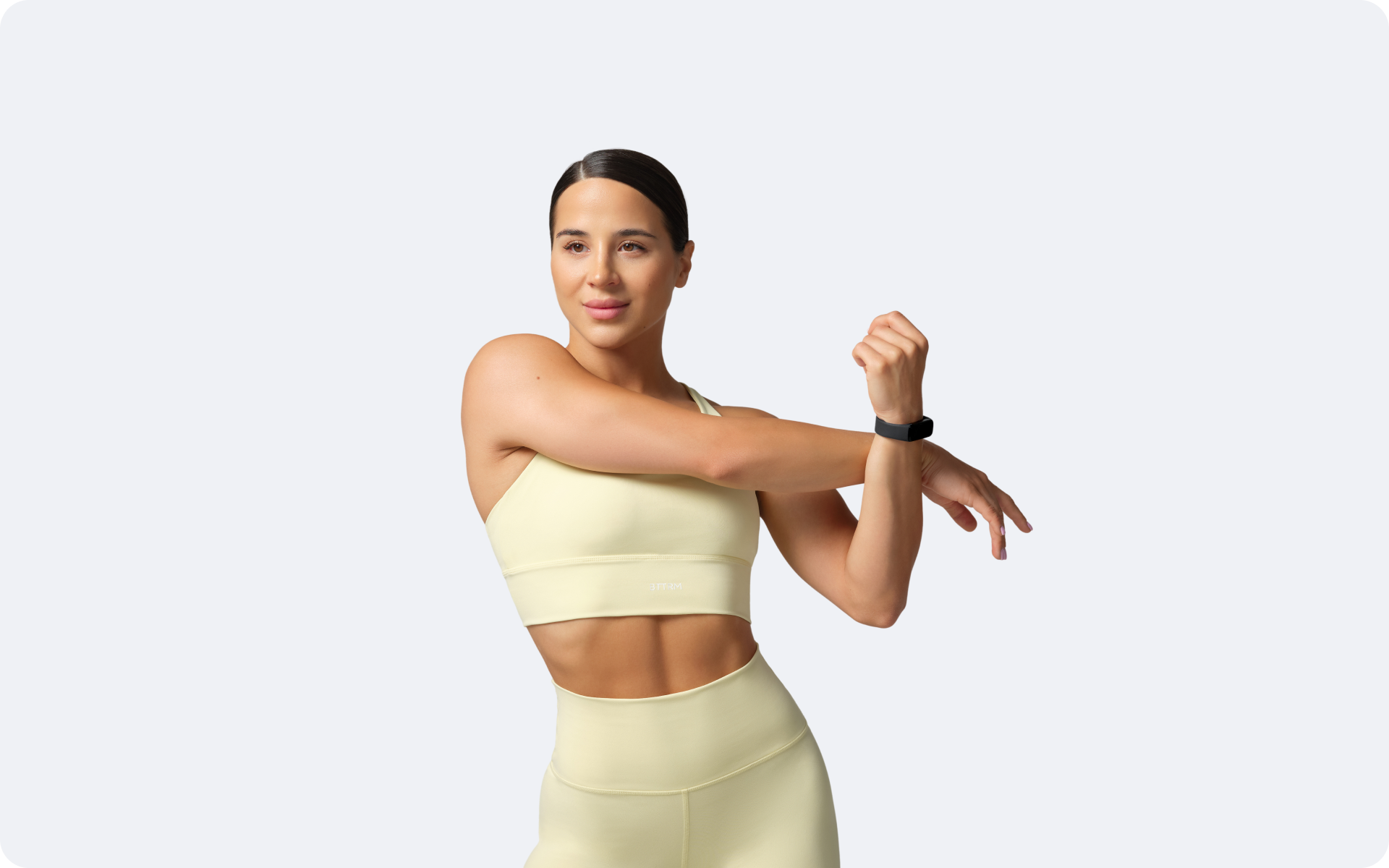
How to Do Calisthenics Workouts at Home Properly
Engaging in calisthenics workouts at home for beginners can be very rewarding. But good form and technique are crucial to getting the most out of your workouts and avoiding injury. Follow this guide to master your home routine.
Proper Form and Technique
Finding the proper form in your calisthenics workout for beginners ensures you’re working the intended muscle groups without strain. Here’s how to perfect key exercises:
- Push-ups: Keep your body straight from head to heels. Don’t let your hips sag. Keep your elbows at a 45-degree angle.
- Squats: Keep your back straight and your knees in line with your toes. Lower as if sitting in a chair.
- Planks: Maintain a straight line from shoulders to heels. Engage your core throughout.
Avoid holding your breath, and don’t rush. This helps keep your posture focused and form correct.
Using No Equipment Workouts
The beauty of calisthenics workouts at home for beginners with no equipment lies in their simplicity. You can focus on exercises that rely only on body weight. Movements such as lunges and push-ups are just as effective as equipment-based moves.
Listening to Your Body
Understanding your body’s signals can help prevent injury in the best calisthenics workouts at home for beginners. Sharp pain or unusual discomfort is its way of telling you to pause and assess your form. You may expect some muscle soreness.
Learning to distinguish between normal discomfort and potential harm is essential. Rest and healing time are just as important as the workout itself in a bodyweight workout plan for beginners. Seek advice from your doctor if you’re not sure.
Read more: Lessie Fitness Beginner Thighs & Glutes Calisthenics Workout
How Many Days a Week Should Beginners Train Calisthenics?
The number of days per week beginners should train calisthenics involves a nice balance of exercise and recovery. Beginners should start doing calisthenics workouts at home around three times per week. This schedule allows time for rest and muscle recovery. This can help you build strength and avoid burnout.
Building a Sustainable Routine
Start with an example weekly schedule that helps create a good balance of recovery with exercise:
- Monday: Full-body calisthenics workout
- Tuesday: Rest or light activity such as walking
- Wednesday: Upper-body and core focus
- Thursday: Rest
- Friday: Lower-body and full-body workout
- Saturday and Sunday: Active recovery with yoga or light cardio
Frequently Asked Questions
Is 30 too late for calisthenics?
It’s never too late to start being active. Starting calisthenics at 30 or older can build strength and flexibility. Focus on mastering the basics first and warming up to stay safe.
Can calisthenics get you ripped?
Calisthenics can help improve muscle tone and contribute to a well-defined physique. Just add a nutritious diet and remain consistent.
Are push-ups calisthenics?
Yes, push-ups are a fundamental calisthenics exercise that builds upper-body and core strength.
Is 15 minutes of calisthenics enough?
15 minutes of intense calisthenics can be effective, with consistency being more important than duration for long-term fitness benefits.
The Bottom Line
Starting calisthenics at home is a great way to begin your fitness journey. These simple, no-equipment workouts help you build strength, improve flexibility, and feel better overall. With a beginner-friendly bodyweight plan, you’ll make steady progress and lay a strong foundation for long-term health.
Are you ready to take the plunge? Start with a 20-minute calisthenics workout tailored to your schedule and fitness level. Next, watch as your commitment pays off. Your journey to optimal health starts now.
DISCLAIMER:
This article is intended for general informational purposes only and does not serve to address individual circumstances. It is not a substitute for professional advice or help and should not be relied on for making any kind of decision-making. Any action taken as a direct or indirect result of the information in this article is entirely at your own risk and is your sole responsibility.
BetterMe, its content staff, and its medical advisors accept no responsibility for inaccuracies, errors, misstatements, inconsistencies, or omissions and specifically disclaim any liability, loss or risk, personal, professional or otherwise, which may be incurred as a consequence, directly or indirectly, of the use and/or application of any content.
You should always seek the advice of your physician or other qualified health provider with any questions you may have regarding a medical condition or your specific situation. Never disregard professional medical advice or delay seeking it because of BetterMe content. If you suspect or think you may have a medical emergency, call your doctor.
SOURCES:
- The Acute Physiological and Perceptual Responses Between Bodyweight and Treadmill Running High-Intensity Interval Exercises (2022, frontiersin.org)
- Effect of Progressive Calisthenic Push-up Training on Muscle Strength and Thickness (2018, journals.lww.com)
- The Effect of Callisthenics Exercises on Body Composition in Soccer Players (2020, mattioli1885journals.com)
- Repetitive Sprint or Calisthenics Training: Which is More Successful for Athletic Performance? (2021, researchgate.net)
- Protocol for Minute Calisthenics: A Randomized Controlled Study of a Daily, Habit-Based, Bodyweight Resistance Training Program (2020, bmcpublichealth.biomedcentral.com)
- Calisthenics: An Effective, Low-Frills Way to Stay Fit (2024, health.harvard.edu)
 By
By 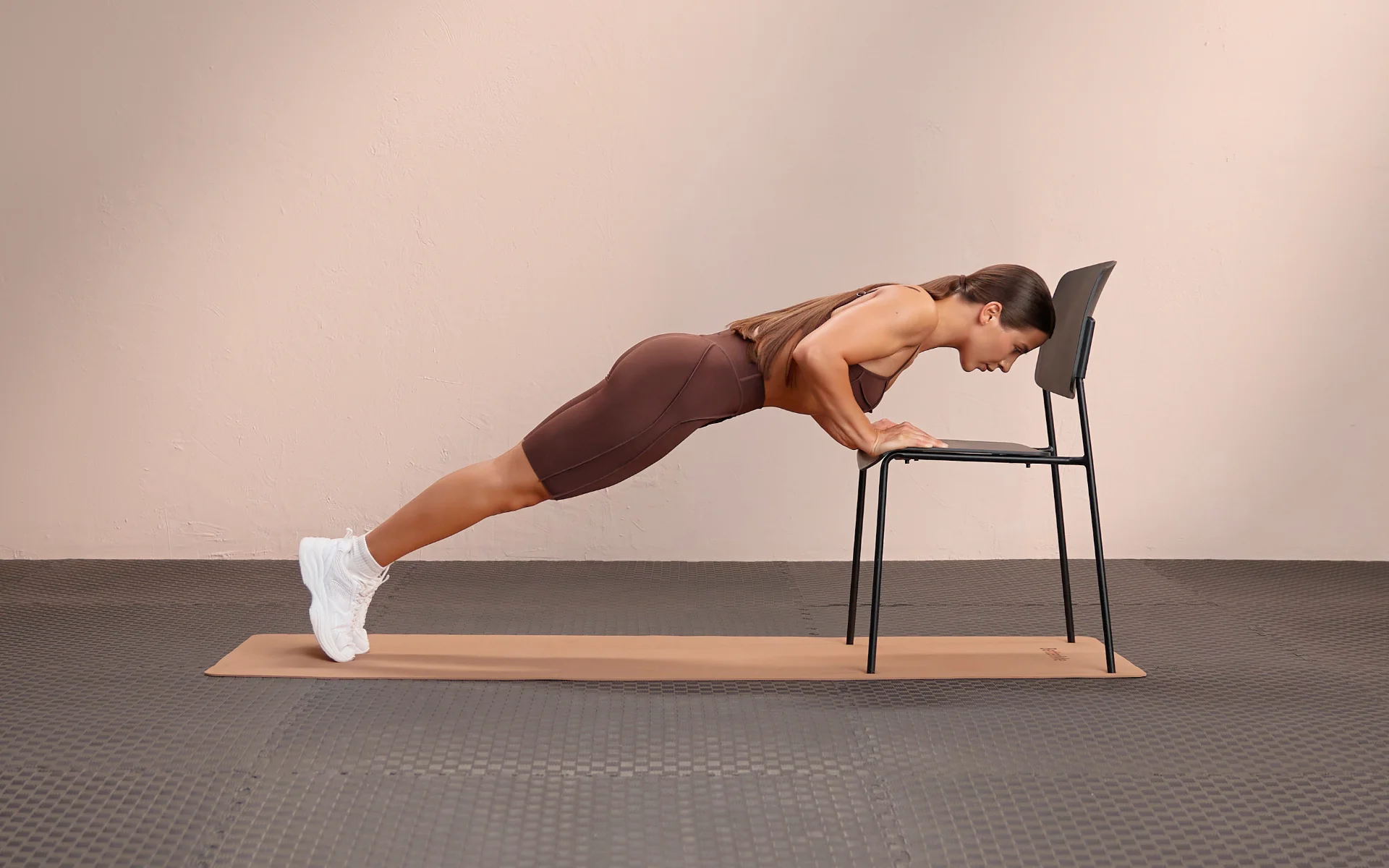
 Reviewed by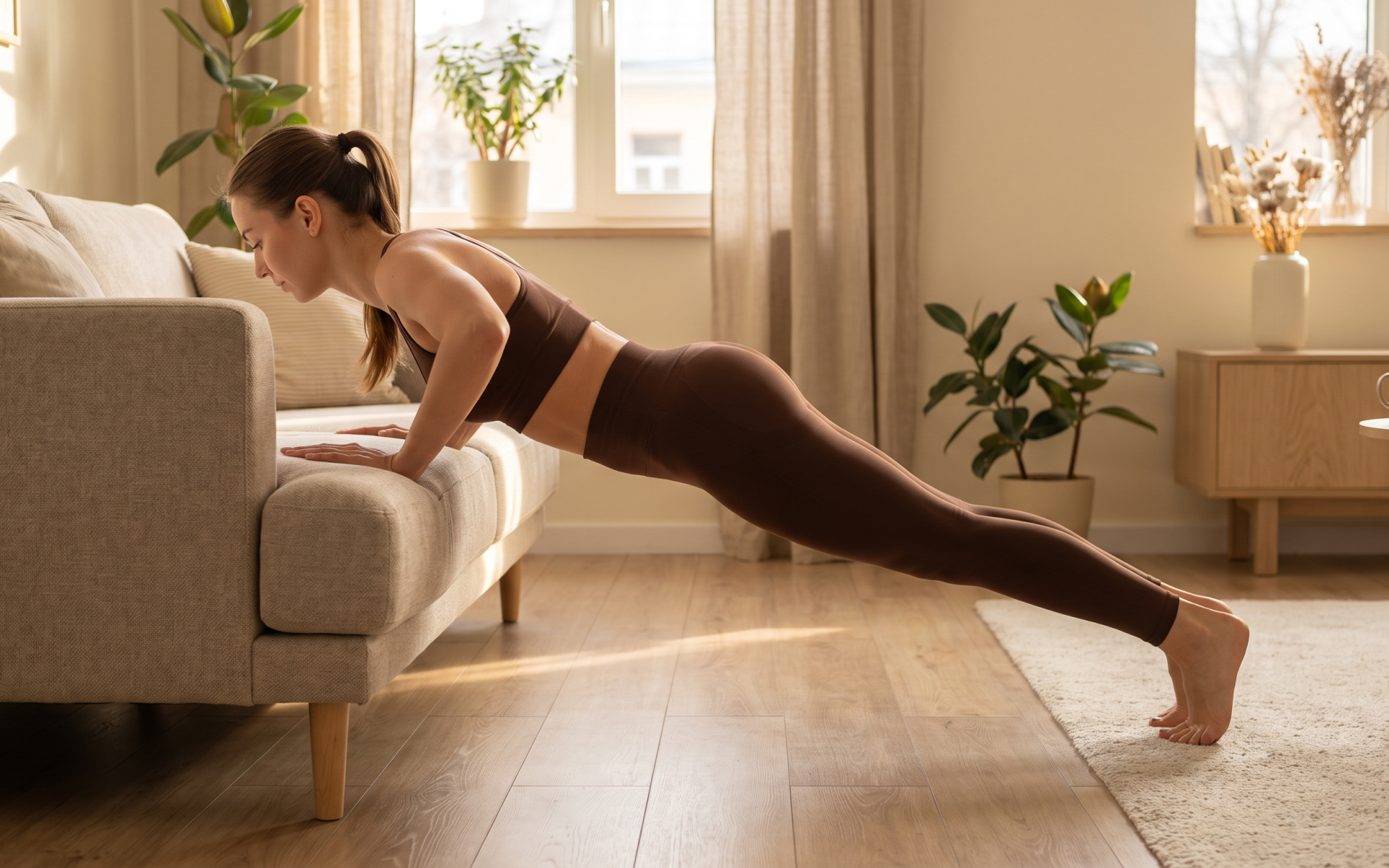
 Reviewed by