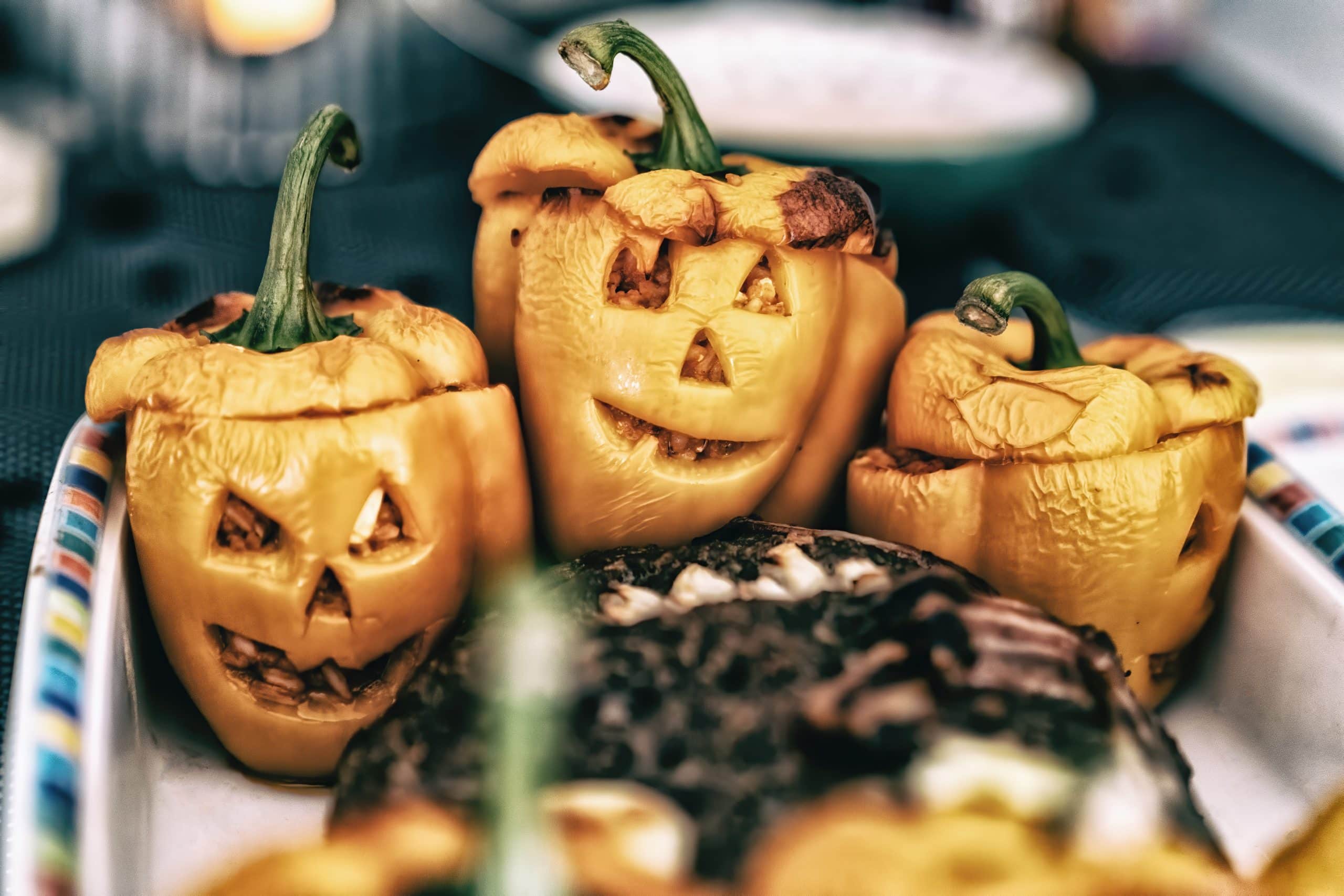
Spooky, fun, and filled with surprises – that’s the kind of Halloween we all like. But as the ghosts and goblins come out to play, it’s true that treats can get a little too indulgent, often leading to a sugar overload. At the end of the night your kids are cranky, you’re exhausted, and all the fun is forgotten with an upset tummy and a toothache.
Although Halloween may be known for its candy and sweets, there are plenty of healthy and delicious options that are sure to satisfy your taste buds, without ruining your diet. So this Halloween, why not try out some easy, tasty, and guilt-free recipes that will keep you feeling energized and spookily satisfied?
What Are Traditional Halloween Foods?
In ancient times, Halloween was known as ‘Samhain’, a Celtic festival that marked the end of summer and the beginning of winter. As part of this celebration, people would light bonfires to ward off evil spirits and dress up in costumes to confuse them.
Over time, other traditions were added, such as carving pumpkins into jack-o’-lanterns and going trick-or-treating for sweets. However, traditional Halloween foods were typically hearty and warming dishes made with seasonal ingredients such as apples, pumpkins, and root vegetables.
These included soups, stews, roasted meats, and pies. But in modern times Halloween has become synonymous with candies and treats galore.
Here are some traditional Halloween foods, many of which are still enjoyed today:
- Soul Cakes: Small round cakes with a cross on top, believed to protect souls from evil spirits
- Barmbrack: A fruitcake made with dried fruit and often containing a hidden ring, coin, or button that predicts your future
- Roasted Pumpkin Seeds: A delicious snack made by roasting pumpkin seeds in the oven with a variety of spices
- Candy Corn – An iconic Halloween candy, these are shaped like a kernel of corn and colored in bands of yellow, orange, and white.
- Caramel Apples – A classic autumn treat, apples are dipped in a warm caramel syrup and often sprinkled with nuts or chocolate.
- Pumpkin Pie – A traditional fall dessert made from pumpkin, sweetened and spiced, baked in a pastry crust.
- Toffee Apples – Similar to caramel apples, but with a hard toffee coating.
- Colcannon – An Irish dish of mashed potatoes with kale or cabbage. It also contained hidden objects for fortune-telling.
- Parkin Cake – A sticky cake containing oatmeal and treacle, traditionally eaten on Bonfire Night, which is close to Halloween.
If you tend to let yourself off the hook, raise the white flag when things get tougher than you expected, send yourself on an unconscious binge-eating trip – BetterMe app is here to help you leave all of these sabotaging habits in the past!
What Is a Healthy Treat for Halloween?
A healthy treat for Halloween should be low in added sugars while still being satisfying and fun. Here are some options to consider:
Fruit Kabobs – Use a variety of seasonal fruits, such as oranges, apples, grapes, and strawberries. You can even get creative with your presentation, making them look like ghosts or pumpkins.
Pumpkin Spice Smoothie – A delicious and nutritious beverage that’s perfect for the fall season.
Dark Chocolate Covered Fruit – Instead of reaching for a candy bar, opt for some dark chocolate covered strawberries or bananas.
Popcorn Trail Mix – Use air-popped popcorn as a base and mix in some dried fruits, nuts, and dark chocolate chips for a fun and healthy snack.
Hummus with Veggie Sticks – A tasty dip paired with carrots, bell peppers, cucumbers, and other veggies is a great way to get some extra nutrients while still satisfying your cravings.
Easy Healthy Halloween Recipes
Healthy Halloween baking, stewing, and souping doesn’t have to be complicated. You can whip up these easy recipes in no time, and they’re perfect for little ghouls and ghosts to help with in the kitchen.
Monster Cookies (6)
Top on our list of healthy Halloween recipes for toddlers are these secretly healthy monster cookies. They’re gluten-free, low in sugar, and packed with protein from peanut butter and oats. Plus, you can decorate them to look like monsters using candy eyes and spinach for a green hue.
Ingredients:
- 1.5 cups chickpeas cooked or canned
- 2 medium ripe bananas (weighing 230 grams with peels on)
- ¼ cup maple syrup
- ½ cup peanut butter homemade or store bought (or sub soy butter for nut free)
- 2 tablespoons unsweetened applesauce
- ¾ cup rolled oats gluten free if preferred
- 1 teaspoon baking powder
Optional:
- 3 large handfuls baby spinach or green food dye (choose one; otherwise you’ll have brown cookies that aren’t very monster-ly)
- ¼ cup extra rolled oats ONLY IF USING THE SPINACH (you need the extra ¼ of oats to balance the additional moisture from the spinach.)
- candy eyes
Instructions
- Preheat the oven to 350 degrees F (175 C).
- Add the chickpeas, bananas, maple syrup, peanut butter, and applesauce into a food processor or blender.
- Blend until smooth.
- In a bowl mix together the oats and baking powder.
- Pour wet ingredients into dry ingredients
- Mix until combined well.
- If using spinach, add the baby spinach and blend until incorporated into batter.
- With a spoon, drop cookie batter onto parchment paper or greased cookie sheet and shape into circles with the back of your spoon (I used roughly 1 tablespoon for each).
- Add candy eyes to make monster faces if desired.
- Bake at 350 F (175 C) for 15-20 minutes.
- Remove from the oven and let cool on the sheet for 10 minutes before transferring to a wire rack to finish cooling.
Nutrition
Serving: 1 cookie, recipe makes 26 | Calories: 63 kcal | Carbohydrates: 8g | Protein: 2g | Fat: 3g | Sodium: 66mg | Potassium: 95mg | Fiber: 1g | Sugar: 4g | Vitamin A: 8IU | Vitamin C: 1mg | Calcium: 20mg | Iron: 1mg
Read more: 4 Vegan Halloween Recipes for a Monster-Friendly Party
No-Bake Pumpkin Spice Energy Bites (4)
These no-bake energy bites are perfect for quick and healthy Halloween snacks for school. They’re packed with wholesome ingredients like pumpkin puree, oats, nut butter, and maple syrup. Plus, they’re easy to make and require no baking at all.
Ingredients
- 1 cup peanut butter ⠀
- 1/2 cup pumpkin puree⠀
- 1 tsp vanilla extract
- 1/2 cup maple syrup⠀
- 1 1/2 cups gluten free rolled oats (add a bit more if your batter is too sticky)
- 1/4 cup chia seeds⠀
- 1 tbsp pumpkin spice⠀
- 1/2 cup dark chocolate chips
Instructions
- In a large mixing bowl, mix together the peanut butter, pumpkin puree, vanilla extract, and maple syrup until well combined.
- Add in the oats, chia seeds, and pumpkin spice. Mix until evenly incorporated.
- Fold in the dark chocolate chips.
- Using your hands or an ice cream scoop, form small balls with the mixture.
- Place the balls on a lined baking sheet and refrigerate for 1-2 hours to allow them to set.
- Once firm, store in an airtight container in the fridge or freezer until ready to enjoy.
Is Dark Chocolate Vegan? – check this guide on vegan chocolate before making the recipe.
Halloween Yogurt Bites (1)
These Halloween yogurt bites are made with Greek yogurt, fruit, and honey, so of course we’ll add them to our list of healthy Halloween recipes for work. All you have to do is pop them in the fridge when you get to the office, and they’ll be ready for a midday snack.
Ingredients
- 1 cup full-fat unsweetened Greek yogurt
- ¼ cup pure maple syrup
- 1 tsp pure vanilla extract
- ¼ cup blueberries
- ½ cup chopped mango
- Enjoy life chocolate chips
- Googly candy eyes
Optional toppings:
- Smart Sweets gummy candies
- Low-sugar granola
- Dry-roasted nuts and seeds
Instructions
- In a medium bowl, mix together the Greek yogurt, maple syrup, and vanilla extract until smooth.
- In a separate bowl, mash the blueberries and mango until they are broken down into small pieces.
- Layer the yogurt mixture and fruit in a silicone ice cube tray, filling each compartment about ⅓ of the way.
- Use a toothpick or small spoon to swirl the mixture together, creating a marbled effect.
- Sprinkle chocolate chips on top and add candy eyes for a spooky touch.
- Freeze for 2-3 hours until solid.
- Pop out the yogurt bites from the tray and store in an airtight container in the freezer until ready to enjoy.
Check out this Healthy Banana Desserts Guide for more tasty and nutritious treats to satisfy your sweet tooth.
Healthy Chocolate Fat Bombs (3)
You’re going Keto? You want to eat more fat? This quick chocolate fat bomb recipe is perfect for when you’re craving something sweet and rich for Halloween. It’s full of healthy fats and low in carbs; a great option for those following a ketogenic diet.
Ingredients
- 1/2 cup nut butter of choice or coconut butter
- 1/4 cup cocoa or cacao powder
- 1/4 cup melted coconut oil
- stevia to taste, or 1 tbsp liquid sweetener of choice
- optional, I like to add 1/8 tsp salt
Instructions
- In a bowl or jar, melt your nut butter if needed.
- Add the melted coconut oil and mix it in to create one mixture.
- Stir through your cocoa powder, salt (if using) and sweetener until fully combined. If using liquid sweetener, add a tablespoon of water or extra coconut oil if the batter is too thick.
- Pour into a silicone ice cube tray or candy molds.
- Freeze until firm.
- Store in the fridge or freezer for a quick and delicious treat anytime you need it!
Our Keto Friendly Candy Guide has more tasty options for low-carb Halloween treats.
BetterMe app is a foolproof way to go from zero to a weight loss hero in a safe and sustainable way! What are you waiting for? Start transforming your body now!
Why Should We Opt for Healthy Halloween Recipes?
Aside from avoiding the sugar rush and inevitable crash, opting for healthy Halloween recipes has many benefits. Some things to consider include:
- Nutrient-dense Ingredients – Many traditional Halloween foods are high in added sugar and unhealthy fats. By choosing healthier options, you can incorporate nutrient-dense ingredients into your diet.
- More Energy – Eating too much sugar can lead to energy crashes and fatigue (2). With healthier choices, you’ll have sustained energy to tackle the spooky festivities.
- Better Overall Health – By limiting your intake of added sugars and unhealthy fats, you’re supporting your overall health and wellbeing (5).
- Teaching Kids About Healthy Choices – Halloween is a great opportunity to educate kids about making healthy food choices. By demonstrating that healthy foods can also be fun and delicious, we’re setting a positive example for our children.
- More Variety – When we stick to traditional Halloween foods, it can get monotonous. Trying out new and healthier recipes adds some variety to the menu and keeps things interesting.
How Do You Have a Healthy Halloween for Kids?
Having a healthy Halloween for kids requires some planning, involving the whole family in choosing and preparing treats, and setting boundaries. Here are some tips to help you have a healthier Halloween for your little ones:
Involve Kids in the Preparation – Get your kids excited about making healthy treats by involving them in the preparation process. They’ll be more likely to try new foods if they help make it.
Focus on Presentation – Kids are highly visual, so make healthy foods fun and eye-catching. Use cookie cutters to shape sandwiches or fruit into Halloween-themed shapes.
Limit Candy Intake – Instead of letting kids go wild with their candy haul, set limits on how much they can have each day. This will prevent overindulgence while still allowing them to enjoy some treats.
Include Physical Activities – Plan fun physical activities like a Halloween scavenger hunt or a dance party. This will get kids moving and balance out any extra treats they may have had.
Make Healthy Versions of Favorite Treats – There are plenty of ways to make healthier versions of traditional candy and sweets. For example, try making homemade fruit leather instead of store-bought candy bars.
Host a Healthy Halloween Party – Instead of going door-to-door for candy, consider hosting a healthy Halloween party with your child’s friends. This allows you to control the food options and make them healthier. While at it consider making healthy Halloween treats to hand out as party favors.
Feed Kids a Healthy Meal Before Trick-or-Treating – Make sure kids have a balanced and filling meal before heading out to trick-or-treat. This will prevent them from snacking too much on unhealthy treats.
Read more: Vegan Candy Corn and Other Spooktacularly Fun and Healthy Vegan Halloween Recipes
The Bottom Line
Halloween is a delightful holiday that doesn’t have to be all about indulging in unhealthy treats. By incorporating some healthier options into our celebrations, we can still enjoy the fun and spooky spirit while taking care of our health and wellbeing. Try the healthy halloween recipes and tips mentioned above; and who knows, they may just become new family traditions.
DISCLAIMER:
This article is intended for general informational purposes only and does not serve to address individual circumstances. It is not a substitute for professional advice or help and should not be relied on for making any kind of decision-making. Any action taken as a direct or indirect result of the information in this article is entirely at your own risk and is your sole responsibility.
BetterMe, its content staff, and its medical advisors accept no responsibility for inaccuracies, errors, misstatements, inconsistencies, or omissions and specifically disclaim any liability, loss or risk, personal, professional or otherwise, which may be incurred as a consequence, directly or indirectly, of the use and/or application of any content.
You should always seek the advice of your physician or other qualified health provider with any questions you may have regarding a medical condition or your specific situation. Never disregard professional medical advice or delay seeking it because of BetterMe content. If you suspect or think you may have a medical emergency, call your doctor.
SOURCES:
- 4 Scary Good Healthy Halloween Candy Recipes (n,d,fitonapp.com)
- Energy, tiredness, and tension effects of a sugar snack versus moderate exercise (1087,nih.gov)
- Fat Bombs (Keto, Vegan, No Bake) (n,d,chocolatecoveredkatie.com)
- No Bake Pumpkin Spice Energy Bites (2019,allthehealthythings.com)
- Sugars and Sweeteners (2023,europa.eu)
- SECRETLY HEALTHY HALLOWEEN COOKIES (2021,thishealthykitchen.com)