To start calisthenics, you train with bodyweight moves such as squats, push-ups, and planks for 2-3 sessions a week. Begin with easier versions you can control, rest for 1-2 days between sessions, and slowly add reps or harder variations as you get stronger.
Calisthenics can be an ideal starting point for beginners, because you can build strength using your own body weight, often with little or no equipment. The difficult part is knowing where to begin. With so many exercises, progressions, and workout plans online, it’s easy to choose movements that are too advanced or follow a routine without a clear structure.
This guide simplifies how to start calisthenics at home or outdoors, with beginner-friendly exercises, simple progressions, and a first-week structure you can actually follow. You’ll learn how to start calisthenics at home or outdoors, which equipment may be useful, and how to organize your first week. It also covers beginner-friendly exercises, practical progressions, and common mistakes that can make getting started more confusing than it needs to be.
Are you ready to build a routine you can actually stick with? Keep reading.
Key Takeaways
- Starting calisthenics means doing bodyweight moves such as squats, push-ups, and planks in 2 to 3 sessions a week, each lasting 20 to 30 minutes including a 5-minute warm-up (5).
- A first calisthenics workout can use 2 to 3 sets of squats (8 to 10 reps), table push-ups (6 to 10 reps), bent-knee rows (6 to 10 reps), glute hip-ups (10 reps), and 20 to 30 second planks.
- Rest between sets is typically 60 to 90 seconds.
- Many people keep 1 to 3 reps in reserve on each set (8).
- Leaving 1 to 2 rest days between strength sessions gives the body time to adapt (5), and many people aim for 7 to 8 hours of sleep while training regularly (6).
- Progress often comes from adding reps once you reach the top of your rep range with clean form, such as 3 sets of 10 squats, slowing the lowering phase to 3 seconds, or moving to single-limb versions (7).
- Many beginners wait several weeks of consistent training before practicing pull-ups, dips, and handstands, and re-test their starting level every 3 to 4 weeks.
What Is Calisthenics and How Does It Work?
Calisthenics is strength training that uses your body weight as the main resistance. You push, pull, squat, and hold positions to challenge your muscles—no machines required (1).
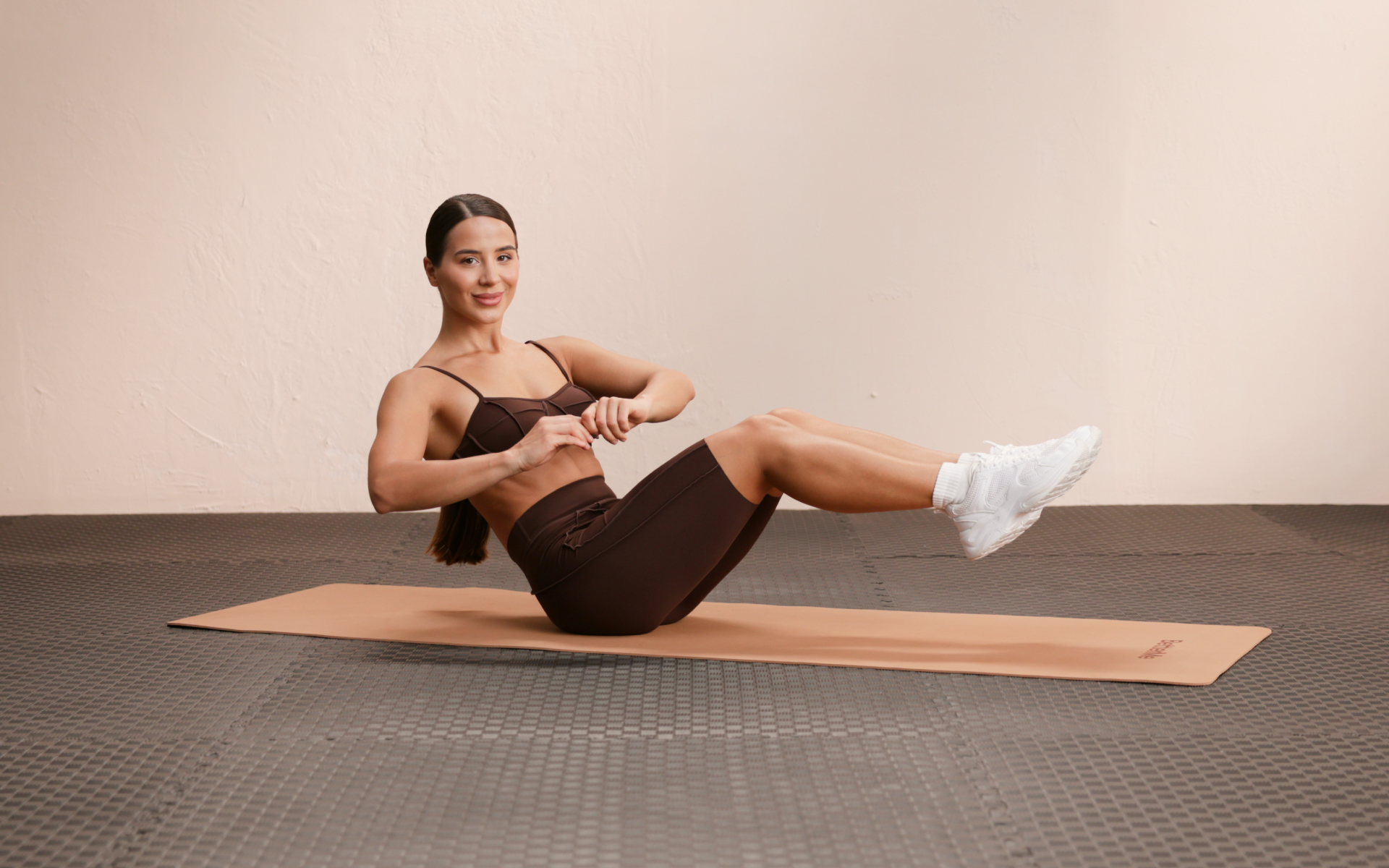
Common moves include push-ups, squats, lunges, planks, and pull-ups. Each one trains several muscle groups at once, which makes your workouts efficient.
These basic bodyweight exercises work by creating tension in your muscles against gravity (1). When a muscle works hard enough, it adapts and gets stronger over time (2).
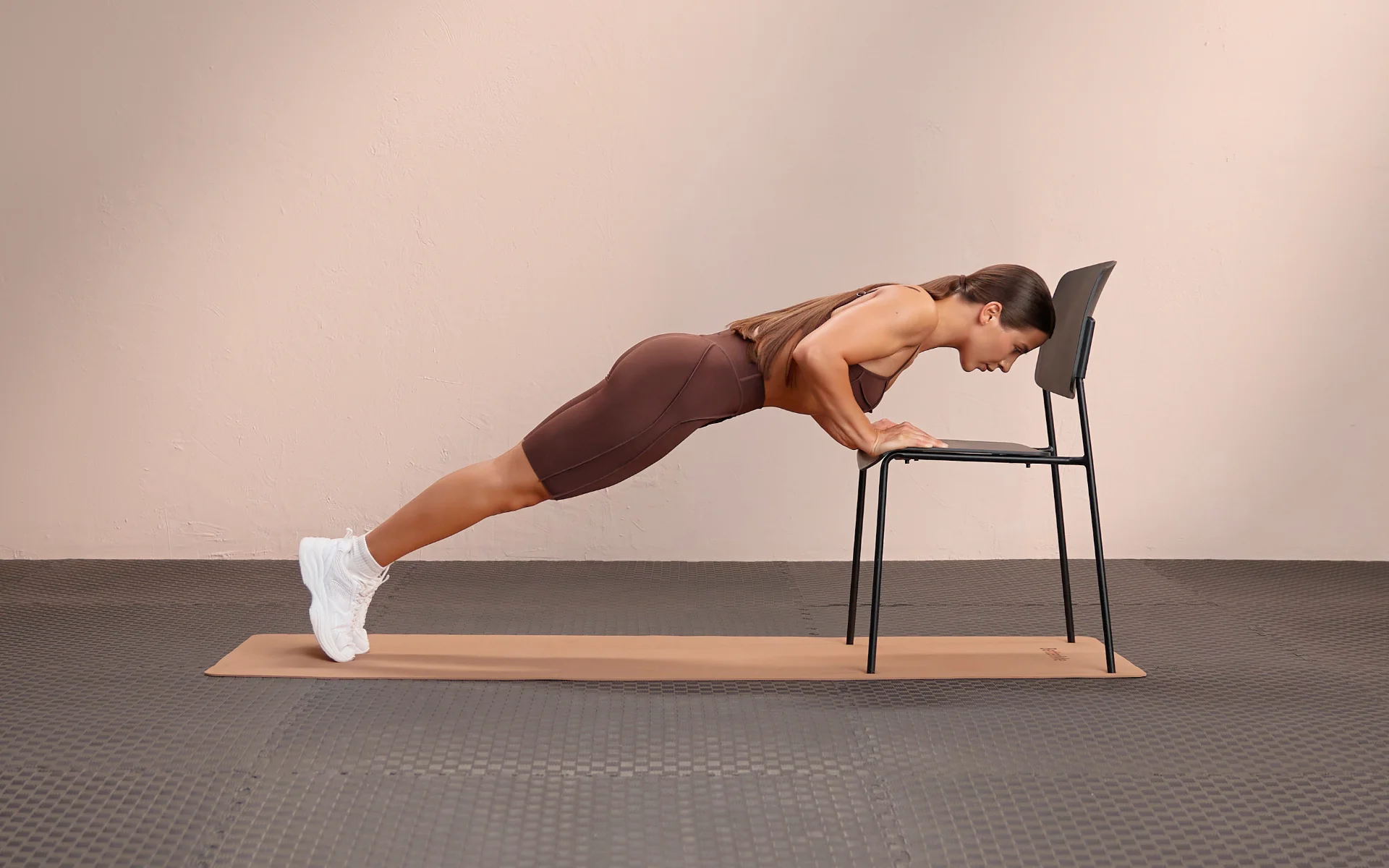
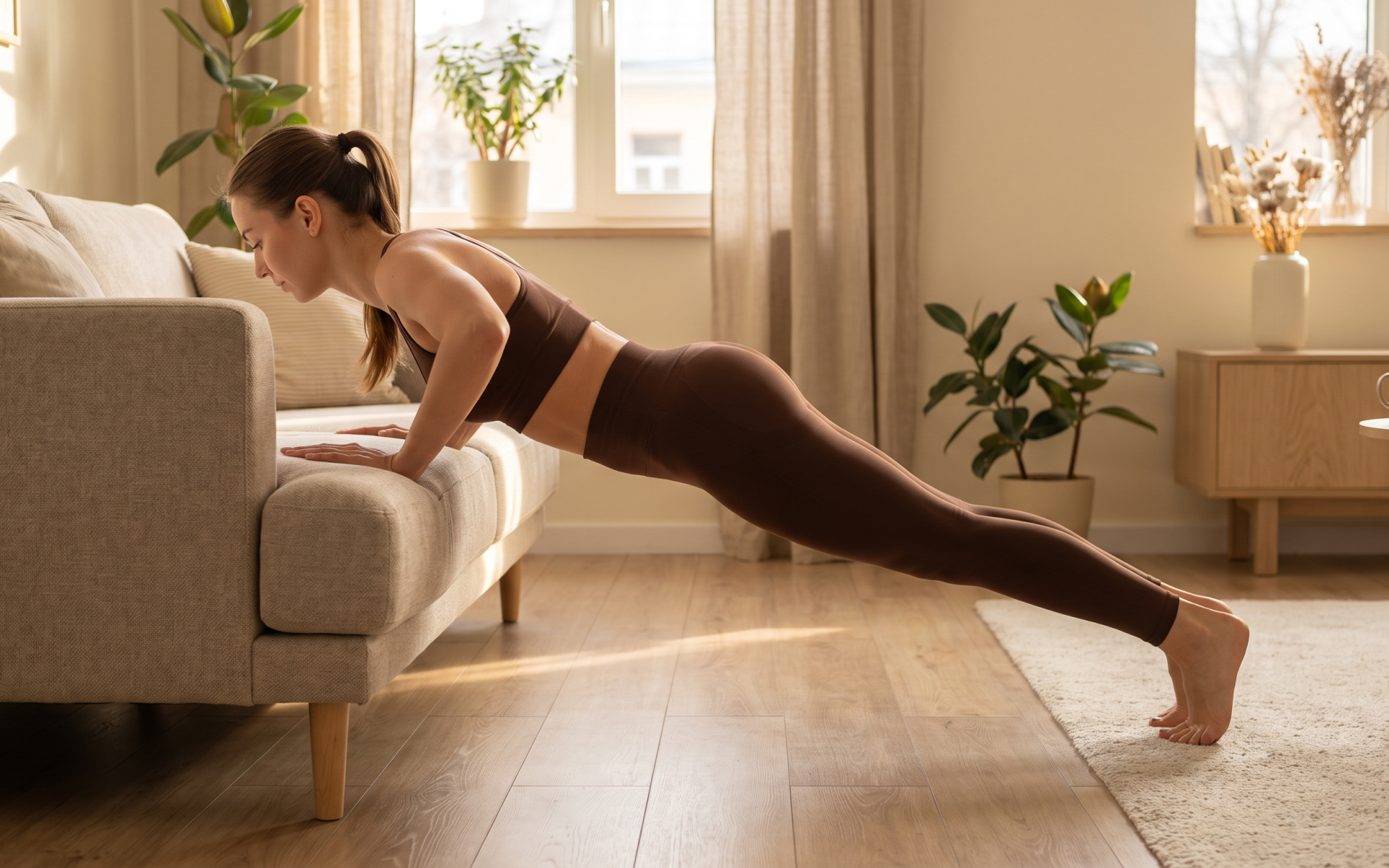
You change the difficulty with calisthenic exercises by adjusting leverage and angles (3), not by adding weight plates. For example, placing your hands on an elevated surface, such as a sturdy table, makes push-ups easier.
Here’s how calisthenics tends to build different qualities:
- Strength: The ability for your muscles to produce high levels of force and push or pull against resistance, such as lifting your chest off the floor.
- Endurance: How long your muscles can keep working continuously, such as holding a plank for 30 seconds.
- Mobility: Your usable range of motion, such as squatting deeper over time. It’s kind of like flexibility, but your muscles are working.
- Balance and coordination: Controlling your body through space.
One appealing part of this approach is convenience. You can train at home, in a park, or in a hotel room with little or no equipment.
The metric of success here is form quality, not how much weight you move. A clean, controlled squat beats a sloppy, rushed one every time.
For many people, this makes calisthenics a friendly entry point into fitness. You learn movement patterns that carry over to everyday tasks, such as climbing stairs or carrying groceries.
What Do You Need to Start Calisthenics?
You need very little to begin training calisthenics—mostly some floor space, comfortable clothes, and a willingness to show up regularly. Many beginner sessions use no gear at all (4).
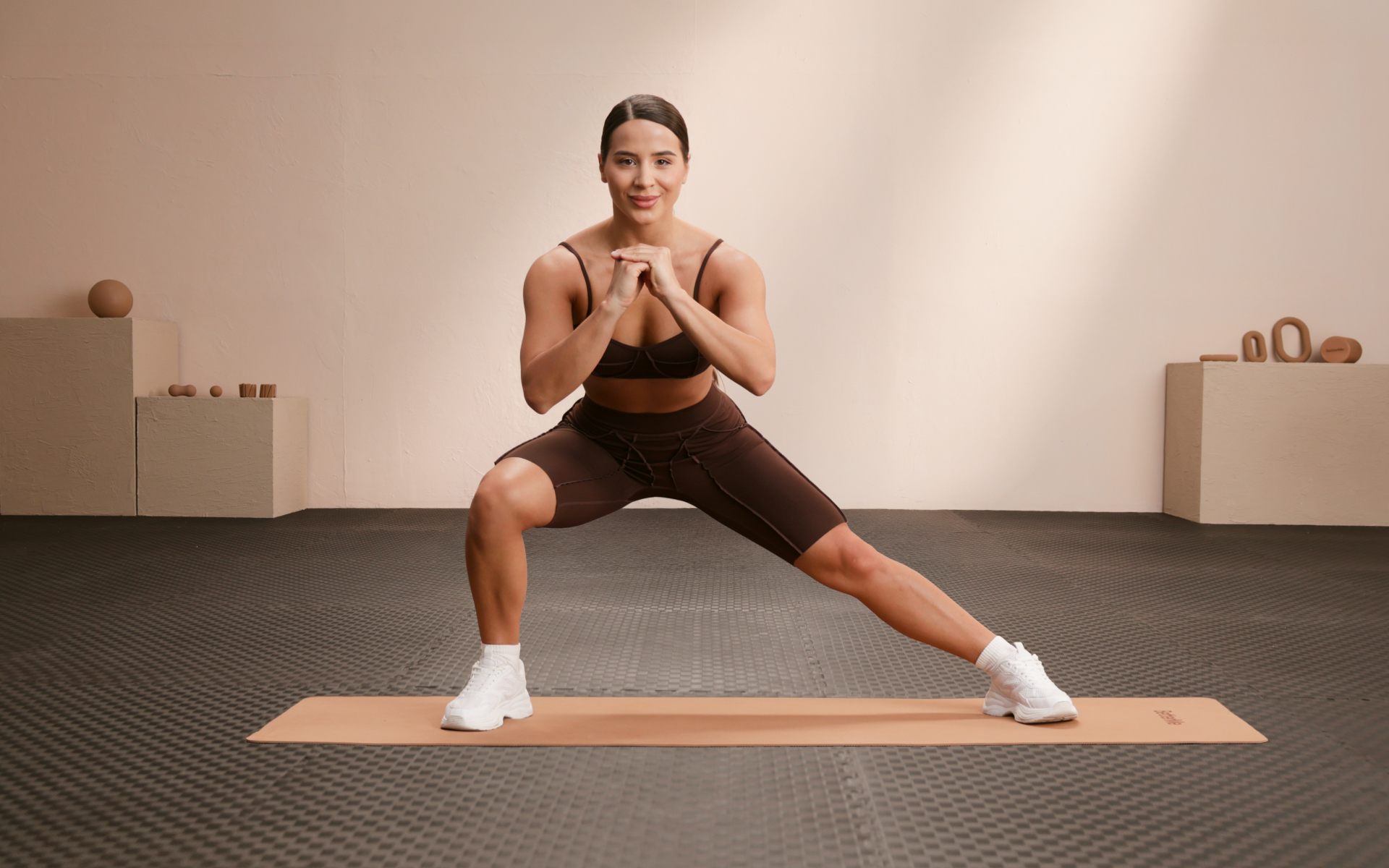
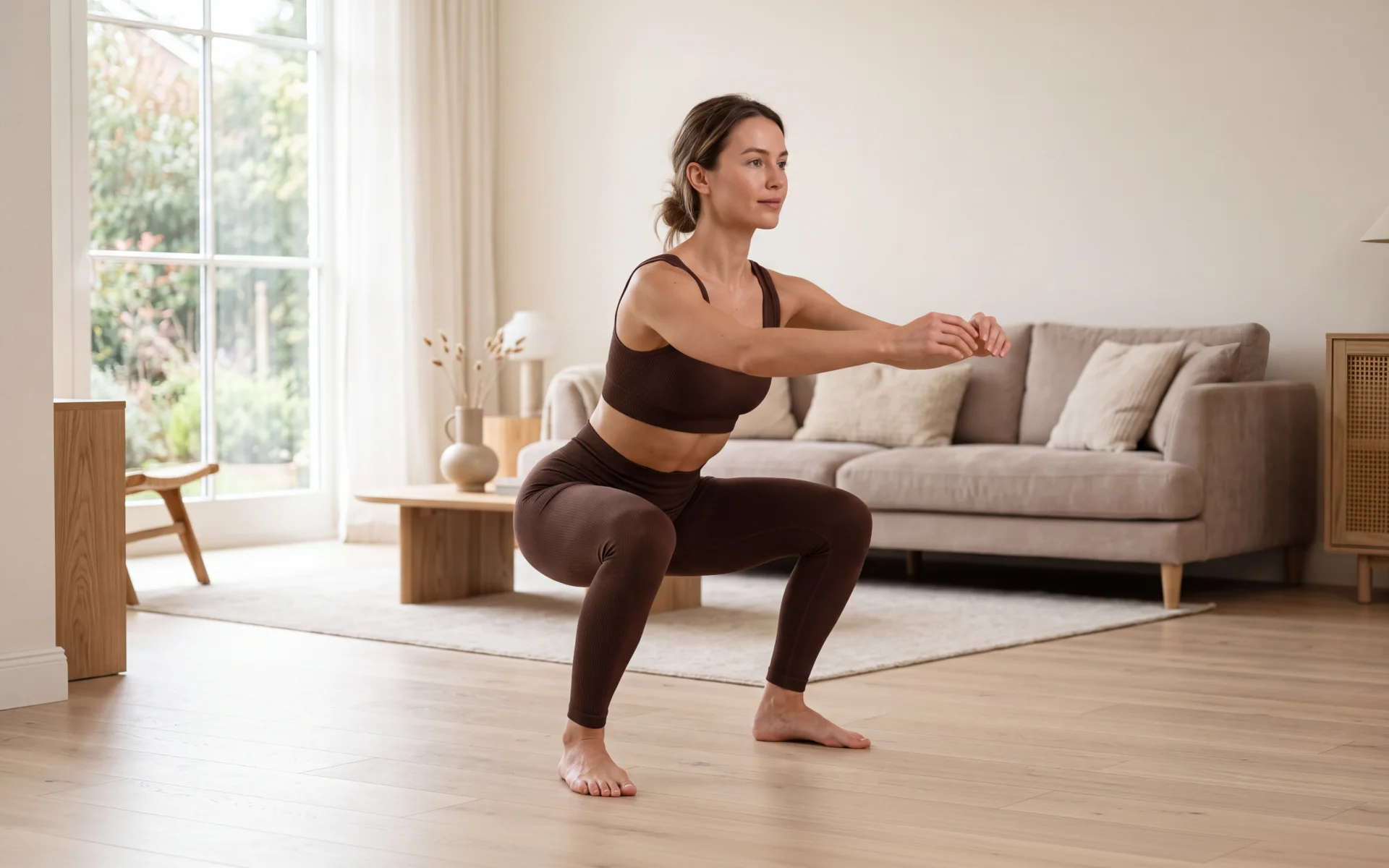
Calisthenics without equipment is realistic for your first weeks. Floor exercises, squats, lunges, and planks need only your body and a small clear area.
That being said, a few simple items expand your options. Here’s a short list of calisthenics equipment for beginners:
- A pull-up bar: For pulling moves once you build some strength
- A sturdy table or low railing: For horizontal pulling and elevated push-ups
- A backpack: Filled with books or water bottles to add resistance later
- Resistance bands: Joint-friendly tools that can assist pull-ups or add tension
- A towel and a chair: Useful for makeshift pulling and dips
You don’t need to buy everything at once. Many household items work fine as substitutes for traditional gym gear.
For example, a sturdy chair can be used for dips and elevated push-ups. A backpack stands in for dumbbells during squats or rows.
Comfortable shoes or bare feet both work, depending on your preference. Choose clothing that lets you move freely through a full range of motion.
Read more: Calisthenic Exercises: 12 Moves for Upper Body, Lower Body, and Core
How Can You Assess Your Starting Level?
Assess your starting level by testing a few basic moves and noting how many clean reps you can complete. This gives you a simple baseline to build from.
You don’t need a gym test or fancy equipment. A short self-check at home works well for most beginners.
Try this quick baseline check, resting as needed between each:
- Wall or knee push-ups: Count how many controlled reps you manage
- Bodyweight squats: See how many you can do with good depth
- Plank hold: Time how long you hold steady form, in seconds
- Standing balance: Stand on one leg and count the seconds
Write down your numbers. These become your personal markers, not a comparison against anyone else.
Pay attention to form, not just quantity. If your hips sag during a plank or your knees cave in a squat, stop there.
A useful effort guide is to keep 1-3 reps “in reserve”. This means that you stop while you could still do a few more clean reps.
Your starting point will depend on your background, current activity, and body. Different bodies and levels begin at different places, and that’s completely fine.
If any movement causes sharp discomfort, ease off and choose a gentler version. A qualified professional can help if you have specific concerns before starting calisthenics.
Re-test every 3-4 weeks to see your progress. Individual results vary, so focus on your own trend rather than a set timeline.
Which Calisthenics Exercises Should Beginners Learn First?
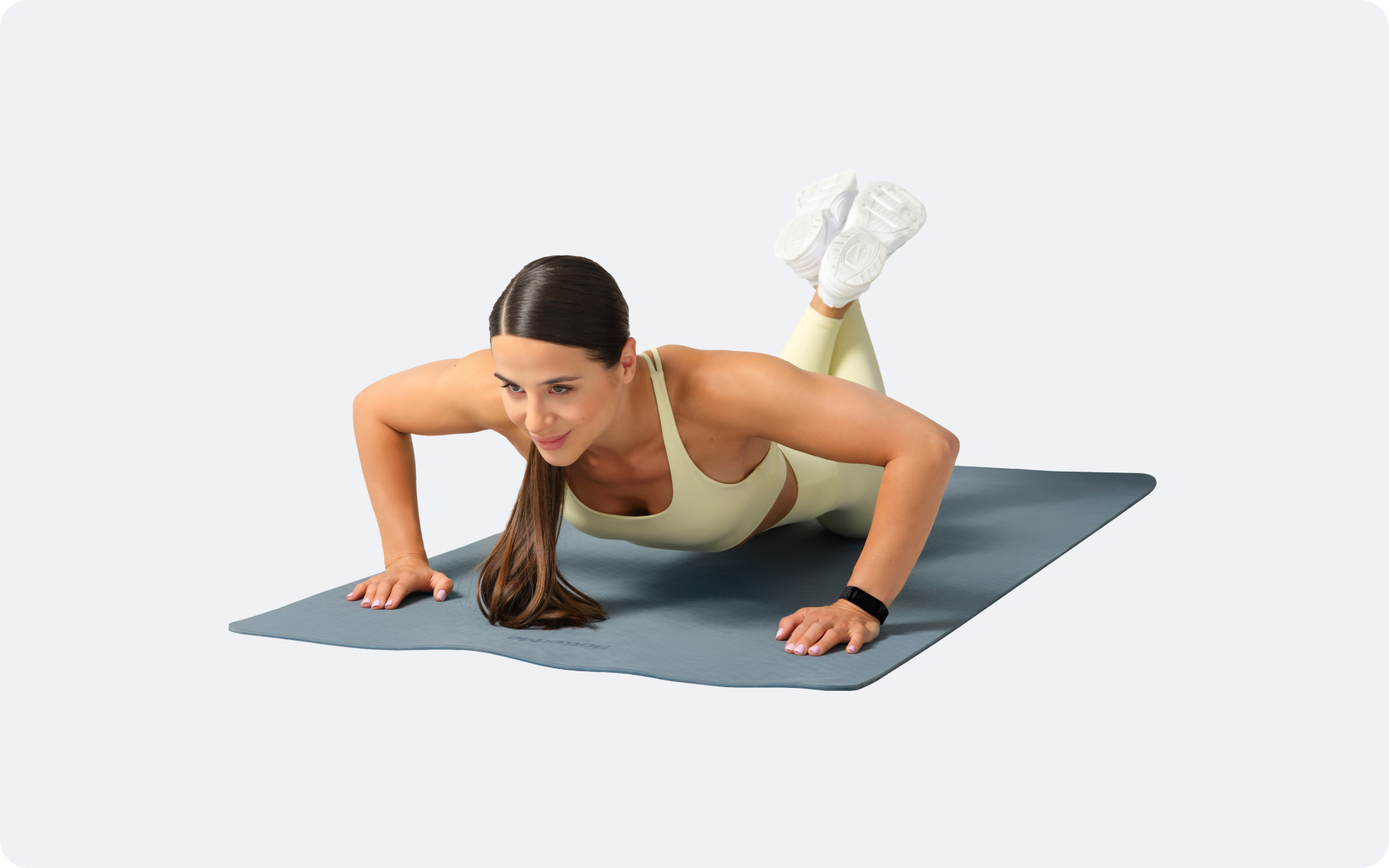
Beginners should learn a handful of foundational moves that cover pushing, pulling, squatting, and core work. These patterns build a base for almost everything that follows and include body squats, push-ups, lunges, hip-hinge, and a rowing exercise.
Start with versions you can control for 5-10 clean reps—you can always progress to harder variations later.
The table below compares common beginner calisthenics exercises and how to scale them:
| Exercise | Main pattern | Areas targeted | Easier version | Harder version |
|---|---|---|---|---|
| Squat | Lower-body push | Thighs, glutes, hips | Sit-to-stand on a chair | Arms overhead squat |
| Push-up | Upper-body push | Chest, shoulders, triceps | Hands on a table | Feet elevated push-up |
| Table row | Upper-body pull | Back, biceps, forearms | Knees bent under table | Legs straight under table |
| Glute hip-up | Hip hinge | Glutes, hamstrings | Smaller range of motion | One-legged hip-up |
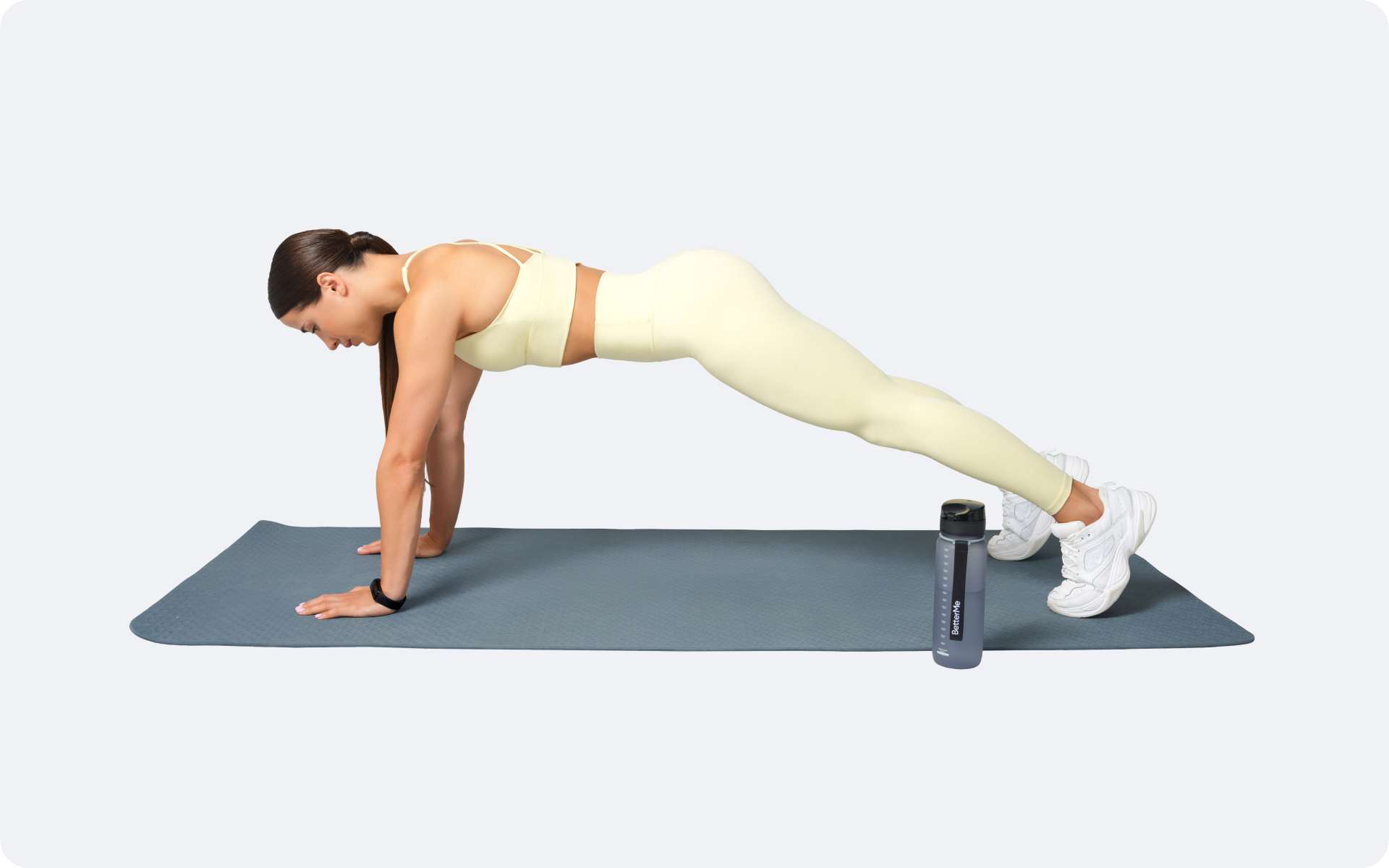
| Plank | Core stability | Abs, lower back | Plank on knees | Reaching plank rocks |
| Reverse lunge | Single-leg strength | Thighs, glutes, balance | Hold a wall for support | Add a backpack |
These calisthenics basics give you full-body coverage in a few moves. You don’t need a long, complicated list to make progress.
Notice the easier and harder columns. This is how you adjust difficulty without any extra weight.
For example, if a floor push-up feels too hard, raise your hands on a sturdy table. As it gets easier, lower the surface over time.
Practice each move slowly at first. Quality reps teach your body the pattern and help you stay in control.
BetterMe offers a variety of workouts, recipes, challenges, and support tools to help you stay more consistent with your wellness routine. Explore the app to find features that fit your goals, preferences, and schedule.
What Should Your First Calisthenics Workout Look Like?
Your first calisthenics workout should be short, simple, and focused on the foundational moves you just learned. Aim for roughly 20-30 minutes, including a warm-up.
Keep the effort moderate. Stopping with 3-4 reps in reserve helps you finish feeling worked, but not wiped out.
Use this as a simple calisthenics home workout you can repeat a few times a week while you build confidence with the basics. Here is a sample first calisthenics workout in table form:
| Exercise | Sets | Reps or time | Rest between sets |
|---|---|---|---|
| Bodyweight squat | 2-3 | 8-10 reps | 60-90 seconds |
| Table push-up | 2-3 | 6-10 reps | 60-90 seconds |
| Let-me-up row (knees bent) | 2-3 | 6-10 reps | 60-90 seconds |
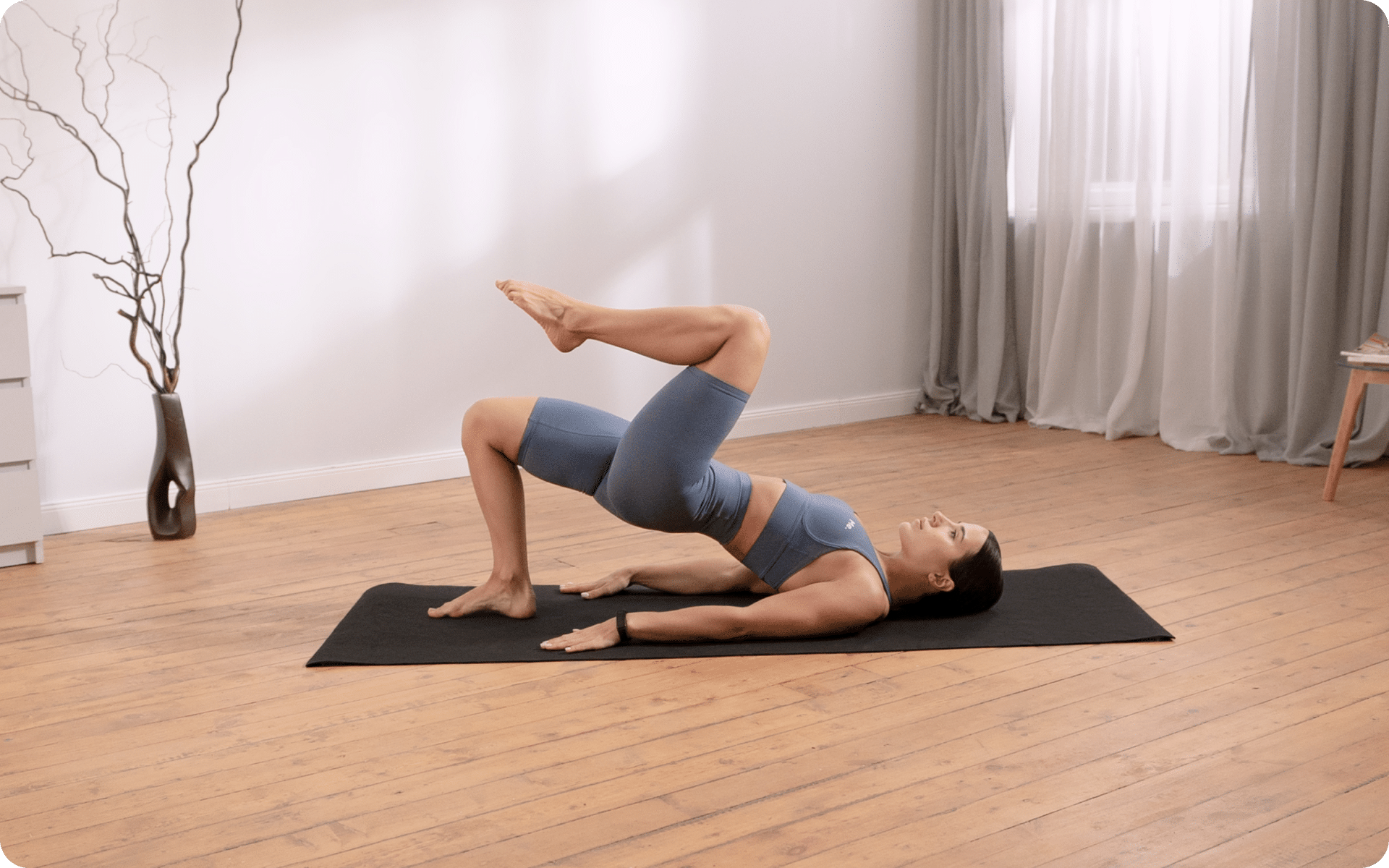
| Glute hip-up | 2-3 | 10 reps | 60-90 seconds |
| Plank hold | 2-3 | 20-30 seconds | 60-90 seconds |
Start with a 5-minute warm-up of easy movement, such as marching in place and gentle joint circles. This helps prepare your body.
Finish with a few minutes of slow stretching or relaxed breathing. A short cool-down rounds out the session nicely.
Adjust the numbers to your level. If 8 squats feels like too much, do 5—if it feels easy, add a couple more.
Bodyweight Squat
- Stand with your feet about hip-width apart.
- Push your hips back and bend your knees.
- Lower until thighs are roughly parallel to the floor, as far as is comfortable.
- Press through your feet to stand back up.
Table Push-Up
- Place both hands on a sturdy table, slightly wider than shoulder-width apart.
- Step your feet back so your body forms a straight line.
- Bend your elbows and lower your chest toward the table.
- Push back up until your arms are straight.
Let-Me-Up Row (Knees Bent)
- Lie under a sturdy table and grip the edge with both hands.
- Bend your knees and plant your feet flat on the floor.
- Pull your chest toward the table edge.
- Lower yourself back down with control.
Glute Hip-Up
- Lie on your back with your knees bent and your feet flat.
- Press through your heels and lift your hips upward.
- Squeeze your glutes at the top.
- Lower your hips back down slowly.
Plank Hold
- Rest on your forearms and toes, your elbows under your shoulders.
- Keep your body in a straight line from your head to your heels.
- Tighten your core and avoid letting your hips sag.
- Hold for your target time, breathing steadily.
How Should You Plan Your First Week of Training?
For calisthenics training for beginners, spacing sessions across the week can make the routine easier to recover from and easier to repeat. Plan your first week around 2-3 short sessions with rest days in between. This spacing gives your body time to adapt between workouts (5).
How often you should train calisthenics depends on your recovery and schedule. For many beginners, 3 full-body sessions a week works well.
The table below shows a simple calisthenics workout schedule for week one:
| Day | Focus | Duration | Notes |
|---|---|---|---|
| Monday | Full-body workout | 20-30 minutes | Use the sample session above |
| Tuesday | Light mobility or walk | 10-20 minutes | Gentle movement, easy pace |
| Wednesday | Full-body workout | 20-30 minutes | Repeat, aim for 1 extra rep |
| Thursday | Rest or easy walk | Optional | Let your body recover |
| Friday | Full-body workout | 20-30 minutes | Try a slightly harder variation |
| Saturday | Light mobility or walk | 10-20 minutes | Stretch what feels tight |
| Sunday | Rest | — | Aim for good sleep |
This beginner calisthenics routine keeps the strength days spread out. The lighter days support recovery without total inactivity.
Consistency tends to matter more than any single perfect session. Showing up three times beats one heroic, exhausting workout.
Sleep and rest help your body adapt and recover. Many people aim for 7-8 hours of sleep when they’re training regularly (6).
Feel free to swap days to fit your life. If Monday is busy, shift your session to Tuesday—the structure is flexible.
Read more: 15-Minute Calisthenics Workout: A Quick Full-Body Routine for Busy Days
How Can You Progress When Bodyweight Exercises Become Easier?
You progress by making each move slightly harder once it feels manageable. Progression simply means gradually increasing the challenge over time, so your body keeps adapting (7).
When you can hit the top of your rep range with clean form, it’s time to advance. For example, once 3 sets of 10 squats feels comfortable, level up.
Calisthenics progressions give you several ways to add difficulty without weights:
- Add reps: Move from 8 to 10 to 12 reps per set
- Add sets: Go from 2 sets to 3 or 4 sets
- Change leverage: Elevate your feet for push-ups to shift more weight forward
- Slow the tempo: Lower for 3 seconds to increase time under tension
- Add pauses: Hold the bottom of a squat for 2 seconds
- Move toward single-limb versions: Progress to one-legged hip-ups
Pick one change at a time. Adjusting too much at once can make sessions feel overwhelming.
A backpack with books or water bottles adds gentle resistance. This works well for squats, lunges, and rows when body weight feels easy.
Unstable surfaces, such as doing push-ups with hands on a cushion, recruit more stabilizer muscles. This is another low-cost way to scale up.
Progress at your own pace. Some weeks you add reps, other weeks you hold steady—both count as showing up.
When Should You Start Practising Pull-Ups, Dips, and Handstands?
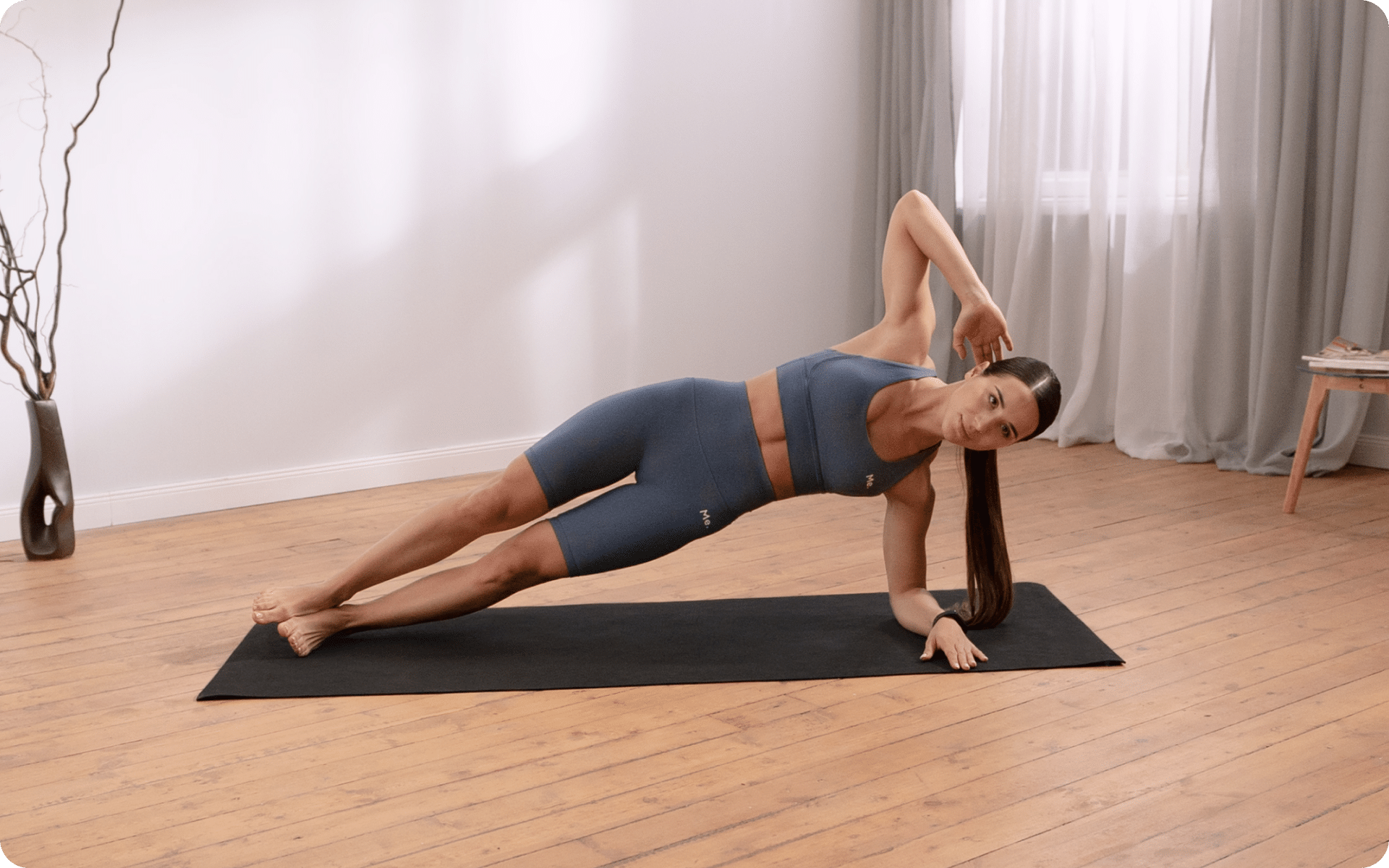
Start practicing these advanced moves once you’ve built a base of strength and control, often after several weeks of consistent training. There’s no set deadline—readiness varies for every person.
Pull-ups, dips, and handstands ask a lot from your upper body and core. Building toward them with easier versions tends to work better than rushing.
Here’s a gentle on-ramp for each:
- Toward pull-ups: Then try band-assisted or negative pull-ups
- Toward dips: Begin with seated dips using a chair before full dips
- Toward handstands: Start with pike push-ups and wall-supported holds
A “negative” means lowering slowly from the top position. For pull-ups, you jump up and lower yourself over 3-5 seconds.
Test your readiness with simple markers. For pull-ups, many people first manage 8-10 controlled let-me-up rows with good form.
There’s no rush. Some people work toward a first pull-up over several months, and individual timelines vary widely.
If a move feels far off, keep building the easier patterns. Progress in the basics carries directly over to these bigger skills.
Listen to your joints. If your shoulders or wrists feel strained, scale back and build more gradually.
What Common Mistakes Should Newcomers Avoid?
The most common mistake is doing too much too soon, which often leads to soreness and burnout. A steady, repeatable pace tends to serve beginners better.
Here are some frequent missteps and friendly solutions:
- Skipping warm-ups: Spend 5 minutes on easy movement before training
- Chasing reps over form: Prioritize clean technique, even if it means fewer reps
- Training every single day at first: Allow 1-2 rest days between strength sessions (5).
- Ignoring pulling moves: Balance pushing with rows and other pulls
- Comparing yourself to others online: Track your own numbers instead
Many beginners also forget to progress gradually—jumping to advanced moves before mastering basics can feel discouraging.
If something causes sharp discomfort, stop and choose a gentler option. A qualified professional can guide you if concerns persist.
Workouts, weight management tools, and recipe ideas come together in the BetterMe Well-Being Coach app, giving you practical support for building a more consistent wellness routine.
How Can You Stay Consistent with Calisthenics?
Stay consistent by keeping your sessions short, scheduled, and flexible enough to survive a busy week. Frequent small workouts tend to beat occasional long ones.
Consistency is the biggest driver of results for most people. Showing up 3 times a week, even briefly, adds up over months.
Try these practical habits to support a lasting routine:
- Schedule sessions: Handle them like any other appointment in your calendar
- Keep workouts short: 20-30 minutes feels doable on busy days
- Lower the bar on tough days: A 10-minute session still counts
- Track your progress: Jot down reps so you can see improvement
- Pair it with a habit: Train right after your morning coffee or evening walk
- Make your space inviting: Leaving a pull-up bar or mat visible can nudge you to move
- Celebrate small wins: Adding one extra rep or holding a plank for 5 seconds longer is real progress that’s worth noticing
- Flexibility keeps you going: If you miss a day, simply resume the next session rather than starting over
- Find moves you enjoy: When a routine feels good, you’re far more likely to keep showing up
Remember, individual results vary, and your journey is your own. Comparing your week one to someone’s year two rarely helps.
FAQs
Can you start calisthenics if you can’t do a push-up?
Yes, you can start calisthenics without doing a single floor push-up. Start with easier versions, such as push-ups against a wall or with your hands on a sturdy table. As you build strength over a few weeks, gradually lower the surface. This scaling approach lets nearly anyone begin, regardless of starting point. Individual progress varies, so move at your own pace.
Can you start calisthenics at home?
Yes, you can start calisthenics at home with little or no equipment. Squats, lunges, planks, and table push-ups need only a small clear space. Household items such as a chair, backpack, or sturdy table expand your options. This makes calisthenics a convenient choice for busy schedules. You can always add a pull-up bar or bands later as you progress.
How long should your first workout last?
The goal is a repeatable habit, not exhaustion. Individual energy levels vary, so adjust as needed.
Should beginners train to failure?
No, beginners generally don’t need to train to failure, where you cannot complete another rep. Leaving 1-3 reps in reserve helps you keep good form and recover well. This approach tends to feel more sustainable and reduces excessive soreness (8). As you gain experience, you can experiment with pushing closer to your limit on select moves. Listen to your body throughout.
Can you combine calisthenics with gym workouts?
Yes, you can combine calisthenics with gym workouts in many ways. Some people use bodyweight moves as a warm-up, while others alternate days between the two. You might do calisthenics at home twice a week and lift at the gym once. Balance your total volume so you recover between sessions. Spacing hard days apart, with 1-2 rest days, often helps.
Is calisthenics harder for people with a higher body weight?
Some bodyweight moves can feel more challenging at a higher body weight, as you move more load. The good news is that calisthenics scales easily to different bodies and levels. Elevating your hands for push-ups or bending your knees during rows reduces the load. Floor exercises and squats remain user-friendly for almost everyone. Progress at a comfortable pace that suits you.
How do you know when an exercise variation is too difficult?
A variation is likely too difficult when your form breaks down or you cannot complete 5 clean reps. Warning signs include sagging hips, caving knees, or holding your breath. If you feel sharp discomfort, switch to an easier version immediately. Scaling down is smart, not a setback.
The Bottom Line
Learning how to start calisthenics comes down to a few simple moves, 2-3 sessions a week, and gradual progress you adjust to your own body. Keep your form clean, rest enough, and tweak the difficulty as you grow stronger. Your routine is yours to shape, so pick the moves you enjoy and keep showing up. Lace up, clear a little space, and start your first session today—future you will be glad you did it!
DISCLAIMER:
This article is intended for general informational purposes only and does not serve to address individual circumstances. It is not a substitute for professional advice or help and should not be relied on for making any kind of decision-making. Any action taken as a direct or indirect result of the information in this article is entirely at your own risk and is your sole responsibility.
BetterMe, its content staff, and its medical advisors accept no responsibility for inaccuracies, errors, misstatements, inconsistencies, or omissions and specifically disclaim any liability, loss or risk, personal, professional or otherwise, which may be incurred as a consequence, directly or indirectly, of the use and/or application of any content.
You should always seek the advice of your physician or other qualified health provider with any questions you may have regarding a medical condition or your specific situation. Never disregard professional medical advice or delay seeking it because of BetterMe content. If you suspect or think you may have a medical emergency, call your doctor.
SOURCES:
- Bodyweight Training for Muscular Strength & Endurance (2022, researchgate.net)
- Molecular aspects of the exercise response and training adaptation in skeletal muscle (2024, sciencedirect.com)
- Intensification Methods for Progressive Overload (n.d., us.humankinetics.com)
- The advantages of body-weight exercise (2026, health.harvard.edu)
- The Importance of Recovery in Resistance Training Microcycle Construction (2024, pmc.ncbi.nlm.nih.gov)
- Physical activity, athletic performance, and recovery: The role of sleep (2026, sciencedirect.com)
- Attention to Progression Principles and Variables of Exercise Prescription in Workplace-Related Resistance Training Interventions: A Systematic Review of Controlled Trials (2022, fronteirsin.org)
- Influence of Resistance Training Proximity-to-Failure, Determined by Repetitions-in-Reserve, on Neuromuscular Fatigue in Resistance-Trained Males and Females (2023, link.springer.com)
 Reviewed by