Losing weight on a plant-based diet can sometimes feel tricky, particularly after a couple of hours, when hunger starts to creep in. This often happens because a typical plant-based dish relies heavily on carbohydrates and lacks one of the most filling macronutrients: protein.
Protein can be a helpful nutrient to prioritize when you’re working on weight management. Protein is associated with satiety, muscle maintenance, and a higher thermic effect than carbohydrates or fats (1).
When you focus on high-protein vegetarian meals, you give your body the fuel it needs to function properly, while helping you stay full and satisfied.
Creating vegetarian meals for weight loss doesn’t need to be complicated or overwhelming. Once you understand which plant-based ingredients have the most protein and you learn to combine them, you can build a diet that suits your goals.
Here, we’ll guide you through everything you need to know about making a balanced high-protein meal when following a plant-based diet.
What Is a High-Protein Vegetarian Meal Plan?
A high-protein vegetarian meal plan provides you with a structured approach to your daily eating, which makes it easier to plan meals around your protein targets.
Depending on your specific goals, you might want to follow a 30-day high-protein meal plan or a high-protein Mediterranean diet. For those who want to lose weight, you might prefer a 1,200-calorie high-protein low-carb diet, but this should be considered only short-term and with support from a healthcare professional.
In this meal plan, you avoid meat, fish, and poultry while still including vegetarian options such as dairy and eggs if they fit your eating pattern. Instead, you focus on plant-based alternatives such as legumes, tofu, tempeh, and some animal-based products like dairy and eggs.
What Makes a High-Protein Vegetarian Meal Good for Weight Loss?
So why should you focus on protein when trying to lose weight? There are three reasons why protein plays an important role in weight management:
- Protein may support satiety, which can make it easier for some people to manage portions and overall calorie intake.
- Protein has a high thermic effect. This means that your body uses more energy to digest protein compared to fats and carbohydrates. Think of it as a tax it has to pay in your body—it has a higher tax than the other macronutrients.
- It can also help you hold on to your muscle mass as you lose fat, which may support your overall body composition during weight loss.

Things to Consider When Living a Vegetarian Lifestyle
A vegetarian lifestyle can be associated with several wellness and nutrition-related benefits when it’s well planned (4). However, it does require mindful planning for you to reach your protein intake.
Removing meat from your diet can sometimes lead to relying too much on high-carb meals such as bread, pasta, and rice. While they can fit a weight-loss vegetarian meal plan, they don’t provide enough protein.
In addition, you need to be careful with other key nutrients, such as iron, vitamin B12, and omega-3 fatty acids, which can be lower in a plant-based diet. In this case, it may be a good idea to include sources of legumes, nuts, seeds, and fortified foods.
If you’re new to a plant-based diet, make sure to speak with a healthcare professional. They can guide you on which portions are appropriate for your goals and needs, so you can better understand whether your meals cover your nutritional needs.
BetterMe Well-Being Coach app can help you build a more structured approach to your wellness routine with meal plans, workouts, and habit-tracking tools. Start using the app to explore options that may support your personal fitness and nutrition goals.
How Much Protein Should a Vegetarian Meal Have?
How much protein you need will depend on your goals and needs, but you can aim for 20 to 30 grams per meal (3). This range is often discussed in relation to muscle protein synthesis and satiety, but individual needs vary.
You should keep in mind that it’s better to spread your protein evenly throughout the day, instead of having one massive amount at dinner. Spreading protein across meals may be more practical than relying on one quite large serving at dinner.
What Vegetarian Foods Are High in Protein?
Stocking your kitchen with the right ingredients is the first step toward succeeding on a high-protein vegetarian diet for weight loss. Some useful high-protein vegetarian foods to keep in your kitchen include:
- Legumes: Lentils, chickpeas, and black beans are rich in protein and high in fiber, and are commonly discussed for their role in digestion and general wellness (5). One cup of legumes can provide 15-20 grams of protein. They are a versatile ingredient that you can use in soups, salads, and veggie burgers.
- Soy products: Tofu, tempeh, and edamame are complete proteins, which means they give you all nine essential amino acids that your body cannot produce on its own. This makes them excellent meat substitutes, particularly for creating protein-rich vegetarian meals. One cup of soybeans provides 31 grams of protein, which makes it a very high-protein source.
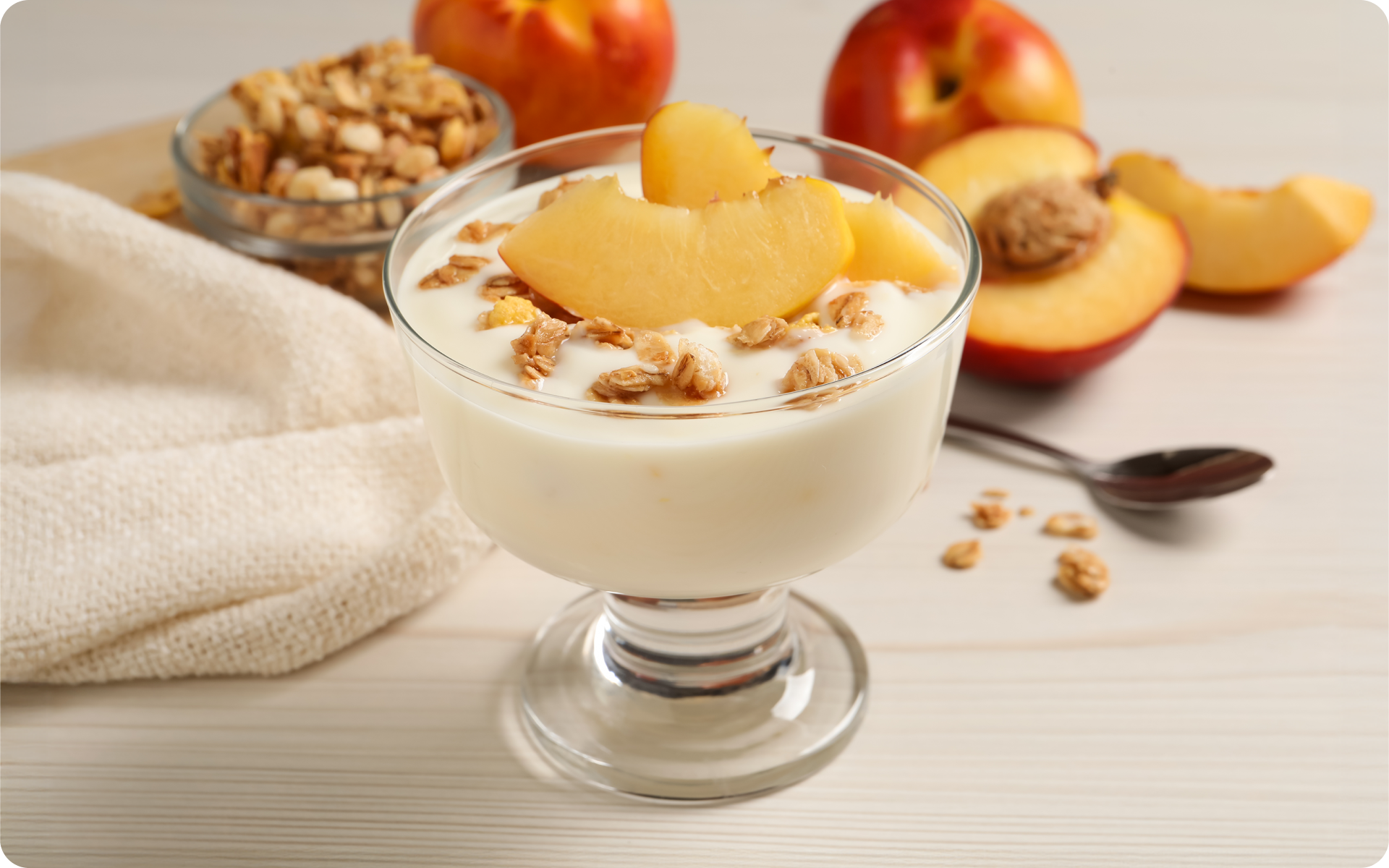
- Dairy and eggs: Greek yogurt, cottage cheese, and eggs offer a good source of protein, along with healthy fats. They’re quick and easy options for snacks or meals, and they can also provide other key nutrients, such as vitamin D and calcium. One cup of Greek yogurt can provide 15-20 grams of protein, and one egg provides 6-7 grams.
- Nuts and seeds: Hemp seeds, chia seeds, almonds, and pumpkin seeds are concentrated sources of protein and healthy fats, such as omega-3s. You can sprinkle them on your oatmeal, add them to your smoothies, or eat them as a snack. One ounce of nuts and seeds provides 3-10 grams of protein.
- Whole grains: Quinoa and amaranth are other good sources of complete proteins. They are rich in protein, essential vitamins, and minerals such as magnesium and iron. These can be excellent bases for salads, side dishes, or breakfast bowls. One cup of quinoa or amaranth provides roughly 8 grams of protein.
Including these in your diet not only boosts your protein intake, it also adds variety and essential nutrients to your meals.
How Do You Build High-Protein Vegetarian Meals for Weight Loss?
A simple template can make high-protein vegetarian meals easier to build:
- Start by filling a quarter of your plate with a good protein source such as tempeh or Greek yogurt.
- Fill half your plate with fiber-rich, non-starchy vegetables such as spinach, broccoli, or bell peppers.
- The rest of the quarter includes complex carbohydrates such as quinoa and sweet potatoes. If you’re still struggling to meet your protein intake, choose higher-protein carb sources, such as legumes.
To help you stay on track, meal prep can be a powerful tool. By dedicating some time each week to planning and preparing your meals, you can keep high-protein vegetarian options readily available.
This can help reduce the likelihood of reaching for processed or less nutritious foods when you are short on time. In addition, it can help you control your portion sizes, balance macronutrients, and make overeating less likely for some people.
Read more: Keto Diet Plan for Vegetarians: A Complete Guide for Beginners
What Are Some High-Protein Vegetarian Breakfast Ideas for Weight Loss?
For meal inspiration, here are some easy and delicious high-protein vegetarian breakfast ideas:
- Vegetable-packed omelet with spinach and feta: You can use egg whites or whole eggs. This meal combines the protein from eggs with the nutrients from spinach and the creamy texture of feta cheese, which makes it both filling and flavorful.
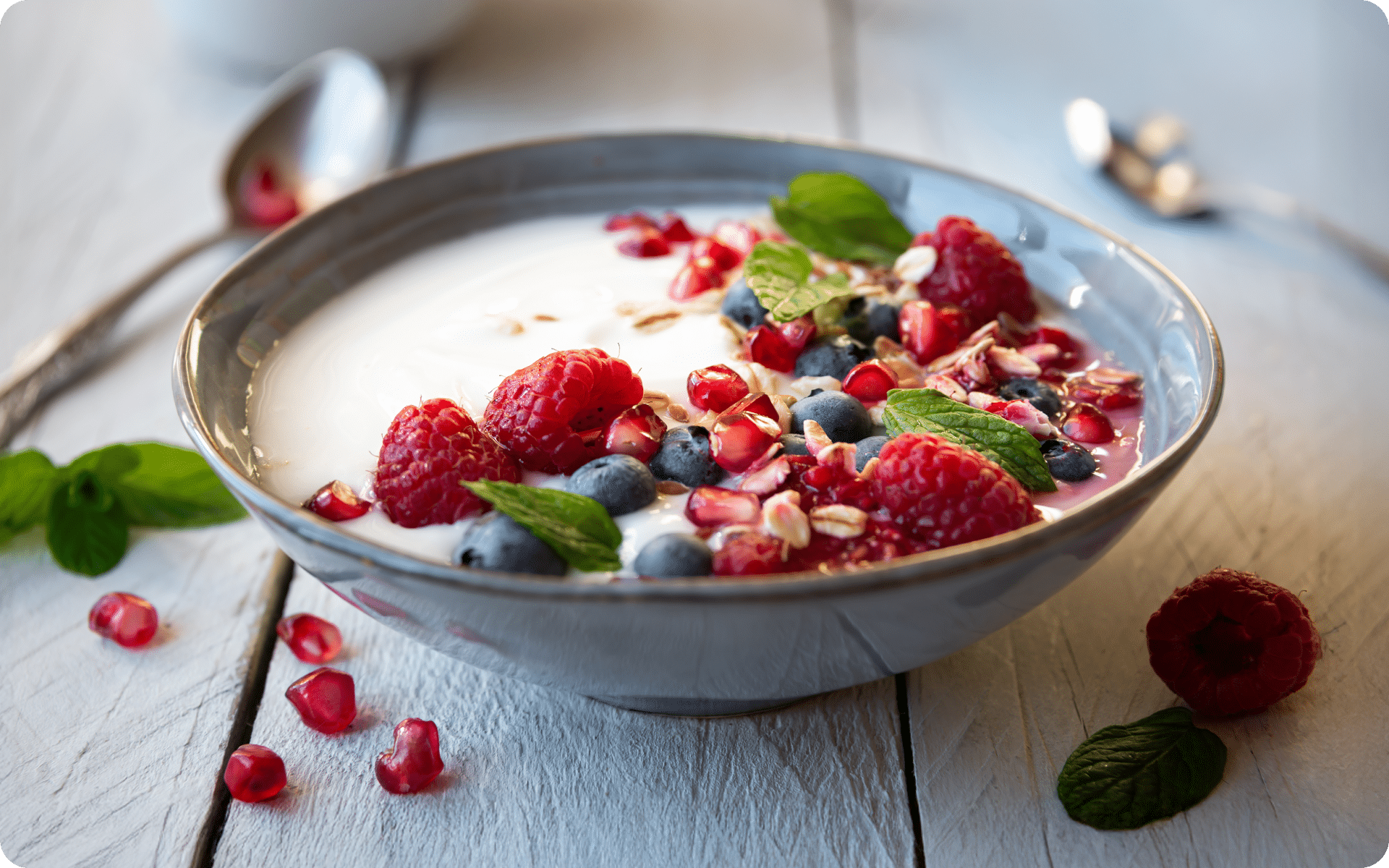
- Greek yogurt bowl with berries and nuts: Greek yogurt is an excellent source of protein, especially when you pair it with antioxidant-rich berries and nutrient-dense nuts. This quick breakfast can be a convenient high-protein option.
- Chickpea flour pancakes: These savory pancakes made from chickpea flour are a great source of protein and loaded with vegetables such as onions, peppers, and tomatoes.
- Quinoa breakfast bowl with avocado and vegetables: Quinoa (a complete protein) is a great base when mixed with creamy avocado, sautéed vegetables, and a sprinkle of seeds for added crunch.
- Peanut butter banana smoothie: This quick and easy option combines plant-based protein from peanut butter powder and the natural sweetness of bananas.
- Tofu scramble with vegetables: An excellent vegan alternative to scrambled eggs, tofu scramble offers a good protein dose, and you can add the vegetables you like the most, such as mushrooms, tomatoes, and spinach.
What Are Some High-Protein Vegetarian Lunch Ideas for Weight Loss?
Now, let’s move on to lunch ideas. Here are some tasty high-protein vegetarian lunch options to add variety to your meal plan.
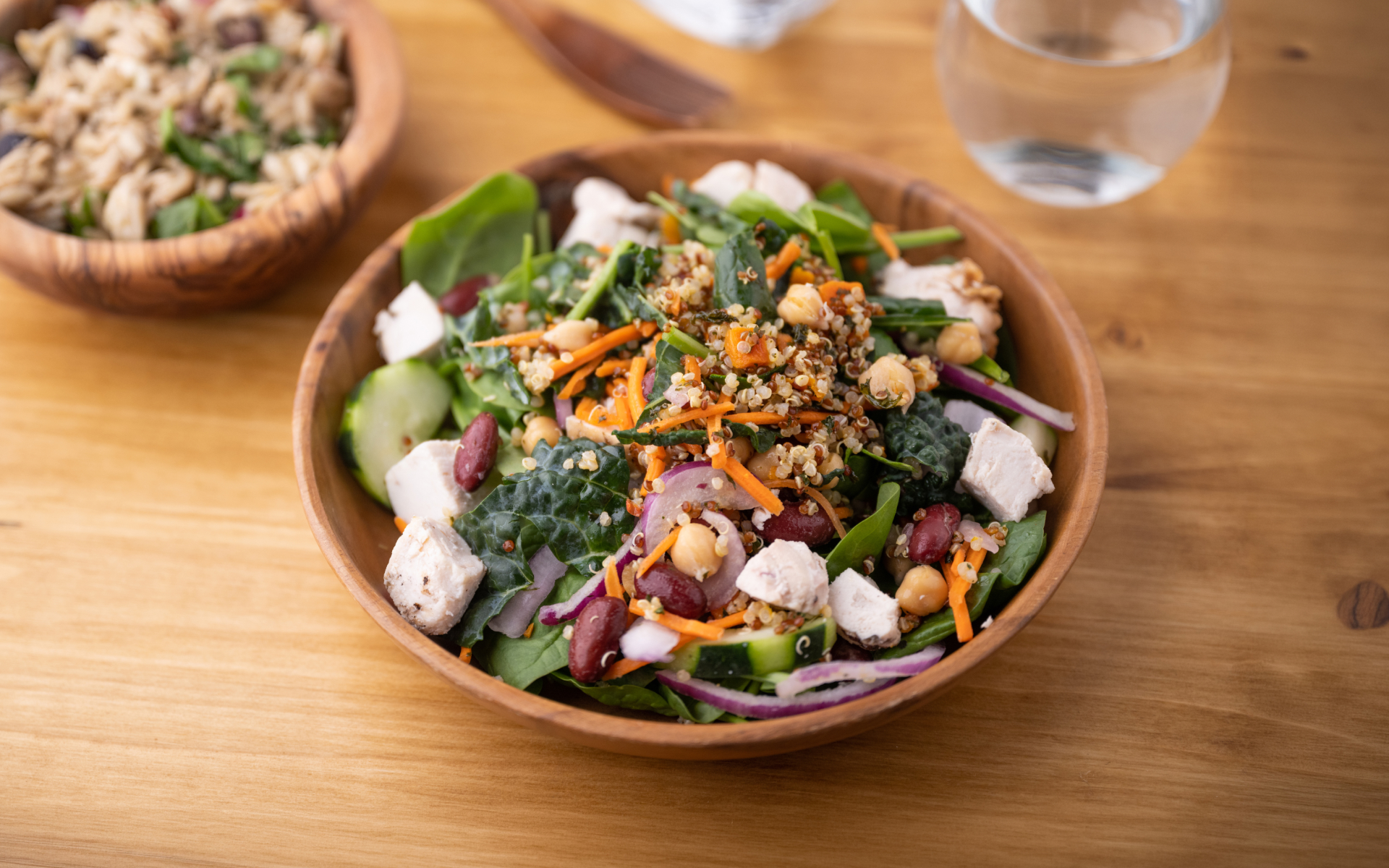
- Quinoa salad with chickpeas and vegetables: This dish combines nutrient-packed quinoa with protein-rich chickpeas and a variety of colorful vegetables, such as cucumbers, bell peppers, and tomatoes. You can toss it with a light lemon-tahini dressing to create the perfect meal.
- Lentil soup: A warm, comforting option, this dish is rich in plant-based protein and fiber. You can add carrots, celery, and tomatoes to add more flavor and nutrients.
- Grilled vegetables and hummus wrap: Fill a whole-grain wrap with grilled vegetables, such as zucchini, eggplant, and bell peppers, and spread it with creamy hummus. Perfect for a quick, on-the-go lunch.
- Tofu and vegetable stir-fry: This simple yet delicious stir-fry combines protein-rich tofu with vegetables such as broccoli, snap peas, and carrots. You can use low-sodium soy sauce if you prefer a lighter flavor.
- Spinach and cottage cheese-stuffed sweet potatoes: Baked sweet potatoes loaded with sautéed spinach and cottage cheese offer a combination of protein, fiber, and vitamins.
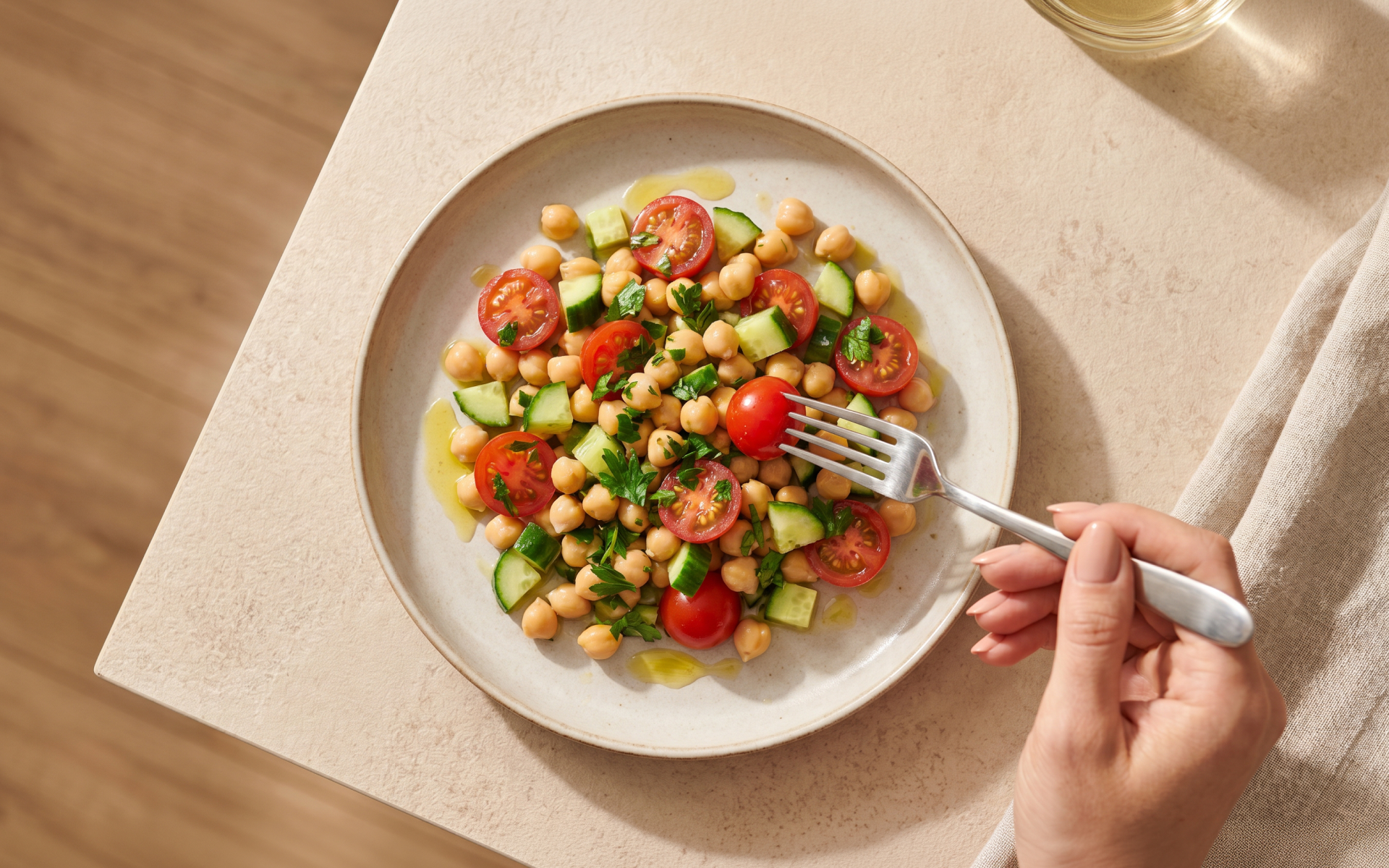
- Greek chickpea salad: This refreshing salad features chickpeas, cucumbers, cherry tomatoes, Kalamata olives, and feta cheese, all tossed with olive oil and lemon juice. It’s rich in protein and great for a quick, nutrient-dense meal.
BetterMe can help you add more structure to your daily wellness routine with workouts, meal planning tools, and habit-building features. Explore the app and take a practical step toward a routine that feels more manageable for you.
What Are Some High-Protein Vegetarian Dinner Ideas for Weight Loss?
It’s evening, and you don’t know what to make. Here are some high-protein vegetarian dinners or a higher-protein vegetarian dinner.
- Tofu and spinach curry: A creamy and aromatic curry that’s made with protein-packed tofu and iron-rich spinach. This dish is both nourishing and full of flavor as it’s simmered with coconut milk and fragrant spices. Pair it with brown rice to create a complete meal.
- Quinoa-stuffed bell peppers: Roasted bell peppers stuffed with a mix of quinoa, black beans, diced vegetables, and meals. This dinner is highly filling and an excellent source of plant-based protein.
- Chickpea and tomato stew: This warming dish combines protein-rich chickpeas with fresh tomatoes, garlic, and herbs for a flavorful result.
- Edamame and vegetable noodle bowl: A light and protein-packed dinner that uses edamame, zucchini noodles, and a mix of vegetables such as carrots and snap peas. Toss it with sesame-ginger dressing to bring all the flavors together.

What Are Some High-Protein Vegetarian Snacks for Weight Loss?
Snacks aren’t necessary, but some people find them helpful between meals. You can add them between meals if it helps you feel more comfortable with your routine.
- Roasted chickpeas: Crunchy and savory, they make a great protein snack. You can season them with your favorite spices to create a flavorful snack.
- Cottage cheese with fresh vegetables: Cottage cheese pairs well with crisp vegetables such as cucumbers, cherry tomatoes, or bell peppers.
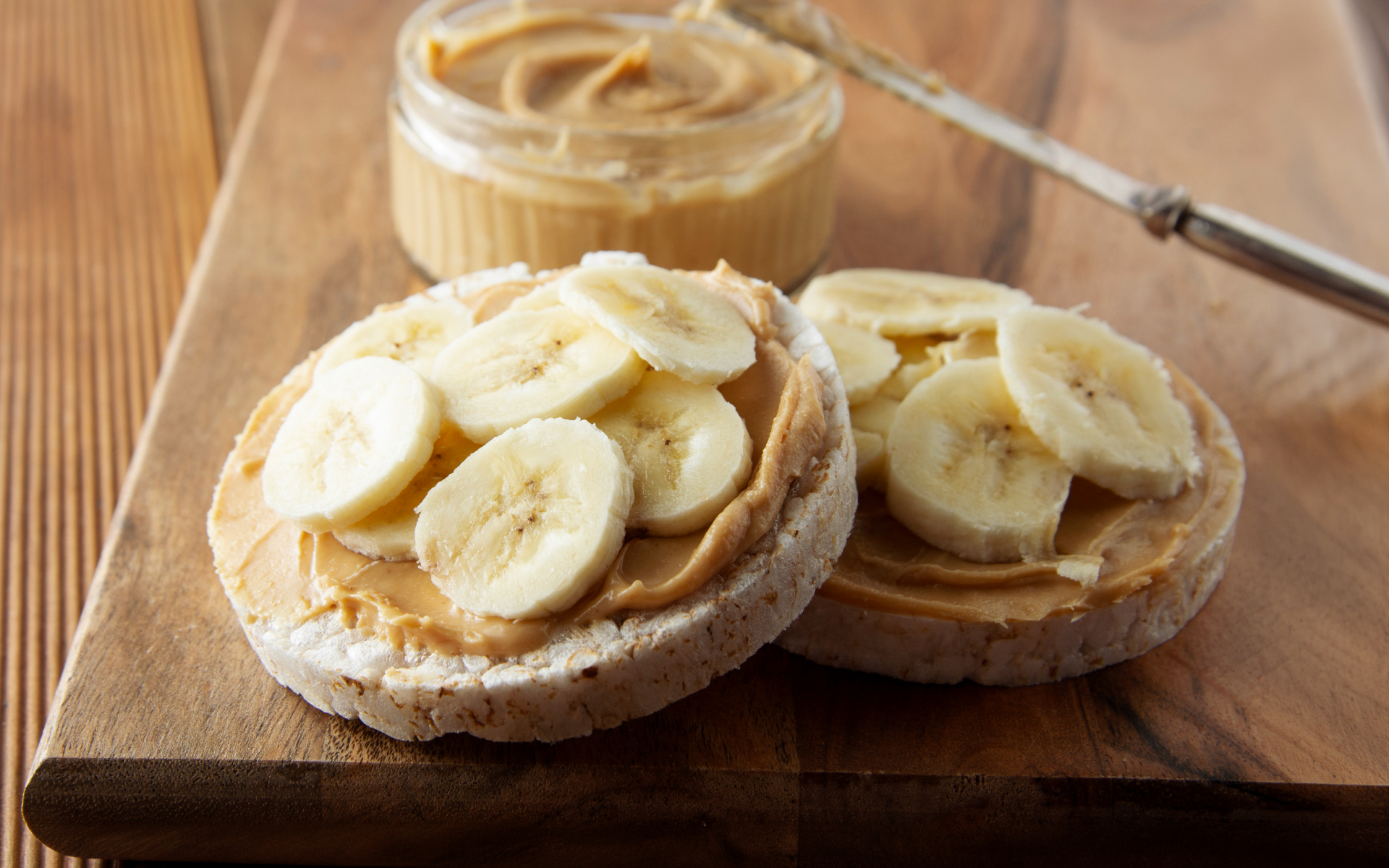
- Peanut butter and banana on rice cakes: Spread a thin layer of peanut butter on whole-grain rice cakes and top with banana slices for a ready-to-go snack.
- Hard-boiled eggs with avocado: Pair a hard-boiled egg with creamy avocado for a perfect blend of protein and healthy fats.
- Protein-packed energy balls: Made with oats, nut butter, seeds, and a bit of honey (or dried fruit), they’re a great no-bake sweet snack.
- Hummus with raw vegetables: Hummus makes an excellent plant-based dip, and you can pair it with crunchy vegetables such as carrots, celery, or bell peppers.
What Should You Avoid when Making Vegetarian Weight Loss Meals?
When building vegetarian meals for weight management, make sure to look out for hidden calories. You may want to limit heavily processed vegetarian meat substitutes, which are often high in sodium and refined oils.
Also, be cautious with cheese and nuts. While they can provide some protein, many are high in fat and calories. If you decide to add cheese, choose a low-fat version to keep the calorie count low.
Lastly, reduce refined carbs like white rice and white pasta, which may feel less filling for some people than higher-fiber options (2).
Read more: 7-Day Vegetarian Plan: How to Build a Balanced Week Without Missing Nutrients
Are High-Protein Vegetarian Meals Enough for Weight Loss?
While high-protein vegetarian meals can be one part of a weight-management approach, weight loss requires a few additional factors.
Portion control plays an important role. Eating more calories than your body uses over time may contribute to weight gain, even when those calories come from protein sources. Prioritize whole, nutrient-dense foods such as vegetables, legumes, and whole grains, which may help some people feel fuller while planning meals around their calorie needs.
Physical activity can also support weight-management efforts. General physical activity guidance often refers to about 150 minutes of moderate-intensity activity per week.
Make sure you’re getting plenty of rest (7-9 hours of high-quality sleep), and look for ways to manage your stress. Sleep and stress can influence appetite and eating patterns for some people.
Hydration can also influence how you feel throughout the day, so it may help to pay attention to your fluid intake.

Frequently Asked Questions
What vegetarian meal has the most protein?
Soy products such as tempeh or seitan are good plant-based protein options. In fact, one cup of soybeans can have around 30 grams of protein.
Are vegetarian meals lower in calories?
Not necessarily. A vegetarian meal can easily be high in calories if it relies on oils, cheese, nuts, or large portions of carbohydrates.
Is tofu good for weight loss?
Tofu can fit into a weight-loss meal plan as it provides protein and can be prepared in many lower-calorie meals. It’s also an incredibly versatile option that can absorb whatever spices or marinades you mix it with.
How do vegetarians get protein without eating meat?
People who are following a plant-based diet get their protein through options such as lentils, nuts, seeds, and soy products. Some can also meet their protein needs from eggs and dairy products.
Are eggs good for a high-protein vegetarian meal?
Yes! Eggs are a complete source of protein, which means they provide all the essential amino acids your body needs. They are also a highly bioavailable source of protein and may help some people feel full.
The Bottom Line
Transitioning to a protein-focused vegetarian diet takes a little bit of practice, but it can become easier to build meals that fit your preferences and weight-management goals. Start by tracking your current meals to see where your protein levels are.
Then, pick 2 or 3 new protein-rich ingredients or meals to experiment with this week, and slowly build your recipe book. Consistently choosing nutrient-dense meals may support your weight-management routine.
DISCLAIMER:
This article is intended for general informational purposes only and does not serve to address individual circumstances. It is not a substitute for professional advice or help and should not be relied on for making any kind of decision-making. Any action taken as a direct or indirect result of the information in this article is entirely at your own risk and is your sole responsibility.
BetterMe, its content staff, and its medical advisors accept no responsibility for inaccuracies, errors, misstatements, inconsistencies, or omissions and specifically disclaim any liability, loss or risk, personal, professional or otherwise, which may be incurred as a consequence, directly or indirectly, of the use and/or application of any content.
You should always seek the advice of your physician or other qualified health provider with any questions you may have regarding a medical condition or your specific situation. Never disregard professional medical advice or delay seeking it because of BetterMe content. If you suspect or think you may have a medical emergency, call your doctor.
SOURCES:
- Clinical Evidence and Mechanisms of High-Protein Diet-Induced Weight Loss (2020, pmc.ncbi.nlm.nih.gov)
- Effects of whole grain intake on glycemic control: A meta‐analysis of randomized controlled trials (2022, pmc.ncbi.nlm.nih.gov)
- How much protein can the body use in a single meal for muscle-building? Implications for daily protein distribution (2018, pmc.ncbi.nlm.nih.gov)
- Plant-based diets and long-term health: findings from the EPIC-Oxford study (2022, pmc.ncbi.nlm.nih.gov)
- The Impact of Dietary Fiber on Cardiovascular Diseases: A Scoping Review (2025. pmc.ncbi.nlm.nih.gov)

 Reviewed by