
The ketogenic diet, which is also known as the keto diet, has become one of the most popular low-carb eating approaches for weight loss. The keto approach focuses on reducing carbs while increasing healthy fat intake.
For beginners, keto can feel overwhelming at first as it changes the way you think about meals, snacks, and carbohydrates. However, with the right structure and food choices, keto can become a simple and sustainable lifestyle for some people.
If you’re interested in trying the keto diet, stay tuned as we’ll explain exactly how to start, what foods to eat, how many carbs to consume, beginner-friendly meal ideas, common mistakes to avoid, and much more.
What Is the Keto Diet?
The keto diet is a very low-carb, high-fat, moderate-protein dietary approach that’s designed to help the body enter ketosis. Usually, our body uses carbs as the main source of energy (1, 2).
But when your carb intake is very low, such as on the keto diet, the liver comes into play by converting fat into ketones, which can be used as an alternative energy source by the brain and other organs, making your body shift into a metabolic state called ketosis. In this state of ketosis, hence the keto diet, fat becomes the primary fuel source instead of glucose.
The keto diet was originally developed as a medical therapy for epilepsy in the 1920s (3), but since the 1960s, it has become commonly used for some other health purposes, including weight loss management, appetite control, and blood sugar regulation. In addition, some research has suggested that the keto diet might help improve insulin sensitivity (4, 5).
There isn’t a “standard” keto diet macro breakdown, but the most common one aims to reduce the total carbohydrate intake to less than 50 grams a day (which is less than the carbs that are found in a medium plain bagel), and some can go as low as 20 grams a day.
The most standard macro ratio is 70-75% total daily calories from fat, 5-10% from carbs, and 15-20% from protein (2). For example, for a 2,000-calorie diet, this roughly translates to about 155-165 grams of fat, 25-50 grams of carbohydrate, and 75-100 grams of protein.

How Do You Start Keto as a Beginner?
Starting keto successfully needs preparation and consistency, so time and patience are 2 key pieces. You don’t need to dramatically change everything overnight, but rather focus on building simple habits that will help switch your metabolism to a ketosis state.
A gradual, well-planned approach can also make a keto diet for seniors easier to follow, although individual nutritional needs and health conditions should be considered.
Step 1: Reduce Carbohydrates
As a beginner, aim for 20-50 grams of carbs daily to enter ketosis (2). For this, the first step is always cutting back on high-carb foods such as:
- Sugary foods: soda, fruit juice, smoothies, cakes, ice cream, candy, and chocolates.
- Grains or starches: any wheat-based products, rice, pasta, cereal, barley, oats, and other grains.
- Fruit: most fruits aren’t allowed, except for small portions of low-carb fruits such as berries or strawberries.
- Legumes: peas, lentils, chickpeas, and all kinds of beans.
- Root vegetables and tubers: potatoes, sweet potatoes, carrots, parsnips, and yuca.
- Some condiments or sauces: such as sugary salad dressings, barbecue sauces, honey mustard, teriyaki sauce, ketchup, and similar products that have added sugars.
Read more: Lazy Keto Meal Prep: A Gentle Guide to Easy Cooking
Step 2: Increase Healthy Fats
Since you’re reducing carbs, this is where fats come into play. To ensure proper energy, you need to increase your fat intake.
Include foods such as:
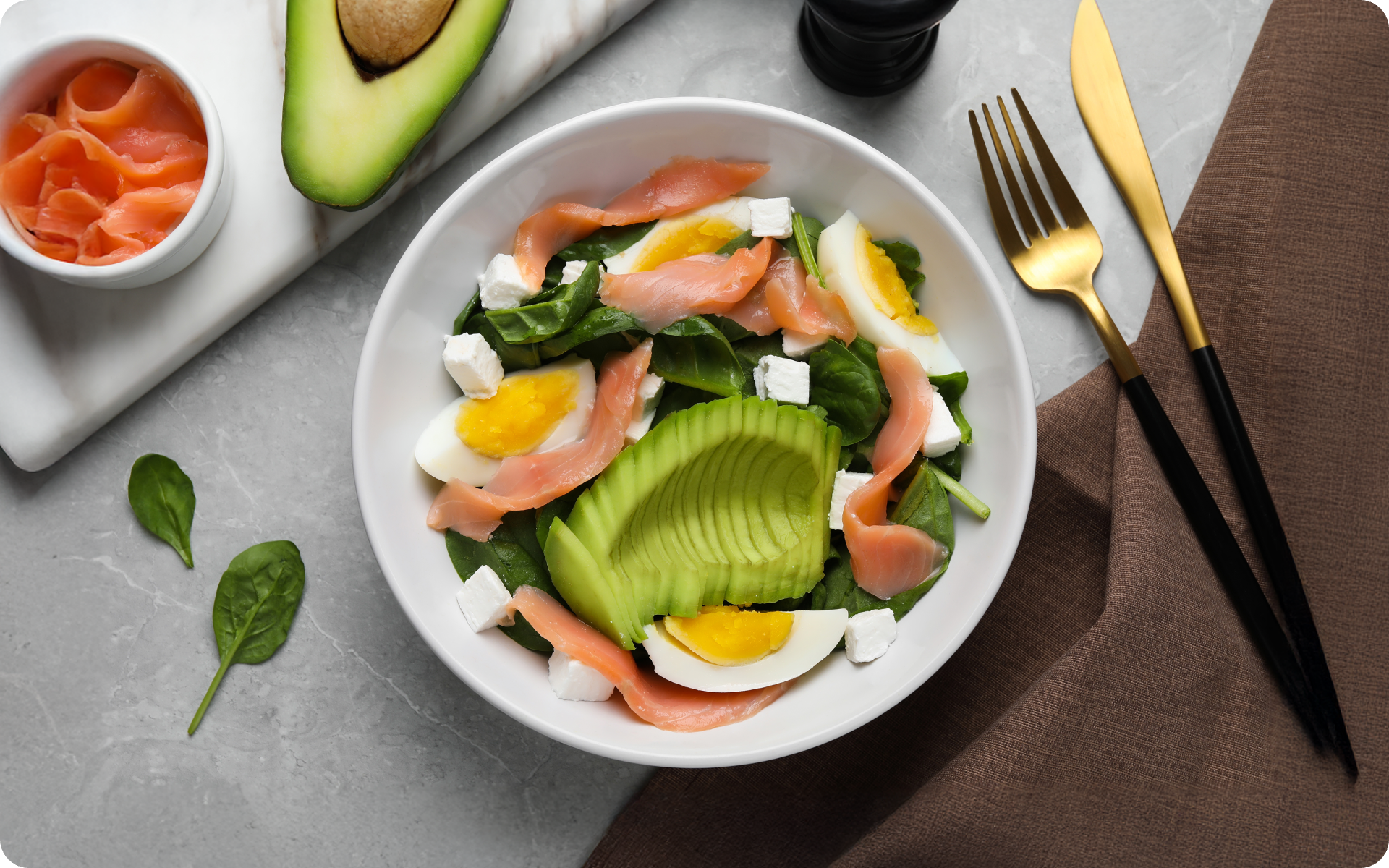
- Avocado and avocado oil
- Olives and olive oil
- Coconut oil
- Butter
- Nuts and seeds, and their butters
- Fatty fish
- Whole eggs
- Full-fat Greek yogurt
- Cheese, particularly hard ones
Step 3: Eat Moderate Protein
Protein is vital for overall health and well-being, particularly if your goal is weight loss. However, eating excessive amounts of protein may make ketosis harder for some people, as excess protein can be converted into glucose (1).
The good thing is that some of the quality protein sources you can include will also help contribute to your fat intake:
- Meat: beef, pork, chicken, and turkey in all their forms.
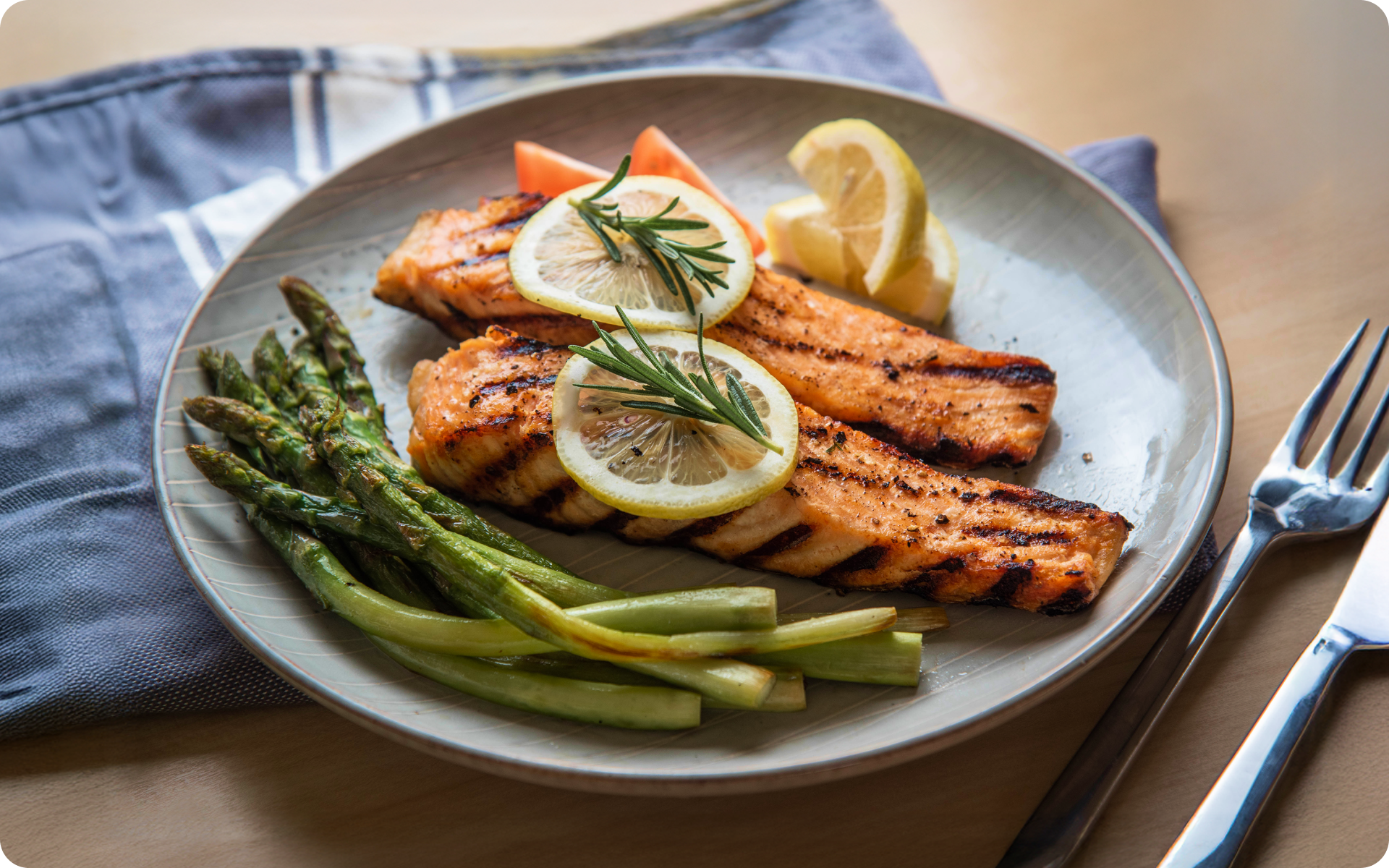
- Fatty fish: salmon, trout, tuna, and mackerel
- Whole eggs
- Cheeses and full-fat Greek yogurt
- Nuts and seeds, and their butters
BetterMe can help you add more structure to your daily wellness routine with workouts, meal planning tools, and habit-building features. Explore the app and take a practical step toward a routine that feels more manageable for you.
Step 4: Stay Hydrated
We all know that hydration is essential for overall health, but it’s particularly true when following a keto diet. As carbohydrate intake reduces, your body releases more stored water along with electrolytes.
Staying well hydrated and consuming foods that are rich in sodium, potassium, and magnesium can help minimize common symptoms often referred to as the “keto flu”, which refers to a collection of symptoms that are usually experienced within the first few days of starting a keto diet.
Symptoms may include headache, brain fog, fatigue, irritability, nausea, sleep disturbances, and constipation (6).

Step 5: Track Your Carbs
As a beginner, you can benefit from tracking your intake to understand carb content and portion sizes. And the good thing is that you probably don’t need to track forever, but spending a few weeks, particularly in the beginning, measuring portions and logging meals can build awareness quickly.
And remember, the goal isn’t perfection—tracking is simply a tool to help you learn what works for your body and build sustainable eating habits over time.
How Many Carbs Should You Eat on Keto?
As previously mentioned, most keto diets limit net carbohydrates to about 20-50 grams per day (2).
What Are Net Carbs?
Net carbs are calculated by subtracting fiber from total carbohydrates, as fiber has less impact on blood sugar.
- Formula: Net carbs = Total carbs – Fiber
Example: one medium avocado has 12 grams of total carbs, but 9 grams of those are fiber, so one medium avocado has only 3 grams of net carbs.
What 20-50 Net Carbs Look Like on a Keto Diet
Here are some common keto-friendly foods and their approximate net carb counts (7):
- Avocado: 1 medium—about 3g net carbs
- Zucchini: 1 cup—about 3g net carbs
- Spinach: 2 cups—about 2g net carbs
- Broccoli: 1 cup—about 4g net carbs
- Cauliflower: 1 cup—about 3g net carbs
- Almond: 1 oz—about 3g net carbs
- Cheddar cheese: 1 oz—about 1g net carbs
- Salmon: 6 oz—0g net carbs
- Chicken thigh: 1 thigh—0g net carbs
- Egg: 2 large eggs—about 1g net carbs
What Foods Can You Eat on Keto?
The keto diet focuses on nutrient-dense foods that are naturally low in carbohydrates. For those following a keto diet for vegetarians, foods such as eggs, full-fat dairy, nuts, seeds, avocados, and low-carb vegetables can help provide variety while keeping carbohydrate intake low.
Some of the foods you can include daily are:
- Protein: beef, chicken, turkey, pork, eggs, seafood, fish
- Healthy fats: olive oil and other vegetable oils, avocados, nuts, fatty fish
- Nuts and seeds
- Dairy in moderation (high in saturated fat): cheese, heavy cream, Greek yogurt (unsweetened), cottage cheese
- Low-carb fruits and vegetables: spinach, kale, broccoli, cauliflower, zucchini, bell peppers, mushrooms, strawberries, raspberries, blackberries.
What Foods Should You Limit on Keto?
Many foods are considered healthy, but they’re too high in carbs, so they should be limited if you’re planning on following a keto diet.
Foods you should limit or avoid:
- Breads
- Pasta
- Grains such as rice, oats, barley, etc
- Starchy vegetables such as potatoes, sweet potatoes, corn, and yucca.
- Sugary cereals
- Candy
- Sugary soda
- Fruit juices
- Most regular desserts
- Beans and legumes
- Most fruits
- Sweetened yogurt
While whole grains, legumes, fruits, and vegetables can be wholesome foods in other circumstances, they are too rich in carbs for this particular diet and will make you exceed your daily carb limit quickly.

How Do You Build a Balanced Keto Meal?
A balanced keto meal should follow the simple formula of:
Protein + low-carb vegetables + healthy fat
- Choose a moderate portion of high-protein foods such as:
- Chicken
- Turkey
- Beef
- Fish
- Eggs
- Fill part of the plate with low-carb vegetables such as:
- Leafy greens
- Broccoli
- Cauliflower
- Zucchini
- Add healthy fats for satiety and energy, including:
- Olive oil
- Avocado
- Nuts, nut butters, or seeds
- Moderate amounts of cheese or butter
This structure makes meal planning easier and helps maintain nutritional balance.
BetterMe Well-Being Coach app can help you build a more structured approach to your wellness routine with meal plans, workouts, and habit-tracking tools. Start using the app to explore options that may support your personal fitness and nutrition goals.
Keto Breakfast Ideas
Breakfast on keto should be filling, protein-rich, and low in carbs. Here are some examples:
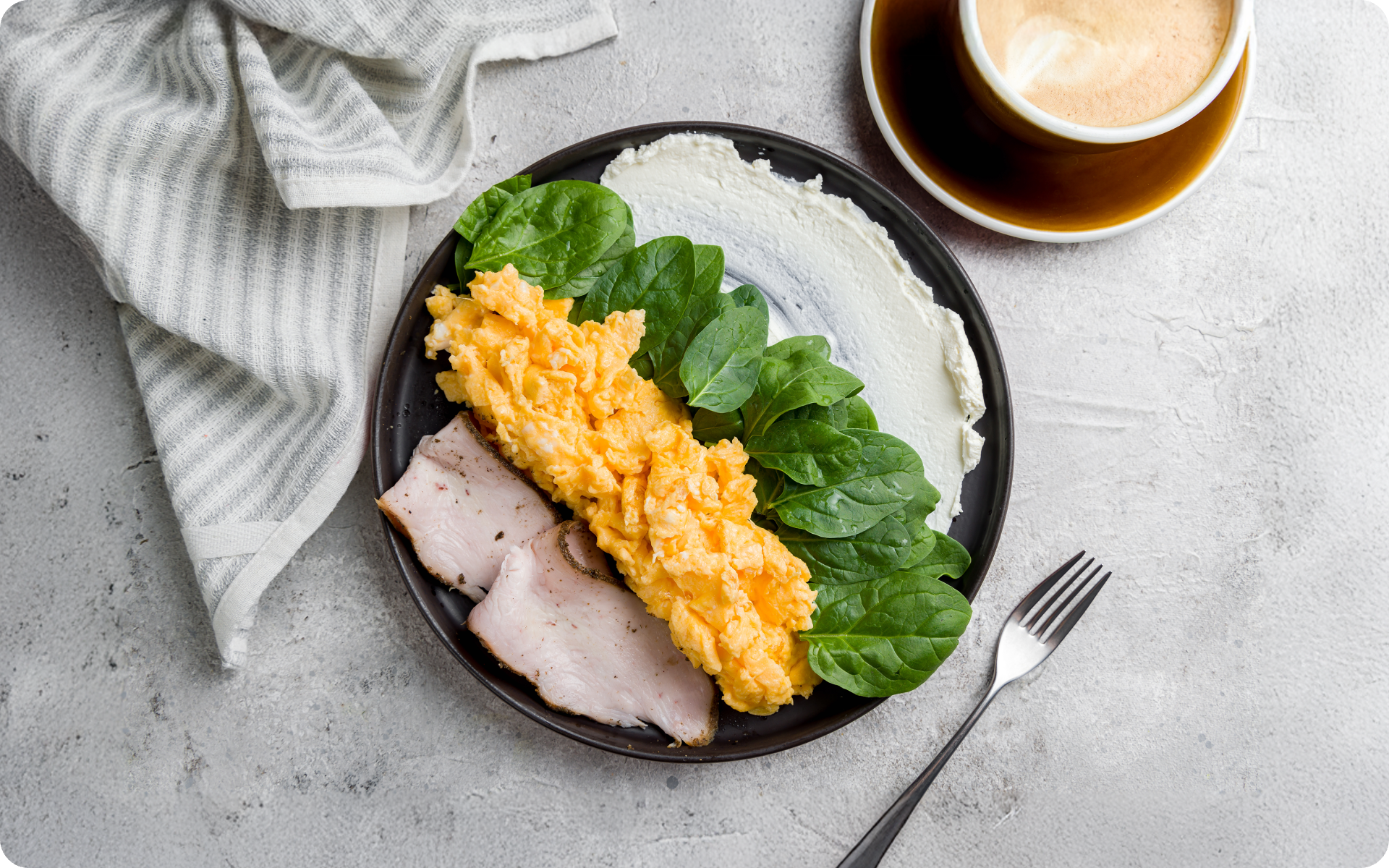
- Egg scrambled in olive oil with avocado and bell pepper
- Omelet with cheese, spinach, and mushrooms
- Unsweetened Greek yogurt with chia seeds and berries
- Keto smoothie made with unsweetened almond milk, spinach, nut butter, and protein powder
- Bacon and eggs in moderation
- Cottage cheese with a small serving of berries
Keto Lunch Ideas
Lunches are often simple, easy to prepare ahead of time, and built around protein and healthy fats. Examples include:
- Chicken salad with olive oil mayo, celery, and lettuce wraps
- Bunless burger with cheese, avocado, and salad
- Tuna salad served over greens
- Cobb salad with eggs, bacon, chicken, avocado, and blue cheese
- Turkey lettuce wraps
- Egg salad with low-carb vegetables
- Dinner leftovers repurposed for lunch
Keto Dinner Ideas
Dinner usually includes a protein source, low-carb vegetables, and healthy fats. Here are some ideas:
- Salmon with roasted asparagus or broccoli
- Steak with garlic butter broccoli
- Roasted chicken thighs with cauliflower mash
- Zucchini noodles with meat sauce and parmesan cheese
- Shrimp stir-fry with low-carb vegetables
- Beef tacos served in lettuce wraps
- Pork chops with asparagus
- Grilled chicken with cauliflower rice
Easy Keto Snacks for Beginners
Snacks can help reduce cravings while adjusting to keto. You should choose packaged keto snacks carefully, as some products may still contain hidden sugars or excess calories. Choose from the following:
- Hard-boiled eggs
- Cheese sticks
- Olives
- Almonds or walnuts
- Celery with cream cheese
- Low-sugar beef jerky
- Avocado slices
- Dark chocolate (90% cocoa or higher)
Read more: 50 Low-Carb Snacks List For Keto Diet
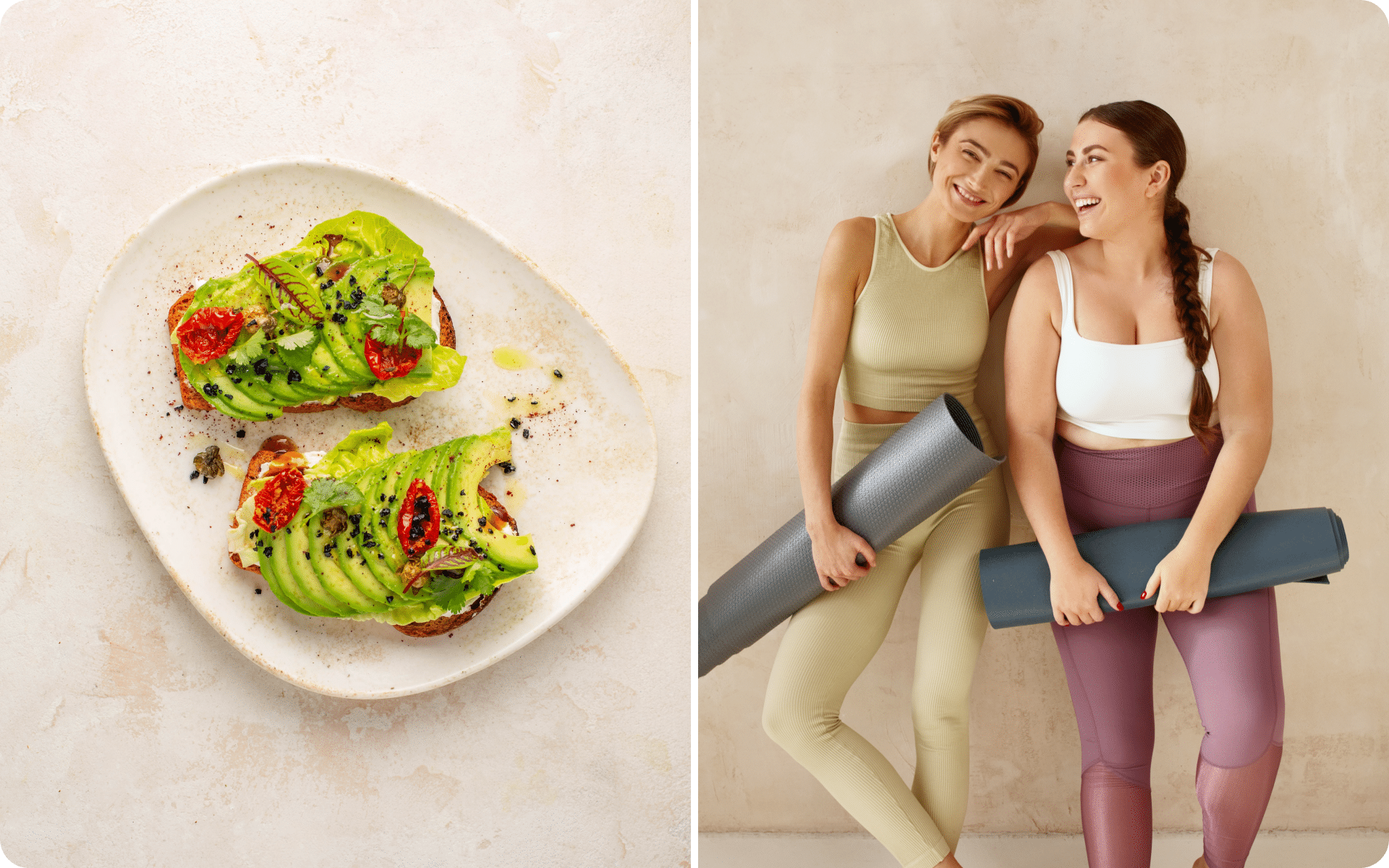
Simple 7-Day Keto Meal Plan
Here’s a sample, easy keto meal plan for a week. If you’re following a keto intermittent fasting meal plan, these meals can also be adjusted to fit your preferred eating window and meal schedule.
Day 1
* Breakfast: Scrambled eggs with avocado
* Lunch: Chicken salad lettuce wraps
* Dinner: Salmon with roasted broccoli
Day 2
* Breakfast: Greek yogurt with chia seeds and berries
* Lunch: Bunless burger with salad
* Dinner: Steak with cauliflower mash
Day 3
* Breakfast: Cheese omelet with spinach
* Lunch: Tuna salad lettuce wraps
* Dinner: Shrimp stir-fry with low-carb vegetables
Day 4
* Breakfast: Keto smoothie with almond milk and nut butter
* Lunch: Cobb salad
* Dinner: Roasted chicken thighs with zucchini

Day 5
* Breakfast: Bacon and eggs
* Lunch: Leftover salmon salad
* Dinner: Beef tacos in lettuce wraps
Day 6
* Breakfast: Cottage cheese with berries
* Lunch: Egg salad with greens
* Dinner: Pork chops with asparagus
Day 7
* Breakfast: Spinach and cheese omelet
* Lunch: Turkey lettuce wraps
* Dinner: Grilled chicken with cauliflower rice
A simple meal rotation often works better than constantly searching for complicated recipes. Repeating favorite meals can make keto easier, more affordable, and easier to maintain in the long term.
What Are Some Common Keto Mistakes Beginners Make?
The most common struggles of beginners are usually avoidable mistakes. All it takes is a bit of planning and understanding the carb limit that works best for you.
Eating Too Many Carbs
Hidden sugars in pre-made sauces, drinks, and snacks are a common issue, and they can interfere with ketosis.
Not Eating Enough Electrolytes
Low sodium and potassium levels can contribute to headaches and fatigue, keto-flu symptoms, which makes the first days more challenging than they need to be.
Eating Excessive Protein
While protein is essential, eating too much isn’t always the best policy. Too much protein may slow ketosis for some people as it can be converted into glucose.
Fear of Healthy Fat
On a keto diet, fat becomes the main energy source, so don’t be afraid to add sufficient healthy fats throughout your day. This will help you reach the ketosis state.
Not Planning Meals
Lack of preparation often leads to poor food choices, such as high-carb convenience foods.

FAQs
Is keto a good fit for everyone?
A keto diet may not be appropriate for everyone, particularly for people with certain pre-existing medical conditions, such as diabetes, kidney disease, and liver disease, or those who are taking medications, who are pregnant or breastfeeding, or have a history of eating disorders.
What are net carbs on keto?
Net carbs are the digestible carbohydrates that affect blood sugar levels. Tracking them can help people on a keto diet remain within their daily carb targets while still eating some fiber-rich foods. To get the net carb content, you need to subtract the fiber content from the total carb content.
Can I eat fruit on keto?
Only a handful of fruits are keto-friendly, and they should be eaten in moderation. The best options are strawberries, raspberries, and blackberries.
Can I eat dairy on keto?
Yes. Many dairy products fit well into keto as they are high in fat and low in carbs. Just make sure that you check the label for added sugars. Good options include cheese, heavy cream, butter, and unsweetened Greek yogurt. It’s still a good idea to practice moderation, as dairy is high in saturated fats, which aren’t the kind of healthy fats you should prioritize.
Is keto good for weight loss?
Evidence has shown that a well-planned keto diet could help support short-term weight loss by reducing appetite and improving satiety. However, keto isn’t the only effective diet for weight loss, and it may be difficult to maintain in the long term. Any diet works for weight loss by reducing your overall calorie intake, so that should be your priority, together with nutritional balance and quality.
The Bottom Line
Starting the keto diet can feel overwhelming at first, but keeping things simple can make the transition a lot easier. One of the biggest takeaways here is that preparation is paramount if you’re to reach consistency, and this matters more than perfection.
Focusing on whole, nutrient-dense foods such as eggs, fish, meat, low-carb vegetables and fruits, nuts, seeds, avocado, and healthy oils can help support energy levels, satiety, and blood sugar management while following keto. Tracking carbs during the initial weeks can also help raise awareness of portion sizes and hidden sources of sugar.
However, it’s important to remember that the keto diet can be more restrictive than many other eating patterns. While some people may find it helpful for weight loss or hunger management, it may not be suitable or sustainable for everyone in the long term.
Nutrition isn’t one-size-fits-all, so if you’re interested in trying a keto diet, you should check with your doctor or a registered dietitian to determine whether keto is a good fit for your individual health needs and goals.
DISCLAIMER:
This article is intended for general informational purposes only and does not serve to address individual circumstances. It is not a substitute for professional advice or help and should not be relied on for making any kind of decision-making. Any action taken as a direct or indirect result of the information in this article is entirely at your own risk and is your sole responsibility.
BetterMe, its content staff, and its medical advisors accept no responsibility for inaccuracies, errors, misstatements, inconsistencies, or omissions and specifically disclaim any liability, loss or risk, personal, professional or otherwise, which may be incurred as a consequence, directly or indirectly, of the use and/or application of any content.
You should always seek the advice of your physician or other qualified health provider with any questions you may have regarding a medical condition or your specific situation. Never disregard professional medical advice or delay seeking it because of BetterMe content. If you suspect or think you may have a medical emergency, call your doctor.
SOURCES:
- Diet Review: Ketogenic Diet for Weight Loss (n.d., hsph.harvard.edu)
- The Ketogenic Diet: Clinical Applications, Evidence-based Indications, and Implementation (2025, ncbi.nlm.nih.gov)
- Timeline: Ketogenic Diet Therapy for Epilepsy | The Johns Hopkins Epilepsy Center (n.d., hopkinsmedicine.org)
- Beyond weight loss: a review of the therapeutic uses of very-low-carbohydrate (ketogenic) diets (2013, pmc.ncbi.nlm.nih.gov)
- The Effects of Ketogenic Diet on Insulin Sensitivity and Weight Loss, Which Came First: The Chicken or the Egg? (2023, pmc.ncbi.nlm.nih.gov)
- What is keto flu? (n.d., health.harvard.edu)
- FoodData Central (n.d., fdc.nal.usda.gov)
 Reviewed by