A calisthenics shoulder workout uses your own bodyweight to build shoulder strength—no weights needed. You can train your shoulders with moves such as pike push-ups, military presses, and bear crawls. Most people see steady progress by training shoulders about 2 times per week, using 2-4 sets of 6-12 reps.
Calisthenics means training with your own bodyweight instead of machines or free weights. A calisthenics shoulder workout puts that idea to work on your shoulders. This guide is for anyone who wants stronger, more capable shoulders—beginners, busy people, and older trainees alike.
You’ll find a complete routine, beginner-friendly options, progressions, and answers to common questions. Everything here uses simple movements you can do in a small space at home. You adjust the difficulty by changing your body angle, not by adding plates. Individual experience can vary, but this approach tends to work well at home with little to no gear.
How Does Calisthenics Train the Shoulders?
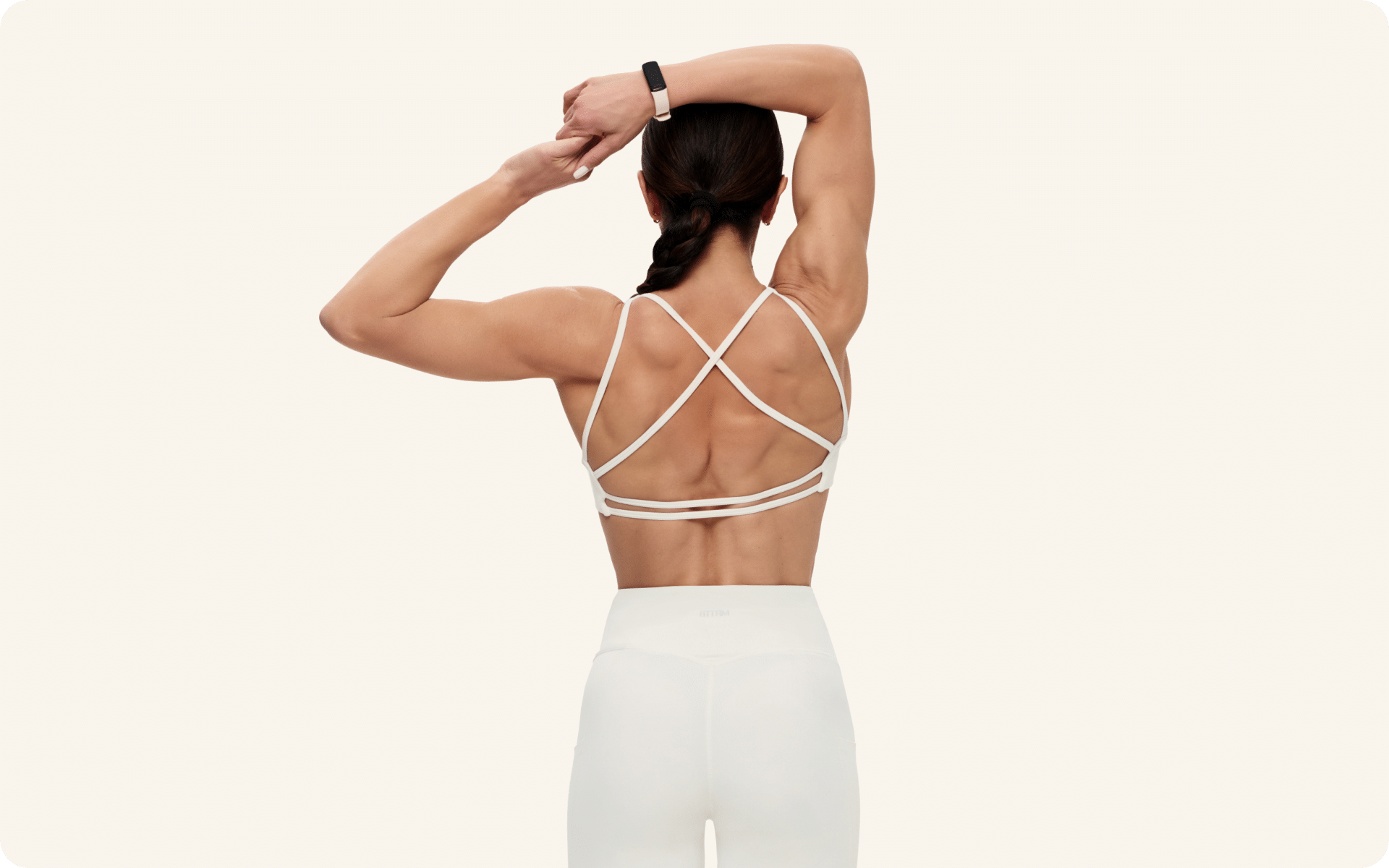
Calisthenics trains the shoulders by using your bodyweight to push, press, and hold positions overhead. Your shoulders are composed of a ball-and-socket joint that gives them the ability to move your arms through a large range of motion.
Technically, the “shoulders” consist of a group of muscles such as your shoulder cuff muscles. The primary shoulder muscles that everyone wants to train are called the “deltoids” or “delts”. The deltoids are composed of three muscle heads that function together for overhead pressing movements but also have their own individual function:
- Front (anterior): Works during pushing and pressing
- Side (lateral): Works during overhead and wide movements
- Rear (posterior): Works during pulling and reaching
Bodyweight shoulder exercises load these muscles by changing your body angle. The more vertical your torso, the more your shoulders do the work (2, 3).
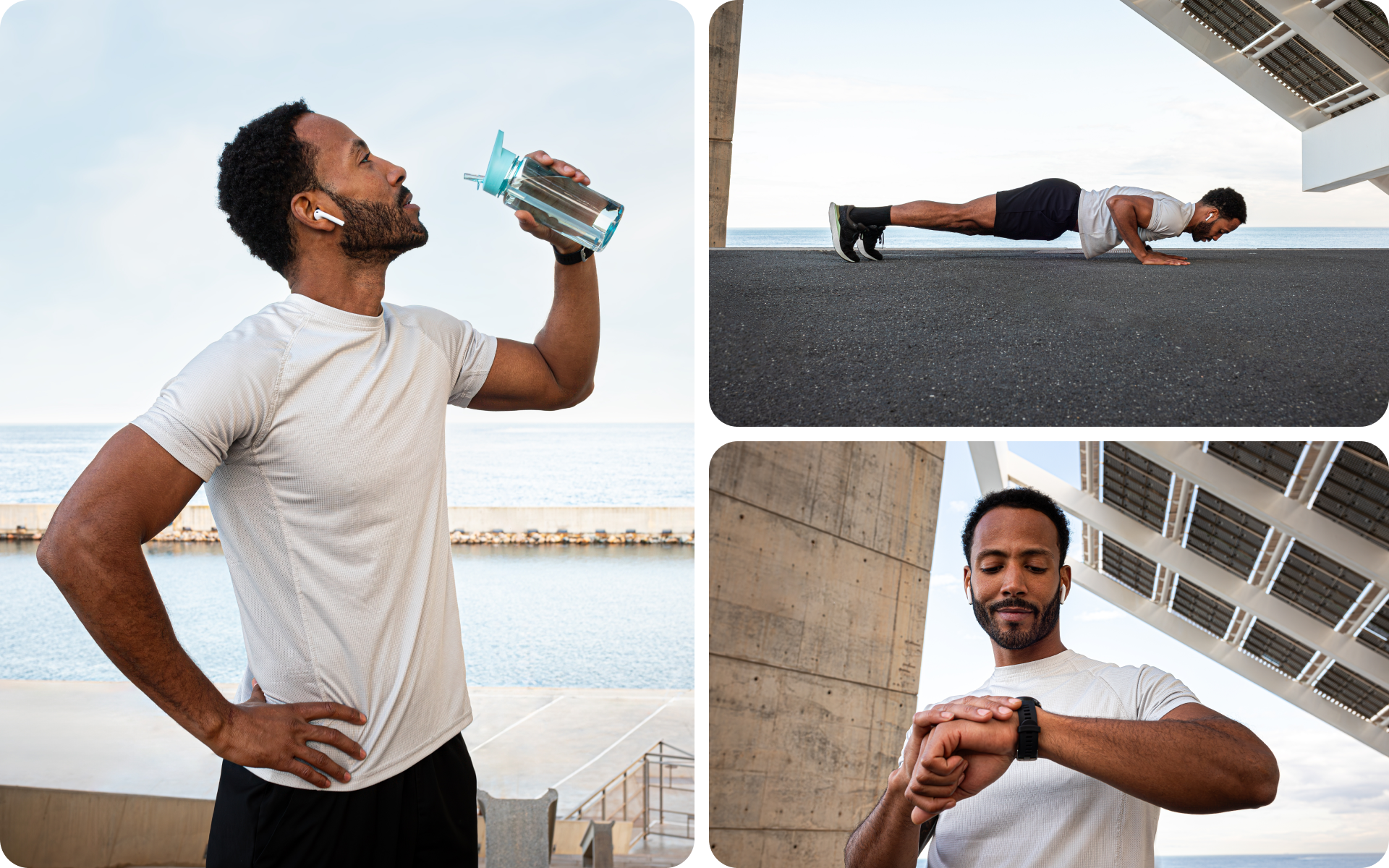
For example, a flat push-up shares the load with your chest. A pike push-up—where your hips lift high—shifts more effort to your shoulders. Combining both variations can help you create a balanced chest and shoulder workout using only your body weight.
To build muscle, you need enough effort. A common guide is RPE 7-9. RPE means rate of perceived exertion and is scored 1-10. At RPE 7-9, you stop with 1-2 reps left in the tank (4).
What Is a Complete Calisthenics Shoulder Workout?
A complete calisthenics shoulder workout includes pushing and rear-shoulder moves done over 2-4 sets each. This mix targets the front, side, and rear of your shoulders for balanced shoulder strength calisthenics.
The routine below works well at home. Rest for 60-90 seconds between lighter sets. Rest for 2-3 minutes between harder sets. Lower yourself slowly, taking 2-3 seconds on the way down.
| Exercise | Sets | Reps | Rest | Focus |
|---|---|---|---|---|
| Pike push-up | 3 | 6-12 | 90 secs-3 mins | Front and side shoulder |
| Military press | 3 | 8-12 | 90 secs | Front shoulder, triceps |
| DF glide | 2 | 6-10 | 90 secs | Shoulders, mobility |
| Bear crawl | 2 | 30-40 secs | 60-90 secs | Whole-shoulder control |
| Y cuff | 2 | 10-15 | 60 secs | Rear shoulder |
Read more: Military Workouts at Home for Beginners: How to, Exercises, and Tips
Aim to finish in about 25-30 minutes. Individual experience can vary, so adjust reps and rest to match your level.
Pike Push-Up
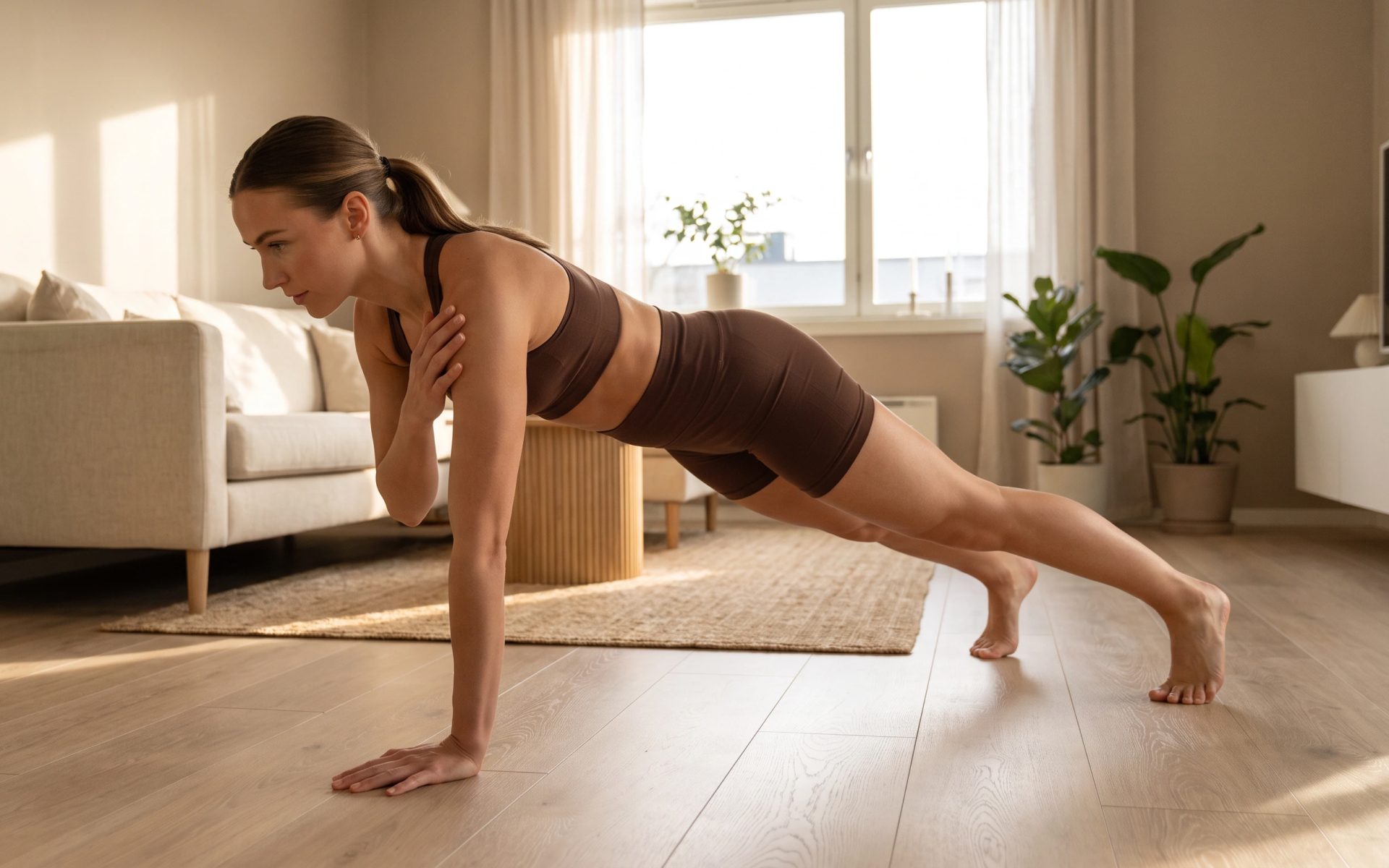
- Start in a push-up position.
- Walk your feet in and lift your hips high, making an upside-down V.
- Keep your arms straight and your head between your hands.
- Bend your elbows and lower your head toward the floor.
- Press back up slowly, taking 2-3 seconds on the way down.
Military Press
- Get into a downward-facing position with your hips high.
- Place your hands on the floor, slightly wider than shoulder-width apart.
- Keep your elbows in a middle position—not flared, not tucked.
- Bend your elbows and lower your head toward the floor.
- Press back up to the start. To make it easier, raise your hands on a chair.
DF Glide
- Begin in a push-up position.
- Lower your chest toward the floor in a smooth arc.
- Glide forward, then push your hips up into the air for a stretch.
- Return to the start with control.
- To make it easier, “worm” yourself back to the top.
Bear Crawl
- Start on your hands and knees.
- Lift your knees a few inches off the floor.
- Move your opposite hand and foot forward together.
- Keep your hips low and back flat.
- Crawl for 30-40 seconds.
Y Cuff
- Lie face-down on the floor.
- Stretch your arms overhead into a Y shape.
- Keep your thumbs pointing up.
- Lift your arms a few inches off the floor.
- Lower them slowly and repeat.
How Can Beginners Modify the Workout?
Beginners can modify the workout by placing their hands on a raised surface to reduce the load. This makes each move more accessible while you build strength. Wall shoulder exercises can provide an even gentler starting point by reducing the amount of body weight placed on the upper body.
A beginner calisthenics shoulder workout works best when you start with easier angles. Here are simple swaps:
- Pike push-up: Place your hands on a chair or couch instead of the floor.
- Military press: Put your hands on an elevated surface to lighten the press.
- DF glide: Focus only on the slow lowering phase, then reset.
- Bear crawl: Crawl for 15-20 seconds instead of 30-40.
Start with 1-2 sets of 4-8 reps. Build up to 2-4 sets of 6-12 reps over a few weeks.
If a move feels too hard, control the downward part and “cheat” your way back up. This keeps the effort gentle on your body while you grow stronger. Individual progress can vary, so move at your own pace.
These no-equipment shoulder exercises only require a small space and a sturdy chair. You can do them at home any day of the week.
Workouts, weight management tools, and recipe ideas come together in the BetterMe Well-Being Coach app, giving you practical support for building a more consistent wellness routine.
How Do You Progress from Pike Push-Ups to Handstand Push-Ups?
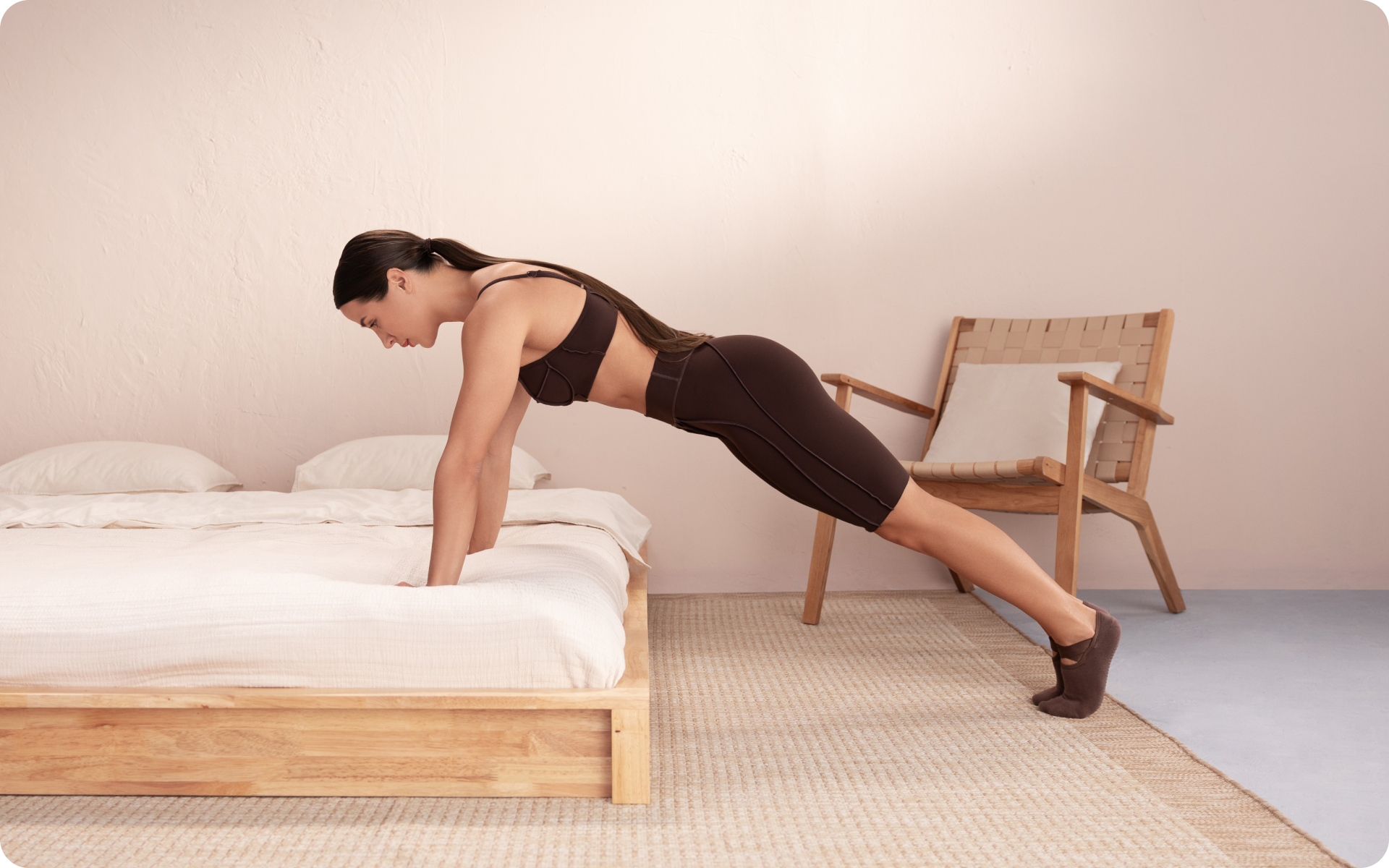
You progress by gradually raising your feet higher, which shifts more body weight onto your shoulders. Progression means slowly increasing difficulty over time so your muscles keep adapting (5).
This calisthenics shoulder progression follows clear steps. Move to the next step only when you can do 8-12 clean reps at the current one.
| Step | Move | Goal before advancing |
|---|---|---|
| 1 | Pike push-up (feet on floor) | 3 sets of 8-12 reps |
| 2 | Pike push-up (feet on a chair) | 3 sets of 8-12 reps |
| 3 | Elevated pike push-up (feet higher) | 3 sets of 6-10 reps |
| 4 | Wall handstand hold | 30-45-second hold |
| 5 | Wall handstand push-up | 3 sets of 3-6 reps |
Take your time with each step. Many people spend 2-4 weeks at a level before moving on. Individual timelines can vary widely.
Keep your lowering phase slow—about 2-3 seconds. This controlled tempo helps you build strength with calisthenics gains and better control at each stage (6).
How Can You Train the Rear Shoulders with Calisthenics?
You train the rear shoulders with pulling and reaching moves that draw your arms back and up. Pushing alone tends to miss the back of the shoulder, so these add balance.
Many bodyweight routines focus on pressing. This can leave the rear delts undertrained. These shoulder calisthenics moves help even things out:
- Y cuffs: Lift your arms into a Y while lying face-down.
- Let-me-ins: Loop a towel around a sturdy pole and pull your body in.
- Let-me-ups: Lie under a sturdy table and pull your chest toward the edge.
- Twists and reaches: Rotate your upper back and reach one arm overhead.
Try 2-3 sets of 10-15 reps for these. Use a lighter effort here, around RPE 7, and rest for 60 seconds between sets.
Balanced shoulders tend to feel more capable in daily movement. Pulling moves also support good posture for many people (7). Individual results can vary based on your starting point and consistency.
Read more: Calisthenics Beginners’ Workout: Exercises, Tips, and FAQs
How Often Should You Train Your Shoulders?
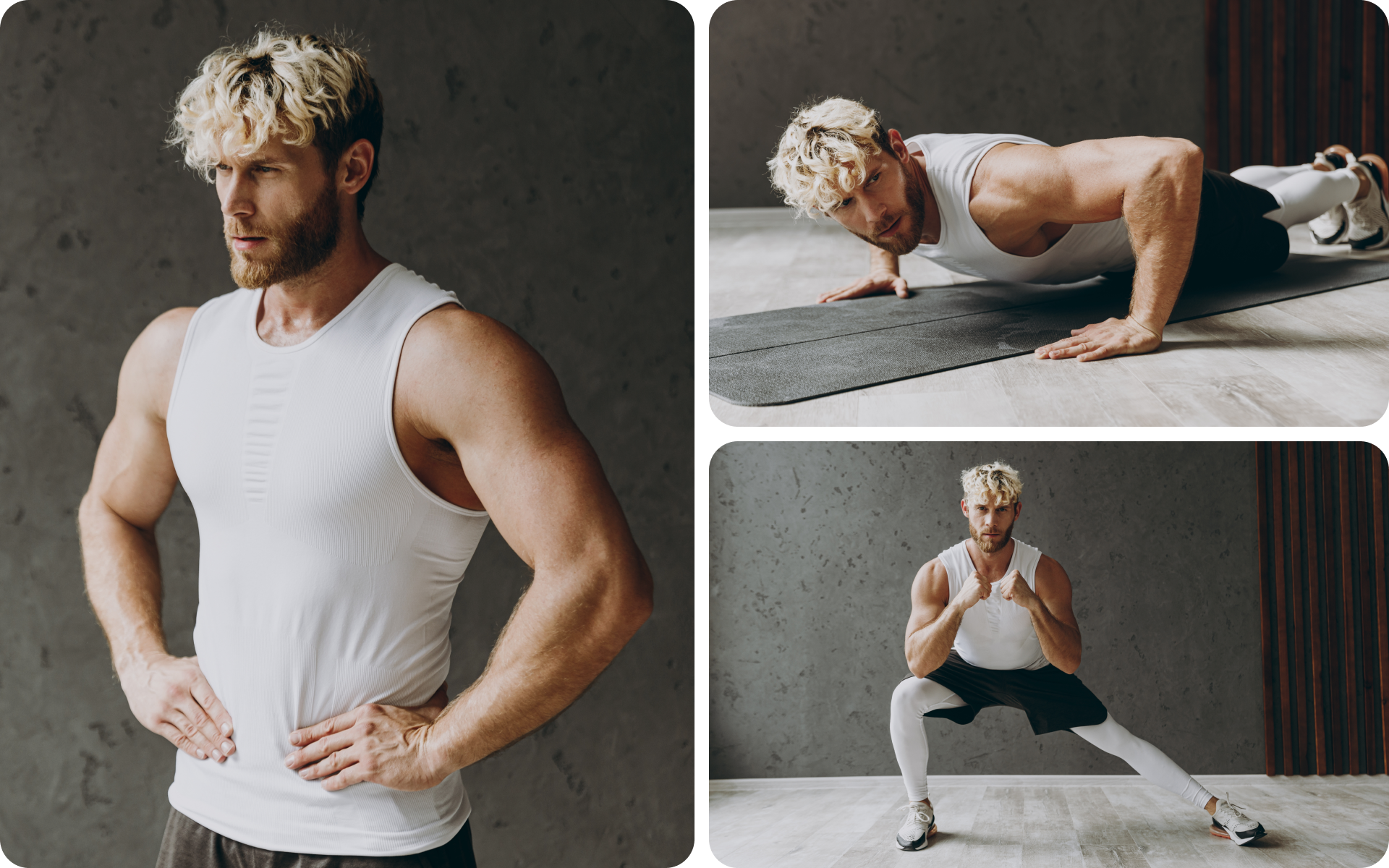
You can train your shoulders about 2-4 times per week for steady results. Spreading work across 2-4 total weekly sessions tends to support muscle growth (6).
A bodyweight shoulder workout fits easily into a weekly plan. You can perform the complete routine on a dedicated shoulder day or divide the exercises between your upper-body sessions. Below are some sample schedules. Pick the one that matches your time.
| Schedule | Shoulder sessions | Rest between | Best for |
|---|---|---|---|
| Full body (3x/week) | 2 shoulder-focused days | 48 hours | Beginners, busy people |
| Upper/lower split | 2 upper-body days | 48-72 hours | Intermediate trainees |
| Push/pull/legs | 1-2 push and pull days | 48 hours | Experienced trainees |
A few simple guidelines help:
- Leave at least 48 hours between hard shoulder sessions.
- Keep total weekly strength training around 90 minutes or less.
- Aim for 7-8 hours of rest each night, as muscles change during rest.
Consistency tends to matter more than any single session. Small, frequent workouts often beat large, rare ones (8). Individual experience can vary, so listen to your body.
What Form Mistakes Should You Avoid?
The most common mistake is rushing the movement instead of using a slow, controlled tempo. Speeding through reps reduces the effort your shoulders actually feel.
Watch for these form slips during your shoulder workout without weights:
- Flaring elbows too wide: Keep them in a middle position during presses.
- Dropping the head fast: Lower over 2-3 seconds for better control.
- Sagging hips in bear crawls: Keep your back flat and hips low.
- Holding your breath: Breathe out as you press up.
- Pushing to failure every set: Stop with 1-2 reps in reserve, around RPE 7-9.
Quality beats quantity here. A few clean reps tend to help more than many sloppy ones.
If a move causes sharp discomfort, stop and rest. Switch to an easier version, such as raising your hands on a chair. This keeps your training gentle while you build skill.
Warm up for 3-5 minutes before you start. Arm circles and shoulder rolls work well. A short warm-up tends to make these calisthenics shoulder exercises feel smoother.
BetterMe offers a variety of workouts, recipes, challenges, and support tools to help you stay more consistent with your wellness routine. Explore the app to find features that fit your goals, preferences, and schedule.

FAQs
Are push-ups enough to train the shoulders?
Push-ups primarily target the anterior delts, hit the lateral delts, and miss the anterior delts. To target your shoulders more, try pike push-ups or military presses, where your torso is more vertical. These shift more effort onto the deltoids. For balanced shoulders, add a rear-shoulder move such as Y cuffs. A varied mix tends to work better than push-ups alone (3).
Can calisthenics build broader shoulders?
Calisthenics can help build wider-looking shoulders by growing the side deltoid muscle over time. Moves like pike push-ups
Growth depends on consistent effort, enough volume—around 2-4 sets per session—and rest. Most people train shoulders 2 times per week (6). Individual results can vary based on genetics, effort, and how long you stay consistent.
Do you need parallel bars or a pull-up bar?
You don’t need parallel bars or a pull-up bar for a basic shoulder routine. Pike push-ups, military presses, and bear crawls need only floor space. A sturdy chair helps with modifications.
A pull-up bar or table can add pulling moves for the rear shoulders later. For now, your body weight and a small space are plenty to start.
Why do pike push-ups feel harder than regular push-ups?
Pike push-ups feel harder because your hips lift high, placing more body weight over your shoulders. With a flat push-up, your chest shares the load. With a pike, your shoulders carry most of the work, much like a standing press. The steeper angle increases the challenge (3). That extra demand is exactly what builds shoulder strength over time (5).
Should your head touch the floor during pike push-ups?
Your head can lightly touch or come close to the floor at the bottom of the movement. Lower slowly, taking 2-3 seconds, and keep the motion controlled. Avoid dropping your head hard or fast. If reaching the floor feels too much, stop a few inches short. You can increase your range as you grow stronger.
Can you train your shoulders and chest on the same day?
You can train shoulders and chest on the same day, as both work during pushing moves. Many push-day routines combine them. Start with the harder move while you feel fresh—often the shoulder press.
Keep total volume reasonable, around 2-4 sets per muscle. Rest for 60-90 seconds between sets. This pairing tends to save time for busy schedules.
Should beginners practice handstands?
Beginners can practice handstands gently, starting against a wall for support. Build wrist and shoulder readiness first with pike push-ups and short wall holds of 20-30 seconds. Progress slowly over several weeks. Skip free-standing handstands until your wall holds feel controlled. Move at your own pace, as individual timelines vary. A spotter or open space adds comfort while you learn.
The Bottom Line
A calisthenics shoulder workout gives you a simple, low-impact way to build shoulder strength at home with little or no gear. Mix pushing and rear-shoulder moves, train about 2 times per week, and progress as you feel ready. Your results can vary, so honor your own pace.
DISCLAIMER:
This article is intended for general informational purposes only and does not serve to address individual circumstances. It is not a substitute for professional advice or help and should not be relied on for making any kind of decision-making. Any action taken as a direct or indirect result of the information in this article is entirely at your own risk and is your sole responsibility.
BetterMe, its content staff, and its medical advisors accept no responsibility for inaccuracies, errors, misstatements, inconsistencies, or omissions and specifically disclaim any liability, loss or risk, personal, professional or otherwise, which may be incurred as a consequence, directly or indirectly, of the use and/or application of any content.
You should always seek the advice of your physician or other qualified health provider with any questions you may have regarding a medical condition or your specific situation. Never disregard professional medical advice or delay seeking it because of BetterMe content. If you suspect or think you may have a medical emergency, call your doctor.
SOURCES:
- Shoulder Muscles (2021, my.clevelandclinic.org)
- A predictive model for vertical ground reaction force during incline push-ups (2025, nature.com)
- Shoulder electromyography activity during push-up variations: a scoping review (2021, pmc.ncbi.nlm.nih.gov)
- Validity of Rating of Perceived Exertion Scales in Relation to Movement Velocity and Exercise Intensity During Resistance-Exercise: A Systematic Review (2021, pmc.ncbi.nlm.nih.gov)
- Effects of Resistance Training Overload Progression Protocols on Strength and Muscle Mass (2024, pubmed.ncbi.nlm.nih.gov)
- Maximizing Muscle Hypertrophy: A Systematic Review of Advanced Resistance Training Techniques and Methods (2019, mdpi.com)
- Effects of Stretching or Strengthening Exercise on Spinal and Lumbopelvic Posture: A Systematic Review with Meta-Analysis (2024, link.springer.com)
- Effects of one long vs. two short resistance training sessions on training volume and affective responses in resistance-trained women (2022, pmc.ncbi.nlm.nih.gov)
 Reviewed by