
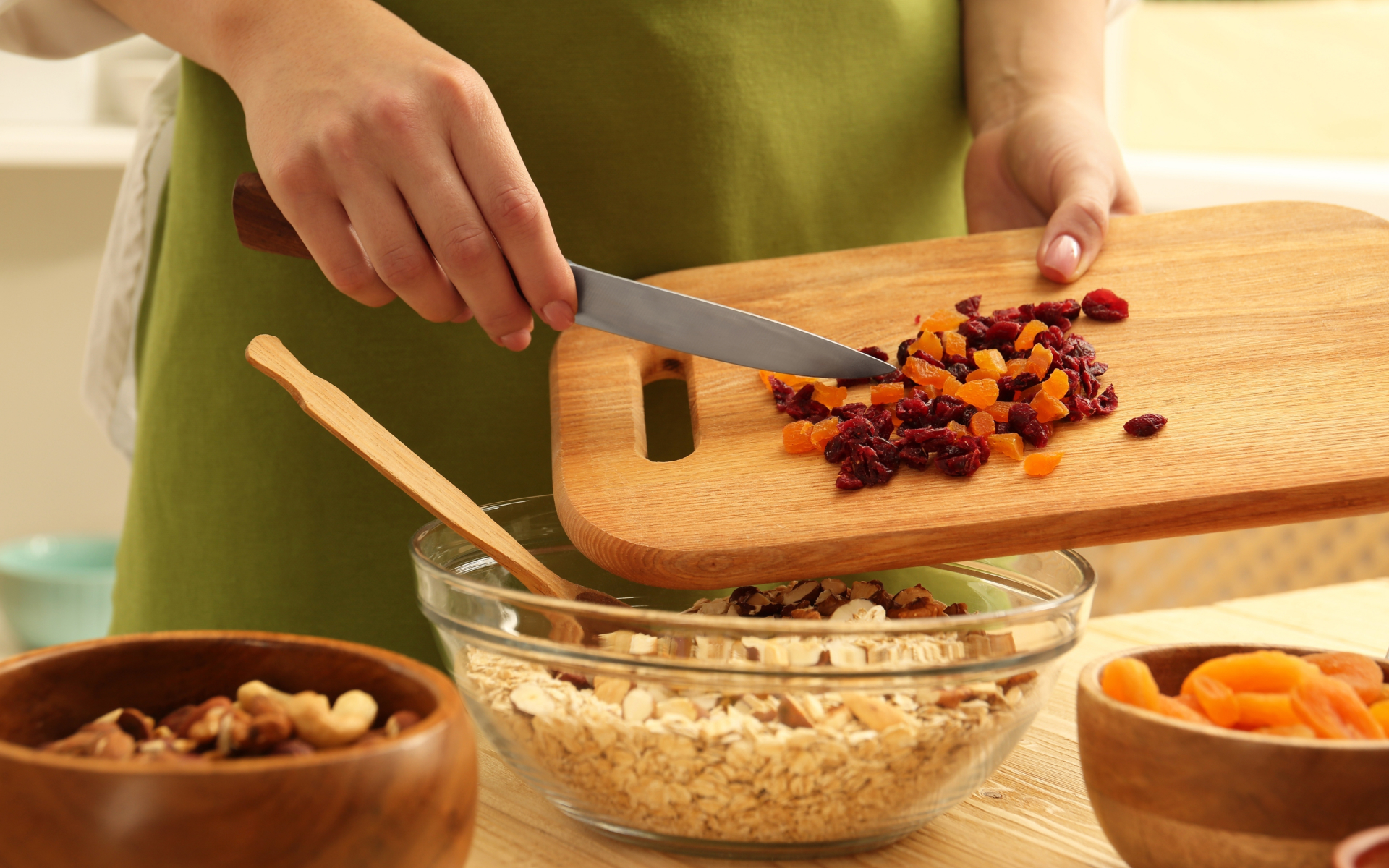
Intermittent fasting and fiber can work together with a little planning. Most adults benefit from roughly 25-38 grams of fiber daily, depending on their age and sex. A shorter eating window can crowd out fiber-rich foods if you’re not paying attention. The simplest approach is including fiber-rich foods at each meal and drinking enough water. A high fiber breakfast, such as oats with chia seeds and berries, can make it easier to start your eating window with a meaningful amount of fiber.
The relationship between intermittent fasting and fiber intake is an important one. When you’re fasting, perhaps on a 16-hour fast with an 8-hour eating window (16:8), you have fewer meals to fit your fiber in. Some people who try fasting notice that without enough fiber, they feel hungrier between meals and less comfortable day to day with poorer energy levels, challenges which all make a fast more difficult to maintain.
This guide is for generally healthy adults who are already practicing intermittent fasting and want to keep their fiber intake steady. Intermittent fasting may not be appropriate for everyone, including people who are pregnant, have a history of disordered eating, have diabetes, or are taking medications that require food timing, so it’s best to speak with a qualified healthcare professional if you’re unsure.
Can Intermittent Fasting Make It Harder to Get Enough Fiber?
Intermittent fasting can make it harder to get enough fiber. The practice doesn’t directly block fiber absorption or create a fiber deficiency on its own. The issue is more practical: when you shorten your eating window, you have fewer opportunities to eat fiber-rich foods such as beans, vegetables, fruit, whole grains, nuts, and seeds. This can make it easier to fall short on total daily fiber intake.
To put it simply:
- Fiber needs don’t decrease just because your eating window is smaller.
- If your meals during fasting are more focused on convenience, protein, or calorie density, fiber often gets crowded out.
- Some intermittent fasting patterns (such as those paired with low-carb or high-protein eating) may lead people to eat fewer total plant foods, which can reduce fiber intake.
That being said, plenty of people can meet fiber goals while fasting if they plan for it. The challenge usually shows up when someone is:
- Eating only 1-2 meals a day
- Skipping fruits, legumes, or whole grains
- Relying heavily on protein shakes, eggs, meat, or processed snack foods
- Trying to keep meals very low-carb without intentionally adding high-fiber foods
A simple way to think about it:
- Intermittent fasting itself isn’t the problem
- A compressed eating schedule can make fiber intake harder to achieve
If your goal is to avoid that, it helps to build each meal around at least one or two fiber sources.

How Much Fiber Do You Need While Intermittent Fasting?
Most adults need about 25-38 grams of fiber per day (1) to support digestive health, cardiovascular health, and steady blood sugar, and fasting doesn’t change that target. Your eating window shrinks, but your daily fiber goal stays the same.
General daily guidance tends to look like this (2):
| Group | Suggested daily fiber |
|---|---|
| Women (under 50) | ~25 grams |
| Women (50+) | ~21 grams |
| Men (under 50) | ~38 grams |
| Men (50+) | ~30 grams |
These are general ranges, and individual needs vary. Your age, activity level, and food preferences all play a role.
To reach your intermittent fasting fiber intake, try splitting the goal across meals. For example, aim for 8-12 grams per meal across two or three meals.
Some research has explored associations between higher fiber intake and markers related to digestion and weight management (3, 4). Outcomes differ from person to person, so use these numbers as a starting point. During a shorter eating window, fiber-rich meals may help some people feel more satisfied and make it easier to build balanced meals. However, fiber doesn’t guarantee a calorie deficit, and individual responses to fasting vary.
A simple way to track progress is checking food labels for grams per serving. If you’re wondering how to get more fiber, start by adding one extra serving of beans, vegetables, fruit, whole grains, nuts, or seeds to one meal each day. Over a few days, you’ll get a feel for what reaches your target.
BetterMe Well-Being Coach app can help you build a more structured approach to your wellness routine with meal plans, workouts, and habit-tracking tools. Start using the app to explore options that may support your personal fitness and nutrition goals.
Which High-Fiber Foods Work Well With Intermittent Fasting?
High-fiber foods that work well include legumes, whole grains, vegetables, fruits, nuts, and seeds (5). These options pack plenty of fiber into single servings, which suits a shorter eating window. Beans and legumes are also moderately high protein sources and are therefore helpful for someone who wants a high ratio of protein to carbohydrate in their diet.
The high-fiber foods chart below can help you compare simple options and choose foods that fit your eating window.
A high-fiber intermittent fasting approach leans on dense, satisfying choices. Here are some reliable picks with approximate fiber per serving, with other legumes, whole grains, fruits, vegetables, nuts, and seeds also viable options:
| Food | Serving size | Fiber (grams) |
|---|---|---|
| Black beans (6) | 1/2 cup cooked | ~7.5 |
| Lentils (7) | 1/2 cup cooked | ~8 |
| Chia seeds (8) | 2 tablespoons | ~10 |
| Raspberries (9) | 1 cup | ~8 |
| Oats (10) | 1/2 cup dry | ~4 |
| Broccoli (11) | 1 cup cooked | ~5 |
| Avocado (12) | 1/2 medium | ~5 |
| Almonds (13) | 1 ounce | ~3.5 |
Mix and match these throughout your window. For example, a lentil bowl plus a cup of raspberries gives you roughly 16 grams in two servings (7, 9). Depending upon your fiber goals, it will generally be helpful to include at least one and up to two higher-fiber foods in each eating window.
Whole foods also tend to keep you fuller longer, which can help during fasting hours. Pairing fiber with protein, such as beans with eggs, adds staying power and lasting satiety (14).
Read more: Intermittent Fasting with a Morning Workout: How to Build a Sustainable Schedule

How Can You Spread Fiber Across a Shorter Eating Window?
You spread fiber by including a fiber source in every meal and snack within your window. This keeps your total steady without forcing one giant high-fiber meal.
Eating large amounts of fiber at once can cause temporary bloating or discomfort for some people (15). Spacing it out tends to feel gentler.
Try this approach for fiber intake during an eating window:
- First meal: Start with 8-10 grams, such as oats topped with berries.
- Second meal: Add 8-10 grams, such as a lentil salad with vegetables.
- Snack or third meal: Finish with 6-8 grams, such as an apple and almonds.
This pattern reaches roughly 22-28 grams across the day. Adjust the portions to match your personal target. For example, if you eat two meals, you could aim for about 12-15 grams per meal, depending on your tolerance. If you eat three, split it into smaller, even amounts.
Drinking water alongside each fiber-rich meal also helps things move comfortably (1). We’ll cover fluids more in a later section.
What Does a High-Fiber Intermittent Fasting Day Look Like?
A high-fiber intermittent fasting day can fit about 25-30 grams of fiber into a typical 8-hour window. The idea is anchoring each meal with a fiber-rich base.
Here’s a sample 16:8 day with an eating window from noon to 8 pm:
| Time | Meal | Fiber estimate |
|---|---|---|
| 12:00 pm | Oatmeal with chia seeds and raspberries | ~14 grams |
| 4:00 pm | Lentil and vegetable bowl with avocado | ~12 grams |
| 7:30 pm | Apple with a handful of almonds | ~6 grams |
This adds up to around 32 grams across three meals. You can scale the portions down if that feels like too much food.
This is just one example, and your preferences matter most. Swap raspberries for pears, or lentils for black beans, based on what you enjoy.
Notice how each meal carries two major fiber sources. This structure can make an intermittent fasting high-fiber diet easier to maintain.
Keep flavors varied so meals stay interesting over time. Repetition can make any eating plan harder to stick with.
Whether you want to refresh your fitness routine, explore lower-calorie recipe ideas, or bring more structure to your wellness habits, BetterMe Well-Being Coach app offers tools that can support your next step. Explore the app and find an approach that works for your lifestyle.

Why Does Fluid Intake Matter When You Increase Fiber?
Fluids matter because fiber absorbs water as it moves through your system. Without enough water, more fiber can lead to bloating or discomfort for some people (16).
Fiber during intermittent fasting needs water to do its job comfortably. As you raise fiber, raise your fluids to match.
General hydration guidance often suggests (17):
- Aim for around 8 cups (about 2 liters) of water daily, although needs go up in bigger and more muscular people and with more time in the heat and humidity.
- Drink a glass with each fiber-rich meal.
- Sip water during fasting hours, since plain water doesn’t break your fast.
For example, if you add 10 extra grams of fiber, pair it with an extra glass or two of water. Listen to your body and adjust as needed.
Other unsweetened drinks such as plain tea or black coffee can count toward fluids. These also fit most fasting protocols.
A quick recap: more fiber, more water. This pairing keeps things moving smoothly for fiber while intermittent fasting.
Read more: How Many Calories Break a Fast? A Practical Approach
What Common Fiber Mistakes Should You Avoid While Fasting?
A common mistake is increasing fiber too quickly, which can cause discomfort (16). A gradual approach tends to feel much better.
Fasting and fiber intake work best when you build up slowly. Try adding 5 grams every few days rather than doubling overnight.
Watch out for these frequent missteps:
- Going too fast: Jumping from 15 to 35 grams in one day may upset your stomach.
- Skipping water: More fiber without more fluids often backfires.
- Relying on supplements: Whole foods provide fiber along with other nutrients, while supplements usually provide a narrower nutrient profile.
- Ignoring variety: Eating only one fiber source limits the benefits.
Here’s a simple solution: spread new fiber-rich foods across the week, and track how you feel.
If you notice ongoing discomfort, ease back and consider speaking with a qualified professional. Everyone’s tolerance differs, so there’s no single right pace.
Balancing fiber and intermittent fasting can take a few weeks of fine-tuning. Be patient with the process, and adjust based on your own experience.

Frequently Asked Questions
Does fiber break a fast?
Yes, fiber from whole foods breaks a fast as it contains calories. Any food with calories, including fiber-rich fruits, vegetables, or beans, ends your fasting period. During the fasting window, many people stick to non-caloric drinks such as water, plain tea, or black coffee (18). Some people use calorie-free psyllium supplements, but check the label first, as many contain added sugars. A simple rule is this: if it has calories, save it for your eating window. This approach is aligned with many common fasting protocols while keeping fiber-rich foods in your eating window. Plan your fiber-rich meals for when your window opens.
Which type of fiber is easier to add to an intermittent fasting diet?
Soluble fiber may be easier for some people to add as it blends smoothly into meals. Soluble fiber dissolves in water and shows up in foods such as oats, beans, the inside of apples, and chia seeds. It mixes well into oatmeal, smoothies, or bowls, but individual tolerance varies. Insoluble fiber, found in whole grains and vegetable skins, adds bulk and works well too (19). For many people, a mix of both feels best across a shorter eating window. Start with foods you already enjoy, then build up slowly. Individual tolerance varies, so notice which sources sit most comfortably for you.
Can you get fiber from drinks during the eating window?
Yes, you can get fiber from drinks during the eating window, particularly blended options. Smoothies made with whole fruit, vegetables, chia seeds, or oats can add several grams of fiber per glass. For example, a smoothie with a cup of raspberries and a tablespoon of chia can offer around 12 grams (8, 9). Fiber supplements stirred into water also count, although whole foods bring extra nutrients. Keep in mind that any drink with calories belongs in your eating window, not your fast. Pair fiber-rich drinks with plain water to help everything move comfortably (1). Sip slowly, as a big dose at once may feel heavy for some people.
Should every intermittent fasting meal contain fiber?
Including fiber in every meal is a helpful goal, but it isn’t a strict rule. Spreading fiber across meals keeps your total steady and tends to feel gentler than one large high-fiber meal. For example, aim for 8-12 grams per meal across two or three meals. That being said, your day still works if one meal is lighter on fiber and another makes up for it. What matters most is reaching your daily target of roughly 25-38 grams (1). Build each meal around at least one fiber source when you can. Individual needs vary, so adjust portions to match your appetite and comfort.
How can you track your daily fiber intake?
You can track your daily fiber intake by checking food labels and logging grams per serving. Most packaged foods list fiber under total carbohydrates, so a quick glance adds up fast (20). For whole foods such as beans, fruit, or oats, a simple app or a short reference chart works well. For example, note that half a cup of lentils gives about 8 grams. Over a few days, you’ll get a feel for what reaches your target without much effort. Jotting totals in a notes app or journal keeps things easy. Individual needs differ, so use these numbers as a flexible starting point.
The Bottom Line
Intermittent fasting and fiber fit together well once you plan your meals around whole, fiber-rich foods and steady hydration. Aim for your daily target, spread it across your eating window, and build up gradually for comfort. You’ve got the tools to make this routine work for your life, so pick one tip today and try it your way.
DISCLAIMER:
This article is intended for general informational purposes only and does not serve to address individual circumstances. It is not a substitute for professional advice or help and should not be relied on for making any kind of decision-making. Any action taken as a direct or indirect result of the information in this article is entirely at your own risk and is your sole responsibility.
BetterMe, its content staff, and its medical advisors accept no responsibility for inaccuracies, errors, misstatements, inconsistencies, or omissions and specifically disclaim any liability, loss or risk, personal, professional or otherwise, which may be incurred as a consequence, directly or indirectly, of the use and/or application of any content.
You should always seek the advice of your physician or other qualified health provider with any questions you may have regarding a medical condition or your specific situation. Never disregard professional medical advice or delay seeking it because of BetterMe content. If you suspect or think you may have a medical emergency, call your doctor.
SOURCES:
- The Role of Dietary Fiber in Health Promotion and Disease Prevention: A Practical Guide for Clinicians (2025, ncbi.nlm.nih.gov)
- Dietary fiber: Essential for a healthy diet (2025, mayoclinic.org)
- The role of fiber in gut health and chronic diseases: a comprehensive review (2025, qascf.com)
- Dietary fiber in the prevention of obesity and obesity-related chronic diseases: From epidemiological evidence to potential molecular mechanisms (2022, tandfonline.com)
- Fibre intake for optimal health: how can healthcare professionals support people to reach dietary recommendations? (2020, bmj.com)
- Beans, black, mature seeds, cooked, boiled, without salt (2019, fdc.nal.usda.gov)
- Lentils, mature seeds, cooked, boiled, without salt (2019, fdc.nal.usda.gov)
- Seeds, chia seeds, dried (2019, fdc.nal.usda.gov)
- Raspberries, raw (2019, fdc.nal.usda.gov)
- Oats, raw (2024, fdc.nal.usda.gov)
- Broccoli, cooked, boiled, drained, without salt (2019, fdc.nal.usda.gov)
- Avocado, raw (2024, fdc.nal.usda.gov)
- Nuts, almonds (2019, fdc.nal.usda.gov)
- Protein, fiber, and exercise: a narrative review of their roles in weight management and cardiometabolic health (2025, link.springer.com)
- Effects of High-Fiber Diets and Macronutrient Substitution on Bloating: Findings From the OmniHeart Trial (2020, pmc.ncbi.nlm.nih.gov)
- Fiber (2022, nutritionsource.hsph.harvard.edu)
- The Science of Hydration: How Much Water Should You Drink (2021, physiology.org)
- Fasting: How to Guide (2021, mdpi.com)
- Dietary fiber: an unmatched food component for sustainable health (2024, tandfonline.com)
- How to Understand and Use the Nutrition Facts Label (2024, fda.gov)

 Reviewed by
 Reviewed by