
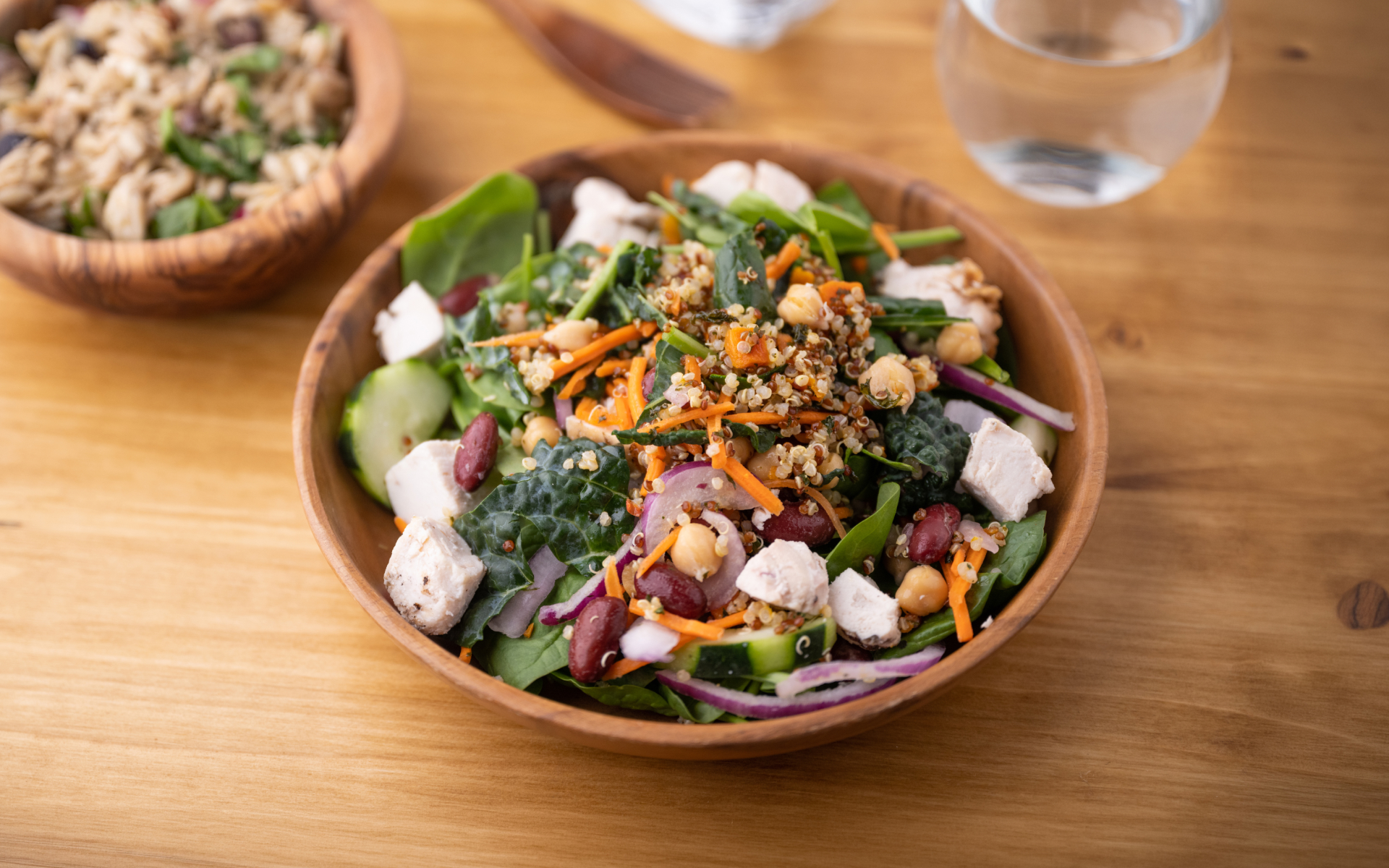
A sample Mediterranean diet meal plan focuses on whole foods such as vegetables, fruits, whole grains, and healthy fats. It typically includes plenty of olive oil, fish, nuts, and legumes, while limiting processed items and red meat. This eating pattern commonly includes vegetables, fruits, whole grains, olive oil, fish, nuts, and legumes. Food choices and meal routines can vary based on preferences, budget, culture, and individual nutrition needs.
Getting started with a new eating routine can feel overwhelming, but it doesn’t have to be complicated. A Mediterranean-style menu can use familiar ingredients and simple preparation methods. There’s no single Mediterranean meal plan that suits everyone.
This article offers examples of meals that include vegetables, legumes, fish, and other foods that are commonly associated with Mediterranean-style eating. It doesn’t set calorie targets, portion sizes, or individualized nutrition recommendations.
Who Is a Mediterranean Meal Plan Good For?
A Mediterranean diet easy meal plan is suitable for many people who are looking to build lasting wellness habits. It offers a gentle, beginner-friendly approach to balanced eating without strict rules. This makes it an excellent choice for those who want flexibility in their daily meals.
As it focuses on nutrient-dense foods, this plan can support general well-being and sustained energy. People who enjoy cooking with fresh ingredients often find it highly rewarding. It’s also easily customized for families, busy professionals, and those with varied flavor preferences. People exploring a Mediterranean diet for weight loss may appreciate that this eating pattern emphasizes filling, nutrient-dense foods while remaining flexible.
Some research has suggested that this eating style is often associated with positive health markers (1, 2). It encourages a varied intake of nutrients through colorful vegetables and healthy fats. If you prefer a non-restrictive approach, this Mediterranean diet daily meal plan is highly adaptable.
You can adjust portion sizes and ingredient choices to fit your specific needs. It’s always a good idea to consult a qualified professional before you make major dietary changes. They can help you tailor the plan to your individual lifestyle and wellness goals.

What Foods Can You Eat on a Mediterranean Diet?
You can eat a wide variety of whole, nutrient-dense foods on this plan. The Mediterranean diet food list focuses heavily on plant-based ingredients and healthy fats. Vegetables, fruits, whole grains, nuts, seeds, and legumes form the foundation of most meals (3).
Olive oil is the primary source of added fat. You can use it for cooking or as a flavorful dressing for salads. Fish and poultry are included in moderate amounts, often a few times per week. Dairy products such as cheese and yogurt are also enjoyed in moderation (3).
Red meat and sweets are typically saved for special occasions. Processed meats, refined grains, and added sugars are generally limited (3). A well-stocked kitchen makes choosing healthy meals and snacks much easier for your daily routine.
Below is a comparison table to help you understand which foods to prioritize.
| Food category | Prioritize (eat often) | Moderate (eat sometimes) | Limit (eat rarely) |
|---|---|---|---|
| Proteins | Beans, lentils, chickpeas, fish, seafood | Poultry, eggs, cheese, yogurt | Red meat, processed meats |
| Fats | Extra virgin olive oil, nuts, seeds, avocados | Olives, natural nut butters | Butter, margarine |
| Carbohydrates | Oats, brown rice, quinoa, whole wheat, vegetables | Whole-grain bread, potatoes, fresh fruit | White bread, sugary baked goods, pastries |
Whether you want to refresh your fitness routine, explore lower-calorie recipe ideas, or bring more structure to your wellness habits, BetterMe Well-Being Coach app offers tools that can support your next step. Explore the app and find an approach that works for your lifestyle.
How Do You Build a Balanced Mediterranean Meal?
You build a balanced Mediterranean meal by focusing on proportions rather than strict measurements. Start by filling half your plate with colorful, non-starchy vegetables. This ensures you get plenty of fiber, vitamins, and minerals in every sitting.
Next, add a serving of lean protein to a quarter of your plate. This can be fish, poultry, beans, or lentils, depending on your preference. Protein helps you feel satisfied and supports your body’s daily functions (4). A high-protein Mediterranean diet may include larger portions of fish, poultry, Greek yogurt, beans, or lentils, depending on your needs and preferences.
Fill the remaining quarter of your plate with complex carbohydrates. Whole grains such as quinoa, brown rice, or a slice of whole-grain bread work well, as do starchy vegetables such as potatoes and other root vegetables. Finally, incorporate a source of healthy fat, such as a drizzle of olive oil or a tahini-based sauce.
Using herbs and spices is a great way to add flavor without excess sodium. This simple formula makes it easy to create Mediterranean diet meals anywhere. Food is meant to be enjoyed, not feared, counted, weighed, and tracked.
What Can You Eat for Mediterranean Breakfast?
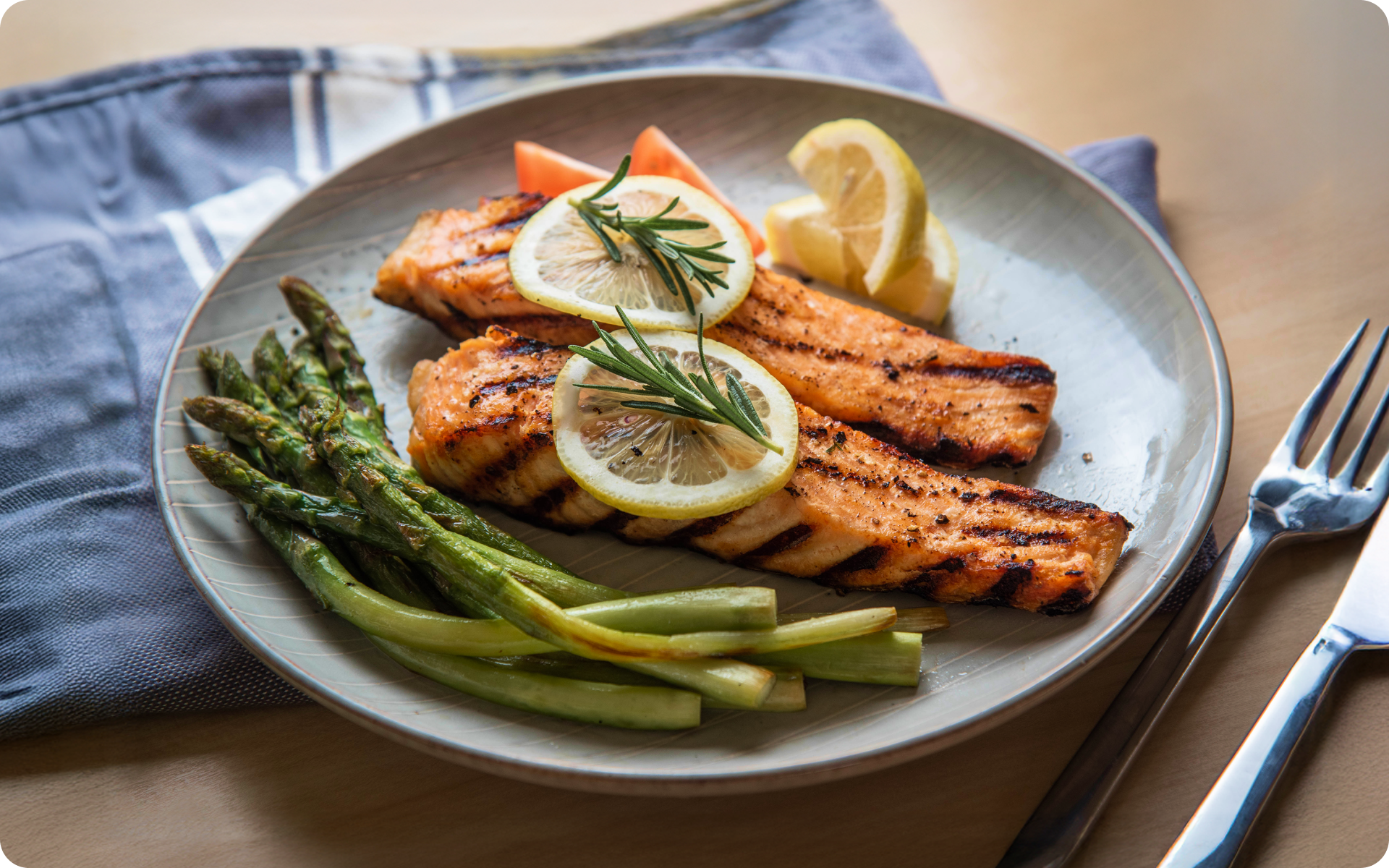
Mediterranean breakfast ideas usually feature whole grains, fresh fruit, and a source of protein. A simple option is a bowl of oatmeal topped with sliced almonds and berries. You can also add a sprinkle of cinnamon for extra flavor without added sugar.
If you prefer a savory start, consider scrambled eggs with spinach and tomatoes. Cook them in a splash of olive oil and serve with whole-grain toast. This provides a hearty, fulfilling start to your busy morning.
Greek yogurt with a drizzle of honey and walnuts is another popular choice. It’s quick to prepare and easy to take on the go. You can easily adjust the toppings based on what you have in your kitchen.
Remember, breakfast doesn’t need to be complicated to be satisfying. Focus on combining fiber and protein to maintain your energy levels until lunch.
Read more: 5-Day Mediterranean Diet Meal Plan: A Complete Guide with Meals, Snacks, and Tips
What Can You Eat for Mediterranean Lunch?
Mediterranean lunch ideas often revolve around large salads, grain bowls, or hearty soups. A Greek salad with cucumbers, tomatoes, red onions, and feta cheese is a classic option. Add some grilled chicken or chickpeas to make it more filling.
Grain bowls are incredibly versatile and perfect for a midday meal. Start with a base of quinoa or lentils, add roasted vegetables, and top with a lemon-tahini dressing. This approach makes Mediterranean meal prep simple and efficient for the work week.
Leftovers from dinner also make an excellent, low-effort lunch. Storing an extra portion of baked fish and vegetables can save you time. A well-planned lunch helps you stay focused and energized throughout the afternoon.
Keep your lunches vibrant and varied by rotating your vegetable choices each week. This ensures you get a wide range of nutrients while keeping your meals interesting.
What Can You Eat for Mediterranean Dinner?
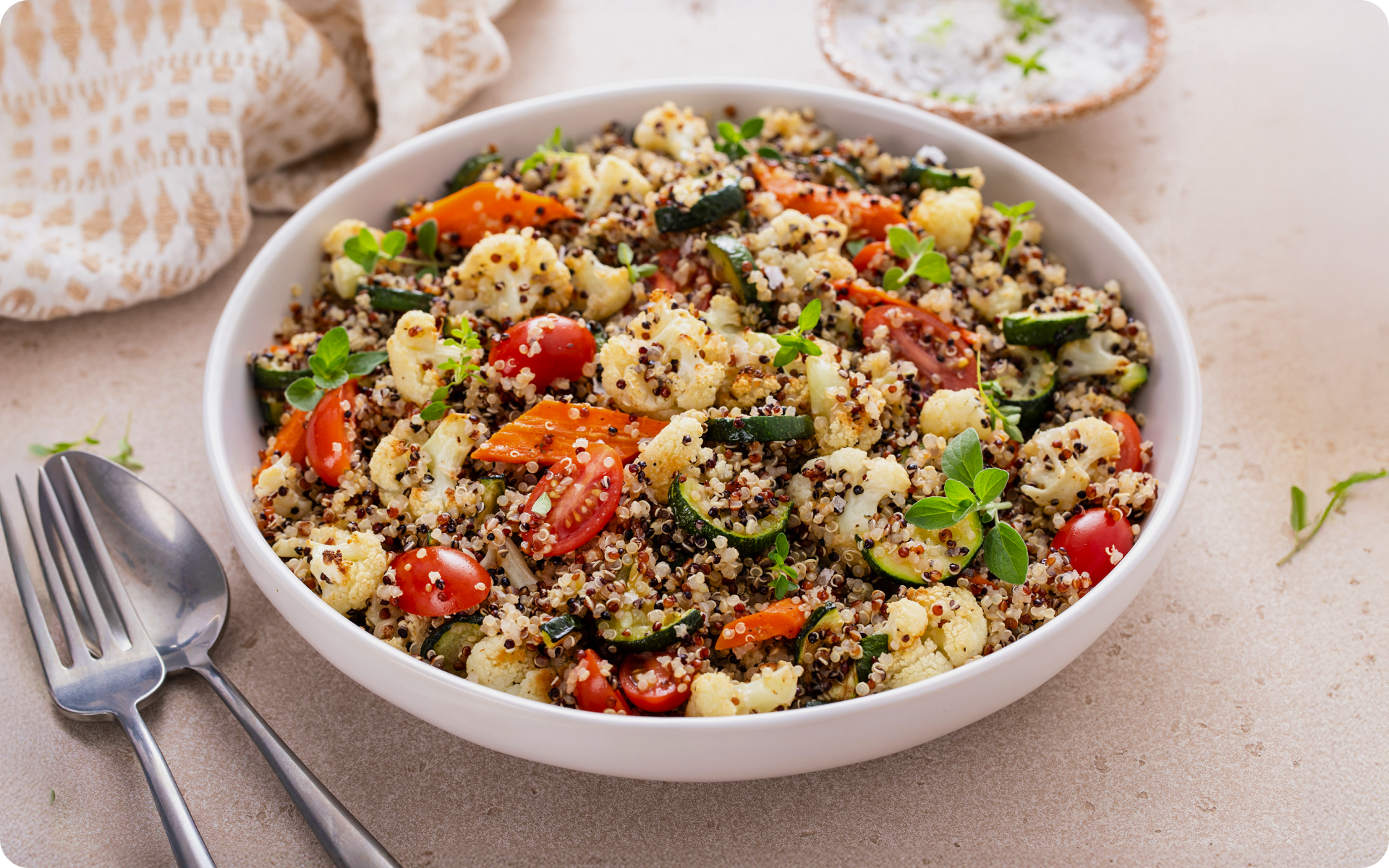
Mediterranean dinner ideas often highlight seafood, legumes, and roasted vegetables. A popular dinner is baked salmon served with a side of asparagus and quinoa. The healthy fats in the salmon pair perfectly with the fibrous vegetables.
Another great option is a hearty lentil stew packed with carrots, celery, and tomatoes. Serve it with a small piece of whole-grain bread for dipping. This plant-based meal is comforting, budget-friendly, and incredibly easy to prepare in large batches.
Chicken skewers grilled with bell peppers and onions are also a favorite. You can marinate the chicken in olive oil, lemon juice, and oregano for authentic flavor. Pair the skewers with a light cucumber salad and some farro or rice to complete the meal.
Dinners on this plan are designed to be enjoyed slowly and thoughtfully. Sharing a meal with family or friends is a core part of this lifestyle practice.
BetterMe Well-Being Coach app can help you build a more structured approach to your wellness routine with meal plans, workouts, and habit-tracking tools. Start using the app to explore options that may support your personal fitness and nutrition goals.
What Are Easy Mediterranean Snack Ideas?
Easy Mediterranean snacks focus on fresh, unprocessed ingredients that require minimal preparation. A handful of unsalted mixed nuts is a perfect, crunchy option. Almonds, walnuts, and pistachios offer healthy fats that help keep hunger at bay (5).
Fresh fruit, such as an apple or a pear, is another convenient choice. You can pair the fruit with a small spoonful of natural almond butter. This combination provides a great balance of carbohydrates and fats.
Vegetable sticks dipped in hummus are a classic, beginner-friendly snack. Carrots, cucumbers, and bell peppers offer a satisfying crunch and plenty of hydration. Hummus adds a smooth, flavorful dose of plant-based protein.
Having these snacks readily available makes it easier to make mindful choices. Keep them visible in your kitchen to encourage simple, practical eating habits.

What Does a 7-Day Mediterranean Diet Meal Plan Look Like?
A 7-day Mediterranean diet meal plan provides a structured yet flexible guide for your week. It shows how easily you can rotate basic ingredients into different, flavorful dishes. You can swap meals around based on your schedule and personal preferences. If you follow a Mediterranean diet intermittent fasting meal plan, you can arrange these meals within your preferred eating window and adjust the timing to suit your routine.
The table below outlines a gentle, easy-to-follow plan for a full week.
| Day | Breakfast | Lunch | Dinner |
|---|---|---|---|
| Monday | Oatmeal with berries and walnuts | Quinoa salad with chickpeas and feta | Baked salmon with roasted asparagus and sweet potatoes |
| Tuesday | Greek yogurt with honey and almonds | Leftover baked salmon with asparagus and sweet potato | Chicken skewers with bell peppers and rice |
| Wednesday | Scrambled eggs with spinach and tomatoes | Lentil soup with whole-grain bread | Baked cod with a side of brown rice and spinach |
| Thursday | Whole-grain toast with mashed avocado | Mixed greens topped with grilled chicken and farro | Eggplant parmesan (baked, not fried) with whole-wheat or protein pasta |
| Friday | Oatmeal with sliced apples and cinnamon | Mediterranean wrap with hummus and vegetables | Shrimp sautéed in garlic and olive oil with white beans and whole-grain bread for dipping |
| Saturday | Vegetable omelet cooked in olive oil with whole-grain toast | Greek salad with chickpeas, olives and feta cheese | Stuffed bell peppers with ground turkey and rice |
| Sunday | Greek yogurt with mixed seeds and fruit | Leftover stuffed bell peppers | Roasted vegetable and chickpea stew |
Read more: The Mediterranean Diet Weekly Meal Plan That Actually Fits Real Life
What Are Some Common Mediterranean Meal Planning Mistakes?
One common mistake is trying to change all your eating habits overnight. A sample Mediterranean diet meal plan should be integrated gradually. Start small and build, rather than overwhelming yourself with entirely new recipes.
Another mistake is eating too many refined grains while thinking they’re whole grains. Always check labels to ensure your breads and pastas are truly whole-grain. This will help you get the fiber you need to feel satisfied (6).
Some people also forget to include enough healthy fats, such as olive oil. Fat is an essential part of this routine and helps your body absorb vitamins. Don’t fear the olive oil—use it thoughtfully to enhance your food.
Finally, relying too heavily on one food can limit your benefits. Try to incorporate a variety of fish, beans, and legumes for protein throughout your week. Mix up your vegetables and grains too. This will ensure that your diet remains varied, interesting, and nutritionally balanced.

FAQs
How can you adjust a Mediterranean meal plan to your routine?
You can adjust the plan by choosing quick recipes and preparing ingredients in advance.
Start by pre-chopping vegetables and cooking large batches of whole grains on weekends. This significantly reduces your daily cooking time and makes assembling meals effortless.
You can also rely on healthy convenience items, such as canned beans or frozen vegetables. These are practical, budget-friendly options that fit perfectly into this eating style. The goal is to build a steady routine that you can adjust over time.
Can a Mediterranean meal plan support weight management?
Research has examined Mediterranean-style eating in relation to bodyweight outcomes, but this sample menu cannot predict changes for an individual. Bodyweight changes can vary based on overall food intake, activity, and other individual factors. (7, 8, 10).
Can you eat eggs on the Mediterranean diet?
Yes, eggs are a welcome part of this eating approach when they’re consumed in moderation. They are a convenient source of high-quality protein and essential nutrients (12). Many people enjoy one to four eggs per week as part of their routine.
You can scramble them with vegetables or hard-boil them for an easy snack. Cooking them in a small amount of olive oil aligns well with the principles of the plan. They offer a versatile and affordable way to build balanced meals.
Can you eat bread on the Mediterranean diet?
Yes, you can eat bread, as long as you choose mostly whole-grain or whole-wheat varieties.
Whole grains offer more fiber and nutrients than highly refined white breads (13). A slice of whole-grain bread pairs beautifully with soups, salads, or a drizzle of olive oil.
Checking ingredient lists helps ensure that you choose options without added sugars. It’s about making thoughtful choices rather than restricting carbohydrates entirely.
Can you eat rice or pasta on the Mediterranean diet?
Yes, rice and pasta are included, especially if you opt for whole-grain versions. Brown rice, wild rice, and whole-wheat pasta are excellent staples for this plan. They serve as a hearty base for vegetables, lean proteins, and olive oil dressings.
Keeping portions reasonable leaves plenty of room on your plate for nutrient-dense vegetables. Cooking pasta al dente can also be a popular way to enjoy it. These options provide lasting energy for your daily activities.
Is Greek yogurt part of the Mediterranean diet?
Yes, Greek yogurt is a staple ingredient in many Mediterranean-inspired meals. It’s rich in protein and calcium (14), which makes it a fulfilling addition to your day. You can enjoy it plain with fresh fruit or use it as a base for savory dips such as tzatziki.
Choosing plain, unsweetened varieties helps you avoid unnecessary added sugars. You can add your own fruit or other flavors. It’s a beginner-friendly food that requires no cooking. Many people find it to be a satisfying breakfast or a calming evening snack.
How do you meal prep for a Mediterranean diet?
You can meal prep by batch-cooking versatile ingredients to use throughout the week. Roasting a large tray of vegetables and cooking a pot of quinoa are great first steps. You can also mix up a jar of simple olive oil and lemon vinaigrette.
Having these components ready allows you to assemble salads and grain bowls in minutes. Storing snacks such as washed fruit and portioned nuts also sets you up for success. A well-stocked kitchen makes choosing healthy meals and snacks much easier.
The Bottom Line
Building a lasting wellness routine doesn’t require perfection or rigid rules. A sample Mediterranean diet meal plan empowers you to make thoughtful, satisfying choices every day. Take it one meal at a time, explore new flavors, and enjoy the journey to a more balanced lifestyle.
DISCLAIMER:
This article is intended for general informational purposes only and does not serve to address individual circumstances. It is not a substitute for professional advice or help and should not be relied on for making any kind of decision-making. Any action taken as a direct or indirect result of the information in this article is entirely at your own risk and is your sole responsibility.
BetterMe, its content staff, and its medical advisors accept no responsibility for inaccuracies, errors, misstatements, inconsistencies, or omissions and specifically disclaim any liability, loss or risk, personal, professional or otherwise, which may be incurred as a consequence, directly or indirectly, of the use and/or application of any content.
You should always seek the advice of your physician or other qualified health provider with any questions you may have regarding a medical condition or your specific situation. Never disregard professional medical advice or delay seeking it because of BetterMe content. If you suspect or think you may have a medical emergency, call your doctor.
SOURCES:
- The Mediterranean diet as a metabolic strategy for healthy aging and non-communicable disease prevention (2026, sciencedirect.com)
- The Mediterranean diet and health: a comprehensive overview (2021, onlinelibrary.wiley.com)
- Mediterranean Diet (2021, mdpi.com)
- Health Benefits of Dietary Protein throughout the Life Cycle (2020, intechopen.com)
- Nuts, Energy Balance and Body Weight (2023, mdpi.com)
- Short-Term Effect of Additional Daily Dietary Fibre Intake on Appetite, Satiety, Gastrointestinal Comfort, Acceptability, and Feasibility (2022, mdpi.com)
- Fostering Resilience and Wellness: The Synergy of Mindful Eating and the Mediterranean Lifestyle (2024, mdpi.com)
- Exploring the relationship between the Mediterranean diet and weight loss maintenance: the MedWeight study (2020, cambridge.org)
- Mediterranean Diet and Quality of Life in Adults: A Systematic Review (2025, mdpi.com)
- The Role of Diet Quality in Mediating the Association between Ultra-Processed Food Intake, Obesity and Health-Related Outcomes: A Review of Prospective Cohort Studies (2021, mdpi.com)
- Physical activity and exercise within the context of obesity treatment: Enhancing health beyond weight loss (2026, sciencedirect.com)
- Effect of egg consumption on health outcomes: An updated umbrella review of systematic reviews and meta-analysis of observational and intervention studies (2025, sciencedirect.com)
- Dietary Fibre from Whole Grains and Their Benefits on Metabolic Health (2020, mdpi.com)
- The Benefits of Greek Yogurt: A Super Comprehensive Review (2026, researchgate.net)





 By
By