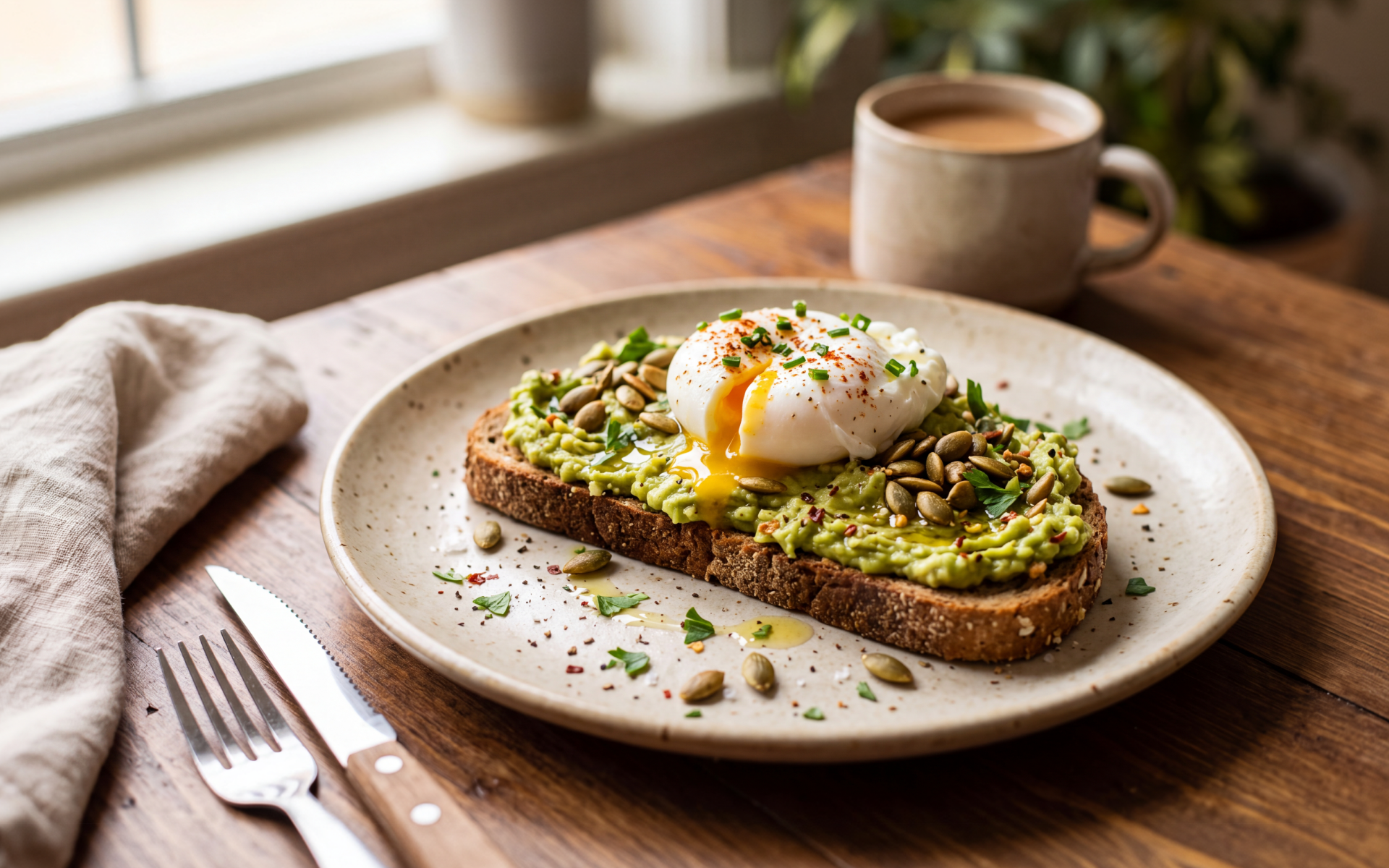

The first day of fasting often brings a mix of curiosity, mild hunger, and a few energy dips. People respond differently to longer gaps between meals, particularly when they’re new to fasting. You may notice rumbling, a wandering mind, or moments where you feel fine.
Some beginners may find a shorter fasting window and planned meals more manageable. A beginner fasting schedule can help you ease in gradually while keeping your eating window realistic for your daily routine. Start small, listen to your body, and adjust as needed. Individual experiences vary, so there’s no single “right” way to feel.
Fasting—choosing set hours to eat and set hours to rest from food—is simpler than it sounds. For example, intermittent fasting just means cycling between eating and not eating on a schedule. Think of this guide as Intermittent Fasting 101, with simple first-day tips to help you understand the basics before trying longer fasting windows.
This guide is for anyone curious about the first day of fasting, particularly total beginners who want a calm, practical start. We’ll walk through what to expect, what to drink, how to handle hunger, and when to ease off.
Are you ready to feel more prepared? Keep reading, and consider talking to a qualified healthcare professional before making big changes to your routine.
Every fast is a personal experience. Your dietary preferences, body composition, activity level, and individual circumstances can influence your fasting experience. Consult a qualified healthcare professional before you start a fasting routine, particularly if you have health concerns or take medication.
What Should You Expect on the First Day of Fasting?
On the first day of fasting, you may experience hunger or changes in energy, although individual experiences vary.
Knowing what to expect when fasting for the first time can ease a lot of worry. Changing your usual meal schedule may feel unfamiliar at first.
Here are some common experiences many beginners notice (1):
- Hunger in waves: Hunger may come and go, particularly around your usual meal times.
- Energy changes: Some people notice lower energy at certain times of day. Resting or ending the fast may be appropriate if you feel unwell.
- Mental fog or sharp focus: Some people feel foggy, while others feel clear. Both are common.
- Mood shifts: Some people notice temporary irritability, although responses vary.
- Thirst: You may feel thirstier than usual, so keep water nearby.
None of these are guaranteed. Different bodies respond in different ways. One person might breeze through, while another counts the minutes.
Here are a few first-time fasting tips that can smooth the day:
- Pick a relaxed day, not your busiest one
- Keep water within reach all day
- Plan a light activity to pass through tough moments
- Remind yourself that waves pass
Stop fasting if you feel dizzy, faint, confused, shaky, or otherwise unwell. Seek professional guidance if symptoms are severe, persistent, or concerning.

What Is a Good Fasting Schedule for Your First Day?
Some beginners choose a 12-hour overnight fast with a 12-hour eating window. This allows much of the fasting period to occur while they’re asleep.
Knowing how to start fasting begins with choosing a window that fits your life. Some beginners may find a shorter fasting window more manageable than immediately attempting a longer one. Individual results vary, so go at your own pace.
Here’s a simple comparison to help you choose:
| Schedule | Fasting window | Eating window | Commonly chosen by | First-day difficulty |
|---|---|---|---|---|
| 12:12 | 12 hours | 12 hours | People who are trying a shorter overnight fast | Gentle |
| 14:10 | 14 hours | 10 hours | People who have already tried a shorter window | Moderate |
| 16:8 | 16 hours | 8 hours | People who are familiar with fasting and have determined that a longer window is appropriate for them | More challenging |
For your intermittent fasting first day, a 12:12 schedule is a low-pressure way to test the waters. For example, you might stop eating at 8 pm and have breakfast at 8 am. Much of this window is sleep.
If a 12:12 schedule feels manageable, you may consider adjusting the window gradually. There’s no need to extend it if a longer fast does not suit you.
Here are a few first day fasting tips for picking your window:
- Count sleep as part of the fast
- Choose a window that matches your natural hunger
- Keep your eating times consistent day to day
BetterMe Well-Being Coach app helps you achieve your body goals with ease and efficiency by helping to choose proper meal plans and effective workouts. Start using our app and you will see good results in a short time.
What Can You Drink on the First Day of Fasting?
Plain water is a straightforward hydration option during a fast. Unsweetened tea and black coffee are also commonly included in some fasting approaches, although fasting rules vary.
Knowing what to drink while fasting helps you stay comfortable. Many fasting approaches avoid calorie-containing drinks during the fasting window, but the definition of a fast may depend on the specific method and purpose.
Drinks that typically fit a fast include:
- Water: Still or sparkling, plain
- Black coffee: No milk, sugar, or cream
- Plain tea: Green, black, or herbal, unsweetened
- Lemon water: Whether it fits your fasting approach depends on the amount used and the rules of your chosen method
Drinks to save for your eating window:
- Anything with sugar or milk
- Juice, smoothies, or soda
- Coffee with cream or sweeteners
Aim for steady sipping rather than gulping all at once. A loose target is around 8 glasses (about 2 liters) across the day, although needs vary by body, climate, and activity (2).
If you feel a headache creeping in, it may be due to mild dehydration. A glass of water often helps. If the discomfort persists, you should consider ending the fast and seeking professional advice.

What Should You Eat Before Your First Fast?
Before your first fast, focus on a balanced meal with protein, complex carbs, fiber, and healthy fats. This combo may make a meal feel more satisfying for some people (3).
Thinking about what to eat before fasting can set you up for an easier start. A balanced meal may feel more satisfying as you enter the fasting window.
A balanced pre-fast plate might include:
- Protein: 20-30 grams, such as eggs, chicken, tofu, or beans
- Complex carbs with Fiber: Vegetables, fruit, and/or whole grains for slow digestion
- Healthy fats: A small portion of avocado, nuts, or olive oil
- Water: A glass or two to start hydrated
For example, a dinner of grilled salmon, roasted vegetables, and quinoa offers all three, as does a tofu stir-fry with brown rice and leafy greens.
Try to skip very salty or sugary foods right before your fast. They can leave you thirsty or hungry sooner. A calm, balanced meal usually feels better.
There’s no single perfect meal. The goal is steady fuel, not a strict formula. Pick foods you enjoy and that sit well with you.
Read more: Simple Fasting Plan: A Beginner-Friendly Guide to Intermittent Fasting
How Can You Manage Hunger on the First Day of Fasting?
Manage hunger on the first day of fasting by staying busy, sipping water, and reminding yourself that hunger comes in waves. Most waves pass within 10-20 minutes.
Hunger is the part most beginners worry about. The good news? It rarely climbs forever. It tends to rise, peak, and settle, especially near your usual meal times.
Practical ways to ride out hunger:
- Drink water: Thirst can disguise itself as hunger
- Stay busy: A task, walk, or call pulls your focus
- Sip a warm drink: Black coffee or plain tea can take the edge off
- Get moving gently: A 10-minute walk may provide a distraction
- Rest if tired: Fatigue can make hunger feel louder
It also helps to name what you’re feeling. Ask yourself: “Am I truly hungry, or just bored?” Often, it’s habit calling, not your stomach.
For many people, hunger eases as the body adjusts over several days. Your first day may feel like the toughest.
If hunger turns into shakiness, dizziness, or feeling unwell, treat it as a signal to stop and eat. Comfort matters more than finishing a window.

What Should You Eat When You Break Your First Fast?
When you break your first fast, you may prefer a moderate, balanced meal rather than a particularly large or rich meal.
The size and composition of the first meal may affect how comfortable you feel after the fasting period.
A gentle meal to break your fast might include:
- Lean protein: Eggs, fish, chicken, or lentils
- Vegetables: Cooked or raw, for fiber and nutrients
- Complex carbs: A portion of rice, oats, or sweet potato
- Water: Sip alongside your meal
For example, you could choose vegetable soup followed by grilled chicken and rice.
Here are some tips for breaking your fast comfortably:
- Start with a smaller portion than usual
- Eat slowly and chew well
- Wait 15-20 minutes before deciding on seconds
- Skip ultra-processed or greasy foods at first
Your appetite may feel bigger than your stomach. Going slow helps you avoid that overstuffed feeling. You can always eat more a little later.
Reasons why BetterMe is a safe bet: a wide range of calorie-blasting workouts, finger-licking recipes, 24/7 support, challenges that’ll keep you on your best game, and that just scratches the surface! Start using our app and watch the magic happen.
Should You Work Out on the First Day of Fasting?
You can do gentle movement on the first day of fasting, but it’s wise to keep it light. Save intense sessions for when you’ve adjusted or after you break your fast. Working out while fasting may feel different from your usual routine, so start with gentle movement and pay close attention to your energy, hydration, and comfort.
For many beginners, low-impact activity feels fine. Hard workouts on day one can add stress when your energy is already shifting. Start easy and see how you feel.
Here’s a comparison of movement options for your first day:
| Activity | Intensity | Suggested duration | Relative intensity |
|---|---|---|---|
| Walking | Low | 20-30 minutes | Lower intensity for many people |
| Gentle yoga | Low | 15-20 minutes | Lower intensity for many people |
| Light stretching | Low | 10-15 minutes | Lower intensity for many people |
| Heavy lifting | High | — | Higher intensity |
| Intense cardio | High | — | Higher intensity |
A gentle first-day movement plan might look like this:
| Exercise | Sets | Reps or time |
|---|---|---|
| Easy walk | 1 | 20 minutes |
| Cat-cow stretch | 2 | 8 reps |
| Standing forward fold | 2 | 20 seconds |
| Seated spinal twist | 2 | 20 seconds each side |
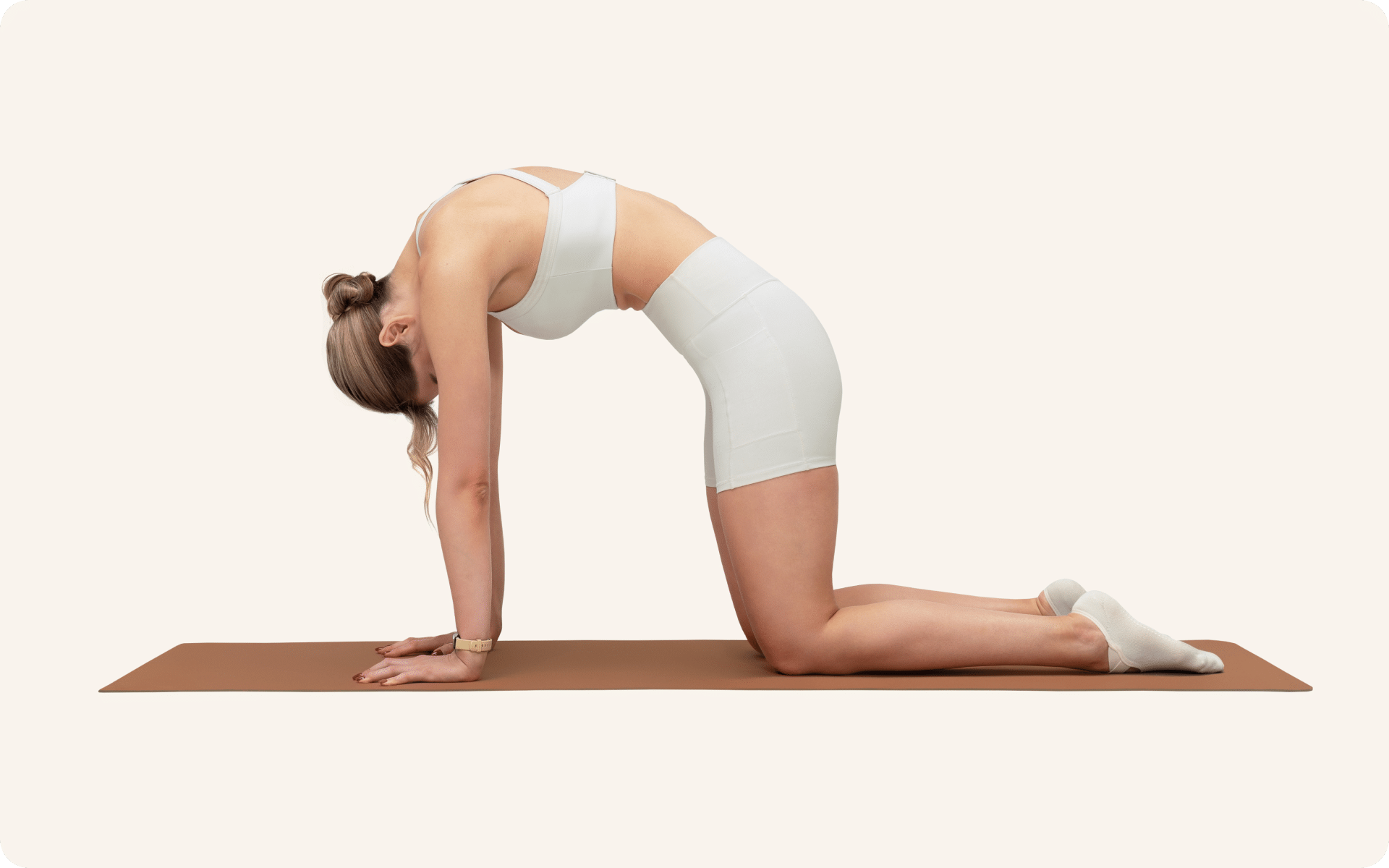
Here’s how to perform each movement.
Easy Walk
- Choose a flat, comfortable route.
- Walk at a relaxed pace where you can still chat.
- Keep your shoulders loose and your arms swinging gently.
- Aim for around 20 minutes, slowing down if you feel tired.
Cat-Cow Stretch
- Start on your hands and knees, your wrists under your shoulders.
- Inhale, drop your belly, and lift your gaze for “cow”.
- Exhale, round your back, and tuck your chin for “cat”.
- Move slowly through 8 gentle reps.
Standing Forward Fold
- Stand with your feet hip-width apart.
- Hinge at your hips and let your upper body hang forward.
- Keep a soft bend in your knees.
- Hold for about 20 seconds, breathing slowly.
Seated Spinal Twist
- Sit on the floor with your legs extended.
- Bend one knee and place that foot outside the opposite thigh.
- Gently twist toward the bent knee.
- Hold for 20 seconds, then switch sides.
Listen to your body throughout. If you feel lightheaded, stop and rest.
Read more: Does Fasting Make You Look Younger?

What Common Mistakes Should You Avoid on Your First Day of Fasting?
Common first-day challenges include choosing a demanding fasting window, not drinking enough water, and eating a very large meal afterward. Planning ahead may help address these challenges.
Fasting may feel more manageable when you avoid some common planning mistakes. Many of these come from going too hard, too fast.
Mistakes to watch for include:
- Choosing a long initial window: Jumping straight to 16:8 or longer can feel overwhelming. Beginners might consider starting with 12:12.
- Forgetting to hydrate: Not drinking enough may leave some people feeling less comfortable during the fasting window.
- Breaking the fast with a feast: A huge meal can leave you feeling bloated or uncomfortable—ease in gently.
- Picking a chaotic day: A stressful, packed schedule makes day one harder.
- Ignoring your body: Pushing through dizziness or feeling unwell isn’t worth it.
Another quiet mistake is comparing yourself to others. Someone online might fast for 18 hours with ease, but your first day of intermittent fasting is yours alone, and slower starts are completely valid.
Try to treat day one as an experiment, rather than a test—there’s no grade. You’re simply gathering information about what works for your body.
How Do You Know If You Should Stop Fasting?
End the fast if you feel dizzy, faint, shaky, confused, or otherwise unwell. Seek professional guidance if the symptoms are severe or don’t improve.
Mild hunger may occur during fasting, but significant or concerning symptoms shouldn’t be ignored.
Signs that it may be time to pause and eat:
- Dizziness or lightheadedness
- Shakiness or a racing heart
- Strong nausea
- Confusion or significant difficulty concentrating
- Feeling faint when you stand up
If any of these show up, it’s okay to break your fast early. Choosing to stop isn’t failure—it’s tuning in to what your body needs.
Fasting may not be appropriate for everyone. Consult a qualified healthcare professional before fasting if you’re pregnant or breastfeeding, have a health condition, are taking medication, or have any concerns about whether fasting is appropriate for you.
Experiences can differ from one day to another, and there’s no guaranteed adjustment timeline.
How Can You Make Fasting Easier After Day One?
You may make the routine easier to follow by planning meals, meeting your hydration needs, and adjusting the schedule gradually when appropriate.
Once you understand how to fast for the first time, the days that follow often feel smoother. The first day is usually the steepest part of the learning curve.
Ways you can build a routine that lasts:
- Keep your window consistent: Similar eating times may make the routine easier to plan and follow
- Stay hydrated daily: Make water a steady habit, not an afterthought
- Adjust slowly: Stretch your fasting window by 30-60 minutes at a time
- Plan your meals: Knowing what you’ll eat reduces stress
- Track how you feel: A quick note on energy and hunger reveals patterns
Be kind to yourself along the way. Progress isn’t always linear—a tough day doesn’t undo your effort, and you can always reset tomorrow.

Frequently Asked Questions
Can I drink coffee on the first day of fasting?
Yes, you can drink black coffee on the first day of fasting (4). Keep it plain, with no milk, cream, sugar, or sweeteners, as these will add calories that break a fast. Some people report that coffee affects their appetite, but the evidence is limited and individual responses vary (5). That being said, too much caffeine can leave you jittery, so listen to your body and adjust your intake as needed.
How long should my first fast be?
Your first fast is often easiest at around 12 hours, using a 12:12 schedule. This includes your sleep, so much of the window passes while you rest. For example, you might stop eating at 8 pm and eat again at 8 am. If it feels manageable and remains appropriate for you, you could consider adjusting the window gradually. Go at your own pace.
How do I make the second day of fasting easier?
You can make the second day easier by staying hydrated, keeping your eating window consistent, and planning your meals ahead. Keeping water available can help you meet your hydration needs during the day (2). Experiences on the second day might be different from those on the first, but improvement isn’t guaranteed. A relaxed mindset and a little planning go a long way.
Should I count calories on the first day of fasting?
You don’t need to count calories on your first day of fasting unless you choose to do so. Intermittent fasting primarily structures meal timing, although overall food intake and nutritional quality still matter. For your first day, simply aim for balanced, satisfying meals in your eating window. You may choose whether tracking food intake is useful for your individual goals and circumstances.
Can I do a shorter fast if I feel uncomfortable?
Yes, you can do a shorter fast if you feel uncomfortable. There’s no rule that says you need to finish a set window. If hunger turns into dizziness or feeling unwell, it’s okay to eat earlier. A shorter, gentler fast is a valid starting point. There’s no need to lengthen the fasting window if it doesn’t suit you.
The Bottom Line
The first day of fasting is simply a starting point, not a final test. Expect a few hunger waves, sip plenty of water, and ease into a window that fits your life. Be patient and kind with yourself, as everybody adjusts at their own pace. Take it one step at a time, and you’ve already begun.
DISCLAIMER:
This article is intended for general informational purposes only and does not serve to address individual circumstances. It is not a substitute for professional advice or help and should not be relied on for making any kind of decision-making. Any action taken as a direct or indirect result of the information in this article is entirely at your own risk and is your sole responsibility.
BetterMe, its content staff, and its medical advisors accept no responsibility for inaccuracies, errors, misstatements, inconsistencies, or omissions and specifically disclaim any liability, loss or risk, personal, professional or otherwise, which may be incurred as a consequence, directly or indirectly, of the use and/or application of any content.
You should always seek the advice of your physician or other qualified health provider with any questions you may have regarding a medical condition or your specific situation. Never disregard professional medical advice or delay seeking it because of BetterMe content. If you suspect or think you may have a medical emergency, call your doctor.
SOURCES:
- Fasting Physiological Effects (2024, intechopen.com)
- Water: How much should you drink every day? (2026, mayoclinic.org)
- The effect of different macronutrients on appetite and satiety in older and younger adults (2022, cambridge.org)
- The effect of black coffee on fasting metabolic markers and an abbreviated fat tolerance test (2021, pubmed.ncbi.nlm.nih.gov)
- Effect of coffee intake on appetite parameters in woman with overweight or obesity: A pilot crossover randomized trial (2024, sciencedirect.com)

 By
By 
 By
By