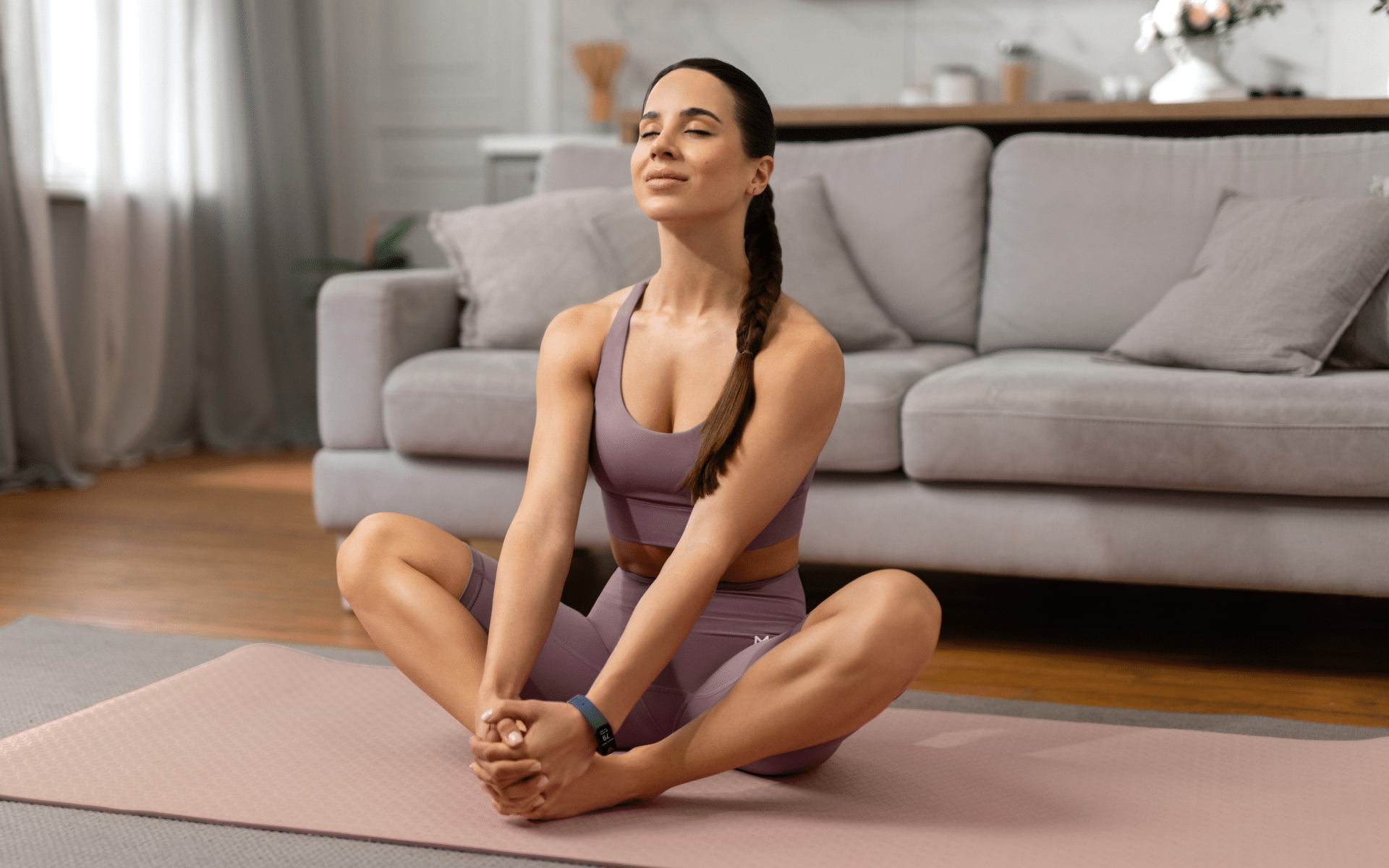
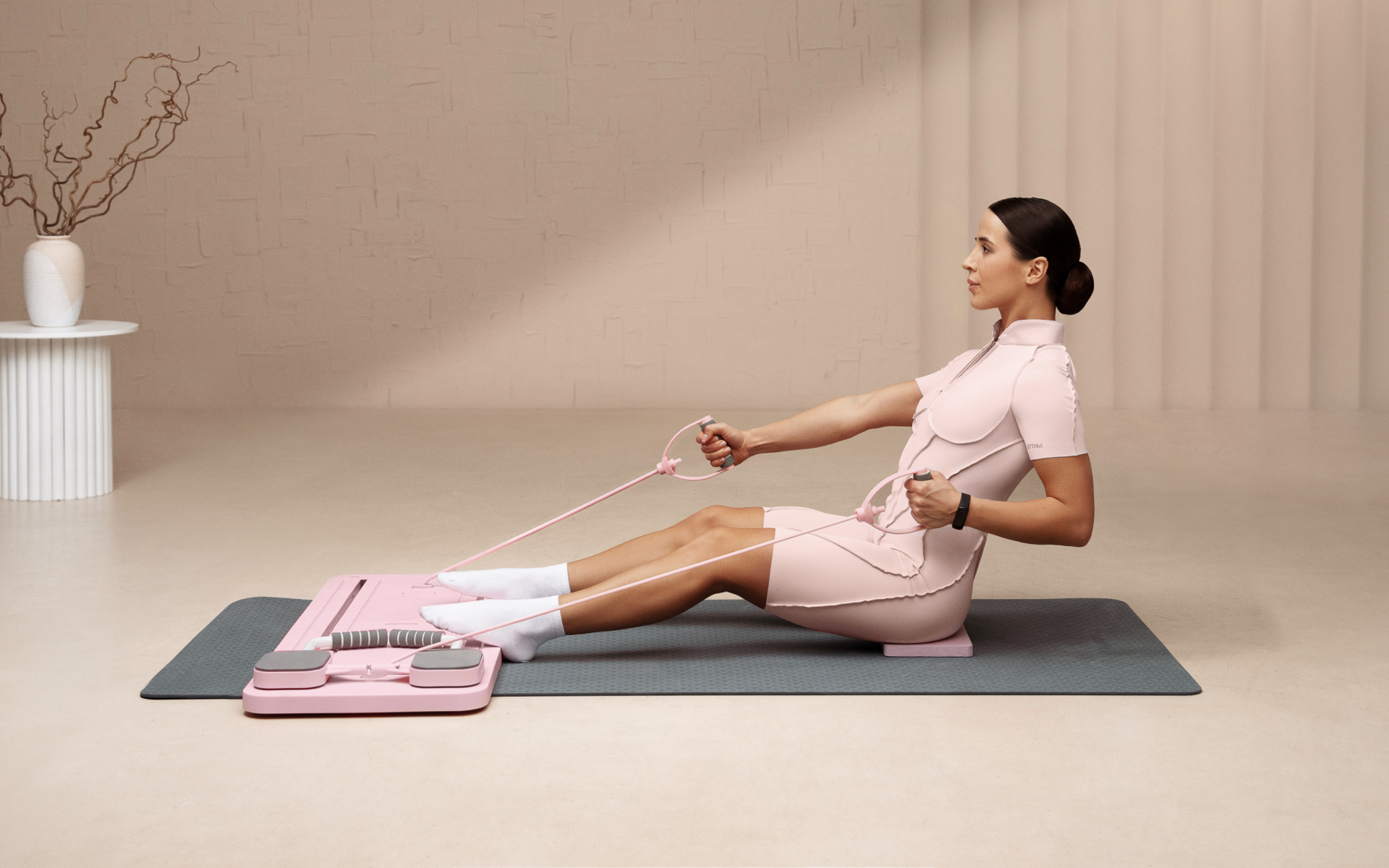
Reformer Pilates for beginners can be useful for learning control, balance, and core engagement at a comfortable pace. The reformer is a sliding bed with spring resistance that supports your body as you move. Many newcomers find this guided setup helpful. You can start with light springs, simple movements, and short sessions, then build up gradually as your confidence grows.
This reformer Pilates for beginners guide walks you through what the reformer is, how it differs from mat work, and what to expect in your first class. It’s written for total beginners who want clear, practical steps without pressure. You’ll find simple exercises, including beginner-friendly Pilates reformer core exercises, home options, and a sensible weekly rhythm to consider.
Is Reformer Pilates Suitable for Beginners?
Reformer Pilates is a great training method for new trainees and can suit beginners well. The machine guides your movement and offers support, which helps you learn good form early.
A reformer is a frame with a moving carriage, adjustable springs, a footbar, and shoulder rests. The springs provide adjustable resistance as you push or pull the carriage.
Many people like how you can start lying down. This position can feel steady and low-impact, meaning that it’s easy on the body.
You control the challenge by choosing lighter or heavier springs. Beginners often start with lighter resistance and simple ranges of motion.
Some studies have explored 8-week programs with 3 sessions per week and 50-60 minute classes. These were associated with gains in strength, endurance, and balance for some groups (1). Individual experience varies, and results depend on many factors, including your diet and consistency.
If you’re new to movement, consider starting with a beginner class, asking questions, and progressing at a manageable pace. Individual progress varies.
How Is Reformer Pilates Different From Mat Pilates?
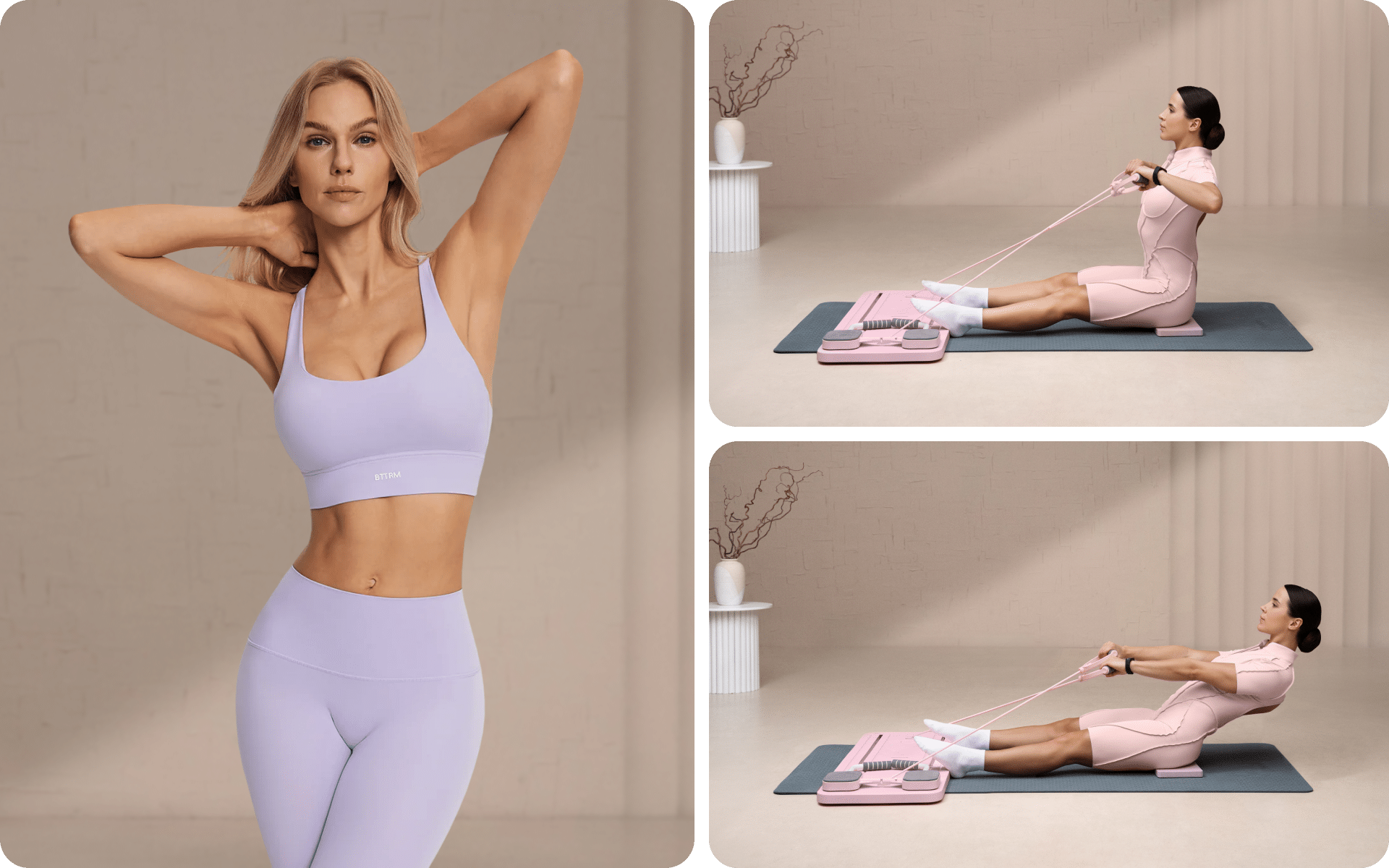
The main difference between reformer Pilates and mat Pilates is resistance and support. The reformer adds spring resistance and a moving carriage, while mat work uses your body weight.
- Mat Pilates means floor-based exercises done on a cushioned mat.
- Reformer Pilates uses the reformer machine for guided, spring-assisted movement.
For many people, the springs make some movements feel more supported. They can also add a steady challenge as you push or pull the carriage. This mix of support and resistance is one of the main benefits of pilates reformer practice for beginners who are learning control.
Here’s a simple comparison to help you choose:
| Feature | Reformer Pilates | Mat Pilates |
|---|---|---|
| Equipment | Sliding carriage, springs, footbar, straps | Mat and small props (optional) |
| Resistance | Adjustable springs (light to heavier) | Body weight only |
| Support level | Often more guided and supported | Relies on your own stability |
| Best for starting | Learning control with feedback | Practicing anywhere, low cost |
| Cost to begin | Usually higher (studio or machine) | Low (just a mat) |
Neither option is better overall as they both have their own strengths. Your choice will depend on your goals, budget, and what you enjoy.
BetterMe offers a variety of workouts, recipes, challenges, and support tools to help you stay more consistent with your wellness routine. Explore the app to find features that fit your goals, preferences, and schedule.
What Should You Expect in Your First Reformer Pilates Class?
Expect a calm, guided session that’s focused on learning the basics in your first Pilates class. Your first class usually moves slowly, so you can understand the machine.
A typical beginner class runs about 45-55 minutes. Individual studios vary, so timings can differ.
Here’s what often happens, step by step:
- Welcome and setup: The instructor shows you the carriage, springs, footbar, and straps.
- Warm-up: You start with gentle breathing and small movements lying on your back.
- Footwork: You press the carriage out and use your feet on the bar.
- Guided exercises: You try a few simple moves with light springs.
- Cool-down: You finish with slow stretches and steady breathing.
You may feel a little wobbly at first—that’s completely normal as you learn how the carriage moves.
The instructor can offer options for different bodies and levels. If something feels like it’s too much, you can ask to adjust the springs.
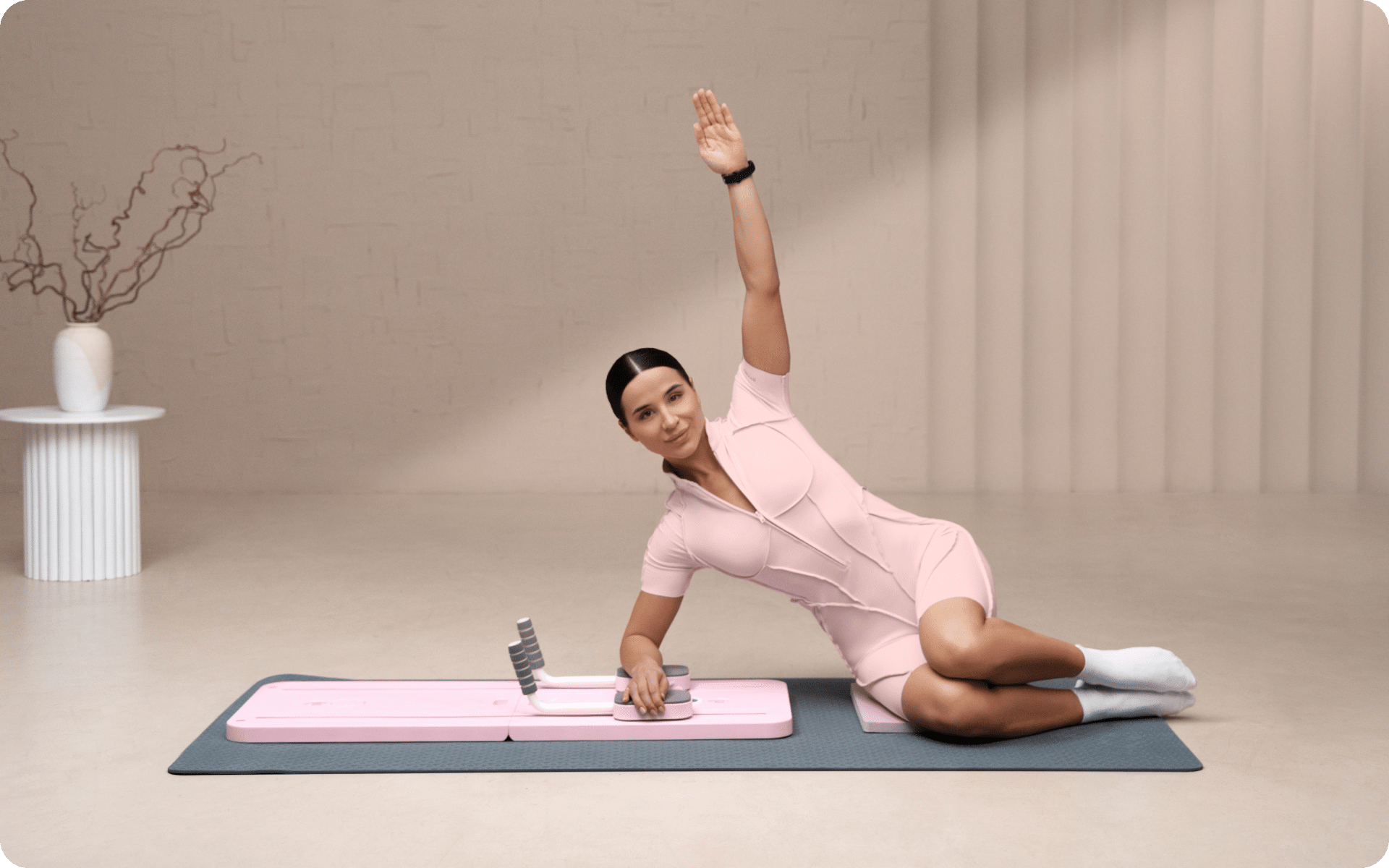
How Should You Prepare for Your First Reformer Pilates Class?
For your first Reformer Pilates class, prepare by dressing comfortably, arriving early, and keeping expectations relaxed. A little planning can help your first class feel smoother.
- Wear fitted clothing: Loose fabric can catch in the springs or straps.
- Bring grippy socks: Many studios ask for socks with grips for traction.
- Arrive 10-15 minutes early: This gives time for a quick machine intro.
- Skip a heavy meal: Try to eat lightly about 1-2 hours before class.
- Hydrate: Sip water before and after your session.
Be sure to tell your instructor you’re new—they can then guide your setup and suggest lighter springs.
Most of all, go in curious rather than perfect. Your first class is for learning, not mastering.
If you have any ongoing concerns or past experiences with your body, consider checking with a qualified professional first. This is general information, not medical advice.
Read more: 6 Pilates Exercises to Do On the Reformer
What Beginner Reformer Pilates Exercises Can You Try?
The best beginner reformer Pilates exercises to try are simple, low-impact moves that build control. The exercises below are common, beginner-friendly options.
Spring settings and repetition ranges vary by reformer model, exercise, and individual. Ask a qualified instructor to help select an appropriate setting and range while you learn the movements.
Here are examples of exercises that may appear in a beginner class. Spring settings, range of motion, and repetitions should be selected with an instructor who is familiar with the specific reformer.
| Exercise | Spring setting | Sets x reps | Focus area |
|---|---|---|---|
| Footwork | Light to medium | 2 x 10 | Legs and control |
| Leg circles (in straps) | Light | 2 x 8 each direction | Hips and core |
| Hamstring stretch (frog) | Light | 2 x 8 | Back of legs |
| Bridge | Medium | 2 x 10 | Glutes and core |
| Knee stretch (rounded) | Light to medium | 2 x 8 | Core and balance |
Below are some simple, step-by-step instructions for each exercise.
1. Footwork
- Lie on your back with your shoulders against the shoulder rests.
- Place your feet parallel on the footbar, your knees bent.
- Press the carriage out by straightening your legs slowly.
- Bend your knees to return the carriage with control.
- Keep your lower back relaxed and breathe steadily.
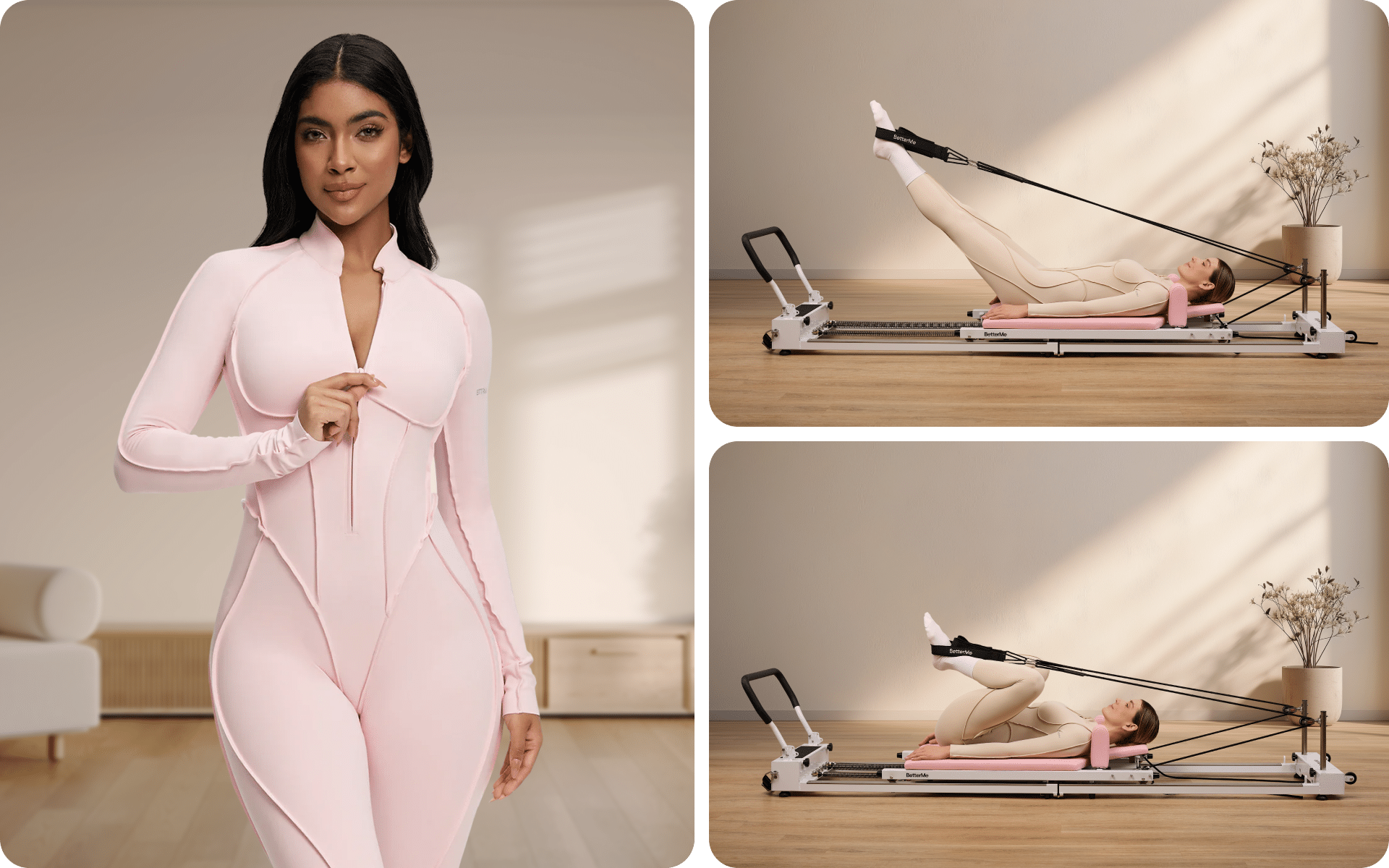
2. Leg Circles (in straps)
- Lie on your back and place both feet in the straps.
- Extend your legs upward at a comfortable angle.
- Draw small, slow circles with both legs together.
- Keep your hips steady and your belly gently engaged.
- Reverse the circle direction after 8 reps.
3. Hamstring Stretch (frog)
- Stay on your back with your feet in the straps.
- Bend your knees toward your chest to start.
- Press your legs out to a long, slightly turned-out position.
- Keep your hips quiet as you straighten your legs.
- Bend back in slowly and repeat.
4. Bridge
- Lie on your back with your feet on the footbar, hip-width apart.
- Press your hips up into a gentle bridge shape.
- Keep the carriage still as you lift.
- Lower your hips down with control, one bone at a time.
- Breathe out as you rise and breathe in as you lower.
5. Knee Stretch (rounded)
- Kneel on the carriage with your hands on the footbar.
- Round your back slightly and draw your belly in.
- Press the carriage out a short distance using your core.
- Pull it back in with control, keeping your spine rounded.
- Move slowly and keep your shoulders relaxed.
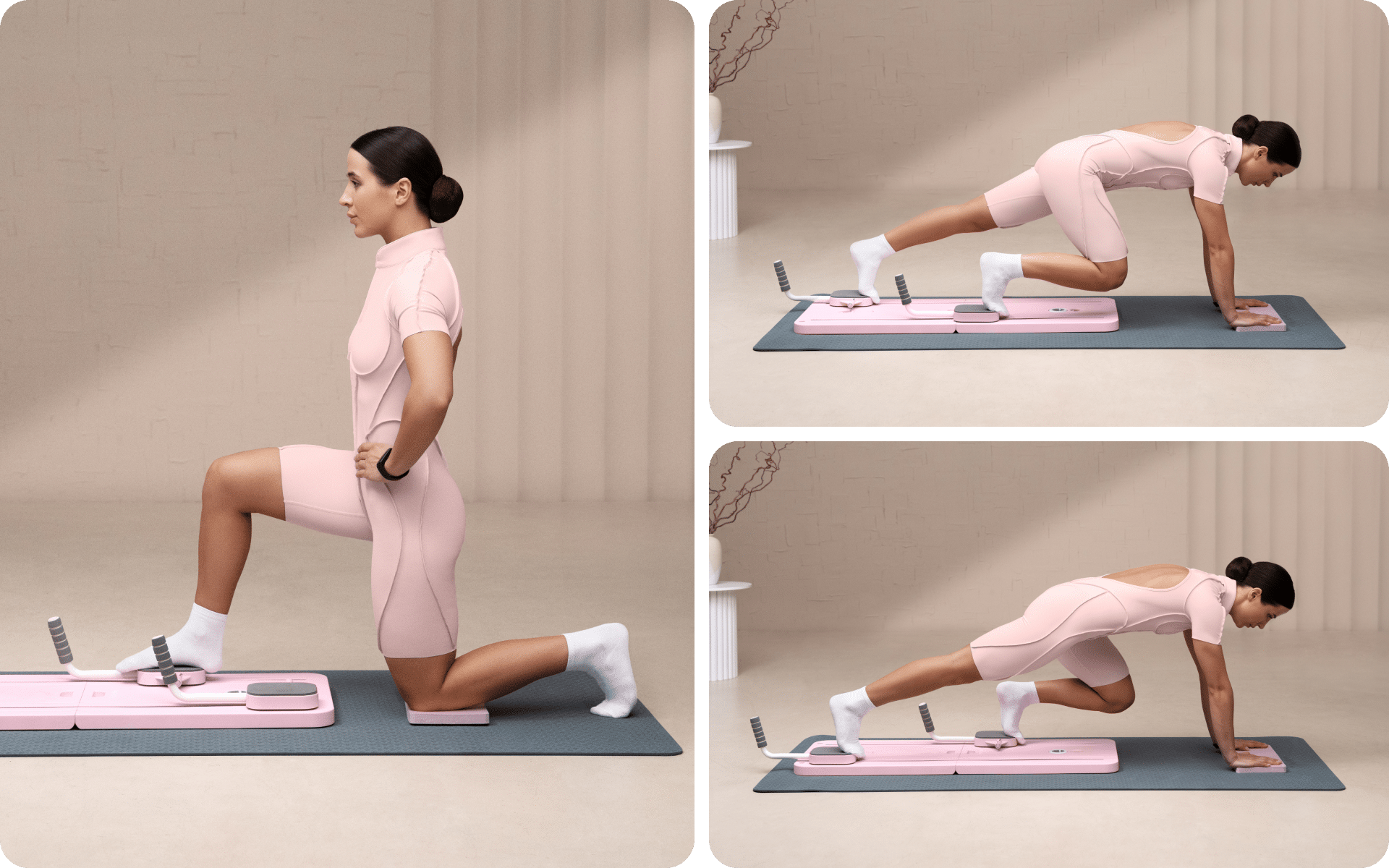
Can You Do Reformer Pilates at Home?
Yes, reformer Pilates at home is possible with the right setup. Home machines and online classes make this more achievable than before.
A home reformer needs floor space and a flat surface. Measure your area first, as most machines are about 7-8 feet long.
Here are some practical tips for reformer Pilates for beginners at home:
- Choose a sturdy machine: Look for adjustable springs and a stable frame.
- Start with guided videos: Beginner-friendly classes can walk you through each move.
- Set up safely: Keep clear space around the carriage and check springs before use.
- Begin slowly: Use light springs and simple movements at first.
- Schedule short sessions: Even 20-minute practices can fit a busy day.
Going to a studio first can help. A few guided classes teach you form before you practice solo at home.
If buying a machine feels like a lot, mat-based Pilates is a low-cost start. You can always add a reformer later.
Workouts, weight management tools, and recipe ideas come together in the BetterMe Well-Being Coach app, giving you practical support for building a more consistent wellness routine.
How Often Should Beginners Do Reformer Pilates?
Reformer Pilates beginners should start with 2-3 sessions per week. This gives your body time to learn and rest between sessions.
Here’s a simple weekly rhythm to consider.
| Experience level | Sessions per week | Session length | Notes |
|---|---|---|---|
| New beginner | 2 | 20-45 minutes | Focus on form and comfort |
| Building consistency | 2-3 | 30-50 minutes | Add light resistance gradually |
| Comfortable beginner | 3 | 45-55 minutes | Mix exercises and rest days |
Are you short on time? A reformer Pilates 20-minute session for beginners can still be useful for staying consistent. Start small and build as you feel ready.
Listen to your body and adjust your schedule. Consistency over time tends to matter more than any single session.
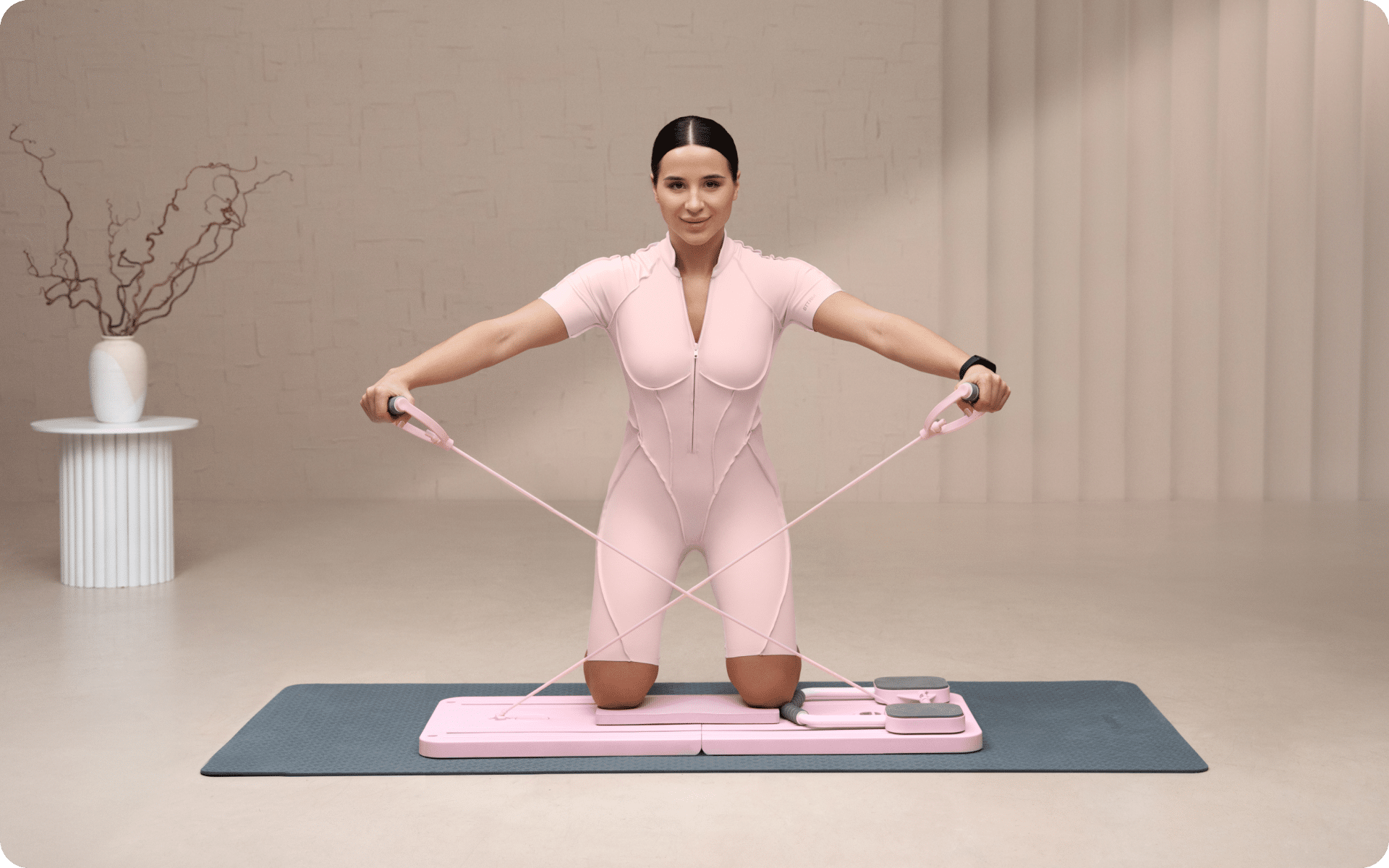
Can Reformer Pilates Support Core Strength and Muscle Definition?
Reformer Pilates may support core strength and muscle tone for many people. The spring resistance asks your muscles to work through controlled movement (2).
The core includes the muscles around your belly, back, and pelvis. These muscles help with posture, balance, and steady movement (3).
Some research has explored associations between regular reformer practice and improvements in strength, endurance, and body composition (1). Findings varied across groups, and individual outcomes differ.
For visible muscle definition, several factors play a role. These often include consistency, overall activity, rest, and nutrition. This is also where many beginners ask, is reformer Pilates good for weight loss when combined with consistent movement, nutrition, and recovery?
A practical approach is steady practice over time. Many people combine 2-3 weekly sessions with general movement they enjoy.
Read more: Lessie Fitness Full Body Mini Reformer Pilates Workout
What Common Reformer Pilates Mistakes Should Beginners Avoid?
The most common beginner mistakes involve rushing and using too much spring. Slowing down often helps you learn control and protect your comfort.
Here are some gentle reminders to keep in mind:
- Moving too fast: Control matters more than speed. Aim for slow, smooth reps.
- Choosing heavy springs early: Start light and add resistance as you feel ready.
- Locking the joints: Keep a soft bend in elbows and knees rather than fully straightening hard.
- Holding your breath: Breathe steadily through each movement.
- Tensing the shoulders: Let your shoulders relax away from your ears.
- Skipping the setup: Check your spring settings before each exercise.
- Comparing yourself to others: Different bodies move differently, and that is okay.
If a movement feels like strain rather than gentle effort, ease off—you can lower the springs or reduce your range of motion.
Ask your instructor for feedback often. Small adjustments early can make your practice feel smoother and more comfortable.
FAQs
Will I lose weight doing reformer Pilates?
Reformer Pilates may support body composition goals for some people, though results vary. It can build strength and endurance, but it usually doesn’t raise your heart rate like dedicated cardio.
For many people, weight management depends on overall activity, rest, and nutrition (4). Combining 2-3 reformer sessions weekly with cardio you enjoy often helps. Individual outcomes differ, so be patient and consistent.
How soon can beginners notice changes from reformer Pilates?
There’s no set timeline for noticing changes from reformer Pilates. Changes in movement awareness, control, or steadiness may occur at different rates, depending on experience, frequency, and other individual factors. Some people can notice changes in how they feel within 4-8 weeks of regular practice.
Is reformer Pilates better than yoga for beginners?
Neither is better overall—the best choice depends on your goals and preferences. Reformer Pilates uses spring resistance to support control and core work. Yoga often focuses on flexibility, balance, and breathing through poses.
Some people enjoy the guided structure of a reformer, while others prefer a mat-based flow. You can try both and see which feels more enjoyable and sustainable for you.
Do you need Pilates experience before trying a reformer class?
No, you don’t need previous Pilates experience to try a reformer class. Many studios offer beginner sessions that are designed for complete newcomers. Instructors usually explain the machine, springs, and basic movements step by step.
Starting with a guided class can help you learn form at a comfortable pace. Just tell your instructor you’re new so they can adjust the setup for you.
Is a 20-minute reformer Pilates workout enough for beginners?
A 20-minute session may be a manageable starting length for some beginners. The appropriate duration depends on the class structure, exercises, experience, and individual response.
A focused 20 minutes can cover a warm-up, a few core moves, and a cool-down. As you become more comfortable, you might extend to 30-50 minutes. Individual experience varies, so choose a length that fits your schedule and energy.
The Bottom Line
Reformer Pilates can provide a guided way for beginners to practice control, core engagement, and coordinated movement at an individually manageable pace. Start with light springs, short sessions, and simple movements, then grow as you feel ready. Pick a beginner class or a home routine, and take that first small step today—your steady, lasting progress starts with one mindful move.
DISCLAIMER:
This article is intended for general informational purposes only and does not serve to address individual circumstances. It is not a substitute for professional advice or help and should not be relied on for making any kind of decision-making. Any action taken as a direct or indirect result of the information in this article is entirely at your own risk and is your sole responsibility.
BetterMe, its content staff, and its medical advisors accept no responsibility for inaccuracies, errors, misstatements, inconsistencies, or omissions and specifically disclaim any liability, loss or risk, personal, professional or otherwise, which may be incurred as a consequence, directly or indirectly, of the use and/or application of any content.
You should always seek the advice of your physician or other qualified health provider with any questions you may have regarding a medical condition or your specific situation. Never disregard professional medical advice or delay seeking it because of BetterMe content. If you suspect or think you may have a medical emergency, call your doctor.
SOURCES:
- Effects of reformer pilates on body composition, strength, and psychosomatic factors in overweight and obese women A randomized controlled trial (2025, pmc.ncbi.nlm.nih.gov)
- Effect of Reformer Spring Resistance Modifications on Core Muscle Activity During Basic Core Muscle Exercises (2024, mdpi.com)
- Abdominal Muscles (2024, my.clevelandclinic.org)
- Lifestyle management approaches for obesity (2026, sciencedirect.com)
 Reviewed by
 Reviewed by
 Reviewed by