
An intermittent fasting meal plan organizes meals and snacks within a set eating window. Rather than simply watching the clock, the goal is to build balanced meals with protein, fiber-rich foods, carbohydrates, and healthy fats.
You might follow a 12:12, 14:10, or 16:8 schedule, depending on your daily routine and preferences. Planning what you’ll eat ahead of time can take some of the guesswork out of fasting and make it easier to put together satisfying meals during your eating window.
Every fast is a personal experience. Your dietary preferences, body composition, and activity level all influence your fasting journey. It’s advisable to consult a healthcare provider before starting a fasting regimen.
How Do You Choose an Eating Window for Your Meal Plan?
The eating window is the time during the day when you eat meals and snacks (1). Choose one that suits your schedule to make intermittent fasting easier to follow.
Start with a Schedule That Fits Your Lifestyle
There isn’t a single eating window that works for everybody. Some people prefer an early breakfast, while others naturally eat their first meal later in the day. A common fasting schedule includes:
| Schedule | Eating window | Fasting window |
|---|---|---|
| 12:12 | 7 am-7 pm | 7 pm - 7 am |
| 14:10 | 10 am-8 pm | 8 pm-10 am |
| 16:8 | Noon - 8 pm | 8 pm - noon |
Your intermittent fasting schedule and meal plan should work around your job, family life, exercise routine, and sleep schedule.
Keep Your Eating Window Consistent
You can make meal planning even easier by eating at roughly the same time each day. For example, if you follow a 14:10 schedule, you might consistently eat:
- Breakfast at 10 am
- Lunch at 2 pm
- Dinner at 7 pm
Keeping a relatively consistent schedule can help reduce daily planning decisions and make your intermittent fasting meal plan feel easier to follow.

What Should Each Meal Include During the Eating Window?
A food plan for intermittent fasting should consider more than when you eat. The nutritional quality of your meals also matters. A balanced fasting food plan often includes:
- Lean proteins
- Fruits and vegetables
- Whole grains
- Healthy fats
Protein
Eating protein with your meals helps keep you satisfied and supports overall nutrition (2). Some examples of good protein sources include:
- Chicken
- Turkey
- Lean fish
- Eggs
- Greek yogurt
- Cottage cheese
- Beans
- Nuts
- Lentils
- Tofu
Fruits and Vegetables
Fruits and vegetables are also key. When shopping, look for colorful produce that adds vitamins, minerals, and fiber to your meals (3). Some great options to look for include:
- Broccoli
- Green beans
- Leafy greens
- Bell peppers
- Tomatoes
- Strawberries
- Blueberries
- Apples
- Oranges
- Bananas
- Corn
Whole Grains
Whole grains can be nutrient-dense carbohydrate sources that pair well with protein-rich meals (4). Some examples include:
- Brown rice
- Whole-grain bread
- Whole-grain tortillas
- Oats
- Quinoa
- Whole-grain pasta
Healthy Fats
Healthy fats are also an important part of your diet. They can add flavor and variety to your meals. Reach for healthy fats like:
- Avocados
- Olive oil
- Nuts
- Seeds
- Peanut butter
- Nut butters
BetterMe Well-Being Coach app can help you build a more structured approach to your wellness routine with meal plans, workouts, and habit-tracking tools. Start using the app to explore options that may support your personal fitness and nutrition goals.
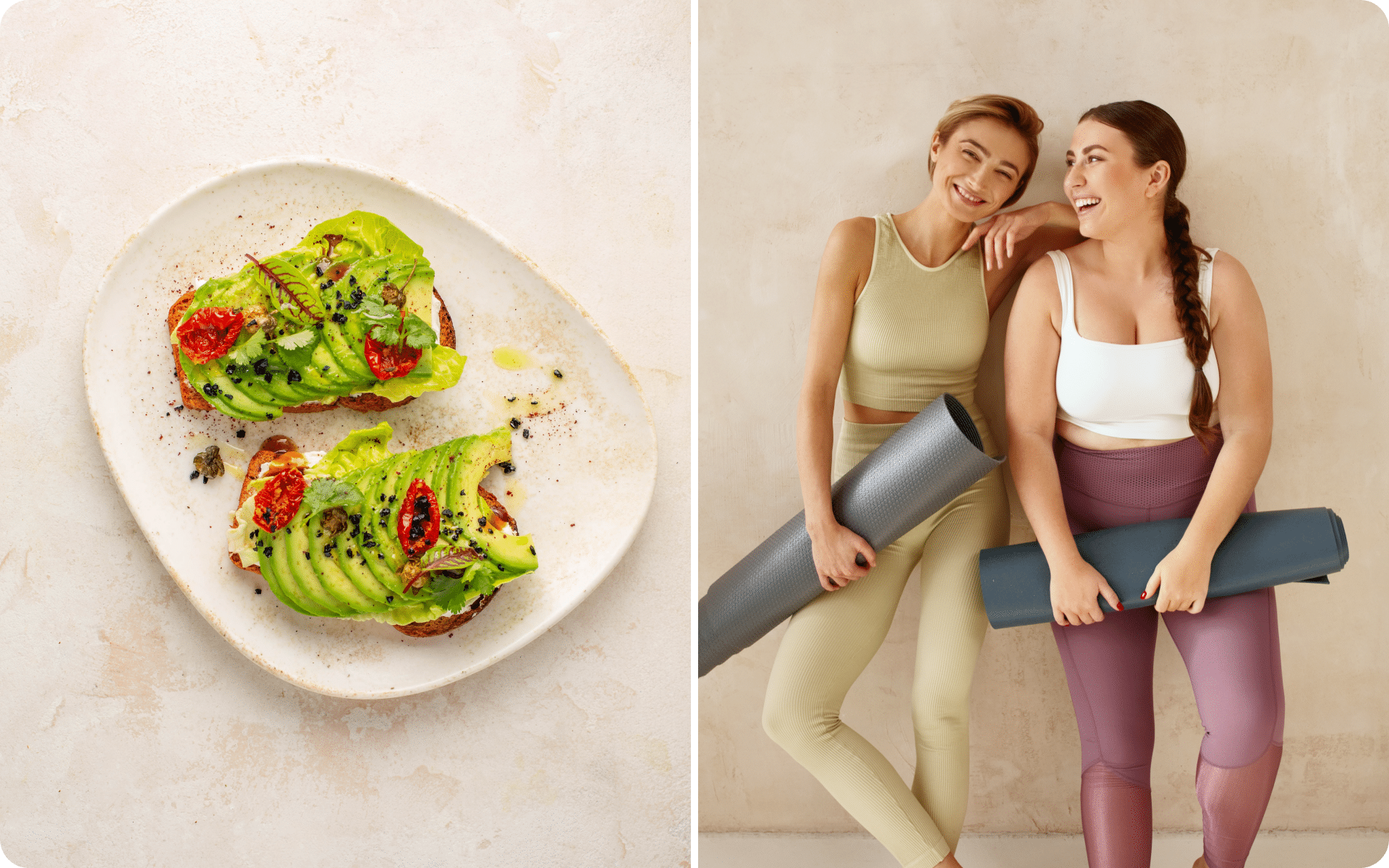
Intermittent Fasting Food List
Below is an intermittent fasting food list that works well in many intermittent fasting meal plans.
| Protein | Produce | Whole grains | Healthy fats |
|---|---|---|---|
| Turkey | Broccoli | Brown rice | Avocado |
| Chicken | Berries | Oats | Olive oil |
| Salmon | Spinach | Quinoa | Almonds |
| Eggs | Apples | Whole-grain bread | Chia seeds |
| Tofu | Bell peppers | Sweet potato | Peanut butter |
Choosing foods from several categories can help you build balanced meals throughout your eating window.
Intermittent Fasting Meal Plan Example
Here’s an example of an intermittent fasting menu plan using a 14:10 schedule.
| Time | Meal |
|---|---|
| 10:00 am | Greek yogurt, oatmeal, and berries |
| 1:30 pm | Ground turkey, avocado, lettuce, brown rice, and whole-grain tortilla |
| 4:00 pm | Apple slices with peanut butter |
| 7:00 pm | Salmon cooked in light olive oil, roasted vegetables, and quinoa |
Notice how the fasting menu plan combines protein, produce, carbs, and healthy fats into each meal.
For more intermittent fasting meal ideas, feel free to check one of our earlier articles on this topic.
How Can You Adjust the Plan for a 14:10 or 16:8 Schedule?
One practical feature of intermittent fasting is that meal times can often be adjusted without completely changing what you eat.
14:10 Schedule
A 14:10 schedule provides a 10-hour eating window. Here’s an example of how you plan your day:
- 10:00 am: Breakfast
- 2:00 pm: Lunch
- 7:00 pm: Dinner
This schedule may work well for beginners as it offers flexibility while still allowing time for three balanced meals.
16:8 Schedule
A 16:8 schedule allows an eight-hour eating window. The day could look like this:
- 12:00 pm: First meal
- 3:30 pm: Snack
- 7:30 pm: Dinner
You don’t need to change your meals. Instead, simply adjust when you eat them.
Fasting Phases in a Daily Eating Schedule
People sometimes use the term fasting phases to describe different parts of a daily intermittent fasting routine. In this article, the term refers to the eating window, the transition after your final meal, and the fasting window rather than specific metabolic stages.
| Phase | Focus |
|---|---|
| Eating window | Eat nutritionally balanced meals and stay hydrated |
| Transition | Finish the meal plan to prepare for fasting |
| Fasting window | Drink water or calorie-free drinks only—avoid food |
Breaking the day into separate phases may make the schedule feel more structured and manageable.
Working Out While Fasting
Exercise can easily fit into an intermittent fasting routine. The timing of it comes down to personal preference, workout intensity, and how you feel before and after.
Before Your Eating Window
Some may prefer light activities before your eating window. Think walking or gentle stretching before your first meal. Pay attention to your energy levels instead of forcing your way through a challenging workout.
During Your Eating Window
Others may prefer scheduling their workouts during the eating window so they can enjoy a meal afterward. This timing may feel more practical for longer or more demanding workouts.
Choose What Feels Best
Choose a workout time that fits your schedule and feels manageable based on your energy levels.
Read more: Intermittent Fasting with a Morning Workout: How to Build a Sustainable Schedule
How Can You Prepare Intermittent Fasting Meals in Advance?
With a hectic schedule, it’s best to prepare meals ahead of time to make intermittent fasting easier to maintain. A little planning can go a long way. For example, it can help reduce daily cooking, simplify grocery shopping and even help you stay consistent with your eating window.
Batch Cook Protein
Starting with a protein source can simplify meal prep and give you a foundation for building balanced meals. If you prepare larger portions of protein at the beginning of the week, you have flexible meal options for several days. Some good choices include:
- Grilled chicken
- Baked or broiled salmon
- Ground turkey
- Hard-boiled eggs
- Tofu
- Lentils
What’s great about these proteins is that they can be mixed with a variety of vegetables and whole grains to create a range of meals without extra cooking.
Prep Produce Ahead of Time
Washing and chopping produce can feel like one more chore at the end of a busy day. Doing some of the work in advance gives you ready-to-use ingredients for meals, snacks, and side dishes. Consider prepping:
- Broccoli florets
- Mixed greens
- Carrot sticks
- Steamed mushrooms
- Strawberries
- Apples
- Bell pepper slices
You don’t have to prepare everything for the entire week. Even washing a few fruits and chopping vegetables for the next two or three days can save time when you’re ready to eat.
Portion Meals for the Week
Portioning your meals into individual containers simplifies busy workdays. For example:
| Meal | Example |
|---|---|
| Lunch | Grilled chicken breast, brown rice, and broccoli |
| Dinner | Baked salmon, sweet potato, and asparagus |
| Snack | Greek yogurt with berries |
Consider using repeatable meals in your fasting meal plans to help reduce planning and prep time.
Stock Convenient Staples
Convenience foods also fit into an intermittent fasting menu plan. Some helpful staples are:
- Frozen vegetables
- Microwavable rice
- Canned beans
- Rotisserie chicken
- Greek yogurt
- Cottage cheese
- String cheese
- Frozen fruit
Having these foods available in your kitchen makes it easier to prepare balanced meals even when you’re short on time.
Whether you want to refresh your fitness routine, explore lower-calorie recipe ideas, or bring more structure to your wellness habits, BetterMe Well-Being Coach app offers tools that can support your next step. Explore the app and find an approach that works for your lifestyle.
How Can You Adapt the Plan to Different Dietary Preferences?
You can adapt an intermittent fasting meal plan to suit many different eating styles.
Vegetarian Meal Plan
Intermittent fasting meal plans for vegetarians often include foods such as:
- Tofu
- Eggs
- Greek yogurt
- Lentils
- Beans
- Quinoa
- Nuts and seeds
Pairing plant-based proteins with vegetables and whole grains helps keep your meals tasty and satisfying.
Mediterranean-Style Meal Plan
A Mediterranean-style eating pattern emphasizes vegetables, fruits, whole grains, beans, nuts, olive oil, and moderate amounts of fish and other animal-based foods (5). An intermittent fasting plan for the Mediterranean diet likely includes:
- Fish
- Olive oil
- Vegetables
- Whole grains
- Beans
- Fruit
- Nuts
These foods offer plenty of variety while still fitting naturally into many intermittent fasting schedules.
Higher-Protein Meal Plan
Some prefer a higher protein approach. A higher-protein intermittent fasting meal plan may include:
- Chicken breast
- Turkey
- Cottage cheese
- Lean ham
- Greek yogurt
- Fish
- Eggs
- Protein shakes
A well-rounded meal includes balancing protein with vegetables, whole grains, and healthy fats.
Dairy-Free Options
Even if you’re avoiding dairy, there are still many foods that fit into an intermittent fasting meal plan. Think of foods such as:
- Soy milk
- Soy yogurt
- Almond milk
- Tofu
- Fish
- Beans
- Chicken
- Nuts
- Seeds
Read more: Intermittent Fasting and Fiber: How Much Do You Need?
How Can You Make the Meal Plan Fit Your Daily Routine?
Your meal plan should feel realistic enough to fit into your daily routine.
Plan Around Work
First and foremost, plan your meals around your work schedule. If you work traditional daytime hours, plan your meals around your lunch break. Prepping and packing your meals ahead of time also reduces the temptation to rely on convenience foods.
Make Weekends Flexible
You can expect the unexpected on the weekend. This time often involves social events and family meals. Instead of trying to follow the exact same schedule every day, it’s OK to adjust your eating window slightly while maintaining similar meal patterns.
Prepare for Travel
Sometimes travel itineraries don’t go as planned. Packing easy-to-carry foods can help you stay prepared when your usual meals aren’t available. Consider options such as:
- Protein bars
- Trail mix
- Individual tuna packets
- Whole-grain crackers
- Banana
That way you’re prepared to make your intermittent fasting plan easier to maintain even when you’re away from home.
Keep Meals Simple
Intermittent fasting meal plans should be easy to follow. So keep it simple by avoiding complicated recipes.
For example, you might alternate between two proteins, a few vegetables, and different grains or starches throughout the week. Changing the seasonings, sauces, or side dishes adds variety without forcing you to start from scratch every day.
What Common Meal-Planning Mistakes Should You Avoid?
If you’re new to intermittent fasting meal planning, knowing a few common mistakes can help you build a more practical routine.
Skipping Protein
A meal without a good protein source can feel less satisfying. Try including a protein source with each meal to help create more balanced eating patterns.
Waiting Too Long to Eat
Some may unintentionally wait too long, to the point that they’re extremely hungry before eating. Planning meals ahead of time can make it easier to eat within your scheduled eating window. You can also start with a larger eating window and gradually shorten it if desired.
Making Meals Too Complicated
You don’t have to be a gourmet chef. In fact, a practical intermittent fasting meal plan often doesn’t require fancy recipes. Instead, choose a few simple combinations of protein, vegetables, whole grains, and healthy fats that you genuinely enjoy.
Forgetting to Stay Hydrated
It’s easy to focus on food and forget about hydration. Keep water and other fasting-friendly drinks within reach throughout the day. You can also try unsweetened tea, sparkling water, and black coffee to drink during your fasting window.
Changing Your Schedule Every Day
Changing your eating window every day can make it harder to establish a routine. Try keeping a relatively consistent intermittent fasting schedule in your meal plan to make it easier over time.
Frequently Asked Questions
What can you drink during the fasting window?
You can drink water, sparkling water, black coffee, plain tea, and unsweetened herbal tea during your fasting window as they contain little to no calories.
Can you swap meals in an intermittent fasting meal plan?
Absolutely. Meals can easily be swapped as long as they fit within your eating window and provide that balance of protein, produce, whole grains and healthy fats.
Do you need to count calories while following the plan?
That depends on your goals and preferences. Some people track calories, while others focus on balanced meals and a consistent eating schedule.
Can you include snacks during your eating window?
Yes. Snacks can fit into an intermittent fasting meal plan if you prefer to eat between meals. You can eat snacks in your eating window, but make sure you choose options that include protein, fiber, or healthy fats to help make them more satisfying.
What should you do if you feel hungry after the eating window closes?
You may find that drinking water or unsweetened tea helps with hunger after the eating window closes. If hunger continues to be a concern, you may want to consider whether your eating window and meal timing meet your needs.
Can you drink coffee while following an intermittent fasting plan?
Many people drink black coffee during the fasting window as it contains very few calories, but you should avoid sweeteners, creamers, and other calorie-containing additions that are best saved for your eating window.
Can you exercise while following an intermittent fasting meal plan?
Many people include physical activity while following an intermittent fasting meal plan, but the right timing and intensity can vary. Some prefer exercising during the eating window, while others choose lighter activities before their first meal. The best approach will depend on your needs, schedule, and how you feel during exercise.
The Bottom Line
An intermittent fasting meal plan isn’t just about choosing an eating window. It’s also about building balanced meals with protein, vegetables, fruit, whole grains, and healthy fats to help create a routine that feels practical and sustainable. Whether you follow a 12:12, 14:10, or 16:8 schedule, planning meals ahead of time, keeping recipes simple, and adapting your eating window to your lifestyle can make the plan feel more manageable.
DISCLAIMER:
This article is intended for general informational purposes only and does not serve to address individual circumstances. It is not a substitute for professional advice or help and should not be relied on for making any kind of decision-making. Any action taken as a direct or indirect result of the information in this article is entirely at your own risk and is your sole responsibility.
BetterMe, its content staff, and its medical advisors accept no responsibility for inaccuracies, errors, misstatements, inconsistencies, or omissions and specifically disclaim any liability, loss or risk, personal, professional or otherwise, which may be incurred as a consequence, directly or indirectly, of the use and/or application of any content.
You should always seek the advice of your physician or other qualified health provider with any questions you may have regarding a medical condition or your specific situation. Never disregard professional medical advice or delay seeking it because of BetterMe content. If you suspect or think you may have a medical emergency, call your doctor.
SOURCES:
- Time-Restricted Eating: What We Know and Where the Field is Going (2023, pmc.ncbi.nlm.nih.gov)
- Clinical Evidence and Mechanisms of High-Protein Diet-Induced Weight Loss (2020, pmc.ncbi.nlm.nih.gov)
- Nutrition Information for Raw Fruits, Vegetables, and Fish (2017, fda.gov)
- Whole Grains (2026, nutritionsource.hsph.harvard.edu)
- Mediterranean Diet (2024, hmy.clevelandclinic.org)

 Reviewed by
 Reviewed by