

Living with diabetes can make exercise feel less straightforward than it sounds. Choose a workout, press play, get moving — that’s the simple version. But in practice, the body may respond differently depending on a bunch of factors like the activity itself, its intensity, food timing, stress, fitness level, and whether insulin or other glucose-lowering medication is involved.
And those responses are completely personal, as diabetes can mean that the body’s ability to perform physical tasks can be more variable than in other people. A brisk walk may feel manageable one day and noticeably different the next; a strength session may affect the body differently from a longer cardio workout. For people who use insulin or medication that affects blood sugar, it’s best to take guidance from your healthcare team, especially when starting or stepping up a routine.
Still, movement doesn’t have to begin with a demanding plan. Often, the more useful, as well as gentlest, starting point is smaller: an approachable session, a repeatable pace, and enough space to notice how the body feels.
Answer First: Diabetes-friendly workouts are approachable movement sessions designed for people living with diabetes. They may include low-impact cardio, strength exercises, stretching, mobility work, and recovery sessions. The aim is not to treat or cure diabetes, nor to replace medical care, but to make beginner-friendly movement feel more accessible while respecting personal limits and healthcare guidance.

What Are Diabetes-Friendly Workouts?
Exercise for diabetes can include many kinds of movement. They aren’t one special type of exercise. There’s no single workout that is right for everyone living with diabetes.
Broadly, these workouts may include:
- Low-impact cardio, such as walking
- Strength exercises, including seated and standing moves
- Mobility work to help the body move more freely
- Gentle stretching
- Recovery sessions that involve lower-intensity movement after more active workouts
Diabetes-friendly workouts involve the major types of exercise that support overall wellness and specifically can improve insulin sensitivity both immediately after the workout and in the long-term, a key to support life with diabetes. At the same time, diabetes-friendly workouts involve a starting point that is gentle for someone beginning this type of exercise.
The details of workouts with each of these categories can change. A person may choose a shorter session, a slower pace, or chair-based moves, depending upon their experience, energy, or well-being. Any of these activities can be adapted to a person’s needs. Personal wellness, a key consideration with diabetes, also matters. As mentioned, the right activity depends on a number of factors, including both wellness and exercise history, and how the body responds to movement.
Although exercise has several wellness benefits for individuals with diabetes, most notably promoting insulin sensitivity, diabetes-friendly workouts are not a treatment or cure for diabetes. They don’t replace medical care. People who use insulin or other medicine that can lower blood sugar should follow their healthcare team’s advice.

Why Can Exercise Feel Different With Diabetes?
The link between physical activity and diabetes is not always simple. Even with diabetes-friendly workouts, your blood sugar may not respond the same way each time. It may rise, fall, or stay close to the same level. The response can also differ from one person to another.
Several things can play a part in how blood sugar levels respond to exercise (1):
- Type of activity: A steady walk may affect blood sugar differently from short bursts of hard exercise.
- Intensity: Easy and challenging sessions can lead to different responses. In general, hard and fast bursts of exercise can acutely raise blood sugar levels, while more sustained, less intense exercise can gradually lower blood sugar levels.
- Medication: Medication may influence your blood sugar response, and if you are unsure how your medication may affect you, follow your healthcare provider’s guidance.
- Food timing: When and what a person eats may affect their response. While the interplay between diet and exercise with diabetes is more nuanced, food, especially sweeter and starchier options, before exercise can lead to higher blood glucose levels, all other factors held consistent.
- Stress: Stress can change blood sugar levels and most often acutely raises blood sugar levels.
- Fitness level: Exercise plans may need to reflect a person’s current ability and experience, and experience level with a given type of exercise can cause blood glucose to either rise or fall.
The same workout may even feel different on two separate days. This’s why personal patterns matter rather than following generic advice.
Why Can Exercise Feel Different With Diabetes?
Even with diabetes-friendly workouts, the body may not present the same outcome. Blood sugar can go up, go down, or stay about the same.
The response may depend on:
- The type of exercise
- How hard the session feels
- When the person last ate
- Stress levels
- Current fitness level
- Medication timing
A slow walk may affect the body differently from a strength workout. A session may also feel easy one day and harder the next. This is why it can help to notice patterns over time. The goal is not to expect the same result from every workout. It’s to learn how the body responds to different kinds of movement. By recording food intake, exercise, and blood sugar levels, one can often learn how their body responds to different types of exercise.
What Types of Exercise Can Be Diabetes-Friendly?
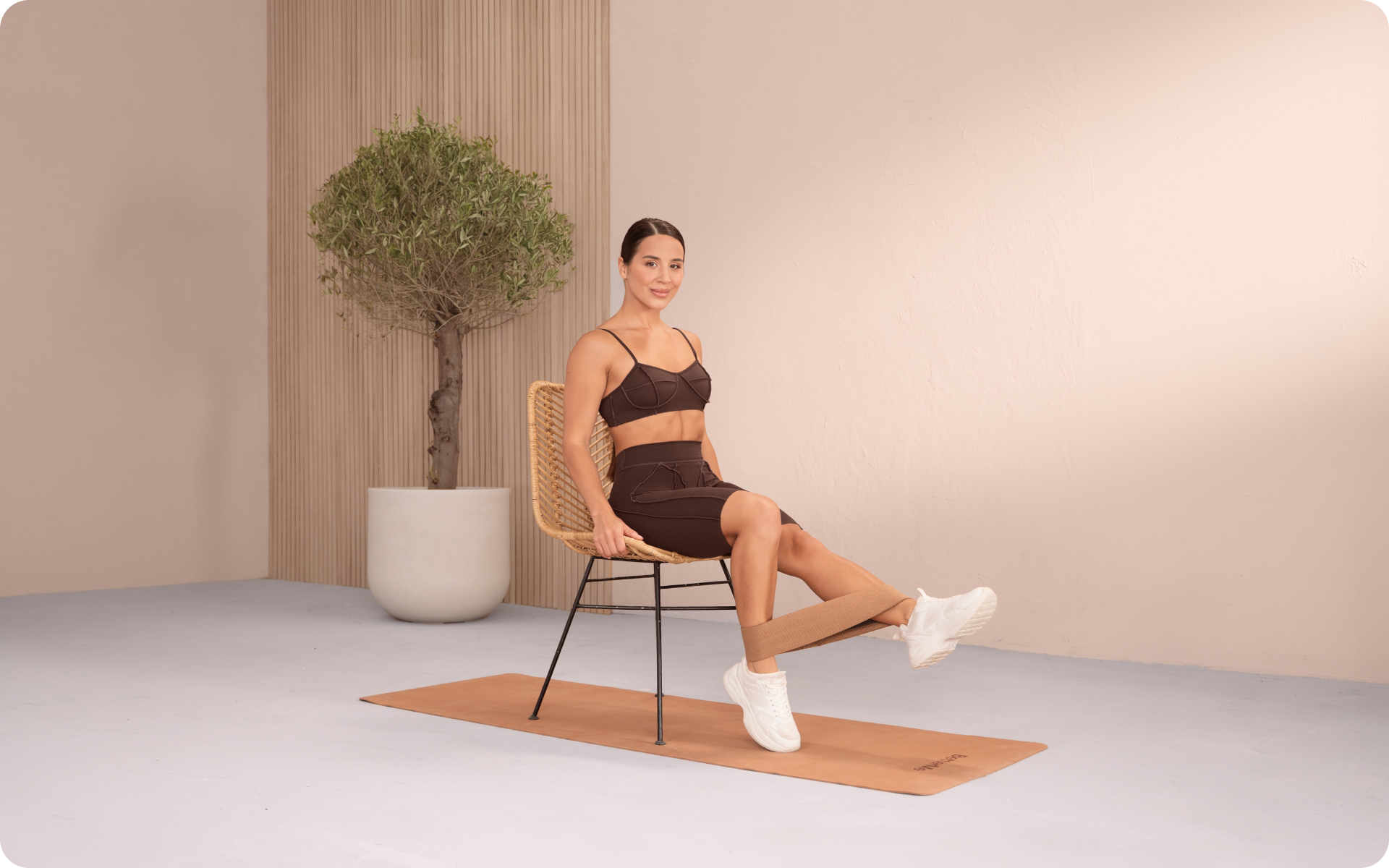
Diabetes-friendly workouts can include more than one kind of movement. Some sessions can raise the heart rate. Others build strength or help the body relax.
Low-impact workouts for those with diabetes can be a simple place to begin any form of exercise. Because they stress systems in the body relatively less, they are less likely to lead to major fluctuations in blood glucose levels. Here are a few beginner-friendly examples:
| Workout type | Beginner example |
|---|---|
| Low-impact cardio | A 10-minute walk |
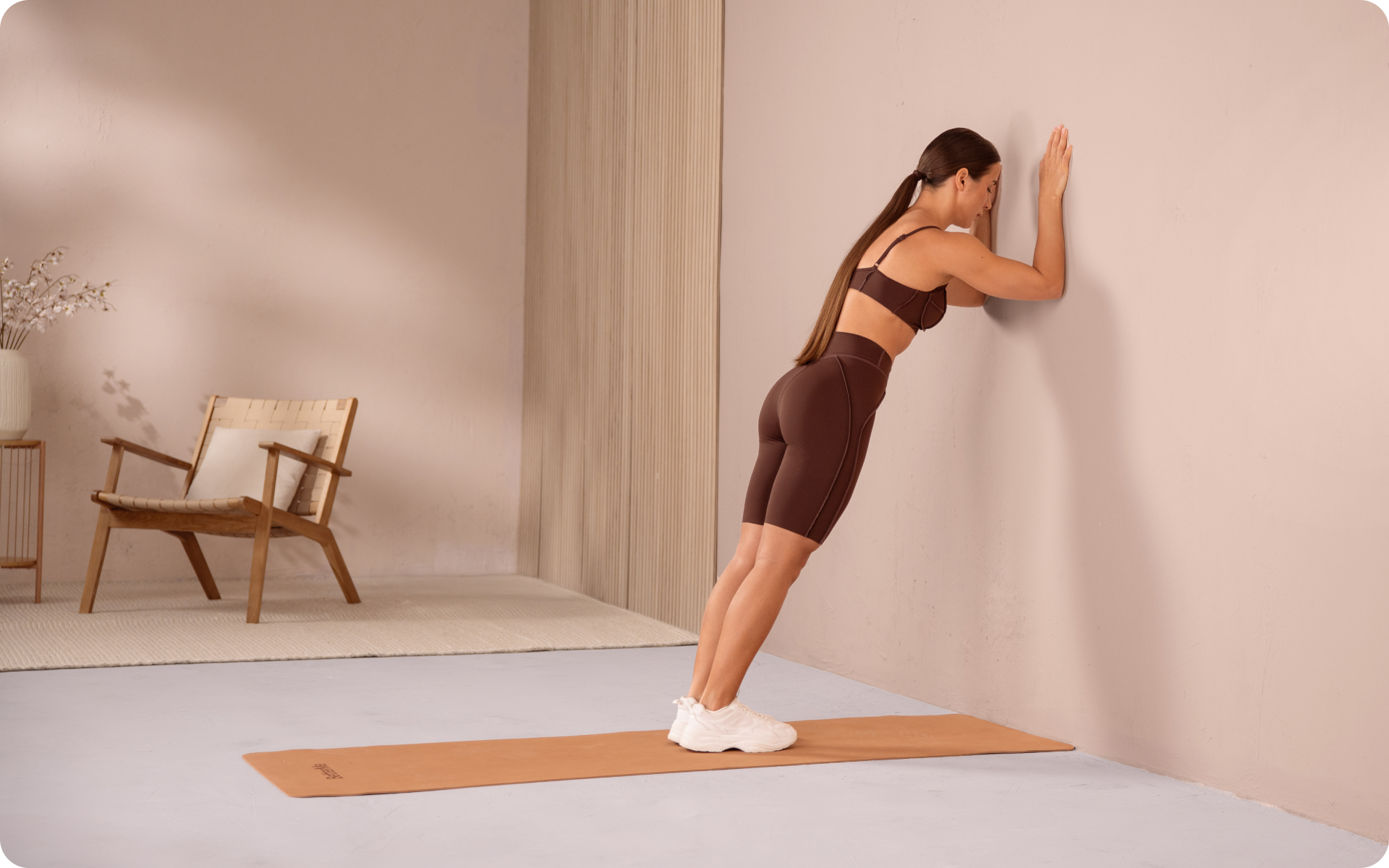
| Strength training | Chair squats or wall push-ups |
| Stretching | A gentle full-body stretch |
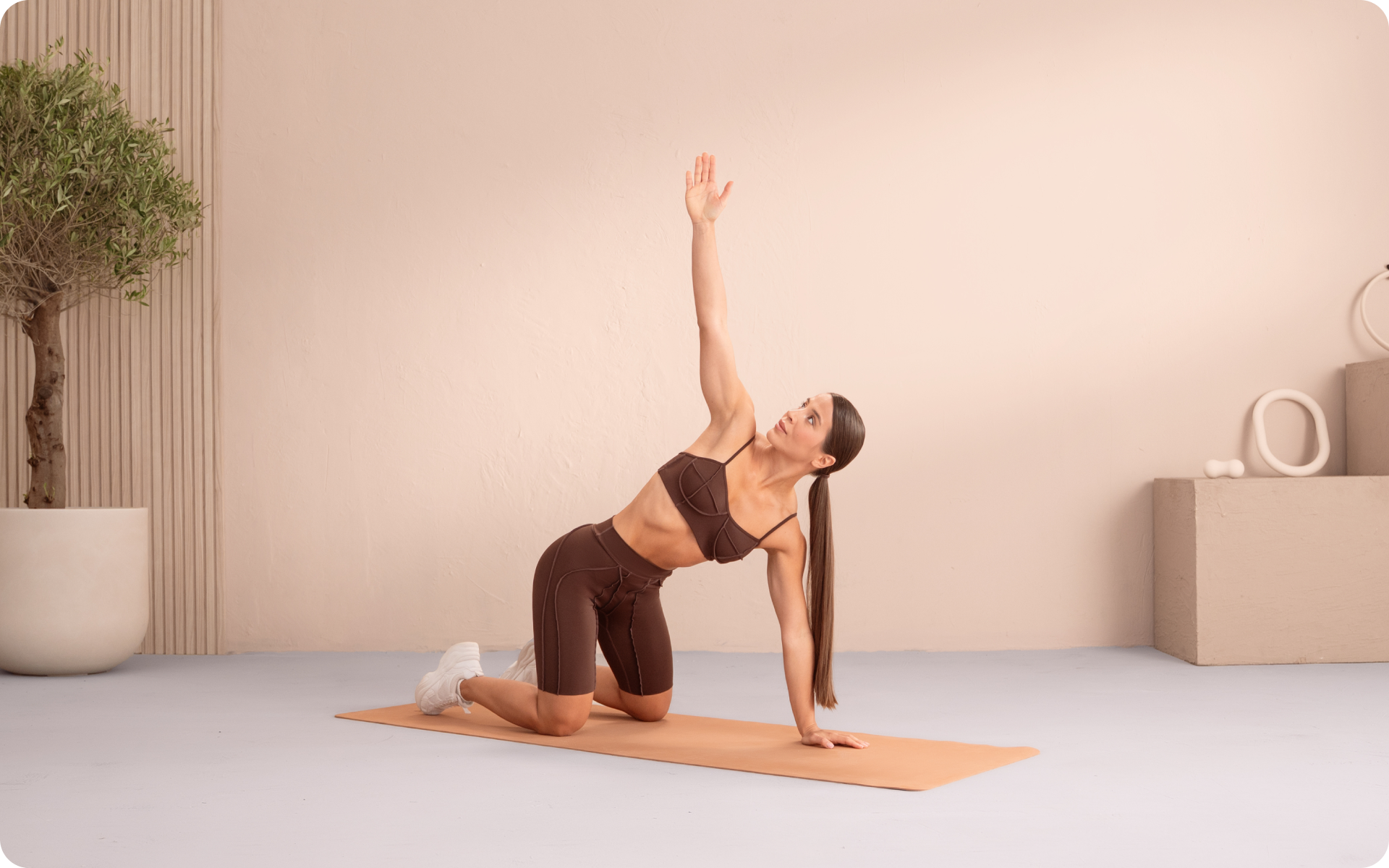
| Mobility work | Seated or standing mobility drills |
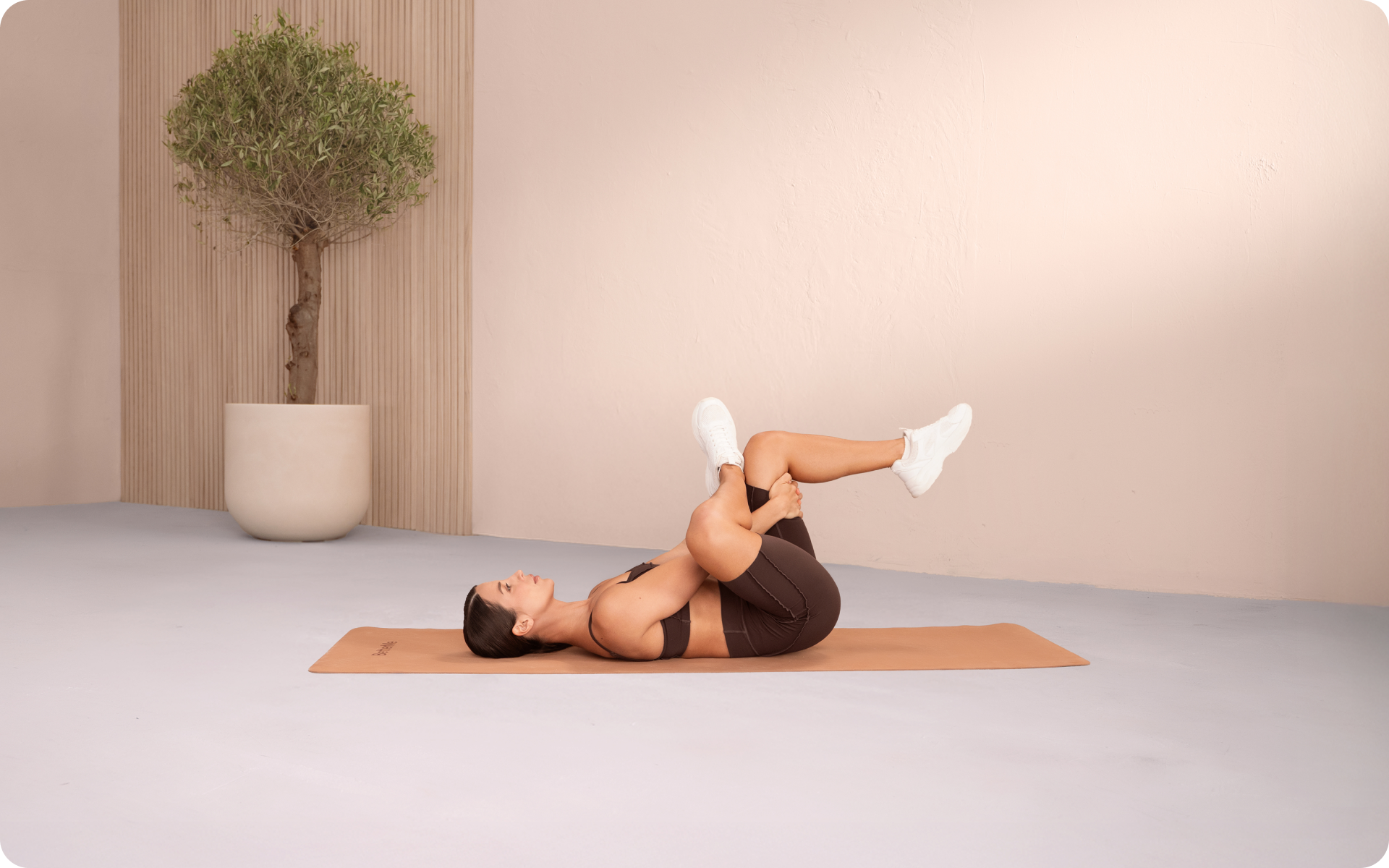
| Recovery | Stretching |
A person does not need to do every type at once. They may start with one short session and add more variety over time. When combining strength training and diabetes care, beginners may start with moves such as chair squats or wall push-ups. For adults with type 2 diabetes, research suggests undertaking aerobic, resistance, flexibility, and balance exercises (2).
Although both aerobic and strength exercise have unique benefits for diabetes support, the best choice depends on what feels manageable and supports blood sugar levels. Some people may prefer walking. Others may feel more comfortable with chair-based strength exercises or gentle stretching. The session can and should be adjusted to match a person’s current fitness level and personal limits, and small, incremental increases in overall volume and intensity are generally gentler for individuals with diabetes.
How Can Beginners Start Exercising With Diabetes?
The best first step is often a small one. Beginner workouts for diabetes can start with just five or ten minutes of movement. They don’t actually need to feel long or difficult to be impactful. Again, progression in volume and intensity over time should be gradual.
Beginners can try these simple steps:
- Start small. Try five or ten minutes of movement.
- Pick something repeatable. A short walk or chair workout may be easier to keep doing.
- Do not chase intensity. Harder is not always better, and especially early on, before fully understanding how one’s blood sugar responds to exercise, lower-intensity exercise is moderate with diabetes.
- Notice how your body feels. Pay attention to energy, comfort, and recovery. If your observations are positive, you should be able to gradually add to the length and intensity of your exercise.
- Build up slowly. Add time or new moves only when you feel ready.
A simple routine may work better than a perfect plan. For example, someone might walk for ten minutes three times a week (3). Once that feels normal, they could add a short strength session to each walk.
People living with diabetes should also ask a healthcare professional about (4):
- When to check blood sugar around exercise
- The best time of day to work out
- How food or medication may affect the plan
This information ensures that exercise will be gentle and can be progressed. The goal is steady progress.
What Is BetterMe’s Diabetes-Friendly Workout Collection?
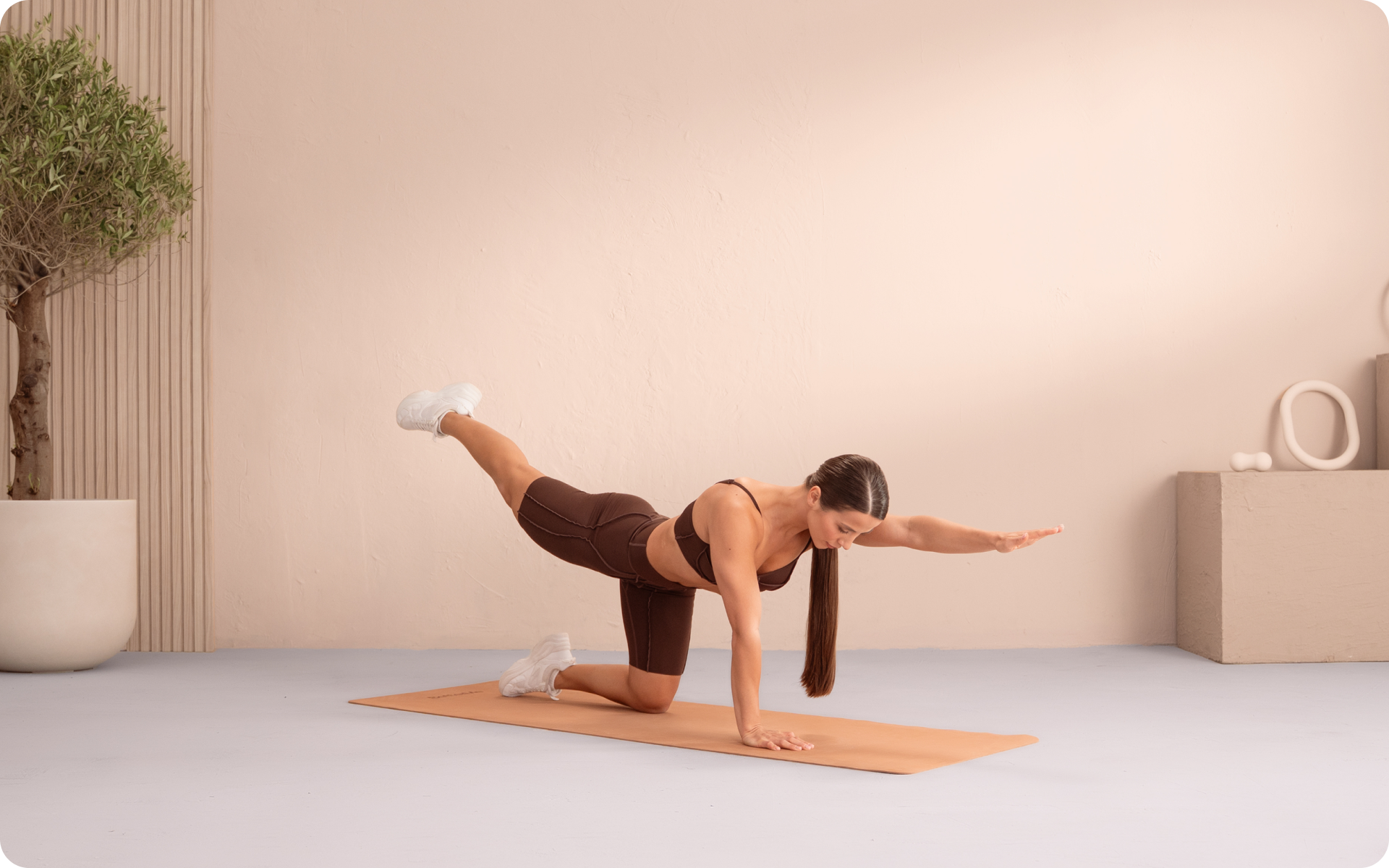
BetterMe has launched a collection of diabetes-friendly workouts in the BetterMe Well-Being Coach app. It was developed and reviewed in collaboration with Diabetes UK (5).
The collection includes 28 beginner-friendly diabetes workout sessions. Users can choose from:
- Strength workouts
- Cardio workouts
- Gentle stretching
- Myofascial release
- Other recovery sessions
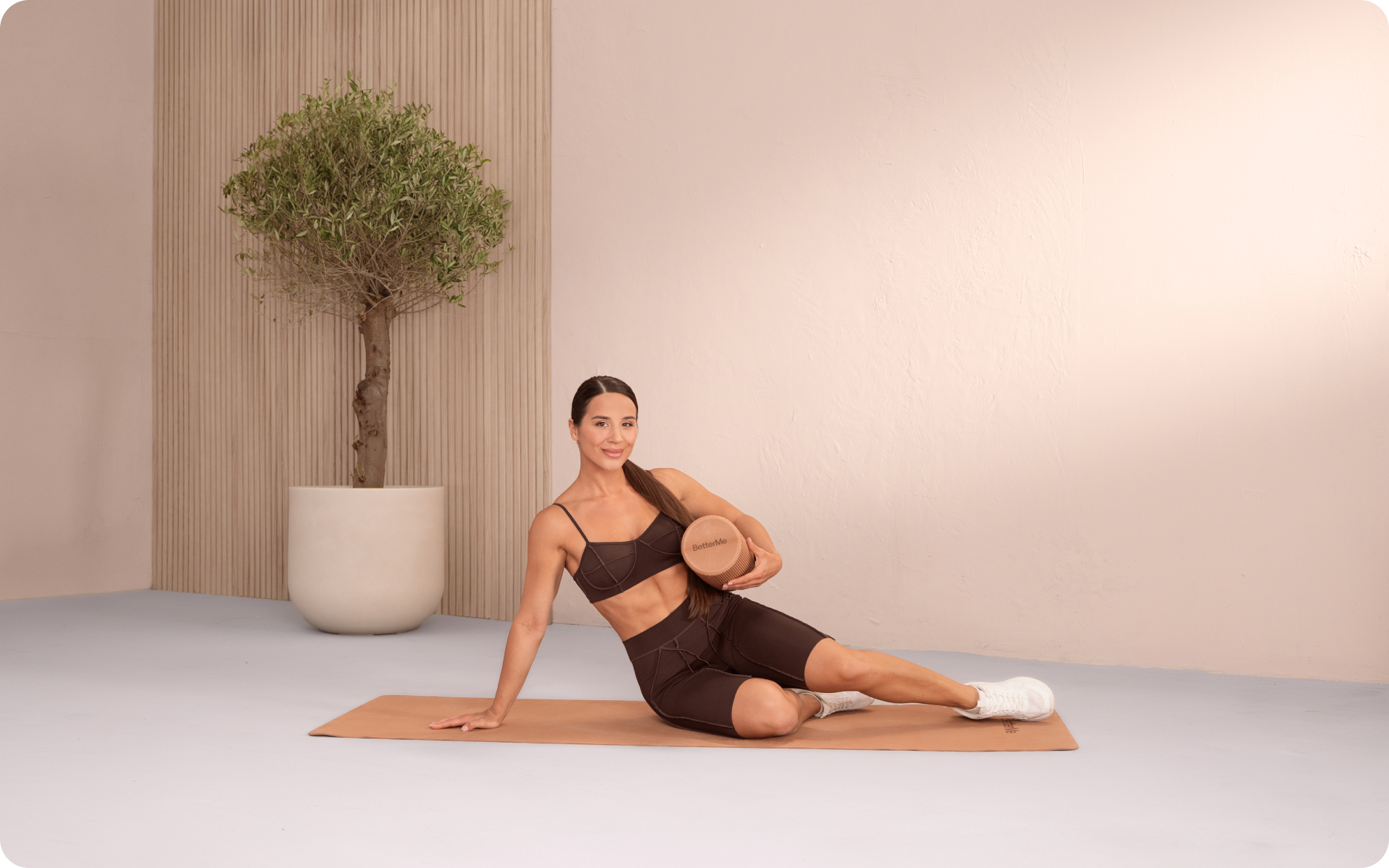
The sessions give beginners a clear place to start. They also offer both active workouts and gentler options for recovery.
The collection is available around the world through the BetterMe Well-Being Coach app. Users can find the app on iOS and Android devices. The collection does not replace medical care or personal advice from a healthcare professional.
How Can BetterMe Make Movement More Approachable?
Starting a new routine can feel easier when there is a clear plan to follow. BetterMe’s collection offers structured sessions that users can do at home.
The collection may help make movement feel more approachable through:
- Beginner-friendly guidance
- Short, structured sessions
- At-home access
- Strength and cardio options
- Gentle stretching and recovery sessions
- Support for building a regular routine
Users can choose a session that fits their energy and fitness level. They can also switch between more active workouts and gentler options.
The aim isn’t to do everything at once. It’s to find a routine that feels realistic and can be repeated over time.
Explore BetterMe’s diabetes-friendly workout collection in the BetterMe Well-Being Coach app. If you live with diabetes or take medication that affects blood sugar, speak with your healthcare team before starting a new or more challenging routine.
FAQs
What exercise is good for people living with diabetes?
Many people start with walking, low-impact cardio, strength training, stretching, or a mix of these, depending on healthcare guidance. Each type of exercise has unique benefits for supporting life with diabetes.
Can exercise affect blood sugar?
Yes. The effect can vary by activity type, intensity, medication, food timing, stress, and individual response, and collecting your unique blood sugar data is essential to understand your body’s responses.
Are BetterMe diabetes-friendly workouts beginner-friendly?
Yes. The press release states that the program includes 28 beginner-friendly sessions.
DISCLAIMER:
This article is intended for general informational purposes only and does not serve to address individual circumstances. It is not a substitute for professional advice or help and should not be relied on for making any kind of decision-making. Any action taken as a direct or indirect result of the information in this article is entirely at your own risk and is your sole responsibility.
BetterMe, its content staff, and its medical advisors accept no responsibility for inaccuracies, errors, misstatements, inconsistencies, or omissions and specifically disclaim any liability, loss or risk, personal, professional or otherwise, which may be incurred as a consequence, directly or indirectly, of the use and/or application of any content.
You should always seek the advice of your physician or other qualified health provider with any questions you may have regarding a medical condition or your specific situation. Never disregard professional medical advice or delay seeking it because of BetterMe content. If you suspect or think you may have a medical emergency, call your doctor.
SOURCES:
- Does Exercise Lower Blood Pressure Levels? (2024, Diabetes UK)
- Exercise/Physical Activity in Individuals with Type 2 Diabetes: A Consensus Statement from the American College of Sports Medicine (2022, Medicine and Science in Sports and Exercise)
- Get Active | Diabetes (2024, U.S. Centers for Disease Control and Prevention)
- Summary of Revisions: Standards of Care in Diabetes—2026 (2026, American Diabetes Association Professional Practice Committee for Diabetes)
- BetterMe launches diabetes-friendly workouts to support people living with the condition, in collaboration with Diabetes UK (2026, PR Newswire)

 Medically reviewed by
 Reviewed by
 Reviewed by
 Reviewed by