

Losing belly fat is arguably one of the most common fitness goals. For aesthetic reasons, many strive to attain that ideal flat stomach, not knowing that there are far more important reasons to lose belly fat.
Excess belly fat is linked to various health risks, including heart disease, diabetes, and certain types of cancer (1).
According to research, belly fat is more dangerous than fat stored in other parts of the body. It produces inflammatory substances that can lead to chronic inflammation, which can significantly increase the risk of a range of diseases (11).
Losing it may be the best decision one can make for their overall well-being. Now, serious as that sounds, no amount of wishful thinking or fad diets can rid you of stubborn belly fat overnight. In fact, this type of fat can be stubborn and downright tricky to lose.
Let’s discuss realistic timelines and the most effective strategies that you can adopt to manage and reduce belly fat over time.
How Long Does It Take to Reduce Belly Size?
It takes at least a few weeks to see visible changes in your belly size. However, this varies from person to person depending on several factors such as genetics, body composition, age, and gender.
For instance, younger people may see results faster due to their higher levels of growth hormones that can result in a higher metabolism and promote fat burning (13).
Men tend to have a higher metabolism, due to having a bigger body mass. (10). Those with a higher percentage of body fat may also see changes faster because they have more fat to lose.
On average, it takes around 8-12 weeks to start noticing a significant reduction in belly size. This timeline is based on the recommended healthy weight loss rate of 1-2 pounds per week (9).
If you struggle to even flirt with the idea of giving up your favorite foods or working out till your legs give way – BetterMe app is here to breathe a fresh perspective into the way you view the weight loss process! Check out the app and experience the fun side of fitness and dieting with BetterMe!
All factors considered, whether you see any changes in your belly size or not depends on your commitment to a healthy diet and exercise routine.
We say that because belly fat is sometimes the last bit of fat to go. Even when your overall weight decreases, it may take some time before you see a noticeable reduction in your waistline.
So if you’re not seeing immediate results, don’t get discouraged. Stick to your healthy habits and trust the process.
The stages of losing belly fat for women and men are slightly different.
Look out for these non-scale signs you’re losing belly fat:
- Your clothes are getting looser, especially around the waistline.
- Your stomach feels firmer and less squishy.
- You start noticing muscle definition in your abdominal area.
- You’re feeling more energetic and your overall mood has improved.
- Your waistline measurements decrease.

What Is The Fastest Way to Get a Flat Stomach?
The fastest way to get a flat stomach is to eat nutrient-dense foods, in correct portions, while increasing physical activity.
This approach helps you burn more calories than you consume, which creates a calorie deficit and triggers fat loss. To achieve this, do the following:
1. Cut Down on Sugar
Sugary foods and many beverages are high in calories and can lead to excess weight gain – particularly around your midsection as a result of increased abdominal fat (17).
Sweetened drinks, in particular, are major contributors to belly fat and a range of other health issues.
Research has shown that a high sugar intake can lead to increased fat storage in the liver and abdominal area, which can lead to insulin resistance, type 2 diabetes, and heart disease (16).
Limiting your added sugar intake is one of the fastest ways to reduce belly fat. Try opting for healthier alternatives like fresh fruits when you have a sweet craving.
The tricky part is, sugar is often hidden in processed foods under names like high fructose corn syrup, maltose, and sucrose. Make it a habit to read food labels carefully and avoid foods with added sugars.
2. Increase Your Protein Intake
The link between protein and satiety, as well as muscle maintenance, is well established (18). Eating more protein in your diet can help you feel full longer and prevent overeating.
A high-protein diet has also been shown to boost the metabolism, which helps burn more calories while at rest (2). It may also be beneficial in reducing belly fat specifically; a study found that consumption of quality protein is associated with less central abdominal obesity (14).
Differentiating lean protein sources from fattier ones is crucial. A simple example is choosing lean cuts of chicken or turkey instead of processed deli meats like sausages and bacon.
Here are some ideal lean protein sources:
- Skinless chicken breast
- Lean cuts of beef or pork
- Seafood like salmon, tuna, and shrimp
Read more: Does Holding In Your Stomach Help Flatten It? Unraveling the Myths
3. Eat More Whole Foods, Less Processed Foods
Whole foods are minimally processed and packed with nutrients, while ultra-processed foods tend to be high in calories, unhealthy fats, sugar, and salt.
Studies have shown that people who eat a diet of mostly whole foods tend to lose more weight than those who consume primarily processed foods (6). There are several reasons why this may be the case:
- whole foods have a higher thermic effect, meaning your body burns more calories digesting them (4).
- whole foods are high in fiber, which helps keep you feeling full and satisfied (3).
- processed foods tend to be higher in unhealthy fats and added sugars, both of which can contribute to belly fat accumulation (19).
- processed foods tend to be high in sodium, which can lead to water retention and bloating (5) (8).
Incorporating more whole foods like:
- fruits and vegetables
- whole grains like quinoa and brown rice
- lean proteins such as chicken, fish, tofu, and beans
and reducing ultra-processed foods like:
- fast food meals
- packaged snacks like chips and cookies
- pre-made frozen dinners
can make a significant impact on your belly fat reduction journey.
4. Ensure That You’re In a Calorie Deficit
Just because you’re eating whole foods, avoiding sugar, and increasing protein intake doesn’t mean you’re automatically in a calorie deficit (12). You have to make sure you’re consuming fewer calories than you burn.
This means you’re:
- Determining your daily calorie needs based on factors like age, gender, and activity level
- Tracking your calorie intake through a food diary or app
- Controlling portion sizes through mindful eating and measuring food
- Being mindful of liquid calories from drinks like alcohol, soda, and juice
- Burning more calories through exercise or increasing daily physical activity.
5. Be Consistent with Exercise
While a healthy diet is key to losing belly fat, incorporating regular exercise can speed up the process. Not only does it burn calories, but it also helps build muscle mass, which in turn speeds up metabolism and increases calorie burn (15).
The most effective exercises for targeting belly fat include:
- Cardiovascular exercises like running, cycling, or swimming
- High-intensity interval training (HIIT)
- Strength training exercises like planks, squats, and deadlifts
To get a flat stomach with exercise you must be consistent and stick to a routine. Aim for at least 30 minutes of moderate to high-intensity exercise five days a week.
Check out our guide – Best Home Workouts to Lose Belly Fat for more tips and exercises you can do from the comfort of your own home.
Whether you’re a workout beast or just a beginner making your first foray into the world of fitness and dieting – BetterMe has a lot to offer to both newbies and experts! Install the app and experience the versatility first-hand!
6. Manage Your Expectations of a Flat Stomach
Finally, it’s important to have realistic expectations when it comes to getting a flat stomach. While there are steps you can take to reduce belly fat, it may not happen overnight.
Trying to flatten your stomach in a week or two will likely lead to disappointment and discouragement. Which may in turn lead to giving up on your healthy habits.
In our blog – How to Get a Flat Stomach, we encourage you to focus on overall health and well-being rather than solely on appearances.
Remember, everyone’s body is different and progress may not always be linear. Instead of getting fixated on a specific goal weight or appearance, celebrate the small milestones and continue to trust the process.
How Long Does It Take to Lose a Flat Stomach?
Once you get a flat stomach after having exercise and healthy eating, how long will it last? Again, this depends on your lifestyle habits. If you continue to eat well and exercise regularly, the results should be long-lasting. However, if you go back to old habits of a poor diet and no exercise, your flat stomach may not stay for very long.
Fat accumulation in the abdominal area can happen quickly, in a few months or even weeks.
Read more: Toned Stomach vs Flat Stomach: Which One Is Best, and Why?
FAQs
What Workouts Burn the Most Belly Fat?
High-intensity interval training (HIIT) exercises are known to be the most effective in burning belly fat (7). These include any exercises done at a high intensity for short periods, followed by rest or low-intensity exercise.
Here’s why HIIT is so effective in burning belly fat (from a scientific perspective) (7):
- Increases the production of growth hormone (HGH): This hormone helps burn fat and build muscle.
- Reduces visceral fat: HIIT has been shown to specifically target visceral fat, which is the dangerous type of belly fat that surrounds vital organs.
- Boosts metabolism: HIIT increases your metabolic rate for hours after a workout, burning more calories even when you’re at rest.
Are There Any Foods That Target Belly Fat?
While there is no specific food that solely targets belly fat, some foods have been shown to be helpful in reducing overall body fat and thus reducing belly fat as well. These include:
- High-protein foods: Protein helps increase muscle mass and metabolism, leading to more calories burned. Some good sources of protein include lean meats, tofu, beans, and eggs.
- Fiber-rich foods: Foods high in fiber help keep you feeling full and satisfied, preventing overeating. They also aid in digestion and reduce bloating. Examples include fruits, vegetables, whole grains, and legumes.
- Healthy fats: Contrary to popular belief, not all fat is bad for you. In fact, incorporating healthy fats like avocados, nuts, and olive oil into your diet can actually help with weight loss and reducing belly fat.
How Can I Flatten My Belly Fat Fast?
To flatten your belly fat fast, you need to be consistent and dedicated to healthy habits. This includes:
- Following a balanced diet that focuses on whole foods and reduces processed foods
- Incorporating regular exercise, including both cardio and strength training
- Managing stress levels through practices like meditation, yoga, or getting enough sleep
- Being mindful of portion sizes and avoiding overeating
Can I Get a Flat Belly In 2 Weeks?
You can get a flat belly in 2 weeks if you’re suffering from bloating or inflammation. By following a strict, anti-inflammatory diet and incorporating regular exercise, you may see a noticeable difference in your stomach area within two weeks.
However, if you’re aiming to lose belly fat and get a toned stomach, it is unlikely to happen in just two weeks. This type of transformation takes time, consistency, and dedication to healthy habits.
Why Can’t I Lose Belly Fat?
You may be struggling to lose belly fat because you’re not in a calorie deficit, and your diet and exercise routine may not be as effective as you think. It’s also possible that hormonal imbalances, stress levels, or lack of sleep could be contributing to difficulty losing belly fat.
The Bottom Line
It takes 8-12 weeks to get a flat stomach, but only if you’re consistently following a healthy diet and exercise routine. Remember to manage your expectations, celebrate small milestones, and focus on overall health rather than solely on appearance.
DISCLAIMER:
This article is intended for general informational purposes only and does not serve to address individual circumstances. It is not a substitute for professional advice or help and should not be relied on for making any kind of decision-making. Any action taken as a direct or indirect result of the information in this article is entirely at your own risk and is your sole responsibility.
BetterMe, its content staff, and its medical advisors accept no responsibility for inaccuracies, errors, misstatements, inconsistencies, or omissions and specifically disclaim any liability, loss or risk, personal, professional or otherwise, which may be incurred as a consequence, directly or indirectly, of the use and/or application of any content.
You should always seek the advice of your physician or other qualified health provider with any questions you may have regarding a medical condition or your specific situation. Never disregard professional medical advice or delay seeking it because of BetterMe content. If you suspect or think you may have a medical emergency, call your doctor.
SOURCES
- Abdominal Obesity, Adipokines and Non-communicable Diseases (2020, ncbi.nlm.nih.gov)
- A high-protein diet for reducing body fat: mechanisms and possible caveats (2017, biomedcentral.com)
- Dietary fibre and satiety (2007, onlinelibrary.wiley.com)
- Diet-Induced Thermogenesis: Principles and Pitfalls (2022, link.springer.com)
- Effects of the DASH Diet and Sodium Intake on Bloating: Results From the DASH–Sodium Trial (2020, ncbi.nlm.nih.gov)
- First randomized, controlled study finds ultra-processed diet leads to weight gain (2019, clinicalcenter.nih.gov)
- High-Intensity Intermittent Exercise and Fat Loss (2010, ncbi.nlm.nih.gov)
- Increased salt consumption induces body water conservation and decreases fluid intake (2017, ncbi.nlm.nih.gov)
- Losing Weight | Healthy Weight, Nutrition, and Physical Activity (2023, cdc.gov)
- Metabolism (2023, betterhealth.vic.gov.au)
- Obesity and inflammation: the linking mechanism and the complications (2016, ncbi.nlm.nih.gov)
- Optimal Diet Strategies for Weight Loss and Weight Loss Maintenance (2020, ncbi.nlm.nih.gov)
- Physiology, Growth Hormone (2023, ncbi.nlm.nih.gov)
- Quality protein intake is inversely related with abdominal fat (2012, biomedcentral.com) j
- Role of Physical Activity for Weight Loss and Weight Maintenance (2017, ncbi.nlm.nih.gov)
- Sugars, obesity, and cardiovascular disease: results from recent randomized control trials (2016, link.springer.com)
- The Dose Makes the Poison: Sugar and Obesity in the United States – a Review (2019, ncbi.nlm.nih.gov)
- The role of protein in weight loss and maintenance (2015, sciencedirect.com)
- Ultra-Processed Foods and Health Outcomes: A Narrative Review (2020, ncbi.nlm.nih.gov)

 Reviewed by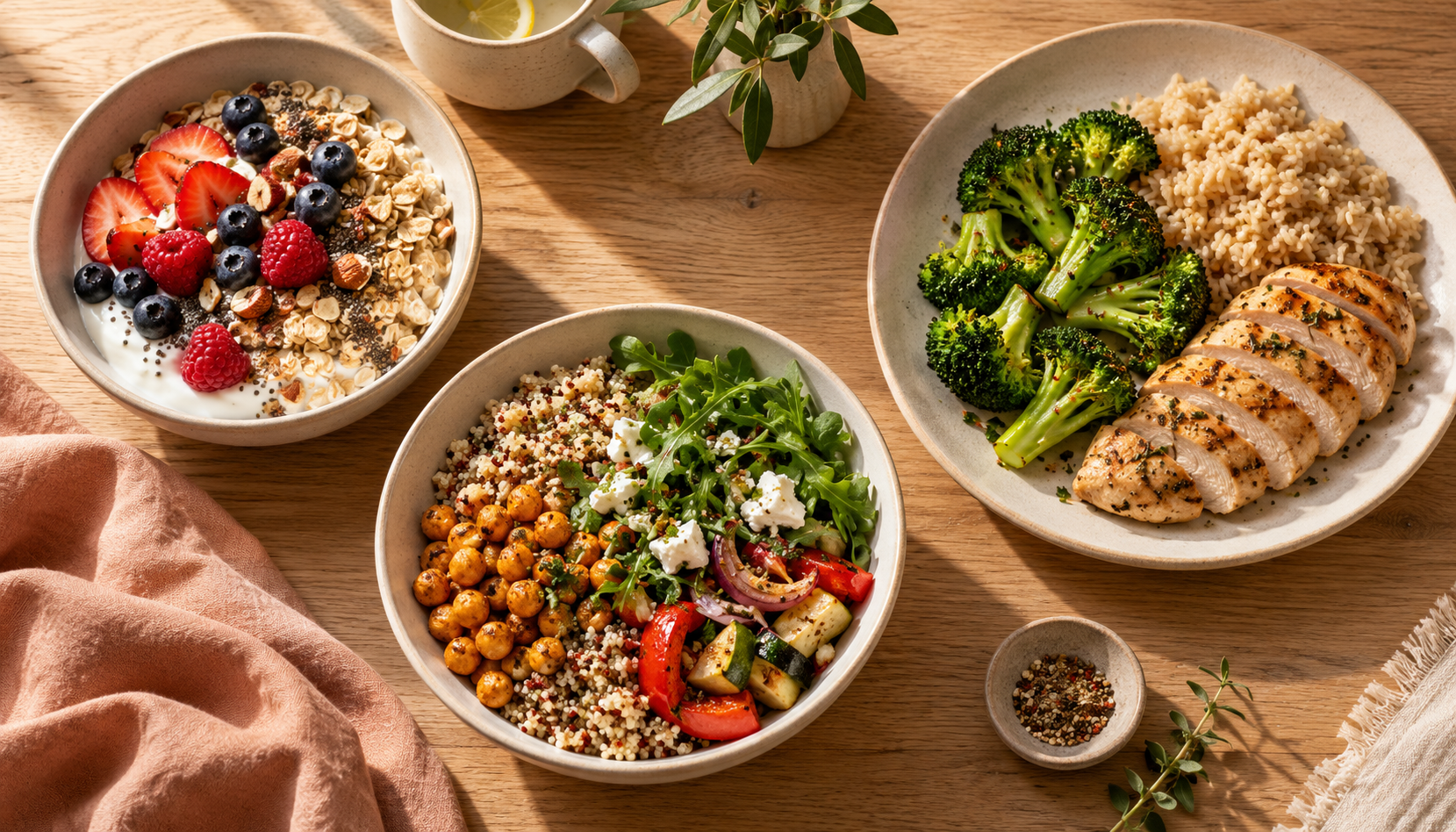

 By
By 
 Reviewed by
 Reviewed by