
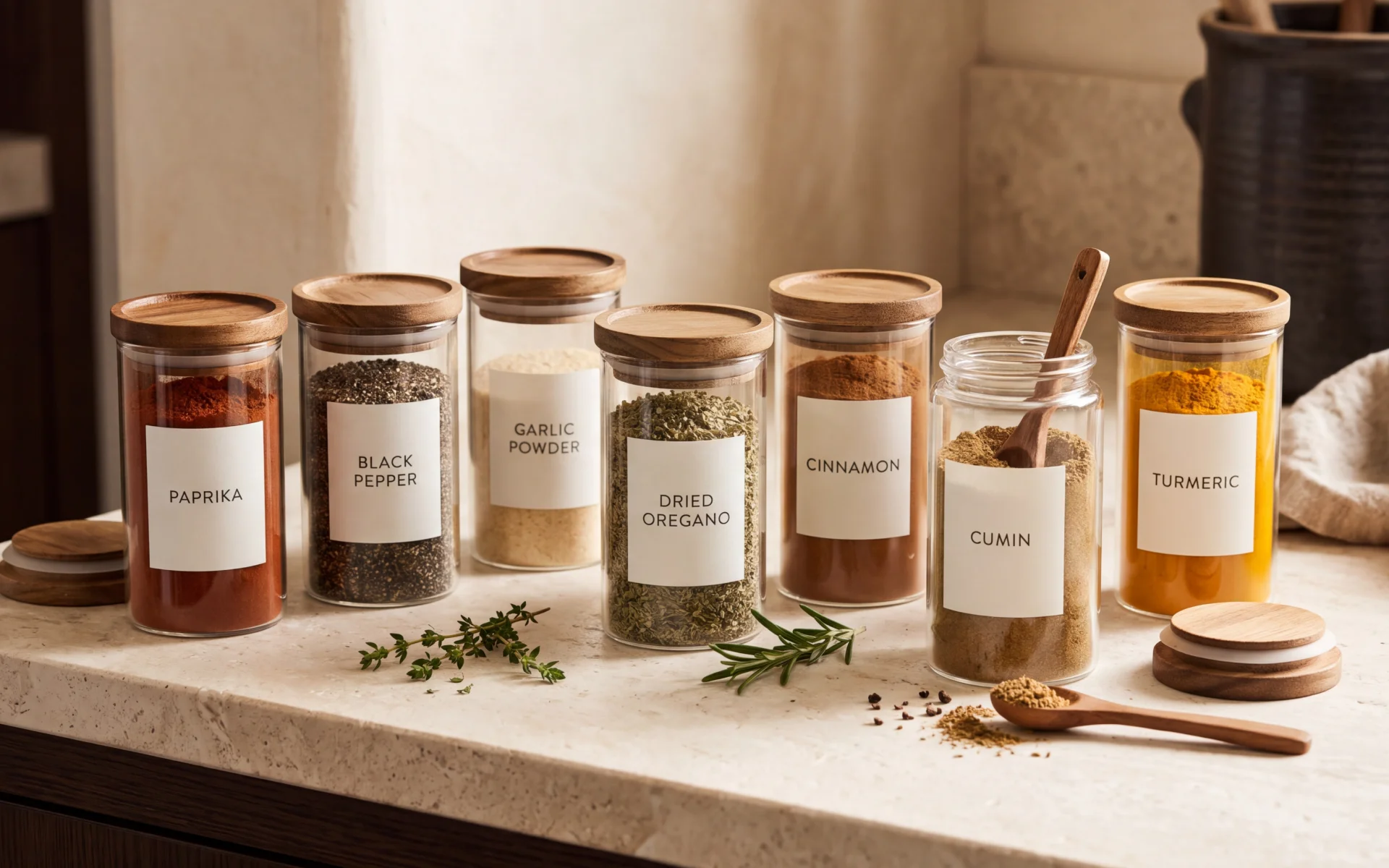
Yes, most seasonings have calories, but the amounts are usually tiny. Do seasonings have calories that are worth tracking? Plain salt has none, dried herbs and spices add only a few calories per teaspoon, and sauces or sweet blends add the most.
Key takeaways:
- Plain salt contains 0 calories, while most dried herbs and spices add roughly 3-10 calories per teaspoon.
- A light sprinkle of a single spice rarely affects your daily calorie count in a meaningful way.
- Seasoning blends with sugar, oil, starch, or cheese can add 20-100+ calories per serving.
- The amount you use matters more than the spice itself, as calories climb when you add several teaspoons.
- A simple rule: ignore tiny pinches, estimate heavy use, and always log sauces or sweet mixes.
Do seasonings have calories?
Most seasonings have calories, but the amounts are often small enough to overlook in everyday cooking. A seasoning is anything you add for flavor, including salt, dried herbs, ground spices, and mixed blends (1).
Here’s the simple breakdown:
- Salt (sea salt, kosher salt, regular salt): 0 calories, as it contains sodium and chloride, not carbs, protein, or fat.
- Dried herbs and spices: a few calories each, as they hold small amounts of carbohydrate and fiber.
- Flavored seasonings and sauces: often more caloric, as they may include sugar, oil, or starch.
So the honest answer to “does seasoning have calories” depends on what you reach for. A pinch of oregano is practically nothing. A tablespoon of barbecue sauce is a different story.
For many people, the calorie content of plain spices is so low that it barely moves the needle. The bigger factors tend to be portion size and whether the product is a pure spice or a blend.
Think of it this way. Seasoning a roasted sweet potato with cumin and paprika adds almost no calories. Drenching it in a creamy sauce adds real ones.

How many calories are in common spices and herbs?
Common spices and herbs usually contain about 3-10 calories per teaspoon, which is low for typical use. Nutrition facts panels (the label showing calories and nutrients per serving) list these per serving size, and the serving size for spices is tiny.
To compare calories in spices fairly, it helps to look at both a teaspoon and a 100-gram amount. You’ll almost never eat 100 g of a dried spice, but it shows why “seasonings calories 100g” figures can look surprisingly high. Note that most foods register energy in terms of kcal, so the actual count is much lower than what people might expect.
| Seasoning | Approx. calories per teaspoon | Approx. calories per 100g |
|---|---|---|
| Salt (2) | 0 calories | 0 calories |
| Black pepper (3) | 5-6 | 250-260 |
| Garlic powder (4) | 9-10 | 330-340 |
| Paprika (5) | 6-7 | 280-290 |
| Dried oregano (6) | 5-6 | 260-270 |
| Ground cinnamon (7) | 6 | 240-250 |
| Cumin (8) | 7-8 | 370-380 |
| Chili powder (9) | 7-8 | 280-290 |
These spices’ calories are approximate. Numbers shift with brand, grind, moisture, and how tightly the spice is packed.
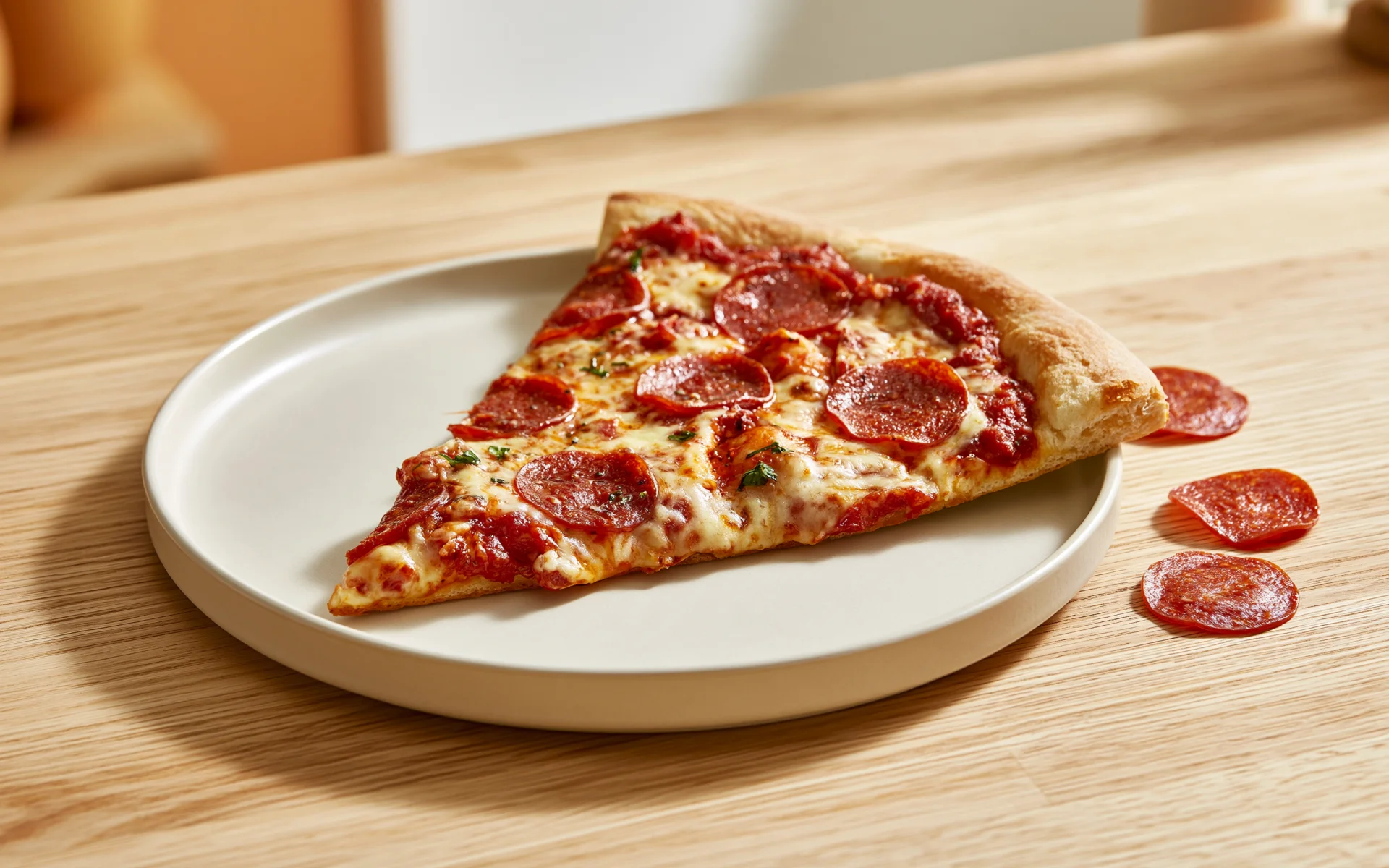
The 100-gram column may look large, but it reflects a huge volume of dry spice. In real cooking, you sprinkle grams, not scoop cups. If you enjoy learning how everyday foods stack up, you might also like to read our guide, Is Pepperoni Bad for You?
Which seasonings are lowest in calories?
The lowest calorie seasoning options are plain salt, fresh herbs, and most single dried herbs. Salt is the only true zero-calorie seasoning, as it has no energy-yielding nutrients at all.
Here is a quick ranking from lowest upward:
- Salt: a genuine 0-calorie seasoning, with 0 calories per teaspoon.
- Fresh herbs: very low, often under 2 calories per tablespoon, as they are mostly water.
- Dried leafy herbs: low, around 3-6 calories per teaspoon.
- Ground spices: still low, usually 5-10 calories per teaspoon.
If you want flavor with almost no calories, lean on acids and aromatics too. A squeeze of lemon, a splash of vinegar, or fresh garlic adds brightness for very few calories.
For example, a salad dressed with lemon juice, cracked pepper, and dried dill stays near zero. Swap in two tablespoons of creamy dressing, and you add roughly 100-150 calories.
A practical healthy spices list to keep on hand might include black pepper, paprika, oregano, basil, thyme, cumin, chili flakes, and cinnamon. These cover sweet and savory dishes while keeping seasoning calories minimal.
Read more: 7 Low-Fat, High-Protein Snacks to Keep You Full and Focused
Does the amount of seasoning you use affect the calories?
Yes, the amount of seasoning you use directly affects the calories, as spices add up teaspoon by teaspoon. A single pinch is negligible, but several teaspoons across a recipe can total 20-35 calories or more.
Here’s how small amounts can grow:
- 1 teaspoon paprika ≈ 6 calories (5)
- 1 teaspoon garlic powder ≈ 9 calories (4)
- 1 teaspoon cumin ≈ 8 calories (8)
Add those three together in one dish, and you reach about 23 calories before any oil or sauce. Spread across four servings, that’s roughly 6 calories per plate.
So the spice itself rarely matters. The habit of heavy seasoning across batch cooking is where calories in spices start to count.
Watch these higher-use situations:
- Large pots of chili, curry, or soup that call for several tablespoons of spice blends
- Dry rubs layered thickly over meat or vegetables
- Repeated seasoning across multiple meals in one day
For most everyday cooking, a light hand keeps spices’ calories low. If you measure teaspoons and tablespoons, you can estimate the total with ease.
BetterMe: Health Coaching app can help you build a more structured approach to your wellness routine with meal plans, workouts, and habit-tracking tools. Start using the app to explore options that may support your personal fitness and nutrition goals.
Which seasonings can add flavor without many calories?
Many seasonings add big flavor without many calories, particularly single spices, dried herbs, and acidic add-ons. These let you build taste while keeping calorie content low, which suits most eating goals.
Great low-calorie flavor builders include:
- Salt-free spice blends (dried herbs and spices mixed without added sugar or oil)
- Smoked paprika, garlic powder, and onion powder
- Oregano, basil, thyme, rosemary, and dill
- Cumin, coriander, chili flakes, and curry powder without added sugar
- Fresh garlic, fresh ginger, lemon juice, lime juice, and vinegar
Here’s a short, practical way to season vegetables with a low-calorie seasoning:
- Pat your vegetables dry so the seasoning sticks evenly.
- Toss with 1 teaspoon of oil per 2 cups of vegetables for light coverage.
- Sprinkle ½-1 teaspoon of a dried herb or spice blend over the top.
- Add a pinch of salt and a crack of black pepper for balance.
- Finish with a squeeze of lemon or a splash of vinegar after cooking.
This simple method flavors a tray of roasted broccoli or carrots for only a handful of calories. It’s an easy answer to how to season vegetables without reaching for heavy sauces.
If you like building flavorful, lighter meals, you may enjoy 8 Healthy Breakfast Ideas for Weight Loss for more everyday ideas.

Can sauces and seasoning mixes add significant calories?
Yes, sauces and seasoning mixes can add significant calories, often far more than plain dried herbs. A seasoning blend is a mix of spices, and some include sugar, oil, starch, or cheese that raise the caloric content.
Flavored seasonings and sauces to check closely include:
- Barbecue rubs with brown sugar
- Taco seasoning with added starch or sugar
- Teriyaki, stir-fry, and honey-based sauces
- Creamy dressing packets and gravy mixes
- Cheese-powder blends and “sweet heat” rubs
These can add 20-100+ calories per serving, depending on the product and portion. A tablespoon of a sweet sauce may carry 30-60 calories, while a creamy sauce can reach 100 or more.
Here’s a quick comparison of common flavor add-ons:
| Flavor add-on | Typical serving | Approx. calories |
|---|---|---|
| Dried single spice | 1 teaspoon | 5-10 |
| Salt-free spice blend | 1 teaspoon | 5-15 |
| Sweet dry rub (with sugar) | 1 tablespoon | 30-45 |
| Barbecue or teriyaki sauce | 1 tablespoon | 30-60 |
| Creamy dressing | 2 tablespoons | 100-150 |
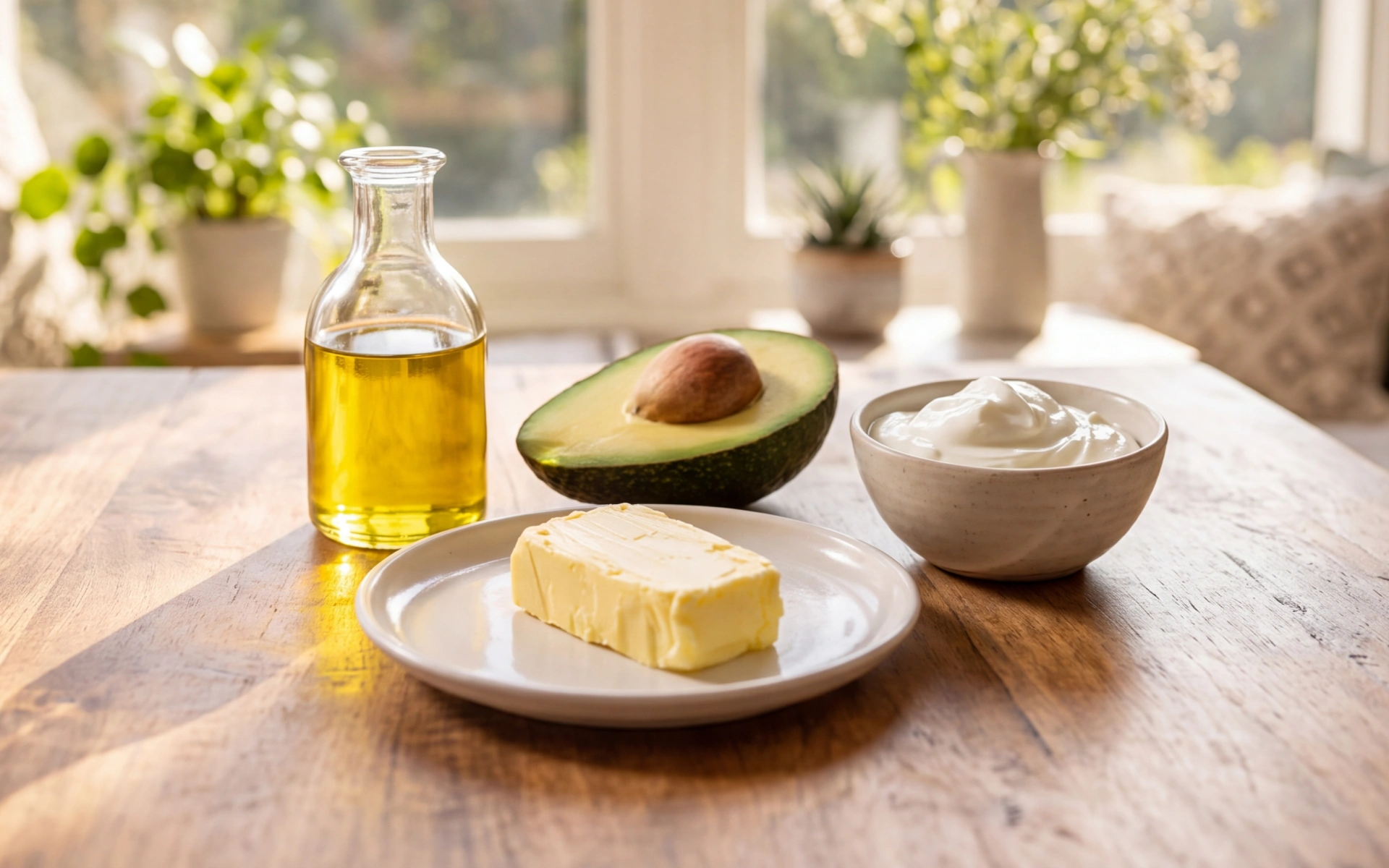
The pattern is clear. A dry spice is rarely the issue, while a prepared sauce or sweet blend often is. Reading the label helps you spot added sugar, oil, or starch quickly. For a lighter swap in the kitchen, some people also look into options such as Fat-Free Butter.
Read more: Exploring the Nutritional Benefits of Eating Watermelon at Night.
How should you track seasonings when counting calories?
You should track seasonings based on how much you use and what they contain, not by logging every pinch. This keeps your numbers accurate without turning mealtime into a math project.
A simple, flexible method works well for most people:
| Situation | What to do | Why |
|---|---|---|
| Plain salt, any amount | Log as 0 | Salt has no calories |
| Light pinch of a single spice | Ignore it | Under ~5 calories, negligible |
| 1 teaspoon or more of spices | Estimate it | Small but worth a rough number |
| Full recipe with several spices | Estimate the total | Teaspoons add up across servings |
| Sauce or sweet seasoning mix | Log from the label | Can add 30-150 calories |
At BetterMe, a useful tracking rule of thumb is to log anything with a nutrition facts label and skip bare pinches of single spices. This keeps your tracking honest without stealing your time.
Here’s how that plays out in practice:
- Seasoning eggs with salt and pepper? Log the salt as 0 and skip the pepper.
- Making a spice-heavy curry? Add up the teaspoons for a quick estimate.
- Using a bottled marinade? Check the serving size and log it fully.
This approach suits beginners and seasoned trackers alike. You stay aware of calorie content without feeling restricted by every shake of the jar.
Whether you’re just starting your fitness journey or looking to add more structure to your routine, BetterMe offers tools that can support different wellness goals. Explore the app and see how its workout, nutrition, and habit-building features can fit into your lifestyle.
FAQs
Does salt have calories?
No, salt doesn’t have calories, as it contains only sodium and chloride. These minerals don’t provide energy the way carbs, protein, or fat do. You can log plain salt as 0 in any amount. Salt does affect flavor and sodium intake (10), so you may still want to watch how much you add for taste and overall wellness.
Do herbs have calories?
Yes, herbs have calories, but the amounts are very small in normal use. Dried herbs hold a little carbohydrate and fiber, giving roughly 3-6 calories per teaspoon. Fresh herbs are even lower, often under 2 calories per tablespoon, as they are mostly water. For most cooking, herbs add flavor without meaningfully changing your daily calorie total.
Does black pepper have calories?
Yes, black pepper has calories, about 5-6 per teaspoon (3). That’s a modest amount for everyday seasoning. A light crack over your plate adds almost nothing worth tracking. Calories can add up a bit if you use several teaspoons in a large recipe. For most meals, you can treat a sprinkle of black pepper as negligible.
Does garlic powder have calories?
Yes, garlic powder does have calories, roughly 9-10 per teaspoon (4). It’s more concentrated than fresh garlic, so it carries slightly more calories per spoon than many leafy herbs. Even so, a teaspoon stays low. The calories only become noticeable if you use several teaspoons across a big batch of food. A normal sprinkle is easy to overlook.
Does paprika have calories?
Yes, paprika does have calories, about 6-7 per teaspoon (5). As with other ground spices, it adds a small amount of energy along with color and flavor. A typical dusting over vegetables or protein barely registers. You would need to use a few tablespoons before paprika made a real difference to your daily total, which is uncommon in everyday cooking.
The bottom line
So, do seasonings have calories? Most of them do, but the amounts are usually small enough to overlook, with plain salt sitting at zero and single spices adding only a few calories per teaspoon. The real calories tend to hide in sauces, sweet rubs, and oil-based blends. Keep flavoring your food with confidence, lean on herbs and spices you enjoy, and log the sauces when it counts.
DISCLAIMER:
This article is intended for general informational purposes only and does not serve to address individual circumstances. It is not a substitute for professional advice or help and should not be relied on for making any kind of decision-making. Any action taken as a direct or indirect result of the information in this article is entirely at your own risk and is your sole responsibility.
BetterMe, its content staff, and its medical advisors accept no responsibility for inaccuracies, errors, misstatements, inconsistencies, or omissions and specifically disclaim any liability, loss or risk, personal, professional or otherwise, which may be incurred as a consequence, directly or indirectly, of the use and/or application of any content.
You should always seek the advice of your physician or other qualified health provider with any questions you may have regarding a medical condition or your specific situation. Never disregard professional medical advice or delay seeking it because of BetterMe content. If you suspect or think you may have a medical emergency, call your doctor.
SOURCES:
- Seasoning, Herbs, and Spices – Natural Flavours, Fragrances, and Perfumes (2023, onlinelibrary.wiley.com)
- Salt, table, iodized (2019, fdc.nal.usda.gov)
- Spices, pepper, black (2019, fdc.nal.usda.gov)
- Spices, garlic powder (2019, fdc.nal.usda.gov)
- Spices, paprika (2019, fdc.nal.usda.gov)
- Spices, oregano, dried (2019, fdc.nal.usda.gov)
- Spices, cinnamon, ground (2019, fdc.nal.usda.gov)
- Spices, cumin seed (2019, fdc.nal.usda.gov)
- Spices, chili powder (2019, fdc.nal.usda.gov)
- Salt Taste, Nutrition, and Health (2020, mdpi.com)

 By
 Reviewed by
 Reviewed by