
Recovery stretches are gentle movements that can help your body unwind after exercise, ease tension, and support the natural process of muscle repair. Rather than focusing on intensity or pushing flexibility limits, this practice focuses on holding positions that may encourage relaxation and circulation.
While individual experiences vary, many active people choose to incorporate light stretching as part of their post-workout routine, as it may contribute to a greater sense of ease and mobility over time.
In this article, we’ll explore practical habits that complement this process and share a simple 10-minute active recovery stretches workout that you can follow along with. We’ll also take a look at common lifestyle factors that may be leaving you feeling less than refreshed after a workout.
If you have joint, muscle, or spine-related concerns, please consult your physician before starting this workout.
What Type of Stretching Suits Recovery?
Static stretching may be most effective for rehabilitating muscles immediately after a workout or during active recovery workouts (1). It involves placing the joint or joints in a position that stretches the muscles and connective tissues while holding them in a static position, which allows the tissues to reach their greatest length (1, 2).
This type of stretching uses gravity, partner assistance, or simply the muscle being stretched to hold the stretch/position (1). Some researchers’ discussions have suggested holding static stretches for 15 to 30 seconds. While you can hold it for up to 60 seconds, researchers state that 30 seconds is often gentle, comfortable, and well-tolerated by most people and may not lead to strain as compared to a longer hold (2).
Workouts, weight management tools, and recipe ideas come together in the BetterMe: Health Coaching app, giving you practical support for building a more consistent wellness routine.
Is It Good to Stretch During Recovery?
Unfortunately, research on post-exercise stretching has mixed findings
Researchers from one study stated that their findings suggested that when compared to passive rest (i.e., resting quietly), post-exercise stretching didn’t work better (3).
Findings from two more recent studies have suggested that:
- As a post-exercise recuperation strategy, stretching seemed largely inefficient (4).
- When performed as a standalone workout rehabilitation method, post-exercise stretching doesn’t significantly improve soreness, strength, performance, flexibility, or discomfort threshold (5).
However, while these studies may suggest that post-recovery stretching may do nothing for muscle discomfort relief and recuperation, others disagree. Those in support of recovery stretches suggest that they may support the following:
- Positive effects on performance, but only when done consistently with sessions that last 6-10 minutes (6).
- Mental and emotional wellness benefits, such as feeling less tired after the workout and enhanced body awareness. This may support motivation and adherence to exercise (5).
- The heart and breathing slowly winding down and returning to a normal pace after a workout (7).
- Possible effects on range of motion and muscle balance, according to some movement experts, though the evidence is limited (8, 1).
While scientific research is inconclusive on the benefits of recovery stretches, we suggest that you add these stretches to your after-workout routine and as part of your active recovery day activities. Just keep in mind that:
- Results may vary per individual.
- You should hold each stretch for at least 15 seconds and no more than 30 seconds.
What Are Some Light Recovery Stretches?
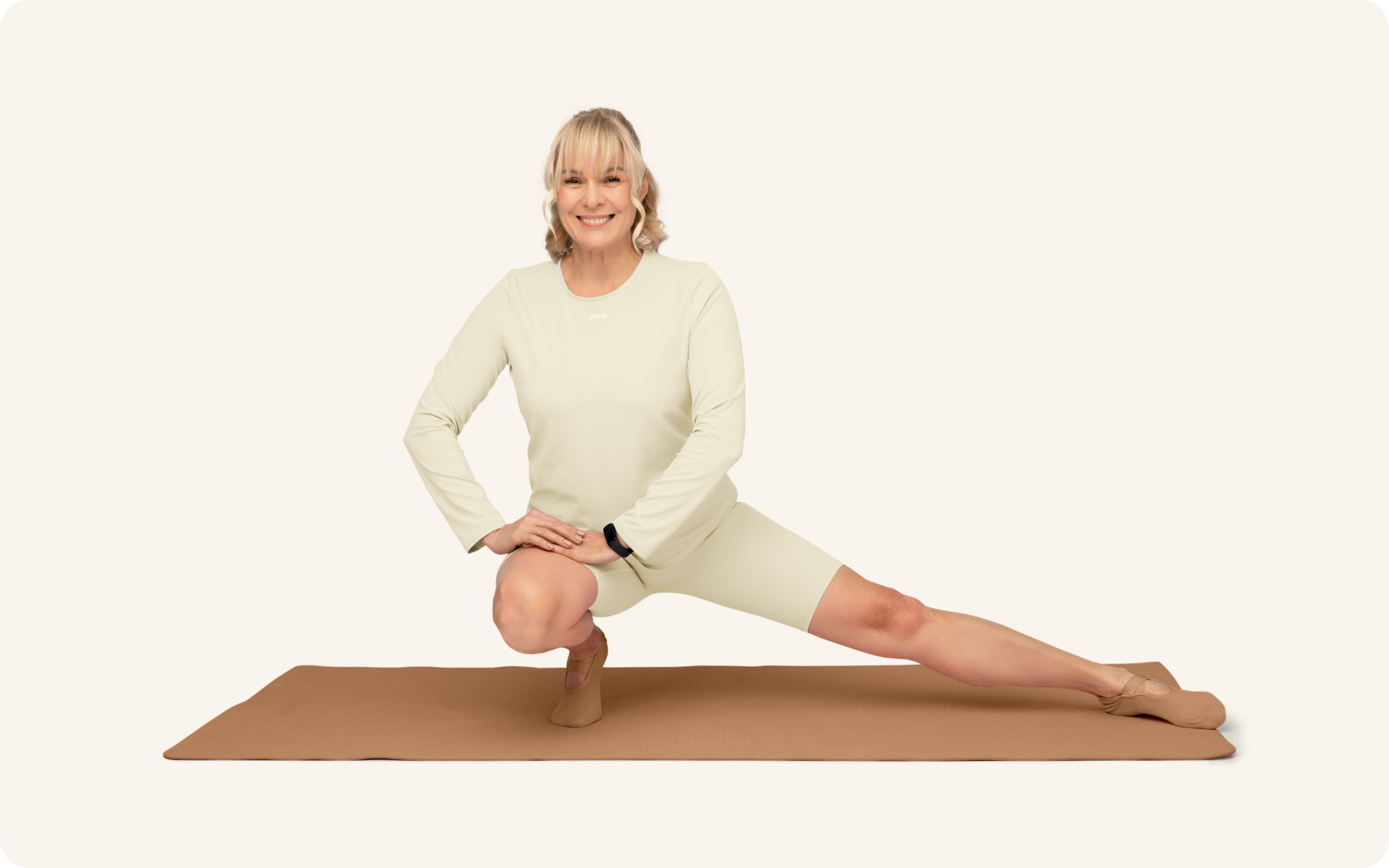
Light recovery stretches are low-intensity movements that focus on gentle muscle lengthening. They are typically performed in a gentle, comfortable, and focused manner to create mild tension rather than discomfort.
These stretches are often included in recovery day exercises or as part of a cool-down, offering your body a chance to rest without causing or adding extra strain.
Examples of these stretches are listed below.
Read more: 6 active recovery day workout ideas for gentle movement
Sample of a 10-Minute Full-Body Stretch for Beginners Routine
Cool-down stretches for the upper body include:
Cross-Body Shoulder Stretch
- Bring your right arm straight across your chest at shoulder height.
- Use your left hand to gently press the arm closer to your body, just above your elbow.
- Hold for 30 seconds, then switch arms.
Overhead Triceps Stretch
- Reach one arm straight toward the ceiling. Bend your elbow so your hand drops behind your head toward your upper back.
- Use your opposite hand to gently guide your elbow backward.
- Keep your neck relaxed.
- Hold for 30 seconds, then switch sides.
Doorway Chest Opener
- Stand in an open doorway. Place your forearms on either side of the doorframe with your elbows bent at about 90 degrees.
- Gently lean your body forward until you feel a mild stretch across the front of your shoulders and chest.
- Hold for 30 seconds, then release.
Child’s Pose Reach
- Kneel on an exercise mat on the floor.
- Sit back on your heels and fold forward, resting your forehead on the ground. If you cannot reach the floor, use a cushion.
- Extend both arms straight out in front of you.
- Slowly walk your hands to the right side until you feel a gentle stretch along the left side of your back and ribcage.
- Hold for 30 seconds, then walk your hands to the left.

Some post-workout arm stretches include:
Wall-Assisted Biceps Stretch
- Stand with your side facing the wall.
- Extend your arm straight out to the side at shoulder height, placing your palm flat against the wall with your fingers facing backward.
- Keeping your arm straight, gently rotate your chest away from the wall until you feel a mild stretch along the front of your upper arm and inner elbow.
- Hold for 30 seconds, then switch sides.
Forearm Extensor Stretch
- Extend one arm straight in front of you at shoulder height, your palm facing down.
- Use the opposite hand to gently pull the fingers of the outstretched hand down toward the floor until you feel a stretch along the top of your forearm and wrist.
- Hold for 30 seconds, then switch sides.
Forearm Flexor Stretch
- Extend one arm straight out in front of you, your palm facing toward the ceiling.
- Use the opposite hand to gently pull the fingers of your outstretched hand back toward your body until you feel a stretch along the underside of your forearm.
- Hold for 30 seconds, then switch sides.
Stretches you can do for recovery after leg day include:
Seated Single Leg Hamstring Stretch
- Sit on the floor with one leg extended straight out and the other bent with the sole resting against your inner thigh.
- Keeping your back as straight as possible, gently hinge forward from your hips toward the extended foot until you feel a mild stretch along the back of the thigh.
- Hold for 30 seconds, then switch sides.
Standing Quad Stretch
- Stand near a wall or chair for balance.
- Bend one knee, bringing your heel toward your glute, and gently grasp your ankle with the same-side hand.
- Keep your knees close together and push your hips slightly forward until you feel a light stretch along the front of the thigh and hip.
- Hold for 30 seconds, then switch sides.
Seated Glute Stretch
- Sit tall on a chair or bench.
- Cross your right ankle over your left knee, allowing your right knee to fall open.
- Keep your back straight and gently lean forward until you feel a stretch in the right glute and outer hip.
- Hold for 30 seconds, then switch sides.
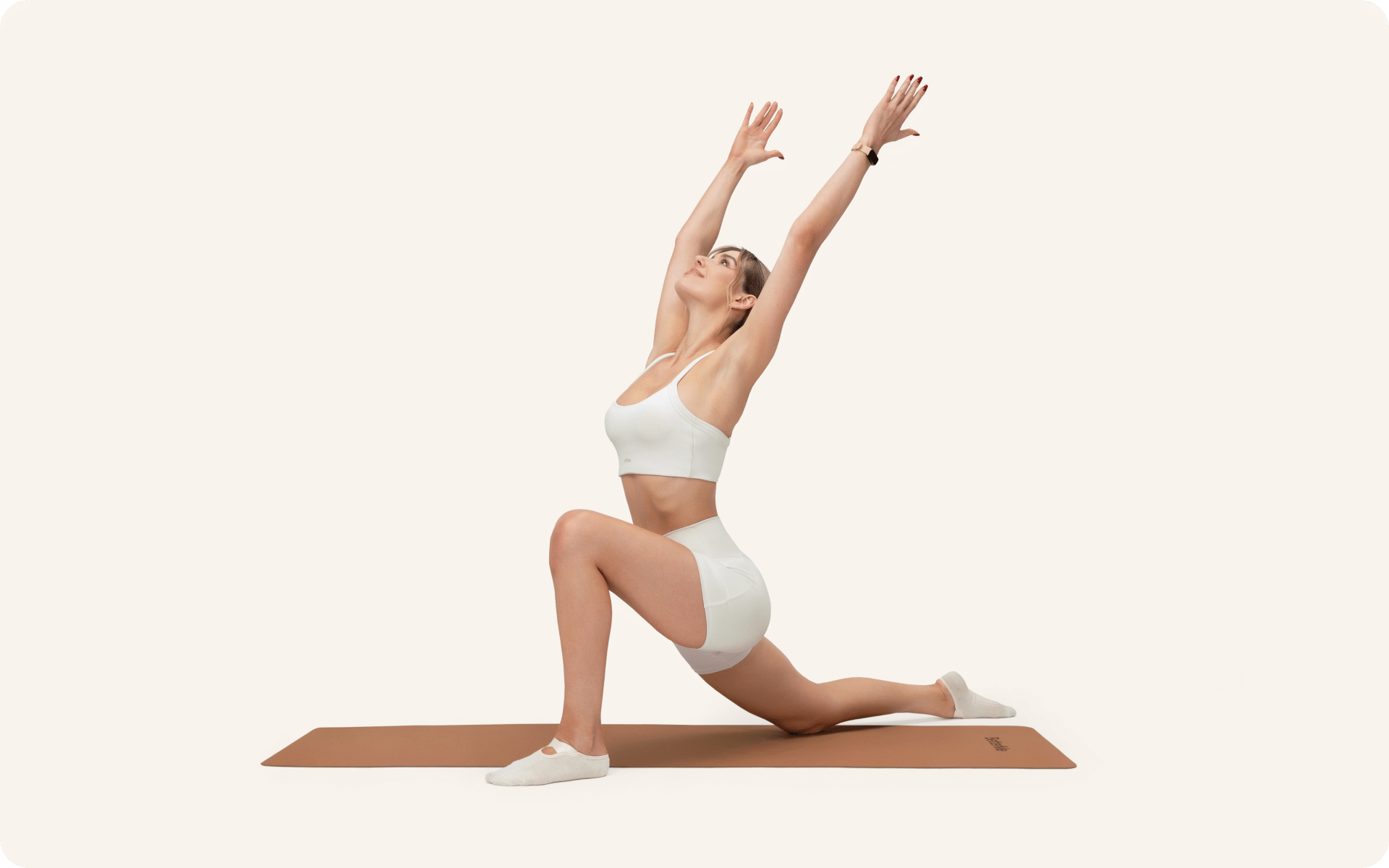
Kneeling Hip Flexor Stretch
- Kneel on one knee with the other foot planted flat in front of you. Create a 90-degree bend with the front knee.
- Gently squeeze the glute of the kneeling leg and shift your hips slightly forward without arching your lower back.
- You should feel a mild stretch across the front of the kneeling leg’s hip.
- Hold the position for 30 seconds, then switch, repeating on the other side.
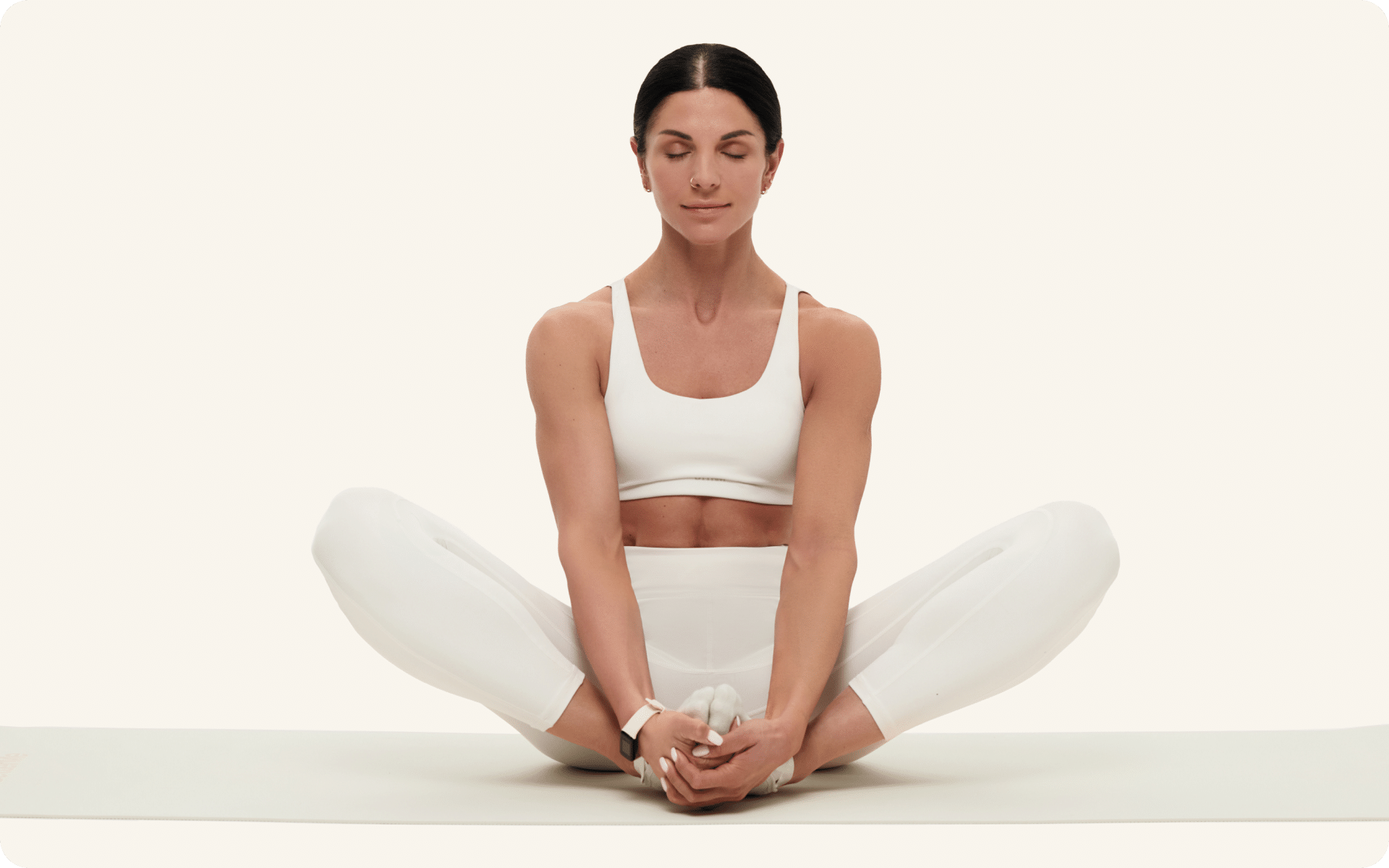
Butterfly Stretch
- Sit on the floor with the soles of your feet pressed together and your knees falling outward. Gently hold your ankles or feet.
- Allow the knees to drop toward the floor naturally. Don’t force them down.
- Hold this position for 30 seconds.
Standing Calf Stretch
- Stand facing a wall with one foot forward and one foot back.
- Keep your back leg straight with your heel firmly planted on the floor.
- Lean toward the wall until you feel a mild stretch in the calf of the back leg.
- Hold for 15 seconds, then bend the back knee slightly to target the deeper calf muscles. Hold for another 15 seconds.
- Switch legs and repeat.
All the above stretches can be done at home or in the gym.
BetterMe offers a variety of workouts, recipes, challenges, and support tools to help you stay more consistent with your wellness routine. Explore the app to find features that fit your goals, preferences, and schedule.
What Are Some Light Recovery Stretches for Men?
Exercises and stretches aren’t limited by gender. The same light recovery stretches can be adapted by anyone based on comfort level, flexibility, and personal preference for active weightlifting recovery exercises.
What Muscles Should I Stretch Daily?
There’s no single guideline that applies to everyone. Some people prefer to focus on areas that feel tight, while others opt for full-body stretches. However, some researchers suggest performing 2–3 sets of static stretches daily, each held for 30–120 seconds per muscle/soft tissue (4).
What Are Some Causes of Poor Muscle Recovery?
Factors that may lead to slow or poor muscle recuperation after exercise can include:
Performing Harder or Longer Lengthening Movements
They tend to cause more muscle damage than shorter movements, so the muscles will need more recuperation time (9).
Single Joint vs Multiple Joint Exercises
Some researchers have suggested that isolating one muscle group, such as with bicep curls, may lead to more stress on the muscle than when doing multi-joint movements like rows (9).
Age
As we get older, so do our muscles. Some researchers have suggested that aging may impair muscle recuperation after exercise (10).
Genetics
Your genes play a role in how your muscles grow, repair, and recuperate (11). It’s suggested that differences in individual genetic makeup may be attributed to slow or poor muscle recuperation in some people.
Inadequate Sleep
Some researchers have suggested that failure to get the recommended 7-9 hours of sleep a night could weaken muscle recuperation. This may further lead to muscle loss (12).
Poor Nutrition
Particularly your protein intake. Your consumption of protein is essential when exercising. It supports muscle repair, recuperation, and growth. Failure to consume the recommended intake of up to 1.6 g of protein per kg of body weight per day may lead to increased muscle strength loss and reduced/poor muscle recuperation (13).
How Can I Speed up My Muscle Recovery?
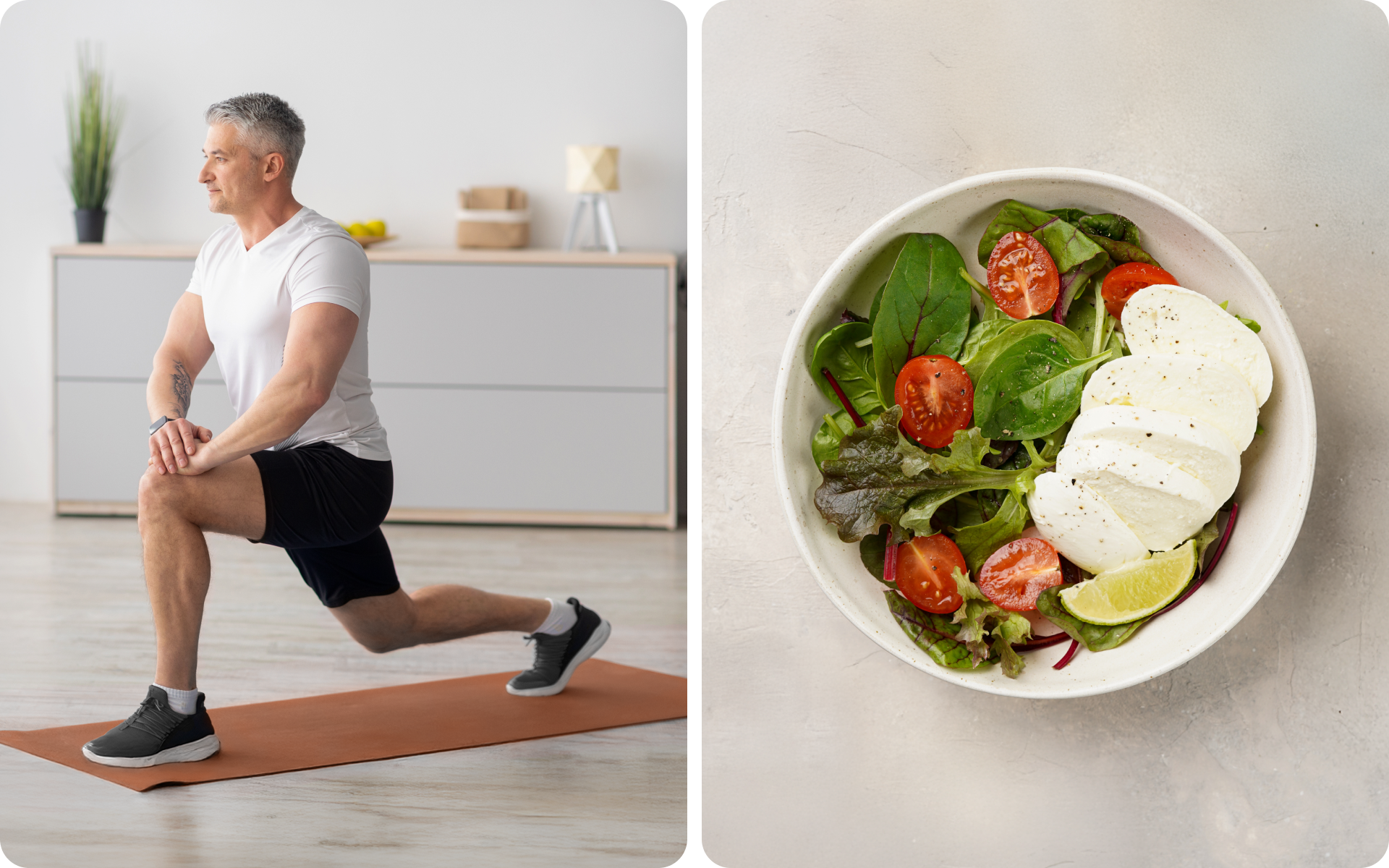
Aside from engaging in recovery stretches, your muscle rehabilitation may also benefit from:
When to Take a Rest Day
Muscle recovery time may vary depending on multiple factors, such as workout intensity and individual fitness levels.
However, a good rule of thumb is to take at least one full rest day after every 1-2 consecutive training days (16). This often works out to 2 to 3 rest days per week.
Note: If the exercises are low-intensity, your muscles may only need one day of rest (17).
Read more: Is Pilates Active Recovery? Here’s What the Science Says
What Are Some Common Stretching Mistakes to Avoid?
Some things you may want to pay attention to during stretching to hopefully improve results and reduce the risk of strain include:
- Pushing through sharp or intense discomfort.
- Holding your breath or taking shallow breaths. Focus on deep, slow breathing.
- Rushing through the hold time. Try sticking to the recommended 15-30 seconds.
- Forcing a stretch past your range of motion. Try not to do this. Consistency with stretching exercises may increase your flexibility over time, so be patient.
FAQs
Do muscles get bigger during recovery?
Muscle development is often associated with the recovery period that follows exercise (18). This is why rest, in addition to proper nutrition, sleep, and hydration, is recommended for muscle rehabilitation and growth.
Is 20 minutes of stretching a day enough?
The duration can differ from person to person. Previous research has suggested timeframes as short as 6 minutes and as long as 1 hour (6, 19). We’d recommend finding what works for you and trying your best to stick with it. Consistency is the most important factor.
What should you not do with sore muscles?
When dealing with sore muscles, you may want to limit:
- Sitting still for long periods
- Intense training/exercise
- Overstretching
- Ignoring sharp or consistent discomfort
- Ice baths, as some researchers have suggested that icing sore muscles may be counterproductive (20)
What should you drink for muscle recovery?
Common post-workout drink options include water and protein-based beverages. However, findings from recent studies have suggested that coffee and pure fruit juices made from grapes, tart cherries, pomegranate, watermelon, and berries may have a positive impact on muscle recuperation (21, 22, 23).
Is 24 hours enough rest for muscles?
For lower-intensity activities, 24 hours may feel sufficient for some individuals. More demanding workouts may require longer recovery periods, depending on personal factors.
The Bottom Line
Research on recovery stretches continues to show mixed findings. While some people include them as part of their routine, others may prioritize different recovery methods.
In the end, approaches to muscle rehabilitation and recuperation may vary. Exploring options and observing how your body responds may help you find what feels most suitable for your routine.
DISCLAIMER:
This article is intended for general informational purposes only and does not serve to address individual circumstances. It is not a substitute for professional advice or help and should not be relied on for making any kind of decision-making. Any action taken as a direct or indirect result of the information in this article is entirely at your own risk and is your sole responsibility.
BetterMe, its content staff, and its medical advisors accept no responsibility for inaccuracies, errors, misstatements, inconsistencies, or omissions and specifically disclaim any liability, loss or risk, personal, professional or otherwise, which may be incurred as a consequence, directly or indirectly, of the use and/or application of any content.
You should always seek the advice of your physician or other qualified health provider with any questions you may have regarding a medical condition or your specific situation. Never disregard professional medical advice or delay seeking it because of BetterMe content. If you suspect or think you may have a medical emergency, call your doctor.
SOURCES:
- Stretching and Its Effects on Recovery: A Review (2013, researchgate.net)
- Static Stretching (n.d., sciencedirect.com)
- The Effectiveness of Post-exercise Stretching in Short-Term and Delayed Recovery of Strength, Range of Motion and Delayed Onset Muscle Soreness: A Systematic Review and Meta-Analysis of Randomized Controlled Trials (2021, pmc.ncbi.nlm.nih.gov)
- Practical recommendations on stretching exercise: A Delphi consensus statement of international research experts (2025, pmc.ncbi.nlm.nih.gov)
- Effects of post-exercise stretching versus no stretching on lower limb muscle recovery and performance: a meta-analysis (2025, frontiersin.org)
- A Systematic Review on the Effectiveness of Active Recovery Interventions on Athletic Performance of Professional-, Collegiate-, and Competitive-Level Adult Athletes (2019, journals.lww.com)
- Do We Need a Cool-Down After Exercise? A Narrative Review of the Psychophysiological Effects and the Effects on Performance, Injuries and the Long-Term Adaptive Response (2018, pmc.ncbi.nlm.nih.gov)
- The knowledge of movement experts about stretching effects: Does the science reach practice? (2024, pmc.ncbi.nlm.nih.gov)
- Muscle damage and inflammation during recovery from exercise (2017, journals.physiology.org)
- Age-Associated Differences in Recovery from Exercise-Induced Muscle Damage (2014, pmc.ncbi.nlm.nih.gov)
- Genetic Susceptibility to Sport-Related Muscle Injuries: Insights from the Literature and Novel Gene Candidates (2025, pmc.ncbi.nlm.nih.gov)
- Sleep and muscle recovery – Current concepts and empirical evidence (2023, ciss-journal.org)
- The impact of dietary protein supplementation on recovery from resistance exercise-induced muscle damage: A systematic review with meta-analysis (2022, pmc.ncbi.nlm.nih.gov)
- Hydration to Maximize Performance and Recovery: Knowledge, Attitudes, and Behaviors Among Collegiate Track and Field Throwers (2021, pmc.ncbi.nlm.nih.gov)
- Role of Nutrition and Hydration in Injury Prevention and Recovery: A Review (2024, researchgate.net)
- Quantity and Quality of Exercise for Developing and Maintaining Cardiorespiratory, Musculoskeletal, and Neuromotor Fitness in Apparently Healthy Adults Guidance for Prescribing Exercise (2011, journals.lww.com)
- Effects of Protein Supplementation on Performance and Recovery in Resistance and Endurance Training (2018, pmc.ncbi.nlm.nih.gov)
- The Importance of Recovery in Resistance Training Microcycle Construction (2024, pmc.ncbi.nlm.nih.gov)
- Improvements in Flexibility Depend on Stretching Duration (2023, pmc.ncbi.nlm.nih.gov)
- Ice for Sore Muscles? Think Again (2021, ncbi.nlm.nih.gov)
- Coffee Increases Post-Exercise Muscle Glycogen Recovery in Endurance Athletes: A Randomized Clinical Trial (2021, pmc.ncbi.nlm.nih.gov)
- Pure Juice Supplementation: Its Effect on Muscle Recovery and Sports Performance (2023, pmc.ncbi.nlm.nih.gov)
- From Food Supplements to Functional Foods: Emerging Perspectives on Post-Exercise Recovery Nutrition (2024, pmc.ncbi.nlm.nih.gov)

 Reviewed by
 Reviewed by
 Reviewed by
 Reviewed by