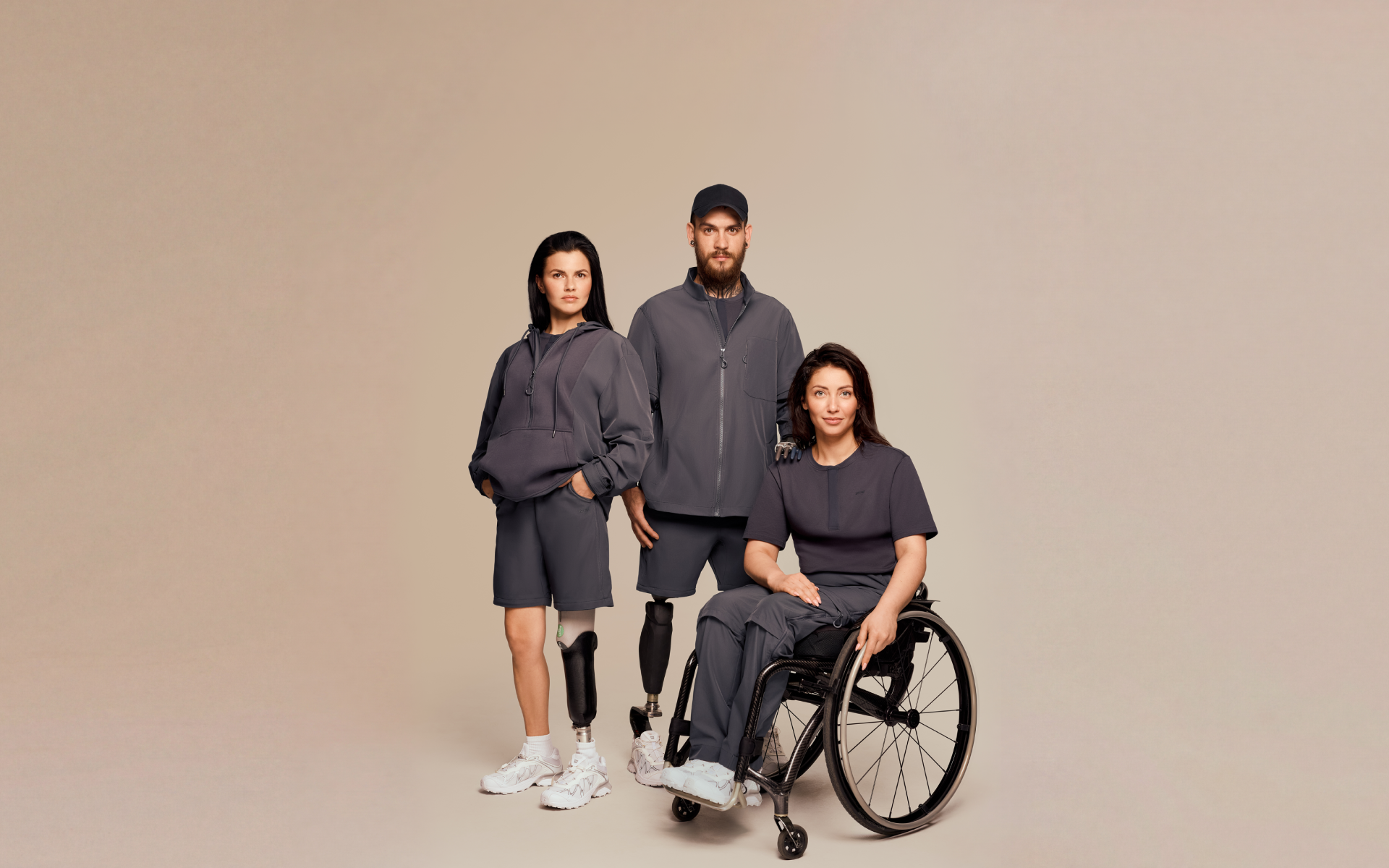
“Eat, move, make food” seems like a perfect fitness lifestyle. Why then do so many people get into it and so few actually succeed? Everyone should be healthy and fit already if it was so easy, right?
Well, it is easy, but only if you change your behaviors gradually and make it an actual lifestyle instead of a temporary decision. So many set goals like “the last push to fit into this dress”, “it’s summer, so I have to get fit to look hot on the beach”, “it’s New Year in a couple of weeks, I have to get super fit to make everyone jealous at the party”, etc.
After the event, we get back to the old habits and become couch potatoes living on sandwiches and fried food.
But what if I tell you it’s not difficult to make a commitment and start living your best life?
In this guide, you’ll find 5 reasons to start, 5 insights to help you switch to a fitness lifestyle, 5 additional tips that will make the transition easier and lead to effective results, and 5 tips for your mind.
Everyday lifestyle choices affect your physical fitness. So, why not start today?
Read More: Functional Fitness: What It Is And Why You Need To Practice It

The 5 Reasons To Start A Fitness Lifestyle
Why is fitness a lifestyle?
That is, because if done properly and healthily for your body and psyche, it brings incredible changes into your life.
Here are the 5 reasons to switch today:
-
A Healthy Control Over Your Body Condition
As you start the shift, you’re going to see results in a couple of months or less, depending on many factors. Results are individual and you have to remember it throughout the journey.
Your brain, the almighty computer, will see the correlation between your daily actions and positive health results. New neural passages will be created, giving you the feeling of control over how your body looks. This feeling should be healthy, though, and not restricted.
-
Better Quality Of Life And Longevity
Studies show that you may live at least 2-4 years longer if you’re active throughout your life (1). Working out will help you balance your energy levels, which will also improve your sleep. Healthy sleep, in its turn, will give you more energy for the next day, help you avoid being hungry all day long, and keep you more productive.
It’s a very positive cycle that balances your hormones and helps muscles grow.
-
Rewarding Results
Everyday success, the feeling of accomplishment, will make that dopamine rush put you in a better mood. It’s scientifically proven — positive emotions increase life satisfaction (2).
Completing a pleasant, mildly challenging workout, being consistent with healthier eating for the first week, etc…such achievements will make you happier overall!
-
Better Physique
I’m not only talking about your looks but your physical resilience as well. You’ll be able to walk for a longer time, endure more exciting adventures, and age won’t be such a large obstacle like it is for people who don’t lead a fitness lifestyle.
-
Better Relationships
Aside from you being less stressed overall, being and feeling healthy boosts confidence and may lead to better romantic and social relationships. It’s not only connected to your looks, again. Your mood, your habits, and your glow will attract the right partner.
Throw in better mental health, and you may not experience a tough breakup again. Besides, doing yoga, going to the gym, and cooking food together are great coupled activities, don’t you think?
Intense sweat sessions, working weight loss tips, lip-smacking recipes come in one package with the BetterMe app. And all of it is at your fingertips, start transforming your life now!
The 5 Insights To Help You Switch To A Fitness Lifestyle
What are the 5 tips for an active lifestyle? How can you use them to start? Let’s see you need to do while you plan to start your lifelong fitness journey:
-
Avoid Extreme Measures
The “starting tomorrow I’ll cut out sugar and pastry and will work out for 2 hours every day” mentality will work for a day or a week, driven by motivation. It’s stressful for your body, so in a week, you’ll come back to your old habits because you didn’t see results.
Respect your body, its needs, and its current state. Start gradually. Starting tomorrow, try to cut out sugar a little bit and get better sleep. As these habits settle, throw in a couple of lightweight workouts and some cardio like walking in the park every evening. Add habit by habit; only this way can lead you to a successful and consistent fitness lifestyle.
-
Consistency Is The Key To Success
I’ll never get tired of saying this. A 3-week diet and exercise routine may bring visible results, but if it’s too harsh for you, starting with day 22, you’re going to hate working out and won’t even think about eating a vegetable.
Choose training and meal plans you can be consistent with. Something not too restricting and with an entering phase so that you give your body some time to adjust. It’s much better to see excellent results in half a year and make them stay for years than to see some results in 3 weeks and return back to your initial state in the next week.
-
Keep It Fun
Working out and eating, well it’s boring or cumbersome. There are thousands of workouts and even more ways to stay active outside the gym. Diversify your training with dancing or try a different intensity. Listen to your body and choose a workout depending on its condition and what it needs.
It may be standard weight lifting, cardio, yoga, stretching, dancing, HIIT, or anything else that will make you feel good afterward.
-
Create New Challenges
Continuing the topic of making it fun, setting new goals along the way will help you diversify the routine. For example, if your goal was to build muscle, now let’s work on their elasticity. Or maybe you want to improve the connection between your mind and body. Then yoga should be your next goal.
As a result, you’ll have a strong, healthy, resilient body and, as a bonus, you’ll never be bored.
-
Days Off Are Fine
Pure workouts and dieting aren’t healthy without some days off when you can relax. Besides, after some time, you won’t be relaxing with a kilo of fries. You’ll have healthier cravings and a desire to take a day off.
Don’t be afraid to lose results or control over your fitness lifestyle. Once you instill those habits, they are going to stay. And please, stop feeling guilty about some pitfalls, especially at the beginning. It’s difficult to change long-lasting habits, but you can do it.
Read More: Can You Turn Fat Into Muscle By Lifting? Decrypting The Myths And Facts Of This Fitness Concept
The 5 More Precise Fitness Tips For Life
The above insights are very important but may seem vague. Here are some clear tips that will help you stay consistent:
-
Balance Your Macros
You don’t need to count each gram and every calorie. While some light control is needed so that you don’t overeat, intuitive eating should help you with that (3). Make sure you eat enough protein, enough healthy fats, and enough veggies and greens.
-
Work On Your Challenges
If you are tired of an exercise, this may not be because it’s actually bad but because you’re bad at it (no offense). Try to work on your mistakes, set goals, learn proper techniques, and you’ll level up your workouts as well as make them less boring.
-
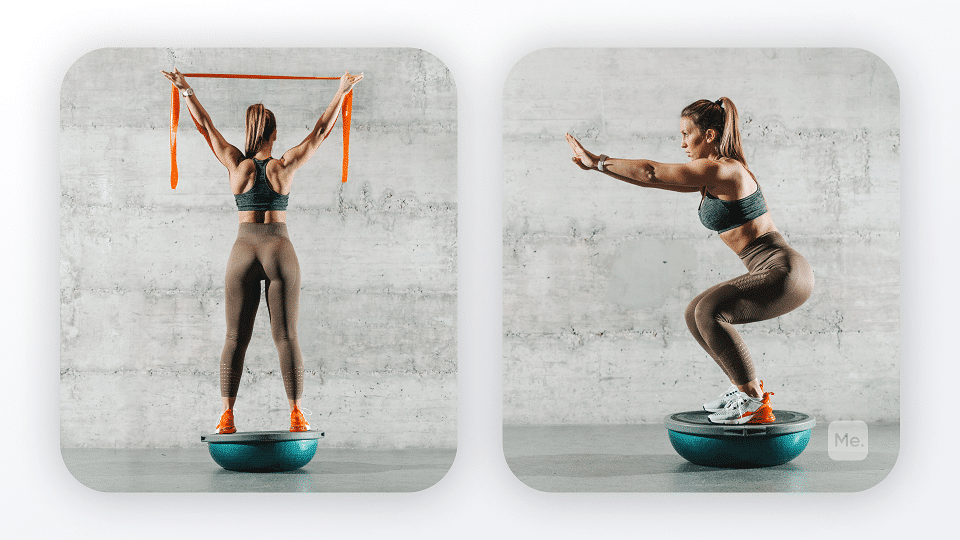
Throw In Some Interval Training
Interval training can help you change your body composition and see results that will make you want to stick to your new lifestyle. Not that you should make all workouts intervals, but make sure to add a session a week.
When starting a fitness and healthy lifestyle, the tips specifically for men are pretty similar, by the way.
-
Rest Well
When people see fitness tips like “sleep more” or “have a nice rest”, they tend to get confused. When you sleep, your muscles, nervous system, hormones, etc. recover and get you ready for another day. When you recover for at least one day after a heavy training session, you grow healthy muscles (given the nutrition is right). So, the rest periods are as important as all the other stuff.
-
Throw Out Highly Processed Foods
If this is your favorite kind, do it gradually. But try to cut out heavily processed foods, as they may lead to a caloric surplus and weight gain (not a healthy one) (4). There are delicious alternatives you may find you like even better.
Whether you’re looking to simply pep up your fitness routine, jazz up your diet with mouth-watering low-calorie recipes or want to get your act together and significantly drop that number on your scale – BetterMe app has got you covered! Improve your body and revamp your life with us!
The 5 Mindfulness And Mental Health Recommendations To Balance The Mind And Body
A fitness lifestyle isn’t only about doing your workouts and eating clean and balanced. Your mind plays a ginormous role in lifestyle change as well.
Here are some recommendations:
-
Embrace Meditation
Switching to a new lifestyle can be stressful. And you need a way to relieve it daily to avoid buildup. Meditation is a great way to settle your mind, deepen your breath, and focus on saying goodbye to stress.
-
Start A Gratitude Journal
Every day, write several things you’re grateful for. Did you work out today and feel great about it? Wonderful. Did you eat one cookie instead of a dozen because you’re trying to substitute them with something healthier? Perfect! Did you wake up feeling like you didn’t want to do anything so you just had a rest? Amazing.
-
Do Some Visualizations
When in need of something extra encouraging, visualize your results and the outcomes you want to see thanks to the new lifestyle. It’s best to do these before you go to sleep. Go through every step, every detail of what you want, and it will help you during the tough times.
-
Find A Lifestyle Buddy
It may be easier for you to switch to a fitness lifestyle if you have a buddy who wants the same things. It may be your partner, a friend, or a relative. Plan meals together, workout together, dream together. And when it seems you have no result and nothing makes sense, they will cheer you up.
-
Get Massages Regularly
Massages are great for your body and mind, as well as their connection. A professional will put you in touch with the muscles you didn’t know existed. Besides, a massage will help your lymph move better, helping you avoid swelling. You’ll be able to relieve stress and fully relax.
Summary
All this seems like a lot of work, and it is. But switching gradually, day by day, adding new non-exhausting habits, and making it fun will pay off. Be consistent, workout regularly, try different workouts, and find what works best for you. Get charged with workout motivation as you anticipate the results, but find joy in the process as well.
Learn to cook healthier alternatives to your favorite meals, balance your macro and micronutrients, and don’t starve yourself. Once your microbiome shifts, you won’t crave sweets and processed food that much.
Mind the condition of your physical and mental health. Relieve stress daily, sleep for 8 hours, stay hydrated, and have clear goals in mind. If possible, find a buddy to start a healthier fitness lifestyle together.
All these points work in a complex. Start building yours today, and in a month, you’ll be thankful!
DISCLAIMER:
This article is intended for general informational purposes only and does not serve to address individual circumstances. It is not a substitute for professional advice or help and should not be relied on for making any kind of decision-making. Any action taken as a direct or indirect result of the information in this article is entirely at your own risk and is your sole responsibility.
BetterMe, its content staff, and its medical advisors accept no responsibility for inaccuracies, errors, misstatements, inconsistencies, or omissions and specifically disclaim any liability, loss or risk, personal, professional or otherwise, which may be incurred as a consequence, directly or indirectly, of the use and/or application of any content.
You should always seek the advice of your physician or other qualified health provider with any questions you may have regarding a medical condition or your specific situation. Never disregard professional medical advice or delay seeking it because of BetterMe content. If you suspect or think you may have a medical emergency, call your doctor.
SOURCES:
- Does Physical Activity Increase Life Expectancy? A Review of the Literature (2012, ncbi.nlm.nih.gov)
- Happiness Unpacked: Positive Emotions Increase Life Satisfaction by Building Resilience (2011, ncbi.nlm.nih.gov)
- Learning to eat intuitively: A qualitative exploration of the experience of mid-age women (2019, ncbi.nlm.nih.gov)
- Ultra-Processed Diets Cause Excess Calorie Intake and Weight Gain: An Inpatient Randomized Controlled Trial of Ad Libitum Food Intake (2019, pubmed.ncbi.nlm.nih.gov)
 By
By 
 By
By 
 Reviewed by
 Reviewed by
 Reviewed by