Margaret Naumburg and Edith Kramer were two of the first to formalize art therapy as a profession in the United States. In the 1940s and 1950s, they developed and wrote about the use of art in counseling and psychological practice.

Naumburg coined the term “art therapy,” and Kramer is credited with helping to establish it as a field of study.
Since then, art therapy has been used as a supportive approach in a range of settings to support emotional wellbeing. People may explore it for challenges such as stress and worry, low mood, difficult past experiences, and body-image or eating-related concerns. Art therapy can be helpful for people of all ages, from children to adults.
Read on to find out more about how art therapy can support emotional wellbeing.
What Is Art Therapy?
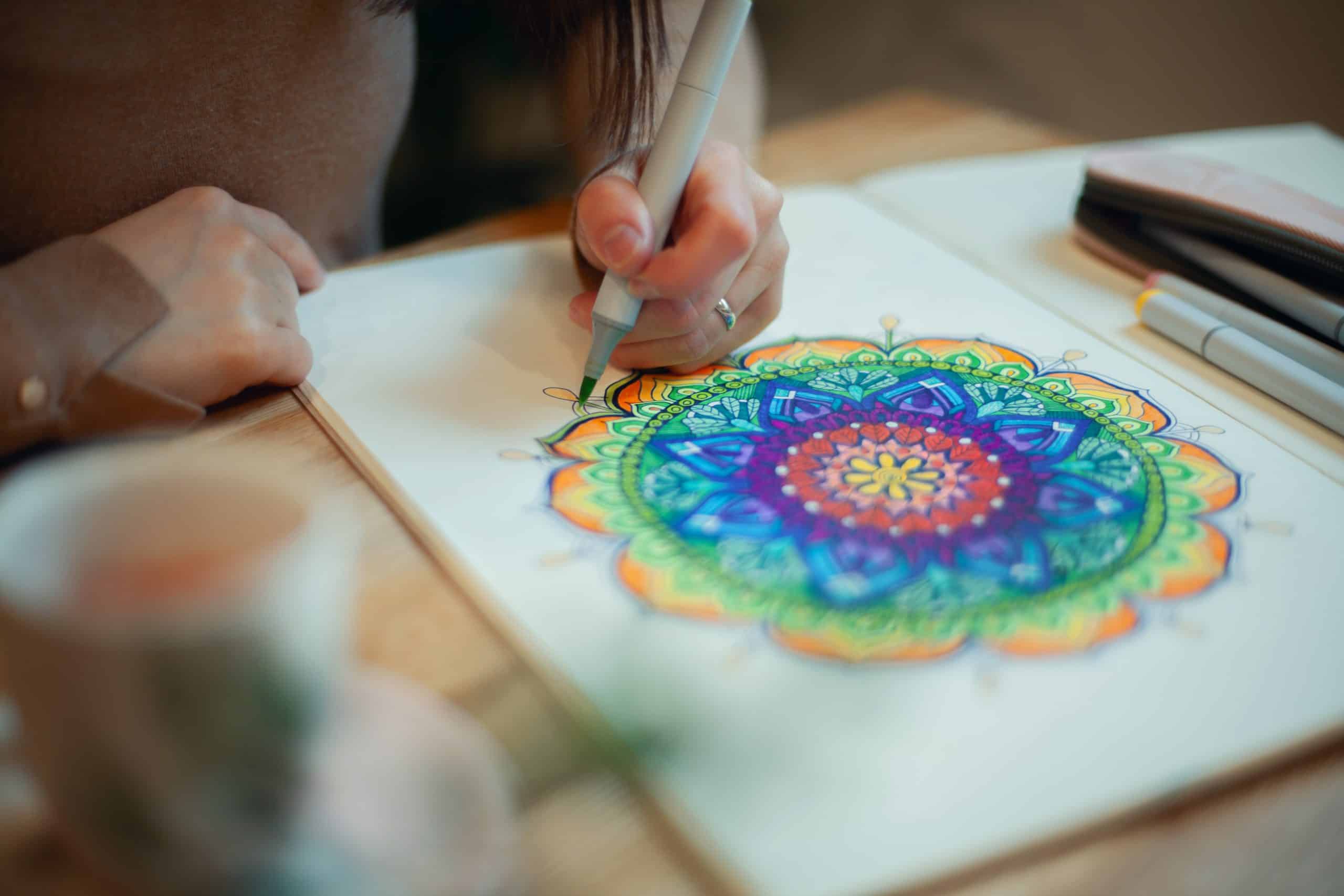
Art therapy is a guided creative approach used in counseling settings that uses artistic creativity as a way to improve emotional wellbeing and wellness. It is based on the belief that the creative process involved in making art can be calming and can help people express themselves in ways that they may not be able to do through words alone (3).
Art therapy is practiced by trained art therapists, often alongside professionals such as counselors, psychologists, and social workers. They use a variety of techniques and materials, including drawing, painting, sculpture, collage, and photography.

What Are The Goals Of Art Therapy?
Many people are naturally drawn to creativity. Art therapy taps into this natural ability to help feel more grounded and support emotional wellbeing.
The goals of art therapy may vary depending on the needs of the individual. In general, art therapists aim to (3):
- Help people express themselves and explore their feelings
- Enhance self-esteem and self-awareness
- Encourage reflection and personal growth
- Improve social skills
- Ease stress and worry
Read More: Aquatic Therapy Exercises: Why And How To Do Them
When Creative Practices May Be Helpful
Art therapy is used in some counseling settings as a guided creative practice that can support emotional wellbeing. People may explore it for a variety of everyday challenges and difficult experiences, and individual outcomes can vary.
Some areas where art-based practices may feel supportive include:
Worry and Ongoing Stress
Creative activities can offer a structured way to pause, reflect, and practice coping skills. Some people find the process calming and grounding (3).
Low Mood and Emotional Overwhelm
Artmaking may help with self-expression and self-awareness—especially when it’s hard to put feelings into words (3).
Body Image and Eating-Related Challenges
Some people use creative work to explore self-image, strengthen self-compassion, and build healthier coping strategies (3).
Difficult Past Experiences
In a supportive setting, creative expression may help some people process memories and feelings. It can also help to ease stress and worry (1).
Recovery and Behavior Change Journeys
Art-based activities can support reflection, routine-building, and motivation for people working on personal change with professional guidance (4).
Art Therapy For Edlerly
Old age comes with its own set of challenges like loneliness, boredom, changes in overall wellbeing and changes in memory. Art therapy can support older people by providing a creative outlet to express their feelings. It can also support self-esteem and social skills (3).
Art Therapy For Children
Art therapy can support children by providing a creative outlet to express their feelings. It can also help improve their social skills and may reduce stress and worry (2).
Something tells us you often forget to put all the everyday hustle and bustle on hold and simply concentrate on yourself. It’s time to straighten out your priorities! Take a moment to recharge and refocus, check in with yourself, ground yourself, let go of some tension and recharge with the BetterMe: Mental Health app before getting back into the race of life!
How Does Art Therapy Work?
In the strict sense, art therapy is the use of artmaking within a professional relationship to support emotional wellbeing and self-expression. The art therapist facilitates the process and may use the images produced to better understand what is going on with the client, gain insight into how they’re feeling, and support them as they work through a difficult past experience or improve their overall wellbeing (3).
There are different ways art therapists can work with clients. Some use conversation alongside artmaking, while others may focus mainly on the artwork to better understand the client. The type of approach used will be based on the therapist’s training and the needs of the client.
You don’t have to be in a professional environment to explore the benefits of creative practice, though. Anyone can use art as a way to cope with stress, express their emotions, or support their mood.

How Does Art Help Emotional Wellbeing?
Art therapy may offer the following benefits for emotional wellbeing:
Provides An Outlet For Emotions
Complex emotions such as anger, worry, sadness, and shame can be difficult to express in words. Art provides a supportive outlet for these emotions and can help people to process and understand them better (3).
Helps To Improve Communication
Art can be used as a way to communicate when words are not enough. It can help people express themselves when they find it hard to put their feelings into words.
Increases Self-Esteem And Confidence
The creative process can help to boost self-esteem and confidence (3). Seeing your own creations can be a source of pride and satisfaction. The act of creating something can also help you feel more in control of your life and situation.
Encourages Self-Discovery
Art can be a tool for self-discovery. It can help you to explore your emotions, thoughts, and feelings. It can also be used to develop new ways of thinking and behaving (3).
Promotes Relaxation
The creative process can be relaxing and calming. It can help to ease stress and worry levels (3).
Improves Mood
Art can be a mood booster. The act of creating something can help lift your spirits and improve your overall mood (2).
Read More: Hot Cold Shower Therapy: Benefits, Risks, And Technique

Getting Started With Art Therapy
You don’t need to be a talented artist to benefit from art therapy. The focus is on the process of creating, not the end product. Many people can try it, regardless of skill level.
That said, there are a few things to consider when seeking art therapy:
Find A Qualified Art Therapist
One way to explore art therapy is to work with a qualified art therapist. These professionals are trained in both art and counseling and can adapt the process to your individual needs.
If you’re not sure where to start, you can check practitioner directories from organizations such as the Art Therapy Credentials Board (ATCB) or the American Art Therapy Association (AATA).
Check Whether Your Insurance Plan Covers Art Therapy
While art therapy is becoming more mainstream, it’s still not always covered by insurance plans. Consider checking with your insurance provider to see if art therapy is a covered service.
Some therapists may offer a sliding scale fee, which means they charge based on your ability to pay. This may make art therapy more affordable.

Use A Consultation To Check Whether The Therapist Is A Good Fit
When you’re considering art therapy, it’s important to find a therapist you feel comfortable with. You should feel comfortable sharing your thoughts and emotions with this person.
A good way to see if a therapist is a good fit is to schedule a consultation. This gives you an opportunity to meet the therapist and get a sense of their personality and approach.
Don’t hesitate to ask questions during the consultation. You can ask about the therapist’s training, experience, and approach to art therapy.
Take some time to think about whether you feel comfortable with the therapist before making a decision.
Going It Alone
As earlier mentioned, working with a qualified professional is one structured way to explore art therapy. But if you’re not ready or able to seek professional support, there are still ways you can use art to support your emotional wellbeing.
Here are a few ideas:
Take An Art Class
One way to get started with art is to take an art class. This can be a great way to explore your creativity and learn new techniques.
You can find art classes at community centers, colleges, and studios. There are also many online options available.
Join An Art Group
Another option is to join an art group. These groups provide a welcoming environment for exploring creativity. They can also be a great way to meet new people.
You can often find art groups at community centers, senior centers, and recreation centers. There are also many online options available.
Work With A Creative Coach
If you’re not sure where to start, you may want to work with a creative coach. These professionals can help you to explore your creativity and find ways to express yourself.
A creative coach can help you to identify your goals and create a plan to reach them. They can also provide support and guidance along the way.
The Bottom Line
Art therapy can be a helpful tool for managing emotional wellbeing. If you’re considering this type of therapy, be sure to find a qualified art therapist and check whether your insurance plan covers the service. A consultation can also help you decide if a particular therapist is right for you.
Remember that while art therapy is one structured way to explore the benefits of creativity for wellbeing, there are still many ways to use art to support your emotional wellbeing.
DISCLAIMER:
This article is intended for general informational purposes only and does not serve to address individual circumstances. It is not a substitute for professional advice or help and should not be relied on for making any kind of decision-making. Any action taken as a direct or indirect result of the information in this article is entirely at your own risk and is your sole responsibility.
BetterMe, its content staff, and its medical advisors accept no responsibility for inaccuracies, errors, misstatements, inconsistencies, or omissions and specifically disclaim any liability, loss or risk, personal, professional or otherwise, which may be incurred as a consequence, directly or indirectly, of the use and/or application of any content.
You should always seek the advice of your physician or other qualified health provider with any questions you may have regarding a medical condition or your specific situation. Never disregard professional medical advice or delay seeking it because of BetterMe content. If you suspect or think you may have a medical emergency, call your doctor.
SOURCES:
- Art Therapy and Cognitive Processing Therapy for Combat-Related PTSD: A Randomized Controlled Trial (2018, nih.gov)
- Art Therapy for Psychosocial Problems in Children and Adolescents: A Systematic Narrative Review on Art Therapeutic Means and Forms of Expression, Therapist Behavior, and Supposed Mechanisms of Change (2020, nih.gov)
- Effectiveness of Art Therapy With Adult Clients in 2018—What Progress Has Been Made? (2018, frontiersin.org)
- The Use of Art and Music Therapy in Substance Abuse Treatment Programs (2014, nih.gov)
 Reviewed by