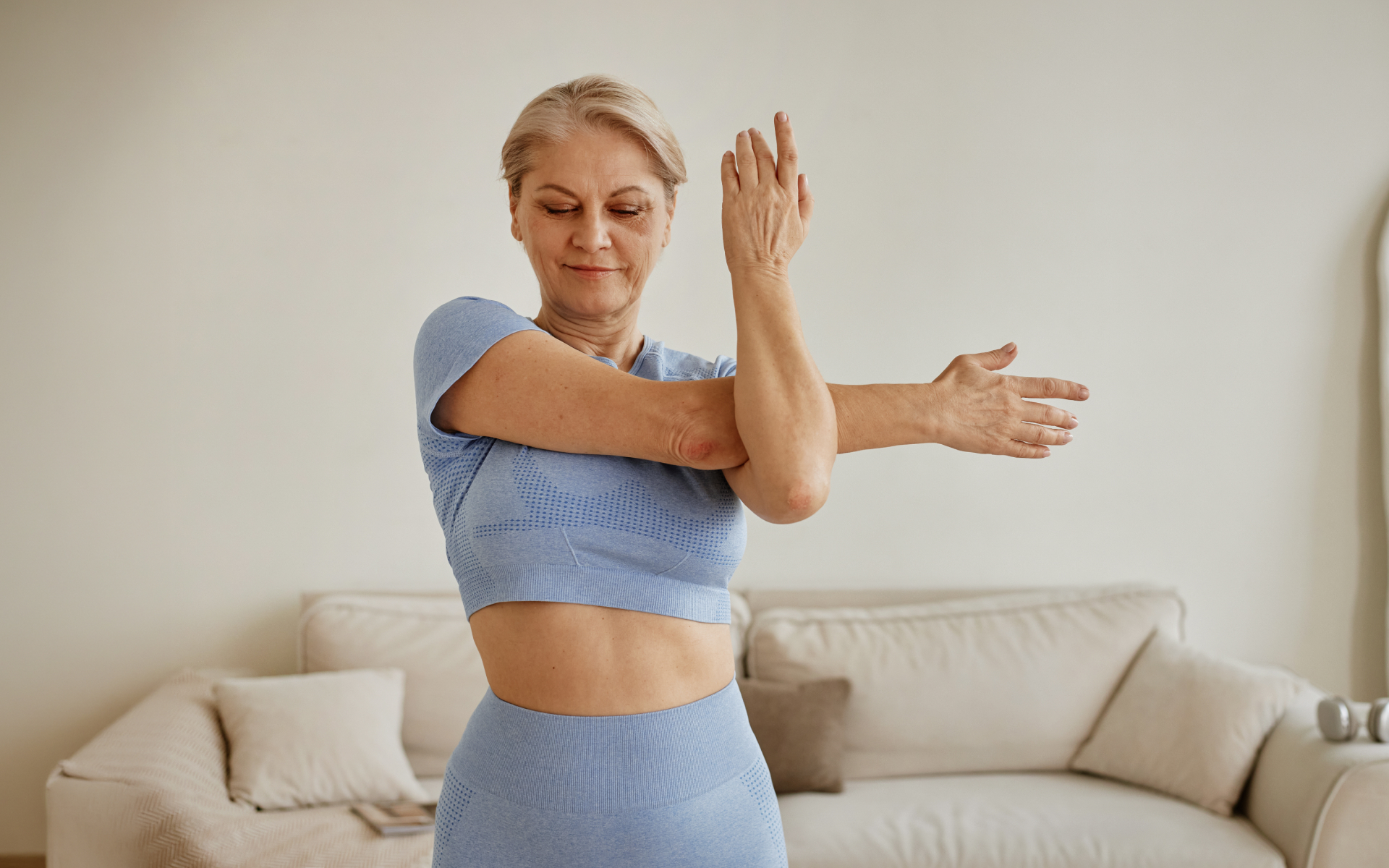
The 10 flexibility exercises in this article are a curated set of stretches and mobility moves that are designed to improve range of motion across the body. These movements target areas such as the hips, hamstrings, calves, chest, shoulders, and upper back. They are often used as a short routine or mixed into workouts and rest days to help you feel looser over time. You can follow a full 10-minute stretch routine for beginners or choose a few exercises based on your needs. Move slowly, breathe steadily, and stop if anything feels uncomfortable or painful.
What Are the 10 Flexibility Exercises?
These 10 flexibility exercises are structured movements that target major muscle groups. They help improve mobility and ease of movement. These movements combine gentle stretching with controlled positioning to support better body awareness.
The great thing about these 10 flexibility exercises is that they:
- Can be done at home
- Require little to no equipment
- Fit into any workout routine
Many people use them first thing in the morning, after workouts, or even during their rest days to stay consistent with movement.
Do You Lose Flexibility as You Get Older?
Flexibility changes as you get older, but it doesn’t disappear entirely.
In time, muscles and connective tissues lose elasticity (1). Daily habits such as sitting more and moving less can also play a role. This is why many people notice stiffness in areas such as their hips, hamstrings, and shoulders.
Regular movement can help maintain and improve flexibility at any stage of life (2). Stretching exercises for seniors and stretching exercises for beginners can be adapted to match your comfort level and experience.
What Type of Stretching Is Best for Beginners?
The best type of stretching for beginners is gentle and controlled (3). The stretching should focus on slow and easy movements, combined with steady breathing.
Start with:
- Static stretches, holding them for 10-20 seconds each
- Simple mobility movements
- Easily repeatable low-intensity routines
Stretching exercises for beginners at home should feel manageable. Focus on how your body responds and build gradually. It’s best to avoid pushing too deeply into a stretch.
Read more: 7 Flexibility Training Exercises to Include in Your Practice
What Are the Basic 10 Flexibility Exercises for Beginners?
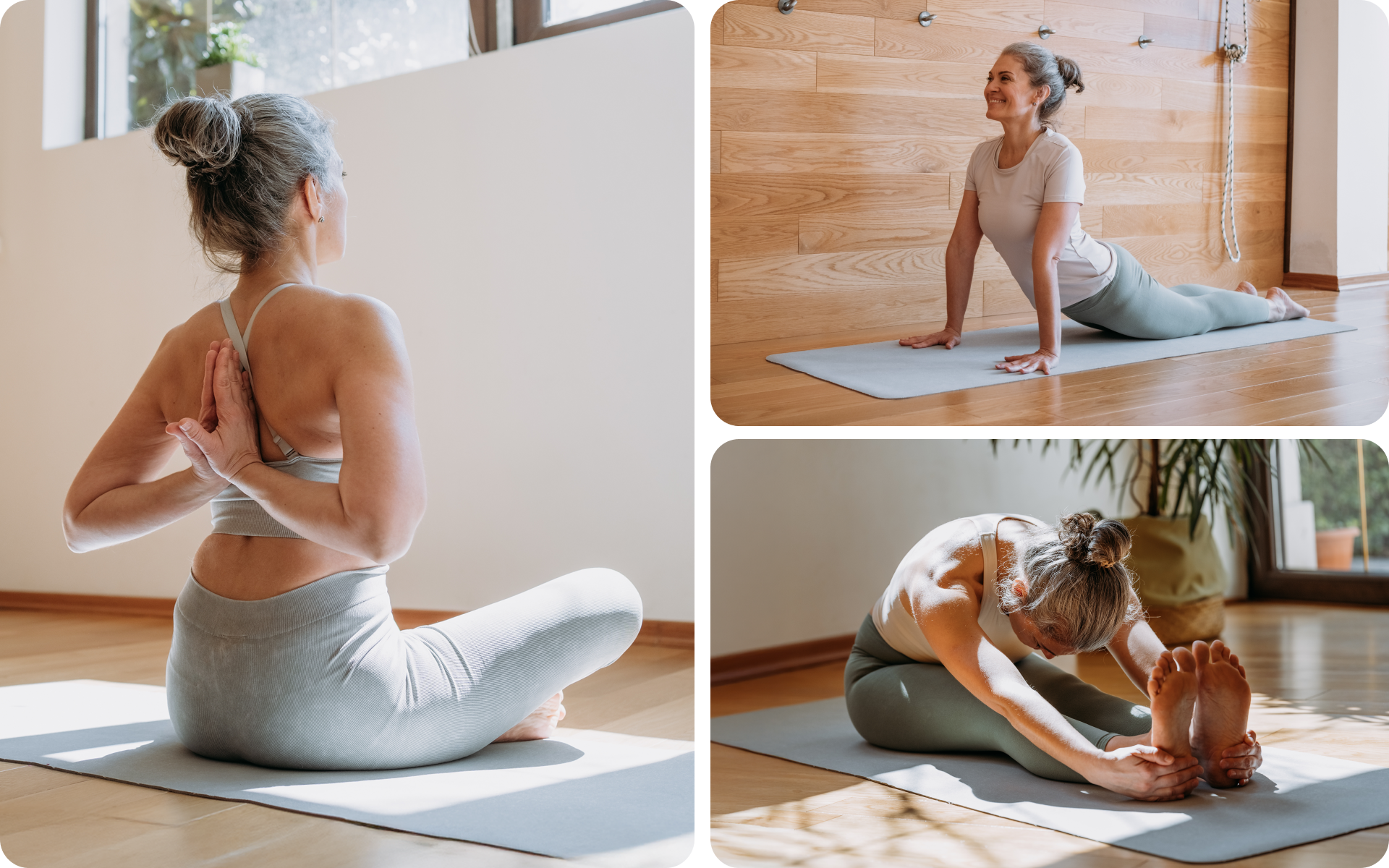
These 10 flexibility exercises for beginners target key areas of the body (4). Each of them can be performed as a 10-minute stretch routine for beginners or broken down into smaller sessions.
Neck Side Stretch
- Sit or stand tall
- Gently tilt your head to one side
- Hold for 10-15 seconds
Each stretch can help release tension in the neck.
Shoulder Rolls
- Roll both your shoulders backward in a slow circle
- Repeat 8-10 times
This movement boosts upper-body mobility.
Chest Opener Stretch
- Join your hands behind your back
- Gently lift your arms
- Open your chest
This can help prevent poor posture with rounded shoulders.
Cat-Cow Stretch
- Begin on your hands and knees
- Arch your back and hold for 5 seconds
- Slowly round your back and hold for 5 seconds
- Repeat 8-10 times
Often used in yoga, this movement helps improve spinal mobility.
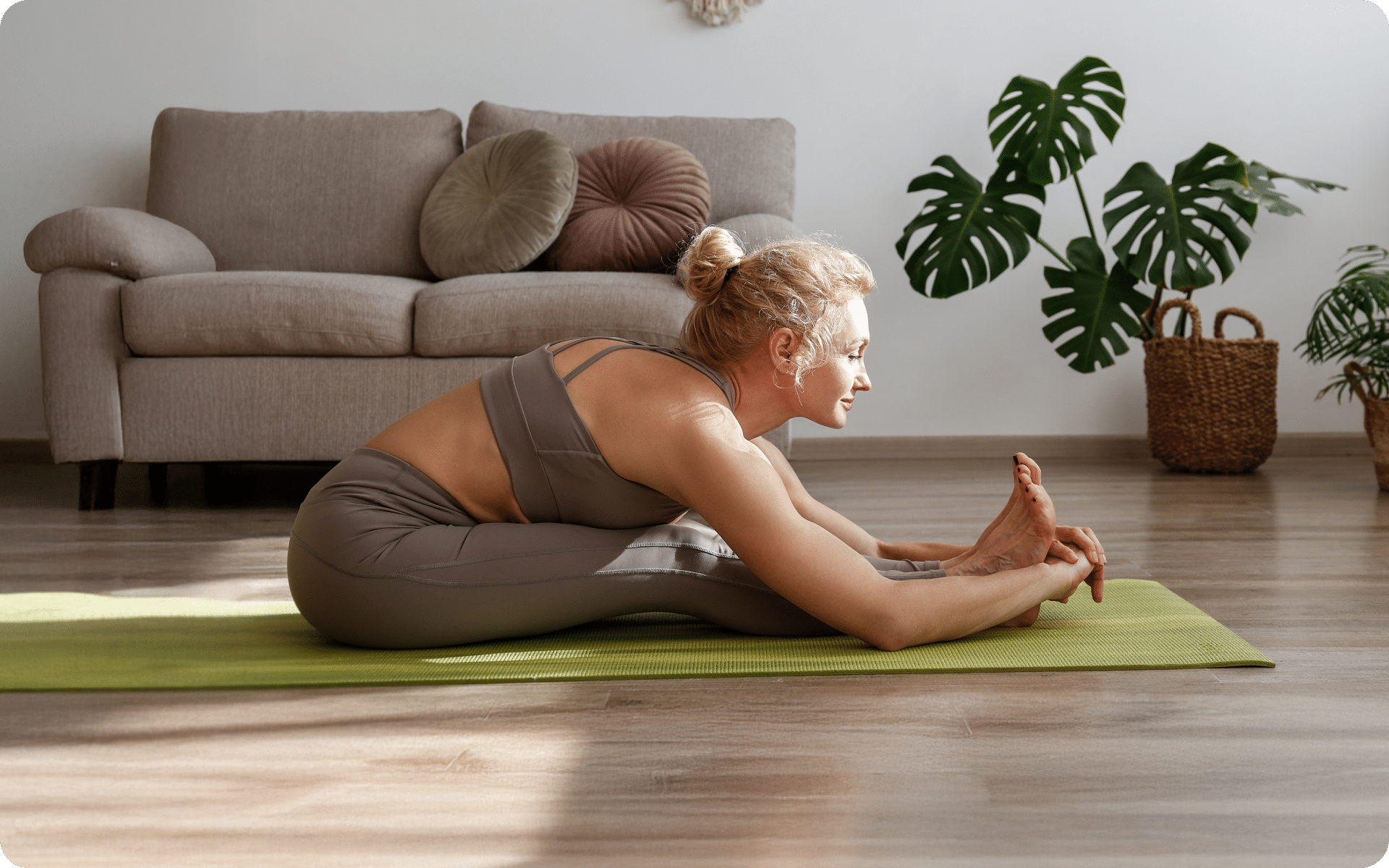
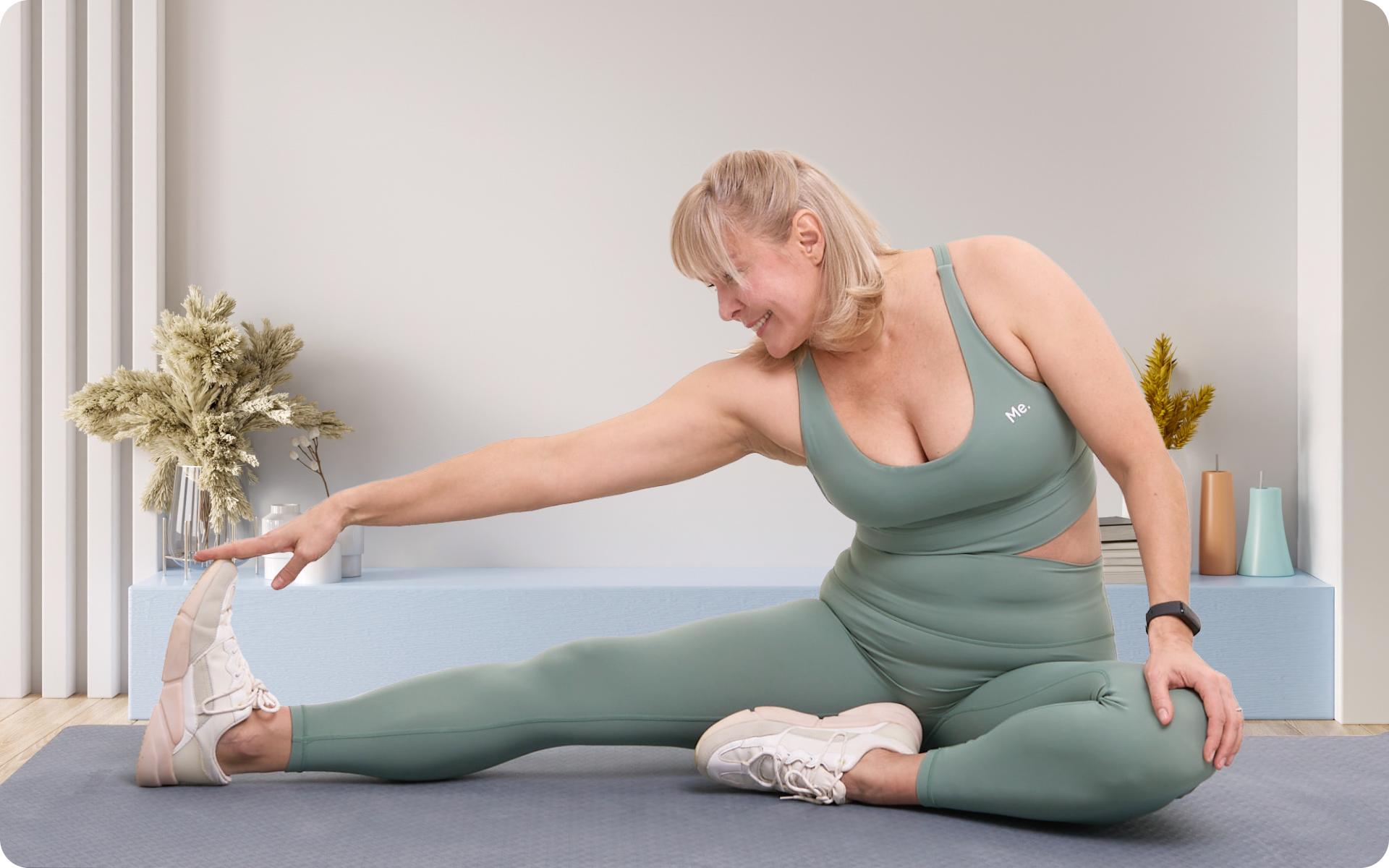
Seated Forward Fold
- Sit with both legs extended out
- Slowly reach toward your toes
- Keep movement controlled
You should feel a light stretch in your hamstrings.
Standing Quad Stretch
- Stand up tall
- Hold one foot behind you
- Keep your knees close together
- Hold for 5 seconds
- Switch feet and repeat
You’ll notice how the quad stretch supports flexibility in the front of your thighs.
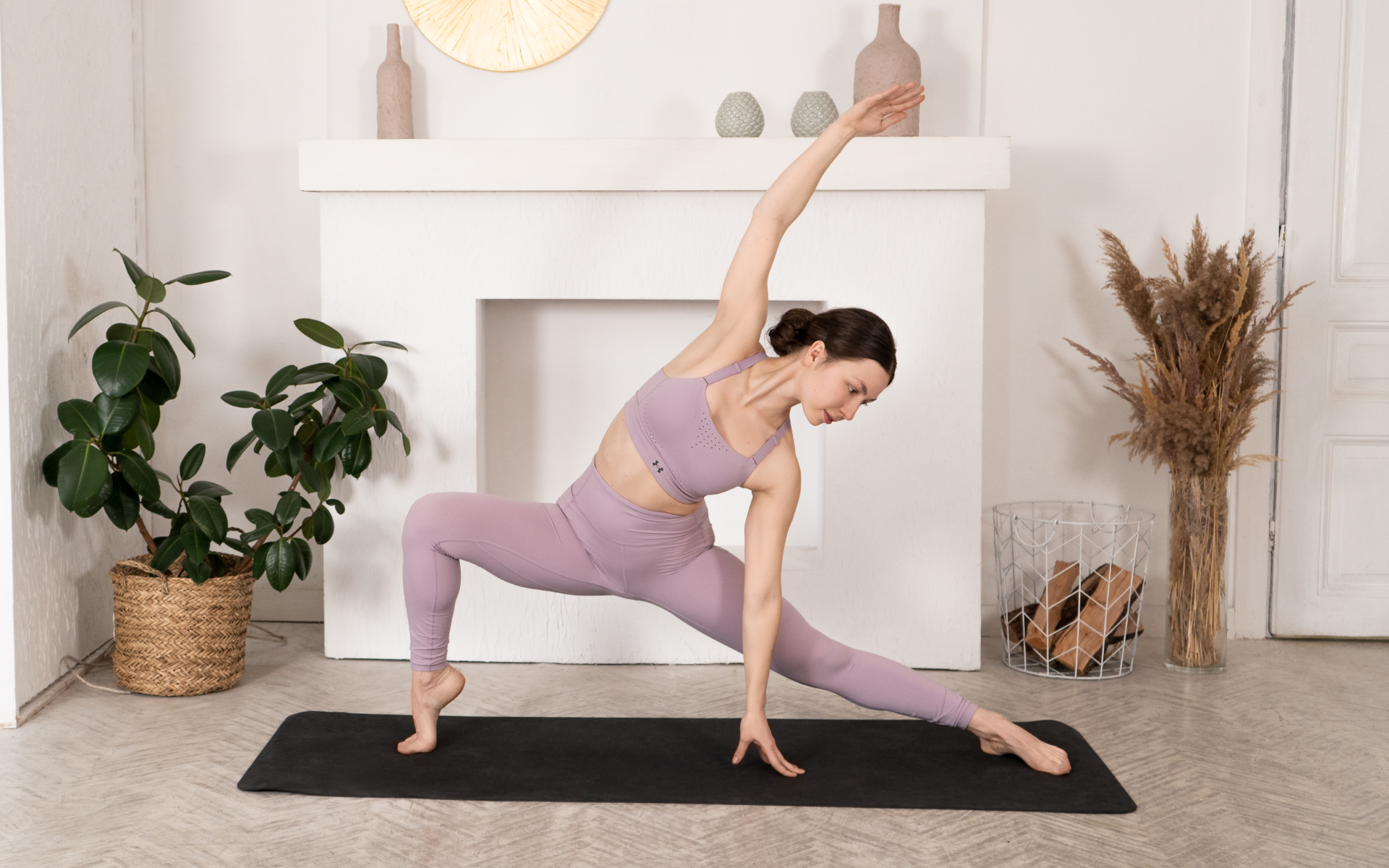
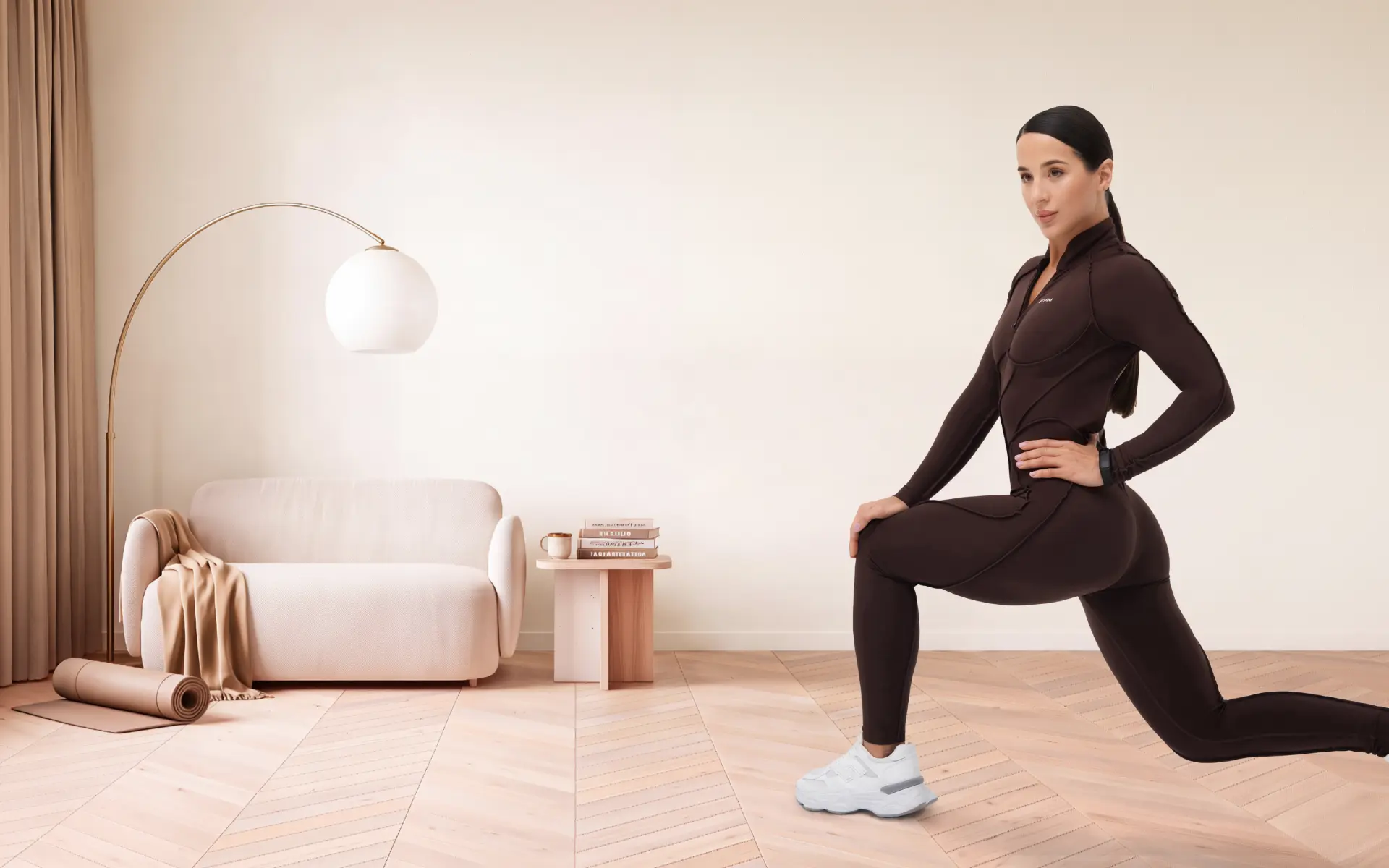
Hip Flexor Stretch
- Step one foot forward
- Slowly move into a lunge position
- Gently shift your weight forward and hold for a few seconds
- Move slowly into a stand position and step forward with the other foot
- Repeat
This stretch opens your hips to improve mobility and lower body movement.
Calf Stretch
- Stand up facing the wall
- Place your hands against a wall
- Step one foot back
- Press your heel toward the ground
- Hold for 5 seconds
- Move back into standing and repeat with the other foot
This movement supports ankle and lower leg mobility.
Seated Twist
- Sit upright in a sturdy chair
- Slowly rotate your torso gently to one side
- Hold for a few seconds, feeling the stretch
- Repeat on the other side
Spinal mobility improves with this movement.
Child’s Pose
- Start with your hands and knees on the ground.
- Gently sit back onto your heels
- Reach your arms forward
- Hold for 10 seconds
Also seen in yoga, this calming stretch targets multiple areas of the body at once.
Each of these 10 flexibility exercises at home is simple and accessible. You can perform them without any special equipment and they’re easily adjustable to your comfort level.
How Long Does It Take to Regain Flexibility as a Senior?
The time it takes to regain flexibility as a senior varies from person to person (5).
For some people, small changes can be seen within a few weeks of consistent stretching, while for others, it may take a bit longer. Progress often depends on how often you practice and how your body responds.
Consistency tends to matter more than intensity here. Stretching exercises for seniors have the biggest impact when they focus on consistency rather than intensity. Short daily routines are often more effective than occasional long workout sessions (6).
It’s also helpful to start combining your stretching with other gentle movements throughout the day.
BetterMe will shake off your mental funk, rid you of your energy-zapping habits, and help you sculpt the body of your dreams. Intrigued? Hurry up and change your life for the better!
Benefits of Stretching in the Morning
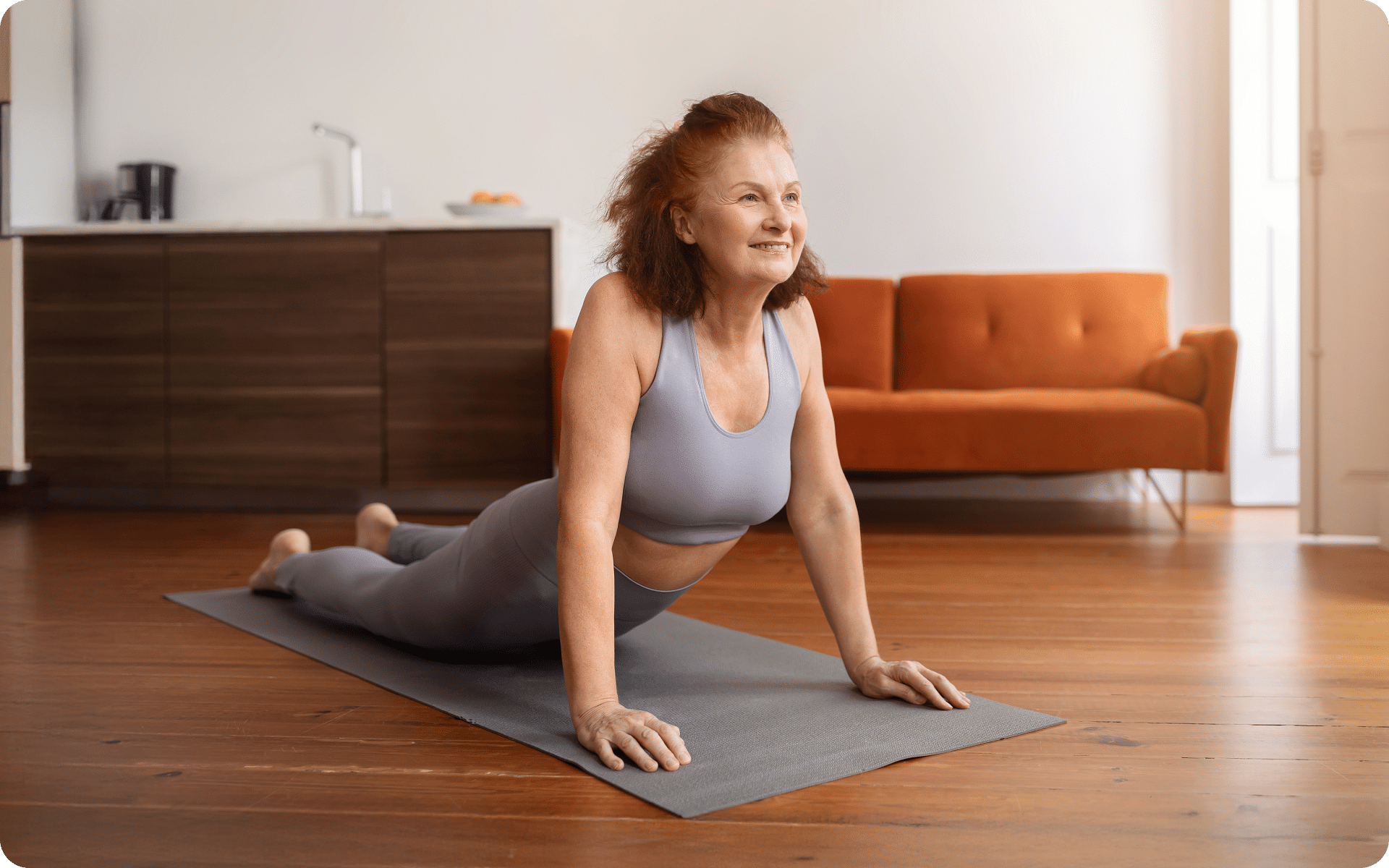
The benefits of stretching in the morning are often related to how your body feels at the start of the day.
Morning stretching can (7):
- Help you feel more energized
- Support easier movement after you wake up
- Encourage better posture throughout the day
A short stretching routine in the morning can set the tone for more consistent movement habits.
10 Flexibility Exercises for Beginners at Home
Doing 10 flexibility exercises at home can be a good option for beginners as the routine is easy to adjust based on your needs.
Try this simple approach:
- Choose 5 exercises at first
- Spend 30-60 seconds on each
- Repeat 3 times per week
With time, increase the number of exercises performed. You can also try stretching 4-5 times per week.
A 10-minute stretch routine for beginners can be enough to build consistency. With regular practice, it’s the consistency that helps you feel more comfortable in your movements.
Stretching Exercises for Beginners Over 50
Stretching exercises for beginners over 50 are best when they focus on control and comfort.
Helpful tips:
- Move slowly
- Avoid sudden movements
- Use a sturdy chair or wall for support
- Keep stretches gentle and steady
The same principles also apply to stretching exercises for seniors at any age. Both should share the same goal to create a routine that feels sustainable.
Read more: 5 Resistance Band Stretches to Improve Your Flexibility
Best Hip Mobility Exercises to Include
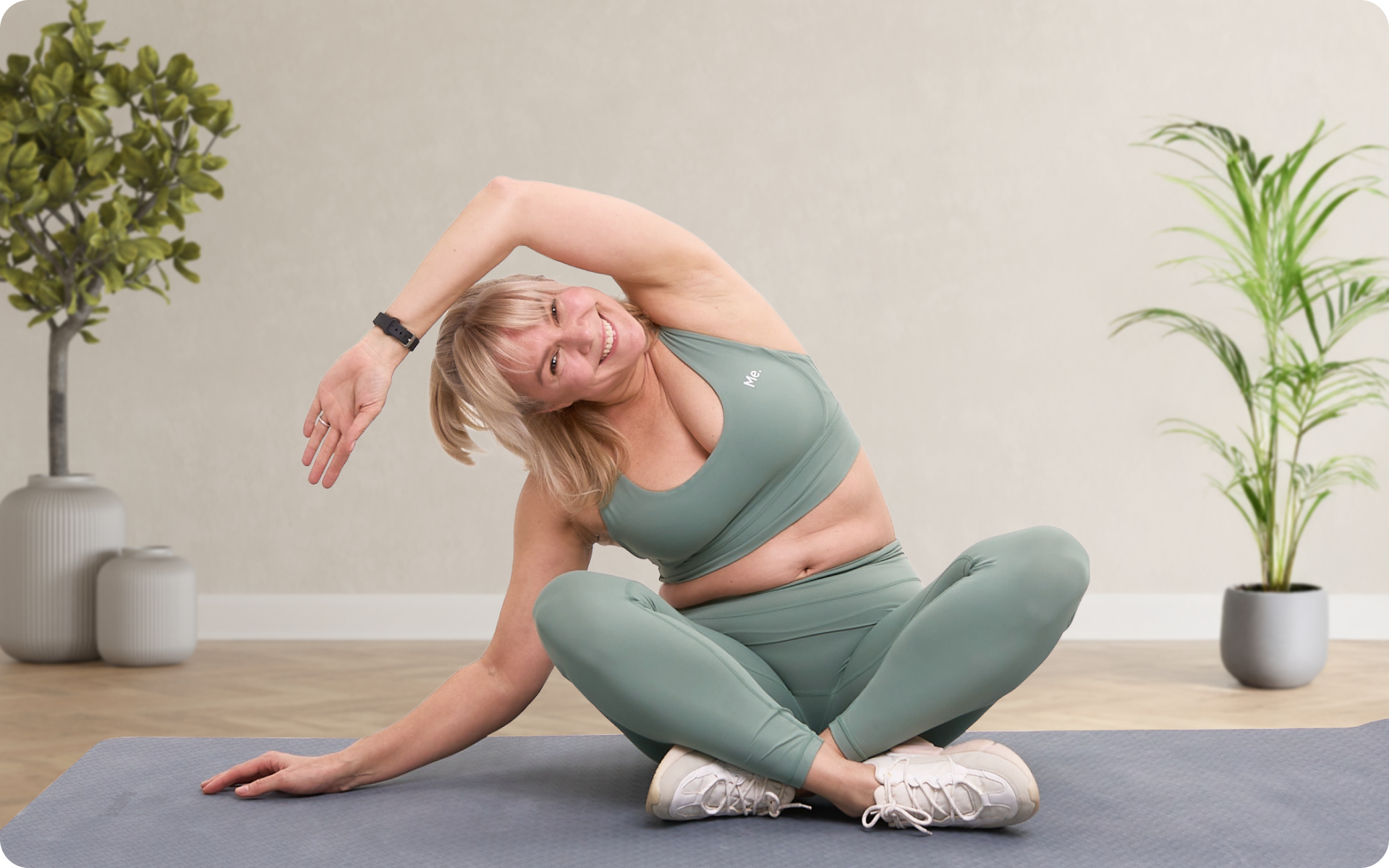
The pelvis plays a key role in movement. That’s why adding hip-focused stretches can be helpful.
Some of the best hip mobility exercises include:
- Hip flexor stretch
- Seated figure-four stretch
- Gentle lunges
The movements support better coordination while easing movements through daily activities.
Stretching Exercises for Seniors: What to Focus On?
All stretching exercises for seniors should prioritize balance, comfort, and consistency.
To do so, focus on:
- Gentle range of motion
- Controlled breathing
- Simple, repeatable movements
They don’t need to be long sessions. Instead, short routines performed regularly are often more effective than more complex programs.
How to Get the Most Out of Your Flexibility Routine?
To get the most out of your flexibility routine, the exercises should be consistent and controlled. It’s all about how you approach each movement. You don’t need long sessions. Instead, a few focused minutes go a long way when done regularly.
How Often Should You Stretch?
For many people, stretching 3 to 5 times per week is a good starting point.
Making stretching a habit is a great way to stay consistent. To do so, shorter daily sessions may feel easier to maintain. A 10-minute stretch routine for beginners can fit into your morning, evening, or post-workout routine.
Find a schedule you can stick to.
How Long Should You Hold Each Stretch?
Holding a stretch for about 10-20 seconds is a good place to begin.
As your comfort grows with the movements, you may choose to hold stretches slightly longer. The goal is to feel a gentle stretch, not discomfort. Try to stay relaxed and go through each movement slowly.
Should You Stretch Before or After a Workout?
Stretching is helpful both before and after a workout. It depends on your routine and needs.
Before activity, gentle mobility movements help prepare the body for the workout. But after, slower stretches help your muscles wind down and reset.
Stretching exercises for beginners at home can be done at either time. Choose what fits your comfort and energy levels, as well as your schedule.
What Areas Should You Focus On First?
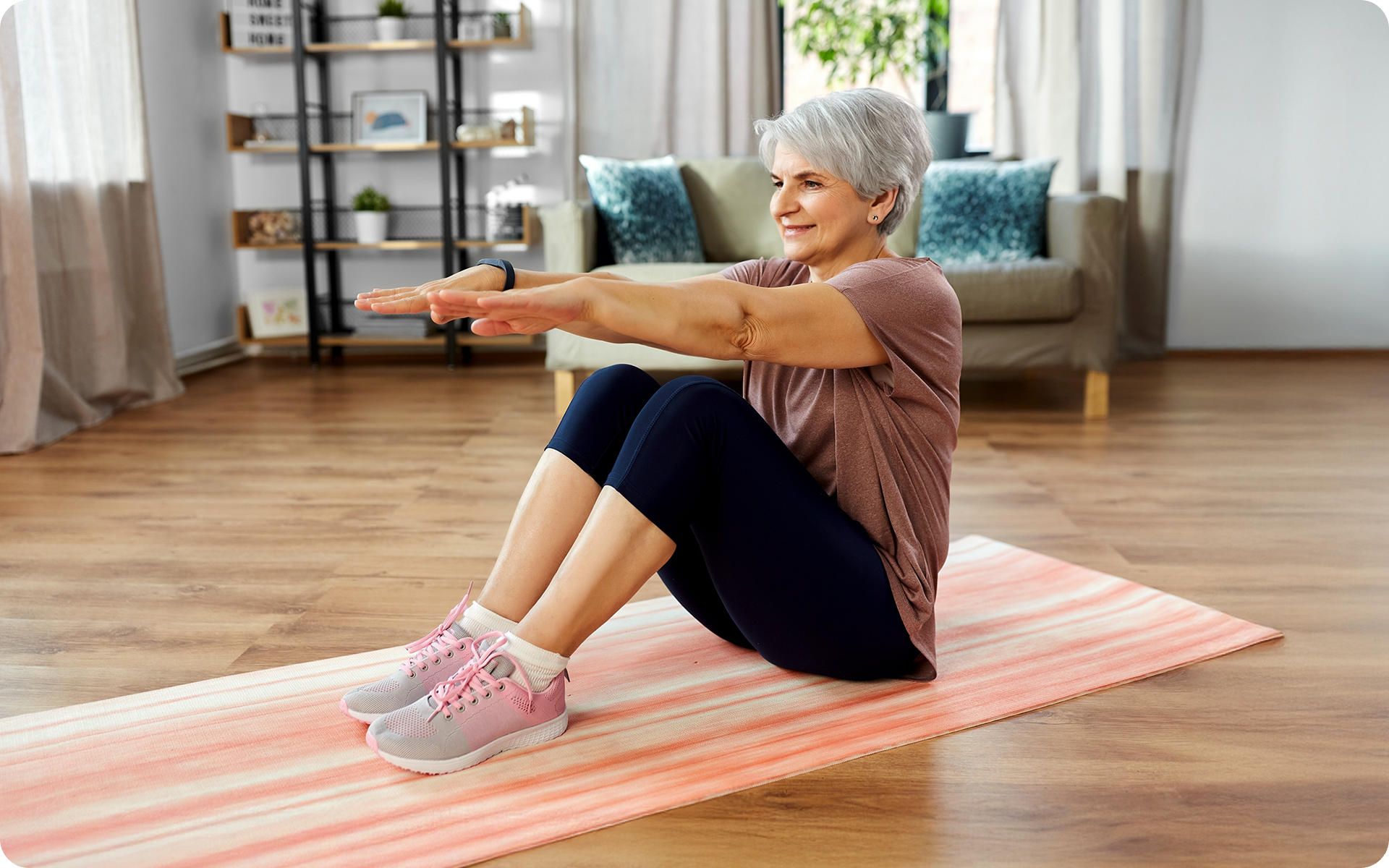
Are you unsure where to start? It’s best to focus on areas that tend to feel tight from daily habits.
Common areas include:
- The hips from prolonged sitting
- Tight hamstrings from limited movement
- The chest and shoulders from screen use
Adding some of the best hip mobility exercises into your routine is useful, particularly if you spend a lot of time sitting.
How Do You Know If You’re Making Progress?
Progress isn’t always obvious initially.
Some of the first signs of progress include:
- Movements feel smoother
- You can extend the stretches further
- Improved posture
- Daily activities feel more comfortable
Flexibility exercises for beginners aren’t about changing up your routines. They’re about steady improvements that build over time.
Tips to Stay Consistent
Consistency is the most important and often the most challenging. Keeping your routine simple can help.
You should consider trying:
- Combine stretching with an existing habit or routine
- Keep your routine short and manageable
- Rotating different exercises can help prevent boredom.
It doesn’t need to be a perfect routine. You just need one you’ll enjoy so you can return to it regularly.
Frequently Asked Questions
Is flexibility genetic or learned?
Genetics and lifestyle can influence your flexibility. Many people can improve their flexibility through regular movements and stretching.
At what age is it hard to be flexible?
Flexibility can feel more limited as you age, but it can still improve in all stages of life with consistent practice.
What causes a lack of flexibility?
Some common causes of poor flexibility include limited movement, prolonged sitting, and not stretching regularly.
Do flexible people age better?
Many factors influence how individuals age. Flexibility is often linked to ease of movement, regardless of generation.
What are the mental benefits of flexibility?
Stretching is relaxing and may help calm the mind. It also allows more focus on breathing and body awareness.
Can a 70-year-old regain flexibility?
People of all ages can improve their flexibility gradually with gentle and consistent stretching.
How can seniors regain hip and knee flexibility?
Simple movements such as seated stretches, gentle lunges, and supported exercises help build hip and knee mobility gradually.
The Bottom Line
10 flexibility exercises are a simple way to support better movement and build a consistent routine. You can start with just a few or all 10, but regular practice can help you feel more mobile. The key is to start slowly, remain consistent, and adjust your routine to fit your needs.
DISCLAIMER:
This article is intended for general informational purposes only and does not serve to address individual circumstances. It is not a substitute for professional advice or help and should not be relied on for making any kind of decision-making. Any action taken as a direct or indirect result of the information in this article is entirely at your own risk and is your sole responsibility.
BetterMe, its content staff, and its medical advisors accept no responsibility for inaccuracies, errors, misstatements, inconsistencies, or omissions and specifically disclaim any liability, loss or risk, personal, professional or otherwise, which may be incurred as a consequence, directly or indirectly, of the use and/or application of any content.
You should always seek the advice of your physician or other qualified health provider with any questions you may have regarding a medical condition or your specific situation. Never disregard professional medical advice or delay seeking it because of BetterMe content. If you suspect or think you may have a medical emergency, call your doctor.
SOURCES:
- Age and Muscle Loss (2026, health.harvard.edu)
- Three Types of Exercise Can Improve Your Health and Physical Ability (2025, nia.nih.gov)
- A Guide to Basic Stretches (2024, mayoclinic.org)
- The Importance of Stretching (2024, health.harvard.edu)
- Does Older Mean Flexible? Psychological Flexibility and Illness Cognitions in Chronic Medical Conditions – The Moderating Effect of Age (2023, tandfonline.com)
- Research Shows That Short, Intense Workouts Are Beneficial (2023, uclahealth.org)
- Effects of Stretching or Strengthening Exercise on Spinal and Lumbopelvic Posture: A Systematic Review with Meta-Analysis (2024, pubmed.ncbi.nlm.nih.gov)
 Reviewed by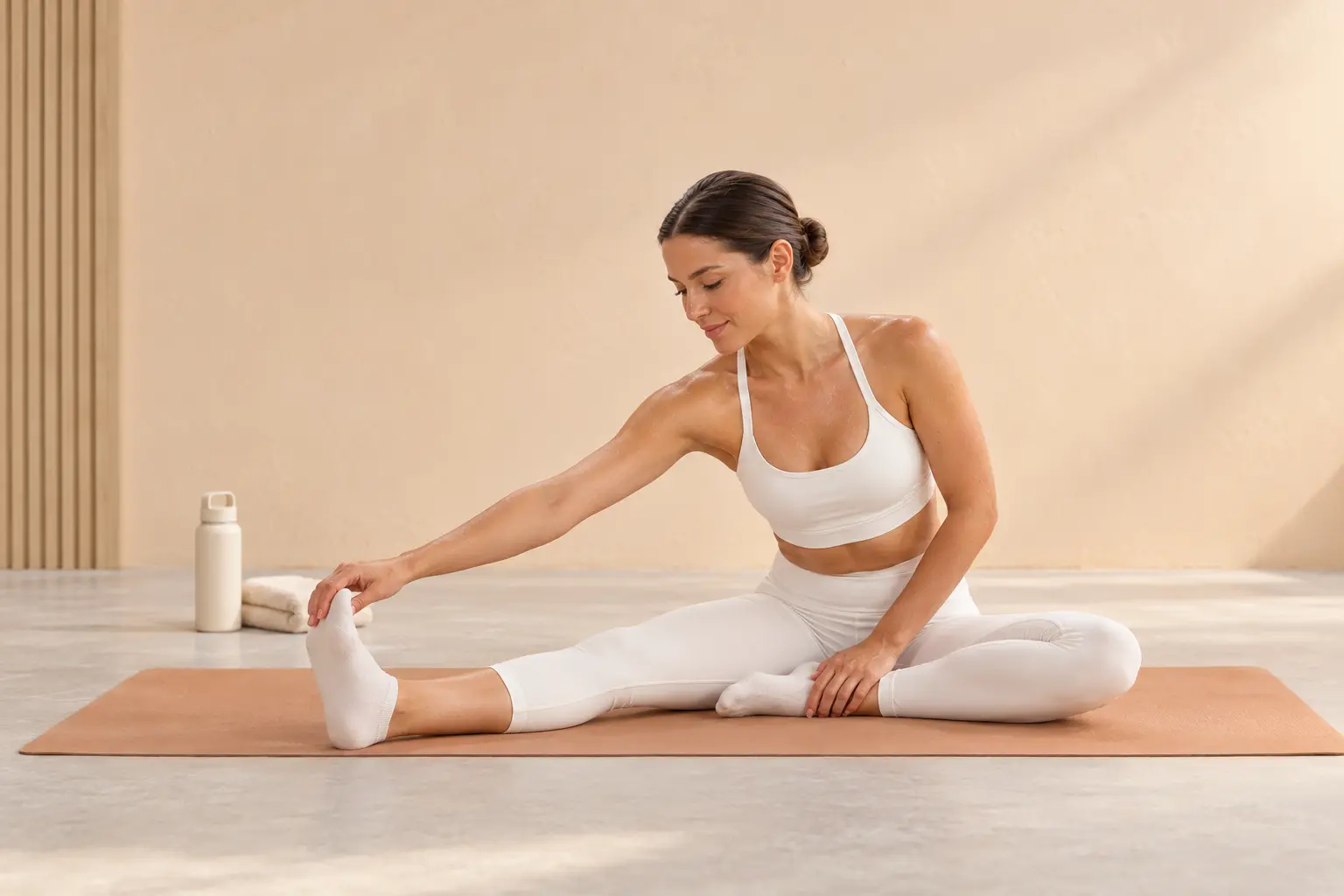
 Reviewed by
 Reviewed by