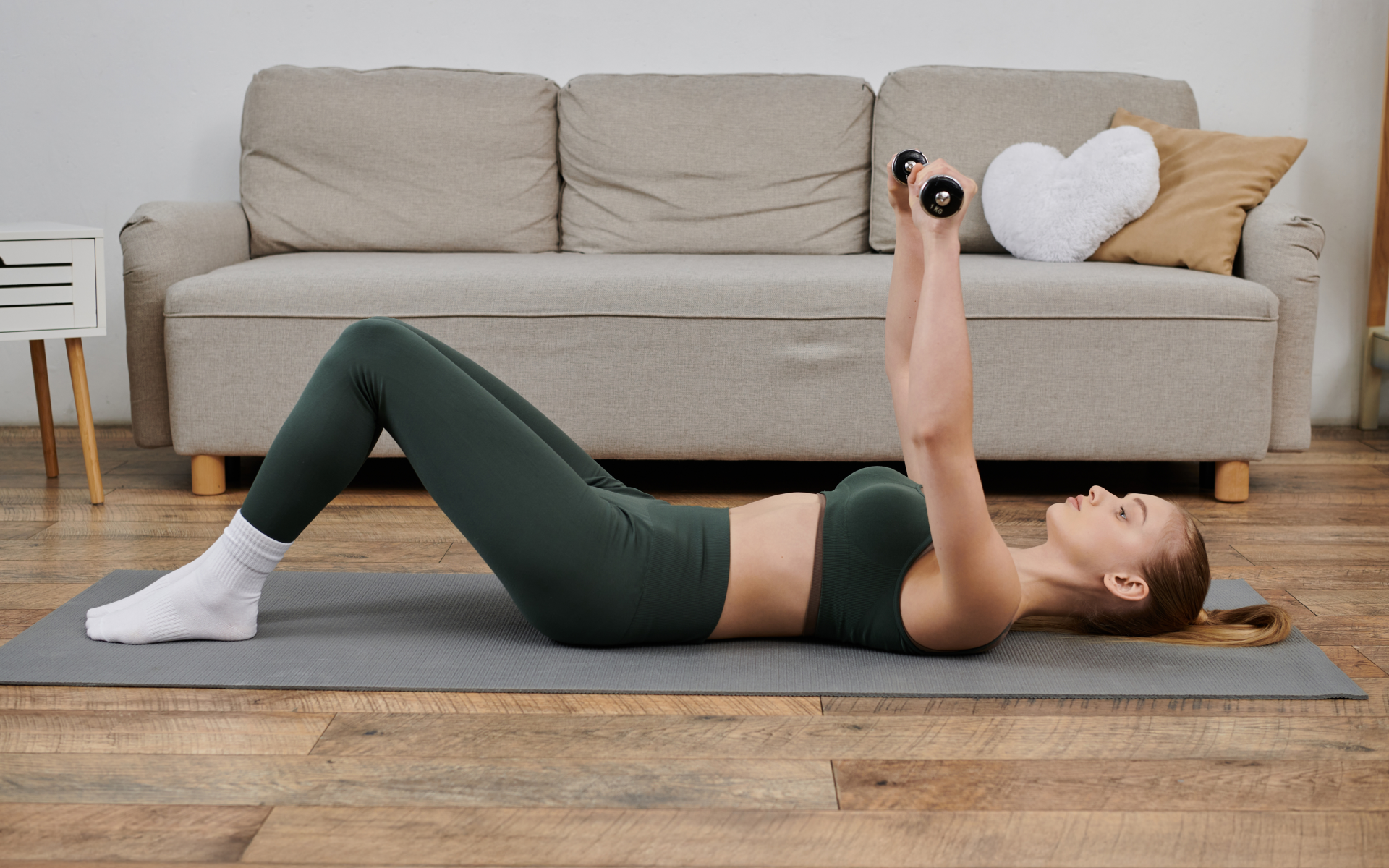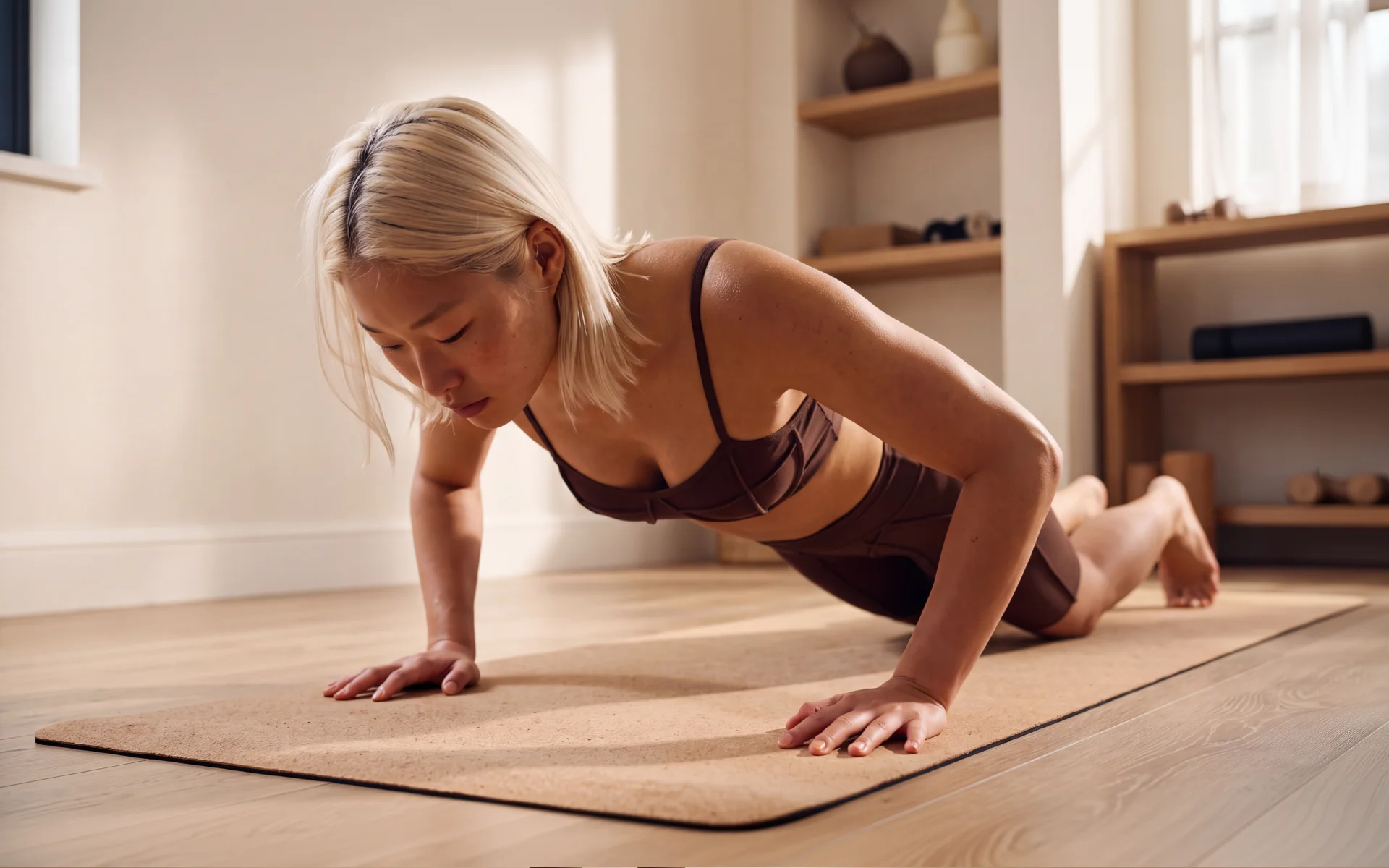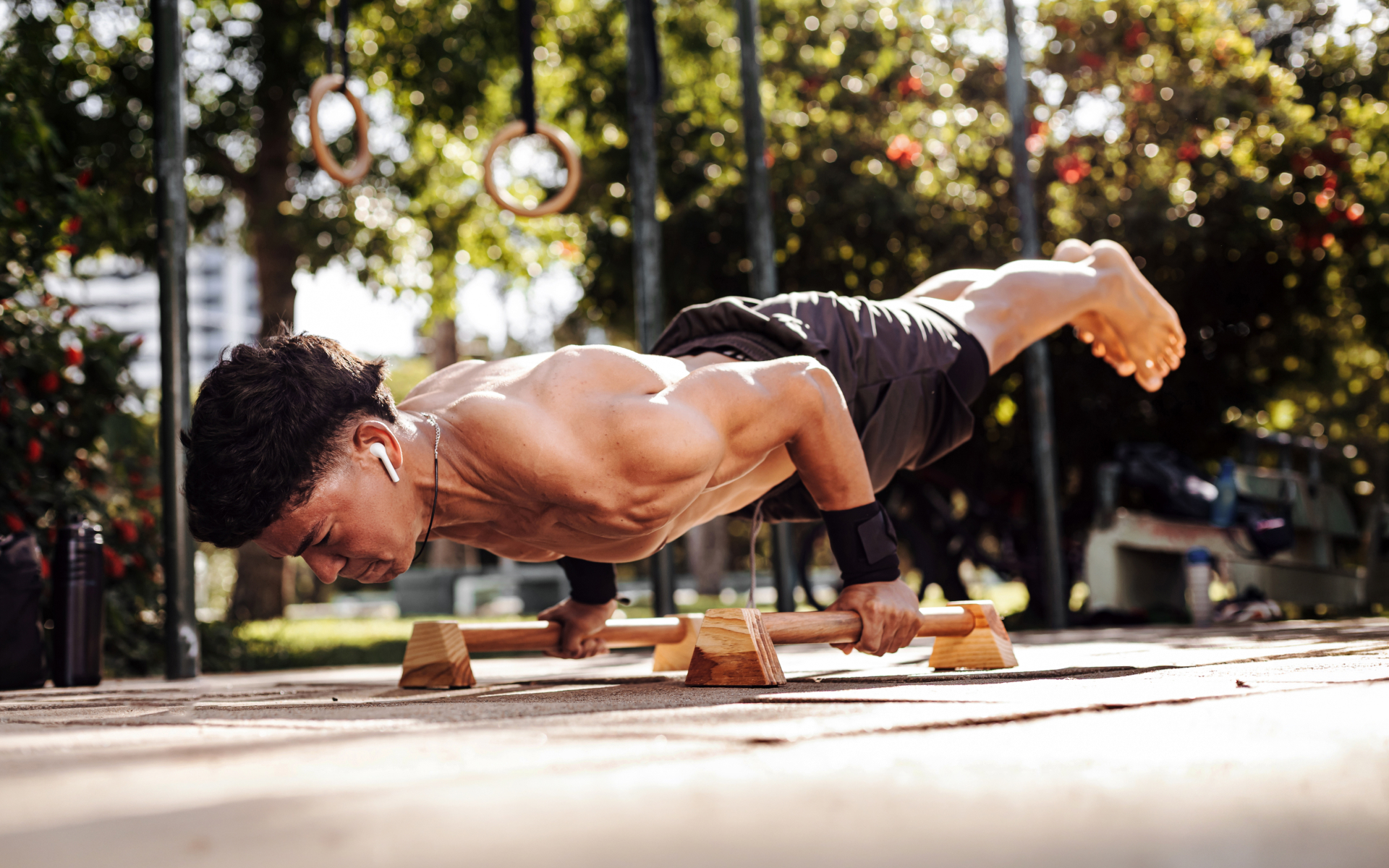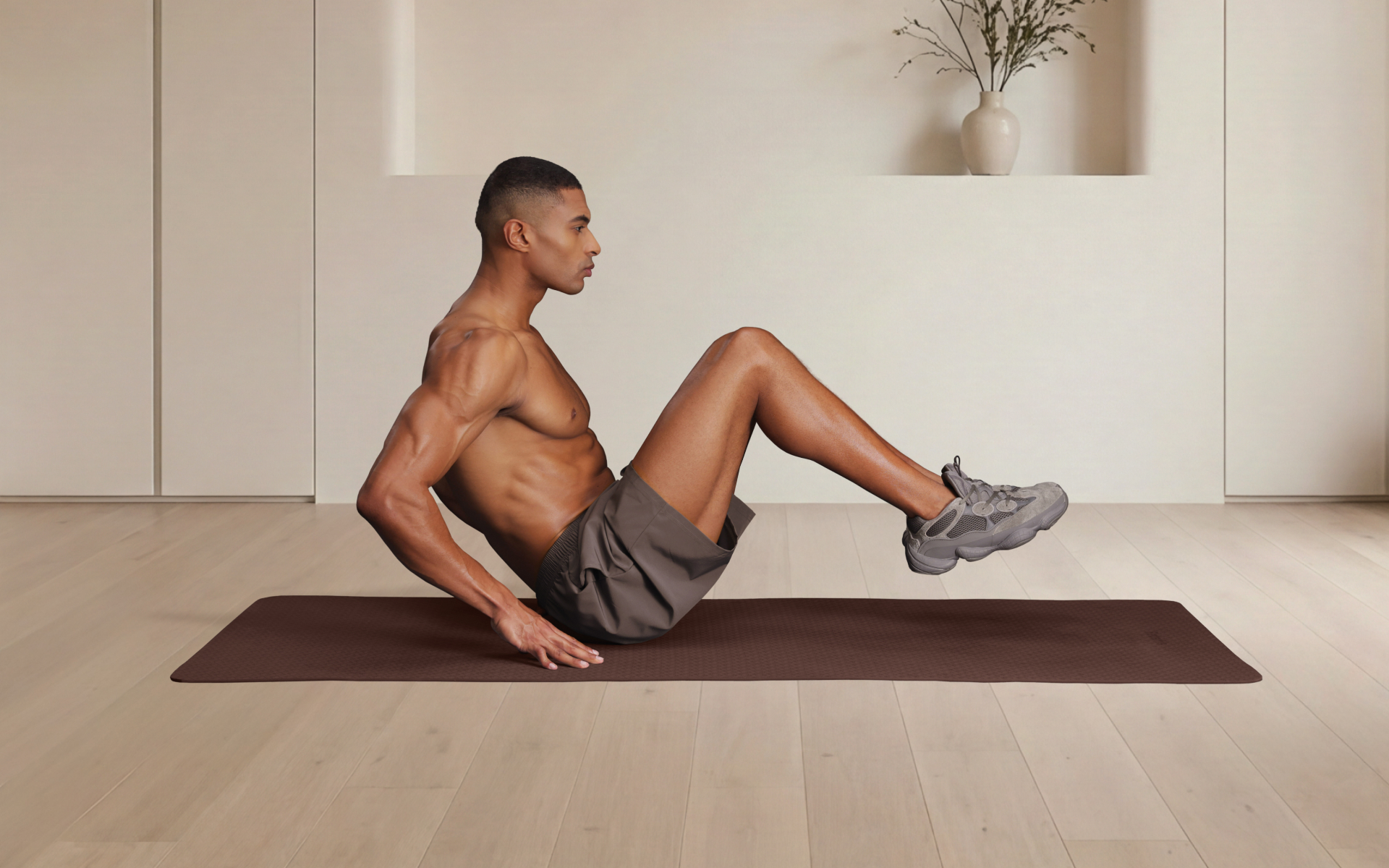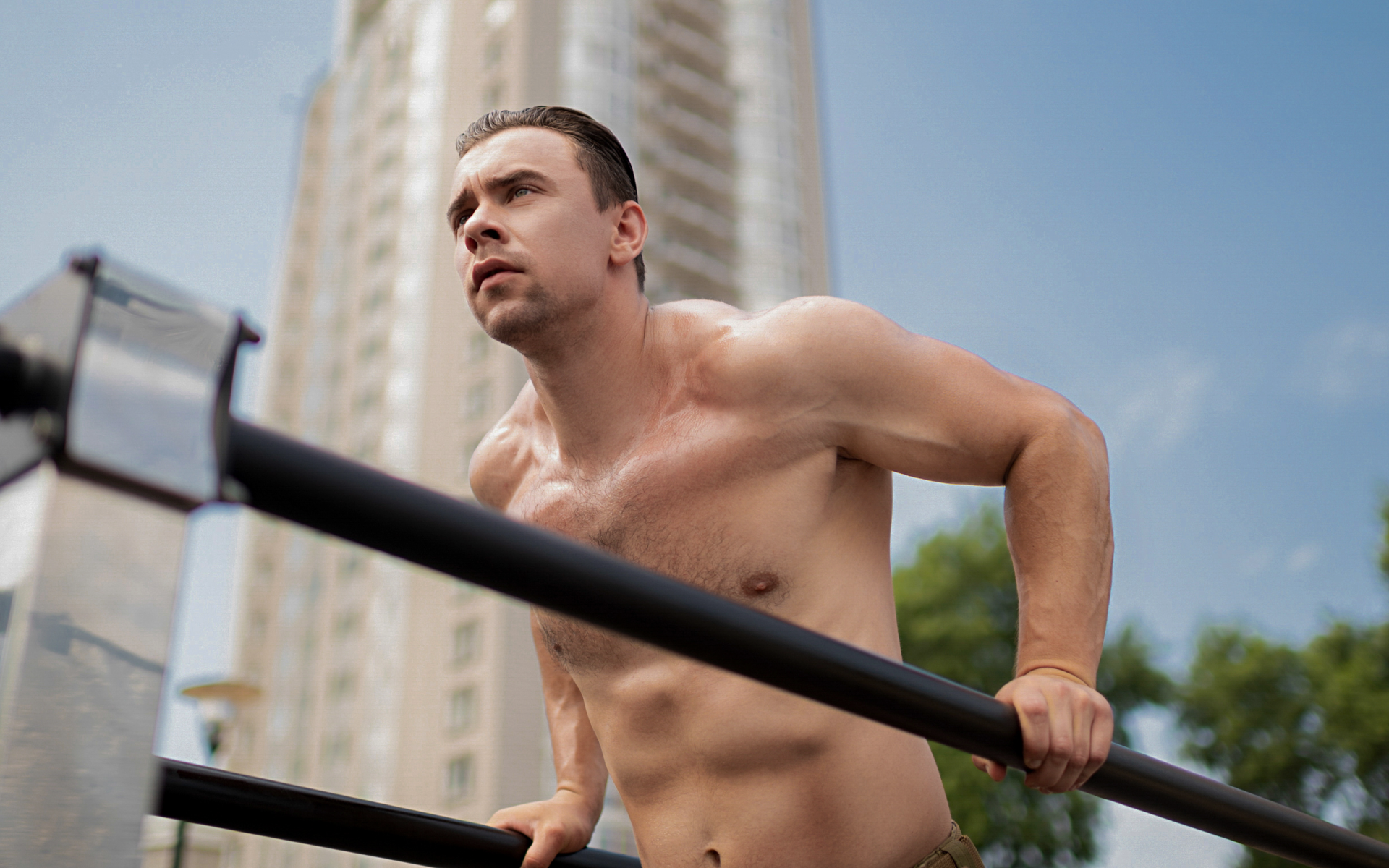

A 15-minute calisthenics workout is exactly what it sounds like: a fast bodyweight routine built around movements such as squats, push-ups, lunges, and planks. Calisthenics doesn’t need machines humming in the background, and there’s no waiting for equipment. It’s just you, a little space, and 15 focused minutes that can be adjusted to match different fitness levels. The biggest thing to remember? Keep the movements controlled instead of rushing through them like your timer is chasing you down!
Lately, workouts have stopped being just about fitness. For many people, they’re becoming a way to squeeze a little control back into chaotic days. Most of our schedules are packed, energy feels low by evening, and expensive gym memberships don’t always make sense in today’s economy. This is why short training sessions are more relatable for people these days. A 15-minute calisthenics workout feels doable and less intimidating. A small win before work, after meetings, or during that weird afternoon slump where your brain feels like melted butter.
Research has also found that even shorter bursts of movement can support overall fitness, energy, and muscle endurance when done consistently (1). You don’t always need a one-hour session to add meaningful movement to your day. On busy days, a 15-minute routine can still be a practical option.
Is 15 Minutes of Calisthenics Enough?
It can be, but it depends on your ultimate goal.
For someone who is looking for a practical way to stay active and build consistency, a 15-minute routine may be a useful option. Calisthenics movements often train several muscle groups together, which means short sessions can still feel intense (2). A few rounds of squats, push-ups, lunges, and planks add up fast—sometimes suspiciously fast when your legs start shaking halfway through!
A structured 15-minute calisthenics workout for beginners usually works best as it keeps the session focused instead of random. Things such as pacing, rest time, and exercise order matter more than people think.
For example, a short session may include:
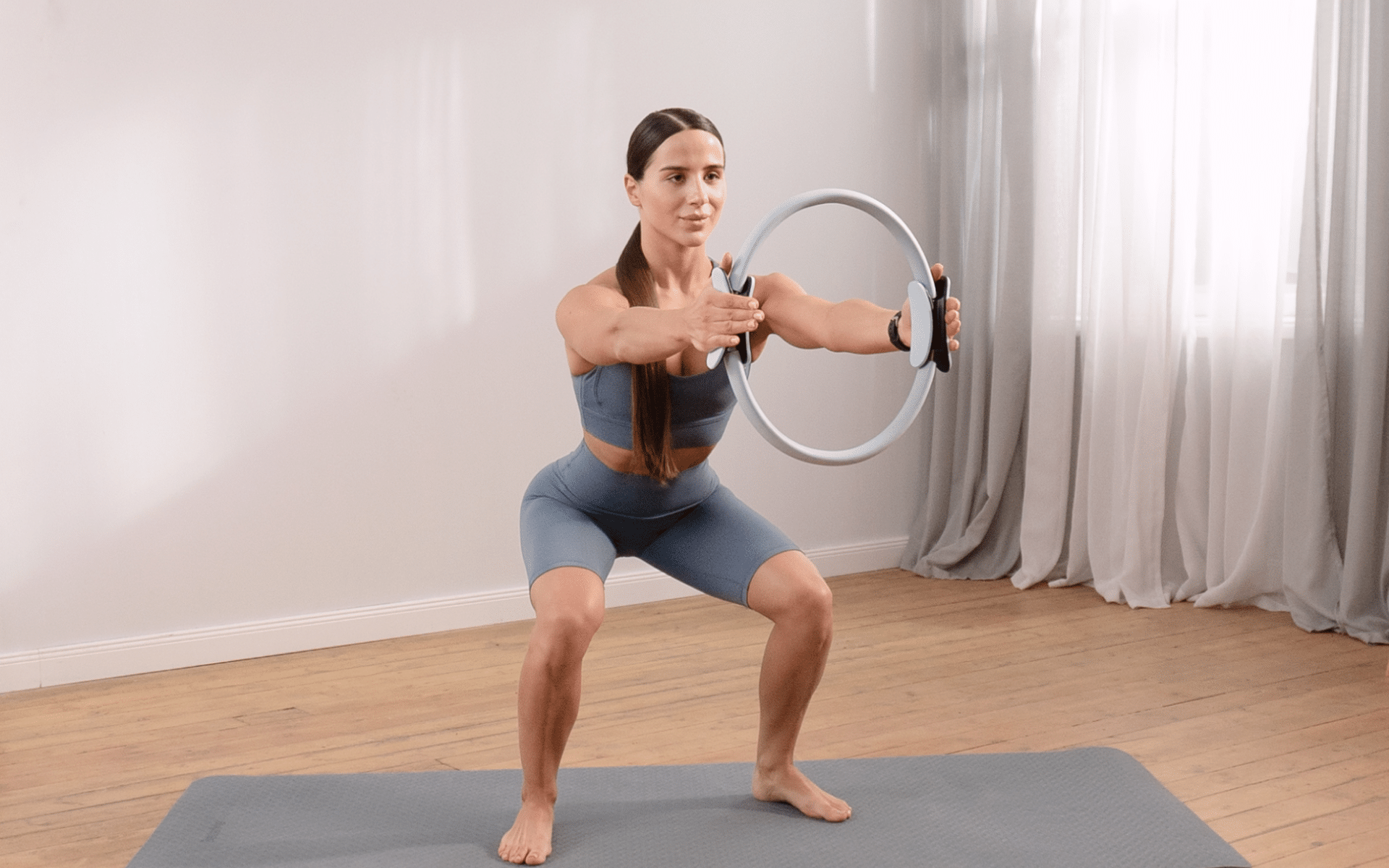
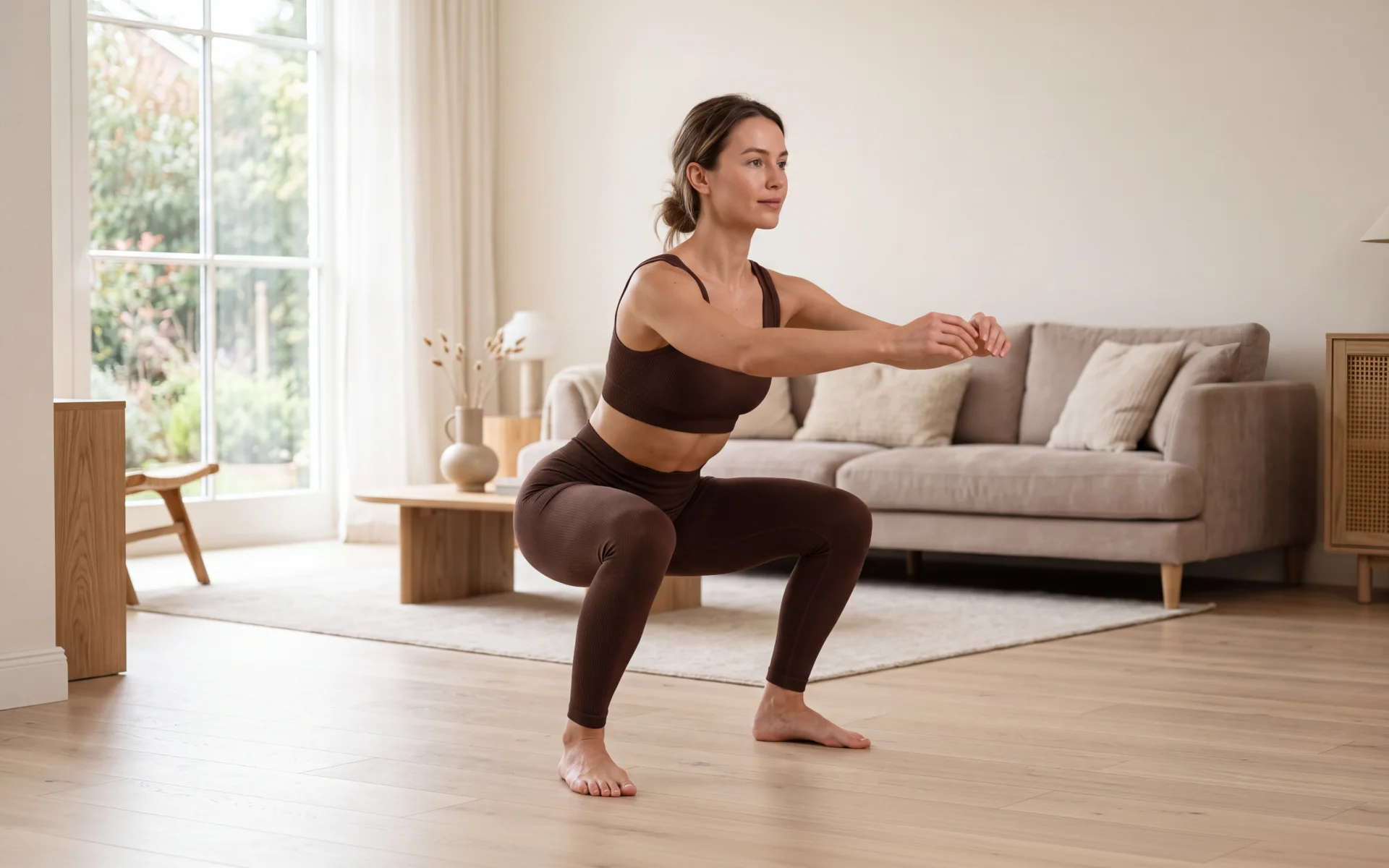
- Squats for lower-body strength
- Push-ups for the chest and arms
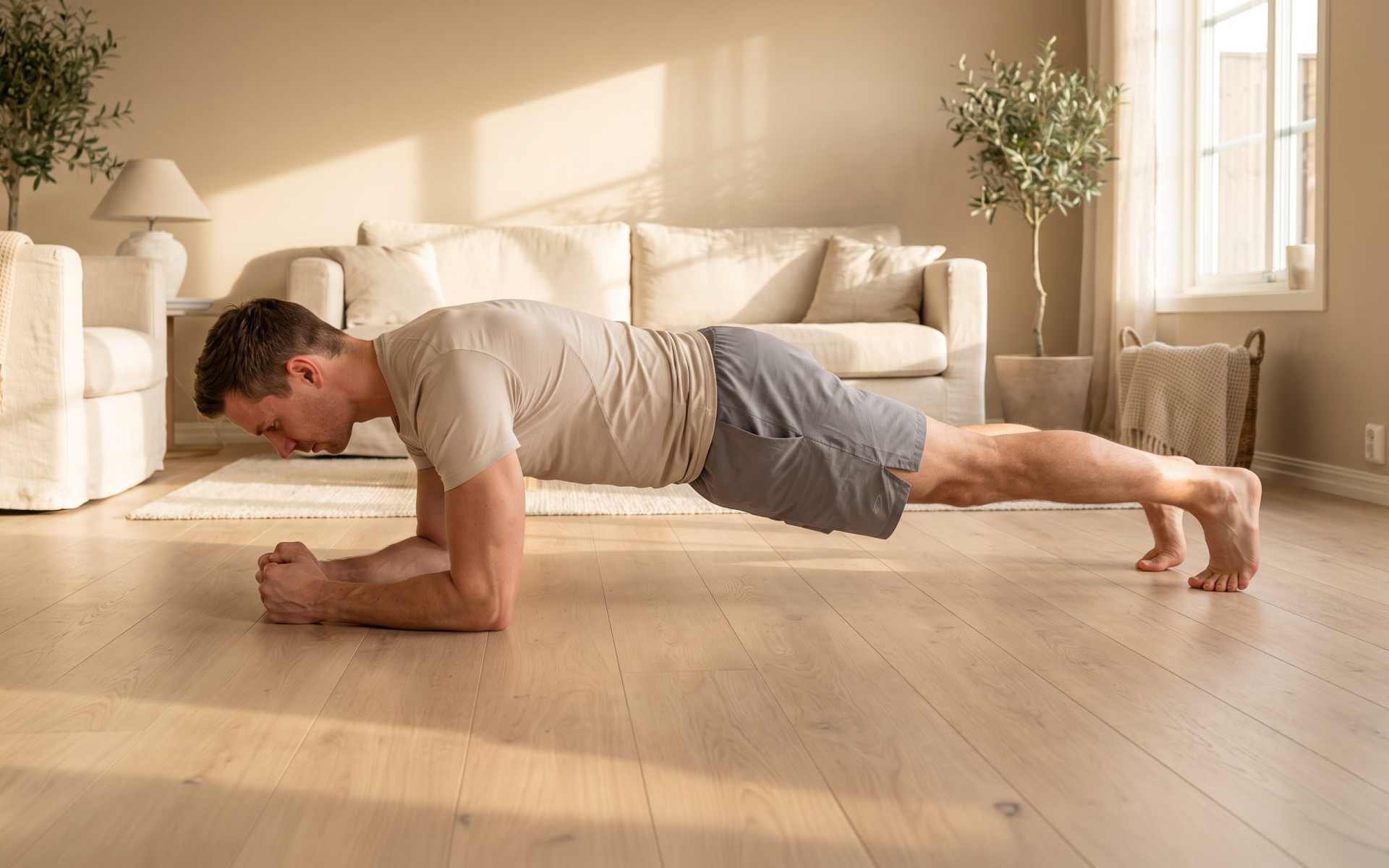
- Planks for core stability
- Mountain climbers for cardio intensity
That being said, 15 minutes won’t match the training volume of longer athletic programs. Someone who’s preparing for advanced performance goals may need more time and progression, but for general fitness and daily movement, short workouts can still be practical, approachable, and easier to maintain long term.
Can a 15-Minute Workout a Day Make a Difference?
A daily workout doesn’t need to leave someone flat on the floor gasping to matter. Small pockets of movement repeated consistently can build routine, and routine is usually where the real change starts. Some people may stick with shorter workouts, as they become easier over time compared to complicated and exhausting programs.
A daily session may help support (3):
- Better movement throughout the day
- Improved muscular endurance
- More consistent activity levels
- Increased energy and focus for some people
One of the biggest advantages of this exercise format is its convenience. A 15-minute calisthenics workout with no equipment involved removes a lot of common excuses—no commute, no crowded gym, and no waiting around pretending to understand complicated machines.
Short workouts can also feel mentally lighter. Missing a two-hour gym session feels dramatic, but missing 15 minutes feels fixable tomorrow. This mindset shift matters more than many people realise.
Of course, results depend on consistency, recovery, sleep, nutrition, and overall activity levels too. A short routine alone won’t magically transform everything overnight. When it’s performed regularly, it may become a useful part of a more active routine, particularly for people who find longer workouts difficult to schedule.
Whether you’re a workout beast or just a beginner making your first foray into the world of fitness and dieting – BetterMe has a lot to offer to both newbies and experts! Install the app and experience the versatility first-hand!
Who Is a 15-Minute Calisthenics Workout For?
One of the biggest reasons calisthenics keeps growing in popularity is its flexibility. These workouts don’t belong to one age group, fitness level, or training style. They can be adjusted up or down depending on experience, energy, and available time. This is part of what makes them feel less intimidating than highly technical workout programs.
A short routine can work well for:
- Beginners who want a simple starting point
- Busy professionals with limited free time
- Parents who are trying to fit movement into packed schedules
- Travelers who don’t have gym access
- Adults of different ages who prefer low-equipment exercise options and can perform the selected movements comfortably
A calisthenics routine for beginners focuses on basic movement patterns rather than intensity. Exercises such as wall push-ups, bodyweight squats, and modified planks help build confidence before progressing into harder variations (4).
The routine can be adjusted to emphasize balance, core strength, lower-body endurance, or faster-paced conditioning, depending on the person’s goals rather than their gender. The format stays adaptable, which is why it reaches such a wide range of people.
How Should You Structure a 15-Minute Full-Body Calisthenics Session?
A short workout requires better structure than a long one, and in a 15-minute workout, every block matters. The goal is to keep the body moving throughout.
A simple full-body session usually works best as it spreads the effort across multiple muscle groups instead of exhausting one area too quickly. This balance also helps maintain intensity without feeling impossible halfway through.
A basic structure may look like this:
1. Start with a Short Warm-Up (2 Minutes)
The warm-up has to be just enough movement to wake the body up and prepare the joints.
Try:
- Arm circles
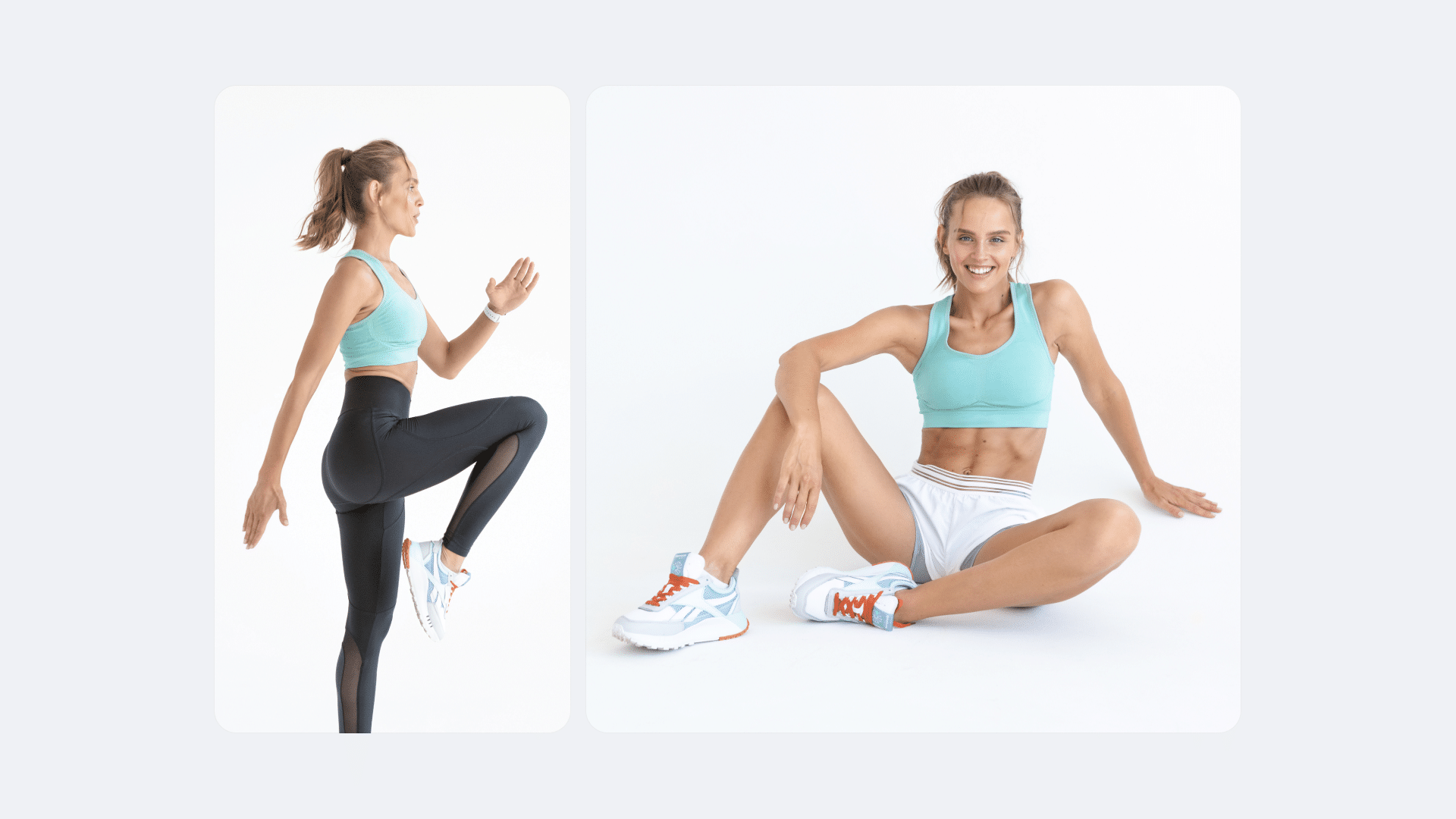
- High knees
- Bodyweight squats
- Hip rotations
- Light marching or jogging in place
Skipping warm-ups always sounds like a brilliant time-saving idea until your shoulders suddenly feel heavy during push-ups!
2. Use Compound Movements (10-11 Minutes)
The middle section of the routine should focus on exercises that train several muscle groups together. Compound movements make short workouts feel more efficient because the body keeps working continuously.
A balanced circuit could include:
| Exercise | Focus area | Time |
|---|---|---|
| Squats | Legs and glutes | 40 seconds |
| Push-ups | Chest, shoulders, arms | 40 seconds |
| Mountain climbers | Cardio and core | 40 seconds |
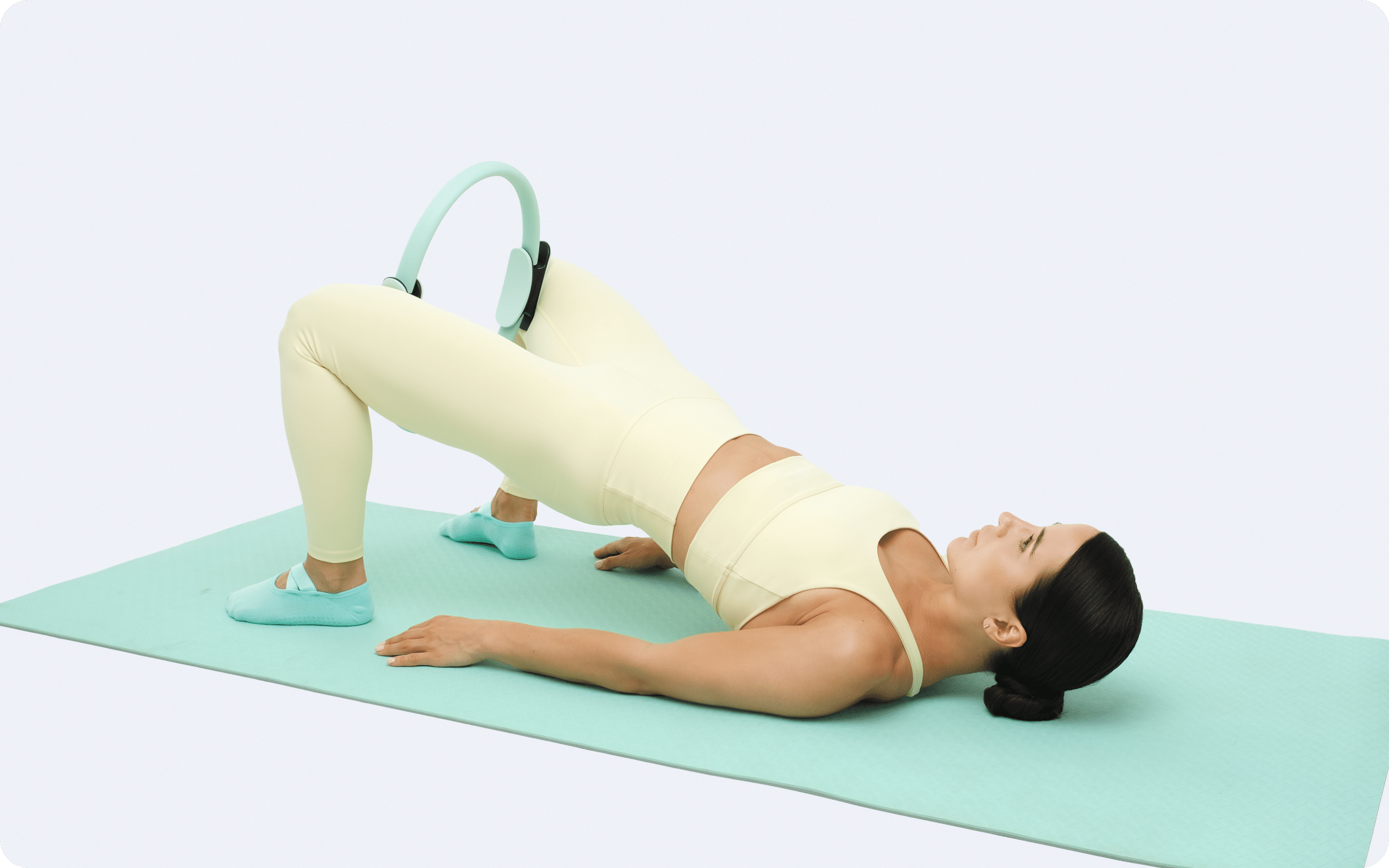
| Glute bridges | Glutes and lower body | 40 seconds |
| Plank hold | Core stability | 40 seconds |
Read more: Push Calisthenics Workout: A Guide to Building Upper-Body Strength
Rest for approximately 15-20 seconds between exercises, then repeat the circuit 2-3 times depending on fitness level.
Choose exercise variations that match your current ability. You should stop if you feel dizzy, faint, or experience sharp discomfort, and consult a qualified professional if you are unsure whether the routine is appropriate for you.
3. Adjust the Intensity, Not Just the Exercises
A common mistake is assuming that harder always means better. In reality, workout quality usually drops when people rush advanced movements before building any form of control.
Instead, adjust the intensity through:
- Slower reps
- Shorter rest periods
- Extra rounds
- Longer holds
- Controlled tempo
For example, beginners may use incline push-ups against a wall or bench while advanced exercisers may switch to decline push-ups or explosive reps. The structure stays similar even when the difficulty level changes.
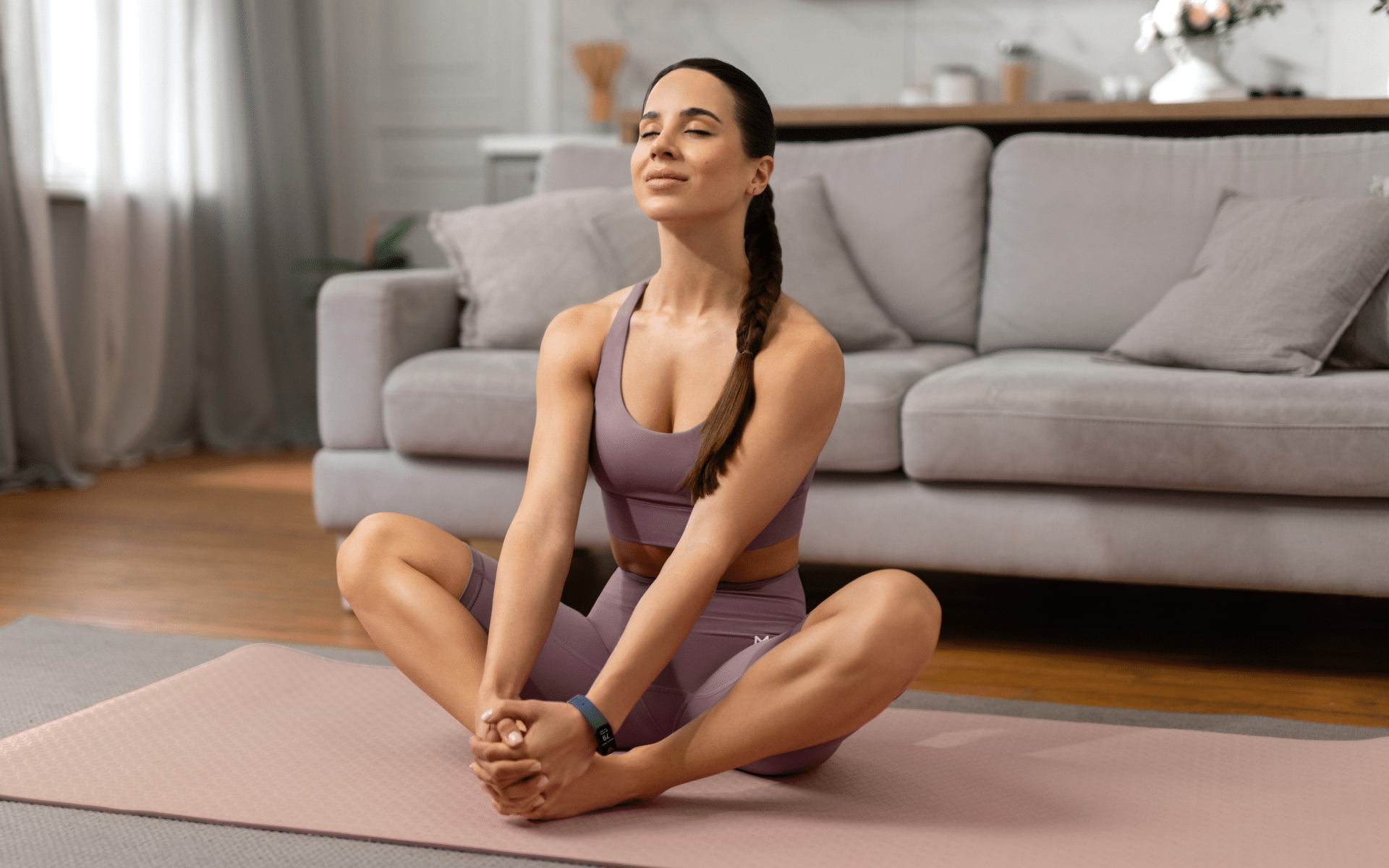
4. Finish with a Quick Cool-Down (2 Minutes)
Ending abruptly after intense movement can feel rough, particularly after doing faster circuits. A short cool-down helps the body slow down gradually.
Simple options include:
- Forward folds
- Shoulder stretches
- Deep breathing
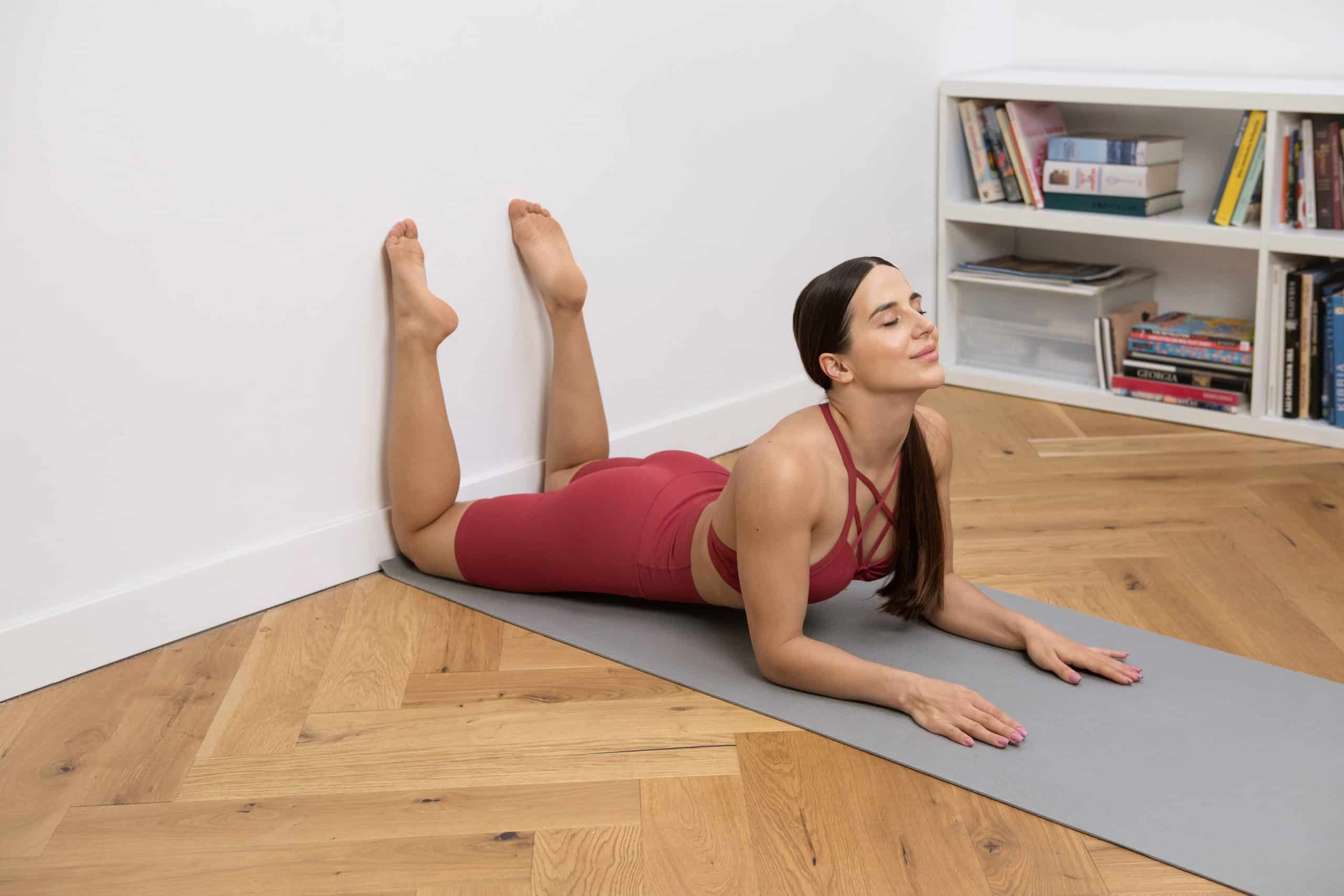
- Child’s pose
- Gentle spinal twists
Nothing dramatic is needed. For people who want variety, sessions can also rotate focus areas throughout the week. One day may emphasize lower-body endurance, while another leans more into upper-body strength or cardio pacing. Some people even alternate between a full routine and a lighter 5-minute calisthenics workout on busier days.
How Can You Make a 15-Minute Calisthenics Workout More Effective?
Short workouts don’t leave much room for wasted movement. A few small adjustments can make a noticeable difference without making the workout longer.
Here are some practical ways to improve a quick calisthenics workout:
- Prepare the space first
Keep water nearby, clear enough floor space, and decide the exercises before starting. Constantly stopping to “figure out the next exercise” breaks momentum more than people realise. - Focus on form before speed
Fast reps most often turn into messy reps. Controlled repetitions can help you maintain technique and use a consistent range of motion throughout the exercise (5). Your body notices the difference, even when your stopwatch doesn’t. - Use timers instead of counting reps
Timed intervals can keep workouts moving steadily. This keeps the session structured without overthinking numbers and timing mid-workout.
For example:- 40 seconds of work
- 20 seconds of rest
- Repeat for several rounds
- Train different movement patterns
A balanced session should include:- Lower-body movement
- Upper-body pushing or pulling
- Core work
- Some cardio intensity
Doing only crunches for 15 minutes may sound ambitious and like a full workout, but your body will probably start questioning your decisions by minute six.
- Progress gradually
Small changes matter. Increasing hold times, adding an extra round, slowing the tempo, or reducing rest periods can all make exercises more challenging over time without needing equipment.
It can also help to place short sessions into a broader calisthenics weekly routine instead of treating every workout like a standalone event. Some days may focus more on endurance, while others feel lighter or more recovery-based. This variation may make the routine feel less repetitive and easier to maintain.
Intense sweat sessions, working weight loss tips, lip-smacking recipes come in one package with the BetterMe: Health Coaching app—all at your fingertips, start transforming your life now!
What Can You Expect from a Daily 15-Minute Calisthenics Workout?
The changes are usually subtle at first. People often expect dramatic transformations after a week, but that’s not how it works. Realistically, the early benefits tend to feel more practical than dramatic.
Regular practice may improve familiarity with basic movements and muscular endurance over time, depending on the exercises and progression used (3, 6).
Daily training can also make exercises feel less intimidating over time. Push-ups that initially feel difficult may become more manageable with consistent practice and appropriate progression.
Energy levels can vary too. Some people feel more alert after movement, particularly if workouts break up long periods of sitting. Others may simply enjoy having a short period of the day dedicated to movement.
Results will also still depend on factors outside the workout, such as sleep, stress, nutrition, recovery, and overall activity levels. A short session is only one part of a broader routine that may also include adequate rest, nutrition, recovery, and general daily activity. Human beings are annoyingly interconnected like that!
Over time, many people also become more comfortable experimenting with harder variations, longer sessions, or different training styles. A simple bodyweight routine often becomes the gateway into broader fitness habits rather than staying just a temporary challenge.
Can You Build Muscle with 15-Minute Calisthenics Workouts?
Bodyweight exercise may support muscle growth when the movements are sufficiently challenging and become progressively harder over time. Bodyweight movements can still challenge the muscles when the workout is structured properly. To make muscle-building more effective, focus on:
- Slower repetitions
- More challenging exercise variations
- Additional repetitions, sets, or training volume
- Gradual increases in difficulty
For example, someone who begins with 5 knee push-ups may eventually progress to full push-ups with better control and endurance. The same thing can happen with squats, planks, or lunges. Gradually increasing the difficulty, volume, or resistance is one factor that may support muscle growth over time.
A 15-minute calisthenics workout may support muscular strength and development, particularly for beginners, although results depend on exercise difficulty, training volume, progression, nutrition, and recovery.
Read more: Calisthenics Handstand Progressions: 10 Steps to Master the Handstand
Frequently Asked Questions
What’s the best age to start calisthenics?
There’s no single best age to start calisthenics. Many exercises can be adapted for different ages and ability levels, provided the movements, difficulty, and supervision are appropriate for the individual.
Can I master calisthenics in 1 year?
There’s no fixed timeline for mastering calisthenics. Progress depends on the skills that are being practiced, previous experience, training frequency, progression, and individual ability.
Can calisthenics give you big muscles?
Calisthenics supports muscle growth, particularly for beginners, although results depend on training intensity, progression, nutrition, and recovery. The goal of big muscles may eventually require more resistance or training volume.
Is calisthenics better than weightlifting?
Neither training style is universally better. Calisthenics focuses more on bodyweight control and functional movement, while weightlifting allows easier progression with external resistance and heavier loads. Combining calisthenics with weightlifting can provide a broader range of training options, depending on your goals.
Does calisthenics get you in shape fast?
Calisthenics may help improve strength, endurance, and overall fitness over time, but results vary from person to person. Factors such as workout intensity, sleep, nutrition, and frequency all play a role.
The Bottom Line
A 15-minute calisthenics workout may not sound life-changing on paper, but short sessions can still create meaningful movement habits when it’s approached realistically. They fit into busy schedules, require little to no equipment, and can be adjusted for different fitness levels. Sometimes the hardest part isn’t training itself—it’s simply starting before your motivation disappears.
One of the biggest advantages of calisthenics is its flexibility. Whether someone follows a structured plan or squeezes in quick bodyweight circuits between responsibilities, the format stays flexible and approachable. Results vary, but regular sessions may support strength, muscular endurance, and overall activity over time. Some workouts feel short right until the sweat starts!
DISCLAIMER:
This article is intended for general informational purposes only and does not serve to address individual circumstances. It is not a substitute for professional advice or help and should not be relied on for making any kind of decision-making. Any action taken as a direct or indirect result of the information in this article is entirely at your own risk and is your sole responsibility.
BetterMe, its content staff, and its medical advisors accept no responsibility for inaccuracies, errors, misstatements, inconsistencies, or omissions and specifically disclaim any liability, loss or risk, personal, professional or otherwise, which may be incurred as a consequence, directly or indirectly, of the use and/or application of any content.
You should always seek the advice of your physician or other qualified health provider with any questions you may have regarding a medical condition or your specific situation. Never disregard professional medical advice or delay seeking it because of BetterMe content. If you suspect or think you may have a medical emergency, call your doctor.
SOURCES:
- Effect of exercise snacks on fitness and cardiometabolic health in physically inactive individuals: systematic review and meta-analysis (2025, bjsm.bmj.com)
- A Comprehensive Review of Calisthenics: Evolution, Science, and Practice (2025, ijcrt.org)
- World Health Organization 2020 guidelines on physical activity and sedentary behaviour (2020, bjsm.bmj.com)
- The effects of a calisthenics training intervention on posture, strength and body composition (2017, researchgate.net)
- The Influence of Movement Tempo During Resistance Training on Muscular Strength and Hypertrophy Responses: A Review (2021, pmc.ncbi.nlm.nih.gov)
- Self-efficacy to reduce sedentary behavior status and its influencing factors among middle-aged or older adults with chronic diseases: a cross-sectional study (2025, pmc.ncbi.nlm.nih.gov)