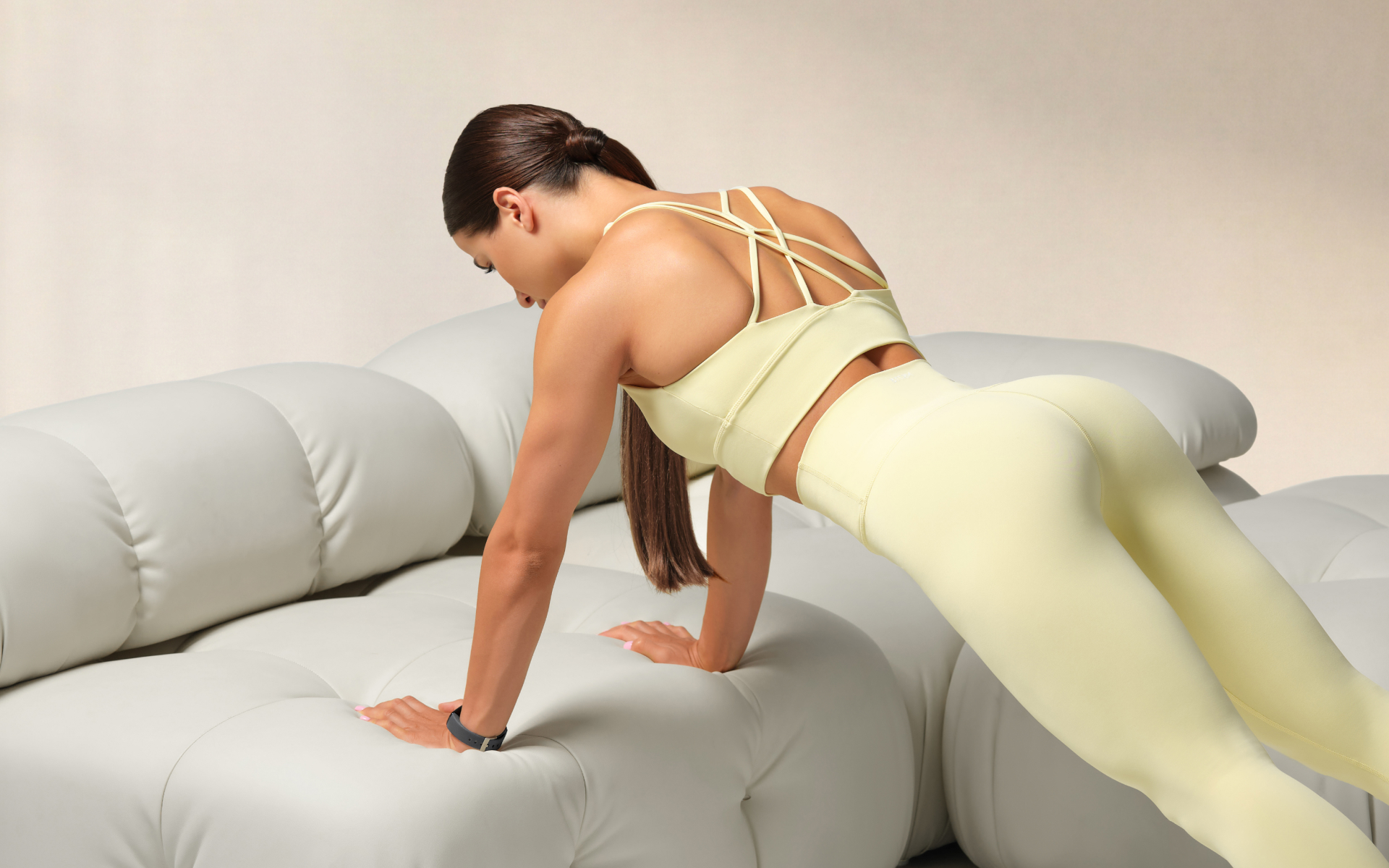
A push calisthenics workout is a training routine that relies on bodyweight exercises to target your chest, shoulders, and triceps. These routines typically involve movements where you push your body away from a surface, such as push-ups and dips. This style of training may help many people build upper-body strength and muscular endurance without relying on traditional gym equipment.
A push calisthenics workout is a type of resistance training that focuses on the pushing muscles in your upper body. This routine is great for busy individuals who want to build strength without a gym membership. It matters because learning to control your body weight may support functional movement and provide a convenient way to stay active. Despite often being discussed as a calisthenics workout for men, push-focused bodyweight training can also offer women an equipment-free way to feel stronger in everyday movement.
If you prefer a flexible approach to fitness, this style of training offers many options. Whether you have access to a local park or just your living room, you can easily adapt these exercises to fit your environment and schedule. Keep reading to learn how to structure a routine that matches your current fitness level and goals.
What Is a Push Day in Calisthenics?
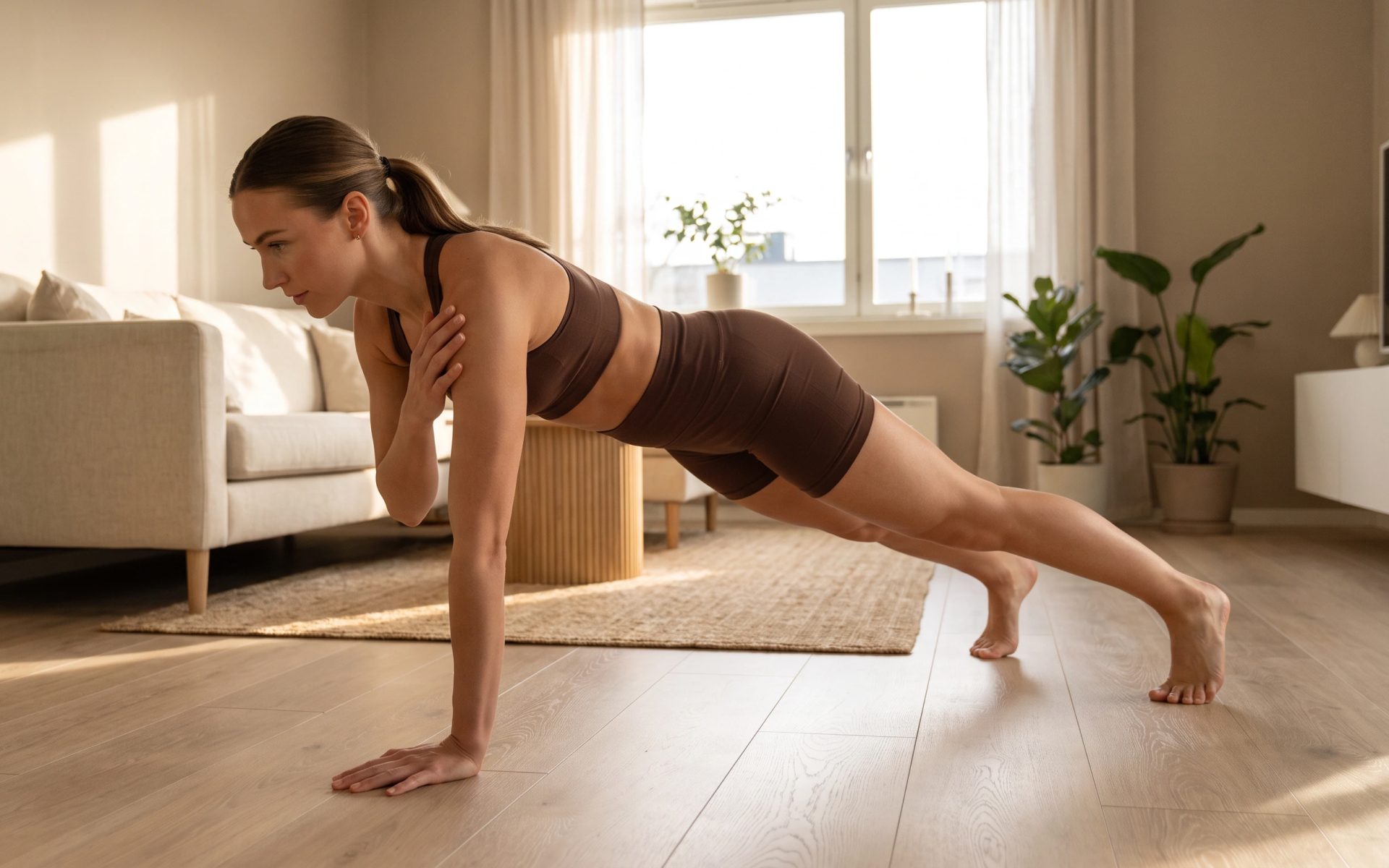
A push day in calisthenics is a workout session that is dedicated entirely to bodyweight exercises that involve pushing motions. This typically includes horizontal pushing movements and vertical pushing movements. These exercises ask you to push your body away from the floor, parallel bars, or a wall.
Organizing your training this way allows you to focus deeply on specific muscle groups. Grouping similar movements together can provide a targeted stimulus for your muscles (1). While your upper-body pushing muscles work hard, your pulling muscles and legs get a chance to rest.
When you start a calisthenics push workout beginner routine, you can build a solid foundation of upper-body strength. This approach is practical and straightforward. You don’t need complex machines to challenge your muscles.
Focusing on push days can help you track your progress over time. You can slowly increase the difficulty of the exercises as you become stronger. This structured approach makes it easier to remain consistent with your routine.
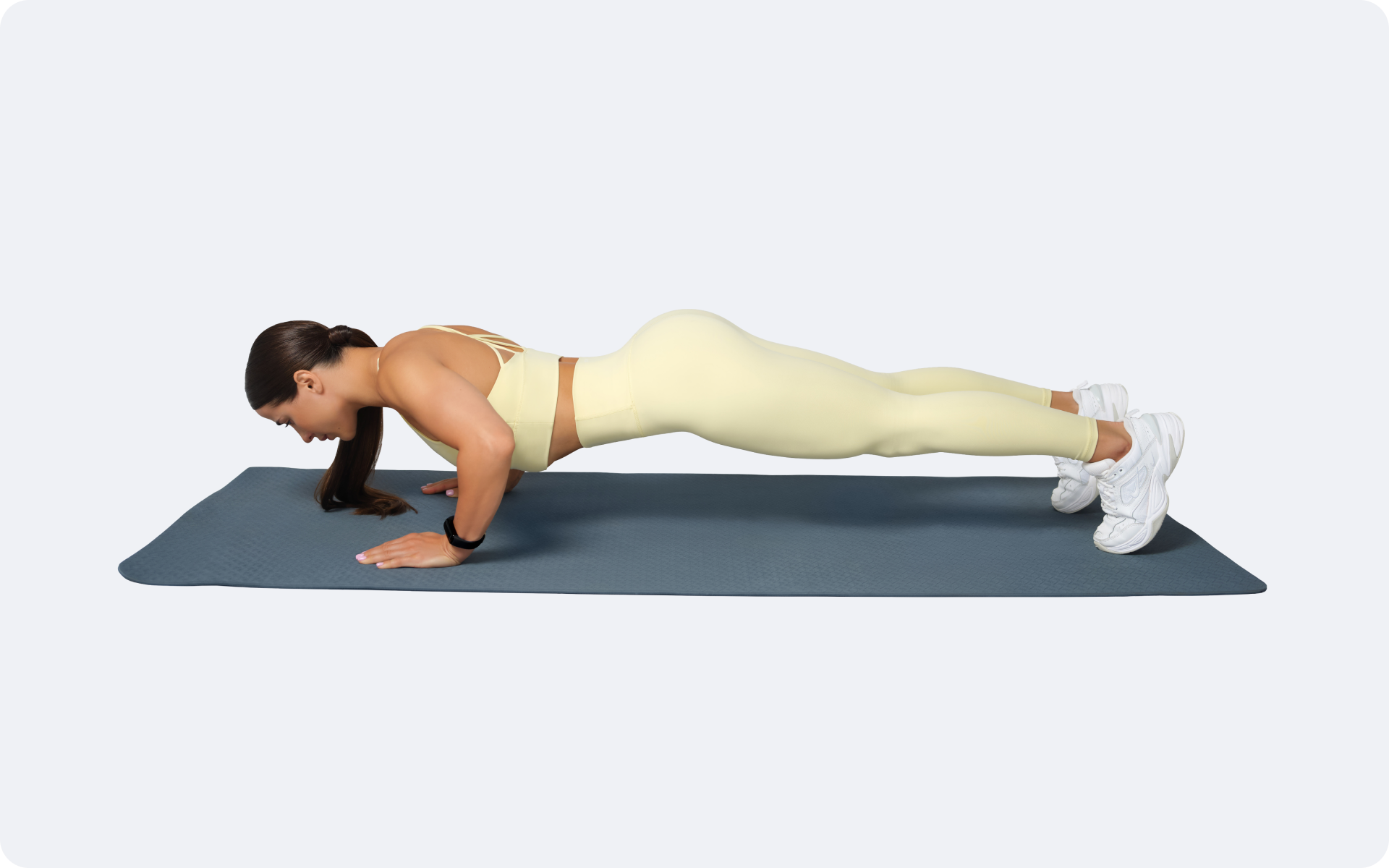
What Muscles Do Push Calisthenics Workouts Train?
Push calisthenics workouts train the primary pushing muscles in your upper body, including the pectorals (chest), deltoids (shoulders), and triceps. These muscles do much of the work during these movements (2). Your core also helps keep your body stable and aligned (3).
Different pushing angles emphasize different muscle groups across your upper body.
- Horizontal movements tend to focus heavily on your chest and the front of your shoulders.
- Vertical movements typically shift the focus more toward your shoulders and triceps (2).
Understanding these movement patterns helps you create a well-rounded routine. The table below outlines the primary categories of push exercises and their specific targets.
| Movement pattern | Muscles emphasized | Example exercises | Skill level | Training purpose |
|---|---|---|---|---|
| Horizontal pushing | Pectorals, anterior deltoids, triceps | Standard push-ups, pseudo planche push-ups | Beginner to advanced | Building chest mass and horizontal pressing power |
| Vertical pushing (downward) | Triceps, lower pectorals, anterior deltoids | Bench dips, parallel bar dips | Beginner to intermediate | Developing triceps strength and downward pressing control |
| Vertical pushing (upward) | Anterior deltoids, upper pectorals, triceps | Pike push-ups, handstand push-ups | Intermediate to advanced | Building shoulder strength and overhead pressing stability |
Intense sweat sessions, working weight loss tips, lip-smacking recipes come in one package with the BetterMe Well-Being Coach app—all at your fingertips, start transforming your life now!
What Is a Beginner-Friendly Push Calisthenics Workout Plan?
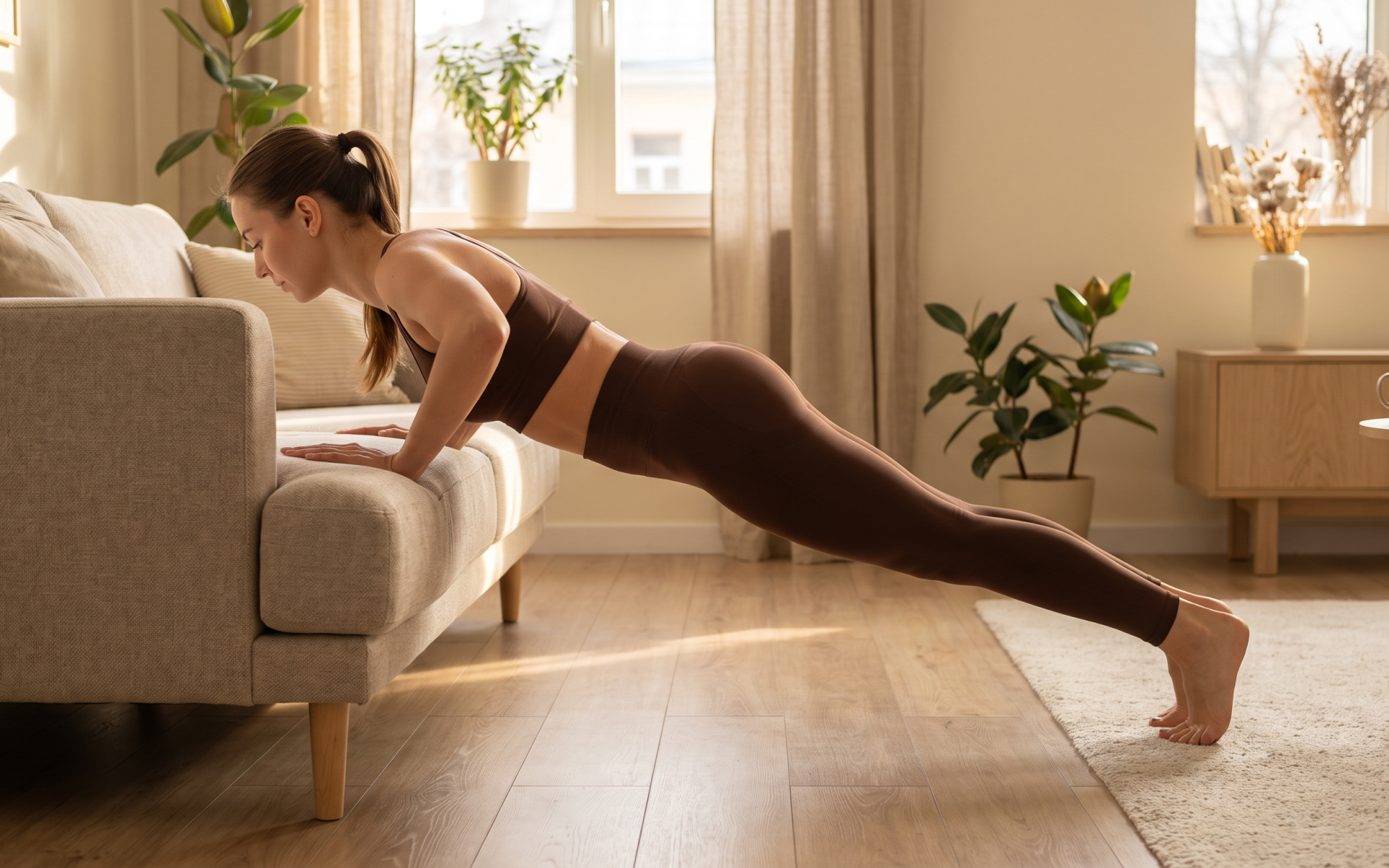
A beginner-friendly push calisthenics workout plan includes basic movements such as incline push-ups and bench dips to build foundational strength. This routine focuses on controlled movements and building muscular endurance. It is designed to be lower-impact while still challenging your muscles.
Trying a calisthenics push workout at home is highly convenient. All you need is a sturdy chair, a clear floor space, and a commitment to consistency. You can adjust the difficulty of these exercises based on how you feel each day.
The following bodyweight push workout offers a balanced approach for someone who is new to this style of training. Focus on the quality of your movement rather than rushing through the repetitions.
| Exercise | Sets | Reps/hold time | Rest | Coaching notes |
|---|---|---|---|---|
| Incline push-ups | 3 | 8-12 reps | 60-90 seconds | Keep your core tight and lower your chest to the edge of the surface. |
| Knee push-ups | 3 | 8-12 reps | 60-90 seconds | Maintain a straight line from your knees to the top of your head. |
| Bench dips | 2-3 | 8-10 reps | 60-90 seconds | Keep your back close to the bench and lower yourself with control. |
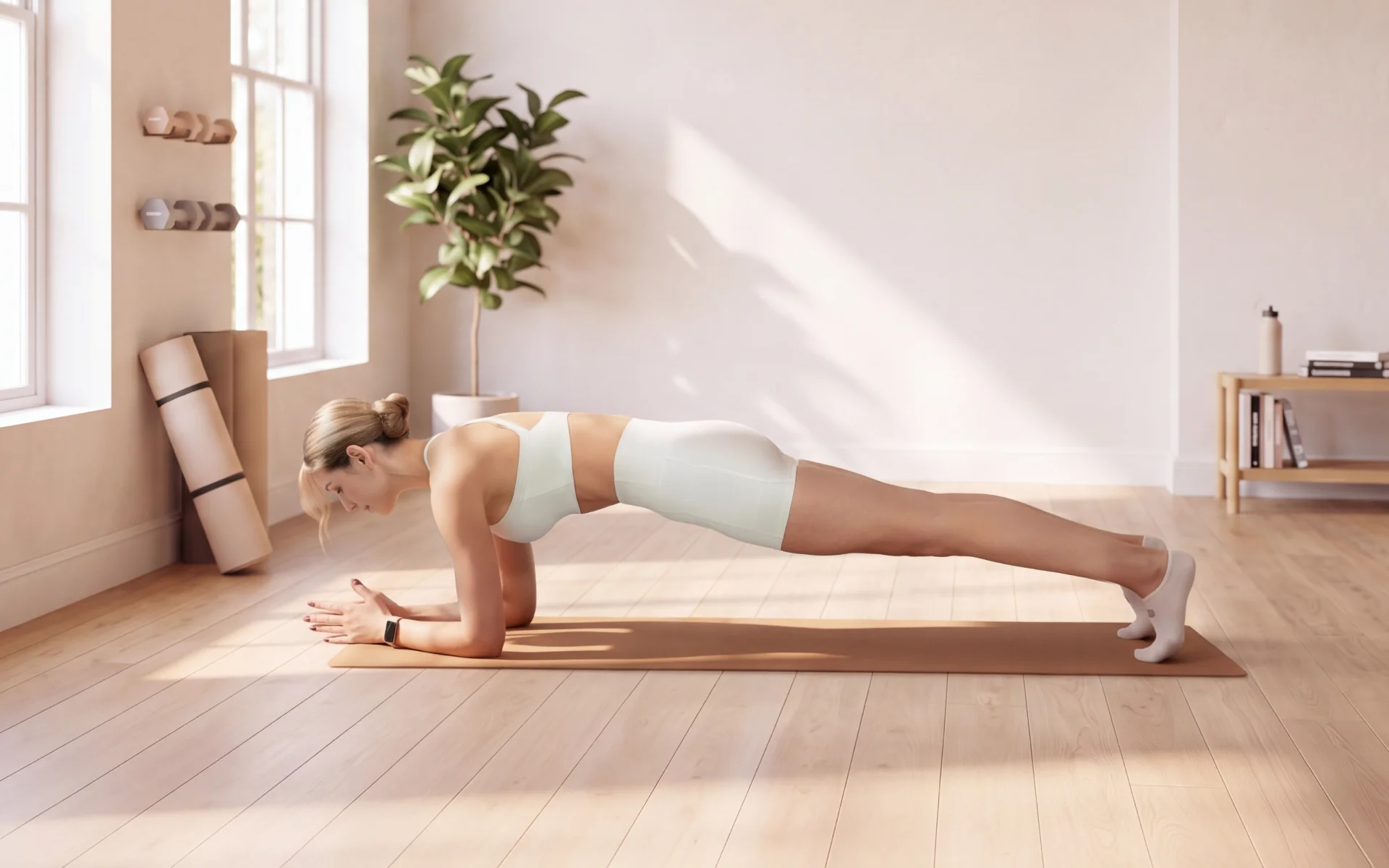
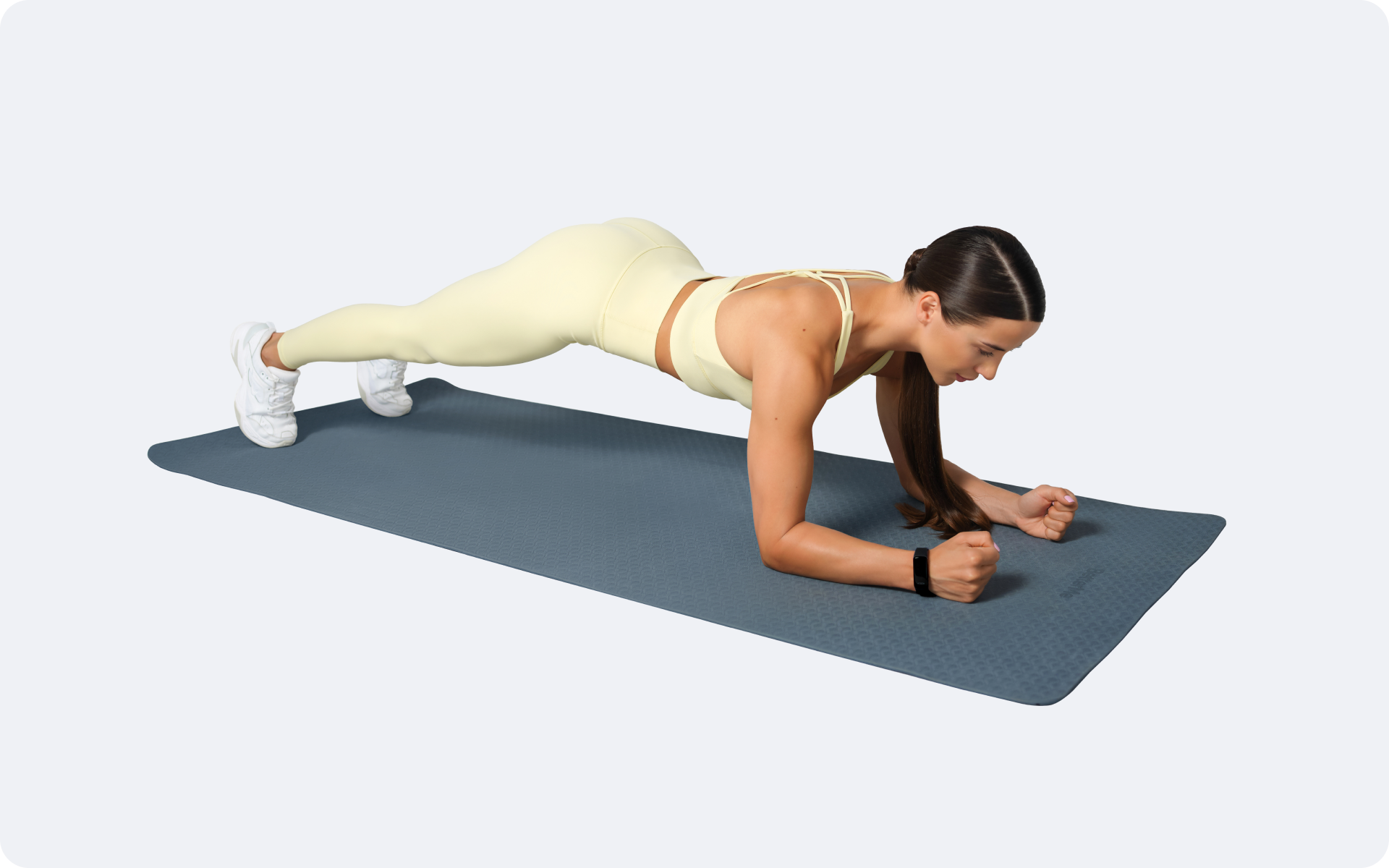
| Plank hold | 3 | 20-40 seconds | 60 seconds | Push the floor away with your forearms to engage your shoulders. |
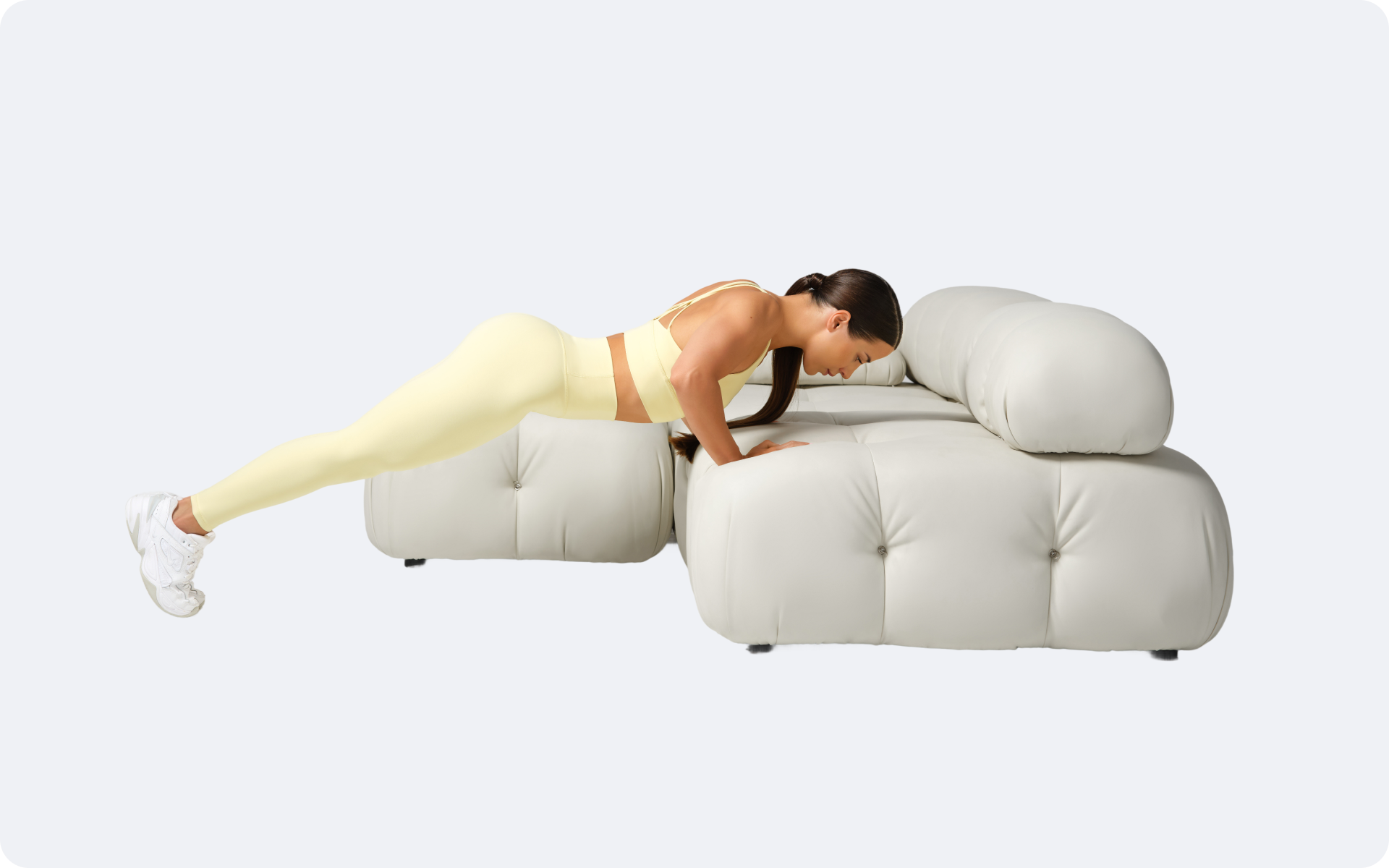
Incline Push-Up
- Place your hands slightly wider than shoulder-width apart on a raised, sturdy surface.
- Step your feet back until your body forms a straight line from your head to your heels.
- Lower your chest toward the surface by bending your elbows.
- Press through your hands to return to the starting position.
Knee Push-Up
- Start on your hands and knees on a comfortable mat or floor space.
- Walk your hands forward until your hips drop and your body is aligned from your knees to your head.
- Lower your body slowly until your chest is just above the floor.
- Push back up smoothly, keeping your core engaged throughout the movement.
Bench Dip
- Sit on the edge of a sturdy chair or bench and place your hands next to your hips.
- Walk your feet out and slide your hips off the edge, supporting your weight with your arms.
- Lower your body by bending your elbows until they reach a 90-degree angle.
- Press through the palms of your hands to extend your arms and return to the start.
Plank Hold
- Lie face down and prop yourself up on your forearms and toes.
- Ensure that your elbows are directly under your shoulders.
- Squeeze your glutes and brace your core to keep your body in a straight line.
- Hold this position while taking slow, steady breaths.
How Many Sets Should You Do for a Push Day?
You should generally aim to do 2 to 4 sets per exercise during a push day, depending on your experience and fitness level. Some research has suggested that muscle growth has a dose-response relationship with training volume. This means that doing more sets can lead to greater adaptations, up to a certain point (4).
As you move into a calisthenics push workout intermediate program, you may increase your total weekly sets to continue challenging your muscles (5). Beginners often see progress with fewer sets because the stimulus is entirely new to their bodies (6). They can start with 6-10 weekly sets and progress to 12-15 over time.
Early gains in your training are largely related to skill acquisition and neural adaptations (6). Over time, actual muscle growth becomes more significant as you consistently apply mechanical tension (7). Adjusting your volume helps you match your body’s changing needs as you progress.
Listen to your body when you’re deciding how many sets to complete. If your form breaks down early in a set, you may need to rest longer or reduce your overall volume. Consistency matters more than pushing yourself to exhaustion in every single session.
Read more: Calisthenics Back Workout No Equipment: A Complete Guide
How Often Should You Do a Push Calisthenics Workout?
You should typically do a push calisthenics workout 1 to 3 times per week (8), depending on how your overall training routine is structured. If you follow a push-pull-legs split, hitting your pushing muscles twice a week is a common approach. This frequency provides enough stimulus for muscle growth while allowing adequate rest.
Balancing your routine is the key to overall fitness and structural harmony. Pairing your push days with a calisthenics pull workout helps ensure that you train your back and biceps equally. This balanced approach supports good posture and well-rounded strength.
Your muscles need time between sessions to adapt to the stress of your workouts. Working the same muscle groups every single day can lead to excess fatigue and slow your progress. Taking at least one or two rest days between push workouts is generally recommended for many people (9).
Adjust your frequency based on how well you recover from your sessions. Some people thrive on three lighter sessions a week, while others prefer two more challenging workouts. Find a schedule that fits comfortably into your weekly routine.
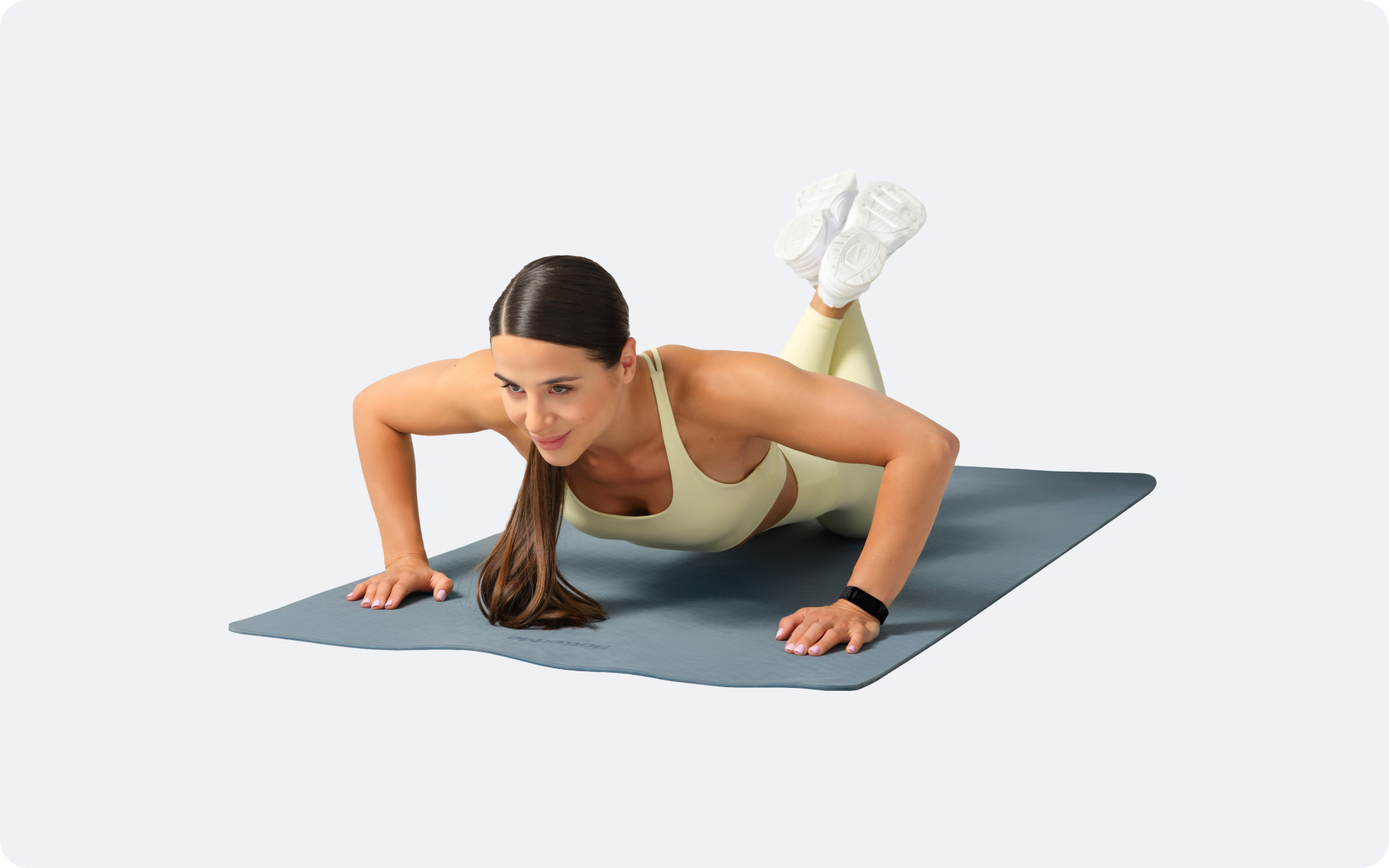
Can You Build Muscle with Push Calisthenics Exercises?
Yes, you can build muscle with push calisthenics exercises by consistently challenging your muscles with progressive overload. Some research has suggested that mechanical tension is the primary driver of muscle growth (7). You can achieve this tension across a wide range of loads, even using just your body weight.
As you build strength, you can progress to more advanced movement patterns. Learning new push calisthenics skills, such as the handstand push-up progression, keeps your routine engaging and challenging (5). It should be noted that individual outcomes vary depending on consistency, effort, and nutrition.
Taking your sets reasonably close to failure can provide a sufficient stimulus for your muscles to adapt (10). You don’t need to lift external weights to create the necessary effort. Pushing your body weight requires significant force and control from your muscle fibers.
Progression is the key to continuous muscle growth over time. When basic exercises become easy, you can change the leverage, slow down the movement, or add pauses. These small adjustments keep the mechanical tension high and encourage lasting adaptations. For example, with dips, you can start with a higher chair, then use a lower chair as they become easier. You can also put one foot up.
Whether you’re a workout beast or just a beginner making your first foray into the world of fitness and dieting – BetterMe has a lot to offer to both newbies and experts! Install the app and experience the versatility first-hand!
What Are Some Common Push Day Mistakes?
Common push day mistakes include rushing through repetitions, ignoring core engagement, and progressing to difficult variations too quickly. Paying attention to your form will help you get the most out of every workout. Poor mechanics can lead to discomfort and reduce the effectiveness of your training.
Focusing on the quality of your movement ensures that the right muscles are doing the work. Many people struggle with form as they want to achieve higher repetition counts. Setting aside your ego and focusing on technique will serve you much better in the long term.
1. Rushing the Movement
Moving too quickly reduces the amount of time your muscles spend under tension. When you use momentum, you take the workload off your target muscles. Slowing down your repetitions allows you to control the movement and feel the muscular engagement (11).
2. Forgetting Core Stability
Your core connects your upper body to your lower body during bodyweight exercises. If you let your hips sag during a push-up, you lose stability and decrease pressing power. Bracing your core gently keeps your body aligned and supports your lower back (12).
3. Skipping the Warm-Up
Jumping straight into a demanding routine can leave your joints and muscles unprepared for the work ahead. A brief warm-up increases blood flow and helps prepare your joints for movement (13). Simple movements like arm circles and wrist rolls may help your workout feel more comfortable.
Read more: 30 Minute Calisthenics Workout: A Guide to Getting Started
Frequently Asked Questions
Can you do push calisthenics at home?
Yes, you can easily do a push calisthenics routine at home without any specialized equipment. Many foundational pushing movements only require open floor space and your body weight. You can use sturdy household items such as chairs or stairs to modify the angles of your exercises. Working out at home can be a convenient way to stay consistent with your fitness routine.
Is a push day calisthenics workout good for beginners?
Yes, a push day routine is an excellent starting point for beginners who are looking to build upper-body strength. The exercises can easily be modified to suit any starting fitness level. You can begin with gentle variations such as wall push-ups or incline push-ups and slowly increase the difficulty. This gradual approach helps you build foundational strength and proper movement mechanics at your own pace.
Should you combine push, pull, and leg calisthenics workouts?
Combining push, pull, and leg workouts throughout your week is a great way to build a balanced fitness routine. While you focus on pushing movements on specific days, your pulling muscles and lower body also need regular attention.
Structuring your week to include all three movement patterns supports overall bodily harmony and function. This split allows you to work hard on certain days while other muscle groups recover.
What should I work first on push day?
You should generally start your workout with the most challenging or complex exercises while your energy is highest. If your goal is to master a difficult progression, place that movement at the very beginning of your session.
Once you complete the harder tasks, you can move on to simpler exercises that focus on muscular endurance. This strategy may help you perform better on your targeted movements.
What is the easiest push exercise?
Wall push-ups are often considered the easiest push exercise for individuals who are just starting their fitness journeys. By standing close to a wall and pushing away, you significantly reduce the amount of body weight you have to lift. This gentle movement allows you to practice the pushing motion while keeping the intensity very low. From there, you can slowly progress to lower surfaces as your strength improves.
The Bottom Line
A push calisthenics workout can offer a practical, beginner-friendly way to build upper-body strength using only your body weight. By focusing on consistent form and gradual progression, you can create a routine that challenges your muscles and fits your lifestyle. Start where you are today, choose exercises that feel right for your body, and work consistently for lasting results.
DISCLAIMER:
This article is intended for general informational purposes only and does not serve to address individual circumstances. It is not a substitute for professional advice or help and should not be relied on for making any kind of decision-making. Any action taken as a direct or indirect result of the information in this article is entirely at your own risk and is your sole responsibility.
BetterMe, its content staff, and its medical advisors accept no responsibility for inaccuracies, errors, misstatements, inconsistencies, or omissions and specifically disclaim any liability, loss or risk, personal, professional or otherwise, which may be incurred as a consequence, directly or indirectly, of the use and/or application of any content.
You should always seek the advice of your physician or other qualified health provider with any questions you may have regarding a medical condition or your specific situation. Never disregard professional medical advice or delay seeking it because of BetterMe content. If you suspect or think you may have a medical emergency, call your doctor.
SOURCES:
- Comparative analysis of single vs. two-muscle training programs on upper body muscle growth (2024, researchgate.net)
- Electromyographic Activation of the Pectoralis Major and Triceps Brachii Muscles During Standard, Diamond, and Wide Hand Position Push-Ups (2026, mdpi.com)
- Core Muscle Activity during Physical Fitness Exercises: A Systematic Review (2020, pmc.ncbi.nlm.nih.gov)
- The Resistance Training Dose Response: Meta-Regressions Exploring the Effects of Weekly Volume and Frequency on Muscle Hypertrophy and Strength Gains: The Resistance Training Dose ResponseJ. C. Pelland et al. (2025, researchgate.net)
- Effects of Resistance Training Overload Progression Protocols on Strength and Muscle Mass (2024, pubmed.ncbi.nlm.nih.gov)
- Neuromuscular adaptations to resistance training in elite versus recreational athletes (2025, frontiersin.org)
- Load-induced human skeletal muscle hypertrophy: Mechanisms, myths, and misconceptions (2026, sciencedirect.com)
- Moderators of strength gains and hypertrophy in resistance training: A systematic review and meta-analysis (2021, pubmed.ncbi.nlm.nih.gov)
- Why Rest Days Are Important for Muscle Building (2024, nasm.org)
- Intensity of effort and momentary failure in resistance training: Are we asking a binary question for a continuous variable? (2022, sciencedirect.com)
- Go slower for strength training gains (2025, health.harvard.edu)
- Importance of Bracing and How to Do It (n.d., us.humankinetics.com)
- Warm Up, Cool Down (2024, heart.org)
 By
By 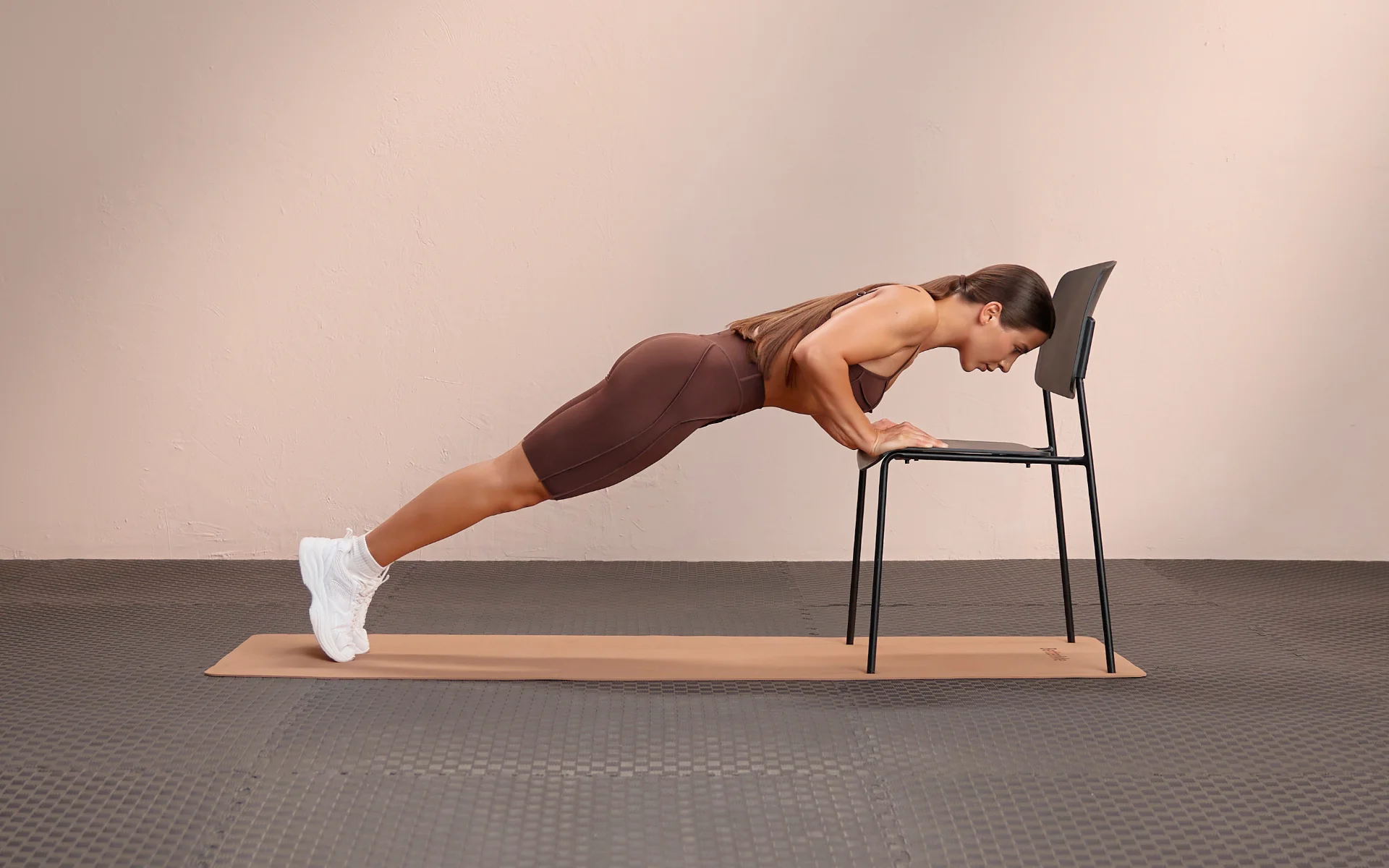
 Reviewed by