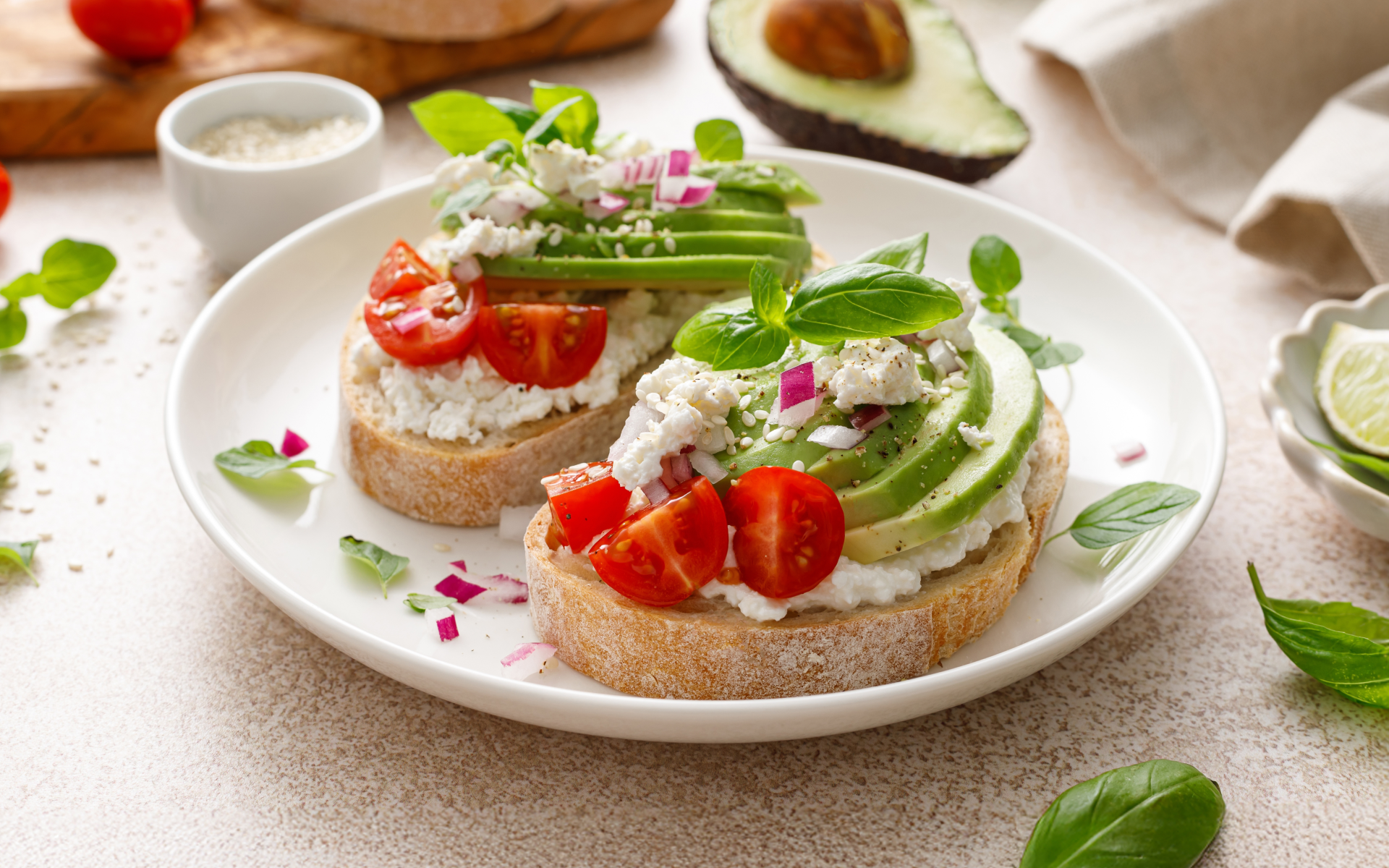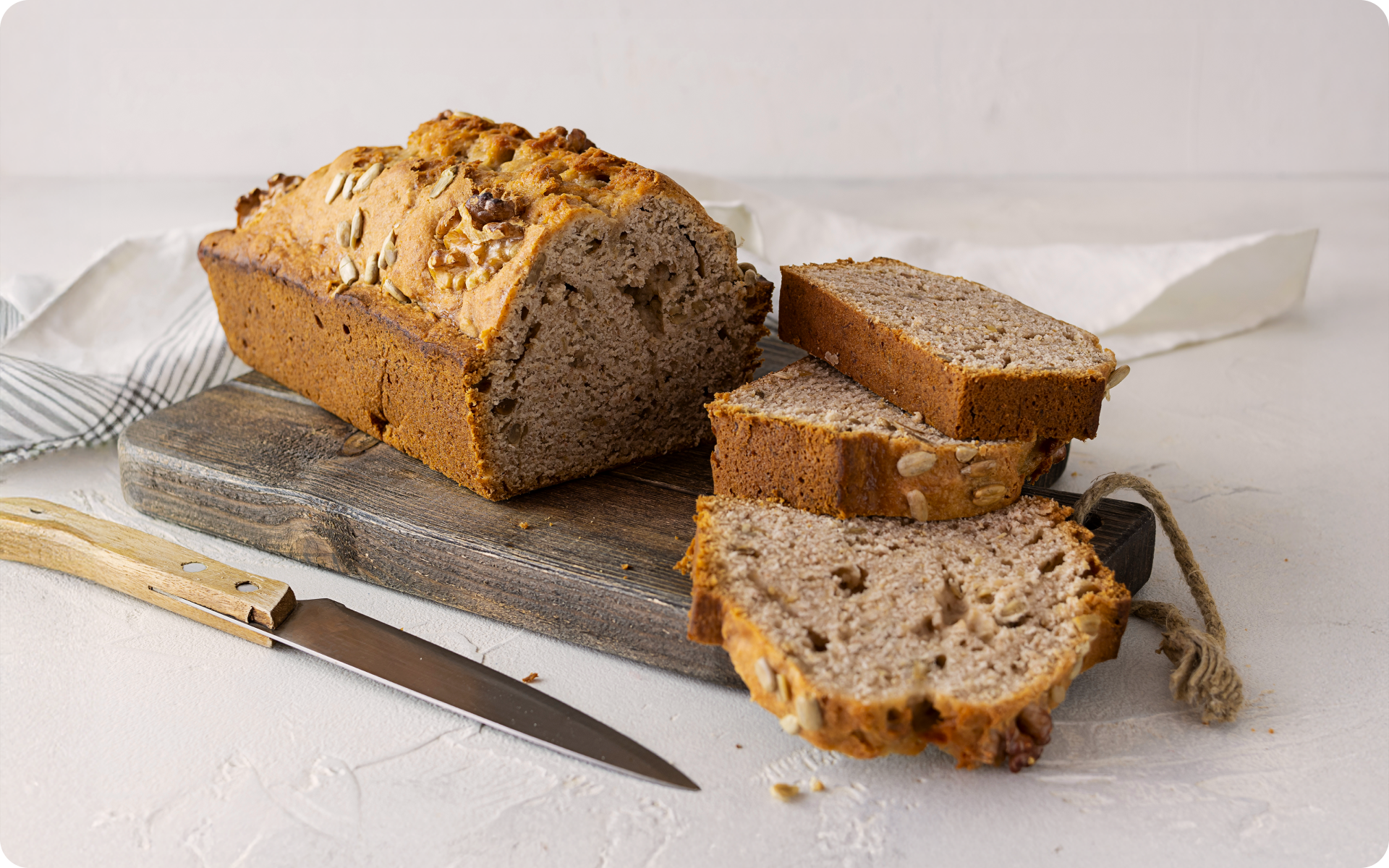

The Nordic diet isn’t flashy or fad-driven. It’s quietly consistent, nourishing, and rooted in the rhythm of life in Northern Europe. It reflects the same calm practicality found in Nordic culture–a way of living that prioritizes balance, sustainability, and well-being over extremes (1, 2).
While trendy diets and fads come and go, this Nordic practice dates back for generations, as many natives have loved it.
Built on what grows naturally in the region: berries, rye, root veg, and cold-water fish, to name a few (3). It’s all about eating with the seasons, keeping it local, and fueling your body in a way that’s both simple and satisfying.
For the most part, there’s no calorie-counting or strict food rules to adhere to–just real food, cooked with care, and shared in good company. Whether you’re trying to improve your health, dietary intake, slow down, or reconnect with food more intentionally, the Nordic diet offers something refreshingly sustainable–and surprisingly doable. Let’s get into what it really means to eat the Nordic way. Continue reading below.
What Is The Nordic Diet?
The Nordic diet is a way of eating that comes from the Nordic countries–Sweden, Norway, Denmark, Finland, and Iceland (4). But this isn’t just about geography.
It’s a dietary pattern grounded in whole, local, and seasonal foods. Think cold-water fish, root vegetables, rye bread, oats, berries, fermented dairy, and lots of plants. Nature calls the shots with the Nordic diet, not trends (3).
Much like Nordic culture itself, the diet is practical, intentional, and nourishing.
There’s no calorie counting or complex rules. It’s about returning to what’s real and sustainable–for your health, and for the environment.
The Nordic diet doesn’t cut out food groups or follow a rigid protocol. Instead, it’s shaped by what grows in the region, what keeps people energized through cold winters, and what supports long-term wellbeing (5).
It’s not flashy. But it works. And research shows it can lower cholesterol, support heart health, reduce inflammation, support overall quality of health and well-being, and even improve longevity when following the guidelines (6).
However, in recent years, the Nordic diet has trended towards a more westernized diet, with lower intakes of fruits, vegetables, and whole grains and higher intakes of meat and processed foods.
A recent publication highlighted this factor in the Nordic Nutrition Recommendations 2023 (NNR2023) (3):
NORMO 2025 shows rising sedentary lifestyles and unhealthy eating habits in the Nordics.
- 56% of adults and 1 in 5 children are overweight or obese.
- Healthy food intake is declining, while intake of sugary foods and drinks is increasing.
- Social inequality is strongly linked to health outcomes.
- Energy drink consumption in youth is rising, with adverse health effects.
- There’s an urgent need for more decisive policy action, not just guidelines.
- The NNR2023 provides a solid foundation, but cross-sector collaboration is essential.
- A healthy Nordic future starts with food, movement, and social connection.

Why Are Nordic People So Healthy?
The health of Nordic populations can’t be attributed to diet alone, but diet does play a significant role. Alongside strong public healthcare, low levels of inequality, and high social trust, the Nordic diet contributes to the overall picture of wellness.
However, recent findings from NORMO 2025 (3) reveal a concerning shift: rates of overweight and obesity are rising, especially among adults and children, while intake of fruits, vegetables, and whole grains is declining–reminding us that even in high-performing regions, health cannot be taken for granted.
Here are some of the key aspects of the traditional Nordic diet that support favorable health outcomes (3, 5, 6):
1. Omega-3 Rich Fish
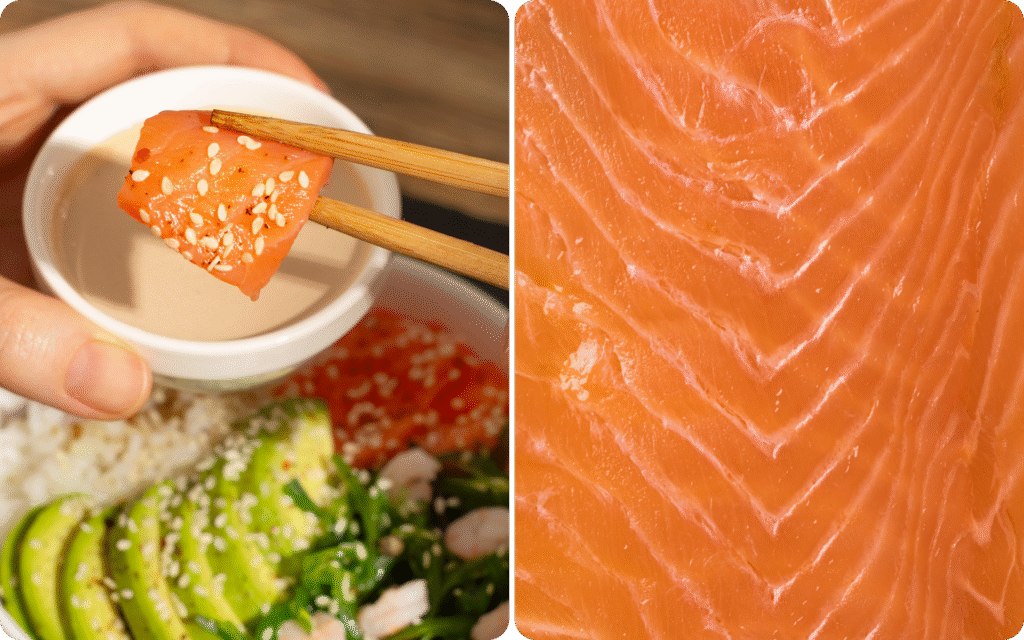
Fatty fish such as salmon, herring, and mackerel are regularly consumed, providing heart-healthy Omega-3s and essential fatty acids that support brain function and reduce inflammation.
2.Whole Grains
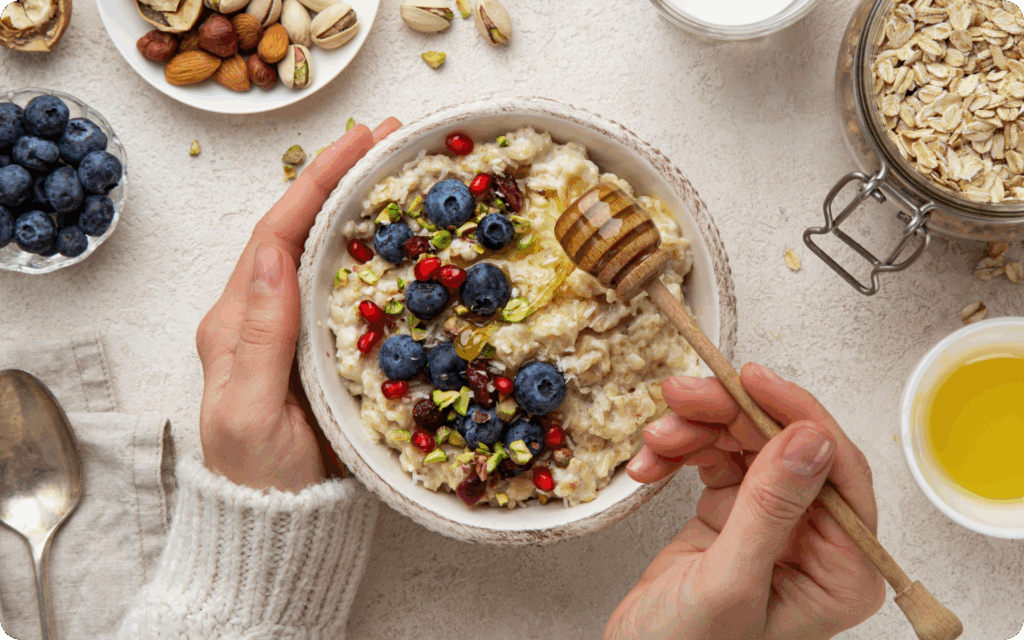
Barley, rye, and oats are staples. These grains are high in fibre, support gut health, stabilise blood sugar levels, and promote sustained energy.
3. Seasonal, Minimally Processed Foods
Meals are based on fresh, seasonal ingredients. Highly processed foods are rare. The diet is high in antioxidants, micronutrients, and naturally low in sugar.
4. Balance and Moderation
There’s no obsession with being “perfect” here. Portion sizes are moderate, sweets are occasional, and most people will eat slowly, often in good company.
The BetterMe Well-Being Coach app will provide you with a host of fat-frying fitness routines that’ll scare the extra pounds away and turn your body into a masterpiece! Get your life moving in the right direction with BetterMe!
5. Strong Lifestyle Habits
Nature, movement, rest, and social connection are all part of daily life. Food is one piece of a larger puzzle.
6. Lower Stress, Better Systems
Public systems work. There’s less stress navigating healthcare or finances. This reduces the mental burden that can lead to unhealthy coping habits.
Put simply, the people structured Nordic life to support long-term wellbeing (7, 8). The diet is one of many habits that quietly stack up to make a lasting impact.
Read more: The Scandinavian Diet: Simple, Seasonal, And Deeply Nourishing
What Are The Nordic Food Recommendations?
There’s no exact rulebook, but researchers and public health advocates have shaped general guidelines. These food principles reflect what’s common in the region:
Eat More Of:
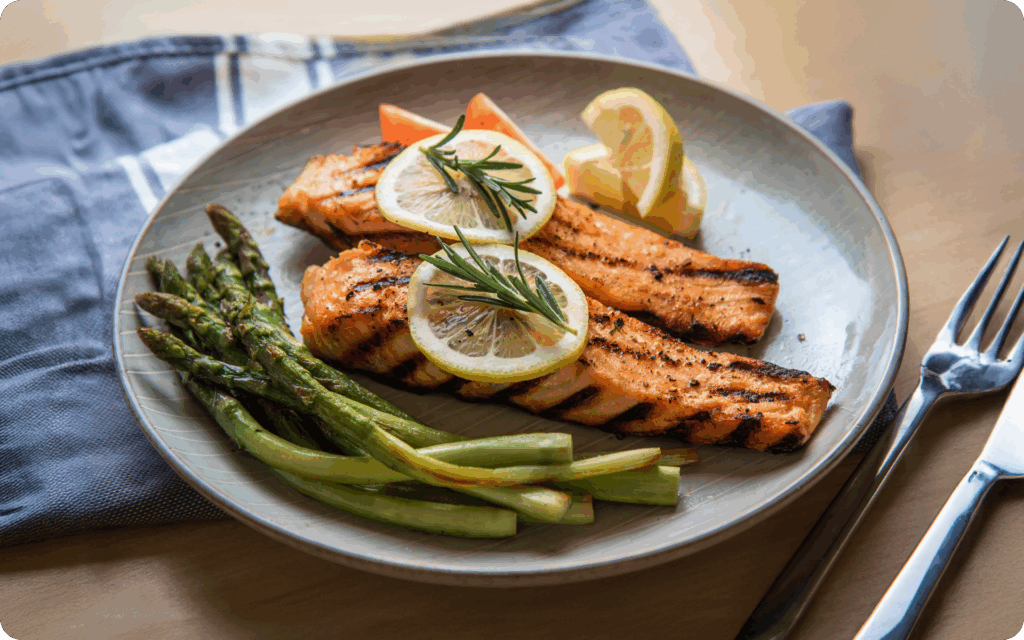
- Fatty fish (2–4 times/week)
- Vegetables (especially root veg and seasonal produce)
- Whole grains (rye, oats, barley)
- Legumes (beans, peas, lentils)
- Berries (blueberries, lingonberries, cloudberries)
- Fermented dairy (filmjölk, skyr)
- Nuts and seeds
- Herbs
- Potatoes
- Rapeseed (canola) oil
Eat In Moderation:
- Eggs
- Cheese
- Lean meats (game, poultry)
- Coffee (yes, fika is still on the table)
Eat Less of:
- Processed foods
- Refined sugar
- Sugary drinks
- Red and processed meats
- Industrial seed oils
The aim isn’t restriction. It’s about eating whole, real food that grows close to home, and supports both personal and planetary health.
What Is The Difference Between Scandinavian And Nordic Food?
Scandinavian food refers specifically to the cuisines of Sweden, Norway, and Denmark.
The broader term Nordic includes those countries plus Finland, Iceland, Greenland, and the Faroe Islands.
The difference shows up in ingredients and traditions (9):
- The Nordic diet may include reindeer, wild herbs, Arctic berries, Icelandic lamb, and fermented shark (if you’re brave).
- The Scandinavian diet emphasizes smoked fish, open sandwiches, meatballs, potatoes, and dairy.
The New Nordic Diet (a formalized model developed by chefs and researchers) draws from both but is more plant-forward and sustainability-focused than traditional fare.
So, all Scandinavian food is Nordic, but not all Nordic food is strictly Scandinavian.

Is The Nordic Diet Better Than The Mediterranean Diet?
Both the Mediterranean and Nordic diets have strong scientific support.
These diets are rich in whole foods, healthy fats, fiber, and antioxidants. They support heart health, metabolic balance, and long-term vitality (10).
So which one is better?
The short answer: it depends.
- The Mediterranean diet leans on olive oil, tomatoes, legumes, citrus fruits, and sun-grown produce.
- The Nordic diet benefits come from its focus on cold-water fish, berries, root vegetables, rye, and rapeseed oil.
Each diet reflects the climate, agriculture, and lifestyle of its region. Both are built on a foundation of plant foods and encourage variety, minimally processed, and seasonal eating. The best one for you is whichever you can stick to long-term, consistently, sustainably, and joyfully.
What Foods Are Avoided In The Nordic Diet?
The Nordic diet doesn’t include a list of banned foods, but experts recommend minimizing the following foods to support overall health.
These include:
- Highly processed foods (e.g., packaged snacks, processed meats)
- Refined sugar and sugary drinks
- Excess red meat (beef, pork)
- Fried foods and processed seed oils
- Factory-made baked goods
These foods are best as occasional indulgences, not daily staples.
The emphasis is on quality over quantity, and on food that fuels you–not drains you.
What Is A Nordic Diet Meal Plan?
While a Nordic diet can still vary across the population, here’s a sample day, built on the core principles of the Nordic diet.
Of course, this is just one option among many variations of Nordic diet recipes and the Nordic diet food list.
Feel free to mix and match; make it your own.
Breakfast:
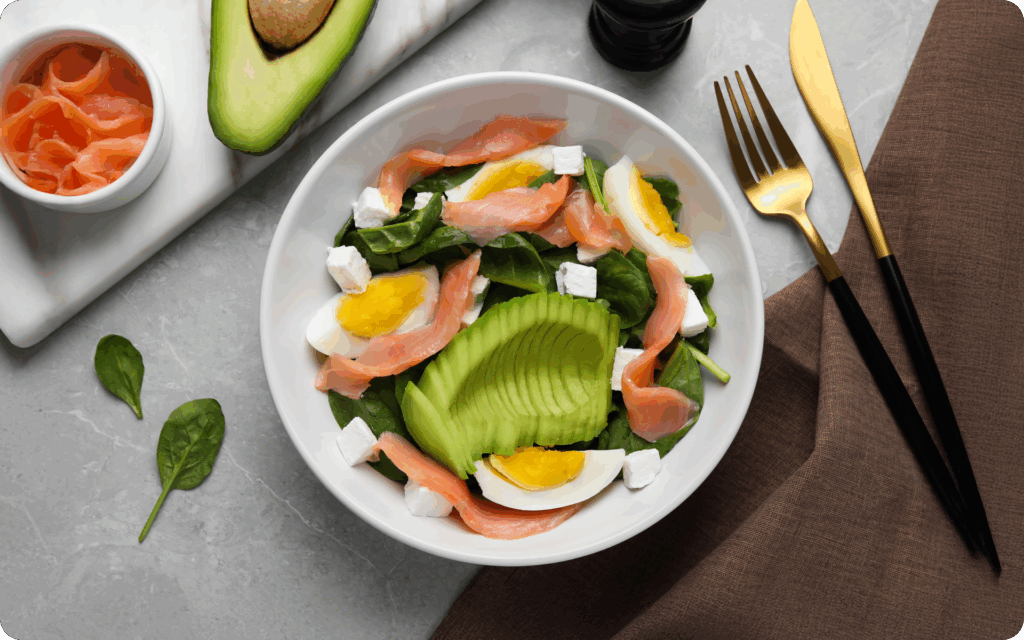
- Oatmeal with lingonberries and a spoon of yogurt
- Rye crispbread with cheese and cucumber
- Coffee

Lunch:
- Lentil and root vegetable soup
- Slice of rye bread
- Apple or seasonal fruit
Snack (Fika):
- A cinnamon bun or homemade biscuit
- Coffee or tea
- A pause to breathe and connect
Dinner:
- Oven-baked salmon with herbs
- Roasted potatoes and steamed greens
- Side of pickled cabbage or carrots
Evening:
- Herbal tea
- A piece of dark chocolate or fruit
Simple. Balanced. Satisfying.

Nordic Diet 7-day Meal Plan

Day 1
Breakfast: Oats with berries + yogurt
Lunch: Lentil soup + rye crispbread
Dinner: Baked salmon, potatoes, steamed greens
Day 2
Breakfast: Boiled eggs + rye toast
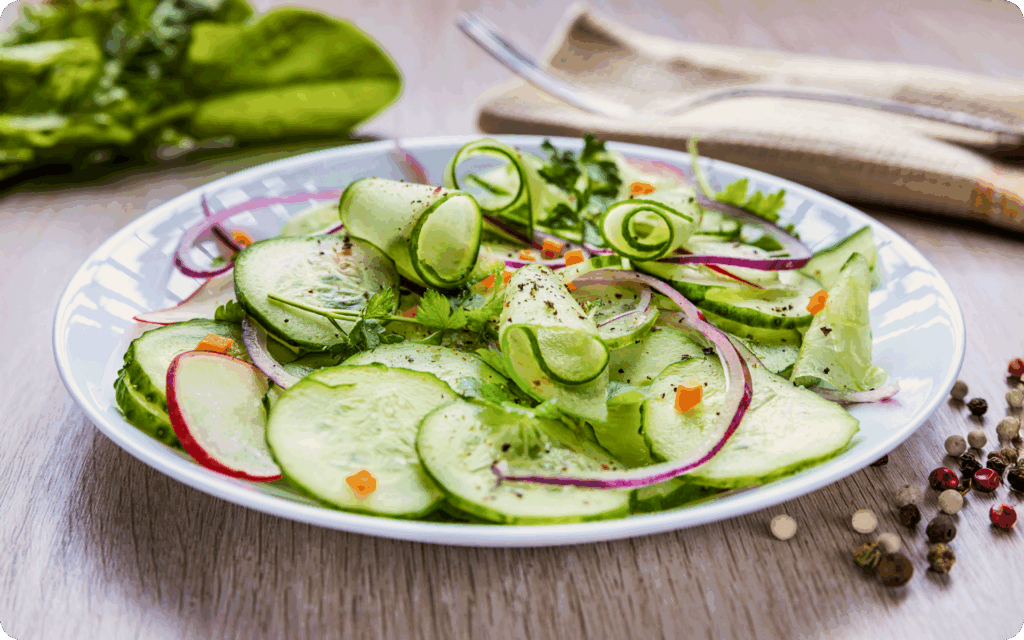
Lunch: Root veg salad + chickpeas
Dinner: Chicken stew + barley
Day 3
Breakfast: Skyr with apple + cinnamon
Lunch: Smoked mackerel + potato salad
Dinner: Veggie stir-fry + brown rice
Day 4
Breakfast: Porridge + lingonberries
Lunch: Tuna + white bean salad
Dinner: Baked cod + roasted carrots
BetterMe is your fast-track ticket to long-lasting weight loss! Tailor your fitness journey and maximize your results with just a couple of swipes!
Day 5
Breakfast: Crispbread + cheese + cucumber
Lunch: Beet + lentil bowl
Dinner: Turkey meatballs + cabbage slaw
Day 6
Breakfast: Yogurt + oats + pear
Lunch: Mushroom barley soup
Dinner: Grilled trout + veg mash

Day 7
Breakfast: Scrambled eggs + rye toast
Lunch: Chickpea + spinach stew
Dinner: Veggie-loaded pasta + side salad
This 7 day healthy meal plan keeps you satisfied and full with just the right amount of flavor and protein.
Read more: Living The Scandinavian Way: Intentional, Connected, And Rooted In Nature
10 Tips For A Healthy Lifestyle: Inspired By The Nordic Way
- Eat whole, real food.
Prioritize unprocessed, seasonal ingredients–think vegetables, whole grains, fish, legumes, and berries.
Keep meals simple, not complicated.
- Move your body daily.
You don’t need a gym membership. Nordic walking is popular (a simple activity you can do anywhere), cycling, stretching, or swimming–all count. Choose to move your body doing something you enjoy, not something you dread. - Get outside–whatever the weather.
Fresh air, natural light, and a change of scenery work wonders for mental clarity and emotional balance. - Sleep like it matters, because it does.
Aim for 7–9 hours. Wind down before bed. Dim the lights–no screens under the covers. - Make rest part of your routine.
Slowing down isn’t lazy–it’s necessary. Build in pauses. Fika. Deep breaths. Quiet mornings.
Dive deeper into the 10 tips for a healthy lifestyle with our dedicated article.
- Stay hydrated.
It’s basic, but many tend to overlook it. Water first, then coffee. Herbal teas help too, especially in cooler months. - Reduce ultra-processed foods.
You don’t need to be perfect. Just eat fewer things that come in a packet with ingredients you can’t pronounce. - Build consistent rituals.
Morning walks. Weekly meal prep. Sunday soups. Small, steady routines help anchor your days. - Protect your boundaries.
Say no. Log off. Take a break. Prioritizing mental health is part of overall well-being. - Connect–with intention.
Prioritize real conversations. Eat meals together. Be present. Community and connection are powerful medicine.
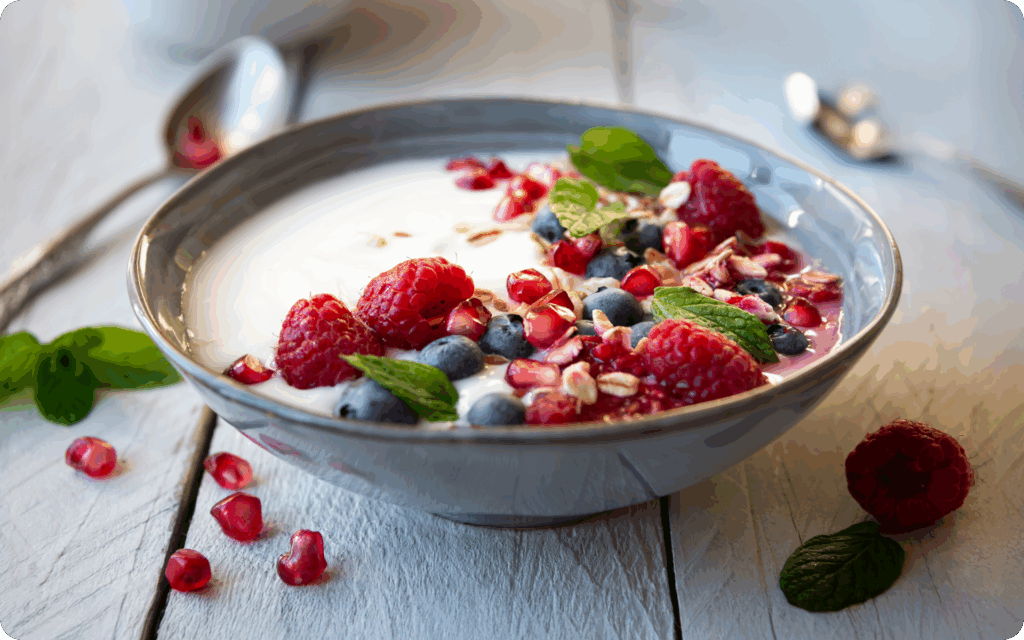
All fruits are allowed, but the focus is on local, seasonal varieties. Common ones include apples, pears, cloudberries, lingonberries, blueberries, and blackcurrants. These are high in antioxidants, vitamin C, and fibre. A Nordic breakfast is often savoury, filling, and based on whole ingredients, such as oats, boiled eggs, rye crispbread, cheese, fermented dairy, and sometimes smoked fish. It supports stable energy, digestion, and focus. Smoked salmon and pickled herring are traditional. Rich in omega-3s and protein, they’re typically served with rye bread, boiled eggs, and herbs. It’s a savoury and nutrient-dense start to the day. Yes, oats are a staple in Norway and across the region. Oatmeal (porridge) is especially common in winter, often topped with cinnamon, berries, or a splash of milk or yogurt. It’s warm, filling, and great for gut health.Frequently Asked Questions
What fruits are allowed on the Nordic diet?
What does a Nordic breakfast consist of?
What is the Nordic breakfast fish?
Do Norwegians eat oatmeal?
The Bottom Line
The Nordic diet isn’t a rulebook or a wellness trend–it’s a grounded, sustainable way of eating that reflects the values of Nordic life: simplicity, seasonality, balance, and connection. It’s not about extremes or chasing perfect outcomes. It’s about real food, eaten mindfully, in a way that supports your health over the long term.
This way of eating is rooted in tradition but backed by modern science, shown to support heart health, reduce inflammation, and improve overall well-being. It encourages habits that are easy to sustain, such as eating more whole grains, fish, and seasonal vegetables, and fewer ultra-processed foods.
And the best part? You don’t need to live in Norway or have access to Arctic berries to benefit. Just start where you are–with small changes that feel doable.
Because when it comes to long-term health, slow, consistent choices tend to work best.
The Nordic diet is a reminder of that.
DISCLAIMER:
This article is intended for general informational purposes only and does not serve to address individual circumstances. It is not a substitute for professional advice or help and should not be relied on for making any kind of decision-making. Any action taken as a direct or indirect result of the information in this article is entirely at your own risk and is your sole responsibility.
BetterMe, its content staff, and its medical advisors accept no responsibility for inaccuracies, errors, misstatements, inconsistencies, or omissions and specifically disclaim any liability, loss or risk, personal, professional or otherwise, which may be incurred as a consequence, directly or indirectly, of the use and/or application of any content.
You should always seek the advice of your physician or other qualified health provider with any questions you may have regarding a medical condition or your specific situation. Never disregard professional medical advice or delay seeking it because of BetterMe content. If you suspect or think you may have a medical emergency, call your doctor.
SOURCES:
- The Nordic diet: Healthy eating with an eco-friendly bent (nd., harvard.edu)
- The New Nordic Diet: A sociological study of the acceptance and appropriation of a dietary regime (2013, researchprofiles.ku.dk/)
- Nordic Nutrition Recommendations 2023 (2023, norden.org)
- WHO: Health Profile of the Nordic Countries (2025, who.int)
- Diet (2025, norden.org)
- Nordic diet and its benefits in neurological function: a systematic review of observational and intervention studies (2023, nih.gov)
- OECD Better Life Index (nd., oecdbetterlifeindex.org)
- World Happiness Report –(2025, worldhappiness.report)
- The Mediterranean and Nordic Diet: A Review of Differences and Similarities of Two Sustainable, Health-Promoting Dietary Patterns (2021, nih.gov)
- The Mediterranean diet and health: a comprehensive overview (2021, onlinelibrary.wiley.com)
 Reviewed by