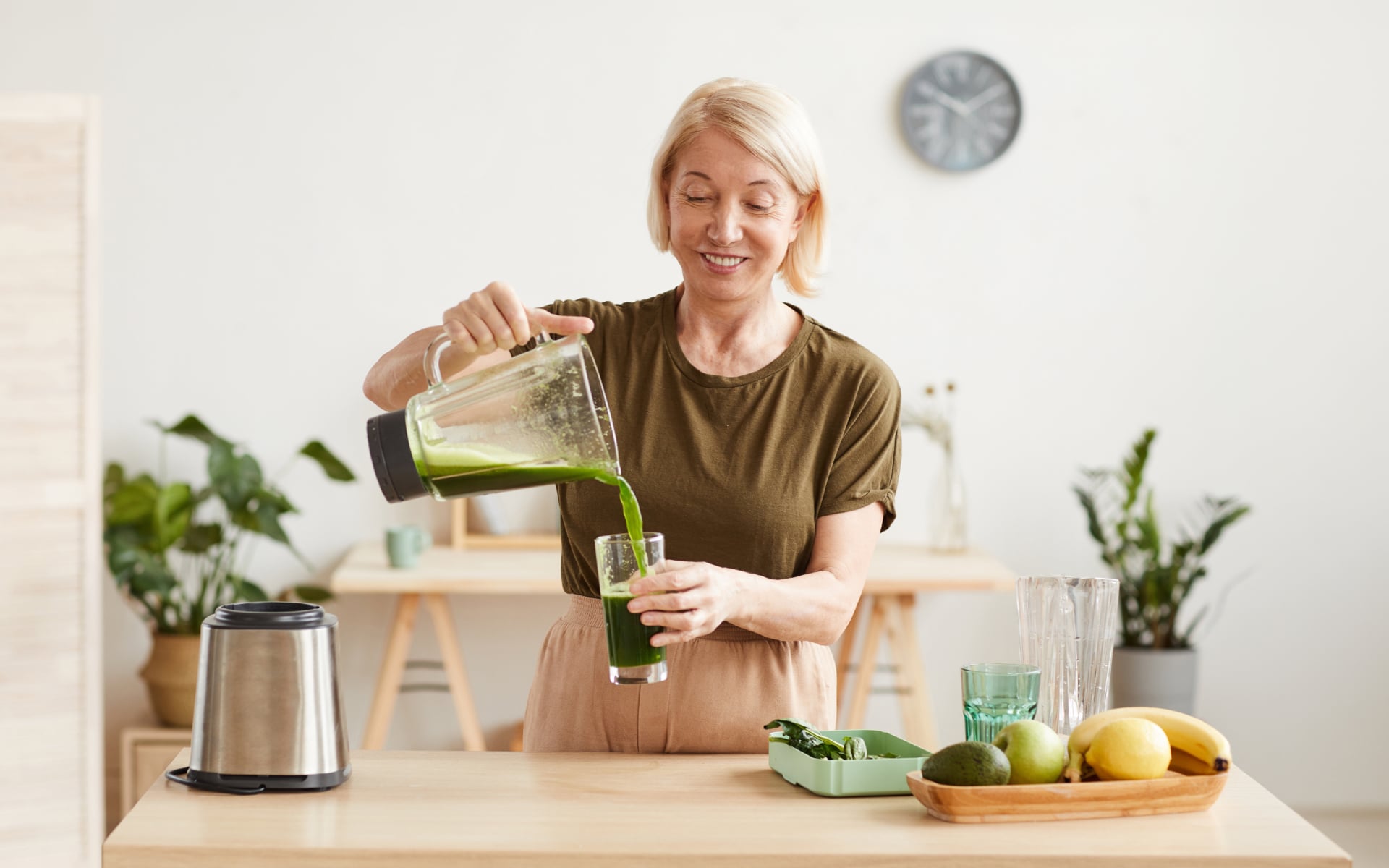
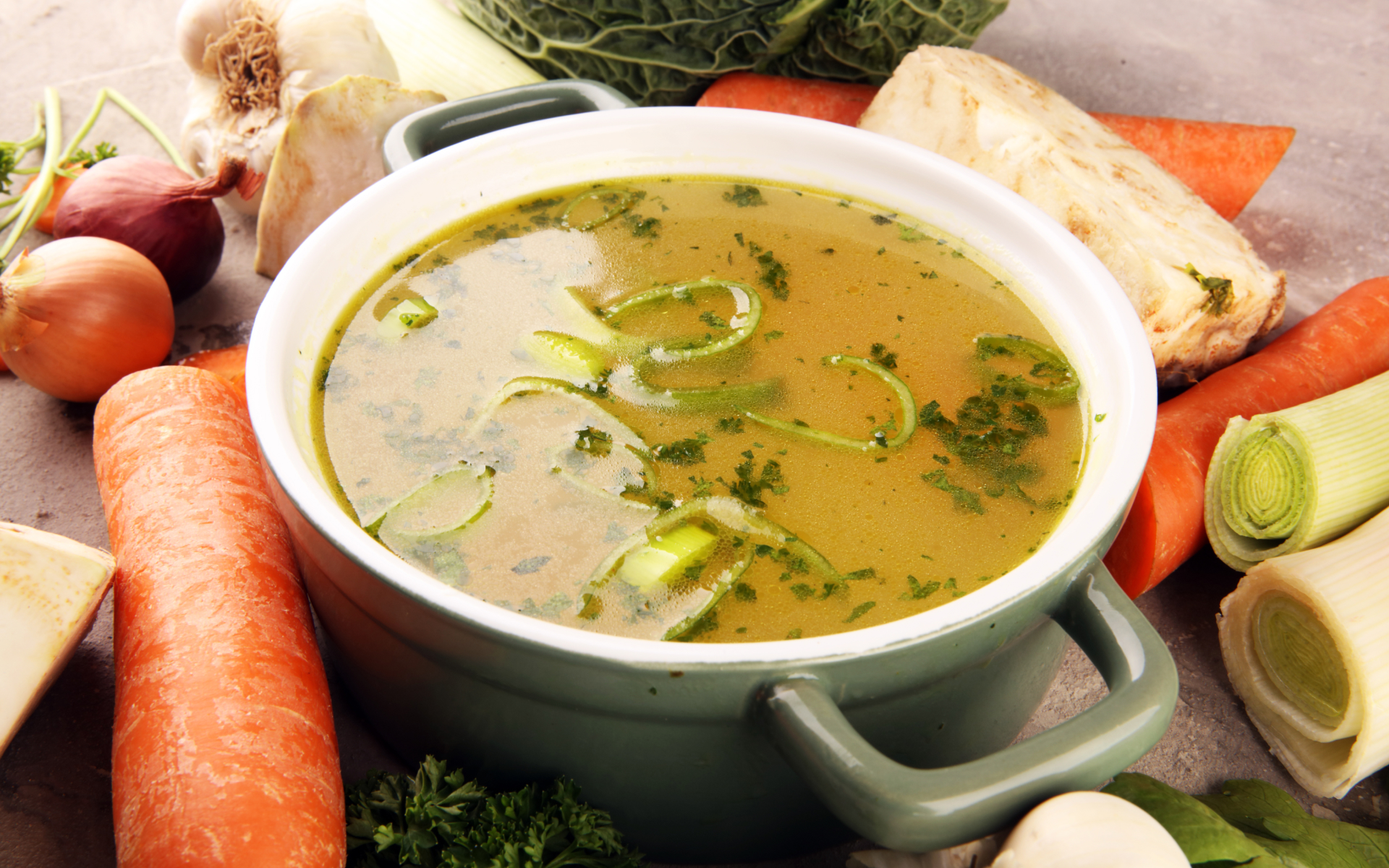
Vegetable broth for fasting is a low-calorie option that many people sip to remain hydrated and support electrolyte balance during a fast. As it contains so few calories, it tends to fit into many fasting routines without much fuss. The right approach depends on your fast type and goals, and a chat with a qualified healthcare provider is always a smart first step.
Vegetable broth for fasting has become a go-to for people who want something warm and savory without a heavy meal. Some people prefer vegetable broth during fasting because it feels warm, savory, and easier to sip than plain water. It’s light, comforting, and easy to make at home.
This guide is for busy people who want practical answers, not hype. You’ll learn what makes a broth fasting-friendly, how it compares to bone broth, and what role it can play in body weight management. We’ll also cover autophagy, nutrition basics, and the difference between broth and soup.
To keep things useful, we’ve included two simple recipes, a handy ingredients table, and quick answers to common questions. Think of this as your friendly starting point—no jargon, no pressure—just clear info you can actually use.
Please note that fasting isn’t suitable for everyone. Consult a qualified healthcare provider before you make significant changes to your dietary routine, particularly if you have underlying conditions or are taking medication.
What Kind of Broth Can I Have While Fasting?
Most people who fast reach for low-calorie liquids, and vegetable broth during fasting is a common pick. The goal is to sip something that’s low enough in calories to fit your fasting goals.
A clear, strained broth tends to work better than a thick, blended soup. Strained vegetable broth holds onto flavor and a few minerals while keeping the calories very low.
Here’s what people often choose during a fast:
- Clear vegetable broth, strained and low in calories
- Broth with no added oils or starchy ingredients
- Plant-based broth seasoned simply with herbs and a little salt
There aren’t strict, one-size-fits-all rules here. Your goals for fasting and your fasting style—whether it’s a 16-hour fast with an 8-hour eating window (16:8) or another schedule—may shape what works for you. If in doubt, keep it simple and clear.

Potential Benefits of Vegetable Broth During Fasting
Vegetable broth and fasting can be a comforting combination, and the broth itself may offer a few practical advantages for some people. Let’s break them down so you can decide what fits your routine.
Vegetable Broth Is Low-Calorie
A typical vegetable broth contains around 20 calories per cup, with roughly 4 g of carbs and 1 g of protein (1). It usually has little to no fat or fiber once it’s been strained.
That low number is the main reason a vegetable broth fast appeals to so many people. You get warmth and flavor without adding much to your daily intake.
Keep in mind that ingredients matter. Adding oils, starchy vegetables, or extra seasonings can raise the calorie count, so a lighter hand tends to keep things fasting-friendly.
Vegetable Broth Can Provide Some Minerals
During longer or stricter fasts, some people pay closer attention to fluid and mineral intake. Some guidance suggests that vegetable broth may provide minerals that help support electrolyte balance during a fast (2).
Ingredients such as seaweed and certain mushrooms tend to carry trace minerals (3, 4). A pinch of salt can add sodium, which some fasting approaches account for.
Electrolyte changes during fasting may be associated with feeling unusually tired, uncomfortable, or off during a fast for some people (5). Sipping a mineral-rich broth is one simple way people try to stay comfortable. If anything feels off, it’s worth checking in with a qualified healthcare professional.
BetterMe Well-Being Coach app helps you achieve your body goals with ease and efficiency by helping to choose proper meal plans and effective workouts. Start using our app and you will see good results in a short time.
Vegetable Broth vs. Bone Broth
If you’re weighing up your options, vegetable broth makes a solid bone broth substitute, especially for plant-based eaters. Both are warm and savory, but they differ in terms of calories and macros.
Bone broth tends to carry a little more protein (6), which can be useful when breaking a fast. Vegetable broth, by contrast, stays lighter and is often the go-to during the fasting window itself, if your fast allows.
Here’s a quick comparison to help you choose:
| Feature | Vegetable broth | Bone broth |
|---|---|---|
| Calories per cup | ~20 | ~72 |
| Protein | ~1 g | ~3.6 g |
| Fat | ~0 g | ~6 g |
| Best For | Sipping during a fast | Breaking a fast |
As a bone broth alternative, vegetable broth offers a suitable plant-based option with a different mineral profile. Neither one is a magic fix—they simply serve slightly different roles depending on your routine.

Vegetable Broth and Body Weight Management
Vegetable broth alone is unlikely to change the number on the scale, but it may support body weight management as part of a structured routine. The bigger picture is your overall intake and habits.
During some fasting approaches, the body may use different fuel sources as food intake changes (7). Research has suggested that even lower-calorie or lower-carbohydrate intake may affect how a fast is structured, depending on the person and plan (8).
Some intermittent schedules allow a small calorie window on fasting days, such as the 500-600 calories that are permitted on certain 5:2 plans. Everything you drink counts, including broths, teas, and flavored water (9).
One study compared time-restricted eating with daily calorie restriction. Both groups experienced changes in body weight, with the differences between them fairly small. The takeaway is simple: lowering overall intake, through fasting or another method, tends to matter more than any single food (10). If weight loss is your goal for fasting, then a small number of calories from broth during the fasting window may still fit into some lower-calorie routines, depending on your overall intake and fasting approach.
Are you looking for structure in your routine? The BetterMe app offers manageable workouts and budget-friendly recipes to support your everyday goals.
Read more: Intermittent Fasting and Running: What to Know Before You Start
Vegetable Broth vs. Vegetable Soup: What Is the Difference?
The main difference between vegetable broth and vegetable soup comes down to calories and texture. Broth is strained and light, while soup keeps the solids and lands higher in calories.
A clear broth often sits around 11 calories per cup (1). A blended vegetable soup with squash, kale, and other vegetables can climb to 30 calories or more per serving, plus added carbs and fiber (11). Vegetable soup may also contain beans and grains that provide protein, carbs, fiber, and other essential nutrients along with calories.
That’s why people tend to use vegetable soup for fasting differently than broth. Soup works well to break a fast or on lower-calorie eating days, while broth suits the fasting window itself.
Both have their place. Choose based on whether you want something ultra-light or a fuller, more filling bowl.
Does Vegetable Broth Stop Autophagy?
There’s no simple answer because autophagy is complex and hard to measure outside of a research setting. It isn’t possible to say that vegetable broth has no effect on autophagy. Many people fast partly to support this process, so it’s a fair question.
Autophagy is a normal cellular process that is involved in breaking down and recycling cell components (12). Research has explored how autophagy may play a role in cellular renewal and overall cellular function over time (13).
Some research has also explored a possible connection between autophagy and age-related cellular changes. The general idea is that short periods without much fuel may encourage changes in cellular maintenance processes (14).
Some guidance suggests that fasting and calorie restriction have been studied in relation to autophagy, but findings don’t translate into clear rules for everyday broth intake (15). As vegetable broth is so low in calories, sipping a modest amount tends to keep your intake minimal.
Vegetable Broth Nutrition Facts
Even store-bought vegetable broth carries a few useful nutrients. Available nutritional data indicates that one cup of commercial vegetable broth contains calcium, magnesium, phosphorus, potassium, sodium, iodine, and vitamin A (16).
Making a homemade vegan vegetable broth lets you vary the ingredients with fresh produce and your favorite seasonings. It also gives you more control over sodium.
Some guidance suggests choosing low- or zero-sodium broths, ideally under 5% of the daily value (17), so that you stay in charge of how much salt goes in. You can always add a pinch later, but you can’t take it out once it’s in the pot.
Reasons why BetterMe is a safe bet: a wide range of calorie-blasting workouts, finger-licking recipes, 24/7 support, challenges that’ll keep you on your best game, and that just scratches the surface! Start using our app and watch the magic happen.
Best Vegetable Broth Ingredients
The tastiest vegetable broth for fasting starts with simple, mineral-rich ingredients. You can use whatever you have on hand, even scraps, so treat this as a flexible guide, rather than a strict list.
Many people build flavor with vegetables such as:
- Arugula
- Broccoli
- Cabbage
- Carrots
- Cauliflower
- Celery
- Chard
- Collard greens
- Green beans
- Kale
- Onions or leeks
- Spinach
- Tomatoes
You can also get savory, umami depth without any meat or bones. Research has suggested that nutritional yeast can add a rich, savory flavor while contributing some vitamins and minerals (18). However, you should note that it adds a few calories.
If electrolyte balance is on your mind, here’s a quick reference for mineral-supporting add-ins:
| Ingredient | Minerals it may provide |
|---|---|
| Wakame or nori seaweed | Iodine, magnesium |
| Shiitake mushrooms | Potassium, trace minerals |
| A pinch of salt | Sodium |
| Leafy greens (kale, chard) | Magnesium, potassium |

Best Vegetable Broth for Fasting Recipes
Our two-part approach gives you a light vegetable broth recipe for fasting, plus a fuller soup for eating days. Both are flexible, so feel free to adjust the recipes to your taste.
You should use the first recipe during fasts, as the second contains more carbs and calories. These are short-term comfort foods, not long-term meal replacements, so lean on balanced eating overall.
Vegetable Broth for Fasting Recipe (19)
This light, strained broth comes together in under two hours. It doubles as a vegan broth recipe and a vegetable broth recipe for intermittent fasting.
Serves: 8 · Prep: 5 minutes · Cook: 105 minutes
Ingredients:
- 8 cups of water
- 4 large carrots, coarsely chopped
- 2 celery stalks, coarsely chopped
- 1 onion, peeled and coarsely chopped
- 1 leek, coarsely chopped
- ⅔ lb crimini mushrooms
- 2 lb dried shiitake mushrooms, chopped
- 10 g dried wakame
- Salt to taste
- ¼ tsp ground ginger
- ¼ tsp black peppercorns
Directions:
- Add all the ingredients except the wakame to a large pot.
- Bring to a boil over high heat.
- Reduce to medium-low and simmer for 80 minutes.
- Skim the foam every 15 minutes.
- Remove from the heat and allow to cool for 10 minutes.
- Add the wakame and let it steep for 15 minutes.
- Strain out the wakame and larger solids.
- Taste and add a little more salt if needed.
Macros per cup: ~20 calories, 3 g carbs, 0 g fat, 1 g protein, 0 g fiber.
Read more: Green Tea Intermittent Fasting: Potential Effects and What to Know
Vegetable Broth Soup Recipe (20)
This pureed soup uses nutritional yeast for a savory finish. It works better to break a fast or on lower-calorie eating days.
Serves: 12 · Prep: 5 minutes · Cook: 75 minutes
Ingredients:
- 4 large carrots, chopped
- 1 cup radish, chopped
- 2 cups winter squash, chopped
- 1 cup turnips, chopped
- 2 cups kale, chopped
- 2 celery stalks, chopped
- ½ cup nori seaweed leaves
- ¼ head of cabbage
- 5 slices ginger root, diced
- 4 tbsp nutritional yeast
- Salt and pepper to taste
Directions:
- Add all the ingredients except the nori to a large pot.
- Bring to a boil over high heat, skimming foam every 15 minutes.
- Reduce to medium-low and simmer for 60 minutes.
- Keep skimming the foam every 15 minutes.
- Remove from the heat and add the nori sheets to steep for 10 minutes.
- Remove the nori, then season with salt and pepper.
- Blend with a hand blender until smooth.
Macros per serving: ~64 calories, 9.8 g carbs, 0.2 g fat, 4.4 g protein, 4.4 g fiber.
Frequently Asked Questions
Can I drink vegetable broth while fasting?
Yes, vegetable broth is generally considered fasting-compatible for many people due to its incredibly low calorie content. A clear, strained broth keeps calories minimal. If you’re unsure how it fits your plan or with your goals for fasting, check with a qualified professional.
What kind of broth can you have while fasting?
Most people who fast choose low-calorie broths, such as vegetable broth, which contains around 20 calories per serving (1). Clear, strained broths tend to work better than thick, blended soups. Don’t use any added oils or starchy ingredients if you want a very low-calorie broth. Modified fasting plans may allow more calories.
Can you lose weight by drinking vegetable broth?
Vegetable broth alone is unlikely to cause weight loss, but it may support bodyweight management when combined with a structured eating routine. Your overall intake and habits matter most (21). Treat broth as one small piece of the bigger picture.
Will I lose weight if I eat vegetable soup every day?
Eating vegetable soup regularly may help with calorie management, but weight outcomes depend on overall dietary habits and individual factors (21). Soup can be filling and nutrient-rich. Balance it with a well-rounded, sustainable routine.
How many calories are in a bowl of vegetable broth?
A typical serving of homemade vegetable broth contains around 10-20 calories, but this can vary depending on the ingredients used. Adding oils or starchy vegetables raises the count. A clear, strained broth keeps it lowest.
The Bottom Line
Vegetable broth for fasting is a light, comforting option that may help you stay hydrated and support electrolyte balance while you fast. It’s low in calories, easy to customize, and works as a friendly bone broth alternative for plant-based eaters.
Remember the key points: clear broth suits the fasting window for many people, soup fits eating days, and no single food does the heavy lifting on its own. Your overall routine matters most.
If you’re curious, try the broth recipe above and see how it fits your day. And before making big changes to your fasting routine, consider a quick chat with a qualified healthcare provider. Small, steady steps tend to serve you best.
DISCLAIMER:
This article is intended for general informational purposes only and does not serve to address individual circumstances. It is not a substitute for professional advice or help and should not be relied on for making any kind of decision-making. Any action taken as a direct or indirect result of the information in this article is entirely at your own risk and is your sole responsibility.
BetterMe, its content staff, and its medical advisors accept no responsibility for inaccuracies, errors, misstatements, inconsistencies, or omissions and specifically disclaim any liability, loss or risk, personal, professional or otherwise, which may be incurred as a consequence, directly or indirectly, of the use and/or application of any content.
You should always seek the advice of your physician or other qualified health provider with any questions you may have regarding a medical condition or your specific situation. Never disregard professional medical advice or delay seeking it because of BetterMe content. If you suspect or think you may have a medical emergency, call your doctor.
SOURCES:
- VEGETABLE BROTH (2021, fdc.nal.usda.gov)
- Sustainable Vegetable Broth (2023, nutrition.va.gov)
- Minerals in edible seaweed: health benefits and food safety issues (2022, pubmed.ncbi.nlm.nih.gov)
- Fungal Mushrooms: A Natural Compound With Therapeutic Applications (2022, frontiersin.org)
- The Effects of Fasting Regimens on Hydration, Electrolyte Balance, and Metabolic Biomarkers (2026, researchgate.net)
- Savoring the benefits of bone broth: Worth a taste? (2023, health.harvard.edu)
- Long-Term Fasting-Induced Ketosis in 1610 Subjects: Metabolic Regulation and Safety (2024, mdpi.com)
- Metabolic switching is impaired by aging and facilitated by ketosis independent of glycogen (2020, pmc.ncbi.nlm.nih.gov)
- A randomised controlled trial of the 5:2 diet (2021, journals.plos.org)
- Calorie Restriction with or without Time-Restricted Eating in Weight Loss (2022, nejm.org)
- U.S. Department of Agriculture, Agricultural Research Service. FoodData Central. Vegetable Broth (2021, usda.gov)
- Autophagy: A Key Regulator of Homeostasis and Disease: An Overview of Molecular Mechanisms and Modulators (2022, mdpi.com)
- Role of autophagy in cell survival and death: Mechanisms and therapeutic implications (2025, sciencedirect.com)
- Autophagy and metabolic aging: Current understanding and future applications (2024, sciencedirect.com)
- The Beneficial and Adverse Effects of Autophagic Response to Caloric Restriction and Fasting (2023, sciencedirect.com)
- VEGGIE BROTH, VEGGIE (2020, fdc.nal.usda.gov)
- Sodium in Your Diet (2024, fda.gov)
- Yeast Protein as an Easily Accessible Food Source (2022, mdpi.com)
- Homemade Vegetable Broth (Easy & Flavorful) (2026, simpleveganblog.com)
- How To Make Vegan Vegetable Puree Soup (2020, desidakaar.com)
- Dietary and Behavioral Strategies for Weight Loss and Weight Loss Maintenance: A Narrative Review (2025, mdpi.com)

 Reviewed by
 By
By 
 By
By 
 Reviewed by