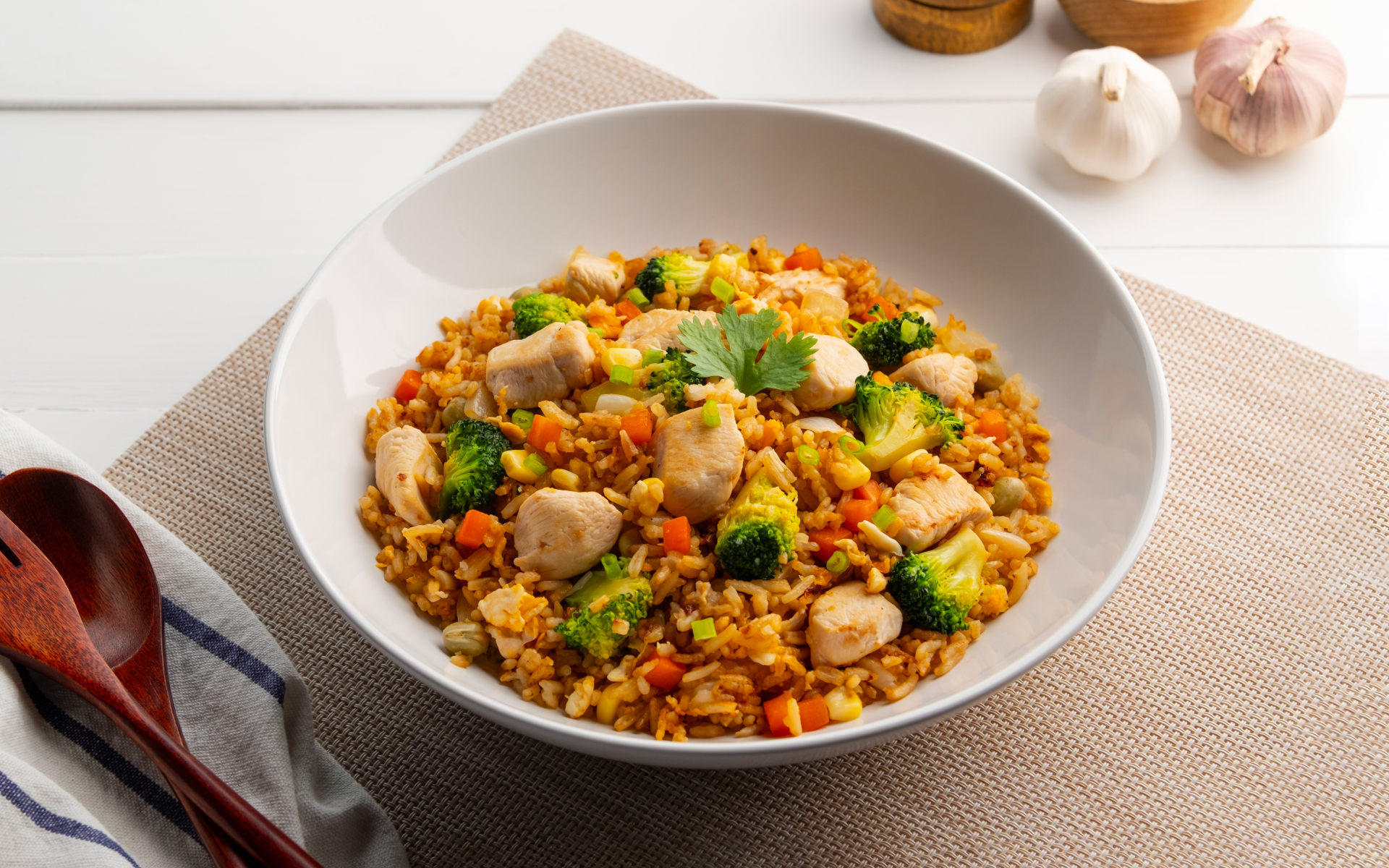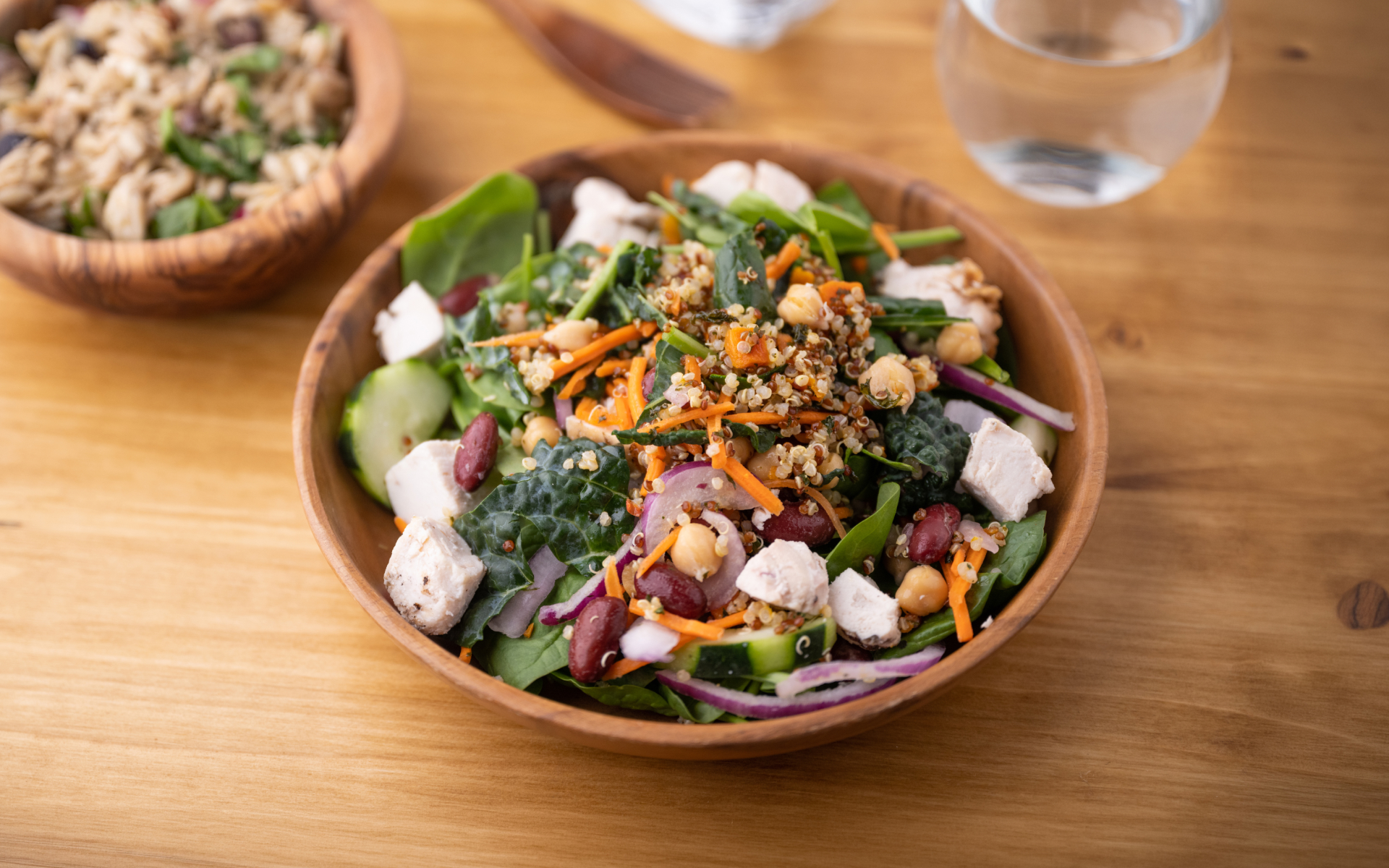
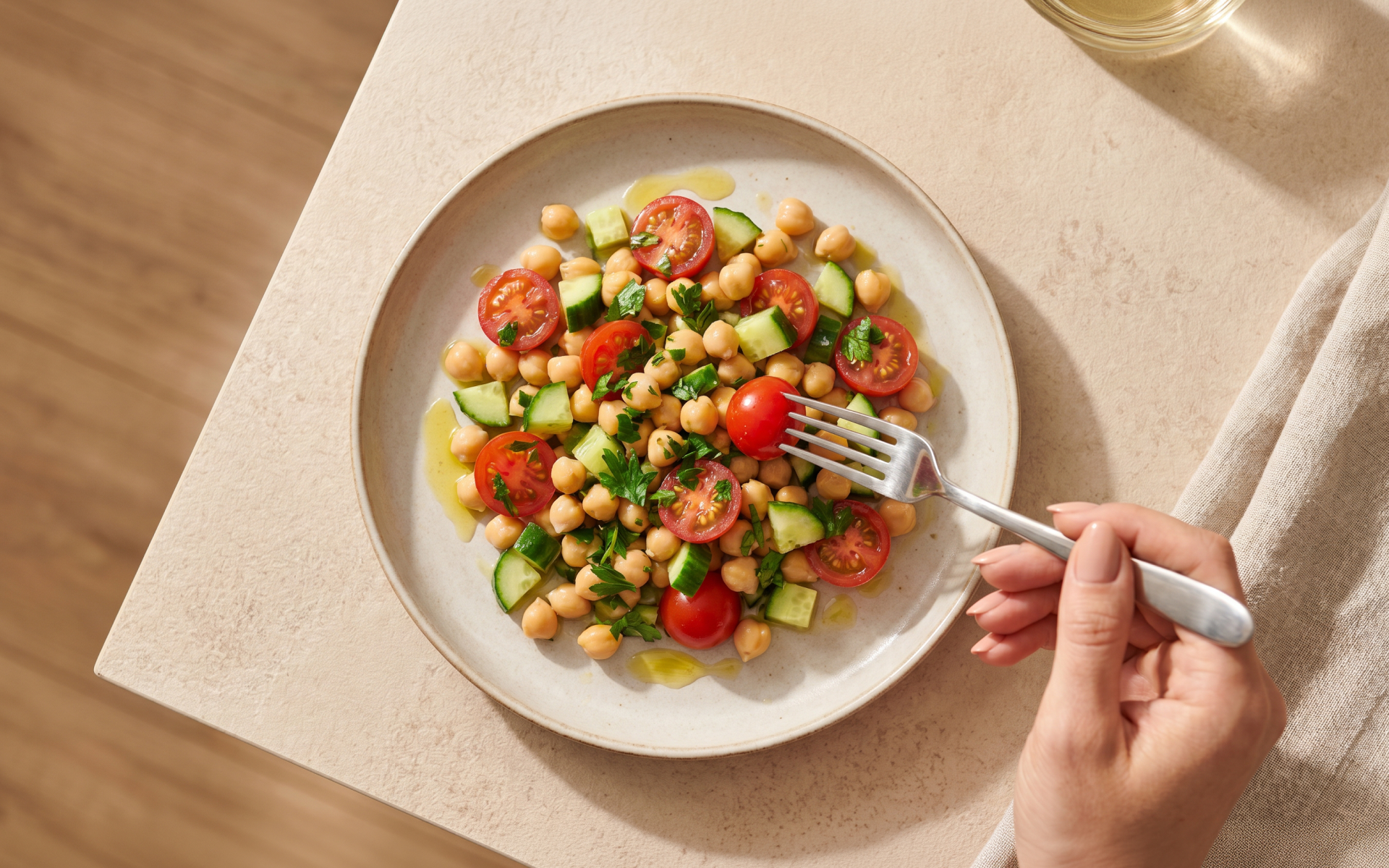
A Mediterranean diet weekly meal plan organizes meals around vegetables, fruits, beans, lentils, whole grains, nuts, olive oil, and seafood. The focus isn’t on strict rules or cutting out entire food groups—instead, it’s about creating balanced meals from mostly minimally processed foods. When creating a weekly plan, it’s important to think about variety, your schedule, personal preferences, and your budget. The approach can be adapted to different lifestyles, cooking skills, and dietary needs.
The Mediterranean diet remains popular because it’s flexible. There isn’t one perfect way to follow it—some people include more fish, while others rely on beans, lentils, whole grains, and seasonal produce. This flexibility makes it easier to fit into real life.
In this guide, we’ll cover what foods to include, how to build a practical seven-day menu, how to simplify preparation, and which common mistakes to avoid.
What Foods Can You Eat on a Mediterranean Diet for a Week?
The focus of this diet is on what can be added to the plate more often. Think colorful vegetables, hearty legumes, whole grains, healthy fats, and protein sources that bring both flavor and variety to meals.
The goal isn’t to eat the exact same thing every day—quite the opposite. A well-planned week includes a mix of ingredients that work together to create balanced meals while keeping things interesting. After all, nobody wants to stare at the same lunch five days in a row and pretend they’re excited about it!
At the center of most Mediterranean-style meals are plant foods. These foods provide fiber, vitamins, minerals, and a range of naturally occurring compounds that support overall well-being (1).
Foods commonly included throughout the week include:
- Vegetables such as tomatoes, cucumbers, leafy greens, broccoli, peppers, zucchini, eggplant, onions, and carrots
- Fruits including berries, apples, oranges, grapes, peaches, pears, and melons
- Legumes such as chickpeas, lentils, black beans, white beans, soy products, and peas
- Whole grains including oats, brown rice, quinoa, barley, bulgur, and whole-grain bread
- Nuts and seeds such as almonds, walnuts, pistachios, sunflower seeds, and chia seeds
- Olive oil as the primary source of added fat
- Herbs and spices for flavor instead of relying heavily on salt
Protein also plays an important role, but the sources often look a little different from what many people expect. Rather than making every meal around large portions of red meat, Mediterranean-style eating typically emphasizes seafood, legumes, dairy foods, and moderate amounts of poultry.
Protein choices include:
- Fish such as salmon, sardines, trout, tuna, and mackerel
- Shellfish, where available
- Eggs
- Greek yogurt and other minimally processed dairy foods
- Cottage cheese
- Chicken and turkey
- Beans and lentils
- Soy products such as tofu and tempeh
Red meat is generally eaten less frequently, but that doesn’t mean it can never appear on the menu. It simply tends to play a smaller role compared to plant foods and seafood. Some people assume they have to eliminate their favorite foods completely, but that isn’t usually how this eating pattern works.
A typical week may also include small amounts of foods that are often viewed as “extras”. For example, a square of dark chocolate or a favorite dessert. Maybe even a restaurant meal on the weekend. The emphasis is on general eating patterns rather than aiming for perfection at every single meal.
If you’re following a Mediterranean diet meal plan for beginners, it may help to start with a few simple swaps instead of overhauling your entire kitchen at once. For example:
- Use olive oil instead of butter in certain recipes
- Add an extra serving of vegetables to lunch and dinner
- Replace refined grains with whole-grain alternatives when possible
- Include beans in meals a few times each week
- Choose fish more often than red meat
These changes may seem small, but they can make the transition feel far more realistic. And realistic habits are often easier to maintain than dramatic ones.

What Does a 7-Day Mediterranean Diet Meal Plan Look Like?
A meal plan doesn’t need to be rigid to be effective. In fact, flexibility is one of the defining features of Mediterranean-style eating.
The sample below shows what a Mediterranean diet daily meal plan might look like across a week. Meals can be swapped, repeated, or adjusted based on your schedule, budget, and dietary needs.
| Day | Breakfast | Lunch | Dinner | Snack |
|---|---|---|---|---|
| Monday | Greek yogurt with berries, oats, and walnuts | Chickpea salad with cucumber, tomatoes, and olive oil | Baked salmon, quinoa, and roasted vegetables | Apple with almond butter |
| Tuesday | Oatmeal with banana and almonds | Lentil soup and whole-grain bread | Grilled chicken, brown rice, and broccoli | Orange and pistachios |
| Wednesday | Whole-grain toast with avocado and egg | Quinoa bowl with vegetables and chickpeas | Tuna pita with salad | Greek yogurt |
| Thursday | Fruit and spinach smoothie with yogurt | Bean and vegetable stew | Baked cod, sweet potatoes, and green beans | Pear and walnuts |
| Friday | Overnight oats with berries and chia seeds | Grain bowl with hummus and vegetables | Turkey meatballs with whole-grain pasta | Carrot sticks with hummus |
| Saturday | Vegetable omelet and whole-grain toast | Leftover grain bowl or salad | Shrimp with vegetables and brown rice | Fresh fruit |
| Sunday | Greek yogurt parfait with fruit and nuts | Lentil salad with mixed vegetables | Grilled fish and roasted vegetables | Roasted chickpeas |
This example reflects the broader principles of a Mediterranean diet weekly meal plan rather than a strict set of rules. Do you notice how ingredients appear more than once throughout the week? Quinoa, chickpeas, yogurt, and vegetables show up in multiple meals, helping reduce waste and simplifying your grocery shopping.
The plan also balances convenience with variety. Not every dinner requires a complicated recipe, and not every lunch needs to be cooked from scratch. Leftovers, simple salads, soups, and grain bowls all have a place here. This is one of the reasons why some people may find Mediterranean-style eating easier to maintain than more rigid approaches.
If you’re looking for a Mediterranean diet meal plan for weight loss, the food choices may stay largely the same while portions and overall calorie intake are adjusted to match individual needs. Similarly, someone who is following a Mediterranean diet weekly meal plan for vegetarians could replace fish and poultry items with additional beans, lentils, tofu, eggs, or dairy products.
BetterMe Well-Being Coach app helps you achieve your body goals with ease and efficiency by helping to choose proper meal plans and effective workouts. Start using our app and you will see good results in a short time.
What Should You Include in a Mediterranean Diet Grocery List?
The exact foods you buy may vary from week to week, but most Mediterranean grocery lists are built around a handful of core categories. Choosing versatile ingredients can make meal planning simpler and help the same foods work across multiple recipes.
| Category | Foods to include |
|---|---|
| Vegetables | Leafy greens, tomatoes, cucumbers, bell peppers, broccoli, carrots, zucchini, onions |
| Fruits | Apples, berries, oranges, pears, grapes, seasonal fruit |
| Whole grains | Oats, brown rice, quinoa, barley, bulgur, farro, whole-grain bread, whole-grain pasta |
| Legumes | Chickpeas, lentils, black beans, white beans, peas, edamame, tofu |
| Seafood and poultry | Salmon, tuna, sardines, cod, shrimp, chicken, turkey |
| Dairy and eggs | Greek yogurt, cottage cheese, milk, eggs |
| Nuts and seeds | Almonds, walnuts, pistachios, chia seeds, sunflower seeds |
| Healthy fats | Extra virgin olive oil, olives, avocado |
| Herbs and seasonings | Garlic, basil, parsley, oregano, rosemary, lemon, vinegar, spices |
A practical grocery list doesn’t actually need dozens of ingredients. In fact, many Mediterranean meals rely on the same staples used in different ways throughout the week. A bag of quinoa, a few cans of chickpeas, fresh vegetables, and olive oil can support several lunches and dinners.
People often assume that you need specialty products to follow this eating pattern, but you don’t. Building your cart around simple, minimally processed foods is usually enough. The exact mix will vary from one household to another, and that’s completely normal.

How Can You Meal Prep for a Mediterranean Diet Week?
A little preparation at the start of the week can make Mediterranean-style eating feel much more manageable. The best way to go about this is by preparing a few building blocks that can be mixed and matched throughout the week.
Some practical tips include:
1. Pick 2-3 Protein Sources
Choose a few proteins that can be used in different meals. For example:
- Roast chicken breasts or thighs
- Cook a batch of lentils
- Hard-boil eggs
- Bake or grill fish for the first few days of the week
Having protein ready to go makes lunches and dinners come together much faster.
2. Cook One or Two Grains
Prepare a large batch of:
- Quinoa
- Brown rice
- Barley
- Farro
Store portions in the refrigerator and use them in grain bowls, salads, soups, or side dishes.
Read more: 14-Day Mediterranean Diet Meal Plan Guide: What to Eat and What to Avoid
3. Wash and Prep Vegetables
This step often gets overlooked, but it’s one of the most useful. Try:
- Washing leafy greens
- Chopping cucumbers, peppers, and carrots
- Roasting a tray of vegetables
- Portioning vegetables into containers for snacks
When vegetables are already prepared, they’re simply easier to eat. It sounds obvious, but it’s true.

4. Prepare One Versatile Sauce or Spread
A simple homemade sauce can instantly make meals feel different. Good options include:
- Hummus
- Tzatziki
- Olive oil and lemon dressing
- Yogurt-based herb sauce
These can be used for grain bowls, salads, wraps, roasted vegetables, and protein dishes throughout the week.
5. Plan for Busy Days
Keep a few convenient options on hand:
- Canned beans
- Canned tuna or salmon
- Frozen vegetables
- Whole-grain crackers
- Plain Greek yogurt
These foods can help you build a quick meal if your plans change unexpectedly.
6. Leave Some Flexibility
One of the biggest mistakes people make is planning every meal down to the smallest detail. A better approach is to prep ingredients and decide how to combine them later.
For example, cooked quinoa, roasted vegetables, chickpeas, and a yogurt sauce could become:
- A grain bowl on Monday
- A wrap on Tuesday
- A side dish on Wednesday
This flexibility is one reason many people find a Mediterranean diet intermittent fasting meal plan easier to manage. As the focus is often on meal quality rather than constant meal preparation, having ready-to-use ingredients can simplify whichever eating schedule you follow.
The same principle applies to a high-protein Mediterranean diet meal plan. Instead of creating entirely different menus, you can simply increase protein-rich foods such as fish, Greek yogurt, eggs, or legumes within the same framework.
How Can You Adjust a Mediterranean Diet Meal Plan to Suit Your Goals?
The Mediterranean diet isn’t a one-size-fits-all approach. The same foundation can be adjusted depending on what you’re trying to achieve.
| Goal | Practical adjustments |
|---|---|
| Increase protein Intake | Include more fish, Greek yogurt, eggs, cottage cheese, beans, lentils, and poultry throughout the day |
| For weight management | Prioritize vegetables, fruits, legumes, and whole grains while paying attention to portion sizes and overall energy intake |
| Following a vegetarian pattern | Replace seafood and poultry with beans, lentils, tofu, eggs, and dairy foods |
| Save time | Rely more heavily on simple meals, leftovers, frozen vegetables, canned beans, and pre-cooked grains |
| Fuel an active lifestyle | Add extra snacks, whole grains, fruit, and protein-rich foods around periods of activity |
Whether you’re looking to simply pep up your fitness routine, jazz up your diet with mouth-watering low-calorie recipes or want to get your act together and significantly drop that number on your scale – BetterMe Well-Being Coach app has got you covered! Improve your body and revamp your life!
Can a Mediterranean Diet Support Weight Management?
It may. Research has suggested that Mediterranean-style eating patterns can support weight management when they are aligned with an individual’s energy needs and overall lifestyle (1, 2).
One reason is that many Mediterranean foods such as vegetables, fruits, legumes, and whole grains contain fiber, which can contribute to feelings of fullness after meals (3). Protein-rich foods, including fish, yogurt, beans, and lentils, may play a similar role (4).
That being said, the Mediterranean diet isn’t specifically a weight-loss diet. Results can vary depending on factors such as food choices, portion sizes, activity levels, and long-term consistency. Some people see changes in body weight, while others may adopt the eating pattern for entirely different reasons.
The focus is usually on building sustainable eating habits rather than chasing quick results. This is an important distinction that often gets overlooked, especially in conversations about weight loss.
What Common Mistakes Should You Avoid on a Mediterranean Diet?
Here are a few common mistakes that end up happening:
- Using too much olive oil. Olive oil is a key part of the diet, but it’s still energy-dense. More isn’t always better.
- Treating bread, pasta, and crackers as the main event. Mediterranean eating includes grains, but meals are typically built around vegetables, legumes, protein sources, and healthy fats.
- Not eating enough protein. Some people focus so heavily on fruits, vegetables, and grains that meals become less satisfying.
- Relying on packaged “Mediterranean” foods. Labels can be misleading. A product marketed as Mediterranean isn’t automatically aligned with the overall eating pattern.
- Skipping legumes. Beans, lentils, and chickpeas are among the most practical and nutrient-rich foods in this style of eating, but they’re most often overlooked.
- Making the plan too complicated. Buying dozens of ingredients or trying a new recipe every night can quickly become overwhelming.
- Ignoring variety. Eating the same few foods every day can lead to boredom and make following it long-term more difficult.
- Expecting instant results. The Mediterranean diet is generally viewed as a long-term eating pattern and not a short-term challenge or quick fix.
However, the biggest mistake is often chasing perfection. Missing a planned meal or having a less-than-ideal day doesn’t mean that you’ve failed—it doesn’t work that way. Consistency over time tends to matter far more than getting every meal exactly right.
Read more: Does Fasting Make You Look Younger?

Frequently Asked Questions
Why might you not be seeing weight changes on the Mediterranean diet?
The Mediterranean diet is an eating pattern rather than a weight-loss program. Changes in body weight can depend on factors such as portion sizes, activity levels, food choices, and overall energy intake.
What do people eat for breakfast on the Mediterranean diet?
Common breakfast options include Greek yogurt with fruit and nuts, oatmeal, whole-grain toast with eggs or avocado, and fruit-based smoothies. Meals typically combine whole grains with a source of protein and healthy fat.
Can I eat yogurt on the Mediterranean diet?
Yes. Plain yogurt, particularly Greek yogurt, is commonly included as a source of protein and can be paired with fruit, nuts, or seeds.
What sweets can I eat on a Mediterranean diet?
Fruit is often the go-to sweet option, but occasional desserts can also fit into the diet. The focus is generally on moderation rather than complete avoidance.
What cheeses fit the Mediterranean diet?
Many Mediterranean-style eating patterns include cheese in moderate amounts. Options such as feta, mozzarella, ricotta, goat cheese, and Parmesan are commonly enjoyed alongside balanced meals.
What kind of bread is eaten in the Mediterranean?
Whole-grain breads are typically encouraged as they provide more fiber than refined varieties. Examples include whole-wheat bread, sourdough made with whole-grain flour, and traditional grain-based breads.
The Bottom Line
At its core, a Mediterranean diet weekly meal plan is a flexible way of organizing meals around vegetables, fruits, legumes, whole grains, healthy fats, and protein-rich foods while still leaving room for personal preferences and lifestyle needs. With a practical grocery list, a simple meal-prep routine, and realistic expectations, it can become easier to make balanced meals throughout the week. The goal isn’t to rigorously follow a rigid set of rules. Instead, it’s about creating an eating pattern that’s sustainable, enjoyable, and realistic enough to fit into everyday life in the long run.
DISCLAIMER:
This article is intended for general informational purposes only and does not serve to address individual circumstances. It is not a substitute for professional advice or help and should not be relied on for making any kind of decision-making. Any action taken as a direct or indirect result of the information in this article is entirely at your own risk and is your sole responsibility.
BetterMe, its content staff, and its medical advisors accept no responsibility for inaccuracies, errors, misstatements, inconsistencies, or omissions and specifically disclaim any liability, loss or risk, personal, professional or otherwise, which may be incurred as a consequence, directly or indirectly, of the use and/or application of any content.
You should always seek the advice of your physician or other qualified health provider with any questions you may have regarding a medical condition or your specific situation. Never disregard professional medical advice or delay seeking it because of BetterMe content. If you suspect or think you may have a medical emergency, call your doctor.
SOURCES:
- Diet Review: Mediterranean Diet (n.d., harvard.edu)
- Adherence to the Mediterranean Diet, Five-Year Weight Change, and Risk of Overweight and Obesity: A Systematic Review and Dose–Response Meta-Analysis of Prospective Cohort Studies (2021, pmc.ncbi.nlm.nih.gov)
- High-fibre food intake promotes satiation (2024, nihr.ac.uk)
- Clinical Evidence and Mechanisms of High-Protein Diet-Induced Weight Loss (2020, pmc.ncbi.nlm.nih.gov)