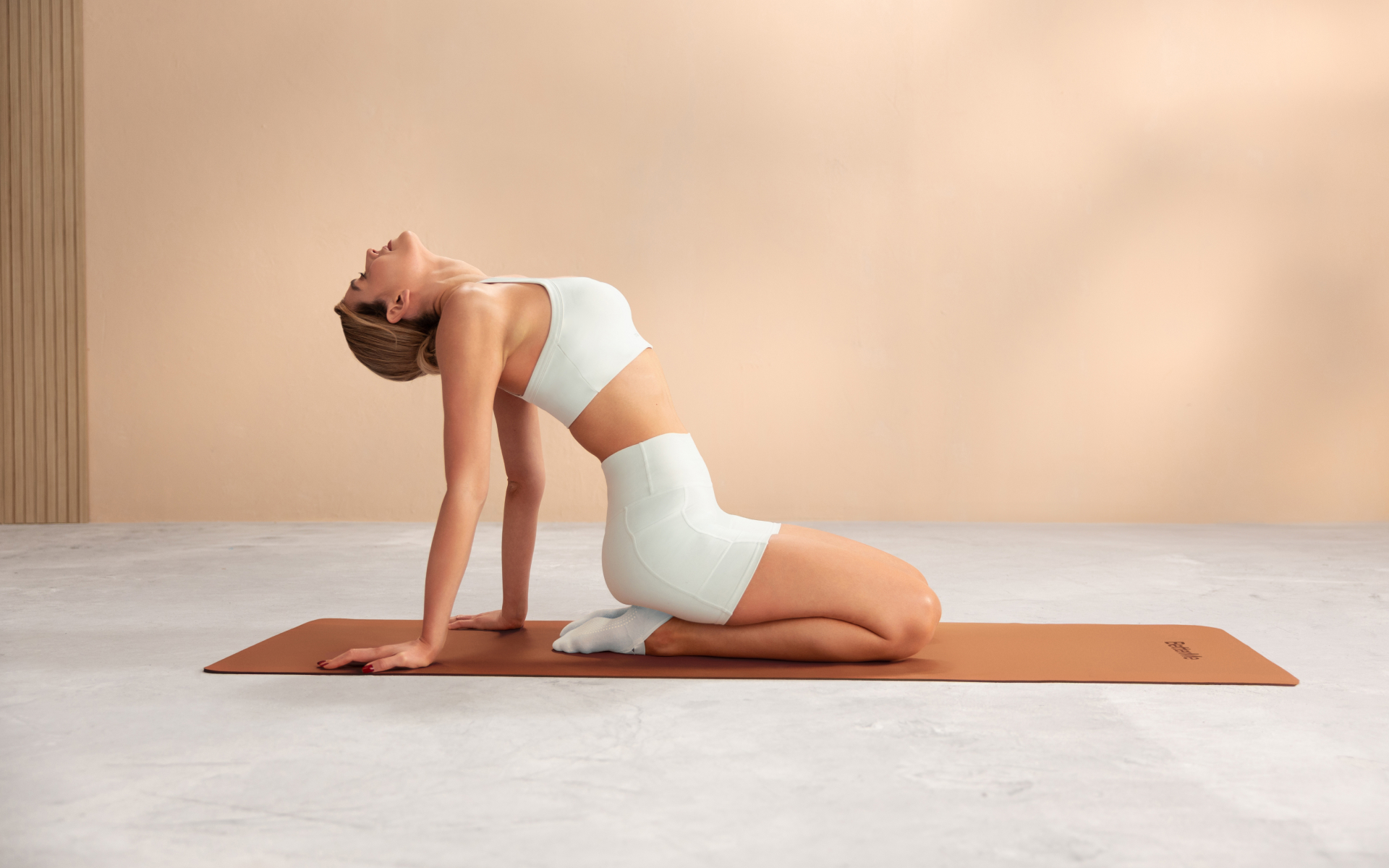
Not every workout needs to be high-impact or intense to support your long-term wellness goals. Somatic Pilates for weight loss can offer a gentler approach that focuses on consistency rather than intensity.
Somatic Pilates for weight loss is a mindful movement approach that’s focused on slow, mindful exercises and greater body awareness (1). Instead of rushing through repetitions, it encourages controlled movement, breathing, and paying attention to any physical sensations that arise as you move. While individual results may vary, this practice may help support weight management goals by encouraging consistency and increasing overall activity levels (2).
So, if traditional workouts leave you feeling exhausted, drained, or flat out disconnected from your mind and body, you’re not alone. This guide will cover how somatic Pilates works, what results you can realistically expect, and how to get started on your own.
Weight loss results vary from person to person and depend on factors such as nutrition, activity level, consistency, sleep, starting point, and overall lifestyle. This article is for informational purposes only and is not medical advice. You should consider speaking with a healthcare provider before starting a new fitness or weight management routine.
What Is Somatic Pilates for Weight Loss?
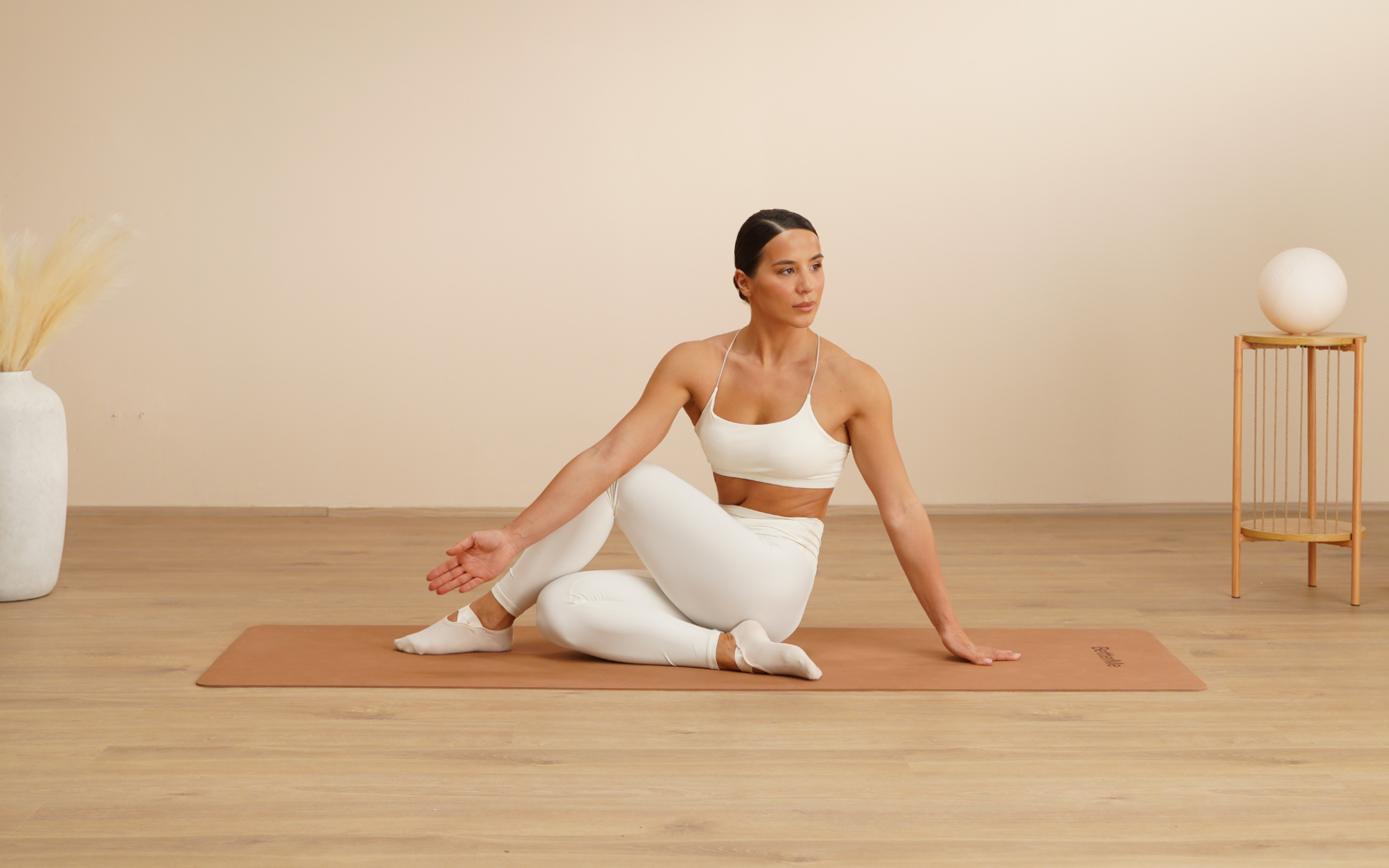
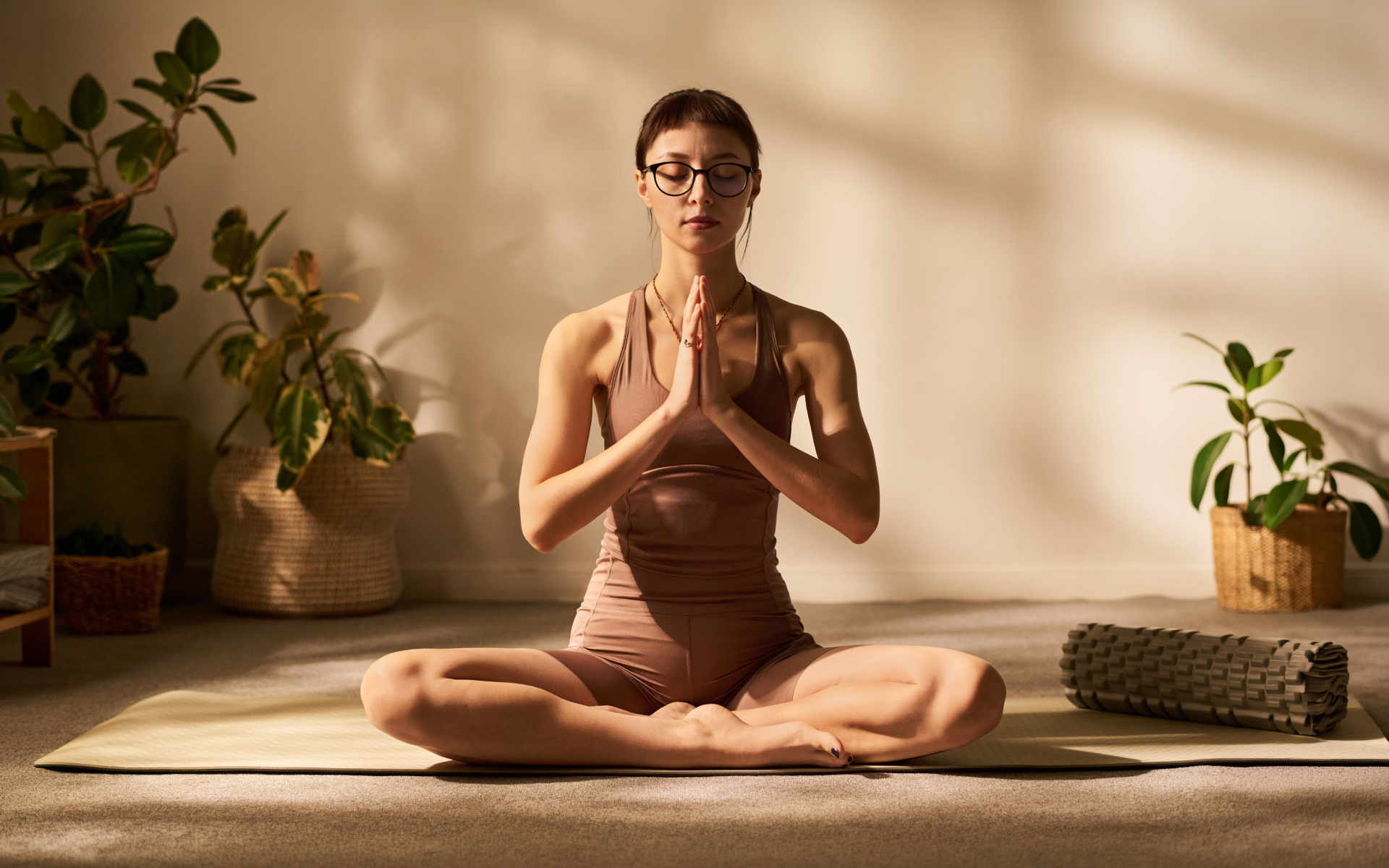
Somatic Pilates is a movement practice that blends traditional Pilates principles with somatic awareness (1). Rather than rushing through moves, the goal is to move slowly and intentionally while paying close attention to how your mind and body feel.
This approach may support weight loss by encouraging consistent movement, improving muscle engagement, and helping people develop healthier lifestyle habits over time (2). While it’s not typically considered a high-intensity, calorie-burning workout, it can still contribute to overall wellness and sustainable weight management goals.
That being said, everyone’s body responds differently. Long-term weight loss is influenced by a multitude of factors, so speaking with a healthcare provider for personalized guidance can be a helpful first step.
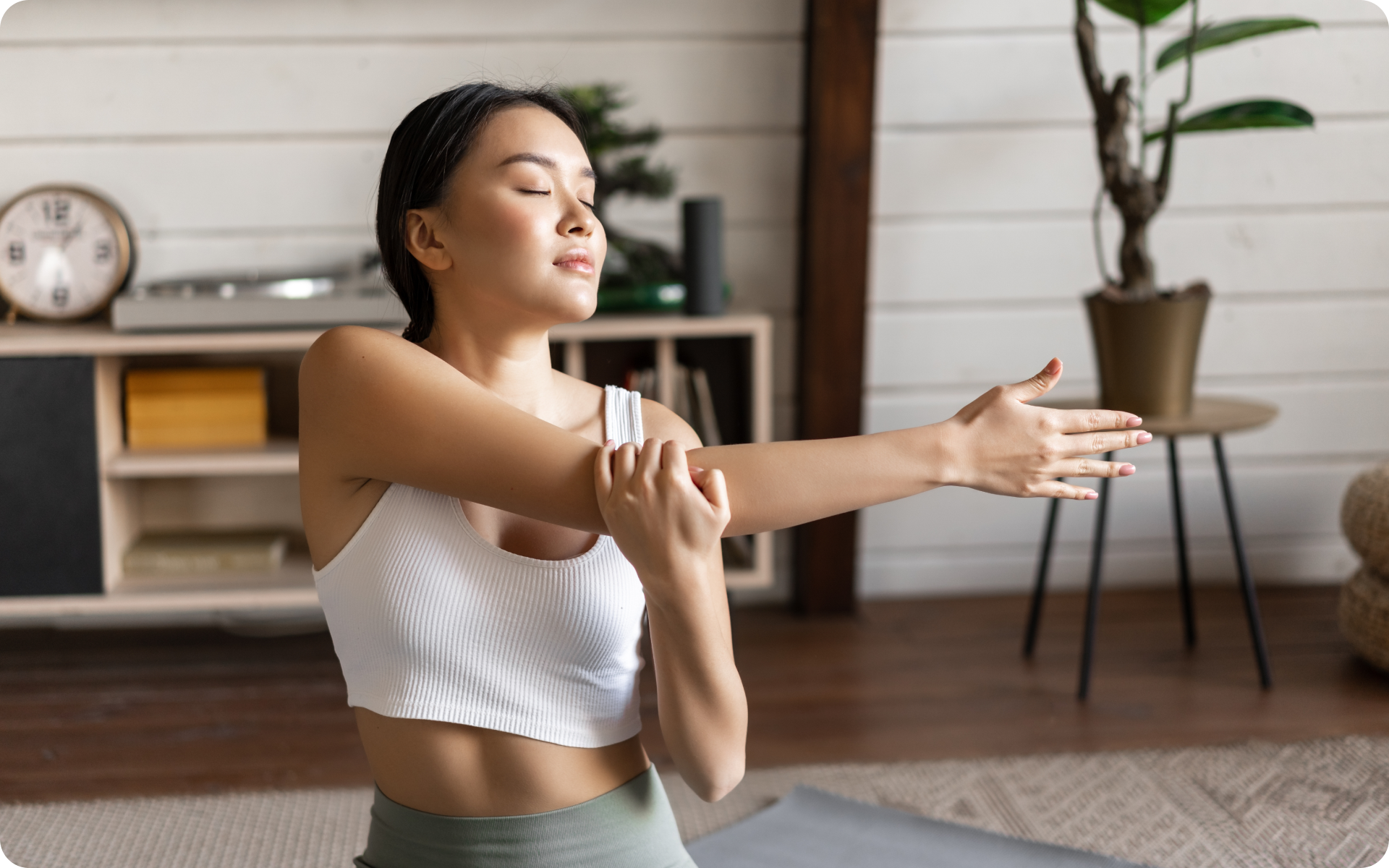
Does Somatic Pilates Really Work for Weight Loss?
Yes, somatic Pilates may support weight loss for some people—particularly when paired with balanced nutrition, regular movement, and healthy lifestyle habits (2, 3).
However, it’s important to set realistic expectations. Somatic Pilates isn’t designed to be an extreme “quick fix” workout, so it won’t dramatically change things overnight. Instead, it focuses on long-term consistency through mindful movement and improved body awareness, which helps you build sustainable habits down the line.
Here’s an overview of how somatic Pilates may help with weight management (2, 3):
- Encourages regular physical activity
- Improves posture and mobility
- Builds core strength and muscle endurance
- May support relaxation and body awareness
- Improves body awareness around movement habits
- Increases confidence and motivation to stay active
These are some of the ways somatic Pilates can support your weight loss goals, although it’s important to remember that results often vary from person to person. Everyone’s experience is different, and progress isn’t one-size-fits-all.
Effects of Stress on Weight Management
Stress management is one way somatic approaches can support your weight management goals, as chronic stress can influence sleep, appetite, energy levels, and overall daily habits (4).
Because somatic movement emphasizes slowing down and paying attention to physical sensations, it may help some people feel calmer and more present during movement (5). Over time, some people find this makes it easier to stay consistent with healthy routines, since stress levels can feel more manageable.
This slower, more mindful approach may also make it easier for some people to remain consistent with movement, rest, and eating habits.
BetterMe Well-Being Coach app helps you achieve your body goals with ease and efficiency by helping to choose proper meal plans and effective workouts. Start using our app and you will see good results in a short time.
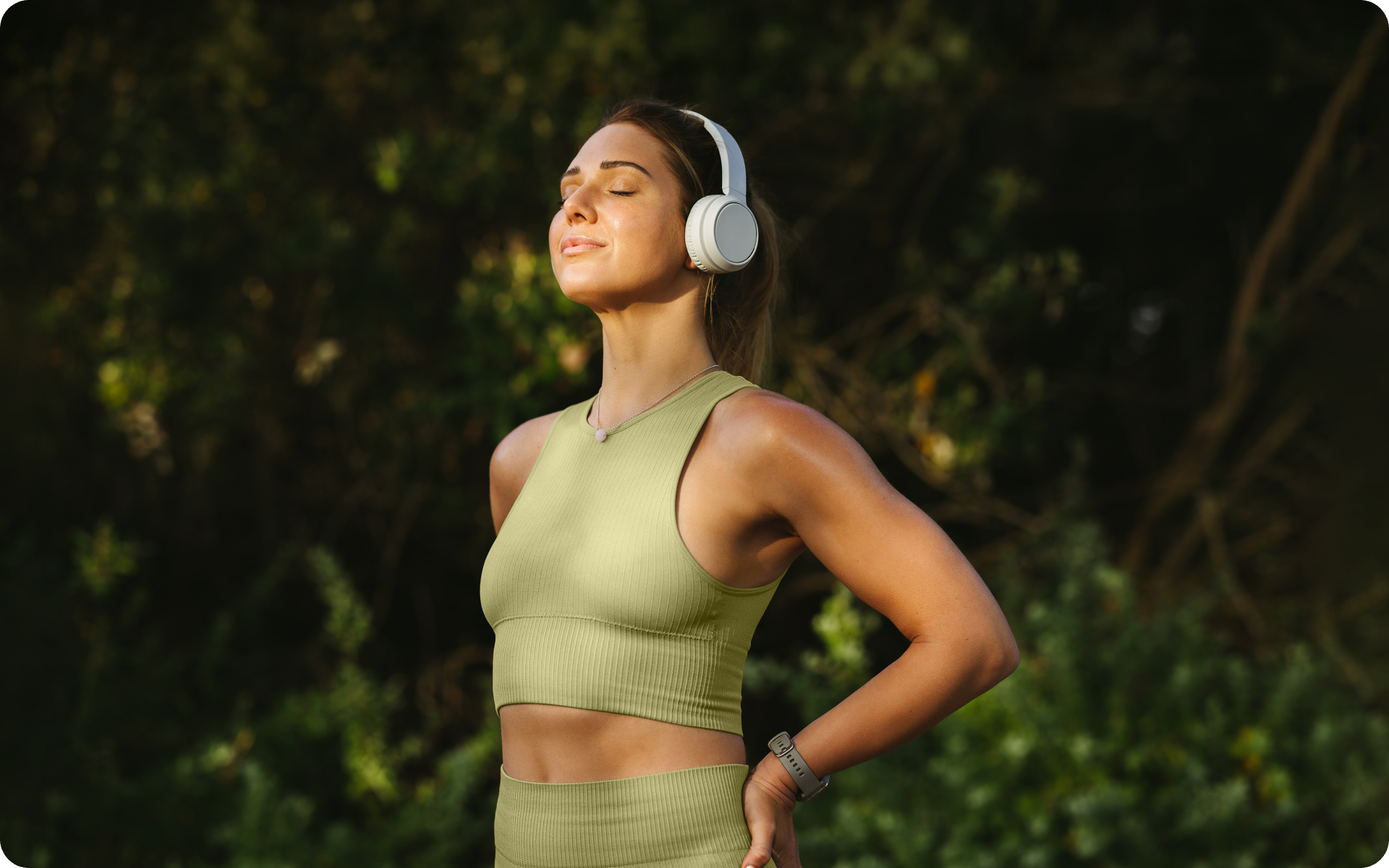
What Is the Somatic Approach to Weight Loss?
The somatic approach to weight loss focuses less on punishing or intense workouts and more on improving your relationship between your mind, body, and movement (1, 6).
Traditional fitness culture often emphasizes pushing harder, ignoring discomfort, and chasing rapid physical changes. Somatic exercises for weight loss take a different approach by encouraging you to slow down, notice sensations, and move in ways that feel supportive and sustainable.
This can be particularly helpful for people who:
- Feel disconnected from their bodies
- Feel ongoing stress or physical tension
- Struggle with workout consistency
- Feel intimidated by intense exercise routines
- Want a gentler way to become more active
- Feel worn out by intense workout routines
Another key part of the somatic approach is learning how your body moves and honoring its needs. Some people notice tension in areas like the shoulders, neck, and back during daily movement (7). Somatic exercises may help you notice these patterns, which can make movement feel more controlled and comfortable.
Somatic Pilates Workout for Weight Loss
A somatic workout for weight loss typically includes a variety of gentle, controlled movements that emphasize breath, muscle engagement, and body awareness (1). As there are many different routines to choose from, it’s helpful to explore and experiment until you find what feels most supportive for your body, mind, and energy levels.
Below are some Pilates-inspired somatic exercises for weight loss for beginners that you can mix and match depending on your comfort, goals, and experience level.
Pelvic Tilts (Core Awareness and Lower Belly Activation)
Pelvic tilts are a foundational somatic Pilates exercise that helps you connect with your deep core muscles while improving spinal awareness (8).
How it works:
- Lie on your back with your knees bent and your feet flat on the floor
- Inhale to prepare, then gently tilt your pelvis to flatten your lower back
- Exhale as you release and return to a neutral spine
- Repeat in a slow, controlled rhythm
This movement supports core engagement and helps build awareness in the lower abdominal region, which makes it a helpful option for those exploring somatic exercises for belly fat as part of a broader wellness routine.
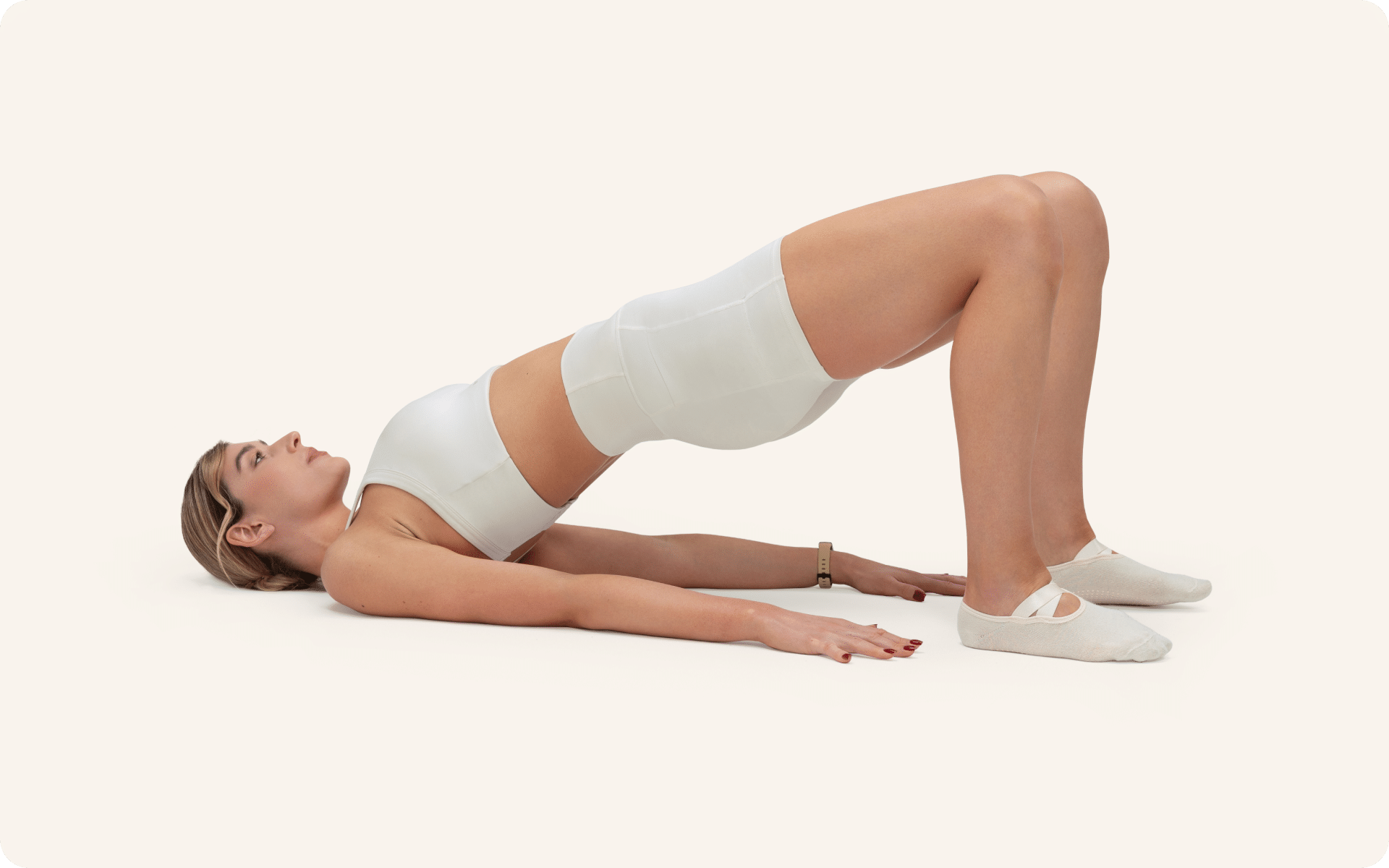
Slow Bridge Lifts (Glutes, Core, and Posture Support)
Bridge lifts combine strength and control while encouraging full-body awareness through the spine, hips, and breath (9).
How it works:
- Lie on your back with your knees bent and your feet hip-width apart
- Engage your core lightly
- Slowly lift your hips off the ground, one vertebra at a time
- Pause briefly at the top, then lower down with control
This exercise activates the glutes and core while also supporting posture and stability—key components of a balanced somatic Pilates practice.
Dead Bug with Breath Coordination (Deep Core Control)
The dead bug variation adds coordination and breath awareness, which makes it a powerful somatic movement for core stability and control (10).
How it works:
- Lie on your back with your arms extended toward the ceiling, your feet on the floor, and your knees bent at 90 degrees
- Slowly extend one arm and the opposite leg outward
- Exhale as you extend and inhale as you return to center
- Alternate sides in a slow, controlled rhythm
This exercise helps train deep core engagement while improving coordination and mindful movement patterns, which are central to somatic Pilates-based training.
Read more: Somatic Pilates Workout: A Gentle Approach to Body Awareness and Sustainable Movement
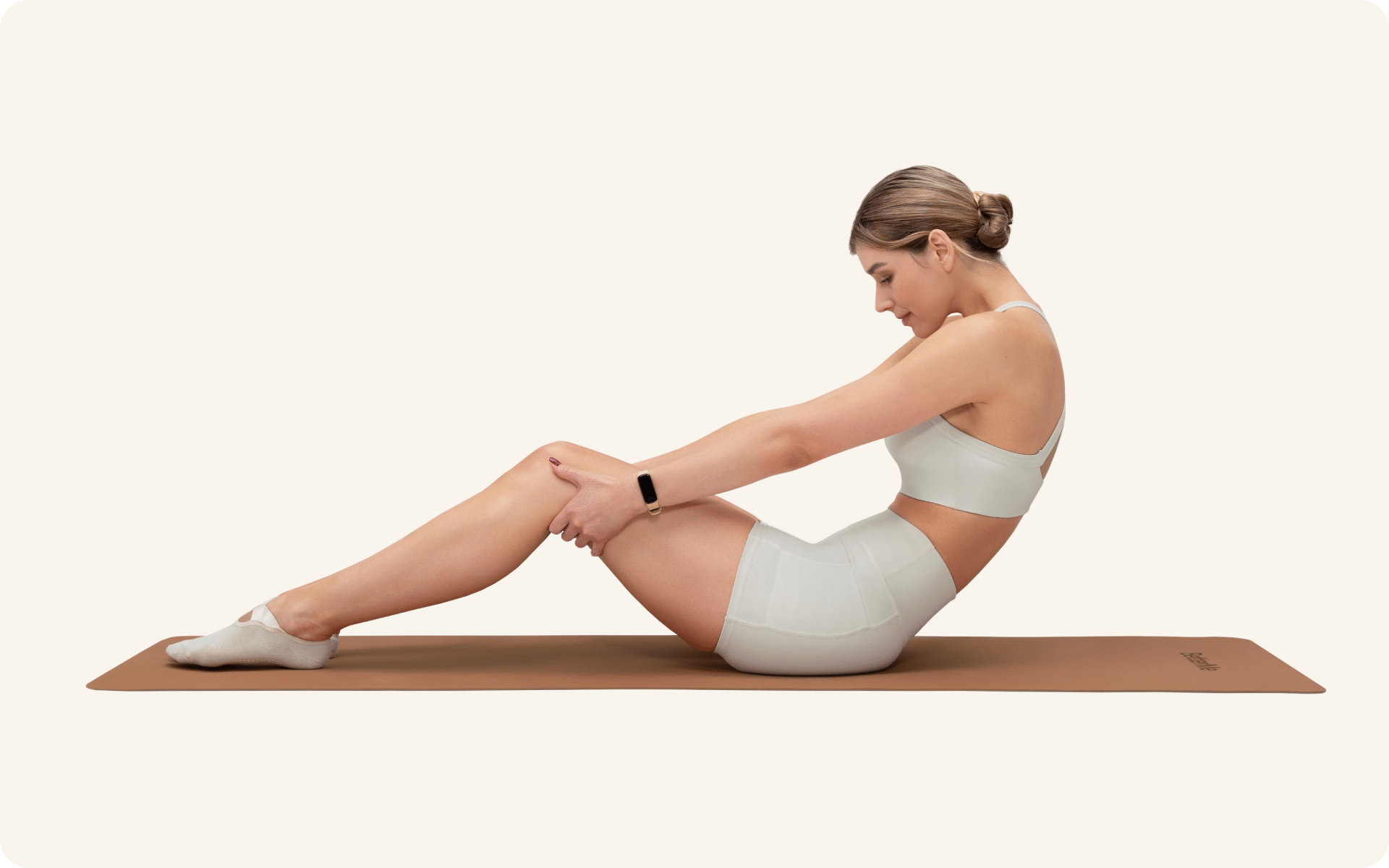
Seated Spine Roll-Down (Mobility and Body Awareness)
This gentle exercise focuses on spinal mobility and controlled release, helping you build awareness through the entire back body (11).
How it works:
- Sit tall with your knees bent and your feet on the floor
- Slowly round your spine forward, rolling down one segment at a time
- Pause at your lowest comfortable point
- Roll back up slowly, stacking each vertebra
This movement encourages relaxation, body awareness, and control, which makes it a calming addition to any somatic Pilates routine.
Practical Tips for Getting Started
Starting any new wellness practice on your own can feel overwhelming at first, particularly if you’re completely new to mind-body techniques, but it doesn’t have to be. To help you ease into things more comfortably, here are a few practical tips to keep in mind as you begin:
- Start with short, consistent sessions instead of longer, occasional ones to avoid burnout and help build a more sustainable habit.
- Focus on consistency over perfection, and give yourself grace on days when an exercise feels challenging or when you need to take a break.
- Wear comfortable clothing that allows you to move freely and without restriction, so your focus can stay on your body and movement.
- Pay close attention to your breathing as you move through each movement, using slow and deep inhales and exhales to support greater relaxation (12, 13).
- Use a yoga mat or any soft, supportive surface to make the exercise more comfortable and reduce strain on the body.
- Try pairing movement with existing daily habits, such as stretching after waking up or practicing a short routine when you brush your teeth, to help build consistency naturally (a technique that’s also known as “habit stacking” (14).
For more tips and resources to support your journey with somatic exercises, check out the BetterMe app.
Reasons why BetterMe is a safe bet: a wide range of calorie-blasting workouts, finger-licking recipes, 24/7 support, challenges that’ll keep you on your best game, and that just scratches the surface! Start using our app and watch the magic happen.
What Are the Results of Somatic Pilates?
The results of somatic Pilates can vary significantly from person to person, depending on your consistency, lifestyle habits, and overall goals. As this is a slow, mindful approach, the changes tend to be gradual and may show up in different ways for different people.
When it’s practiced consistently, the results may reflect some commonly discussed health benefits of Pilates, particularly in terms of improving movement efficiency (including core strength, balance, and coordination) and overall physical awareness (3, 15).
This can be particularly beneficial for those who are looking for sustainable avenues to weight loss—not a quick-fix transformation. While weight-related changes can happen, they usually develop slowly and are influenced by many factors beyond exercise alone.
Why Am I Not Losing Weight with Somatic Pilates?
If you’re not seeing weight loss results from somatic Pilates, this doesn’t necessarily mean that the practice isn’t effective. Weight loss is influenced by a wide range of factors, including nutrition, sleep, stress levels, daily activity, hormones, and consistency (16).
Somatic approaches are generally more low-impact than regular workout routines, which means that they may not burn as many calories in the moment, but don’t count them out just yet.
These exercises may still support body awareness, consistency, and overall movement habits, all of which are factors that may contribute to your goals over time in a more sustainable, lasting way.
Read more: What Are Somatic Yoga Techniques? A Guide to Mindful Movement
How Long Does It Take to See Results from Pilates?
The timeline for seeing results from Pilates also varies from person to person. Some people may notice improvements in posture, mobility, or body awareness after just a few weeks of practice, while others may take longer to see noticeable changes.
Importantly, weight loss isn’t something that happens overnight. What’s more helpful is to focus on remaining consistent, even on days when progress feels invisible or out of reach. Even short, regular sessions can lead to meaningful improvements over time, particularly when combined with other healthy habits such as good sleep and balanced nutrition (17).
So, rather than focusing on a strict timeline, it’s often more helpful to pay attention to the gradual changes in how your body moves, feels, and functions day to day.
Frequently Asked Questions
Can Pilates help get rid of belly fat?
Pilates (or any exercise) cannot target fat loss in one specific area of the body, including the stomach. This idea, which is often called “spot reduction”, is largely considered to be a myth. However, Pilates may help strengthen the core muscles and support overall activity levels as part of a broader weight management routine (18, 19).
Is yoga or Pilates better for losing weight?
Both yoga and Pilates are useful mind-body techniques that can support weight management, but in slightly different ways. While Pilates typically focuses on more muscle engagement and structured movements, yoga often emphasizes balance, relaxation, and flow of movement (20). In terms of weight loss, neither is necessarily “better” than the other. The most effective option is usually the one you can stay consistent with over time.
Is walking good for weight loss?
Yes, walking can support weight loss, particularly when it’s done consistently (21). It’s a low-impact form of exercise that helps increase daily movement and support overall well-being, which makes it a strong foundation for any sustainable fitness routine. Even moderate amounts of daily walking can contribute meaningfully to long-term weight management goals (22).
What exercise burns the most calories?
High-intensity exercises typically burn the most calories in the shortest amount of time (23). These can include activities such as running, HIIT workouts, swimming, or cycling. That being said, the “best” exercise is the one you can realistically stick with, and there’s no great benefit to engaging in more intense routines if you don’t like them (24). It’s always best to choose movement that you enjoy and that helps you achieve your overall goals.
What can you do about a hanging belly?
A “hanging belly” can be influenced by many factors, including genetics, weight changes, aging, pregnancy, and overall body composition (25). There’s no single exercise that can target or remove fat from one specific area of the body. A more realistic approach is focusing on overall lifestyle habits such as regular movement and balanced nutrition. For more personalized guidance, it’s best to consult your healthcare provider, who can take your individual situation into account.
The Bottom Line
Somatic Pilates for weight loss ultimately comes down to recognizing that it’s less about quick fixes and more about building sustainable movement habits over time. Rather than focusing only on the scale, somatic Pilates may help you create a more balanced approach to movement—one that prioritizes how you feel, how you move, and how consistently you can show up for your mind and body.
If you’re looking for more structured, beginner-friendly support for movement and wellness, the BetterMe app offers beginner-friendly movement and wellness resources you can explore at your own pace.
DISCLAIMER:
This article is intended for general informational purposes only and does not serve to address individual circumstances. It is not a substitute for professional advice or help and should not be relied on for making any kind of decision-making. Any action taken as a direct or indirect result of the information in this article is entirely at your own risk and is your sole responsibility.
BetterMe, its content staff, and its medical advisors accept no responsibility for inaccuracies, errors, misstatements, inconsistencies, or omissions and specifically disclaim any liability, loss or risk, personal, professional or otherwise, which may be incurred as a consequence, directly or indirectly, of the use and/or application of any content.
You should always seek the advice of your physician or other qualified health provider with any questions you may have regarding a medical condition or your specific situation. Never disregard professional medical advice or delay seeking it because of BetterMe content. If you suspect or think you may have a medical emergency, call your doctor.
SOURCES:
- Pilates, Mindfulness and Somatic Education (2013, nih.gov)
- Pilates for Overweight or Obesity: A Meta-Analysis (2021, nih.gov)
- The Impacts of Pilates and Yoga on Health-Promoting Behaviors and Subjective Health Status (2021, nih.gov)
- Impact of a stress management program on weight loss, mental health and lifestyle in adults with obesity: a randomized controlled trial (2018, nih.gov)
- Benefits of Pilates on Depression, Anxiety, and Stress: An Observational Study Comparing People Practicing Pilates to Non-Active Controls (2025, nih.gov)
- Mind-Body Solutions for Obesity (2010, nih.gov)
- Cluster Analysis of Subjective Shoulder Stiffness and Muscle Hardness: Associations with Central Sensitization-Related Symptoms (2023, nih.gov)
- Pelvic tilt exercise (n.d., mayoclinic.org)
- Bridge position (n.d., mayoclinic.org)
- Dead Bug Exercise: Step-by-Step Instructions (2024, healthline.com)
- Seated Roll Down Exercise Video (n.d., central-health.com)
- Breathing Practices for Stress and Anxiety Reduction: Conceptual Framework of Implementation Guidelines Based on a Systematic Review of the Published Literature (2023, nih.gov)
- Effects of Pilates combined with breathing exercise on lung function, body posture and postural stability among female college students: A randomized controlled trial (2025, nih.gov)
- Making health habitual: the psychology of ‘habit-formation’ and general practice (2012, nih.gov)
- Pilates: how does it work and who needs it? (2011, nih.gov)
- Beyond Calories: Individual Metabolic and Hormonal Adaptations Driving Variability in Weight Management—A State-of-the-Art Narrative Review (2024, nih.gov)
- ‘Small Changes’ to Diet and Physical Activity Behaviors for Weight Management (2013, nih.gov)
- Pilates to Improve Core Muscle Activation in Chronic Low Back Pain: A Systematic Review (2023, pmc.ncbi.nlm.nih.gov)
- Pilates for Overweight or Obesity: A Meta-Analysis (2021, frontiersin.org)
- Exploring the therapeutic effects of yoga and its ability to increase quality of life (2011, nih.gov)
- Dose-response effect of walking exercise on weight loss. How much is enough? (2002, nih.gov)
- Moderate Walking Enhances the Effects of an Energy-Restricted Diet on Fat Mass Loss and Serum Insulin in Overweight and Obese Adults in a 12-Week Randomized Controlled Trial (2017, sciencedirect.com)
- Effectiveness of high-intensity interval training for weight loss in adults with obesity: a randomised controlled non-inferiority trial (2021, nih.gov)
- High-intensity interval training is not superior to continuous aerobic training in reducing body fat: A systematic review and meta-analysis of randomized clinical trials (2023, sciencedirect.com)
- Pannus stomach (apron belly): Causes and tips for reducing it (2023, medicalnewstoday.com)
 Reviewed by
 By
By 
 By
By 
 Reviewed by
 Reviewed by