
If your goal is to build muscle, then don’t focus solely on lifting heavier weights. Building muscle also means working on what you eat, how much you eat, and how consistently you support recovery. All of these aspects are key pillars for muscle building.
A structured 7-day meal plan can help you remove the guesswork, helping you plan meals around calorie and protein targets that may support muscle gain, which helps support training energy and post-workout nutrition needs. A high-protein meal plan for muscle gain can also make it easier to spread protein across the day instead of relying on one large meal.
Let’s dive into this guide where we’ll break down key points men may want to know about eating for muscle growth, followed by a practical 7-day meal plan and key nutrition strategies.
This guide is for general educational purposes only and isn’t personalized nutrition or medical advice. Calorie and protein needs vary by body size, training level, health status, and goals. If you have specific dietary needs, health concerns, or medical conditions, consider speaking with a qualified healthcare or nutrition professional before making major changes to your diet.
What Should Men Eat to Gain Muscle?
For muscle gain, many men focus on nutrient-dense, high-protein whole foods combined with an adequate carb and healthy fat intake. All macronutrients play a key role in muscle growth, which requires the building blocks (protein) and enough energy to perform resistance training and synthesize protein (carbs and fats) (1).
A balanced muscle-building diet should include:
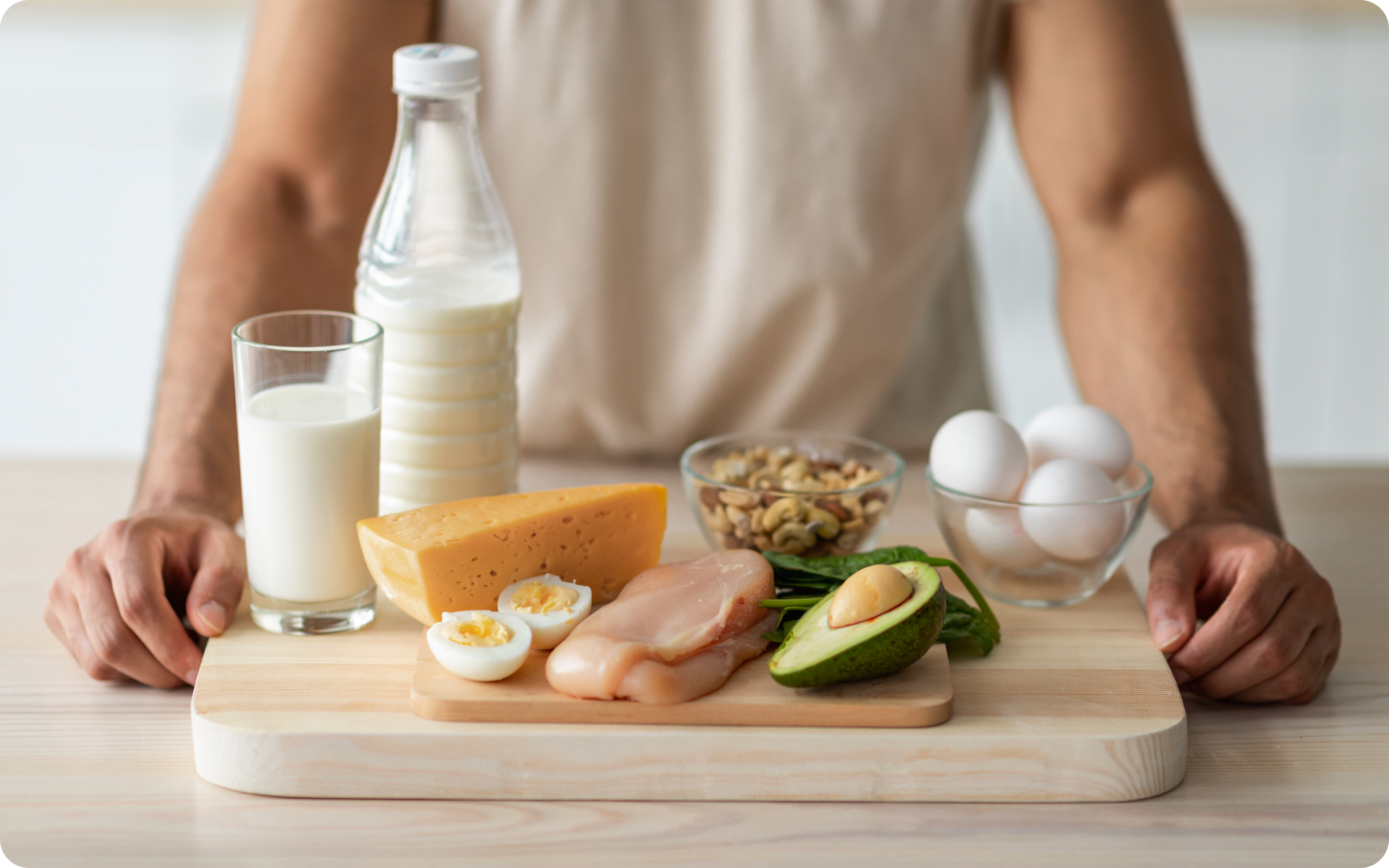
- Lean protein sources (2)
- Chicken breast, turkey, and lean cuts of beef and pork
- Eggs and egg whites
- Fish such as salmon, tuna, and cod
- High-protein dairy options such as Greek yogurt and cottage cheese
- Protein-rich plant options such as beans, lentils, tofu, and tempeh
- Complex carbohydrates (3)
- Whole grains, including brown rice, quinoa, barley, and oats
- Whole-grain bread and pasta
- Starchy vegetables such as sweet potatoes, corn, and potatoes
- All kinds of fruits and vegetables for added fiber, vitamins, and minerals
- Healthy fats (4)
- Avocados
- Nuts and seeds
- Olive oil
- Fatty fish (salmon, mackerel)
Muscle gain diets aren’t just about eating “clean” perfectly, they’re about consistency: eating enough calories and hitting protein targets daily.
What matters most is how your overall weekly intake looks, rather than individual meals being flawless. If you consistently stay in a slight calorie surplus and meet your protein goal, your body will have more of the nutrition support commonly used alongside resistance training.
This means that there’s room for flexibility—occasional treats or less “perfect” food choices won’t ruin progress as long as your foundation is solid. In fact, it’s more common to struggle with overly restrictive “clean eating” approaches that often backfire because they’re hard to sustain, leading to missed calories, inconsistent protein intake, or eventual burnout.
By prioritizing nutrient-dense whole foods most of the time, while allowing enough variety to make the diet enjoyable and sustainable over months of training, this can be a practical starting point.

How Many Calories Do Men Need for Muscle Gain?
To build muscle, you need to ensure a slight calorie surplus. This is an essential aspect to provide your body with some extra calories (more calories than your body burns during the day, including basic metabolic needs and exercise), so those “leftovers” can be used for protein synthesis, aka muscle building.
A common general starting point is a small surplus, often around 250-500 calories, although individual needs vary.
A 250-calorie surplus tends to support slower, leaner muscle gain, while a 500-calorie surplus could help produce faster weight gain but may lead to more fat gain in addition to muscle (5).
The key is consistency.
Whether you’re looking to simply pep up your fitness routine, jazz up your diet with mouth-watering low-calorie recipes or want to get your act together and significantly drop that number on your scale – BetterMe Well-Being Coach app has got you covered! Improve your body and revamp your life!
How Much Protein Should Men Eat to Build Muscle?
Protein plays an important role in muscle repair and growth. Together with protein, carbs and fats are also essential. Carbs and protein contain 4 calories per gram, while fats contain 9 calories per gram.
General nutrition guidance often uses the following macronutrient ranges (6):
- 45-65% of your calories from carbs
- 10-35% of your calories from protein (usually calculated as a target in grams per day based on body weight)
- 20-35% of your calories from fat
For example, if you need to eat 3000 calories per day to ensure that calorie surplus to help with muscle building, your diet would contain:
- 338 to 488 grams of carbs
- 75 to 263 grams of protein (or 1.6-2.2 grams of protein per kilogram of body weight)
- 67-117 grams of fat
It’s usually helpful to establish your protein target first, and then fill in carbs and fat within the acceptable ranges to meet your overall calorie needs.
What Are Some Good Foods for a Muscle-Gain Meal Plan?
A well-balanced and organized meal plan for successful muscle gain should include foods that are calorie-dense, but also nutrient-rich.
As we mentioned, protein is essential, and the best options are:
- Chicken breast or turkey breast
- Lean ground beef (90-95%) or lean cuts of beef and pork
- Eggs
- Salmon, tuna, and other seafood
- Greek yogurt and cottage cheese
- Whey protein (optional)
- Tofu, tempeh, lentils, beans
When it comes to carbs, choose:
- Oats
- Brown rice
- Quinoa
- Whole-grain pasta and bread
- All kinds of fruits and vegetables
We shouldn’t forget about fats either, choosing quality unsaturated options such as:
- Olive oil
- Avocado
- Nuts and seeds (also rich in protein and fiber)
What Is a Simple 7-Day Meal Plan for Muscle Gain?
Let’s jump to the practical stuff now. Here’s a practical, repeatable, 7-day meal plan for muscle gain for beginners that’s organized around common muscle-gain nutrition principles. Each day includes breakfast, lunch, dinner, and snacks. Portions should be adjusted based on calorie needs.
Day 1
Breakfast:
Oatmeal with whey protein or Greek yogurt, banana, and peanut butter
Lunch:
Chicken breast, brown rice, broccoli, olive oil, and some sesame seeds
Snack:
Greek yogurt with berries, walnuts, and honey
Dinner:
Salmon, sweet potato, and asparagus
Day 2
Breakfast:
Eggs (3-4 whole), whole-wheat toast, and avocado
Lunch:
Turkey sandwich on whole-grain bread with plenty of vegetables
Snack:
Protein shake and a banana
Dinner:
Lean beef stir-fry with rice, vegetables, and peanuts
Read more: 5-Day Mediterranean Diet Meal Plan: A Complete Guide with Meals, Snacks, and Tips
Day 3
Breakfast:
Protein pancakes with oats, eggs, and berries
Lunch:
Chicken quinoa bowl with vegetables
Snack:
Cottage cheese with fruit
Dinner:
Grilled salmon, quinoa, and spinach
Day 4
Breakfast:
Oatmeal with whey protein or Greek yogurt, blueberries, and almonds
Lunch:
Ground beef patty with sweet potatoes and green beans
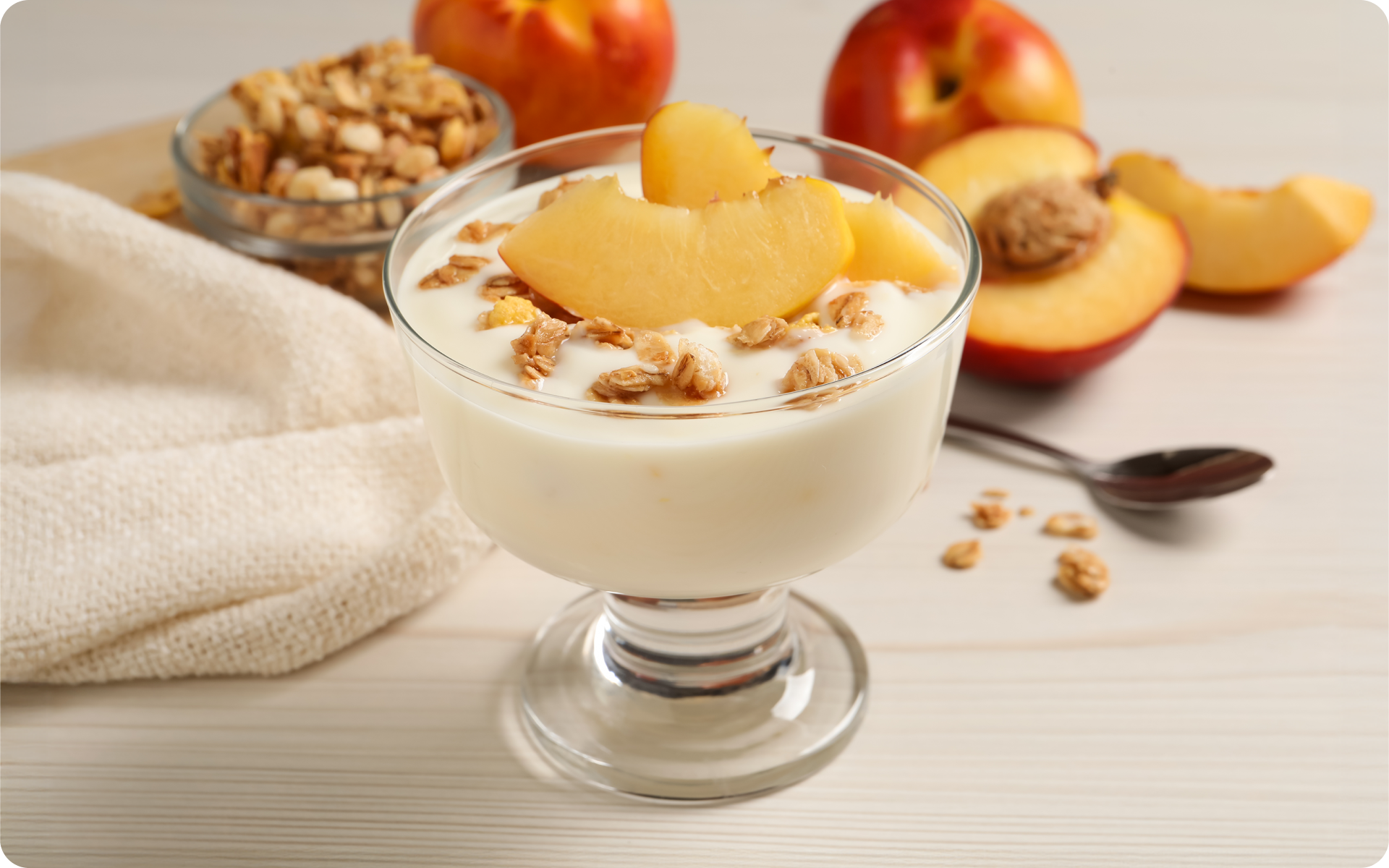
Snack:
Greek yogurt with granola and peach
Dinner:
Chicken pasta with olive oil and vegetables
Day 5
Breakfast:
Egg scramble with spinach and toast
Lunch:
Tuna rice bowl with avocado and seeds
Snack:
Protein shake with an apple
Dinner:
Turkey chili with beans and rice
Day 6
Breakfast:
Egg muffins with cottage cheese and spinach
Lunch:
Chicken wrap with a whole-wheat tortilla and plenty of vegetables
Snack:
Hummus and baby carrots
Dinner:
Grilled steak with sweet potato and broccoli
Day 7
Breakfast:
Chia pudding with Greek yogurt, peanut butter, and strawberries
Lunch:
Salmon bowl with rice and vegetables
Snack:
Greek yogurt with honey and pear
Dinner:
Chicken stir-fry with noodles and vegetables
This 7-day structure can be repeated weekly with small variations for long-term results.
What Should Men Eat Before and After a Workout?
Pre- and post-workout meals may affect how energized you feel and how well your meals support training. Before training, the goal is usually to fuel the body with easily digestible carbs and a bit of protein for sustained energy (7).
After workouts, protein becomes key for muscle repair, often paired with carbs to replenish energy stores and support recovery, and some healthy fat to create a balanced meal. The exact timing and choices depend on your workout intensity, goals, and individual digestion. Let’s see some examples to help you find what can work for you.

Pre-Workout Nutrition (1-2 hours before training)
Goal: Energy and performance
Oats: ½-1 cup dry oats cooked in water or milk + 1 banana
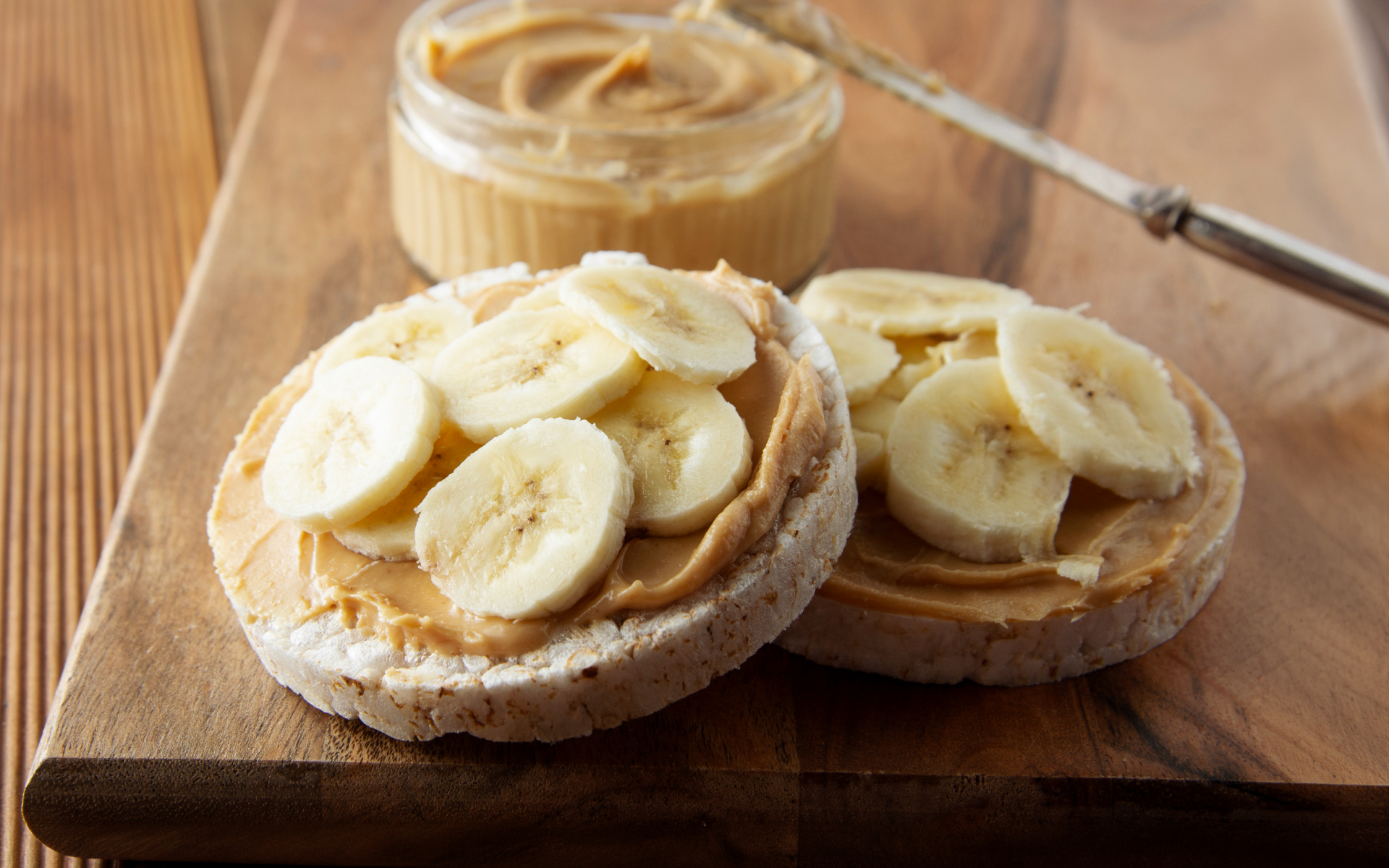
Toast with peanut butter: 2 slices whole-grain toast + 1-2 tbsp peanut butter + 1 tsp honey
Yogurt bowl: ¾-1 cup Greek yogurt + ½-1 cup mixed fruit + optional 1 tbsp honey or granola
Post-Workout Nutrition (within 1-2 hours after training)
Goal: Protein and carbs after training
Whey protein shake: 1 scoop whey protein + 250-350 ml water or milk + 1 banana
Chicken rice bowl: 120-180 g chicken breast + 1-1.5 cups cooked rice + vegetables + tahini or olive oil
Eggs and toast: 2-3 whole eggs + 2 slices whole-grain toast + avocado or butter to spread
Greek yogurt bowl: 1 cup Greek yogurt + 1 cup fruit + optional 1-2 tbsp granola or nuts
Whether you’re a workout beast or just a beginner making your first foray into the world of fitness and dieting – BetterMe has a lot to offer to both newbies and experts! Install the app and experience the versatility first-hand!
How Can Men Meal Prep for Muscle Gain?
Meal prepping can make it easier to stay consistent, helping you plan for adequate protein and energy intake, which makes muscle gain far easier by ensuring consistency.
Let’s dive into some simple steps for a meal prep strategy.
1. Choose 2-3 Proteins
Choose 2-3 proteins of your choice, cook them (grill, roast, saute), and store them in the fridge. Foods such as grilled chicken breast, sauteed lean ground beef, or even hard-boiled eggs are great choices.
2. Cook Carbs in Bulk
Having already cooked grains will make meal time much more efficient. Go for rice, quinoa, barley, or similar.
3. Add Vegetables
Roast a batch of root vegetables, wash leafy greens and tomatoes, grate a bunch of carrots, and keep them handy for salads/vegetable sides.
4. Keep Healthy Fats Available
Choose olive oil, avocados, or even nuts and seeds for healthy fats with an additional boost of protein and fiber.
5. Assemble Meals
Combine foods from each group to build balanced meals that include protein, carbs, and healthy fats in every serving. Once prepared, portion your meals into airtight containers (lunch/dinner boxes) for easy storage, grab-and-go convenience, and consistent nutrition throughout the week.
Read more: The Mediterranean Diet Weekly Meal Plan That Actually Fits Real Life
What Mistakes Should Men Avoid When Eating for Muscle Gain?
Many people fail to build muscle not because they don’t eat enough, but because they don’t eat well enough.
Some of the most common mistakes include:
- Not eating enough calories: Building muscle is usually harder in a long-term calorie deficit.
- Too little protein: Too little protein may make it harder to support muscle growth.
- Overeating junk food: A calorie surplus should be quality-based, not ultra-processed food-heavy. Prioritize nutrient-dense foods.
- Inconsistent eating schedule: Skipping meals may lead to a reduced total daily intake.
- Ignoring carbs: Carbs fuel training performance and recovery.
- Not tracking progress: Without monitoring weight and strength, adjustments can’t be made.
- Expecting fast results: Muscle gain is gradual—according to general guidance, a typical gain of 0.25-0.5 kg per week for lean gains. So be patient and consistent to reach your goals

Frequently Asked Questions
Can men gain muscle with a 7-day meal plan?
While a 7-day meal plan can help you build habits and ensure nutritional balance, it’s just the starting point. Muscle gain is a long game, and it relies on consistent weekly and monthly adherence, not just a single week.
Do men need a calorie surplus to gain muscle?
In most cases, the answer is yes. For most people, a calorie surplus is an essential component for optimal muscle growth as the body needs extra energy to build new muscle tissue, aka protein. However, beginners or people who are newer to resistance training may sometimes see body composition changes without a large calorie surplus.
Can men gain muscle without supplements?
Usually, yes. Supplements are optional for many people. Ensuring a balanced meal plan based on nutrient-dense foods will give you many of the nutrients that are commonly used to support muscle-building goals. As long as the calories and protein are enough, you’ll be on the right track with no need for supplements.
Are eggs good for muscle gain?
Eggs are among the best muscle-building foods as they provide high-quality protein, fats, essential vitamins (B12, D, choline), and minerals, all of which provide protein, fats, and micronutrients that can fit into a balanced muscle-gain diet.
What snacks are good for muscle gain?
Some of the best muscle-building snacks are Greek yogurt with fruit, protein shakes (watch for those with little to no added sugars), nuts, fruits with nut butter, hummus or cottage cheese with vegetable sticks, and boiled eggs.
The Bottom Line
Following a 7-day meal plan for muscle gain isn’t about perfection, it’s about creating structure, building consistency, and forming habits that will help you with the long-term results.
If you consistently eat enough calories, hit your protein targets, and follow a solid training program, muscle gain may become easier to track and adjust over time. For training, pairing this nutrition framework with a 3-day workout plan for muscle gain can help you organize strength sessions while leaving enough time for recovery.
The real goal isn’t just one good week, it’s turning this into a sustainable eating pattern that supports your training in the long term. While this is a sample 7-day meal plan guide, what you have here is the framework for making better nutritional choices. This will support training performance, supporting post-workout nutrition needs and maintaining progress over time.
This isn’t a short-term challenge, but the foundation of a sustainable eating system that will fuel your body every day. Patience, consistency, and ongoing adjustments are also essential aspects to keep in mind, as there’s no one-size-fits-all solution.
DISCLAIMER:
This article is intended for general informational purposes only and does not serve to address individual circumstances. It is not a substitute for professional advice or help and should not be relied on for making any kind of decision-making. Any action taken as a direct or indirect result of the information in this article is entirely at your own risk and is your sole responsibility.
BetterMe, its content staff, and its medical advisors accept no responsibility for inaccuracies, errors, misstatements, inconsistencies, or omissions and specifically disclaim any liability, loss or risk, personal, professional or otherwise, which may be incurred as a consequence, directly or indirectly, of the use and/or application of any content.
You should always seek the advice of your physician or other qualified health provider with any questions you may have regarding a medical condition or your specific situation. Never disregard professional medical advice or delay seeking it because of BetterMe content. If you suspect or think you may have a medical emergency, call your doctor.
SOURCES:
- Macronutrient Considerations for the Sport of Bodybuilding (2012, springer.com)
- Systematic review and meta‐analysis of protein intake to support muscle mass and function in healthy adults (2022, ncbi.nlm.nih.gov)
- The Effect of Carbohydrate Intake on Strength and Resistance Training Performance: A Systematic Review (2022, ncbi.nlm.nih.gov)
- Association of dietary fat intake with skeletal muscle mass and muscle strength in adults aged 20–59: NHANES 2011–2014 (2024, ncbi.nlm.nih.gov)
- Nutrition Recommendations for Bodybuilders in the Off-Season: A Narrative Review (2019, ncbi.nlm.nih.gov)
- Evidence-based recommendations for natural bodybuilding contest preparation: nutrition and supplementation (2014, ncbi.nlm.nih.gov)
- Food as Fuel Before, During, and After Workouts (n.d, heart.org)

 By
By