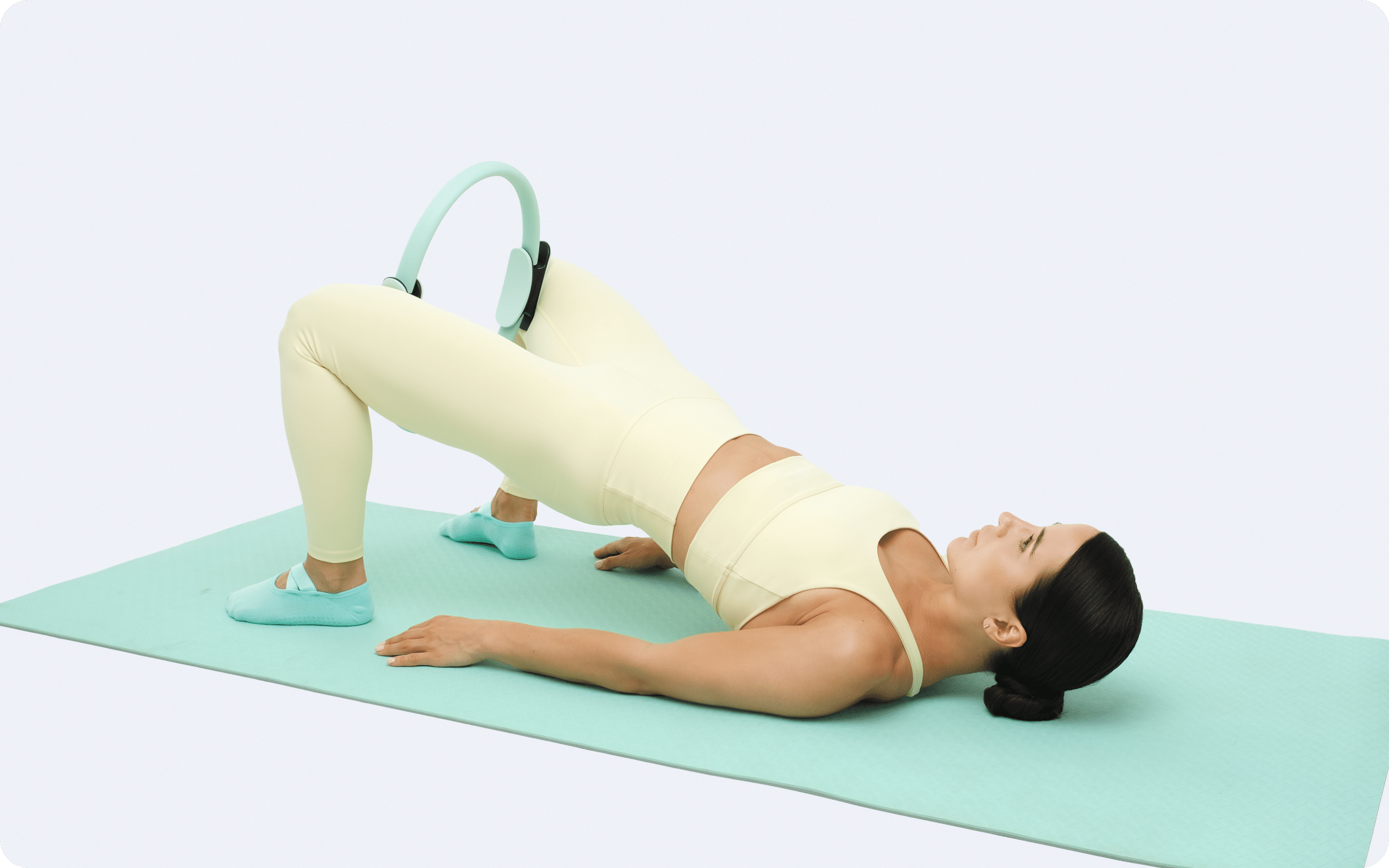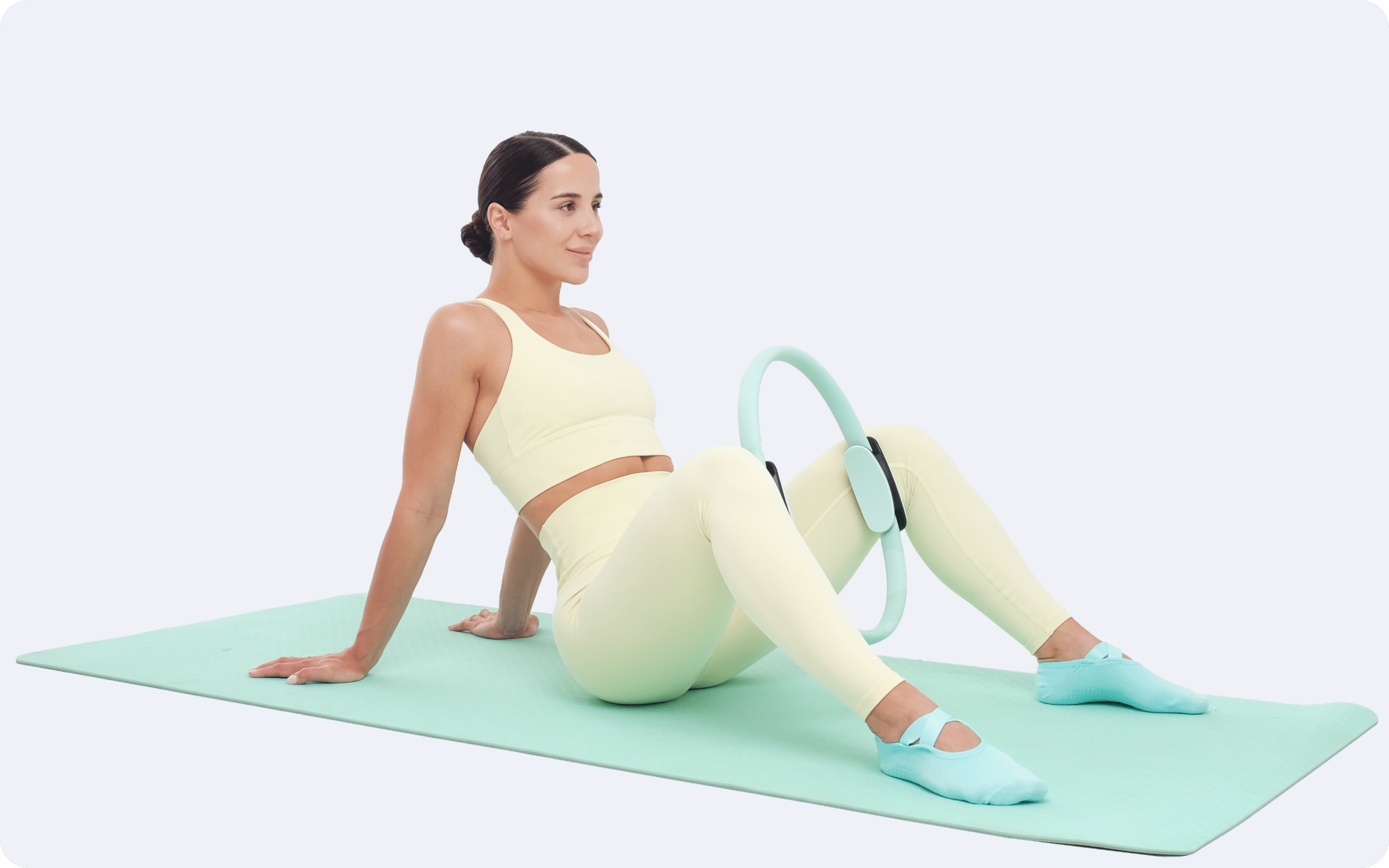
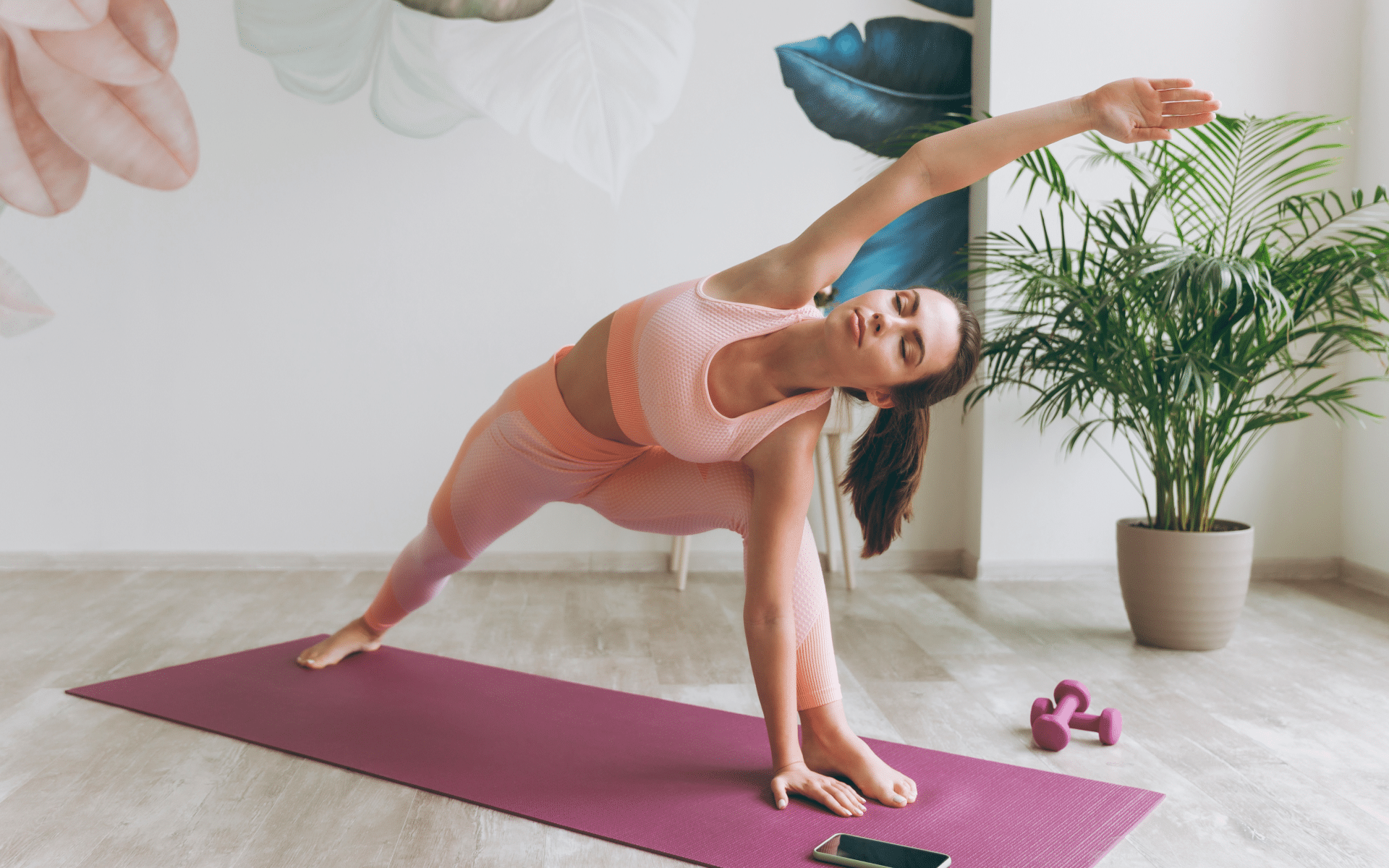
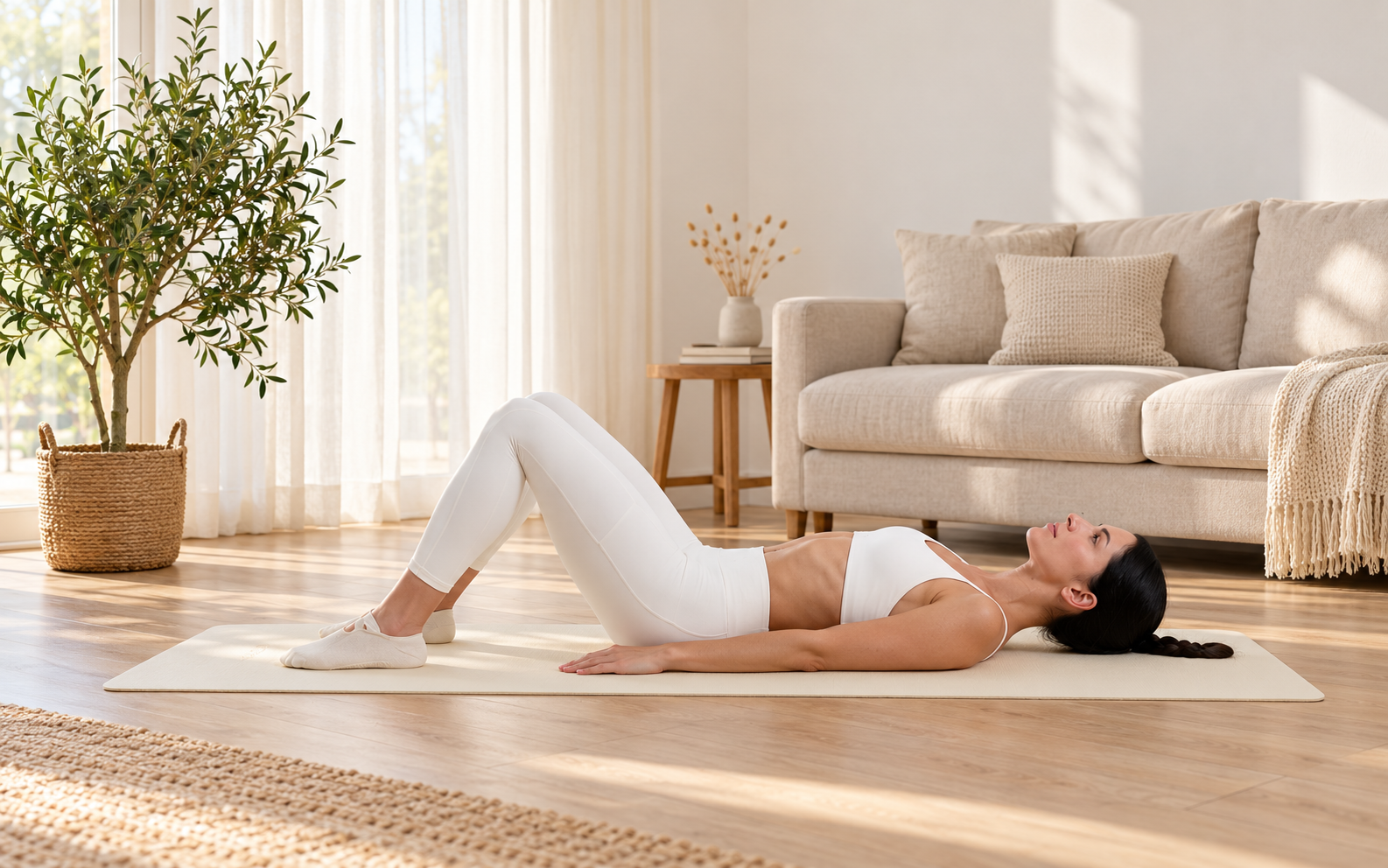
Getting started with Pilates is possible, regardless of your current fitness level. This accessibility makes it a very popular choice for a wide range of people. In addition, Pilates is a low-impact mode of exercise, which allows it to be performed by people of all ages and carries a much lower risk of injury than many higher-impact activities.
Participating in Pilates offers a variety of health benefits without the need for intense sweating and heavy breathing. These advantages are not mere enticements, they’re supported by various studies that demonstrate its positive impact on posture, flexibility, and strength.
It’s important to recognize that although Pilates is considered a gentler form of exercise, it may still require the guidance of a certified instructor, particularly for beginners. This may include one-on-one or small group sessions. Pilates emphasizes the importance of proper form, alignment, and breath control throughout each workout, which an instructor will be trained to recognize and help with.
However, in-person sessions may not be realistic for many people due to cost, time, transportation requirements, availability, or numerous other factors. The good news is that those without previous experience can still enjoy very similar benefits right from the comfort of their own home.
Pilates has become a popular and trendy practice in recent years, capturing the hearts of many people worldwide. But what exactly contributes to its growing popularity? What are the specific benefits of Pilates? Is it effective for weight loss?
In this article, we’ll answer all of these questions and more!
What Does Pilates Do to Your Body?
Is Pilates worth it? Most people who’ve consistently practiced it would agree that it is! There is a wide selection of evidence that proves its positive impact on overall health.
You may just be starting out and practicing Pilates Stretches or moving forward to advanced exercises. Regardless of where you are on your Pilates journey, there’s always an exciting new challenge waiting right around the corner.
Pilates requires concentration and focus as you move your body through precise ranges of motion. You should concentrate on finding a center point to control your body through each movement. Each exercise has a specific placement, rhythm, and breathing pattern (7).
What does Pilates do for your body? Here are 10 benefits of Pilates:
-
Improved posture
-
Lower blood pressure
-
Improved body strength and flexibility
-
Relieved lower-back pain
-
Enhanced balance
-
Better sex life
-
Stronger bones
-
Happier mood
-
Better sleep
-
Increased motivation
If you tend to let yourself off the hook, raise the white flag when things get tougher than you expected, send yourself on an unconscious binge-eating trip – BetterMe app is here to help you leave all of these sabotaging habits in the past!
Improved posture
Proper posture is about more than just displaying a confident strut in front of others. It also plays a crucial role in influencing muscle health, and can contribute to alleviating headaches, in addition to decreasing shoulder and back pain. Chronic slouching is a direct ticket to lower-back pain, a common issue among those who live sedentary lifestyles or have occupations that involve prolonged desk work.
Pilates has been validated as an effective method for improving postural control (5). This can be attributed to its holistic approach to body alignment, which heightens awareness of your posture and fortifies the often-neglected muscles responsible for maintaining it.
Lower blood pressure
Interestingly, mat Pilates is linked to lower blood pressure (6). Regulated blood pressure is more important than you might imagine. High blood pressure (hypertension) forces your heart to work harder than is necessary to circulate blood throughout your body. Over time, hypertension can harm your essential organs such as the kidneys, eyes, brain, and heart.
A well-programmed exercise plan, such as a mat Pilates program, is just one factor that can contribute to regulating blood pressure. If you have hypertension, prehypertension, or aren’t sure about your blood pressure levels, consult your doctor about the best steps for you based on your individual situation.

Improved body strength and flexibility
One study highlights the positive impact of Pilates practice on body strength and flexibility in breast cancer survivors (4). According to the study, mat Pilates performed three times per week was effective for improving hip extensor/flexor muscles’ peak torque and upper- and lower-body flexibility.
Relieved lower-back pain
Of the many benefits of Pilates, one significant advantage is its application to alleviating lower-back pain, which is increasingly prevalent today. Many individuals engage in sedentary desk jobs that involve prolonged periods of sitting. This sedentary behavior, coupled with a prolonged flexed spine and a forward head/shoulder posture, almost invariably leads to back pain. Therefore, it’s important to incorporate regular movement into your day, taking breaks from sitting to stretch and walk around.
Integrating Pilates into your weekly routine can significantly reduce the likelihood of experiencing lower-back pain. Studies have indicated that regular Pilates practice is an effective strategy for addressing and potentially eliminating lower back discomfort (8).
Enhanced balance
As we age, balance becomes even more important and necessary for everyday activities that involve coordination, such as walking, twisting, or reaching up.
Pilates improves balance through core strengthening and due to its focus on alignment and whole-body control and stability (12).
Better sex life
As admired as it is by many, sex squeezes a lot of energy from you, requiring mobility, endurance, strength, and flexibility. Pilates can improve all of these facets to give your sex life a boost.
Pilates is also an effective tool for improving pelvic floor strength, which is associated with enhanced sexual pleasure (3).
Read more: Wall Pilates for Butt: A Quick Guide for Beginners
Stronger bones
We all understand how detrimental the constant “sitting lifestyle” is to our health and bone density. Strong bone density prevents osteoporosis, which can affect people of any age.
One study has shown Pilates to be an effective strategy for increasing quality of life, relieving pain, and increasing bone density (10).
Happier mood
It’s widely known that exercise in any form triggers the release of endorphins, the body’s natural mood elevator. A particular study focusing on Pilates highlighted its mood-enhancing properties and revealed that young adults who engaged in the practice saw notable decreases in anxiety, fatigue, and symptoms of depression (1).
If you’ve been feeling down and this is affecting your productivity, incorporating Pilates into your routine could be a transformative step toward a more positive outlook. Of course, this is just one tool to help get your mental health on the right path. If you’re suffering from depression, anxiety, or any other mental health condition, consult your doctor or behavioral health provider.
Better sleep
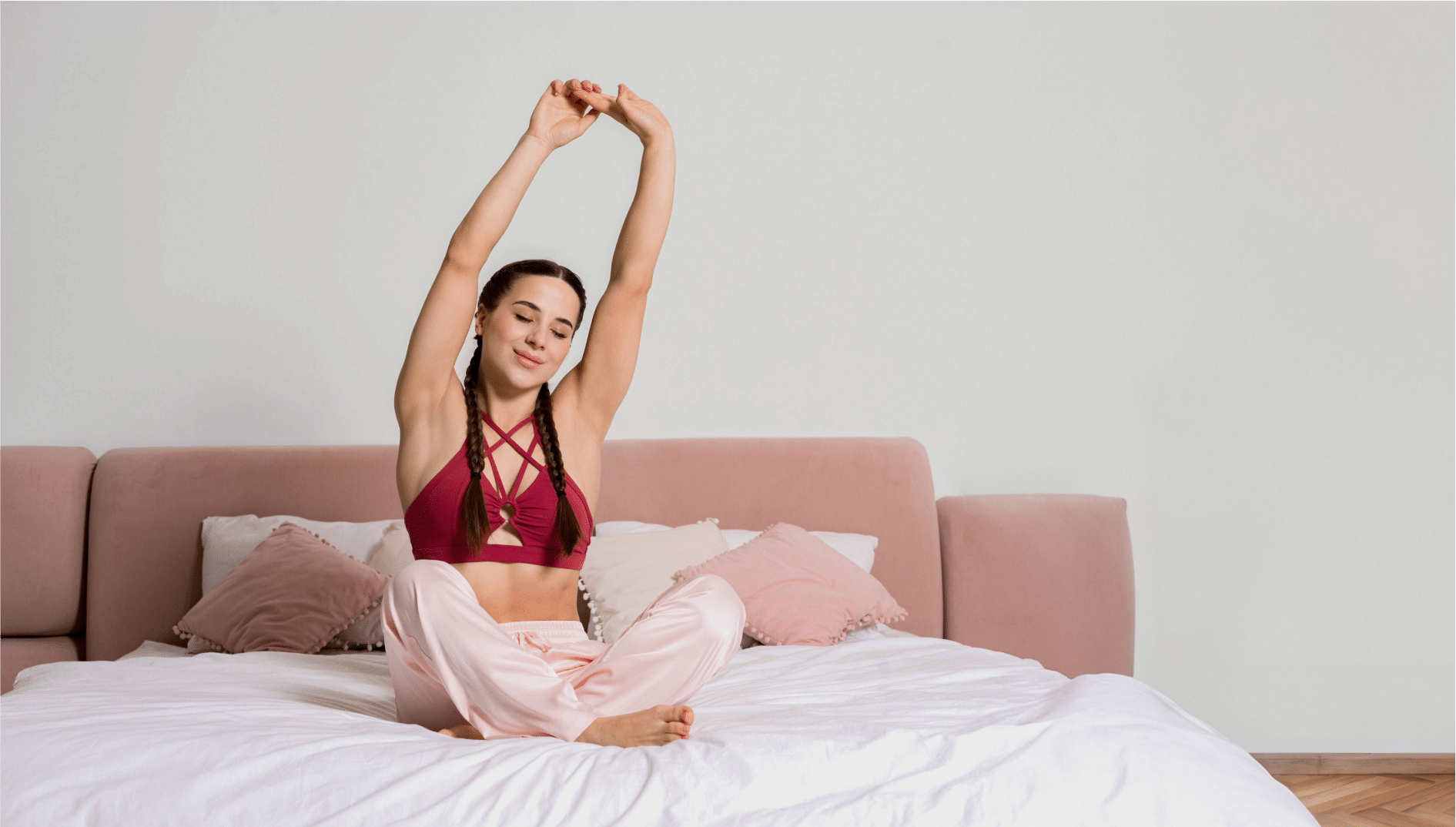
One study found that postpartum women started sleeping better when they added Pilates to their weekly routines (11). Sleep is highly important for your brain functioning, concentration, memory, and weight. Poor sleep quality may be linked to higher body mass index and weight gain.
Increased motivation
People take inspiration from many different sources, whether it’s inspirational quotes, videos, speeches, books, or by reflecting on their own successes. Finding success in your Pilates practice can certainly be one of those successes that motivates you as you become healthier. One study found Pilates to be effective in improving motivation in a student population (2).
Can Pilates Change Your Body Shape?
The extent of change depends on your personal goals and practice. Pilates can refine your physique through toning and a focus on body alignment
The efficacy of Pilates in encouraging better postural awareness throughout the day is well-established. Although there is no such thing as “perfect posture”, Pilates helps you become aware of your body alignment and positioning throughout the day and encourages a change in postures that cause pain when held for long durations. Improving your postural awareness can lead to a transformation in appearance, characterized by an upright, confident portrayal of yourself to others. This will improve your self-perception, reduce the risk of overuse-related pain caused by prolonged postures, and open up your lung capacity for easier airflow.
Pilates is an excellent method for achieving a more defined and toned figure, thanks to its array of full-body exercises. It’s noteworthy to mention Pilates’ role in ‘body recomposition’- a process where strength and muscle tissue are built, which potentially leads to an increase in lean muscle mass. Higher muscle mass results in a higher basal metabolic rate, which means you’ll burn more calories at rest compared to those with a lower lean body mass. There are many other factors that affect your basal metabolic rate and muscle mass is just one contributing factor.
With that being said, it would be misleading to imply that Pilates is the ultimate tool for body transformation. It’s just one piece of a much larger puzzle that can help get you where you want to be. This leads us to our next most asked question – Can You Lose Weight with Pilates?
BetterMe app is a foolproof way to go from zero to a weight loss hero in a safe and sustainable way! What are you waiting for? Start transforming your body now!
Is Pilates a Good Way to Lose Weight?
Pilates can be an effective component of a weight loss strategy. A 2021 study indicated that Pilates could effectively contribute to decreased body weight and body fat percentage, particularly in individuals who are overweight or obese. The study noted that the duration of Pilates practice was directly correlated with the extent of weight loss (9).
Pilates is particularly suitable for those who are overweight or obese due the low impact it has on the joints. The muscle-strengthening techniques that are used in Pilates, which involve a strong emphasis on the core and a mind-body connection, are excellent for building muscle and reducing fat.
However, Pilates should not be your sole strategy for weight loss. It should be considered a valuable supplement to a comprehensive weight management plan. Achieving tangible weight loss involves a multifaceted approach, including:
-
A nutritious, high-protein diet
-
Resistance training and aerobic activity;
-
Enough sleep and drinking sufficient water
-
Reducing your stress levels
-
Swapping sugary beverages for water
-
Consuming more fruits and vegetables
-
Cutting down on food that is high in sugar and fat
-
Engaging in at least 150 minutes of moderate-intensity exercise per week (13)
While Pilates contributes to weight loss, the process is gradual. Incorporating the above elements can accelerate your journey toward your weight loss goals.
Remember to be kind to yourself. Avoid setting unrealistic expectations for rapid changes. Adhering to a balanced diet, ensuring you get proper sleep, staying hydrated, and maintaining an active lifestyle are all essential. Patience is the key and it’s important not to lose motivation if your progress appears slow.
For personalized advice, consult your healthcare provider about the best dietary choices for your weight loss plan. Schedule regular Pilates sessions, complemented by strength training and other forms of aerobic and anaerobic activity, and steer clear of habits that could hinder your progress.
Will Pilates Tone My Body?
Pilates is renowned for its ability to produce a toned and defined body. This method of exercise emphasizes controlled movements, proper breathing, and precise body alignment. By focusing on particular muscle groups and consistently engaging the core musculature, Pilates contributes to the development of lean muscle and may enhance overall body composition.
However, while Pilates can be one factor that helps tone your body, changes to your physique are dependent on many factors. Pilates alone cannot produce impressive results if you don’t take care of your body with your diet and other positive lifestyle factors, as previously mentioned.
Does Pilates Build Muscle?
Muscular hypertrophy depends on multiple physiologic factors. If your Pilates practice includes adequate stress being placed on the muscle fibers to stimulate growth, then, like any other form of strength training, it can help build muscle. However, Pilates is generally not known for its ability to produce muscle hypertrophy in trained individuals.
If muscle growth is your primary goal, a well-structured traditional weight training program is the most efficient route for most people as it provides highly specific progressive overload options.
Read more: Pilates Full Body Workout for Beginners (No Equipment Needed)
FAQs
Is yoga or Pilates better?
Choosing between Pilates and yoga ultimately hinges on your personal goals and objectives, as both are low-impact modes of exercise with their own unique and shared benefits.
Yoga involves movement flows and held positions, while Pilates focuses more on challenging your core through dynamic movement patterns. You’ll find that many of the same movement patterns are found in both endeavors. Both disciplines are excellent for enhancing postural control and awareness, flexibility, sleep quality, and weight management, in addition to alleviating pain.
Determining which is superior is subjective and varies based on individual preferences. If you prefer a core-centric strengthening approach, Pilates may be the best option for you. Conversely, if your goal is to foster a mindful unity of the mind and body (and spirit if you choose to incorporate these beliefs into your yoga practice) while flowing through flexibility and strengthening activities, yoga may be more appealing.
Is Pilates better than going to the gym?
The answer to this question again depends on your overall goals. Pilates works on your core strength, flexibility, and breathing in one session and can be adjusted for people of all fitness levels. Traditional weight training in a gym is typically better for muscle hypertrophy and strength.
When it comes to which is better for you, you should consider what you’re looking to achieve. Don’t be afraid to incorporate both and get the best of both worlds.
Is Pilates enough exercise?
This depends on your current fitness level in relation to your Pilates program and your goals. You can get plenty of exercise through Pilates with a well-structured program if your primary goals are to enhance your strength, functional mobility, and flexibility. However, those who want to gain more muscle should consider weightlifting and other types of resistance training, while those who want improved cardiovascular endurance should seek endurance activities such as walking, hiking, running, biking, elliptical, cross-country skiing, or other forms of exercise in this category.
Is it OK to do Pilates every day?
For most people, it is okay to do Pilates every day. However, you need to listen to your body and give it proper rest based on how you feel.
The Bottom Line
In this review, we’ve examined the main question – what does Pilates help with? Let’s recap it again.
Pilates is a low-impact form of exercise that offers a wide range of benefits: it may improve your posture, lower blood pressure, promote your body’s strength and flexibility, help with low back pain, enhance your balance, improve your sex life, make your bones stronger, promote your mood, improve your sleep quality, and motivate you.
Pilates may provide some benefits for improving your physique and reaching your weight loss goals when it is integrated with other positive lifestyle factors.
DISCLAIMER:
This article is intended for general informational purposes only and does not serve to address individual circumstances. It is not a substitute for professional advice or help and should not be relied on for making any kind of decision-making. Any action taken as a direct or indirect result of the information in this article is entirely at your own risk and is your sole responsibility.
BetterMe, its content staff, and its medical advisors accept no responsibility for inaccuracies, errors, misstatements, inconsistencies, or omissions and specifically disclaim any liability, loss or risk, personal, professional or otherwise, which may be incurred as a consequence, directly or indirectly, of the use and/or application of any content.
You should always seek the advice of your physician or other qualified health provider with any questions you may have regarding a medical condition or your specific situation. Never disregard professional medical advice or delay seeking it because of BetterMe content. If you suspect or think you may have a medical emergency, call your doctor.
SOURCES:
-
Acute effects of Pilates on mood states among young adult males (2020, ncbi.nlm.nih.gov)
-
Impact of Pilates on Anxiety Attention, Motivation, Cognitive function and Achievement of Students: Structural Modeling (2015, sciencedirect.com)
-
Is pilates as effective as conventional pelvic floor muscle exercises in the conservative treatment of post-prostatectomy urinary incontinence? A randomised controlled trial (2016, ncbi.nlm.nih.gov)
-
Mat Pilates improves lower and upper body strength and flexibility in breast cancer survivors undergoing hormone therapy: a randomized controlled trial (HAPiMat study) (2023, ncbi.nlm.nih.gov)
-
Mat pilates method improve postural alignment women undergoing hormone therapy adjunct to breast cancer treatment. Clinical trial (2021, ncbi.nlm.nih.gov)
-
Mat Pilates training and blood pressure reactivity responses to psychological stress: comparison between normotensive and hypertensive postmenopausal women (2022, ncbi.nlm.nih.gov)
-
Pilates – health benefits (betterhealth.vic.gov.au)
-
Pilates for low back pain (2016, researchgate.net)
-
The effect of Pilates exercises on body composition: A systematic review (2012, researchgate.net)
-
The effects of clinical pilates exercises on bone mineral density, physical performance and quality of life of women with postmenopausal osteoporosis (2015, ncbi.nlm.nih.gov)
-
The effects of Pilates exercise on sleep quality in postpartum women (2014, ncbi.nlm.nih.gov)
-
The effects of Pilates exercise training on physical fitness and wellbeing in the elderly: A systematic review for future exercise prescription (2015, ncbi.nlm.nih.gov)
-
Tips to help you lose weight (2023, www.nhs.uk)
 Reviewed by
 Reviewed by