To choose a wall Pilates workout app, look for a clear beginner pathway, video demos with form cues, reminders and progress tracking, and transparent pricing. A wall Pilates workout app can guide you through structured routines at home and may help many people stay consistent. It suits beginners and people who are short on time and prefer home workouts. Results still depend on nutrition, overall activity, sleep, and how regularly you practice.
This article is for general information only and isn’t medical advice. If you’re pregnant, postpartum, or have a joint, back, or pelvic floor concern, check with a doctor before starting a new routine.
Following exercise and diet plans is the key in your fitness journey and greatly impacts results. In 4 weeks users can typically expect to lose not more than 1-2 lbs per week. Individual results may vary.
Key takeaways
Pick an app for structure, clear cues, and honest pricing, and treat Pilates as one part of a wider routine.
- Some research suggests Pilates may help with markers like body weight and body fat over several weeks, but many studies are small (1, 2).
- One 6-week trial used 60-minute sessions 3 times a week (1).
- Training one area may not reduce fat in that area; in one trial, 6 weeks of abdominal exercise alone did not reduce belly fat (3).
- Doing activity in a consistent context is linked with stronger exercise habits (4).
- Reminders and progress tracking in exercise apps may support engagement for some people (5).
- Adults are encouraged to get 150 to 300 minutes of moderate activity a week and to train muscles on 2 or more days (6).
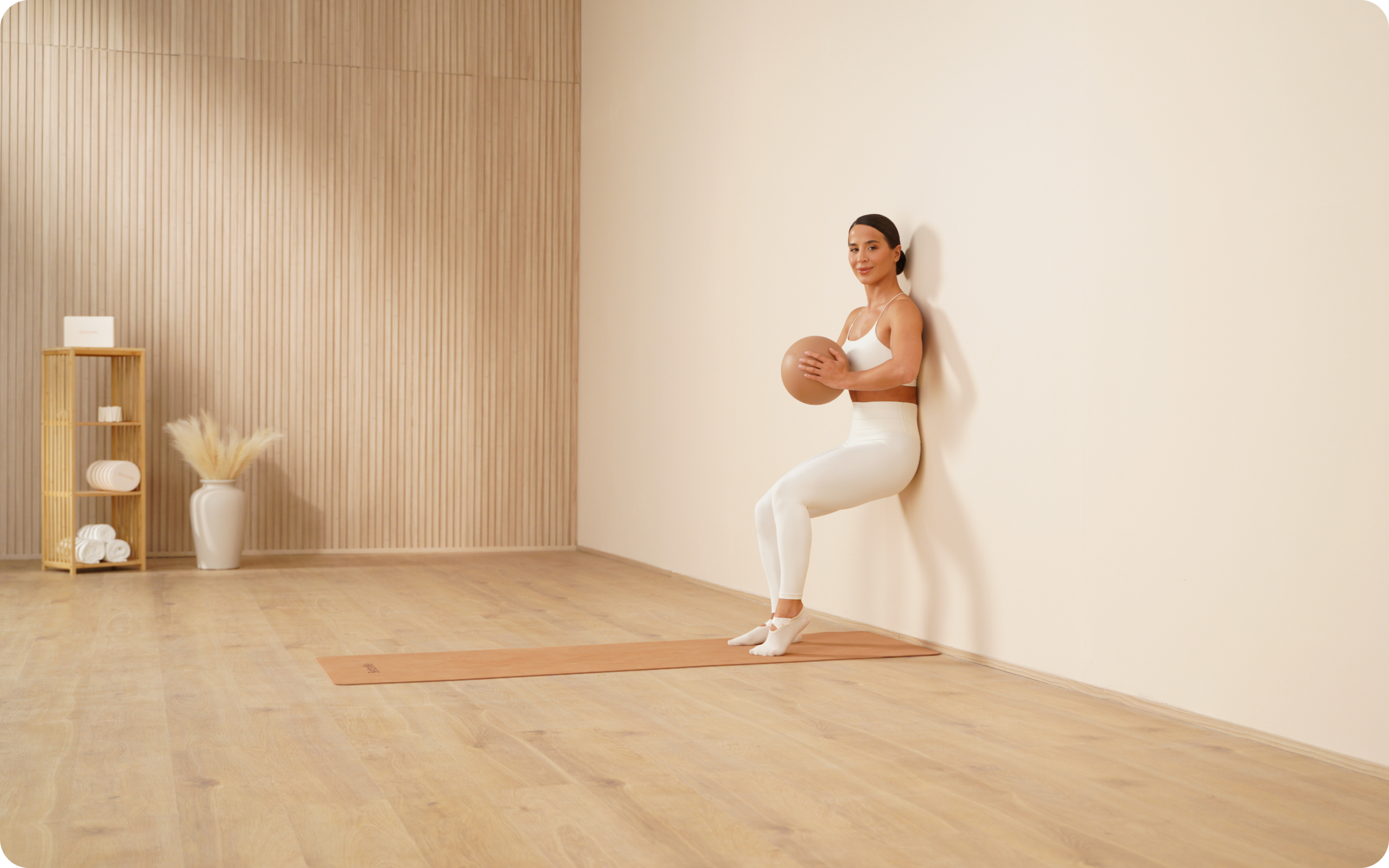
What is wall Pilates?
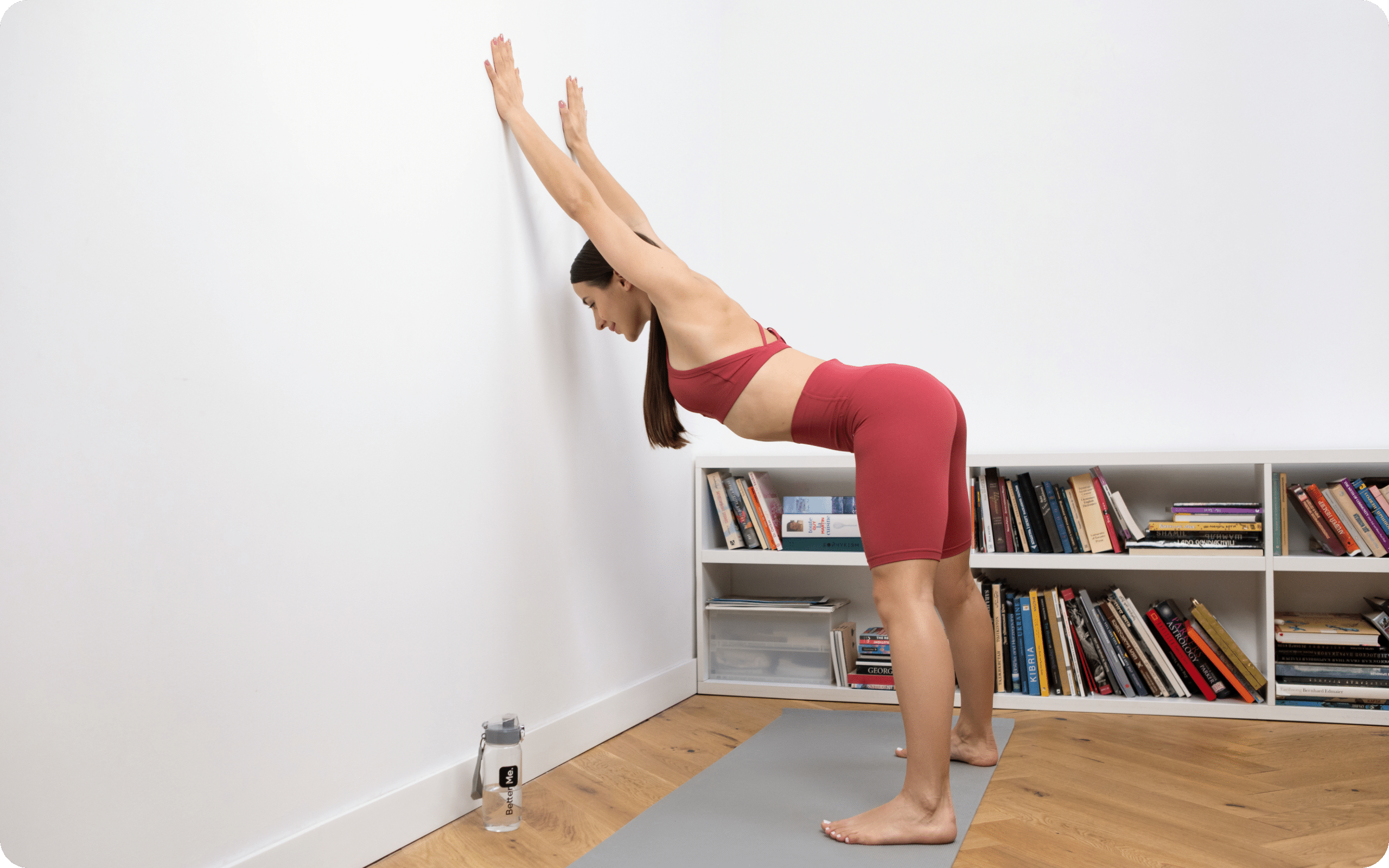
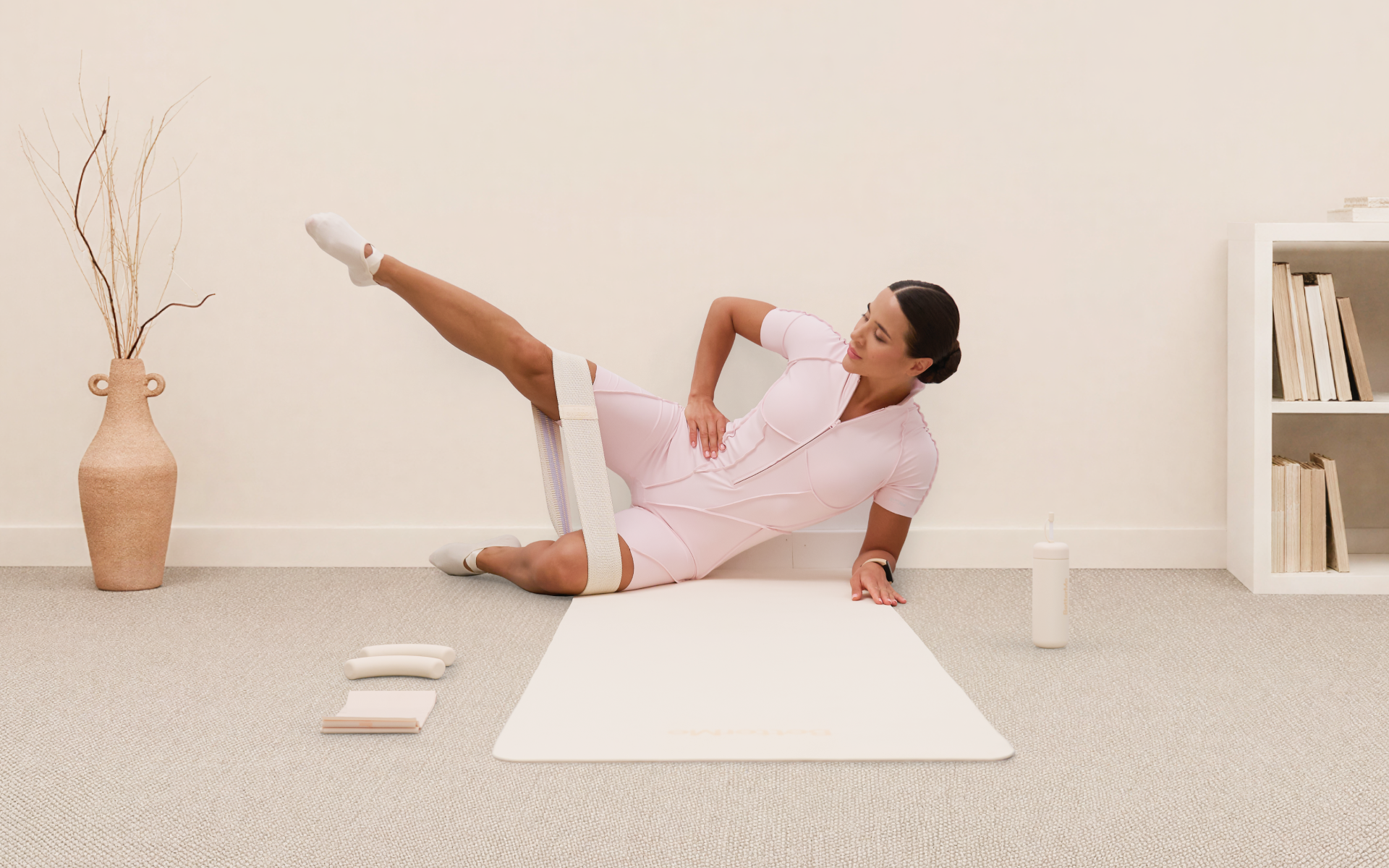
Wall Pilates is a style of Pilates at home that uses a wall for support, feedback, or light resistance. It is a low-impact bodyweight workout with minimal equipment, usually just a mat and no other Pilates equipment, which makes it an easy way to get started on fitness goals at home.
Compared with traditional Pilates on a mat or reformer Pilates in a Pilates studio, the wall gives your feet and hands a fixed point, which can help with alignment and balance and flexibility work. Many people use it as a body and mind routine that focuses on precision and control and also works core, glute, and leg muscle groups (7).
Read more: Home Pilates workout guide: a beginner routine with no equipment
Is Pilates a good way to lose weight?
Pilates may support gradual weight changes for some people, but it is unlikely to cause fast weight loss on its own. Some research suggests it may help with markers like body weight, BMI, and body fat percentage over weeks, and one recent review pointed to modest changes in people with overweight and obesity (1, 2).
- Many studies are small.
- Most run for several weeks, not days.
- Results vary with diet, effort, and starting point.
- Evidence is stronger for Pilates in general than for wall Pilates specifically.
When you see claims like “melt fat in 10 minutes,” treat them with caution. Weight management tends to reflect your overall calorie balance, daily movement, sleep, and consistency across months. Pilates can still play a useful role: it may build core strength and movement confidence (7). If weight is your main focus, consider pairing it with walking or strength training, simple nutrition habits, and a fitness plan you can keep.
Can wall Pilates help reduce belly fat?
Wall Pilates is unlikely to reduce belly fat on its own, because fat loss does not usually come mainly from the area you train. In one trial, 6 weeks of abdominal exercises improved muscular endurance but did not reduce abdominal fat (3).
Ab work can still strengthen the muscles around your middle. Any change in belly fat tends to come from overall energy balance, total activity, and sleep over time.
How often should I do Pilates?
Many beginners start with 2 to 3 sessions a week and build to 3 to 5 as their body adapts. There’s no strict number for wall Pilates specifically.
- 2 to 3 days a week: a gentle entry point for beginners
- 3 to 5 days a week: helpful for building a steady fitness habit
- Short daily sessions: possible if you vary the effort and rest well
One trial used 60-minute sessions, 3 times a week, across 6 weeks (1). Adults are also encouraged to get 150 to 300 minutes of moderate activity a week and to train muscles on 2 or more days (6), so many people add walking on other days.
| Day | Focus | Wall Pilates | Added walking |
|---|---|---|---|
| Monday | Upper body and core | 20 minutes | 30 minutes |
| Tuesday | Walking only | None | 45 minutes |
| Wednesday | Glutes and legs | 20 minutes | 30 minutes |
| Thursday | Walking only | None | 45 minutes |
| Friday | Full-body flow | 25 minutes | 30 minutes |
| Saturday | Walking only | None | 45 minutes |
| Sunday | Rest | None | Optional stroll |
This sample week adds up to 65 minutes of wall Pilates and 225 minutes of walking. Judge progress over 8 to 12 weeks of steady practice. For more ideas, see our guide on wall Pilates weight loss.
Can you do wall Pilates every day?
Many people can do a wall Pilates workout daily if most sessions are short and they rotate the muscle groups they work. Training at a hard effort daily may leave little time to rest, so mix harder days with gentle mobility days.
Take a rest day if soreness lasts more than 2 days or your form slips. If you have lower back or joint concerns, are postpartum, or are recovering from an injury or rehab program, ask a doctor or physical therapist how often to train.
How long should a daily Pilates workout be?
A daily workout of Pilates can be 10 to 30 minutes for many beginners, with longer sessions as you get stronger. Even 10 to 15 minutes a day of follow-along videos can help you build the habit, and a sustainable fitness routine usually starts small.
| Experience level | Session length | Days per week | What to expect |
|---|---|---|---|
| New to Pilates | 10 to 15 minutes | 2 to 3 | Building the habit and learning form |
| Intermediate | 20 to 30 minutes | 3 to 4 | Steadier routine and better control |
| Advanced | 30 to 45 minutes | 4 to 5 | Consistent practice and progression |
The BetterMe: Health Coaching app brings together workouts and recipe ideas to help you build a more consistent routine.
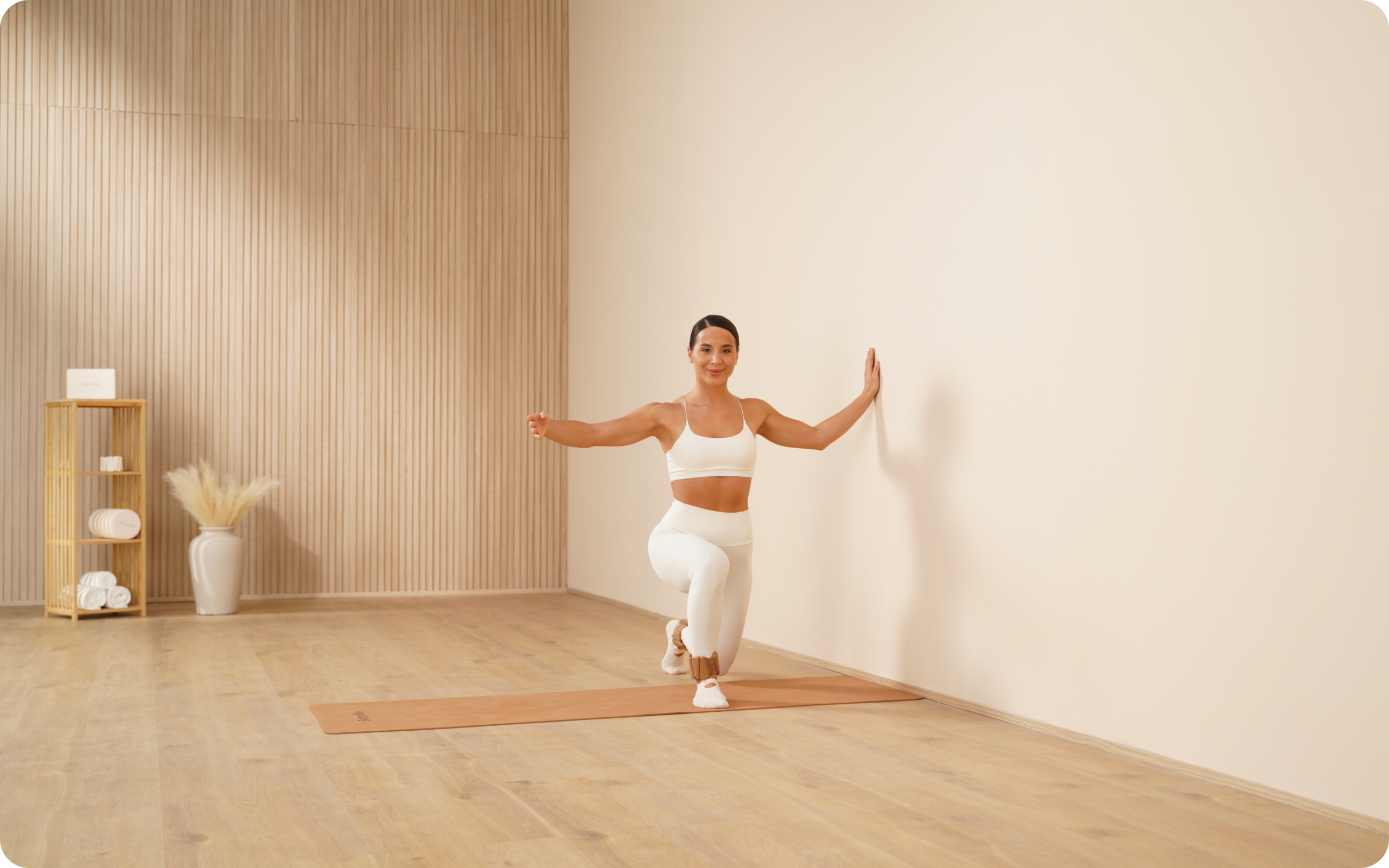
How can I stay motivated for daily wall Pilates workouts?
You can stay motivated by reducing friction and linking practice to a routine cue. A meta-analysis found that doing activity in a consistent context was linked with stronger habits (4).
- Make sessions tiny at first. Start with 10 minutes, not 45.
- Attach a cue. For example, “After my morning coffee, I practice for 12 minutes.”
- Track streaks gently. Aim for consistency, not perfection.
- Notice small wins. Easier planks, better posture, steadier balance.
- Rotate session types. Core day, mobility and flexibility day, glutes day.
- Remove setup friction. Keep your mat out and wall space clear.
A workout calendar, a 14-day plan, or a 28-day wall Pilates challenge can give you a clear finish line, and some people find a Pilates challenge easier to stick with than open-ended plans. A 10-minute Pilates session still counts on a busy day.
What features should I look for in a wall Pilates app?
Look for a clear beginner pathway, video demos with form cues, reminders and progress tracking, gradual progression, and transparent pricing. The label “wall Pilates” matters less than whether the app helps you keep showing up.
- Reminders: gentle notifications that prompt you to practice
- Progress tracking: a record of your sessions, streaks, or milestones
- Workout progression: a gradual increase in difficulty as you improve
Some studies on exercise apps suggest features like these may help engagement for some users, though results vary (5).
| Feature | What to look for | Why it matters | Red flag |
|---|---|---|---|
| Beginner pathway | Clear starter workout programs for different levels | Eases you in without overwhelm | Only advanced content |
| Form guidance | Workout videos with clear cues from a qualified Pilates instructor or trainer | Supports control at home | Vague or missing instructions |
| Habit features | In-app reminders and progress tracking | Helps you stay consistent | No tracking at all |
| Progression | Gradual workout increases, optional resistance bands or a light dumbbell | Keeps sessions challenging | Same routines forever |
| Pricing | Transparent subscription terms | Prevents billing surprises | Hidden fees at checkout |
| Cancellation | Easy, clear process | Respects your choice to leave | Confusing steps |
Be cautious with apps that promise fast fat loss or rely on before-and-after hype. A useful question is simple: which app will help you practice 4 times a week for 3 months?
Are wall Pilates apps good for beginners and home workouts?
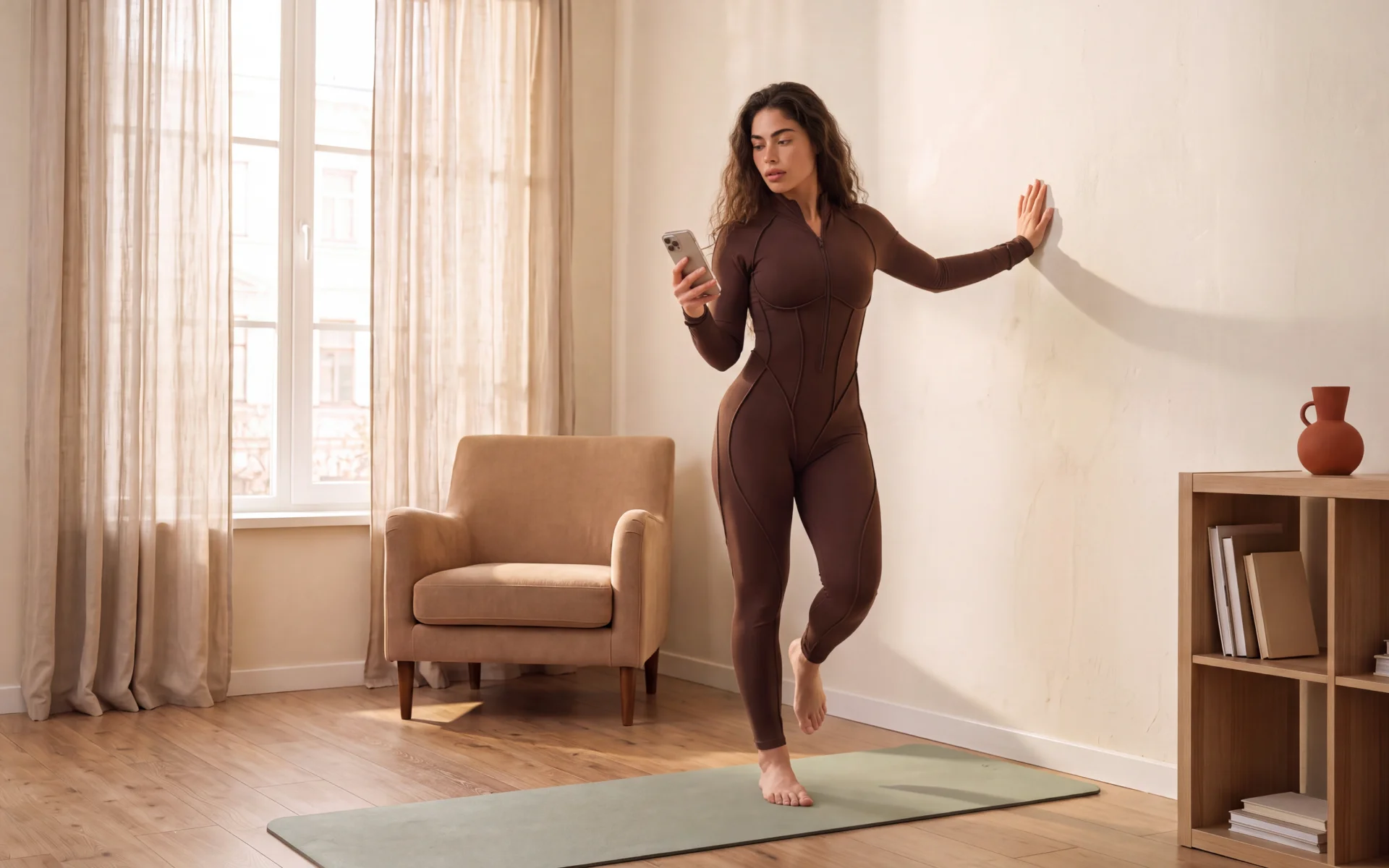
Wall Pilates apps can suit beginners and home workouts because they show each move, set the order for you, and need little or no equipment. Pilates for beginners in the comfort of your home can feel less intimidating than joining Pilates classes at a gym.
Start with the easiest program, keep sessions short, and choose moves you can do with control. If a move causes discomfort, stop and ask a doctor or physical therapist before trying it again.
Read more: Wall Pilates workout plan: a 30-minute beginner session
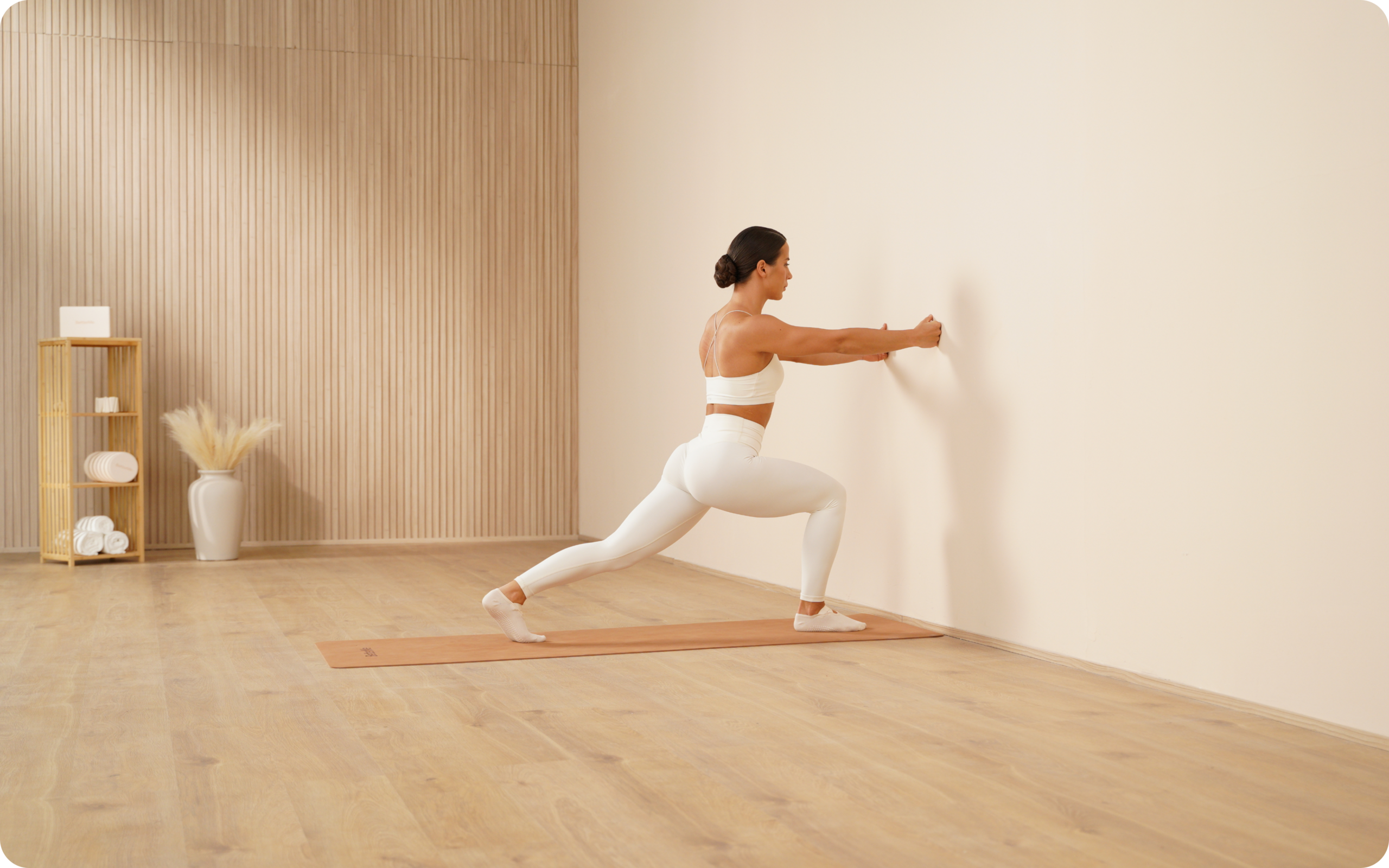
Are free Pilates apps worth using?
Free Pilates apps can be worth trying, especially if you want to test whether you enjoy Pilates anytime at home before paying for a subscription. Free daily options often have fewer on-demand workout programs, more ads, or limited progress tracking.
Compare what you get for free with what you’d pay for, and check how easy it is to cancel any trial before you sign up.
How do you pick a wall Pilates workout app that suits you?
A suitable wall Pilates workout app offers structured programs, clear demos, honest pricing, helpful habit features, and no exaggerated claims. No single app is right for everyone, because goals, budgets, and attitudes to subscriptions differ.
- Content quality: clear demos, modifications, and beginner options
- Habit support: reminders, streaks, and progress tracking
- Transparency: clear pricing and easy cancellation
- Honesty: no promises of rapid or dramatic results
FAQs
Is wall Pilates worth trying?
Yes, a wall Pilates workout can be worth trying if you want a low-impact way to strengthen your core and build body awareness at home. The wall gives support and feedback, which may help beginners feel steadier. Give it a few weeks before judging how it feels.
Which is better, chair yoga or wall Pilates?
Neither is better for everyone. Chair yoga often focuses on gentle seated stretching and relaxation, while wall Pilates tends to focus on core control and light resistance. Choose chair yoga for a calmer practice and wall Pilates for core-focused movement.
How many days does it take to see results from Pilates?
Changes from Pilates usually take several weeks of regular practice, not days. One study used a 6-week program with 3 sessions a week (1). Many people notice better posture or control before visible changes, and individual outcomes vary.
Can Pilates help with cellulite?
Pilates is unlikely to remove cellulite on its own. Cellulite is a common, normal feature of many bodies, and no exercise reliably eliminates it (8). Pilates can still support strength and movement confidence (7).
The bottom line
A wall Pilates workout app can be a supportive fitness tool for home practice and motivation when your expectations stay realistic. Steady progress tends to come from consistency, balanced nutrition, and daily movement, so pick an option that fits your life and move at your own pace.
DISCLAIMER:
This article is intended for general informational purposes only and does not serve to address individual circumstances. It is not a substitute for professional advice or help and should not be relied on for making any kind of decision-making. Any action taken as a direct or indirect result of the information in this article is entirely at your own risk and is your sole responsibility.
BetterMe, its content staff, and its medical advisors accept no responsibility for inaccuracies, errors, misstatements, inconsistencies, or omissions and specifically disclaim any liability, loss or risk, personal, professional or otherwise, which may be incurred as a consequence, directly or indirectly, of the use and/or application of any content.
You should always seek the advice of your physician or other qualified health provider with any questions you may have regarding a medical condition or your specific situation. Never disregard professional medical advice or delay seeking it because of BetterMe content. If you suspect or think you may have a medical emergency, call your doctor.
SOURCES:
The list covers two Pilates and weight studies, an abdominal fat trial, habit and app research, activity guidance, and a cellulite review.
-
- Effect of 6 weeks Pilates training along with dill supplementation on serum concentrations of nesfatin-1, lipocalin-2, and insulin resistance in females with overweight and obesity: A randomized controlled trial (2022, pmc.ncbi.nlm.nih.gov)
- Pilates and obesity: A practical and promising option (2026, aimspress.com)
- The effect of abdominal exercise on abdominal fat (2011, pubmed.ncbi.nlm.nih.gov)
- Not all cues are equal: A systematic review and three-level meta-analysis of context consistency, physical activity and habit strength (2026, pmc.ncbi.nlm.nih.gov)
- Mobile applications, physical activity, and health promotion (2025, link.springer.com)
- Adult Activity: An Overview (2023, cdc.gov)
- Pilates: health benefits (2022, betterhealth.vic.gov.au)
- Cellulite: Current Understanding and Treatment (2023, pmc.ncbi.nlm.nih.gov)
 Reviewed by
 Reviewed by
 Reviewed by