Mat Pilates vs reformer Pilates is mainly a choice between a floor-based format and spring apparatus with a moving carriage. Either format can be adjusted through instruction. Your access, preferences, and movement needs matter. Our Pilates equipment guide explains what each setup involves before you choose a class.
Following exercise and diet plans is the key in your fitness journey and greatly impacts results. In 4 weeks users can typically expect to lose not more than 1-2 lbs per week. Individual results may vary.
Key takeaways
These points summarize how mat Pilates vs reformer Pilates compare and how to choose a starting class.
- Mat Pilates uses floor-based exercises; a reformer combines springs with a moving carriage (1).
- Pilates can contribute to strength, flexibility, and balance practice in an appropriate program (2).
- A reformer spring can assist or resist movement; lower resistance is not automatically easier (1).
- Beginners can look for introductory instruction in either format rather than assuming one is always more suitable.
- Core training does not require expensive equipment (3).
- Neither format automatically replaces the aerobic and strengthening components of a balanced activity week (4).
What is the main difference between the formats?
Mat Pilates uses your body position and gravity to create movement tasks on a mat. Reformer Pilates adds a sliding carriage, springs, and adjustable contact points. Those features change how exercises feel and how they are taught.
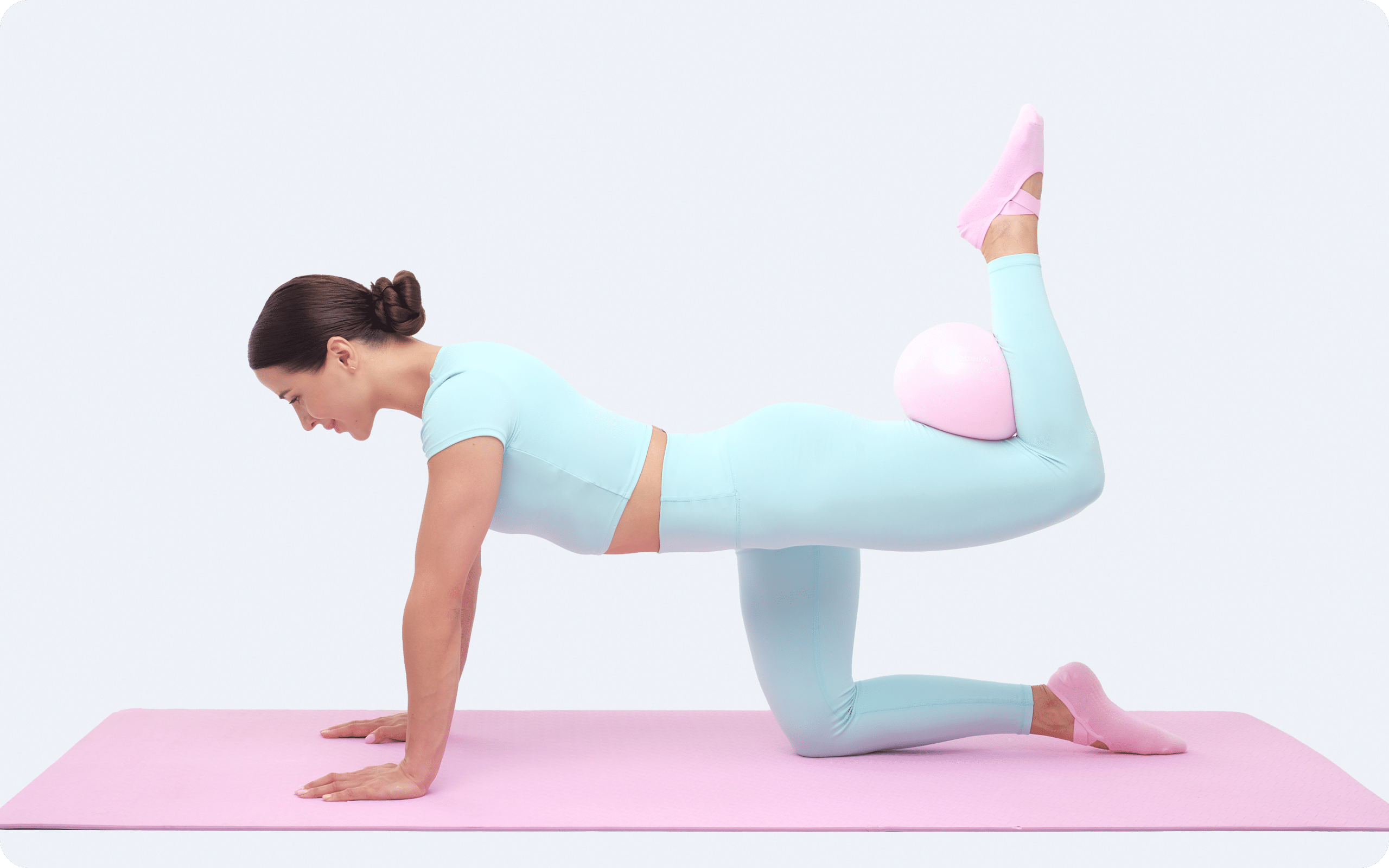
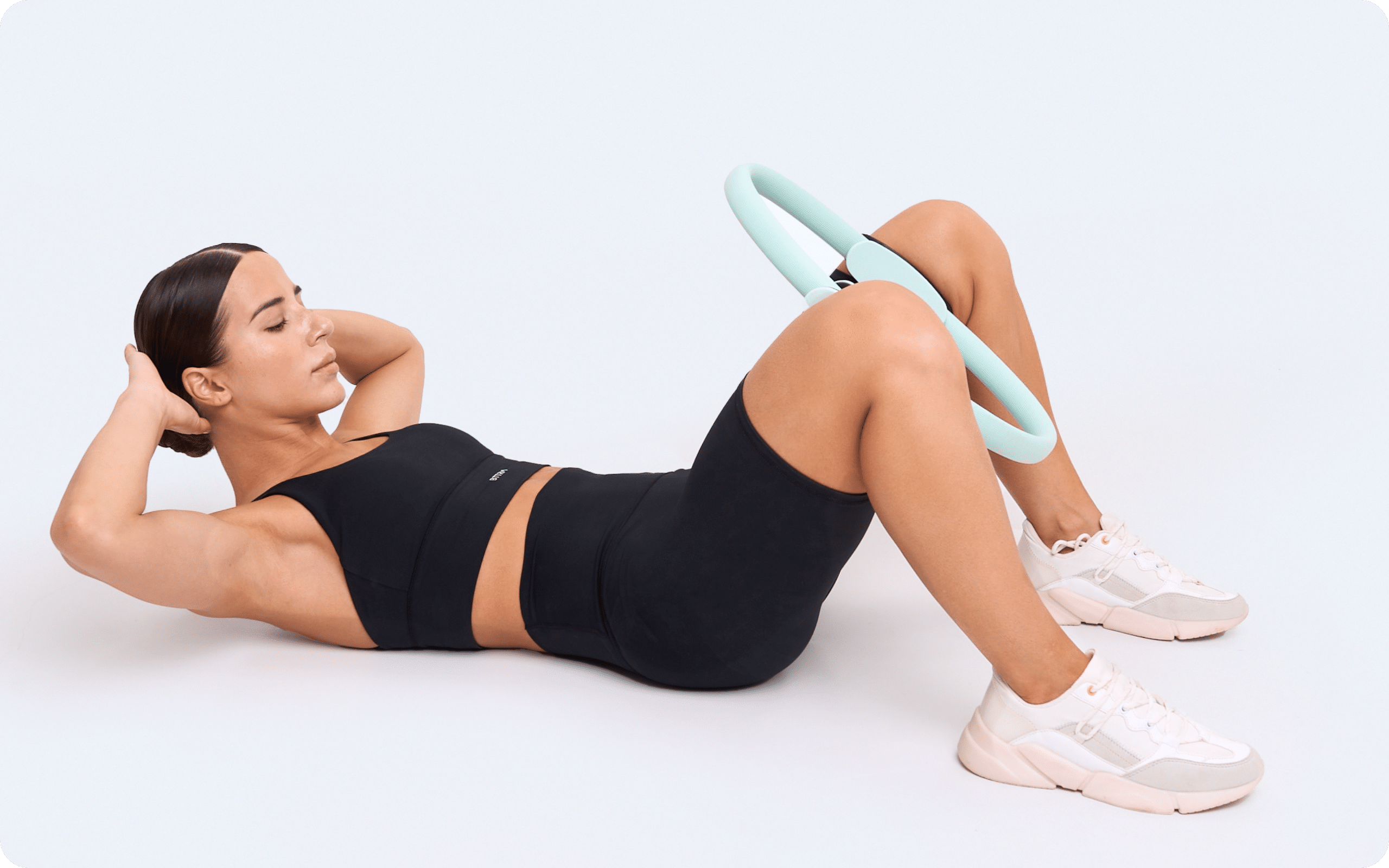
A mat class may include small props such as balls, rings, or bands. Adding a prop does not turn the session into reformer Pilates. The underlying apparatus and movement setup remain different.
A reformer class may use lying, seated, kneeling, or standing positions. Some exercises provide substantial support. Others require you to control your body across fixed and moving surfaces.
Both formats can include deliberate breathing and controlled movement. The equipment does not determine the teaching quality. Ask how the instructor explains technique and adjusts exercises for different starting points.
How do mat and reformer classes compare?
The most useful comparison considers access and instruction alongside the movement demands. Price and class size vary by location and provider.
|
Factor |
Mat Pilates |
Reformer Pilates |
|---|---|---|
|
Main equipment |
Mat, sometimes small props |
Reformer and compatible accessories |
|
Resistance |
Body position, gravity, optional props |
Springs, body position, carriage movement |
|
Home requirements |
Suitable floor space |
Apparatus space, setup, and maintenance |
|
Beginner instruction |
Floor positions and movement control |
Movement control plus equipment operation |
|
Common practical barrier |
Getting down to and up from the floor |
Access, transfers, setup, and cost |
The table identifies practical differences. It does not show that one method produces better results for every person. A particular class may suit you more than another class in the same format.
Before booking, read the actual level description. A fast-paced mat class can be demanding. A carefully taught reformer introduction may spend considerable time on basic setup.
Read more: Pilates without equipment: a full-body workout at home
What can mat Pilates offer?
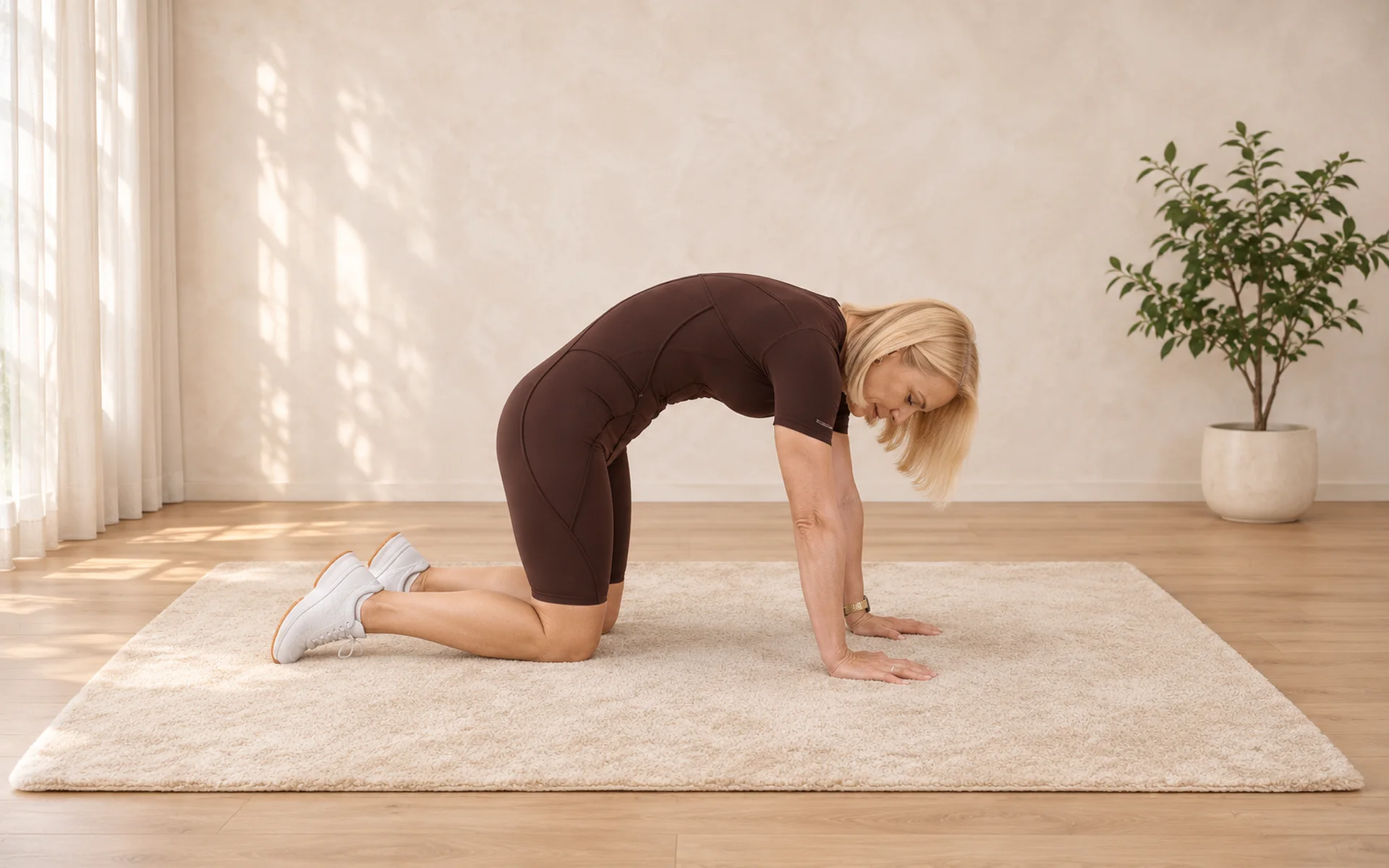
Mat Pilates offers a relatively simple equipment setup and a format that can be practiced in many spaces. A suitable mat and clear instructions may be enough for an introductory session.
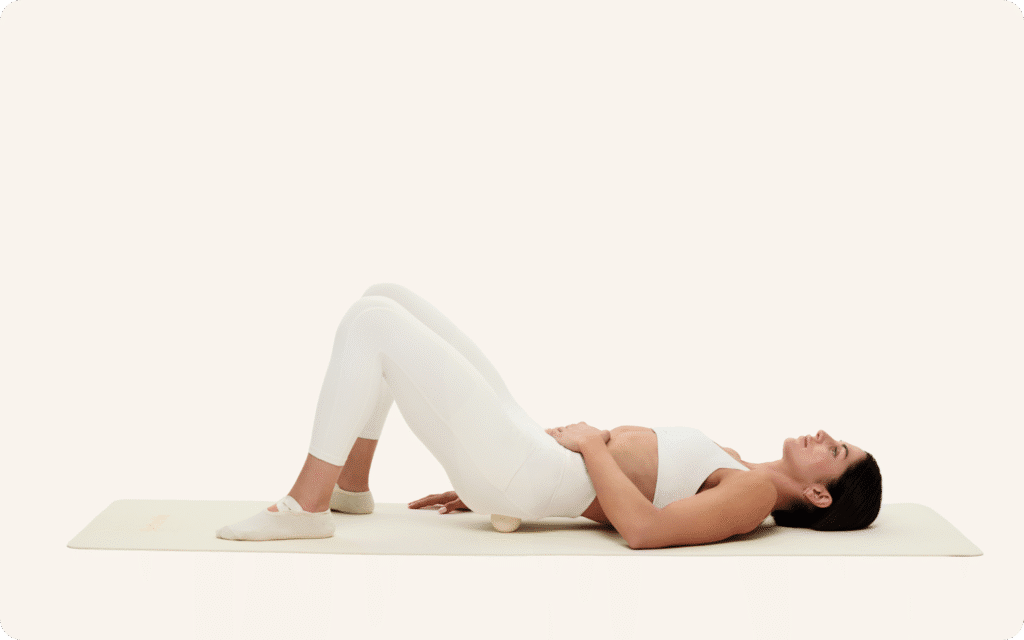
Without springs, you use body position and leverage to change the task. Extending a limb farther can alter the challenge. A shorter range or more supported position can make a movement more manageable.
You do not need apparatus to train the core (3). Supported bridges and other floor exercises can form part of core practice. Choose movements that fit your current ability rather than assuming every mat exercise is introductory.
Home convenience also comes with limits. A recorded class cannot inspect your position directly. Consider live instruction when you are unsure about technique or need modifications.
Floor access matters. If getting down or up is difficult, ask about suitable alternatives before choosing the class. A thicker mat alone may not resolve that issue.
What can reformer Pilates offer?
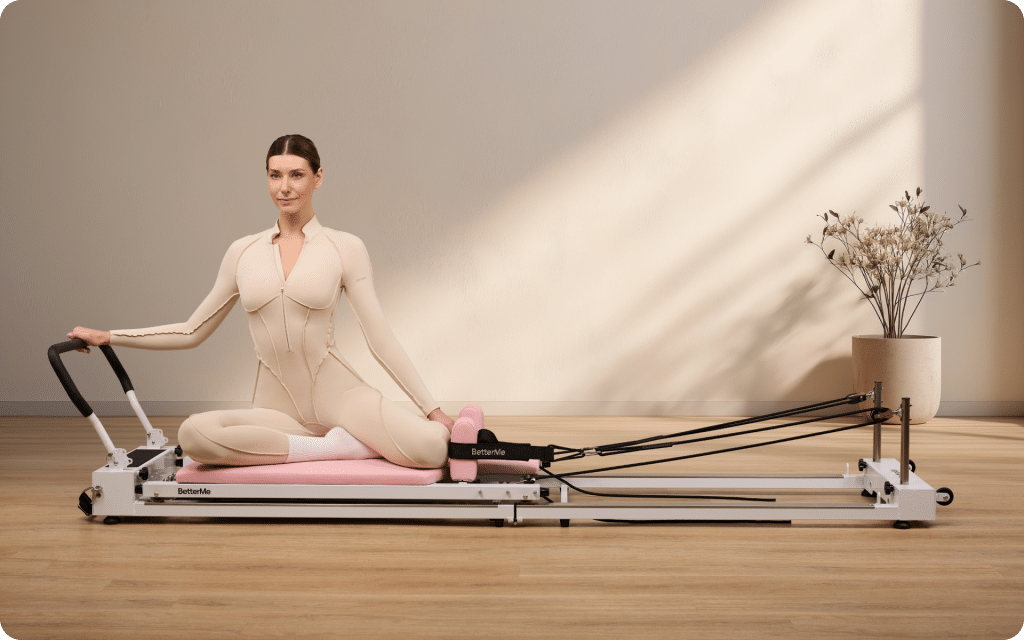
Reformer Pilates offers adjustable spring resistance and support within a guided apparatus session. The carriage and accessories allow movements that differ from floor exercises (1).
Springs can help support a limb or oppose its movement. The same adjustment may affect different exercises differently. An instructor should choose the setup according to the movement and person.
The carriage also provides immediate feedback when movement becomes abrupt. Learning to move it smoothly can be a clear practice goal. However, a moving surface adds a control task of its own.
Reformer equipment needs instruction and maintenance. Learn how to enter and leave each position. Follow the manufacturer’s supervision and setup requirements rather than treating the machine like a familiar gym seat.
Our Pilates reformer core exercise guide previews several supervised options. The exercise names alone cannot tell you which spring setting or variation to use.
BetterMe offers a variety of workouts, recipes, challenges, and support tools to help you stay more consistent with your wellness routine. Explore the app to find features that fit your goals, preferences, and schedule.

Which format is more suitable for beginners?
An introductory class with appropriate instruction is more useful than a blanket beginner ranking. Both formats contain simpler preparations and demanding exercises.
For mat Pilates, ask whether the class teaches breathing, basic positions, and floor transitions. Confirm whether you need experience with planks, roll-ups, or other listed movements. A beginner label should not hide advanced prerequisites.
For reformer Pilates, ask whether the instructor teaches carriage control and equipment adjustments. Confirm the class size and opportunities for individual help. Learn the stopping position before the exercise begins.
If you have a strain, health condition, or recent surgery, consider seeking advice about suitable activity (2). Pregnancy or recent childbirth may require specific changes. A general beginner class does not establish medical suitability.
During either format, stop exercise if you feel discomfort or become unwell (2). Tell the instructor what happened rather than trying to complete the sequence. They may need to change the task or recommend further assessment.
Which familiar exercises show the difference?
Familiar exercise names can appear in both formats, but the setup changes. Use these examples to understand the class description. They are not a substitute for instruction on unfamiliar apparatus.
Hundred preparation
On a mat, a preparation may keep the feet and head supported while the arms pulse. More demanding versions lift the legs and upper body. The appropriate variation depends on control and comfort.
On a reformer, the hands may hold loops connected to the carriage system. That adds equipment handling and spring force. Learn the arm action and supported position before assuming the full version is appropriate.
Bridge
A mat bridge lifts the hips while the feet stay on the floor. A basic bridge can train coordinated trunk and hip movement (3). The height should remain comfortable and controlled.
A reformer bridge changes the contact surface and may involve carriage movement. Headrest position and spring setup matter. Follow the apparatus instructions and instructor rather than transferring the floor version directly.
Arm work
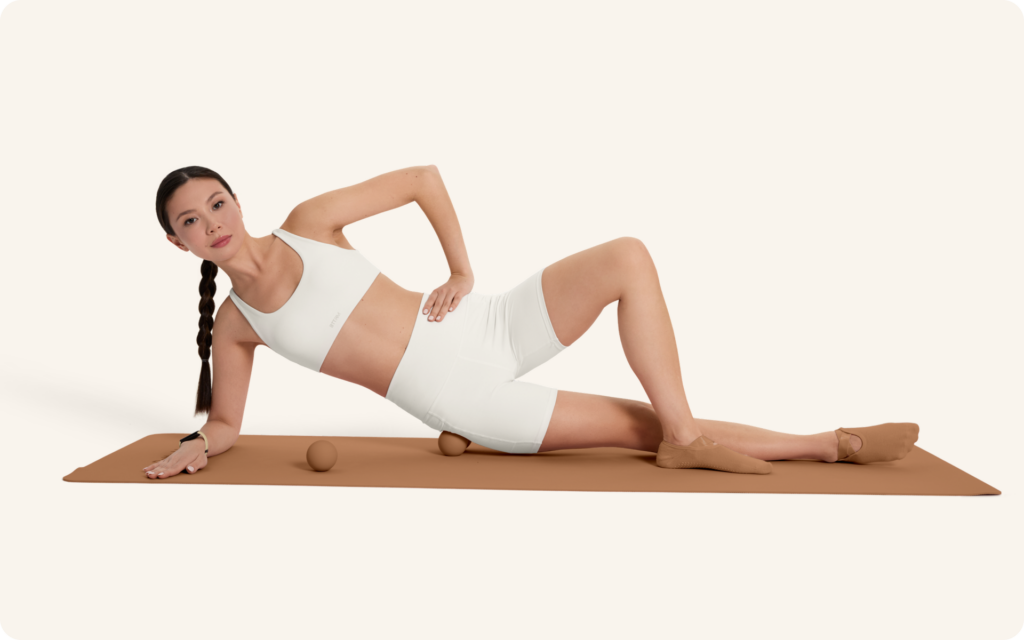
Mat classes may use body weight or small props for arm exercises. A band or ring changes the resistance task. Each prop needs its own placement and handling instructions.
Reformer arm work uses loops and springs in selected positions. The instructor chooses the support and range. Stronger springs do not automatically improve the exercise when they disrupt control.
Plank-style work
A floor plank uses stable contact points, although the exercise can still be demanding. An instructor may offer a shorter hold or a different support level.
Reformer plank variations can place the hands and feet across fixed and moving surfaces. They require apparatus experience and suitable preparation. Do not treat a moving-carriage plank as the default beginner version.
Read more: Home Pilates workout: 9 no-equipment moves for your core
How should you compare costs and convenience?
Compare the total commitment of each option, including travel, instruction, and equipment. Current prices vary, so obtain actual quotes from the providers you are considering.
A home mat practice can reduce travel and equipment needs. You may still want paid instruction to learn technique. Check whether the class uses props you would need to purchase.
Studio reformer sessions provide access to equipment without home ownership. Consider booking availability and the distance you would travel regularly. A class you can attend consistently may be more practical than an inconvenient ideal.
Home reformer ownership adds delivery, installation, maintenance, and storage considerations. Confirm working clearance and access to instruction on the exact model. A machine fitting into a room does not establish adequate exercise space.
Avoid buying apparatus before trying supervised sessions. A trial can help you understand the setup and whether you enjoy the format. It also gives you practical questions to ask the manufacturer.
Can you combine mat and reformer Pilates?
You can combine the formats when the overall workload matches your rest and other activity. The combination should have a purpose rather than simply adding more sessions.
For example, a supervised reformer class might introduce equipment skills. A separate mat session might revisit familiar supported movements. This is an editorial scheduling example, not a tested weekly prescription.
Avoid repeating demanding work for the same muscles on consecutive days (5). Account for strength training outside Pilates as well. A different class name does not necessarily mean a different rest need.
If you want small props for home practice, explore Pilates ball exercises. Use the specific instructions for the prop instead of recreating a reformer exercise from memory.
Does either format cover all your exercise needs?
Neither format automatically covers every activity recommendation. Class content, effort, and weekly frequency determine how Pilates contributes to your routine.
Adults generally need 150 weekly minutes of moderate aerobic activity and strengthening on at least 2 days (4). Strengthening should cover the major muscle groups. Ask what your class emphasizes and consider any gaps.
Gentle Pilates and equipment instruction may not reach moderate aerobic intensity. At moderate effort, you can usually talk but not sing (6). Do not count an entire class as aerobic exercise based only on its duration.
Keep suitable walking, cycling, swimming, or another aerobic activity alongside Pilates. Choose activities you can fit around your schedule. The equipment decision is only one part of that plan.
Frequently Asked Questions
Which format is better for weight loss?
This comparison does not establish a weight-loss advantage for either format. Activity and eating patterns both contribute to weight management (7). Choose a sustainable routine rather than relying on an apparatus to determine the outcome.
Does the reformer build muscle faster?
The equipment alone cannot establish a faster rate of muscle growth. Resistance, effort, progression, and rest all affect training. Ask whether the class provides an appropriate challenge for your goals.
Should you buy equipment before your first class?
Check the provider’s equipment list first. Studios may supply what the session requires. Try the format before purchasing large apparatus for home use.
The bottom line
Choose the format that fits your access needs and offers clear instruction at your level. Try an introductory session before buying equipment. Keep appropriate aerobic and broader strength work alongside the Pilates practice you enjoy.
DISCLAIMER:
This article is intended for general informational purposes only and does not serve to address individual circumstances. It is not a substitute for professional advice or help and should not be relied on for making any kind of decision-making. Any action taken as a direct or indirect result of the information in this article is entirely at your own risk and is your sole responsibility.
BetterMe, its content staff, and its medical advisors accept no responsibility for inaccuracies, errors, misstatements, inconsistencies, or omissions and specifically disclaim any liability, loss or risk, personal, professional or otherwise, which may be incurred as a consequence, directly or indirectly, of the use and/or application of any content.
You should always seek the advice of your physician or other qualified health provider with any questions you may have regarding a medical condition or your specific situation. Never disregard professional medical advice or delay seeking it because of BetterMe content. If you suspect or think you may have a medical emergency, call your doctor.
SOURCES:
- The Balanced Body Studio Reformer with Tower (2024, s3.amazonaws.com).
- Pilates video for beginners (2025, nhs.uk).
- Core exercises: Why you should strengthen your core muscles (2025, mayoclinic.org).
- Adult Activity: An Overview (2023, cdc.gov).
- Weight training: Do’s and don’ts of proper technique (2025, mayoclinic.org).
- How to Measure Physical Activity Intensity (2025, cdc.gov).
- Physical Activity and Your Weight and Health (2026, cdc.gov).
 Reviewed by
 Reviewed by


 By