Are you a new mom trying to figure out how to gently and quickly get your old tummy back? You may want to build your confidence or simply feel like the person you were before your baby took over your life.
If so, rest assured that you’re not the only new mother looking for helpful answers.
After giving birth, many women struggle with a belly that looks much different from before pregnancy and a core that feels less supported.
A postpartum tummy workout can help you gently support your core engagement, tone your belly, and rebuild your confidence, helping you feel like you’ve got your old self back.
In this article, we will explain why your tummy looks and feels different after birth and provide a list of exercises to add to your postpartum ab workout routine to support your body’s recovery.
Always consult with your physician before starting any recovery fitness program to ensure it is suitable for your specific needs.
What Is A Targeted Postpartum Tummy Workout?
A targeted postpartum tummy workout is a gentle, structured exercise routine that focuses on supporting core muscles and improving the appearance of the abdominal area in women who’ve recently given birth.
Unlike regular ab workouts, postpartum belly exercises are not only for strengthening the core; they also aim to support comfort and gradual reconditioning in areas that have changed with your growing baby.
Note that scientific studies over the years have shown that targeted postpartum core workouts are beneficial in (1, 2, 3, 4):
- Strengthening abdominal muscle strength and thickness,
- Improving posture,
- Reducing general physical discomfort in the core or lower-back area/low back discomfort,
- Improving body satisfaction,
- Supporting pelvic floor awareness and comfort.
Reasons why BetterMe is a safe bet: a wide range of calorie-blasting workouts, finger-licking recipes, 24/7 support, challenges that’ll keep you on your best game, and that just scratches the surface! Start using our app and watch the magic happen.
What Is A Restorative Postpartum Workout?
A restorative postpartum workout is a gentle, recovery-oriented exercise routine designed to help women who’ve recently given birth regain strength in their core/abdominals.
Unlike other routines designed to help with calorie or fat burning, this specific mom workout is gentler. Most workouts for new mothers help them reconnect with their bodies and re-engage the abdominal muscles stretched during pregnancy.
As the name suggests, this routine is less about gaining postpartum abs and more about supporting your body following the accommodations it made during pregnancy.
Read more: The Complete Postpartum Workout Schedule for Beginners: Week by Week Guide
Why Is My Stomach So Flabby After Having A Baby?
There are 3 main reasons why your stomach may feel flabby after childbirth, which include the following:
- Weight Gain
In women, pregnancy-related weight gain can occur during and after pregnancy.
Whilst pregnant, research shows that women may gain between 5 and 18 kilograms, depending on their pre-pregnancy BMI (5).
This extra weight can make a woman’s stomach feel flabbier after birth.
Aside from weight gained while pregnant, women can also gain weight after childbirth, leading to a flabby belly. New mothers have to eat more to help feed their baby through breastfeeding. They are also highly stressed and do not have time to move around much or exercise while caring for the newborn.
All these factors combined increase the risk of weight retention and weight gain.
According to a 2022 study, weight gained during this postpartum period is typically stored as abdominal fat (6), which can lead to a flabby belly.
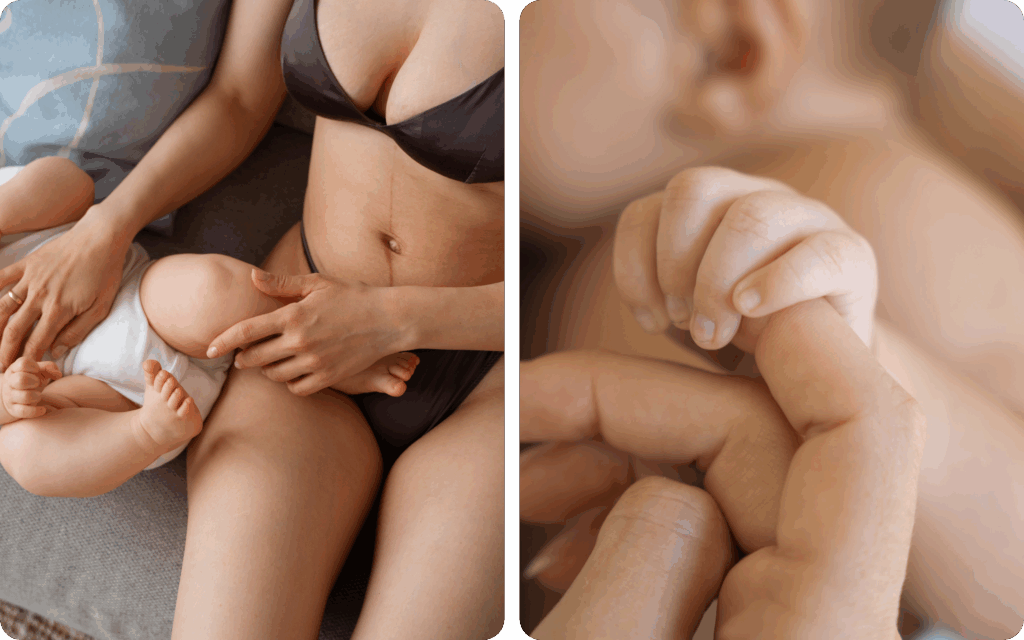
- Loose Skin
The skin is the most elastic organ in your body, allowing it to stretch and contract as your body’s size and shape change. When a woman becomes pregnant, her uterus expands to accommodate her baby’s growing size.
This, in turn, makes her belly expand and protrude. Her skin also has to stretch to fit/accommodate the growing belly.
Once she gives birth, the belly starts to shrink, and the previously expanded skin around the belly also shrinks to fit the new size of the belly. The shrinking of the belly and the abdominal skin around the belly should happen in tandem.
However, in some cases, the skin can be ‘left behind’–meaning the belly shrinks faster than the skin can shrink/contract, which leaves the new mother with loose skin.
Loose skin in the stomach area can make the area look and feel flabby.
If the amount of loose skin is minimal, it usually resolves on its own over time. However, if the situation is more difficult, you may need professional help to minimize or remove the excess skin.
BetterMe will shake off your mental funk, rid you of your energy-zapping habits, and help you sculpt the body of your dreams. Intrigued? Hurry up and change your life for the better!
- Stretched & Separated Stomach Muscles
Professionally, experts refer to the symptom as diastasis recti abdominis, or simply diastasis recti. When people look up ‘mom pooch workout’ online, this is the issue that they are trying to solve.
For those unaware, diastasis recti is a condition in which the rectus abdominis muscles, also known as the ‘6 pack’ ab muscles, separate. If you’ve ever looked at the belly of a very toned person, you may have realized that their abs are separated equally by a line.
This line, known as the linea alba, holds the 2 halves of the 6-pack ab muscles together.
As previously mentioned, when a woman carries a baby, the uterus, belly, and skin around the belly have to expand to accommodate the child.
This process, while natural and essential, unfortunately puts pressure on the linea alba. Over time, this constant, ever-growing pressure can thin and pull apart these tissues, making them wider.
Like the skin, the linea alba is elastic and can contract after a woman gives birth.
However, in some cases, the tissues can be overstretched during pregnancy, preventing them from pulling back, closing, and recovering once the baby is born.
This overstretching aspect then results in a gap that outwardly shows as a flabby tummy, commonly referred to as a mom pooch. This pooch can remain for several months or up to a few years (7, 8, 9).
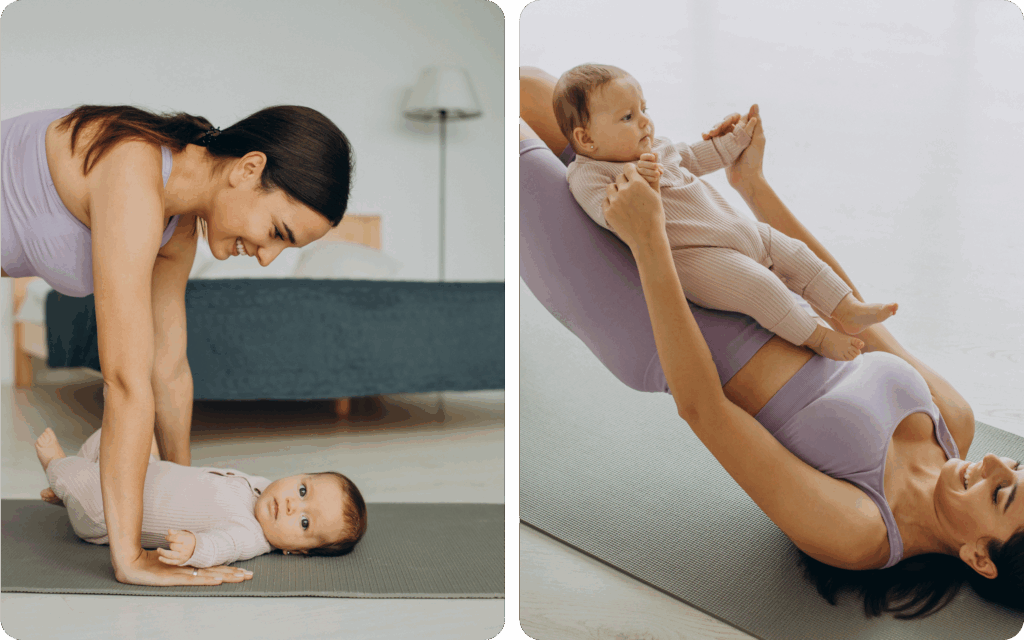
How Can I Tone My Stomach After Having A Baby?
For the best results in toning your stomach after childbirth, you have to understand the underlying issue first. For example, if the problem is due to weight gain or loose skin, then dietary changes and exercise are the best solutions.
- Dietary Changes
Remember that drastically changing what and how much you eat after birth can negatively affect your milk production, which would be insufficient for your new baby.
Since breastfeeding mothers need about 400 extra calories a day (10), instead of going on a calorie deficit, it is advisable to ensure that you are not overeating and simply eating within the recommended nutritional needs and calories for a breastfeeding mother.
- Exercise
In terms of a postpartum workout plan, speak to your doctor to find out which workouts are best for you, depending on how long ago you gave birth, your current health status, and more.
Working with a professional can help you avoid overexertion, allowing you to work towards your post-baby fitness and body goals gently.
If the issue is caused by stretched and separated stomach muscles, then simple diet and exercise may not help much.
Instead, after medical clearance, a targeted postpartum tummy workout focusing on deep core exercises to help pull those tummy muscles back together could lead to better results.
One randomized controlled trial published in the Journal of Musculoskeletal Neuronal Interactions found that compared to a routine of basic core workouts, routines that included deep core strengthening exercises proved to be better at:
- Improving core stability
- Supporting the management of diastasis recti
- Enhancing the well-being of postpartum women (11).
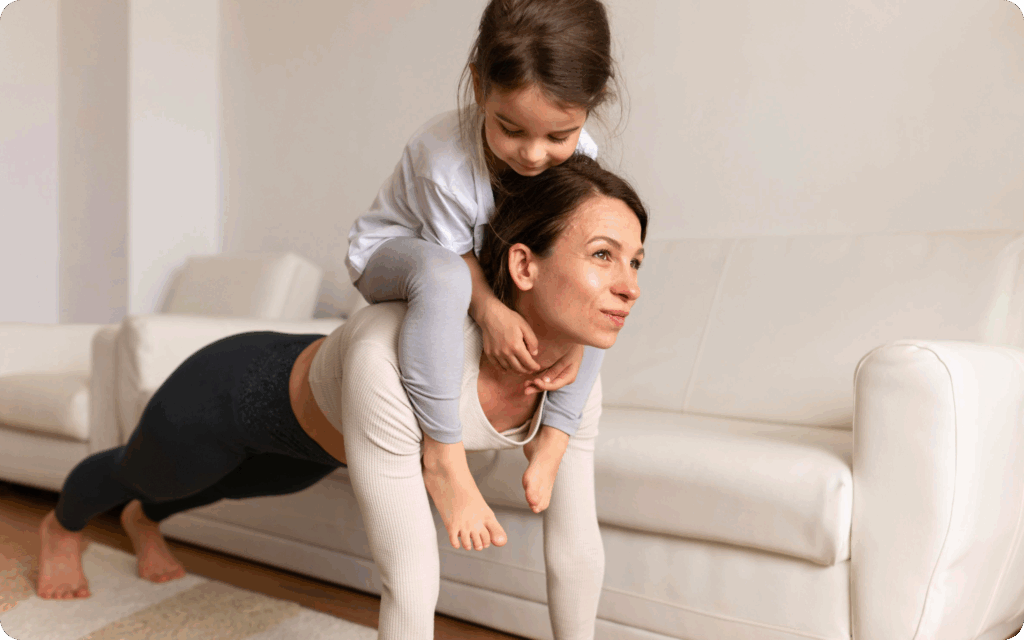
In a recent review published in the International Urogynecology Journal, researchers found that when using exercise to deal with loose postpartum skin, focusing on the following options showed promising results:
- Exercises that targeted the pelvic floor and deep and superficial muscles
- Respiratory maneuvers
- Functional exercises
- Alternative exercises like yoga
- Suspension training
- Hypopressive exercise (12).
Deep core exercise examples for a postpartum tummy workout at home include:
- Abdominal bracing
- Pelvic bridges
- Bent knee march
- Plank variations
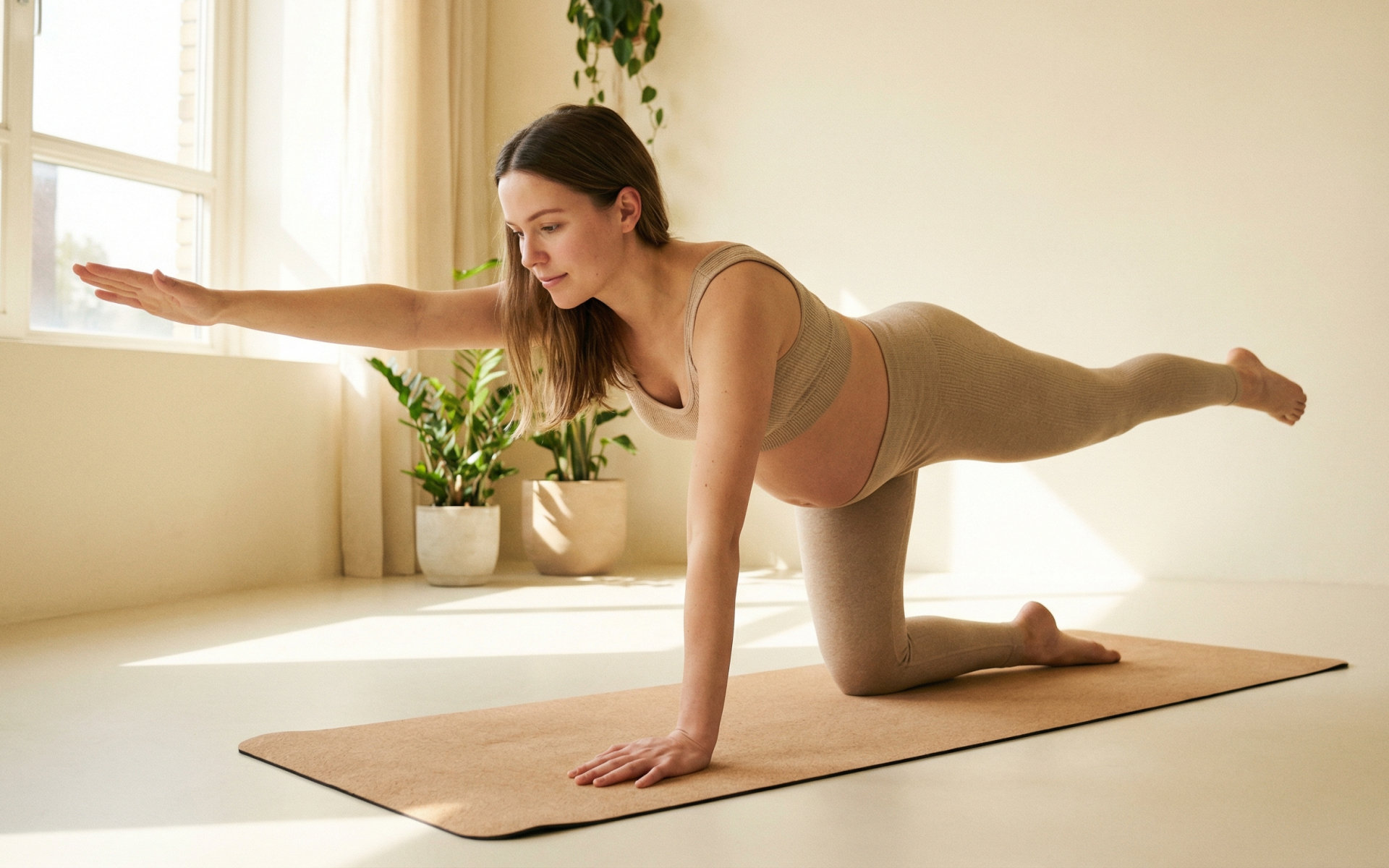
- Bird-dog
- Dead bug
Feeling unmotivated to exercise? Check out this article for some workout motivation for females.
Read more: Your Ultimate Postpartum Arm Workout Plan: What’s Gentle, What Works, and What to Avoid
When Can I Start Doing Stomach Exercises After Birth?
When to start postpartum exercise to reduce tummy flab can vary.
If you had a vaginal birth, you can start as soon as you feel ready.
However, it is generally advisable to seek medical advice and wait at least 6 weeks after giving birth before starting any workout program.
If you had your baby through a C-section, please first seek professional medical advice before attempting any workouts, as you may potentially aggravate the wound.
Can “Mommy Pooch” Go Away With Just Exercise?
You can reduce the appearance of “mommy pooch” through a combination of:
- A healthy diet that’s within your recommended calorie intake
- Aerobic and weight-lifting exercises to help reduce any excess fat in the body
- Targeted deep core exercises to help recover and strengthen potentially overstretched abdominal muscle tissues.
What Exercises Tighten Loose Skin After Pregnancy?
Resistance training exercises are the best option for this. They help increase muscle mass, which can help fill out the loose skin. Remember not just to train the abdominal muscles alone. Do full-body resistance training for the best results.
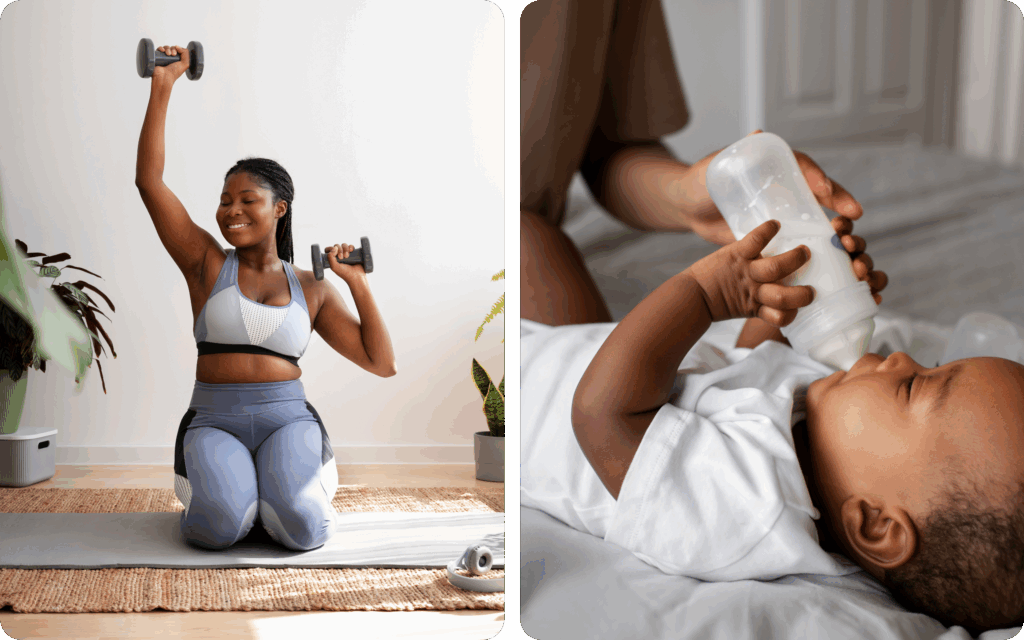
You lose belly fat through a combination of healthy eating and full-body aerobic and strength training workouts. So eat whole foods on a calorie deficit and exercise for at least 30 minutes a day, 5 days a week. No, hot water will not reduce belly fat after delivery, or any other time. This belly fat loss is only possible through a combination of healthy exercise and dietary habits. As stated above, yes, they can help improve abdominal muscle engagement. This improvement is especially likely if the saggy belly in question is due to overstretched and separated abdominal muscles during pregnancy.Frequently Asked Questions
How to tighten hanging belly fat?
Can hot water reduce belly fat after delivery?
Will deep core exercises help a saggy belly?
The Bottom Line
A postpartum tummy workout can help women recover their abdominal muscles and regain confidence and body satisfaction. For any new mother considering such a routine, please speak to your doctor to find out when you should engage in this workout, as well as dietary tips to supplement it for the best results.
DISCLAIMER:
This article is intended for general informational purposes only and does not serve to address individual circumstances. It is not a substitute for professional advice or help and should not be relied on for making any kind of decision-making. Any action taken as a direct or indirect result of the information in this article is entirely at your own risk and is your sole responsibility.
BetterMe, its content staff, and its medical advisors accept no responsibility for inaccuracies, errors, misstatements, inconsistencies, or omissions and specifically disclaim any liability, loss or risk, personal, professional or otherwise, which may be incurred as a consequence, directly or indirectly, of the use and/or application of any content.
You should always seek the advice of your physician or other qualified health provider with any questions you may have regarding a medical condition or your specific situation. Never disregard professional medical advice or delay seeking it because of BetterMe content. If you suspect or think you may have a medical emergency, call your doctor.
SOURCES:
- Postpartum Exercise Intervention Targeting Diastasis Recti Abdominis (2021, pmc.ncbi.nlm.nih.gov)
- Curl-up exercises improve abdominal muscle strength without worsening inter-recti distance in women with diastasis recti abdominis postpartum: a randomised controlled trial (2023, sciencedirect.com)
- Split Tummy Exercise Program for Reducing Diastasis Recti in Postpartum Primigravidae: A Randomized Controlled Trial (2023, kjfm.or.kr)
- Effect of hypopressive and conventional abdominal exercises on postpartum diastasis recti: A randomized controlled trial (2024, journals.plos.org)
- Pregnancy: Learn More – Weight gain in pregnancy (2022, ncbi.nlm.nih.gov)
- Awareness, Beliefs and Perspectives Regarding Weight Retention and Weight Gain among Postpartum Women in India: A Thematic Analysis of Focus Group Discussions and In-Depth Interviews (2022, pmc.ncbi.nlm.nih.gov)
- Diastasis Recti Rehabilitation (2023, ncbi.nlm.nih.gov)
- Primiparous women’s knowledge of diastasis recti abdominis, concerns about abdominal appearance, treatments, and perceived abdominal muscle strength 6–8 months postpartum. A cross-sectional comparison study (2022, bmcwomenshealth.biomedcentral.com)
- Diastasis recti abdominis during pregnancy and 12 months after childbirth: prevalence, risk factors and report of lumbopelvic pain (2016, bjsm.bmj.com)
- Maternal Diet and Breastfeeding (2025, cdc.gov)
- Efficacy of deep core stability exercise program in postpartum women with diastasis recti abdominis: a randomised controlled trial (2019, pmc.ncbi.nlm.nih.gov)
- Diastasis Recti Abdominis Rehabilitation in the Postpartum Period: A Scoping Review of Current Clinical Practice (2024, link.springer.com)

 Reviewed by
 Reviewed by
 Reviewed by