

Intermittent fasting is an eating pattern that alternates set periods of eating with periods of little or no food. It focuses on when you eat rather than what you eat. Common approaches include daily time-restricted eating, such as a 16-hour fast with an 8-hour eating window (16:8), and weekly patterns such as alternate-day fasting. You can start with a short overnight fast and adjust the hours gradually to match your routine and preferences.
Are you curious about intermittent fasting but unsure where to begin? You’re not alone. The word “fasting” can sound intense, strict, or even a little intimidating, but the idea behind it is refreshingly simple. Intermittent fasting is a meal-timing approach that groups your eating into a set window each day or week. It doesn’t hand you a rigid food list. Instead, it gives you a flexible structure you can shape around work, family, and workouts.
This guide walks you through schedules, meal ideas, and gentle beginner tips so you can explore fasting at your own pace.
Every fast is a personal experience. Your dietary preferences, body composition, and activity level all influence your fasting journey. It’s advisable to consult a healthcare provider before starting a fasting regimen.
What Is Intermittent Fasting?
Intermittent fasting is a meal-timing approach that cycles between periods of eating and periods of fasting. You choose set hours to eat and set hours to pause eating (1).
Unlike many diets, it doesn’t tell you which foods to cut. It simply organizes when those foods fit into your day. Any food is allowed during an eating window, while the fasting window involves no caloric intake.
Fasting can look very different from person to person. Some people follow a gentle 12-hour overnight fast. Others prefer a longer window of time-restricted eating, which means limiting food to a specific stretch of hours each day.
Here are a few beginner-friendly forms it can take (2):
- Overnight fasting: Roughly 12 hours, often from dinner to breakfast.
- Daily time-restricted eating: Eating within an 8-10 hour window.
- Weekly patterns: Reducing food on 1-2 days, such as the 5:2 fasting approach.
It helps to see fasting as a schedule rather than a strict rulebook. A restrictive diet often limits food groups or calories every single day (3). A fasting routine mostly limits the clock (4).
That distinction matters for beginners. You’re not banning bread, sugar, or carbs—you’re choosing hours that work for your lifestyle.
No single version stands above the rest and is always a superior approach. The right fit depends on your day, your energy, and your comfort level. Generally, shorter eating windows spur fewer metabolic changes, but they bring certain health risks that may outweigh the benefits for certain individuals. As seen in an overnight fast, a longer eating window leads to fewer metabolic changes, but can benefit many health goals, including weight loss, and rarely produces health risks.
For many people, the appeal of fasting over other diets is simplicity. One structure, fewer daily food decisions, and room to adjust as you learn what feels manageable.
If you want a broad overview before choosing a path, this intermittent fasting guide can serve as your starting point.

How Does Intermittent Fasting Work?
Intermittent fasting works by dividing your day into a fasting window and an eating window (1). During the fasting window, you skip food and drink mostly calorie-free beverages. During the eating window, you eat your meals as usual.
Let’s define both terms in plain language:
- Fasting window: The hours you go without eating, such as overnight and into the morning.
- Eating window: The hours you eat, such as 12:00 pm to 8:00 pm.
The rhythm is what shapes the routine. You’re not counting every bite—you’re mostly watching the clock and grouping meals into a set stretch of time.
Meal timing sits at the center of this approach. For example, if your eating window runs from noon to 8:00 pm, you might have lunch at 12:30 pm and dinner at 7:00 pm.
Hunger cues will likely shift as you adjust. In the early days, your body may expect food at old mealtimes. That feeling often eases as a new pattern settles in, though individual experience may vary. In addition, if a goal with fasting is a calorie deficit, going more than 2-3 days in a calorie deficit can produce metabolic byproducts that reduce hunger signals.
Hydration plays a supporting role during fasting hours (5). Water, plain sparkling water, and unsweetened tea are common choices during fasting hours.
Here’s a simple way to picture a 16:8 fasting day:
- Finish dinner by 8:00 pm
- Sleep, then start your morning with water or black coffee
- Break your fast around noon with a balanced meal
- Eat again before your window closes at 8:00 pm
Some research has explored associations between meal timing and markers related to weight management and general well-being (6). Findings vary, largely due to individual health statuses, daily activities, and food intake during the eating period, so outcomes differ from person to person.
The takeaway is practical, not dramatic. Fasting simply organizes your eating into a predictable window you can adjust over time.

Which Intermittent Fasting Schedules Can You Try?
You can try several intermittent fasting schedules, ranging from a gentle 12-hour overnight fast to longer daily windows and weekly patterns. Each one adjusts the balance between fasting hours and eating hours.
A daily fasting schedule uses the same window every day. A weekly pattern, such as alternate-day fasting, spreads restrictions across certain days instead.
Here’s a comparison of common intermittent fasting plan options to help you weigh them (1, 2, 7):
| Schedule | Fasting/eating window | Who it may suit | Beginner note |
|---|---|---|---|
| 12:12 | 12 hours/12 hours | Complete beginners | The shortest, gentlest starting point |
| 14:10 | 14 hours/10 hours | Those easing in slowly | A longer overnight fast with generous meal time |
| 15:9 | 15 hours/9 hours | People comparing options | A middle step between 14:10 and 16:8 |
| 16:8 | 16 hours/8 hours | Many regular practitioners | One of the most commonly discussed formats |
| 17:7 | 17 hours/7 hours | Those ready for a shorter window | A slightly narrower eating window than 16:8 |
| 18:6 | 18 hours/6 hours | People who like structure | A condensed format that may need planning |
| 19:5 | 19 hours/5 hours | Those wanting fewer eating hours | A shorter window for experienced fasters |
| 20:4 | 20 hours/4 hours | Advanced practitioners | A narrow window—keep meals balanced |
| 23:1 | 23 hours/1 hour | Very experienced fasters | The longest daily option—approach with care |
| Alternate-day fasting | Regular day/reduced-intake day | People who prefer a weekly rhythm | Alternates typical eating with very low-calorie days |
A few notes as you scan the table:
- Shorter fasts, such as 14:10, can be a lower-intensity option for people who prefer a wider eating window.
- Longer fasts, such as 18:6, can require more meal planning. If you have questions about whether a schedule fits your circumstances, speak to a healthcare professional.
- Weekly options, such as the 5:2 fasting approach, restrict your intake on 1-2 days only. Because of a full day without eating, this is more similar to an 18:6 or other longer fast.
No schedule ranks as “best”. The right one depends on your comfort, hunger, and daily demands. A shorter fast can be a practical place to begin, and you can adjust based on comfort and routine.
Many beginners start with a beginner fasting schedule and adjust from there. You can always shorten your fast if a longer window feels like too much.
Do you want to explore each format in detail? These intermittent fasting schedules break down the hours, meal ideas, and considerations for every option.
Read more: How Long Is It Safe To Fast: Are Long Or Short-Term Fasts More Effective?

How Do You Choose an Eating Window That Fits Your Routine?
You choose an eating window by matching your fasting hours to your real life—your work hours, sleep, family meals, and training times. The goal is a window you can repeat comfortably, not one that fights your schedule.
Start by mapping your typical day. Note when you feel hungriest and when meals with others usually happen.
Then pick a window that keeps those anchor meals intact. If family dinner matters most, build your eating window around the evening.
Here are three example patterns to spark ideas:
- Morning eater: Eats from 8:00 am to 4:00 pm, front-loading breakfast and lunch.
- Late-breakfast eater: Eats from 11:00 am to 7:00 pm, a common 16:8 setup.
- Evening-workout routine: Eats from 12:00 pm to 8:00 pm, with dinner after training.
Consider these factors before you lock in a window:
- Work hours: Long shifts may make a wider eating window more practical.
- Sleep schedule: Avoid pushing meals too close to bedtime. Consider your chronotype and ensure that meals align with your natural alertness and productivity.
- Social plans: Leave room for shared meals and celebrations.
- Training times: Place food near workouts when possible.
Ease into your chosen hours rather than extending your fast abruptly. Adding one extra fasting hour per week can feel more manageable than jumping straight to a long fast.
There’s no perfect window—only the one you can keep. If a schedule feels draining after a week or two, adjust it without guilt.
Flexibility is your friend here. A window that bends with travel, deadlines, and busy days tends to last longer than a rigid one.

What Can You Eat and Drink During an Intermittent Fast?
During an intermittent fast, most people stick to calorie-free or very low-calorie drinks. These beverages help you stay hydrated without ending the fasting window.
Common drinks during intermittent fasting include:
- Water: The simplest and most reliable choice.
- Plain sparkling water: A fizzy, no-calorie option.
- Unsweetened tea: Herbal, green, or black, with nothing added.
- Black coffee: Plain, without milk, cream, or sugar—caffeine supports alertness with less caloric intake.
Drinks with calories generally end the fasting period. That includes juice, smoothies, milky lattes, and sweetened drinks.
A quick rule of thumb helps here. If a beverage adds meaningful calories, it usually counts as breaking your fast.
Coffee while fasting is a common question. Black coffee contains almost no calories (8), so many people enjoy it during fasting hours. Keep it plain to stay within the spirit of the fast.
Watch out for sneaky additions that seem harmless:
- Creamers and flavored syrups
- Sugar, honey, or sweeteners with calories
- Splashes of milk or plant-based milk
- “Healthy” fasting drinks that still contain calories
Some people notice they feel steadier when they add a pinch of salt to their water during longer fasts. Fluid and mineral needs vary, so listen to your body and adjust gradually.
Staying hydrated can make fasting hours feel more comfortable for some people. A large glass of water when hunger strikes may help you ride out the moment.
Keep it simple: water first, then unsweetened tea or black coffee if you like. This trio covers most fasting hours without fuss.
Whether you’re just starting your fitness journey or looking to add more structure to your routine, BetterMe offers tools that can support different wellness goals. Explore the app and see how its workout, nutrition, and habit-building features can fit into your lifestyle.

How Can You Build Balanced Meals During Your Eating Window?
You build balanced meals during your eating window by combining protein, fiber-rich carbohydrates, vegetables or fruit, and some healthy fats. This mix helps meals feel satisfying and complete and can help you plan varied, satisfying meals and include a range of nutrients within a shorter eating window.
Think of your plate in simple parts:
- Protein: Eggs, fish, chicken, tofu, tempeh, Greek yogurt, or beans.
- Fiber-rich carbohydrates: Oats, potatoes, whole grains, fruit, or lentils.
- Vegetables or fruit: Aim for color and variety.
- Healthy fats: Olive oil, avocado, nuts, or seeds.
A balanced plate might look like this: half vegetables, one-quarter protein, and one-quarter whole grains, plus a drizzle of olive oil. It’s a flexible template, not a strict formula, and in general, needs for grains will shift up and down most depending upon activity levels.
1. What to Eat After Fasting
For your first meal after fasting, gentle, balanced options tend to sit well. Rushing into a huge, heavy plate can feel uncomfortable for some people and can lead someone to consume more calories than the body needs (9).
Fasting-friendly meals to break your fast might include:
- Greek yogurt with berries and a handful of nuts.
- Scrambled eggs with vegetables and whole-grain toast.
- A lentil bowl with roasted vegetables and olive oil.
Start with a moderate portion and eat slowly. You can always add more once your body adjusts.
2. What to Eat Before the Fasting Window Closes
Your final meal before fasting can lean toward protein and fiber to help you feel satisfied (10, 11). A filling dinner may make the overnight fast feel easier.
Intermittent fasting meal ideas for this final meal include:
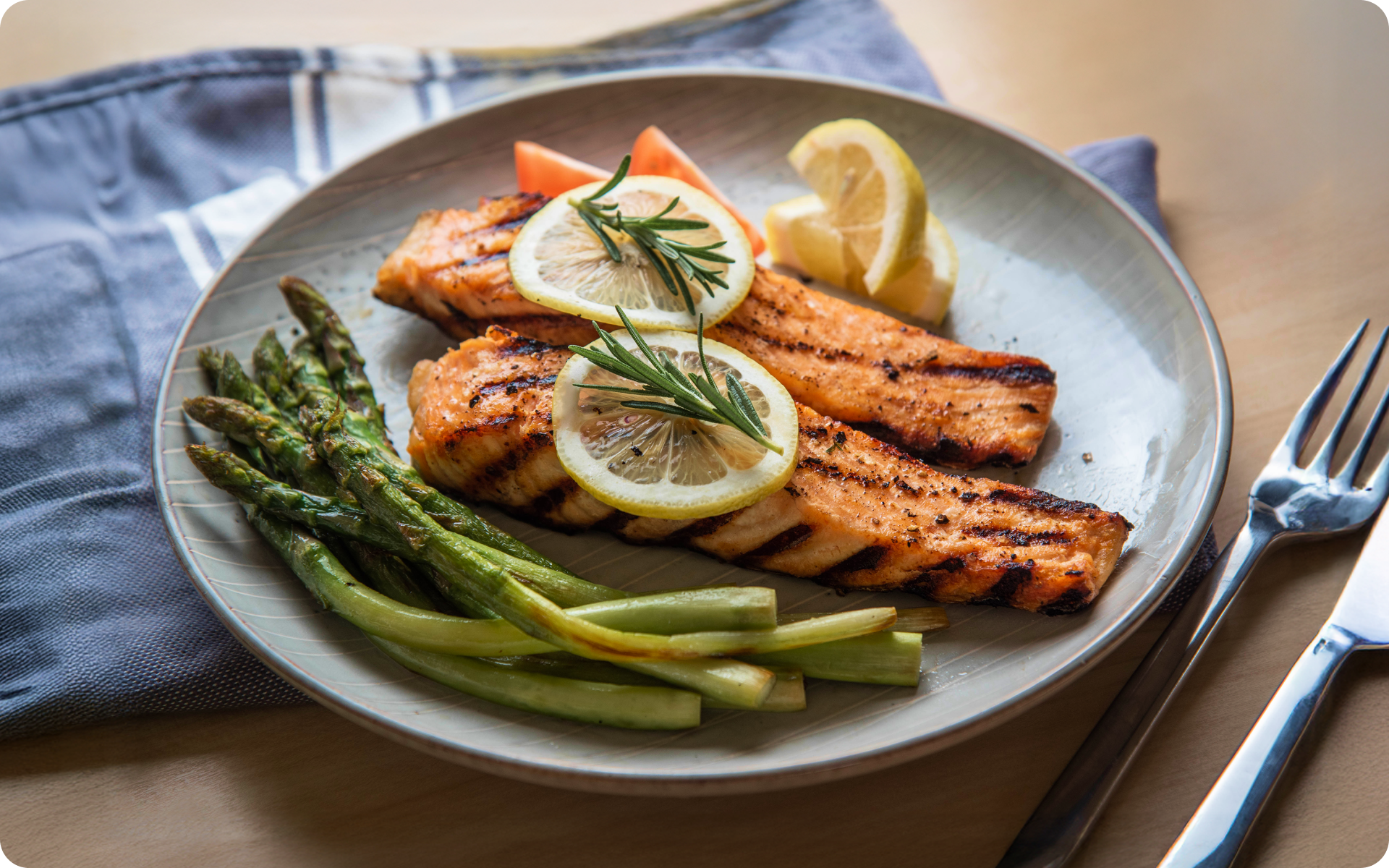
- Grilled salmon with quinoa and a big side salad.
- Chicken stir-fry with mixed vegetables and brown rice.
- A tofu and bean bowl with avocado and greens.
Skip the “clean” or “detox” labels—food doesn’t need these tags. Focus instead on meals that keep you nourished and content across your eating window. Nutrient-dense foods can be a useful part of a balanced eating window, particularly if it’s short.
Quality still matters, even with a flexible schedule. Meals built mostly from whole foods tend to feel more satisfying than ultra-processed snacks (12).
How Do You Start Intermittent Fasting Gradually?
You start intermittent fasting gradually by beginning with a short 12-hour fast and extending the hours slowly if it suits you. A gentle start helps your routine feel manageable rather than overwhelming.
Here’s a simple, step-by-step path for beginners:
- Begin with 12:12. Finish dinner at 8:00 pm and eat breakfast at 8:00 am.
- Trim late-night snacking. Close the kitchen after dinner for a few nights.
- Add an hour. Shift to a 13-hour fast, then a 14:10 window if it feels okay.
- Test 16:8 later. Only move here once shorter fasts feel comfortable.
This slow approach lets you see how a fasting schedule fits your routine without making abrupt changes.
Keep eating regular, balanced meals during your window. Skipping nutrition to “fast harder” can leave you drained and irritable.
How to Break a Fast
Knowing how to break a fast keeps the transition smooth. Ease in with a moderate, balanced meal rather than a large, rushed one.
Try these gentle first bites:
- A small portion of protein and vegetables
- A bowl of oats with fruit and nuts
- Eggs with whole-grain toast
How to End a Fasting Routine
If you want to know how to stop fasting, the answer is straightforward: return to your regular meal pattern without pressure. There’s no need to force it.
Fasting isn’t a test you must pass. If it doesn’t fit your routine, you can choose another meal-timing approach that feels better.
Some people feel steady within days, while others need a few weeks—individual experience may vary. Give yourself grace as you learn what works.

How Can Intermittent Fasting Fit Around Workouts and Busy Days?
You can combine intermittent fasting and exercise by planning your meals around your training and daily schedule (13). Some people train fasted, although this can make long and intense workouts challenging, while others prefer eating first—both approaches can work depending on your preference.
The key is to time food near your energy needs. For heavier lifting or longer runs, some people prefer to train during their eating window or after a meal (14).
Here’s a comparison of common workout-timing approaches:
| Approach | How it works | May suit | Practical tip |
|---|---|---|---|
| Fasted workout | Train during the fasting window, before your first meal | Light-to-moderate cardio, morning exercisers | Keep water nearby, break your fast soon after |
| Train near first meal | Exercise close to when your eating window opens | Those who feel low on energy when fasted | Eat a balanced meal within 1-2 hours afterwards |
| Train mid-window | Work out between two meals inside your window | Strength training, higher-intensity sessions | Have protein and carbs before and after |
| Wider window on hard days | Extend your eating window on demanding training days | Long or intense workout days | Adjust hours to support fueling and recovery |
A few practical pointers for busy days:
- Plan meals ahead: Prep food for meetings, commutes, and errands.
- Match food to effort: Bigger training days may call for more fuel.
- Stay flexible: Shift your window when travel or deadlines disrupt the plan.
For gentle morning sessions, a fasted walk or easy jog may feel fine. For heavier lifting or longer aerobic sessions, you may prefer to train during your eating window or after a meal.
Here’s how a mid-window strength day might flow:
- Open your window at noon with a balanced and protein-rich lunch.
- Train at 4:00 pm with fuel already on board.
- Eat dinner by 7:00 pm if it suits your schedule.
How training feels can be influenced by total food intake, protein, and carbohydrates, not just the clock (15). If training feels consistently harder while fasted, adjust your window.
Some people prefer to work out on rest days differently, spacing meals to match lower activity. There’s no single rule, so experiment gently and see what feels sustainable.
Read more: Meal Plans To Lose Weight: Simple Diet Plans, Menus, and Hacks to Lose Pounds Faster

What Common Challenges Can Come Up When You First Try Intermittent Fasting?
Common challenges when you first try intermittent fasting include adjusting to new meal timing, planning meals ahead, and managing hunger. These hurdles often ease as your routine settles, though individual experience may vary.
Here are the challenges beginners tend to notice:
- New meal timing: Your body may expect food at old mealtimes.
- Meal planning: Fitting balanced meals into a shorter window takes practice.
- Social occasions: Dinners and events may not match your fasting hours.
- Staying hydrated: It’s easy to forget water during fasting hours.
- Over-restriction: Shrinking your window too fast can backfire.
- High-volume and rapid eating: Eating large volumes of food very quickly when a fast ends, which can create digestion problems and potentially create a calorie surplus.
Early discomfort is common for many people. You might notice hunger, low energy, headaches, or trouble concentrating (16) in the first week or two.
These feelings often settle as you adapt, and the body can more effectively use other energy sources during the fast. However, hunger, low energy, or discomfort may be reasons to reassess the routine rather than push through at all costs.
A few gentle fixes can smooth the transition:
- Drink a glass of water when hunger hits.
- Keep protein and fiber high in your meals.
- Ease your window open by an hour if you feel drained.
- Protect your sleep, since rest affects hunger and mood.
Social events deserve a flexible mindset. You can shift your eating window to join a dinner, then return to your usual hours the next day.
Watch for signs that your approach is too aggressive. Feeling constantly exhausted, dizzy, or preoccupied with food can be a reason to shorten or pause the schedule and, if concerns persist, speak with a healthcare professional.
Remember, fasting should reduce friction in your day, not add stress. If it starts to feel like a battle, gentler hours may serve you better.

How Can You Make an Intermittent Fasting Routine More Sustainable?
You make an intermittent fasting routine more sustainable by keeping it flexible, planning meals, staying hydrated, and choosing a realistic schedule. Sustainability comes from a routine you can repeat, not a perfect streak.
These habits tend to help the routine last:
- Meal planning: Prep balanced meals so your window feels easy to fill.
- Hydration: Keep water handy through your fasting hours.
- Realistic hours: Pick a window that fits your life, not an ideal one.
- Balanced meals: Protein, fiber, and vegetables keep you satisfied (10, 11, 17).
Consistency doesn’t require perfection—missing a day or shifting your window won’t undo your progress.
Aim for a pattern you can keep most days, such as 5-6 days a week. This leaves room for travel, celebrations, and the occasional off day.
Here’s a simple sustainability mindset:
- Choose the least disruptive window you can hold for months.
- Keep your meals nourishing rather than rushed or skimpy.
- Adjust or pause when life shifts, then return when ready.
Judge your routine over weeks, not single days. A pattern that feels smooth after a month is a pattern worth keeping.
If a schedule stops fitting your lifestyle, adapt it freely—you might switch from a 16:8 window to a gentler 14:10 during a busy season.
Fasting should fit around your day rather than dominate it. Give yourself permission to tweak the plan whenever it stops serving you.
The most sustainable routine is the one you barely have to think about. When your window feels natural, it tends to stick.
BetterMe Well-Being Coach app can help you build a more structured approach to your wellness routine with meal plans, workouts, and habit-tracking tools. Start using the app to explore options that may support your personal fitness and nutrition goals.

Who May Want to Speak with a Healthcare Professional Before Trying Intermittent Fasting?
Some people may want to speak with a healthcare professional before they try intermittent fasting, particularly if they have specific needs or circumstances. Professional guidance can help you decide whether fasting fits your situation.
Professional input may be particularly useful for people who (2):
- Are pregnant or breastfeeding
- Are taking regular medication, particularly if it’s timed with meals
- Have a history of disordered eating
- Are under 18 years old
- Are living with a health condition that affects eating patterns
- Regularly partake in intensive physical or mental tasks
This isn’t about labeling anyone or diagnosing a problem. It’s simply about getting tailored input when your circumstances call for it.
A qualified professional can look at your full picture. They can weigh your routine, preferences, and needs in a way general advice can’t.
If you’re unsure whether fasting suits you, that uncertainty is a good reason to ask. A short conversation can bring clarity and peace of mind.
Listen to your body throughout the process. Symptoms such as persistent dizziness, fainting, or major mood shifts are worth discussing with a professional.
Fasting is a personal experience, and support is part of doing it thoughtfully. Reaching out for guidance is a sign of care, not a setback.

FAQs
What is the most common intermittent fasting schedule?
The most common intermittent fasting schedule is 16:8, which means a 16-hour fast with an 8-hour eating window (18). Many people choose it because the structure feels simple and fits a typical day. You might eat from noon to 8:00 pm, then fast overnight. However, “common” doesn’t mean “best for everyone”, and shorter windows may suit beginners better.
Is 16:8 intermittent fasting a good place to start?
16:8 intermittent fasting can be a good place to start for some people, but it isn’t the gentlest option. Many beginners find a 12:12 or 14:10 window easier at first. You can begin with a shorter fast, then work toward 16:8 once it feels comfortable. The best starting point depends on your routine, hunger, and preferences.
What can you drink while intermittent fasting?
While intermittent fasting, most people stick to calorie-free drinks such as water, plain sparkling water, unsweetened tea, and black coffee. These beverages help you stay hydrated without ending the fast. Drinks with meaningful calories, such as juice, smoothies, or milky coffee, generally break the fast. If you’re in doubt, keep it plain and simple during your fasting hours.
What foods work well in an intermittent fasting meal plan?
Foods that work well in an intermittent fasting meal plan include protein, fiber-rich carbohydrates, vegetables, fruit, and healthy fats. Think eggs, fish, beans, oats, whole grains, and olive oil. These options tend to feel satisfying, provide sustained energy, and help you build balanced meals (12). Whole foods usually sit better than ultra-processed snacks squeezed into a short eating window.
Can intermittent fasting be part of a weight-management routine?
Intermittent fasting can be one meal-timing approach some people use as part of a weight-management routine. It may help by adding structure and reducing casual snacking (19, 20). That being said, individual experiences and outcomes vary widely. It isn’t a guarantee, and it often works similarly to other sensible eating patterns rather than dramatically better.
How long does it take to get used to intermittent fasting?
Becoming used to intermittent fasting often takes a few days to a few weeks, although individual experience may vary. Early hunger and low energy tend to ease as your body adjusts to the new pattern. A gradual start usually makes the transition smoother. If it still feels difficult after a fair trial, it may help to adjust your window.
Can you work out while intermittent fasting?
You can work out while intermittent fasting (13), and many people do this comfortably. Light-to-moderate exercise, such as walking or easy cardio, often feels fine during fasting hours. For heavier or longer sessions, some people prefer scheduling training during their eating window or after a meal. Performance and recovery depend on your total food, protein, and carbohydrates (15), so adjust the timing to match your energy.
Should you speak with a healthcare professional before you start intermittent fasting?
You may want to speak with a healthcare professional before starting intermittent fasting, particularly if you have specific needs. This includes people who are pregnant or breastfeeding, those who are taking regular medication, people under 18, or anyone with a history of disordered eating (2). A professional can offer tailored input for your situation. Reaching out is a thoughtful step to help you choose a plan that fits your circumstances.
The Bottom Line
Intermittent fasting is simply a flexible way to organize when you eat, with schedules ranging from a gentle 12-hour fast to longer daily or weekly patterns. The right fit will depend on your routine, comfort, and preferences, and you can adjust it anytime. Explore the options at your own pace, keep your meals balanced, and let your fasting routine grow into something that genuinely fits your life.
DISCLAIMER:
This article is intended for general informational purposes only and does not serve to address individual circumstances. It is not a substitute for professional advice or help and should not be relied on for making any kind of decision-making. Any action taken as a direct or indirect result of the information in this article is entirely at your own risk and is your sole responsibility.
BetterMe, its content staff, and its medical advisors accept no responsibility for inaccuracies, errors, misstatements, inconsistencies, or omissions and specifically disclaim any liability, loss or risk, personal, professional or otherwise, which may be incurred as a consequence, directly or indirectly, of the use and/or application of any content.
You should always seek the advice of your physician or other qualified health provider with any questions you may have regarding a medical condition or your specific situation. Never disregard professional medical advice or delay seeking it because of BetterMe content. If you suspect or think you may have a medical emergency, call your doctor.
SOURCES:
- Intermittent Fasting and Metabolic Health (2022, mdpi.com)
- Intermittent Fasting: Exploring Approaches, Benefits, and Implications for Health and Weight Management (2024, npjournal.org)
- Unintended consequences of dieting: How restrictive eating habits can harm your health (2023, sciencedirect.com)
- The Effect of Fasting on Human Metabolism and Psychological Health (2022, pmc.ncbi.nlm.nih.gov)
- Fasting: How to Guide (2021, mdpi.com)
- The Impact of Meal Timing on Risk of Weight Gain and Development of Obesity: a Review of the Current Evidence and Opportunities for Dietary Intervention (2022, link.springer.com)
- Intermittent fasting: a comprehensive review of cellular mechanisms, metabolic processes, and organ health (2025, link.springer.com)
- Coffee’s Impact on Health and Well-Being (2025, mdpi.com)
- Refeeding Syndrome (2022, ncbi.nlm.nih.gov)
- Clinical Evidence and Mechanisms of High-Protein Diet-Induced Weight Loss (2020, pmc.ncbi.nlm.nih.gov)
- Dietary fiber in the prevention of obesity and obesity-related chronic diseases: From epidemiological evidence to potential molecular mechanisms (2022, tandfonline.com)
- Defining a Healthy Diet: Evidence for the Role of Contemporary Dietary Patterns in Health and Disease (2020, mdpi.com)
- A Narrative Review of Intermittent Fasting With Exercise (2025, sciencedirect.com)
- Exercise Training and Fasting: Current Insights (2020, pmc.ncbi.nlm.nih.gov)
- Nutritional Strategies to Improve Post-exercise Recovery and Subsequent Exercise Performance: A Narrative Review (2025, link.springer.com)
- Intermittent Fasting (2021, jamanetwork.com)
- Increasing vegetable intake 400 g/day to control body weight and lipid profile in overweight hyperlipidemia menopausal women (2020, pmc.ncbi.nlm.nih.gov)
- Is time‐restricted eating (8/16) beneficial for body weight and metabolism of obese and overweight adults? A systematic review and meta‐analysis of randomized controlled trials (2022, onlinelibrary.wiley.com)
- Intermittent fasting and health outcomes: an umbrella review of systematic reviews and meta-analyses of randomised controlled trials (2024, thelancet.com)
- Intermittent fasting and weight loss: Systematic review (2020, pmc.ncbi.nlm.nih.gov)

 Reviewed by
 Reviewed by