

Intermittent fasting (IF) is an eating pattern that cycles between periods of eating and fasting. Rather than focusing on exactly which foods you should eat, it focuses on when you should eat them. It works by giving your body a break from digesting and metabolizing food, which may support various metabolic processes. This approach is often used by people who are looking for a flexible way to manage their eating habits without strictly tracking calories or following complex meal plans.
IF has emerged as a popular alternative to traditional dieting and offers a fresh perspective for managing your eating habits. Unlike restrictive diets that focus on eliminating certain foods, intermittent fasting shifts the focus to timing, which can naturally reduce your calorie intake and potentially improve metabolic health. It appeals to those who are seeking flexibility and balance without the stress of constant food tracking.
But is IF right for you? From understanding the various fasting methods to exploring its benefits and potential drawbacks, there’s a lot to consider before you start. Whether you’re aiming to boost your energy, support weight management, or simply try a new approach to eating, here’s what you should know.
Explore BetterMe’s customised fasting and nutrition plans designed around your goals.
What Is Intermittent Fasting?
The intermittent fasting diet is best described as a timing-focused eating pattern rather than a traditional food-restriction diet. It focuses on time-restricted eating windows, such as a 16-hour fast with an 8-hour eating window (16:8) (1).
This cycle can vary depending on the type of intermittent fasting you choose to follow. However, the main principle remains the same. You pause your calorie intake during certain times and consume your meals during specific windows. Let’s contrast that with a traditional diet where you have a set number of meals and snacks throughout the day, often with a strict focus on exactly what goes on your plate.
The basic intermittent fasting rules are:
- During the fasting period, you can only consume non-caloric beverages such as water, unsweetened black coffee, or unsweetened tea, unless your fasting regimen allows you to consume a small number of calories while fasting.
- Any additives, no matter how small, to your beverages may break a strict fast.
- During the eating window, you should try to eat balanced meals and nutrient-dense foods.
- During the eating window, you should eat to satiety, meaning that you stop when you’re comfortably full.
- Counting calories isn’t required. By limiting your eating window, you tend to naturally consume fewer calories overall.
- Intermittent fasting is a long-term lifestyle practice, not a short-term diet.
Every fast is a personal experience. Your dietary preferences, body composition, and activity level all influence your fasting experience. It’s advisable to speak with a healthcare provider before you start any fasting regimen, particularly if you have any underlying health concerns or are taking medication.
Types of Intermittent Fasting
There are many types of fasting, and you can actually create your own customized fasting schedule. As long as you fast for at least 12 hours a day, you’re technically practicing intermittent fasting.
For those who want a more structured approach, here’s a helpful overview of the most commonly used methods.
| Method | Fasting Window | Eating Window | Difficulty | Best For |
|---|---|---|---|---|
| 16:8 method | 16 hours | 8 hours | Beginner to Intermediate | Most people, daily routine building |
| 14:10 method (TRE) | 14 hours | 10 hours | Beginner | Gentle introductions, women |
| 18:6 method (TRE) | 18 hours | 6 hours | Intermediate | Pushing past plateaus |
| 5:2 diet | Varies (2 days modified) | 5 days normal | Intermediate | People who prefer weekly flexibility |
| Alternate-day fasting (ADF) | 24 hours (modified) | 24 hours normal | Advanced | Breaking routines, structured days |
| Warrior diet | 20 hours | 4 hours | Advanced | Evening eaters, busy days |
| Eat-stop-eat | 24 hours | Normal the rest of the week | Advanced | Weekly resets |
| OMAD | 23 hours | 1 hour | Highly Advanced | Simplicity, experienced fasters |
16:8 Method
This is the most common type of intermittent fasting. It involves fasting for 16 hours and restricting your eating to an 8-hour window, typically between noon and 8 pm or 10 am and 6 pm.
The 16:8 method is a great beginner-friendly option for most people, as it’s easy to adapt to and can produce encouraging results (2). It’s also one of the popular approaches for fasting for beginners.
Pros
- It’s flexible and easy to follow in daily life.
- You can still eat at least 2 meals per day, depending on your window.
- It’s a practical starting point for most people.
- You spend a good chunk of your fasting time asleep, which makes it easier to stick to.
Cons
- You may require a bit more discipline during the eating window, as you only have eight hours in which to eat all your meals.
- You may experience some initial hunger or cravings before your body adjusts to the new routine.
Time-Restricted Eating Method (TRE)
TRE is an umbrella term for any type of intermittent fasting that involves restricting your eating to specific times, usually within a 12-hour window or shorter. This can include the 16:8 method or other cycles such as 14:10 or 18:6 schedules.
The main idea behind TRE is to sync your eating patterns with the natural circadian rhythm of your body, which proponents believe can help support overall well-being (3).
Pros
- It can be tailored to suit your schedule and lifestyle.
- It has potential benefits for digestion, sleep quality, and weight management.
Cons
- You may require more discipline, as there are no set rules for when or what you can eat within the eating window.
- It can be difficult to maintain for those with busy or irregular schedules.
Periodic Fasting Methods
Periodic fasting refers to fasting protocols that involve full fasting days rather than daily time-restricted windows, such as the 5:2 diet or eat-stop-eat method. These methods focus on weekly structures rather than daily eating windows.
Read more: Green Tea Intermittent Fasting: Benefits and Side Effects
Alternate-Day Fasting (ADF)
As the name suggests, ADF involves alternating between days of fasting and eating. On fasting days, you consume very few calories (around 25% of your normal intake), while on eating days, you eat normally. ADF is a more intense form of intermittent fasting. While it may support weight management goals (4), it can be challenging to stick to for extended periods.
Pros
- It can be an effective approach for weight management.
- You can still enjoy regular eating days without too many restrictions.
- It provides a break from calorie counting and meal planning on fasting days.
Cons
- It can be difficult to maintain long-term.
- It may lead to overeating on eating days if you’re not mindful of your intake.
- It may not be suitable for those with ongoing health concerns or who are taking certain medications.
5:2 Diet
The 5:2 diet involves eating normally for five days and reducing calorie intake to approximately 500-600 calories on two non-consecutive days each week. This is similar to ADF in that you still get some calories on fasting days, but it’s a gentler schedule with less frequent fasting days.
Pros
- It may help with weight management and support balanced energy levels.
- It can be easier to follow than ADF as there are only two fasting days per week.
Cons
- It may lead to overeating on non-fasting days if you’re not careful.
- Planning and discipline are required on fasting days to stick to the lower intake.
- It may not be suitable for those with certain ongoing health issues.
The Warrior Diet
This type of intermittent fasting involves consuming all your calories within a 4-hour eating window, usually in the evening. During the day, you can eat small snacks or light meals, but the main meal is reserved for dinner.
Pros
- It gives you more freedom during the day to eat small, light snacks.
- It may support weight management and insulin sensitivity.
Cons
- It may be challenging for those who are used to eating multiple meals throughout the day.
- It may not be suitable for individuals with specific health needs.
Eat-Stop-Eat Method
The eat-stop-eat method involves a 24-hour fast once or twice a week. This means consuming no calories at all for an entire day, from dinner one day until dinner the next.
Pros
- It can lead to noticeable weight management results.
- It may have potential wellness benefits, such as cellular repair support.
Cons
- It can be challenging to go a full 24 hours without eating.
- It’s not suitable for those taking certain medications.
- It’s not recommended for beginners or those with a history of restrictive eating patterns.
Reasons why BetterMe is a safe bet: a wide range of calorie-blasting workouts, finger-licking recipes, 24/7 support, challenges that’ll keep you on your best game, and that just scratches the surface! Start using our app and watch the magic happen.
OMAD (One Meal a Day) Method
OMAD involves eating just one meal a day, typically within a 1-hour window. This is seen as a highly advanced form of intermittent fasting and shouldn’t be attempted without previous experience with gentler types of IF.
Pros
- It can lead to weight management results for many people.
- It may support balanced blood sugar markers for some people.
Cons
- It can be challenging to consume all the necessary nutrients and calories in a single meal.
- It may not be suitable for those with ongoing health issues.
Snake Diet
The snake diet is a type of fasting that involves extended fasts (24-48 hours or more) with short eating periods in between. It also emphasizes drinking a specific electrolyte mix of water, sea salt, and potassium chloride.
Pros
- It can lead to quick weight changes.
Cons
- It can be extreme, unsuitable for long-term use, and it isn’t suitable for everyone.
- It may not provide adequate nutrients and electrolytes, which can lead to bodily discomfort.
Endurance Fasting
This type of fasting is popular among athletes and involves fasting for extended periods before a big event or competition. The theory is that by training the body to function without constant food intake, it becomes more efficient at using stored energy during intense physical activity.
Pros
- It’s popular among athletes looking to explore endurance strategies.
Cons
- It isn’t recommended for those who are new to intermittent fasting.
- It requires careful planning and consideration of individual needs, goals, and experience levels.

Which Intermittent Fasting Is the Most Effective?
Any intermittent fasting method can support weight management and overall wellness, as long as it’s followed consistently and paired with a nutrient-dense diet and active lifestyle (5). It’s important to choose an intermittent fasting schedule that works for your individual needs, preferences, and daily routine.
If you’re looking for practical recommendations, many people find it helpful to start gently. For beginners, starting with a 12:12 or 14:10 schedule can ease your body into the routine. If your focus is on weight management (4), progressing to a 16:8 or ADF schedule might be more supportive. For those who are interested in autophagy goals, fasts of 16 hours or more are commonly used.
Some benefits of intermittent fasting may be unlocked by longer fasts. For example:
- Cellular support: Autophagy, which is the process of cellular clean-up, is believed to be promoted after at least 16 hours of fasting. Longer fasting periods may be more beneficial for this purpose (6), although individual response varies and longer fasts aren’t suitable for everyone.
- Insulin sensitivity: Intermittent fasting has been linked to improved insulin sensitivity and blood sugar markers in some research (7). This may be at least partly related to weight loss.
- Weight management: Longer fasts (18 hours or more) or more frequent fasts may be utilized by some people for more noticeable intermittent fasting results (8). However, any schedule that allows you to reduce your calorie intake while still meeting nutrient needs should result in weight loss.
Ultimately, the most effective method of intermittent fasting is one you can stick to and that fits seamlessly into your lifestyle.
Why Intermittent Fasting Is Good for Your Body?
The benefits of intermittent fasting can make it a positive addition to your routine. By limiting the time period in which you consume calories, intermittent fasting can help reduce overall calorie intake and support weight management goals (8).
Here are a few ways this eating pattern may support your well-being:
- Weight management: Limiting your eating window often leads to a natural reduction in calorie intake (9). BMI (body mass index), a measure of body weight relative to height, is commonly used to track weight management progress. In addition, lean body mass—everything in your body except fat—is typically better preserved when protein intake remains adequate during intermittent fasting (10). Strength training is also important for maintaining muscle mass, particularly when it’s done during your eating window for adequate fuel and recovery.
- Cardiovascular Wellness: Some research has suggested that intermittent fasting may have positive effects on cholesterol levels, blood pressure, and other markers of heart health, which may go hand in hand with weight loss. This support can play a role in potentially reducing the risk of cardiovascular issues over time (11).
- Cellular Repair: Fasting is believed to promote autophagy. This natural process allows cells to clear out damaged components, repair themselves, and regenerate more efficiently (6).
- Blood Sugar Support: Intermittent fasting has been linked to improved insulin sensitivity and blood sugar markers, which is an area of active research interest (7). By giving your body longer breaks between meals, it doesn’t have to produce insulin as frequently. Weight loss may also play a role in this.
- Mindful Eating: By breaking unhelpful food habits and promoting mindful eating, intermittent fasting can help improve overall dietary choices. It encourages you to be more intentional about what you consume during your eating windows, which has the potential to lead to a more balanced lifestyle (12).
Read more: Intermittent Fasting and Running: A Winning Combination or a Terrible Mistake?
Intermittent Fasting for Women: Key Considerations
Intermittent fasting for women can sometimes look a bit different from how it does for men. Some research has suggested that women may experience different responses to extended fasting (13), making a gentle approach highly beneficial.
Hormonal sensitivity is a primary reason why women might need to adjust their fasting routines (13). The female body is highly attuned to calorie restriction and extended periods without food. Because of this, the general recommendation in the literature often suggests that women may find shorter fasting windows, such as 12 to 14 hours, to be a better starting point. This gentler approach can offer the benefits of fasting while minimizing stress on the body.
Menstrual cycle awareness is also important (13). Some people notice changes in their cycles or energy levels when fasting. Listening to your body is important. If you feel excessive fatigue or discomfort, it’s perfectly fine to adjust your fasting window or take a break.
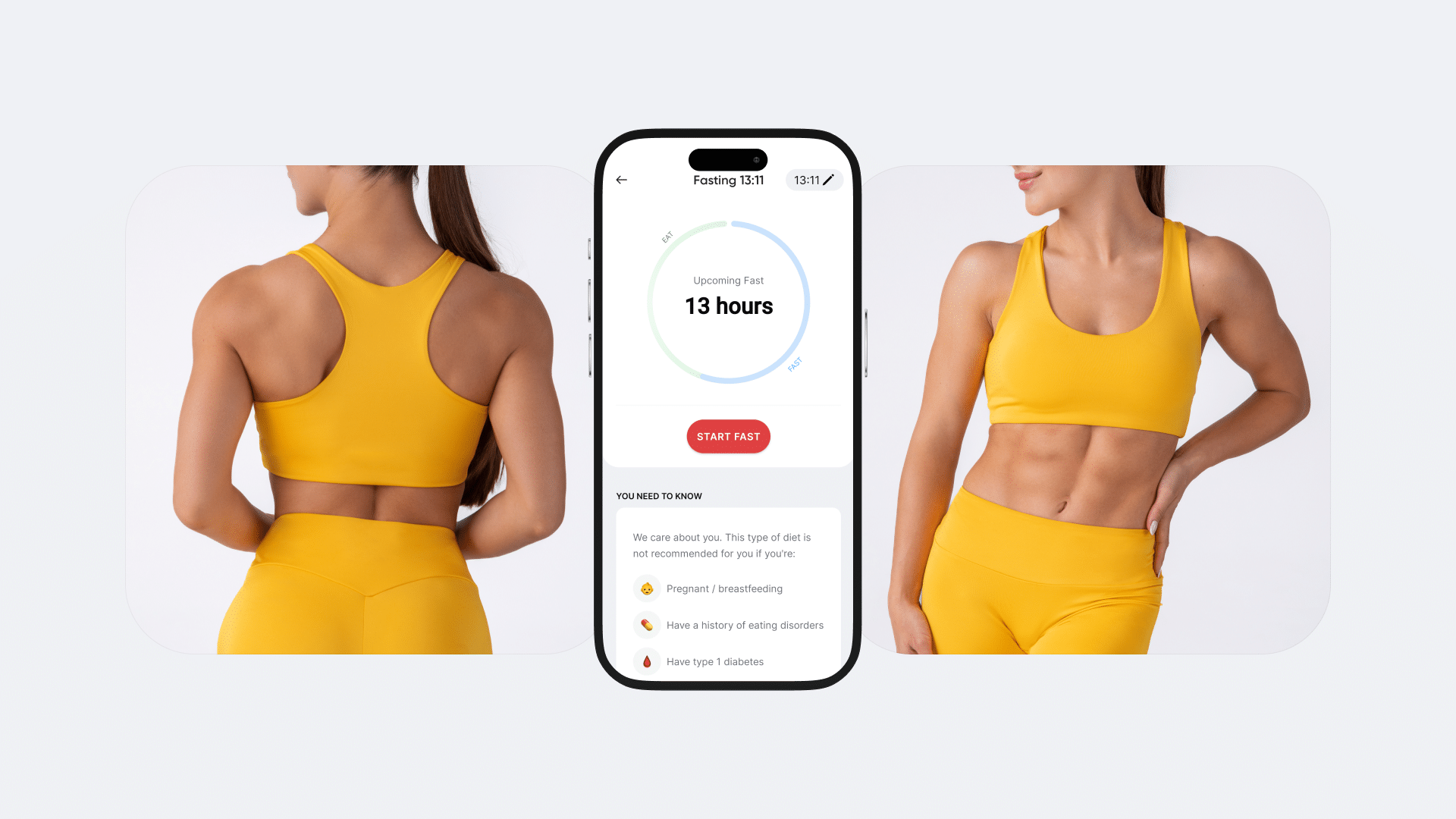
For those who are pregnant, breastfeeding, or trying to conceive, intermittent fasting is generally not recommended. The body requires consistent, adequate nourishment during these times.
People with a history of hormonal concerns should also consult a healthcare provider to ensure that fasting aligns with their personal needs.
Every fast is a personal experience. Your dietary preferences, body composition, and activity level all influence your fasting experience. It’s advisable to speak with a healthcare provider before starting any fasting regimen, particularly if you have any underlying health concerns or are taking medication.
How to Get Started with Intermittent Fasting?
Getting started with a fasting diet plan doesn’t have to be complicated. Many people find it helpful to start with a progressive approach that allows the body to adjust naturally over time.
A simple 3-step beginner ramp-up is a great way to begin.
- Start with 12:12: Fast for 12 hours overnight and eat within a 12-hour window during the day.
- Move to 14:10: After one to two weeks, gradually extend your fast to 14 hours.
- Progress to 16:8: If you feel comfortable, extend your fasting period to 16 hours.
Here’s a sample daily schedule table to help you visualize how this works:
| Method | Start Eating | Stop Eating | Fast Duration |
|---|---|---|---|
| 12:12 | 8:00 am | 8:00 pm | 12 hours |
| 14:10 | 9:00 am | 7:00 pm | 14 hours |
| 16:8 | 11:00 am | 7:00 pm | 16 hours |
During your eating window, you should focus on consuming nutrient-dense foods. Fill your plate with whole grains, adequate protein, healthy fats, and plenty of vegetables. This helps keep your energy steady and supports your overall well-being.
Common beginner mistakes include overeating during the eating window to compensate for the fast, or choosing too aggressive a protocol on the very first day. Remember to listen to your body and adjust as needed.
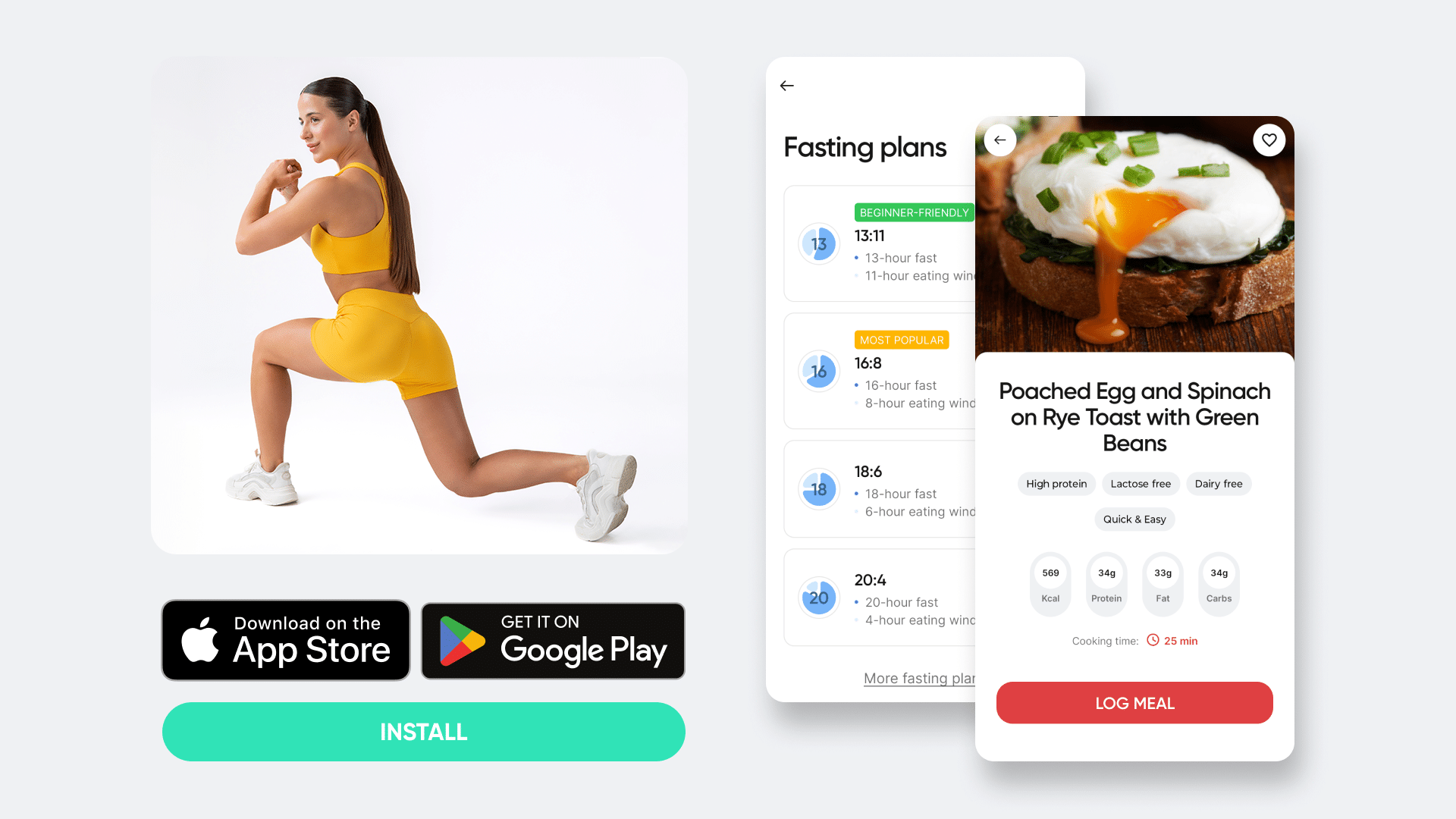
BetterMe Well-Being Coach app helps you achieve your body goals with ease and efficiency by helping to choose proper meal plans and effective workouts. Start using our app and you will see good results in a short time.
What Are the Side Effects of Intermittent Fasting?
The most commonly reported side effects of intermittent fasting include temporary fatigue, irritability, headaches, and difficulty concentrating. These symptoms generally occur during the initial adjustment period as the body becomes used to a new eating pattern. They can often be managed by staying hydrated and getting sufficient rest.
In addition to these initial side effects, some individuals may experience other issues that require attention:
Low Blood Sugar
If you’re managing your blood sugar levels or taking medication that affects blood sugar, it’s especially important to speak with a healthcare provider before starting intermittent fasting. Changes in eating times can influence how you feel, and it may require careful monitoring by a professional to ensure your routine is supportive (14).
Disordered Eating Patterns
Intermittent fasting can potentially trigger unhelpful eating behaviors in those with a past experience of restrictive eating patterns (15). It’s important to approach fasting in a mindful and balanced way, avoiding extremes and listening to your body’s needs. Those with a history of eating concerns should avoid restrictive eating patterns to protect their well-being.
Nutrient Deficiencies
Depending on the type of fasting you follow, it may be challenging to consume all the necessary nutrients within a limited eating window. Micronutrients—vitamins and minerals your body needs in small amounts—can be harder to obtain consistently when eating within a limited window. The same can be true of macronutrients such as protein and fiber. This is why it’s important to focus on nutrient-dense foods and speak with a professional about supplements if required.
Hormonal and Menstrual Changes
Women may notice changes in their menstrual cycle or energy levels when following intermittent fasting (13). These are personal experiences that vary significantly from person to person. It’s always best to consult a healthcare professional who will advise on the most appropriate, gentle intermittent fasting schedule for you.

Frequently Asked Questions
What’s the difference between 14:10 and 16:8 fasting?
The difference between 14:10 and 16:8 fasting is the length of the fasting period. With a 14:10 schedule, you fast for 14 hours and have an eating window of 10 hours. With a 16:8 schedule, you fast for 16 hours and have an eating window of 8 hours. Both schedules fall under the category of time-restricted eating and offer similar support, but a longer fasting period may lead to different individual results depending on your routine.
Is it better to fast for 12 or 16 hours?
Whether it’s better to fast for 12 or 16 hours depends entirely on your personal goals and lifestyle. Longer fasting periods have been linked to more significant research outcomes in some studies, such as insulin sensitivity and autophagy markers. However, it’s important to choose a fasting schedule that works for your individual needs. If you find 16 hours too challenging, starting with a shorter fast, such as 12 hours, may be much more sustainable in the long term. Sustainability is ultimately what leads to lasting results.
Does coffee break a fast?
Black, unsweetened coffee won’t break your fast. This beverage is acceptable during fasting periods as it doesn’t significantly impact blood sugar or insulin levels. However, adding milk, cream, sugar, or any other caloric additive to your coffee will technically break a fast and disrupt the fasting state. If you want to keep your fast intact, it’s best to stick to plain water, black coffee, or plain tea.
Does sleep count as fasting?
Yes, the hours you spend asleep absolutely count toward your fasting period. This is why many people choose to incorporate sleep time into their fasting schedule. This helps them achieve longer fasts without feeling too hungry or deprived. For example, if you sleep for eight hours, you’re already halfway through a 16-hour fast before you even wake up.
Is it OK to do intermittent fasting every day?
It’s suitable for most healthy adults to practice intermittent fasting every day, as long as it’s done sustainably and thoughtfully. This means listening to your body’s needs, consulting a healthcare professional if necessary, and not becoming overly restrictive about your food choices. Some people find that varying their intermittent fasting approach helps keep their routine feeling fresh and sustainable in the long term.
The Bottom Line
Intermittent fasting is a flexible and customized approach to eating that shifts the focus from what you eat to when you eat. By finding an eating window that suits your lifestyle, you can create a routine that feels natural and sustainable.
The main takeaway is to choose a protocol that fits comfortably into your daily life without causing excess stress or discomfort. For many people, intermittent fasting offers a flexible approach to managing their eating routine while supporting their overall wellness journey. Start small, listen to your body, and choose the routine that feels best for you.
DISCLAIMER:
This article is intended for general informational purposes only and does not serve to address individual circumstances. It is not a substitute for professional advice or help and should not be relied on for making any kind of decision-making. Any action taken as a direct or indirect result of the information in this article is entirely at your own risk and is your sole responsibility.
BetterMe, its content staff, and its medical advisors accept no responsibility for inaccuracies, errors, misstatements, inconsistencies, or omissions and specifically disclaim any liability, loss or risk, personal, professional or otherwise, which may be incurred as a consequence, directly or indirectly, of the use and/or application of any content.
You should always seek the advice of your physician or other qualified health provider with any questions you may have regarding a medical condition or your specific situation. Never disregard professional medical advice or delay seeking it because of BetterMe content. If you suspect or think you may have a medical emergency, call your doctor.
SOURCES:
- Intermittent Fasting (2020, sciencedirect.com)
- Review Article: Health Benefits of Intermittent Fasting (2025, pmc.ncbi.nlm.nih.gov)
- Time-restricted Eating for the Prevention and Management of Metabolic Diseases (2021, pmc.ncbi.nlm.nih.gov)
- Health Effects of Alternate-Day Fasting in Adults: A Systematic Review and Meta-Analysis (2020, frontiersin.org)
- A Narrative Review of Intermittent Fasting With Exercise (2025, sciencedirect.com)
- The effect of prolonged intermittent fasting on autophagy, inflammasome and senescence genes expressions: An exploratory study in healthy young males (2023, sciencedirect.com)
- The effect of intermittent fasting on insulin resistance, lipid profile, and inflammation on metabolic syndrome: a GRADE assessed systematic review and meta-analysis (2025, link.springer.com)
- Intermittent fasting and weight loss (2020, pmc.ncbi.nlm.nih.gov)
- Time-restricted eating improves health because of energy deficit and circadian rhythm: A systematic review and meta-analysis (2024, sciencedirect.com)
- Intermittent fasting and protein pacing are superior to caloric restriction for weight and visceral fat loss (2022, pmc.ncbi.nlm.nih.gov)
- Intermittent Fasting for the Prevention of Cardiovascular Disease Risks: Systematic Review and Network Meta-Analysis (2025, link.springer.com)
- Fasting diets: what are the impacts on eating behaviors, sleep, mood, and well-being? (2024, frontiersin.org)
- Differential Impacts of Intermittent Fasting on Men and Women (2024, researchgate.net)
- Effect of intermittent fasting on diabetic patients-A narrative review (2025, pmc.ncbi.nlm.nih.gov)
- Unintended consequences of dieting: How restrictive eating habits can harm your health (2023, sciencedirect.com)

 Reviewed by
 By
By 
 By
By 
 Reviewed by