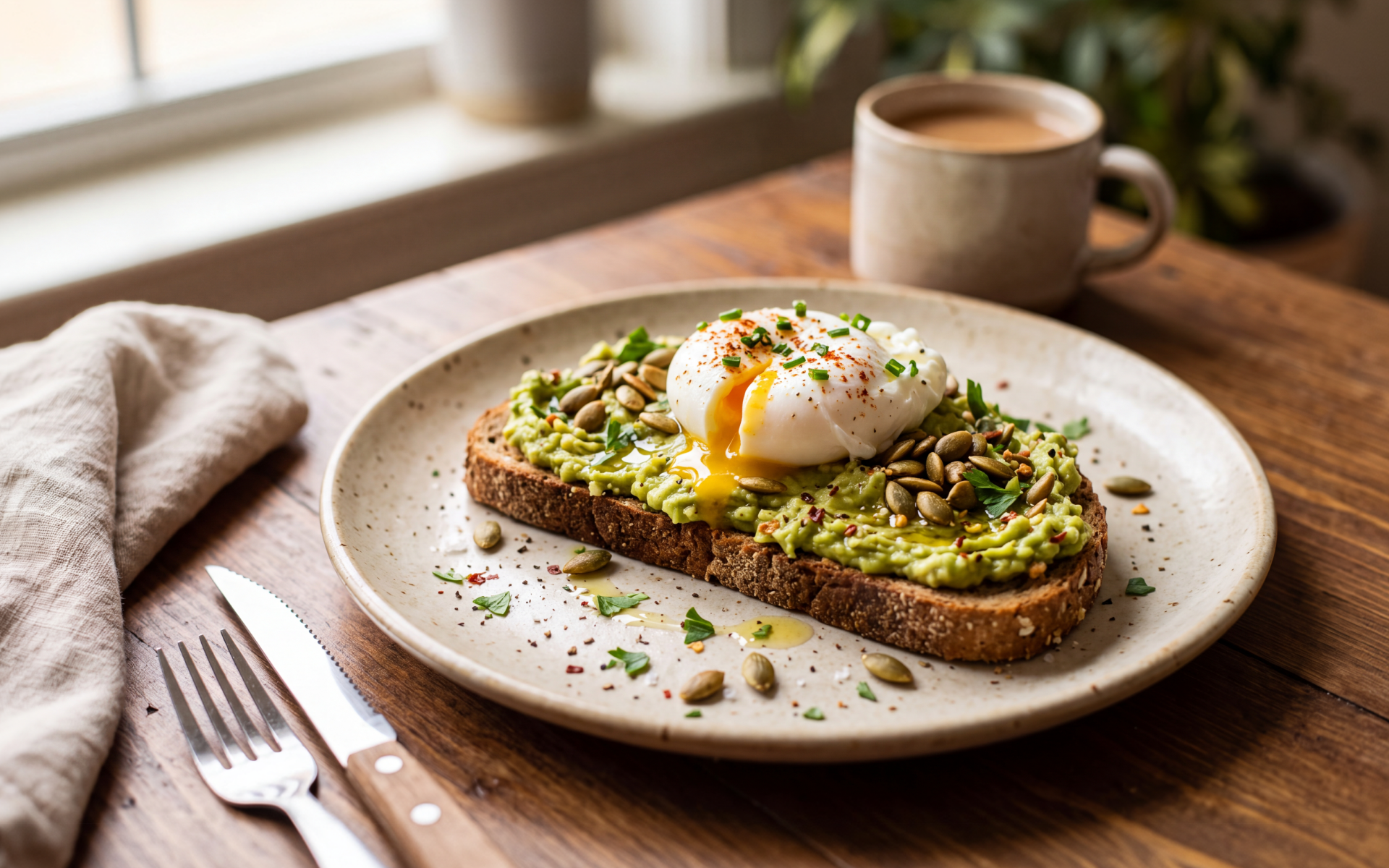

An intermittent fasting meal plan example shows when to eat and what meals may fit inside your eating window. A typical plan may use a 16-hour fasting window with an 8-hour eating window (16:8), such as eating from noon to 8 p.m. It can be paired with general balanced meals, keto, vegan, high-protein, raw food, or other eating styles.
Intermittent fasting means cycling between fasting periods and eating periods. It is not one fixed diet. Instead, it is a timing structure that you can pair with different food preferences. If you are new to fasting, the biggest questions are usually simple: When do I eat? What goes on my plate? How do I make this fit real life?
A thoughtful meal plan for intermittent fasting can help you eat enough protein, fiber, fats, and carbohydrates during your window without feeling like you are guessing. This article is for beginners who want practical examples. You will find time-based schedules, a beginner intermittent fasting meal plan, keto, vegan, high-protein, carnivore, raw food, and women-over-50 examples.
Disclaimer: This article is for general educational purposes only and is not medical advice. Fasting may not suit every person or life stage. Consider speaking with a qualified healthcare provider before starting a new fasting routine, especially if you have personal health concerns, take medication, are pregnant or nursing, or have a history of disordered eating.
How To Do Intermittent Fasting For Beginners?
Intermittent fasting is an eating pattern that alternates between fasting windows and eating windows. It does not tell you one exact food list to follow. Instead, it gives you a structure for when you eat, while your food choices still matter (1).
For beginners, the easiest place to start is often a shorter fasting window, such as 12:12 or 14:10. This lets you practice the routine without making your day feel too restricted. Once you understand your hunger cues, schedule, and energy needs, you can decide whether a longer window makes sense.
1. What is intermittent fasting?
Intermittent fasting, often shortened to IF, is a timed eating pattern. The most common routine is daily time-restricted eating, where you eat during a set window and fast during the remaining hours (1). For example, with a 16:8 schedule, you fast for 16 hours and eat during an 8-hour window.
2. What are fasting and feeding windows?
A fasting window is the period when you avoid calorie-containing foods and drinks. A feeding window, also called an eating window, is when you eat your meals and snacks. During fasting hours, many people choose water, plain tea, or unsweetened black coffee.
3. Are there any rules to follow?
The main rule is to follow your chosen timing schedule. Still, food quality matters. During the eating window, focus on meals with protein, fiber-rich carbohydrates, healthy fats, and colorful produce (2). This can make the plan more filling and easier to repeat.
4. How does intermittent fasting work?
Intermittent fasting may help some people manage their intake because it reduces the number of hours available for eating. If you usually snack late at night or graze throughout the day, a clear eating window may make your routine more structured.
It may also help you become more aware of hunger, fullness, and meal timing. That does not mean you need to under-eat (3). A useful intermittent fasting food plan should still include enough calories and nutrients for your body, lifestyle, and activity level.
5. How do you do intermittent fasting?
Start small and build. Choose a schedule that matches your normal day, plan 2–3 balanced meals inside your eating window, and keep water nearby during fasting hours. If a plan feels too hard to repeat, consider a gentler version.
Read more: Intermittent Fasting and Working Out: What to Know Before You Start

Hourly Or Time-Based Intermittent Fasting
Hourly or time-based intermittent fasting means you repeat a fasting and eating schedule within a 24-hour day. Before choosing one, it helps to understand the different types of intermittent fasting and how each one feels in real life.
The table below compares common types of intermittent fasting schedules. These are not rules you have to follow. They are options you can adjust based on your routine, appetite, workouts, and social life.
| Protocol | Fasting Hours | Eating Hours | Good For | Difficulty Level |
|---|---|---|---|---|
| 12:12 | 12 | 12 | New beginners, evening snack reduction | Easy |
| 14:10 | 14 | 10 | People who want structure with flexibility | Easy to Moderate |
| 16:8 | 16 | 8 | People who prefer 2–3 meals in a shorter window | Moderate |
| 18:6 | 18 | 6 | Experienced fasters who do well with 2 meals | Moderate to Hard |
| 20:4 | 20 | 4 | Highly experienced fasters with careful planning | Hard |
- 12:12: You fast for 12 hours and eat during the 12 hour window. This is often the easiest place to begin because much of the fasting window happens while you sleep.
- 14:10: You fast for 14 hours and eat during the 10 hour window. For example, you might eat from 10 a.m. to 8 p.m.
- 16:8: You fast for 16 hours and can eat the next 8 hours. A common window is noon to 8 p.m., though you can shift it earlier or later.
- 18:6: You fast for 18 hours and can eat during 6 hours. This usually works better after you have practiced shorter fasting schedules.
- 20:4: You fast for 20 hours and eat during the 4 hour window. This can make it harder to meet nutrient needs, so it requires careful meal planning.
Other Forms Of Intermittent Fasting
Not every fasting routine uses the same daily schedule. Some people prefer weekly methods because they do not want a limited eating window every day.
These options tend to need more planning, especially around work, workouts, family meals, and social events.
- The 5:2 diet: With this method, you eat your usual meals 5 days per week and significantly lower your calorie intake on 2 nonconsecutive days (4). A practical tip is to choose lower-intensity activities for the reduced-calorie days, such as days without hard workouts or big social meals.
- The alternate-day fast: This method alternates regular eating days with fasting or very low-calorie days (5). If you try it, consider planning regular eating days around family dinners, events, or higher-activity days so the routine feels less disruptive.
- Eat-Stop-Eat Diet: This method uses a full 24-hour fast once or twice per week (6). Some people find dinner-to-dinner fasting more manageable than breakfast-to-breakfast fasting because it still includes one meal each day.
These plans can feel more intense than 12:12, 14:10, or 16:8. If you are new to fasting, it may be easier to build consistency with a time-based routine first.
BetterMe Well-Being Coach app helps you achieve your body goals with ease and efficiency by helping to choose proper meal plans and effective workouts. Start using our app and you will see good results in a short time.
When Should You Eat When Intermittent Fasting?
The best time to eat when intermittent fasting depends on your schedule, appetite, activity level, and personal preferences. There is no single eating window that suits everyone. The goal is to choose a schedule you can follow without skipping key nutrients.
For a 16:8 schedule, you might eat from noon to 8 p.m, or any other 8 hour window that suits you. A simple day could look like this:
| Time | Example |
|---|---|
| 12:00 p.m. | Meal 1: protein, fiber-rich carbs, vegetables, and fats |
| 3:30 p.m. | Optional snack: yogurt, fruit, nuts, or a smoothie |
| 7:00 p.m. | Meal 2: protein, vegetables, and a filling carb or fat source |
| 8:00 p.m.–12:00 p.m. | Fasting window with water or unsweetened drinks |
For a 5:2 schedule, timing is different. On regular eating days, you may eat your usual meals. On lower-calorie days, some people prefer 2 smaller meals, such as one late morning and one early evening meal.
Inside your eating window, aim for 2–3 meals rather than trying to squeeze in all your food at once. This can make meals easier to digest and help you include enough protein, produce, and healthy fats.
Hydration also matters. Water, plain tea, and unsweetened black coffee are common fasting-window choices. Women may prefer shorter windows, such as 12:12 or 14:10, especially during busy, high-stress, or low-energy seasons. Men and women can both adjust based on how they feel.

3-Day Intermittent Fasting Meal Plan Example
This beginner intermittent fasting meal plan uses a simple eating window and balanced meals. You can place the meals inside a 16:8 schedule, such as noon to 8 p.m., or adjust the timing to fit your day.
This sample meal plan example includes protein, carbohydrates, fats, and produce. Approximate calories are estimates. Your needs may be higher or lower depending on your body size, activity level, goals, and daily routine.
Day One
| Meal | Food | Approx. Calories |
|---|---|---|
| Meal 1 | Breakfast sandwich with multigrain sandwich thin, egg, spinach, tomato, feta, and olive oil | 240–300 |
| Meal 2 | Coconut rice curry with chickpeas, cauliflower, sweet potato, light coconut milk, and brown rice | 390–450 |
| Meal 3 | Honey garlic shrimp with peas, bell pepper, brown rice, soy sauce, ginger, and orange zest | 350–420 |
| Meal 4 | Chicken stir-fry with chicken breast, broccoli, sesame oil, soy sauce, lemon juice, and sesame seeds | 250–350 |
Day Two
| Meal | Food | Approx. Calories |
|---|---|---|
| Meal 1 | Almond-flour pancakes with eggs, almond milk, and a small amount of maple syrup | 250–330 |
| Meal 2 | Smoothie with banana, strawberries, protein powder, peanut butter, and unsweetened almond milk | 200–300 |
| Meal 3 | Quinoa salad with spinach, strawberries, goat cheese, almonds, quinoa, and lemon dressing | 500–700 |
| Meal 4 | Tuna salad with celery, red onion, Greek yogurt, mayo, pickles, and lemon juice | 110–250 |
Day Three
| Meal | Food | Approx. Calories |
|---|---|---|
| Meal 1 | Avocado toast with 2 slices whole-grain toast, 1/2 avocado, and 2 hard-boiled eggs | 350–430 |
| Meal 2 | Chicken salad bowl with lettuce, apples, blueberries, chicken breast, almonds, and yogurt-based dressing | 450–550 |
| Meal 3 | Cobb-style salad with arugula, chicken breast, eggs, avocado, tomatoes, pumpkin seeds, and yogurt dressing | 400–520 |
This plan gives you a flexible template rather than a strict rulebook. If a meal is too large, split it into a meal and snack. If it is too light, increase portion sizes or add fruit, extra vegetables, whole grains, or another protein source.
Read more: 12-Hour Intermittent Fasting For Weight Loss And Other Benefits
Simple Intermittent Fasting Meal Plan Example
This general intermittent fasting meal plan example is not keto, vegan, or carnivore. It is a balanced option for people who want familiar foods and an easy structure.
Use this as a simple meal plan for intermittent fasting if you prefer 3 meals per day during your eating window. For example, you could eat at 11 a.m., 3 p.m., and 7 p.m. You can also turn one meal into a snack if that feels better.
Day One
| Meal | Food | Approx. Calories |
|---|---|---|
| Meal 1 | Oatmeal with berries, chia seeds, Greek yogurt, and cinnamon | 350–420 |
| Meal 2 | Turkey and avocado wrap with a whole-wheat tortilla and side salad | 400–500 |
| Meal 3 | Baked salmon with roasted sweet potatoes and green beans | 450–600 |
Day Two
| Meal | Food | Approx. Calories |
|---|---|---|
| Meal 1 | Greek yogurt parfait with berries, mixed nuts, and a drizzle of honey | 300–400 |
| Meal 2 | Lentil and vegetable soup with sourdough or whole-grain toast | 380–500 |
| Meal 3 | Grilled chicken breast with quinoa and steamed asparagus | 420–550 |
Day Three
| Meal | Food | Approx. Calories |
|---|---|---|
| Meal 1 | Scrambled eggs with spinach, mushrooms, and mixed fruit | 300–420 |
| Meal 2 | Quinoa bowl with roasted chickpeas, cucumber, greens, and tahini dressing | 420–550 |
| Meal 3 | Lean beef or tofu stir-fry with mixed vegetables and brown rice | 450–600 |
A simple plan works best when it is repeatable. Pick meals you enjoy, keep basic ingredients ready, and adjust portions based on hunger, fullness, and daily movement.

Keto Diet Intermittent Fasting Meal Plan Example
A keto intermittent fasting meal plan combines timed eating with a lower-carbohydrate, higher-fat eating style. The main difference is that meals usually limit grains, starchy vegetables, most sweets, and many high-carb foods while including fats and moderate protein.
A common keto macro range is roughly 5–10% carbohydrates, 6–15% protein, and 80–90% fat (7), though individual needs vary. This approach can feel restrictive, so consider whether it fits your preferences and lifestyle before trying it.
| Macro | Common Keto Range | Food Examples |
|---|---|---|
| Carbohydrates | 5–10% | Leafy greens, zucchini, broccoli, small portions of berries |
| Protein | 6–15% | Eggs, fish, poultry, beef, Greek yogurt |
| Fat | 80–90% | Avocado, olive oil, butter, nuts, seeds |
Day One
| Meal | Food | Approx. Calories |
|---|---|---|
| Meal 1 | Green smoothie with almond milk, spinach, cucumber, celery, avocado, coconut oil, and protein powder | 350–430 |
| Snack | Whole-milk Greek yogurt with walnuts and cinnamon | 150–220 |
| Meal 2 | Crustless cheesy quiche with eggs, cheddar, broccoli, bacon, tomato, and scallions | 330–450 |
| Meal 3 | Shrimp cooked with butter, garlic, lemon juice, parsley, and broth | 300–420 |
Day Two
| Meal | Food | Approx. Calories |
|---|---|---|
| Meal 1 | Low-carb hash with cauliflower, radishes, bacon, eggs, and coconut milk | 350–500 |
| Snack | Avocado boat with cooked prawns, light mayo, tomato paste, and spices | 220–300 |
| Meal 2 | Avocado chicken salad with zucchini noodles and parmesan | 380–520 |
| Meal 3 | Lettuce-wrap sandwich with ham, salami, pepperoni, provolone, romaine, and roasted peppers | 380–500 |
Day Three
| Meal | Food | Approx. Calories |
|---|---|---|
| Meal 1 | Coconut berry porridge with almond milk, flaxseed, coconut flour, blueberries, and pumpkin seeds | 400–520 |
| Snack | Raspberries with cream | 110–180 |
| Meal 2 | White fish or chicken with broccolini, butter, lemon, and garlic | 420–520 |
| Meal 3 | Salmon rolls with ricotta, parmesan, asparagus, and lemon sauce | 400–550 |
High Protein Intermittent Fasting Meal Plan Example
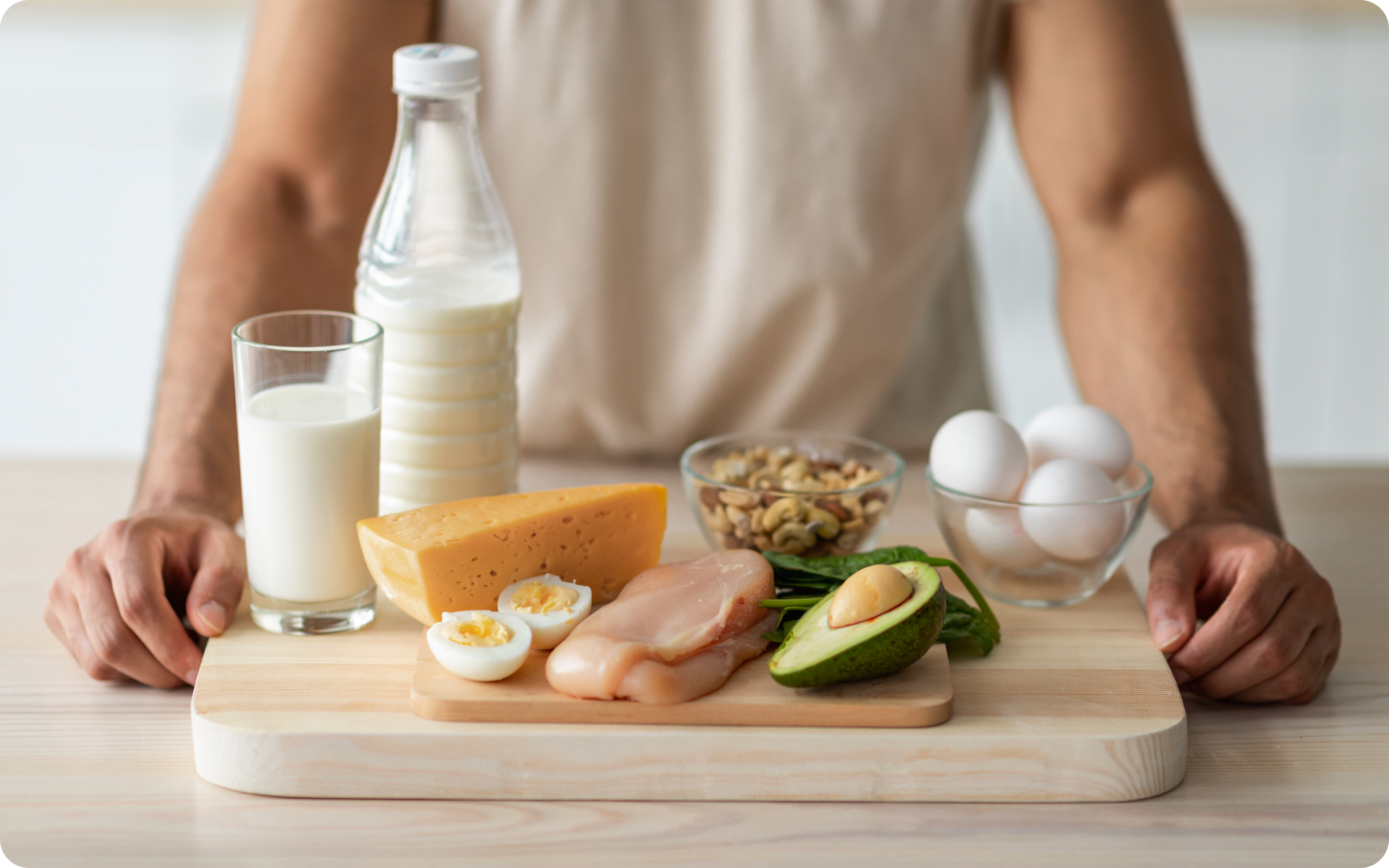
A high protein intermittent fasting meal plan can be useful if you want meals that feel filling and support muscle maintenance during a shorter eating window. Protein also pairs well with strength training because it helps your body rebuild after workouts (8).
This plan includes eggs, Greek yogurt, lean chicken, salmon, legumes, and other protein-rich foods. You can adjust portions depending on your goals. If you are very active, you may need larger servings or extra carbohydrates.
Day One
| Meal | Food | Approx. Calories |
|---|---|---|
| Meal 1 | 3 scrambled eggs with spinach, turkey sausage, and cottage cheese | 400–520 |
| Meal 2 | Grilled chicken salad with edamame, greens, tomatoes, cucumber, and vinaigrette | 430–560 |
| Meal 3 | Salmon with roasted broccoli, quinoa, and olive oil | 520–680 |
Day Two
| Meal | Food | Approx. Calories |
|---|---|---|
| Meal 1 | Greek yogurt bowl with berries, chia seeds, walnuts, and protein powder | 380–500 |
| Meal 2 | Tuna salad stuffed into bell pepper halves with whole-grain crackers | 350–480 |
| Meal 3 | Lean turkey chili with beans, tomatoes, peppers, and avocado | 500–650 |
Day Three
| Meal | Food | Approx. Calories |
|---|---|---|
| Meal 1 | Protein smoothie with milk, banana, peanut butter, spinach, and protein powder | 350–500 |
| Meal 2 | Lentil bowl with grilled chicken, greens, cucumber, and tahini-lemon dressing | 500–650 |
| Meal 3 | Lean steak or tofu with roasted Brussels sprouts and sweet potato | 500–700 |
For many people, protein is easier to include when each meal has a clear anchor. Think eggs at breakfast, chicken or legumes at lunch, and fish, tofu, turkey, or lean meat at dinner.
Reasons why BetterMe is a safe bet: a wide range of calorie-blasting workouts, finger-licking recipes, 24/7 support, challenges that’ll keep you on your best game, and that just scratches the surface! Start using our app and watch the magic happen.
Vegan Intermittent Fasting Meal Plan Example
An intermittent fasting vegan meal plan pairs fasting windows with fully plant-based meals. Because vegan meals can be high in fiber, they may feel filling (9), but it still helps to plan protein sources carefully.
Key nutrients to monitor include vitamin B12, iron, omega-3 fats, calcium, vitamin D, and protein (10). This does not mean a vegan fasting plan has to be complicated. It means you may benefit from a thoughtful grocery list and, when needed, professional guidance.
Day One
| Meal | Food | Approx. Calories |
|---|---|---|
| Meal 1 | Tofu scramble with nutritional yeast, spinach, peppers, and whole-grain toast | 330–450 |
| Meal 2 | Lentil soup with carrots, tomatoes, celery, herbs, and a side salad | 380–520 |
| Meal 3 | Tempeh stir-fry with broccoli, bell peppers, brown rice, and sesame-ginger sauce | 450–620 |
Day Two
| Meal | Food | Approx. Calories |
|---|---|---|
| Meal 1 | Smoothie bowl with berries, banana, soy milk, chia seeds, walnuts, and coconut | 350–500 |
| Meal 2 | Chickpea curry with coconut milk, spinach, tomatoes, and quinoa | 420–600 |
| Meal 3 | Zucchini noodles or whole-grain pasta with walnut-basil pesto and cherry tomatoes | 400–580 |
If you are new to vegan eating and fasting at the same time, start with familiar foods. Tofu, beans, lentils, soy milk, nuts, seeds, and fortified foods can make the plan more balanced and easier to follow.
Carnivore Intermittent Fasting Meal Plan Example
A carnivore intermittent fasting meal plan focuses almost entirely on animal products. Some people combine this eating style with fasting because protein- and fat-rich meals can feel very filling (11). However, it limits many fiber-rich foods, plant foods, and common nutrient sources, so it deserves careful consideration.
This example is included for informational purposes. It is not a recommendation, and you can choose a less restrictive plan if that feels more practical.
Day One
| Meal | Food | Approx. Calories |
|---|---|---|
| Meal 1 | Eggs cooked in butter with turkey bacon or regular bacon | 400–550 |
| Meal 2 | Ground beef patties with a small amount of cheese | 500–700 |
| Meal 3 | Salmon or steak cooked with butter or tallow | 600–800 |
Day Two
| Meal | Food | Approx. Calories |
|---|---|---|
| Meal 1 | Omelet with eggs, cheese, and cooked chicken | 450–600 |
| Meal 2 | Sardines or tuna with boiled eggs | 350–550 |
| Meal 3 | Roasted chicken thighs or lean beef with broth | 550–750 |
If you try any restrictive plan, pay close attention to energy, digestion, mood, and workout performance. If the plan feels hard to sustain, a broader high-protein or balanced fasting plan may be easier.
Disclaimer: A carnivore-style plan is highly restrictive and may not suit most people. Speak with a qualified healthcare provider or registered dietitian before trying it, especially if you have personal health concerns, take medication, are pregnant or nursing, or have a history of disordered eating.
Intermittent Fasting Meal Plan for Women Over 50
An intermittent fasting for women over 50 meal plan should be flexible and nutrient-aware. During perimenopause and menopause, many women notice changes in appetite, energy, sleep, and body composition (12). These changes can affect how comfortable fasting feels.
Some women over 50 may do better with shorter windows, such as 12:12 or 14:10, instead of jumping into 16:8 or longer fasts. Slightly lower calorie needs can also make nutrient quality more important. Meals should emphasize protein, calcium, vitamin D, fiber, and colorful foods.
Day One
| Meal | Food | Approx. Calories |
|---|---|---|
| Meal 1 | Greek yogurt with berries, flaxseed, and calcium-fortified almond milk | 320–450 |
| Meal 2 | Salmon salad with leafy greens, olive oil, chickpeas, and whole-grain crackers | 420–580 |
| Meal 3 | Grilled chicken with steamed kale and a small sweet potato | 430–600 |
Day Two
| Meal | Food | Approx. Calories |
|---|---|---|
| Meal 1 | Scrambled eggs with spinach, mushrooms, and whole-grain toast | 330–480 |
| Meal 2 | Lentil bowl with tofu, greens, avocado, and tahini dressing | 450–620 |
| Meal 3 | Turkey or tempeh with roasted vegetables and quinoa | 450–650 |
A plan for this life stage should not feel like punishment. If fasting increases fatigue, cravings, or stress around food, consider a shorter window or a more traditional meal schedule. Professional guidance can help you choose an approach that fits your needs.
Disclaimer: This section is for general education only. Women over 50 can have unique nutrition needs. Consider speaking with a qualified healthcare provider before starting fasting, changing calories, or using a restrictive meal plan.
Raw Food Diet Intermittent Fasting Meal Plan Example
A raw food intermittent fasting plan focuses on uncooked or minimally heated plant foods during the eating window. This may include fruits, vegetables, nuts, seeds, sprouts, raw wraps, smoothies, and no-cook sauces.
This style may suit people who enjoy fresh, high-volume meals and simple preparation. However, it can be lower in protein and calories if not planned carefully. If you use it, consider adding protein-rich plant foods where appropriate and adjusting portions to your needs.
Day One
| Meal | Food | Approx. Calories |
|---|---|---|
| Meal 1 | Fruit salad with raspberries, mint, avocado, walnuts, lemon juice, and maple syrup | 150–250 |
| Meal 2 | Green apple slices with natural peanut butter | 300–400 |
| Meal 3 | Collard green wraps with bell pepper, avocado, sprouts, pecans, tamari, ginger, and lime | 280–400 |
| Meal 4 | Vegan sushi with nori, cauliflower “rice,” carrot, avocado, sprouts, and tahini-date sauce | 330–450 |
Raw meals can be refreshing, but they are not automatically more balanced than cooked meals. A practical approach is to check whether each meal includes a source of fat, fiber, and some protein.

Is Intermittent Fasting Good For Weight Loss?
Intermittent fasting may support weight management for some people because it can make a calorie deficit easier to create. A calorie deficit means you consume less energy than your body uses over time. Shortening the eating window may reduce late-night snacking, grazing, or extra portions for some people (3).
Still, fasting is not a shortcut. Food quality during the eating window matters. Protein, fiber, healthy fats, fruits, vegetables, and whole grains can make meals more satisfying than high calorie, nutrient-poor foods eaten in the same window (2).
Recent research has found that time-restricted eating can help some participants reduce calorie intake and body weight (3), though results vary. Other studies suggest that fasting may work similarly to traditional calorie reduction for many people (13). In plain terms, the structure may help, but it is not magic.
What Results Can You Expect?
Results vary by person. Some people notice better meal structure first. Others may notice changes in snacking, appetite awareness, or body weight over several weeks. Your results may depend on sleep, stress, activity, food choices, portions, consistency, and starting point.
Cutting vs. Bulking With Intermittent Fasting
If your goal is cutting, or reducing body fat, fasting may help you organize meals and manage calories. If your goal is bulking, or gaining muscle, fasting can be harder because you need enough calories and protein within a shorter window. In that case, larger meals, smoothies, and protein-rich snacks may help.
The main intermittent fasting diet plan benefits are structure and simplicity. For weight loss, the most useful plan is one you can repeat while still eating enough nutrients.
Disclaimer: Weight loss is personal and can be influenced by many factors. Before starting an intermittent fasting meal plan for weight loss, consider speaking with a qualified healthcare provider, especially if you have personal health concerns, take medication, are pregnant or nursing, or have a history of disordered eating.
What Are The Cons Of Intermittent Fasting?
Intermittent fasting has possible upsides, but it also has drawbacks. A balanced view can help you decide whether it fits your lifestyle, preferences, and needs. Even when people discuss intermittent fasting diet plan benefits, the cons matter too.
- Hunger during fasting hours: Hunger is common at first. It may ease as your routine becomes more predictable, but strong or ongoing hunger can be a sign that the window is too long or meals are too small.
- Low energy or irritability: Some people feel less focused or more irritable when they begin. A shorter fasting window, more protein, or a better-timed meal may help.
- Harder social meals: Fasting can clash with family dinners, work events, or holidays. Flexibility matters more than perfect timing.
- Under-eating nutrients: A short eating window can make it harder to get enough protein, fiber, vitamins, and minerals. Meal planning helps reduce that risk.
- Workout timing challenges: Some people feel better training after eating, while others prefer fasted movement. Your workout intensity and meal timing may need adjustment.
- Not suitable for everyone: Fasting is not appropriate for children, teens, pregnant or nursing women, people with a history of disordered eating, or people who need to take certain medications with food.
If fasting makes your relationship with food feel more stressful, it isn’t worth it. You can still build a steady wellness routine without fasting.

Frequently Asked Questions
How to schedule meals when you are intermittent fasting?
Schedule meals by choosing your eating window first, then placing 2–3 meals inside it. For a 16:8 plan, you might eat at noon, 3:30 p.m., and 7 p.m. For a 14:10 plan, you might eat at 10 a.m., 2 p.m., and 7 p.m.
Try to space meals far enough apart to feel comfortable, but not so far apart that you feel overly hungry. Each meal should include protein, fiber-rich carbs, fruits or vegetables, and healthy fats. This helps your meal plan for intermittent fasting feel more complete.
Is intermittent fasting good for weight loss?
An intermittent fasting meal plan for weight loss may help some people by creating more structure around eating times. When the eating window is shorter, some people naturally eat fewer calories. That can support weight management when paired with nutrient-dense meals and realistic portions.
It is not the only option, and it does not work the same way for everyone. If fasting feels stressful, too restrictive, or hard to maintain, a regular balanced meal schedule may be a better fit.
What can you drink while intermittent fasting?
During fasting hours, many people choose water, sparkling water without sweeteners, plain tea, or unsweetened black coffee. These drinks are commonly used because they do not add meaningful calories.
Be careful with drinks that include sugar, milk, cream, alcohol, or calorie-containing add-ins. Those usually belong inside the eating window. Hydration can also help you tell the difference between thirst and hunger.
What should you eat first after fasting?
Start with a balanced meal rather than a very large, heavy meal. A good first meal might include eggs and toast, Greek yogurt with fruit and nuts, tofu scramble, chicken salad, oatmeal with protein, or salmon with vegetables.
If your stomach feels sensitive after fasting, choose simpler foods and eat slowly. You do not need to “make up” for the fasting window by rushing through a large meal.
Can beginners do 16:8 intermittent fasting?
Many beginners try 16:8, but it is not the only beginner option. If 16 hours feels too long, start with 12:12 or 14:10. Building the habit slowly can feel more manageable.
A beginner-friendly approach might be to stop eating after dinner, delay breakfast slightly, and keep meals balanced. Once that feels steady, you can decide whether a longer fasting window suits you.
Can intermittent fasting be vegan, keto, or high-protein?
Yes, intermittent fasting can be paired with different eating styles. You can follow a vegan, keto, high-protein, raw food, or general balanced plan during your eating window. The fasting schedule controls when you eat, while your dietary style controls what you eat.
The key is planning. Restrictive styles may need extra attention to protein, fiber, vitamins, minerals, and overall calories.
What if I feel too hungry during the fasting window?
Some hunger can happen when you change your routine. Try drinking water, choosing a shorter fasting window, or eating more filling meals during your eating window. Protein, fiber, and healthy fats can help meals feel more satisfying (2).
If hunger feels intense, frequent, or stressful, fasting may not be the right fit right now. A gentler schedule or regular meals may work better.
How many meals should you eat during intermittent fasting?
Most people do well with 2–3 meals during the eating window. Some prefer 2 larger meals, while others feel better with 3 moderate meals or 2 meals plus a snack.
The best choice is the one that helps you meet your calorie and nutrient needs without feeling overly full. If your window is short, smoothies, yogurt bowls, or simple protein snacks can make eating enough easier.
The Bottom Line
Intermittent fasting can be a practical way to organize meals, but it works best when it supports your life instead of taking it over. Use an intermittent fasting meal plan example as a flexible guide, not a strict script.
A balanced meal plan for intermittent fasting can include many eating styles, from general meals to vegan, keto, or high-protein options. If your goal is an intermittent fasting meal plan for weight loss, focus on consistency, food quality, and a schedule you can maintain with support from a qualified professional when needed.
DISCLAIMER:
This article is intended for general informational purposes only and does not serve to address individual circumstances. It is not a substitute for professional advice or help and should not be relied on for making any kind of decision-making. Any action taken as a direct or indirect result of the information in this article is entirely at your own risk and is your sole responsibility.
BetterMe, its content staff, and its medical advisors accept no responsibility for inaccuracies, errors, misstatements, inconsistencies, or omissions and specifically disclaim any liability, loss or risk, personal, professional or otherwise, which may be incurred as a consequence, directly or indirectly, of the use and/or application of any content.
You should always seek the advice of your physician or other qualified health provider with any questions you may have regarding a medical condition or your specific situation. Never disregard professional medical advice or delay seeking it because of BetterMe content. If you suspect or think you may have a medical emergency, call your doctor.
SOURCES:
- Intermittent Fasting (2021, sciencedirect.com)
- Macronutrients: Cooperative Extension Service Why We Need a Balanced Diet (2022, publications.mgcafe.uky.edu)
- Time-restricted eating improves health because of energy deficit and circadian rhythm: A systematic review and meta-analysis (2024, sciencedirect.com)
- Intermittent fasting 5:2 diet: What is the macronutrient and micronutrient intake and composition? (2020, sciencedirect.com)
- Alternate Day Fasting (2020, sciencedirect.com)
- Intermittent fasting (2025, healthdirect.gov.au)
- Ketogenic Diet: A Review of Composition Diversity, Mechanism of Action and Clinical Application (2024, pmc.ncbi.nlm.nih.gov)
- A Muscle-Centric Perspective on Intermittent Fasting: A Suboptimal Dietary Strategy for Supporting Muscle Protein Remodeling and Muscle Mass? (2021, frontiersin.org)
- High-fibre food intake promotes satiation (2024, imperialbrc.nihr.ac.uk)
- Intake and adequacy of the vegan diet. A systematic review of the evidence (2021, sciencedirect.com)
- Diet composition and energy intake in humans (2023, royalsocietypublishing.org)
- Experiences of weight and body shape changes during perimenopause (2026, tandfonline.com)
- Is Fasting Superior to Continuous Caloric Restriction for Weight Loss and Metabolic Outcomes in Obese Adults? A Systematic Review and Meta-Analysis of Randomized Clinical Trials (2024, mdpi.com)

 By
By 
 By
By