
Healthy carb snacks can start with fruit, oats, whole-grain bread, or beans. Choose a portion that fits your appetite and the time until your next meal, then add other foods you enjoy. This guide explains carbohydrate types, serving-size labels, and simple snack combinations you can adapt to your day.
For more ingredient ideas, see our gluten-free snacks guide.
Key takeaways
- Carbohydrates include sugars, starches, and fiber (1, 2).
- Whole grains, fruit, vegetables, and legumes provide carbohydrate along with fiber and other nutrients (3).
- The simple-versus-complex distinction alone does not describe how a food is digested (2).
- Responses to fermentable fiber vary with the type, amount, and person’s gut microbiota (4).
- About 15 g is a carbohydrate-counting serving, not a universal snack recommendation (5).
- Check both serving size and total carbohydrate when reading a package label (5).
- The snack combinations in this guide are flexible ideas with no fixed nutrition totals.
What types of carbohydrates are in food?
Carbohydrates include sugars, starches, and fiber. Their chemical structures differ, and foods often contain more than one type (1, 2).
Types of carbohydrates include:
Simple carbohydrates
Simple carbohydrates are sugars. Some occur naturally in foods such as fruit and milk; others are added during preparation or processing. The food containing the sugar matters: whole fruit supplies fiber and other nutrients alongside its sugars (2, 3).
Candy, sweetened soda, honey, and table sugar supply free or added sugars. Fruit juice also contains free sugars, even when no sugar is added (2).
Complex carbohydrates
Starches and fiber are complex carbohydrates. A food’s processing, preparation, and fiber content affect how it is digested, so the simple-versus-complex distinction alone does not describe its effect after a meal. Food sources include whole grains, legumes, and potatoes (2).
Read more: High-Protein Pre-Workout Snack Guide for Every Fitness Goal
Starches
Starch is made of linked sugar units. Pasta, potatoes, and chickpeas are examples of foods containing starch (1, 2).
Fiber
Fiber is carbohydrate that is not fully digested and absorbed in the small intestine. It is found in plant foods such as whole grains, vegetables, fruit, and legumes (1, 3).
Some fibers are fermented by gut microorganisms. A review describes how the response varies with the type and amount of fiber and the person’s existing gut microbiota (4).
Fiber is often grouped as soluble or insoluble, but those labels do not capture every difference in how fibers behave. Eating a variety of plant foods provides different types of fiber; a single snack does not determine the effects of an entire diet (3, 4).
How can you choose a carbohydrate snack?
Start with a food you enjoy and can prepare when you need it. Whole grains, fruit, vegetables, and legumes provide carbohydrate along with fiber and other nutrients (3). For example, pack an apple with nut butter or prepare oats with berries. Adjust the portion to your appetite and usual meals.
BetterMe: Health Coaching app can help you build a more structured approach to your wellness routine with meal plans, workouts, and habit-tracking tools. Start using the app to explore options that may support your personal fitness and nutrition goals.
How much carbohydrate is in a snack?
There is no universal carbohydrate target for a snack. In carbohydrate counting, one carbohydrate serving commonly means about 15 g. That is a counting convention used in meal planning, not a recommendation that everyone should eat a 15 g snack (5).
For packaged food, read the total carbohydrate amount and the serving size together. The amount you actually eat may be larger or smaller than the label’s serving (5).
The foods below are snack ingredients, not equivalent 15 g portions:
- Fresh fruit, such as an apple, banana, or berries
- Whole-grain bread
- Canned fruit
- Dry cereal
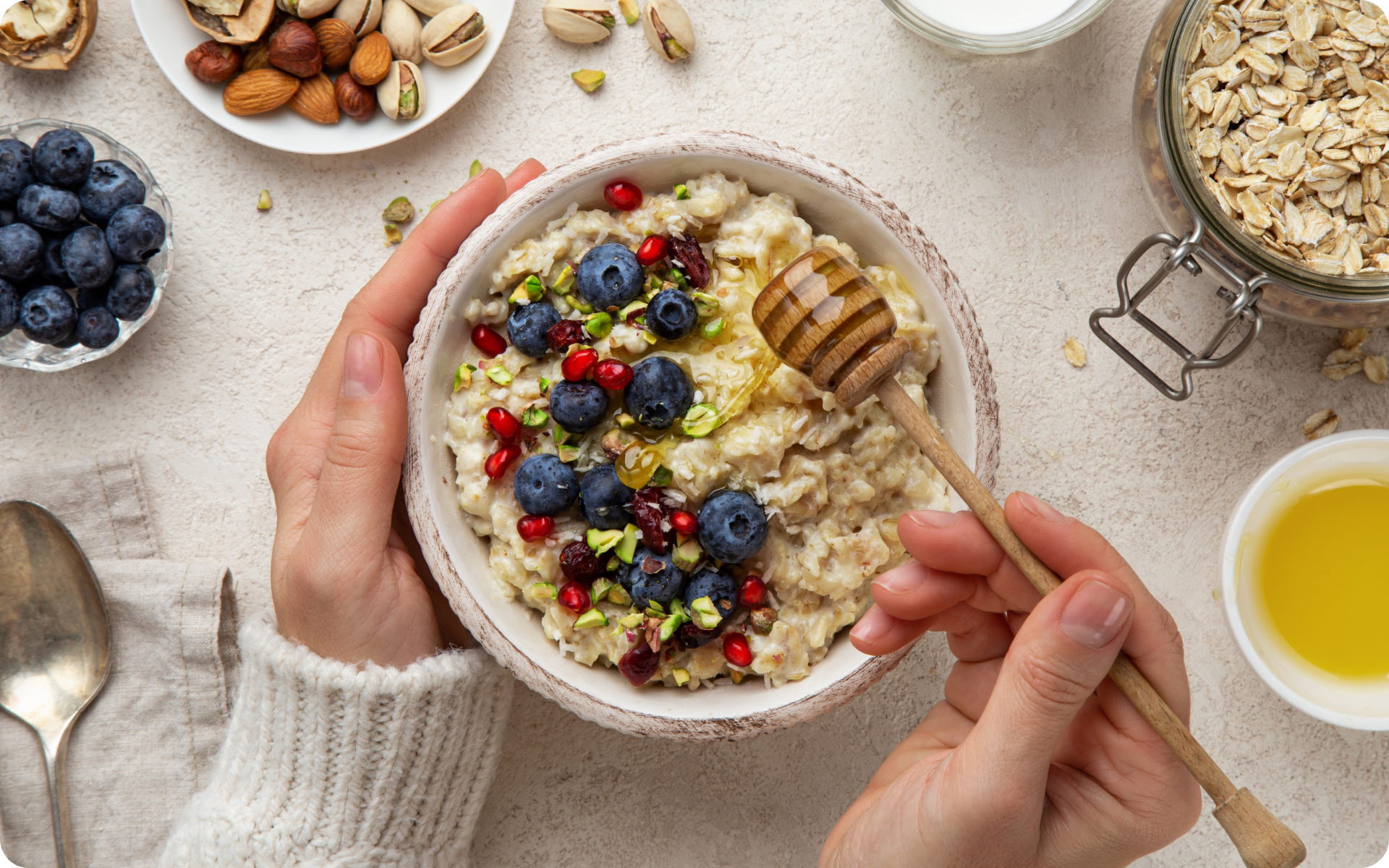
- Cooked oats
- Plain yogurt
- Air-popped popcorn
- Pretzels
- Rice cakes
- An English muffin
- Pita bread
If you are comparing foods with different carbohydrate amounts, our low-carb snack ideas offer another set of ingredients to consider.
Which carbohydrate snacks contain little fat?
Fresh fruit and plain rice cakes are examples of carbohydrate snacks with little fat. Preparation changes the nutrient content: butter, oil, nut butter, and other toppings add fat. Use the label when you need an exact amount.
Choose the form that suits your appetite and plans for the day. A piece of fruit needs little preparation; toast with toppings takes longer and includes more ingredients.
A carbohydrate snack can also include protein or fat. Try an apple with peanut butter, yogurt with berries, or whole-grain crackers with hummus. These are ingredient combinations you can adjust to taste.
Read more: Lazy Meal Prep: How to Eat Healthy, Save Time, and Enjoy It
Which foods provide carbohydrate and other nutrients?
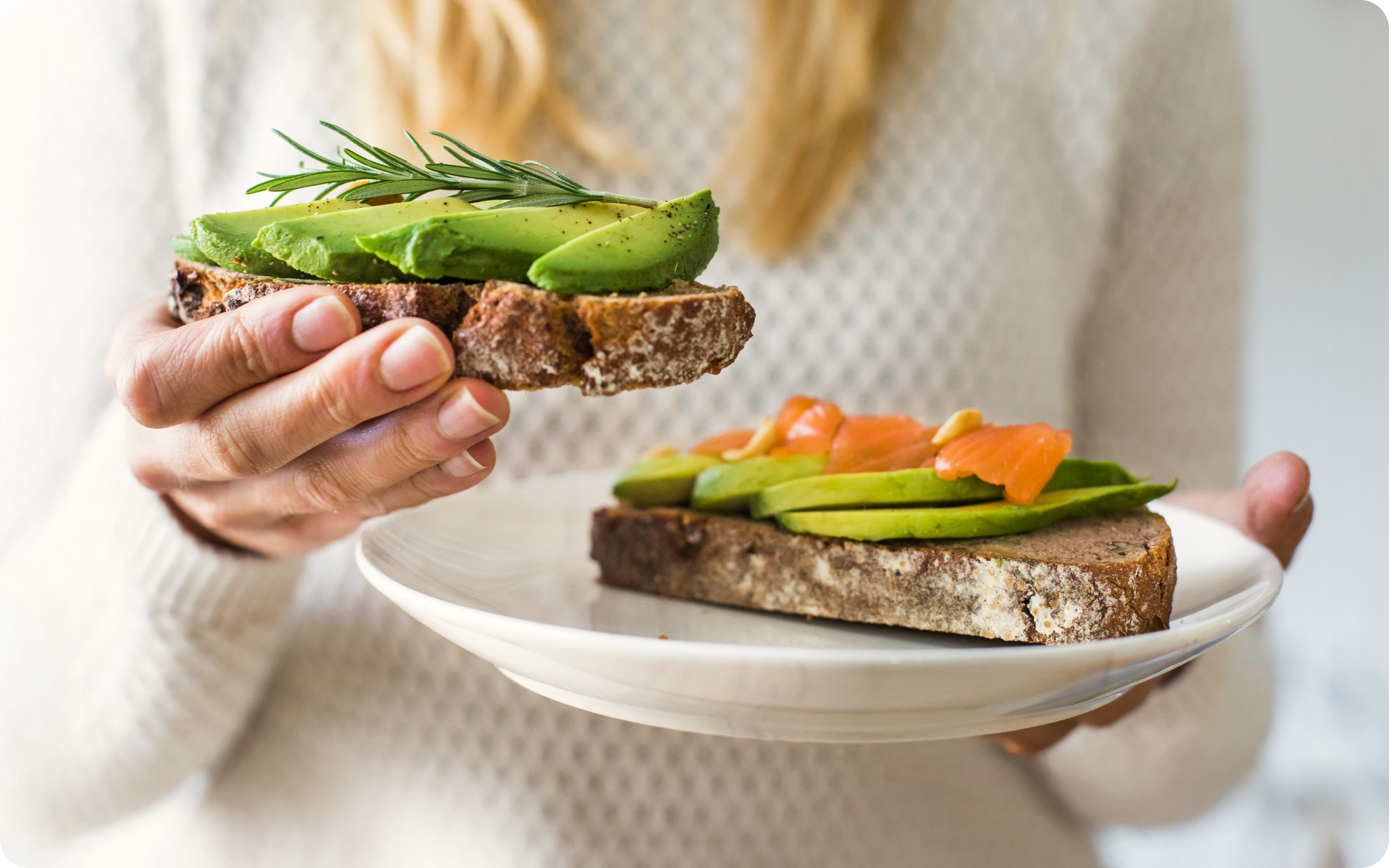
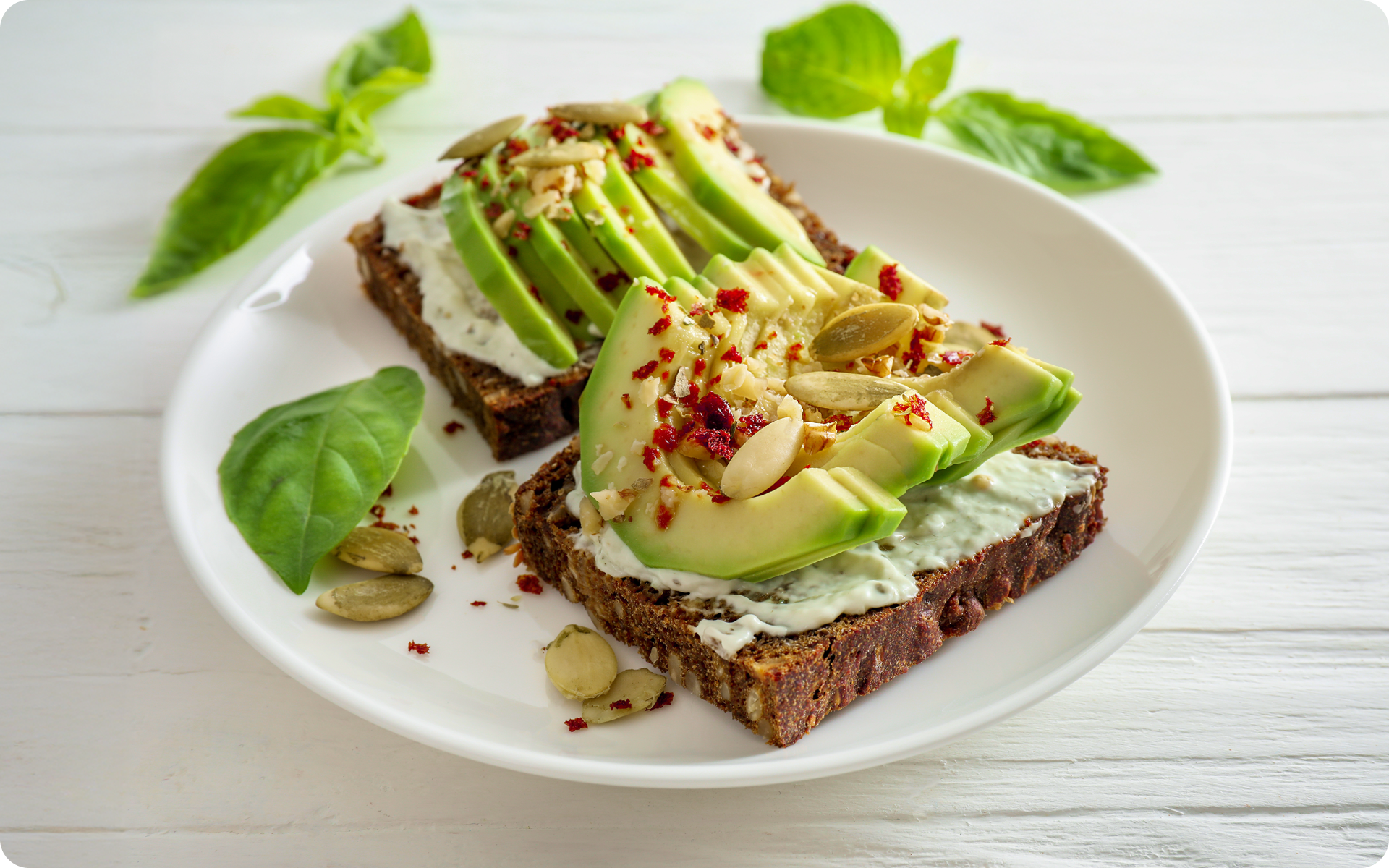
Fruit, whole grains, vegetables, and legumes provide carbohydrate alongside fiber, vitamins, and minerals (3). Choose from foods you enjoy and can store or prepare conveniently. Oats with berries, toast with avocado, or fruit with nuts are practical examples.
If you follow a gluten-free diet for celiac disease or another medical reason, check labels and your clinician’s guidance. Our low-carb gluten-free snack ideas include options for comparing ingredients.
What are some simple healthy carb snack ideas?
Combine a carbohydrate food with other ingredients you enjoy. The following are flexible snack ideas; portions and nutrition totals will vary with the products and amounts you use.
Some simple options include:
- Banana with peanut butter: slice a banana and spread peanut butter on the slices.
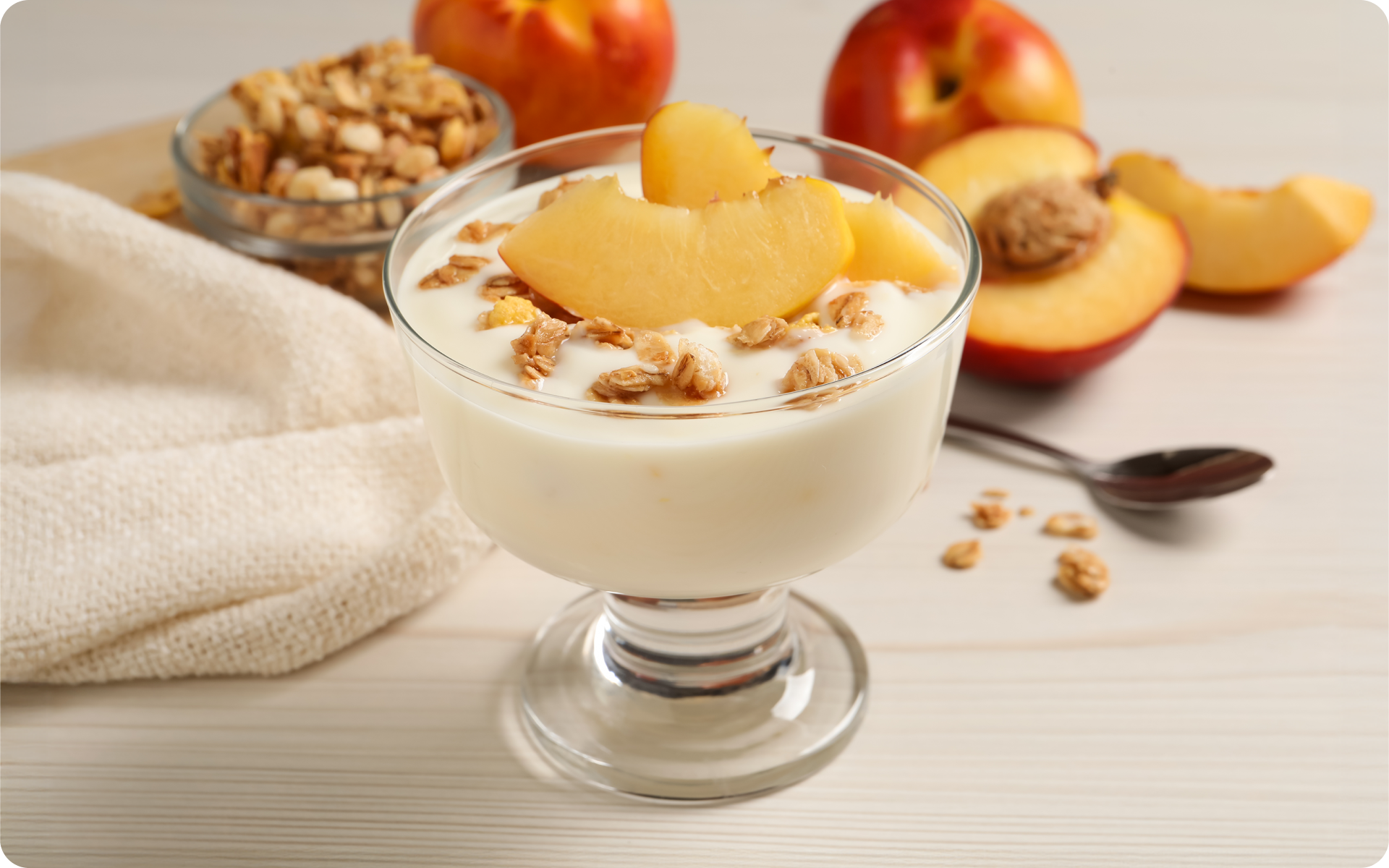
- Berry yogurt bowl: spoon berries and oats over plain Greek or soy yogurt.
- Apple and nut butter: cut an apple into wedges and serve with peanut or almond butter.
- Whole-grain toast with banana: top toast with sliced banana and cinnamon.
- Hummus and crackers: spread hummus on whole-grain crackers just before eating.
- Trail mix: combine nuts, seeds, and dried fruit in a container for later.
FAQs
What is a 20-gram carb snack?
A 20-gram carb snack provides about 20 g of carbohydrate. One published counting example lists two-thirds of a medium banana as approximately 20 g; size and portion matter, so use a food reference or package label when you need a specific amount (5).
Can you prepare snacks in advance?
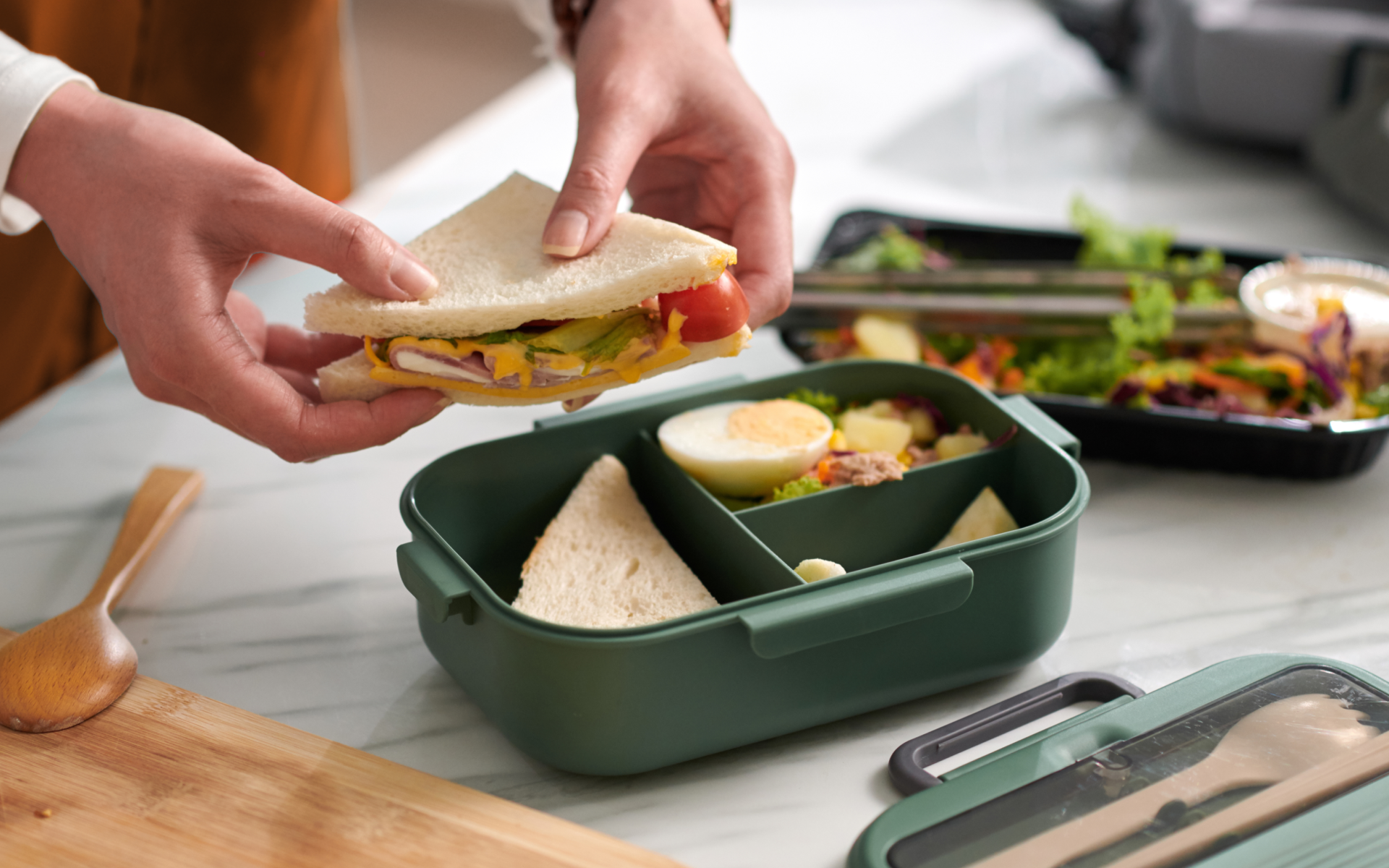
Dry ingredients such as crackers, nuts, and oats can be portioned ahead of time. Follow package storage directions for yogurt, hummus, and other perishable ingredients, and assemble combinations when you are ready to eat.
What if a carbohydrate food causes discomfort?
Tolerance varies by person, food, and portion. If bloating or discomfort recurs, speak with a qualified healthcare professional before cutting out several food groups.
The bottom line
Choose one carbohydrate food you enjoy, decide how you want to serve it, and use the label if a specific carbohydrate amount matters for your meal plan. Keep a few practical combinations available, such as fruit with yogurt or crackers with hummus, so a snack is easy to put together.
DISCLAIMER:
This article is intended for general informational purposes only and does not serve to address individual circumstances. It is not a substitute for professional advice or help and should not be relied on for making any kind of decision-making. Any action taken as a direct or indirect result of the information in this article is entirely at your own risk and is your sole responsibility.
BetterMe, its content staff, and its medical advisors accept no responsibility for inaccuracies, errors, misstatements, inconsistencies, or omissions and specifically disclaim any liability, loss or risk, personal, professional or otherwise, which may be incurred as a consequence, directly or indirectly, of the use and/or application of any content.
You should always seek the advice of your physician or other qualified health provider with any questions you may have regarding a medical condition or your specific situation. Never disregard professional medical advice or delay seeking it because of BetterMe content. If you suspect or think you may have a medical emergency, call your doctor.
SOURCES:
- Physiology, Carbohydrates (2023, ncbi.nlm.nih.gov)
- Carbohydrates (2023, healthdirect.gov.au)
- Carbohydrates: Quality Matters (n.d., nutritionsource.hsph.harvard.edu)
- Dietary Fiber Intake and Gut Microbiota in Human Health (2022, pmc.ncbi.nlm.nih.gov)
- Carb Counting (2024, cdc.gov)

 Reviewed by
 Reviewed by