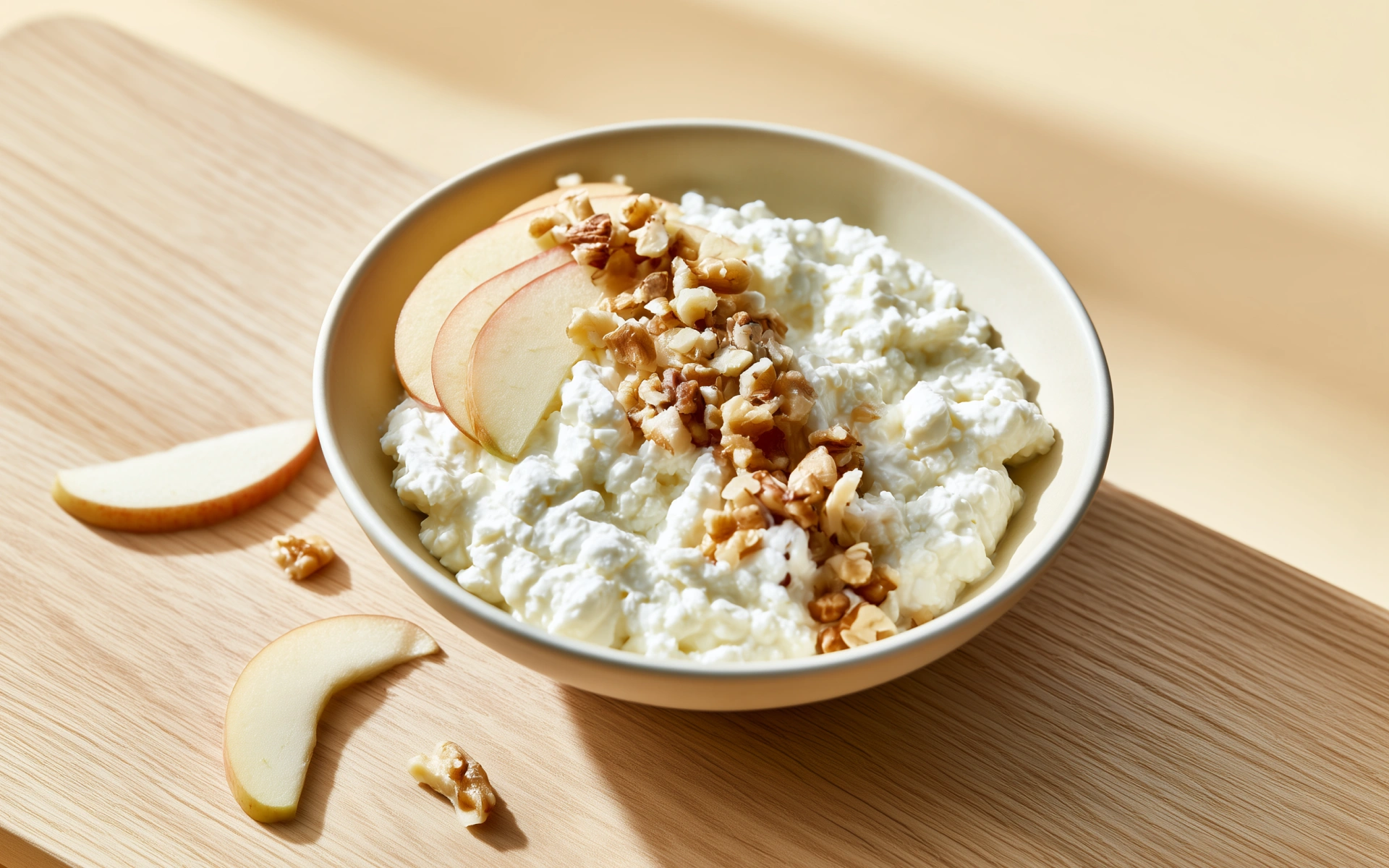
A breakfast for weight loss can combine protein foods, fiber sources, and fruit or vegetables in portions that fit your needs. Whether you eat breakfast depends on your appetite and routine. Our guide to single-ingredient foods offers ideas for choosing foods you can combine into a morning meal.
Following exercise and diet plans is the key in your fitness journey and greatly impacts results. In 4 weeks users can typically expect to lose not more than 1-2 lbs per week. Individual results may vary.
Every fast is a personal experience. Your dietary preferences, body composition, and activity level all influence your fasting journey. It’s advisable to consult with a healthcare provider before embarking on a fasting regimen.
Key takeaways
- A review of randomized trials found a small weight difference favoring breakfast skipping, but no significant difference in body-fat percentage (1).
- One breakfast trial found modest appetite differences with protein-rich meals, without a clear reduction in later energy intake (2).
- Water alone shows little effect on body fat, but replacing sugary breakfast drinks with water may help (3).
- The lowest-calorie breakfast isn’t always the most helpful one if it leaves you hungry an hour later.
- One trial studied an eight-hour early eating window alongside energy restriction; it does not establish a benefit for every fasting schedule (4).
- Fiber slows digestion and adds bulk (5), and a balanced breakfast includes at least one fiber source.
- Skipping breakfast doesn’t specifically target belly fat, and fat loss happens overall when you maintain a calorie deficit over time (6).

Should you eat breakfast if you want to lose weight?
Breakfast is not required for weight loss. A review of seven randomized trials involving 425 participants found a small average weight difference of about 0.54 kg favoring breakfast skipping, but no significant difference in body-fat percentage. Trials averaged about 8.6 weeks, so the findings do not establish long-term superiority (1).
What matters more is your total daily intake and how well you control hunger.
Breakfast may help you if:
- You feel very hungry by midday and tend to overeat later.
- A morning meal helps you reach your daily protein goal.
- You often eat late at night.
- You feel steadier with structured meals.
Skipping breakfast may suit you if:
- You wake up with little appetite.
- Eating early adds calories without adding satiety.
- You can wait to eat without a rebound binge later.
In a 14-week trial in adults with obesity, an early eight-hour eating window from 7 a.m. to 3 p.m. was studied alongside energy restriction. It produced greater weight loss than energy restriction with a longer eating window, but not a statistically clear additional reduction in body fat. This is not evidence for a generic ten-hour window or for skipping breakfast (4).
Read more: Gluten-Free Pancake Recipe: How to Make Them Light and Fluffy Every Time
What foods make a healthy and filling breakfast?
A healthy breakfast for weight loss pairs protein, fiber, and water-rich foods to keep you full for fewer calories. This combination tends to support satiety, which means feeling satisfied after eating.
Here’s a simple formula many people find useful:
- Protein: include a food such as eggs, yogurt, beans, or tofu.
- Fiber: include oats, whole grains, fruit, vegetables, or seeds.
- Volume: add fruit or vegetables.
- Moderate fat: a small portion for satisfaction.
High-protein breakfast foods to prioritize
In one trial, protein-rich breakfasts produced modest differences in appetite ratings, but did not clearly reduce subsequent energy intake (2). Choose a breakfast you enjoy and adjust it to your needs.
Good high-protein breakfast foods include:
- Eggs and egg whites
- Greek yogurt or skyr
- Cottage cheese
- Tofu or tempeh
- Smoked salmon
- Protein powder or soy milk
High-fiber foods for lasting fullness
Fiber slows digestion and adds bulk (5). A balanced breakfast should include at least one fiber source.
Good high-fiber foods include:
- Whole-grain oats
- Chia and flax seeds
- Berries, apples, and pears
- Whole-grain toast
- Beans and vegetables
For a low-carb breakfast for weight loss, lean on eggs, avocado, and vegetables while keeping grains small. For low-fat breakfast ideas, plain yogurt with fruit or egg-white scrambles work well too.

What should I avoid eating for breakfast to lose weight?
Look at portion size, added sugar, protein, and fiber across the meal. You do not need to label a food as forbidden to change how often or how much you eat.
Options to review include:
- Sugary refined carbs: pastries, donuts, and sweet cereals.
- Sweet drinks: flavored lattes, fruit juice, and sugary smoothies.
- Large bowls with generous amounts of granola, honey, or nut butter.
- Large café sandwiches: big portions with little fiber.
None of these foods are off-limits forever. The goal is balance, not restriction.
Liquid calories deserve a special note. For many people, drinking calories feels less filling than chewing solid food. A protein shake can still work, especially with added fiber, but whole foods often keep you fuller.
Here’s a quick swap table to make mornings easier:
| Common choice | Filling swap | Why it helps |
|---|---|---|
| Sugary cereal | Protein oats with berries | More protein and fiber per bowl |
| Flavored latte | Coffee with milk plus eggs | Fewer liquid calories, more fullness |
| Large pastry | Greek yogurt, chia, and fruit | Includes protein and fiber sources |
| Fruit juice | Whole fruit and water | Adds fiber and volume |
BetterMe: Health Coaching app can help you build a more structured approach to your wellness routine with meal plans, workouts, and habit-tracking tools. Start using the app to explore options that may support your personal fitness and nutrition goals.
What is a weekly breakfast plan for female weight loss?
A weekly breakfast plan should reflect individual needs, including body size, activity, health, and life stage. The examples below are meal ideas with adjustable portions, not a calorie prescription for all women.
This breakfast for weight loss female plan gives you seven simple, repeatable options.
| Day | Breakfast | Protein-containing ingredient |
|---|---|---|
| Monday | Greek yogurt, berries, chia, small oats | Greek yogurt |
| Tuesday | 2 eggs, spinach, 1 slice toast, fruit | Eggs |
| Wednesday | Protein oats with cinnamon and blueberries | Milk, yogurt, or added protein ingredient |
| Thursday | Cottage cheese, apple, walnuts | Cottage cheese |
| Friday | Tofu or egg wrap with vegetables and salsa | Tofu or eggs |
| Saturday | Protein smoothie with berries and spinach | Milk, yogurt, or a suitable alternative |
| Sunday | Avocado toast with eggs or salmon | Eggs or salmon |
If you feel low on appetite on a morning, try half now and half later. If you tend to feel very hungry, lean on eggs, yogurt, and oats. Individual results vary, so adjust portions to fit your day. A registered dietitian can help if you have specific needs.
What are some easy breakfast ideas for busy mornings?
Busy-morning breakfasts can use foods that are ready to assemble. The following are roughly five-minute ideas when ingredients are prepared in advance.
5-minute options
- Greek yogurt with berries and chia
- Cottage cheese with fruit
- 2 hard-boiled eggs and an apple
- Protein shake with a banana
- Skyr with a handful of nuts
Read more: Are the Best Diet Shakes for Weight Loss Effective?
Grab-ahead options for meal prep
High-protein breakfast meal prep saves time and decisions. Prepare these on a quieter day:
- Overnight oats with protein powder (make 3-4 jars)
- Egg muffins baked in a muffin tin (store 6-8)
- Chia pudding with yogurt (2-3 cups)
- Freezer breakfast wraps (wrap and label 4-5)
These easy breakfast for weight loss ideas remove guesswork. When food is ready, you’re less likely to grab a pastry.
Do you want a matching midday plan? See our simple 300-Calorie Lunch ideas to round out your day.
How much should you eat for breakfast when you’re trying to lose weight?
The appropriate breakfast portion depends on your overall needs, appetite, activity, and other meals. The sample options here do not establish a universal calorie target.
Adjust portions using practical questions:
- Did it include a protein food?
- Did it contain some fiber?
- Was it satisfying enough for your morning routine?
- Can you repeat it easily?
Use your answers to adjust the meal. A dietitian can help with specific dietary needs or a calorie target.
Are you curious how your body burns calories at rest? Learn more in our explainer on What Is Resting Energy?

What is the lowest-calorie breakfast?
Water, plain tea, or black coffee contain little or no energy, but they do not constitute a balanced breakfast. If you want a morning meal, choose foods that help meet your nutrition needs.
A more useful goal is the lowest-calorie breakfast that still keeps you full.
These low-calorie, high-protein breakfast options balance both goals:
- Plain Greek yogurt with berries
- Eggs with fruit
- Cottage cheese with berries
- An egg-white scramble with vegetables
Calories depend on portions, ingredients, and preparation. Calculate them from the actual recipe if needed.
Does drinking water help with weight loss?
Water can support weight loss, but it isn’t a strong stand-alone fat-loss tool. Recent reviews have suggested that water alone doesn’t dramatically change body weight for most adults (3). It tends to help most as part of a broader routine.
Water may support your goals when it:
- Replaces caloric drinks such as soda, juice, and sweet coffee.
- Fills you before meals, which may lower intake for some people.
- Supports hydration during exercise and daily routines.
A helpful habit is drinking a glass of water before meals. Some studies have found that a 500 ml preload before eating reduces meal intake in certain groups (7). Results vary from person to person.
Whether you’re just starting your fitness journey or looking to add more structure to your routine, BetterMe offers tools that can support different wellness goals. Explore the app and see how its workout, nutrition, and habit-building features can fit into your lifestyle.

Eggs can be one protein food in breakfast. Pair them with vegetables, fruit, or whole-grain foods, and account for added oil or other ingredients. They are not a weight-loss treatment on their own. A 600-calorie breakfast is 30% of a 2,000-calorie day, as a calculation example. Whether that amount suits you depends on your needs and other meals. There is no universal breakfast calorie limit. Skipping breakfast doesn’t specifically target belly fat, and you can’t spot-reduce fat from one area. You lose fat overall when you maintain a calorie deficit over time (6). Some people eat fewer calories by skipping breakfast, which can support fat loss. Others overeat later, which cancels the benefit. Individual results vary, so choose the pattern that you can maintain. The time-restricted-eating review cited here examined body weight and cardiometabolic outcomes; it does not establish whether skipping breakfast changes resting metabolism (8). Choose meal timing according to your needs and tolerance rather than a claim that it will speed up or slow down metabolism. The lowest-effort approach to fat loss is making small, repeatable swaps that lower your daily calories without much thought. Examples include drinking water instead of soda, keeping high-protein snacks ready, and walking more. These habits require little planning, but they add up over weeks. Fat loss still needs a calorie deficit (6), but easy defaults make it feel far less demanding.FAQs
Are eggs good for breakfast when you’re trying to lose weight?
Is 600 calories a lot for breakfast?
Will I lose belly fat if I skip breakfast?
Does skipping breakfast slow your metabolism?
What is the easiest way to lose fat?
The bottom line
Choose breakfast foods and portions that fit your needs and routine. Eating or skipping breakfast is not a shortcut to a particular fat-loss outcome. Adjust the meal if it leaves you hungry or does not help you meet your nutrition needs.
DISCLAIMER:
This article is intended for general informational purposes only and does not serve to address individual circumstances. It is not a substitute for professional advice or help and should not be relied on for making any kind of decision-making. Any action taken as a direct or indirect result of the information in this article is entirely at your own risk and is your sole responsibility.
BetterMe, its content staff, and its medical advisors accept no responsibility for inaccuracies, errors, misstatements, inconsistencies, or omissions and specifically disclaim any liability, loss or risk, personal, professional or otherwise, which may be incurred as a consequence, directly or indirectly, of the use and/or application of any content.
You should always seek the advice of your physician or other qualified health provider with any questions you may have regarding a medical condition or your specific situation. Never disregard professional medical advice or delay seeking it because of BetterMe content. If you suspect or think you may have a medical emergency, call your doctor.
SOURCES:
- Breakfast Skipping, Body Composition, and Cardiometabolic Risk: A Systematic Review and Meta‐Analysis of Randomized Trials (2020, onlinelibrary.wiley.com)
- The effect of consuming different dietary protein sources at breakfast upon self rated satiety, peptide YY, glucagon like peptide-1, and subsequent food intake in young and older adults (2025, link.springer.com)
- Water Intake and Adiposity Outcomes among Overweight and Obese Individuals: A Systematic Review and Meta-Analysis of Randomized Controlled Trials (2024, mdpi.com)
- Effectiveness of Early Time-Restricted Eating for Weight Loss, Fat Loss, and Cardiometabolic Health in Adults With Obesity: A Randomized Clinical Trial (2022, jamanetwork.com)
- The Health Benefits of Dietary Fibre (2020, mdpi.com)
- Dietary and Behavioral Strategies for Weight Loss and Weight Loss Maintenance: A Narrative Review (2025, mdpi.com)
- Water Intake, Hydration, and Weight Management: The Glass is Half-Full! (2025, pmc.ncbi.nlm.nih.gov)
- Effects of timing and eating duration of time restricted eating on metabolic outcomes: systematic review and network meta-analysis (2026, bmjmedicine.bmj.com)
 Reviewed by

 By

 Reviewed by

 Reviewed by