
A high-protein pre-workout snack may help support workout energy and muscle performance, particularly when it fits your timing, portion size, and digestion. These factors are an important part of pre-workout nutrition, but they’re often overlooked.
Loading up on random protein bars or heavy meals before exercise can leave you feeling sluggish instead of strong and energized during the workout, due to the time that it takes your body to break down certain ingredients into usable energy. The perfect pre-workout snack should fuel your body without weighing it down and leading to these sensations of lower energy. It may help you feel more prepared for strength training, cardio sessions, or even a quick evening walk. Protein-packed Greek yogurt bowls, peanut butter toast, and quick egg-based bites may help some people feel more fueled before exercise.
This article shares insight into the best high-protein pre-workout snacks, why they matter, and what to eat before a workout to fuel your body the right way.
What Should You Eat Before a Workout?
The best pre-workout snacks usually contain two things: fast-acting carbohydrates and moderate protein.
Such a combination helps the body maintain energy during exercise while supporting muscle performance and recovery. Research from 2024 showed that eating before exercise may improve endurance. It can also increase your training intensity while preserving muscle mass by providing your body with an immediate energy source and preventing longer gaps without a source to build and repair with (1).
Carbohydrates matter because they provide glucose, which acts as the body’s primary fuel source during workouts (2). Carbohydrate is the nutrient that provides the fastest source of energy for exercising muscles and the brain, and a supply of it shortly before exercise can consequently support performance during exercise. On the other hand, protein may help support muscle protein synthesis and post-workout nutrition (1). Protein before a workout may be particularly useful for people doing strength training or trying to maintain muscle while eating in a calorie deficit. Studies suggest that consuming protein before exercise may support muscle protein synthesis after training (3).
A quick pre-workout snack should feel light, energizing, and easy to digest. Note that foods very high in fat can take longer to digest and may leave some people feeling sluggish during a workout (4). Easy-to-digest carbohydrates, moderate protein, and low-to-moderate fat content may work well for many people who want energy support without extra digestive discomfort.
Good options before exercise include:
- Simple carbohydrates for fast energy
- Lean protein sources for muscle support
- Light fiber intake to avoid digestive discomfort
- Small portions of healthy fats for longer and lower-intensity workouts
- Hydrating foods or fluids to maintain performance, particularly in hotter and more humid weather
Timing matters just as much as the snack itself. We break this down later in the guide, but as a quick rule, smaller and easy pre-workout snack options tend to work best about 30-60 minutes before exercise. The goal is simple: choose something that fuels your workout without feeling too heavy.

Why Include Protein in a Pre-Workout Snack?
Protein isn’t just a post-workout nutrient anymore. Fitness research has suggested that eating protein before exercise may help support muscle performance, muscle protein synthesis, and post-workout nutrition (1). In simple terms, it may help provide muscles with nutrients before the work ahead.
According to research, consuming protein before exercise may stimulate muscle protein synthesis and help preserve lean muscle mass during workouts (5). This may be particularly relevant during strength training, when eating in a calorie deficit, or during longer workout sessions.
Protein may also help improve satiety and maintain steadier energy levels during exercise (6). Unlike snacks that are mostly sugar, protein digests more gradually and may help some people feel fueled for longer. This may help some people feel more satisfied before training.
It doesn’t end there. Post-workout muscle support is another reason to pay attention to protein intake. Studies have suggested that protein consumed before exercise may support muscle repair processes after training (7). That means your pre-workout snack may play a role in how your body feels later in the day.
Below, we take a quick look at how protein supports the body before exercise:
| Protein benefit | Why does it matter? |
|---|---|
| Muscle protection | May support muscles during exercise |
| Post-workout support | May support post-workout nutrition |
| Steady energy | May provide longer-lasting fuel without sharp crashes |
| Improved satiety | May help with fullness before and after workouts |
| Muscle growth support | May contribute to muscle protein synthesis |
Tip: The goal isn’t to overload the body with protein before exercise. A moderate amount is usually enough to help muscles feel supported. Larger portions of protein, such as a full protein bar, shake, or large portion of meat or fish, may feel too heavy before a workout. More moderate protein options, such as those listed below, may help the body feel ready for movement without creating that heavy or uncomfortable feeling.
Whether you’re looking to simply pep up your fitness routine, jazz up your diet with mouth-watering low-calorie recipes or want to get your act together and significantly drop that number on your scale – BetterMe Well-Being Coach app has got you covered! Improve your body and revamp your life!

Should You Eat Carbs with Protein Before a Workout?
Yes. Research has suggested that combining protein and carbs before workout sessions may support performance and post-workout nutrition (8). It works as a partnership inside the body. Carbohydrates provide fuel for exercise, while protein contributes amino acids that support muscle protein synthesis. Carbohydrates and protein can work together as part of a balanced pre-workout snack. Protein may also make the snack feel more balanced and satisfying.
Separately, they’re useful, but together, they may work even better!
Carbohydrates
Carbohydrates are the body’s preferred and most rapid energy source during moderate to high-intensity exercise (9). According to research, carb intake before training helps maintain blood glucose levels and supports endurance and workout performance (2). Without enough of them, workouts may start feeling harder much sooner, particularly during strength training or higher-intensity cardio sessions.
Protein
Protein plays a different role in pre-workout nutrition. Research has suggested that consuming protein before exercise may help stimulate muscle protein synthesis around training (1).
Carbs + Protein
Pairing both nutrients may be useful. Some studies have suggested that combining protein and carbohydrates before exercise may support training adaptations and steadier energy more effectively than consuming either nutrient alone. This pairing can be a useful part of pre-workout nutrition, particularly when it fits your workout timing and overall eating pattern.
| Nutrient | Main role before exercise |
|---|---|
| Carbohydrates | Quick energy |
| Protein | May support post-workout nutrition |
| Protein + carbs together | Balance energy and muscle support |
With this in mind, know that balance still matters. Incredibly heavy meals before exercise can leave the body focused on digestion instead of performance. Smaller portions with moderate amounts of protein and carbohydrates usually work best before training sessions.
Read more: Lazy Meal Prep: How to Eat Healthy, Save Time, and Enjoy It

What Are Some Good High-Protein Pre-Workout Snack Ideas?
Many pre-workout snack options combine a moderate amount of protein, often a third to a half of what you might consume at a meal, with light carbohydrates. Here, we’ve put together some easy combinations organized by meal type:
Breakfast Ideas
- Greek yogurt with berries
- Protein smoothie with oats and banana
- Overnight oats with protein powder
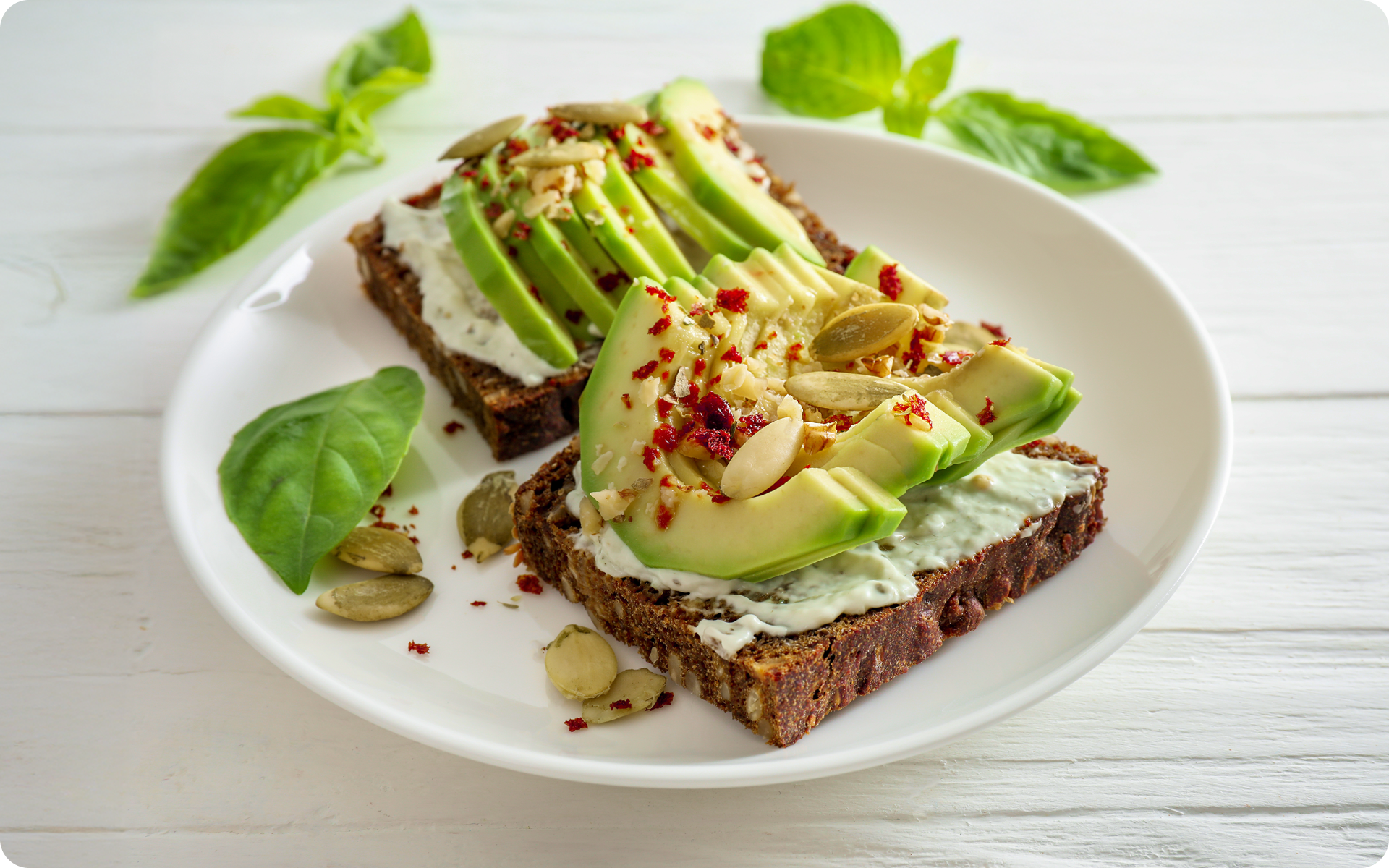
- Whole-grain toast with avocado and eggs
- Kefir with banana
Lunch Ideas
- Turkey slices with crackers
- Tuna with rice cakes
- Hummus with whole-grain pita
- Cottage cheese with pineapple
Snack Ideas
- Peanut butter with banana slices
- Apple slices with almond butter
- Cheese cubes with grapes
- Roasted chickpeas with dried fruit
- Chia pudding with berries
Dinner Ideas
- Boiled eggs with whole-grain toast
- Low-fat chocolate milk with a banana
- Whole-grain crackers with lean protein
- Avocado toast with cottage cheese
Higher-protein vegetables, including edamame, lentils, mushrooms, and many deep green vegetables, are also viable protein options, with a serving size generally 1 cup raw or ½ cup cooked. Fruits provide trace amounts of protein, often 1-2 grams per cup-sized serving or medium piece. While fruit isn’t typically considered a major protein source, some high-protein fruits, such as guava, jackfruit, blackberries, and dried apricots, contain more protein than many other commonly consumed fruits. Optimal portion sizes and food choices may vary depending on workout intensity, digestion, and personal fitness goals.
When Should You Eat a Pre-Workout Snack?
Timing can affect how a workout feels. Eat too early, and your energy may fade halfway through training. Eat too late, and you may feel overly full—the sweet spot lies somewhere in between. Try to give the body enough time to absorb nutrients without feeling overly full.
Recent findings suggest that smaller snacks are generally best consumed around 30-60 minutes before exercise. On the other hand, larger meals usually work better 2-3 hours beforehand. This timing gives the body time to digest before training.
The table below illustrates what may work and when:
| Time before workout | What usually works best |
|---|---|
| 2-3 hours | Larger balanced meals, generally balancing different nutrients |
| 60-90 minutes | Moderate-sized snacks, generally focusing on carbohydrate with some protein and lower fat |
| 30-60 minutes | Light and easy-to-digest snacks, with focus on carbohydrates and likely some protein |
| Less than 30 minutes | Very small portions or liquids, focusing on carbohydrates at this point |
Morning workouts may require different timing than evening sessions. Some people feel energized after a light snack, while others prefer exercising after a larger meal earlier in the day. This suggests that both food choice and timing can affect how a workout feels.
What High-Protein Pre-Workout Snacks Work for Different Goals?
Not every workout goal needs the same kind of fuel. A snack that works well before a long cardio session may feel completely wrong before a heavy strength-training session. Useful high-protein pre-workout snacks depend on what your body is trying to achieve. Is it more energy? Muscle growth? Or simply weight management?
Choosing the right combination may help support performance while making workouts feel more manageable.
| Fitness goal | What to focus on | Good pre-workout snack combinations |
|---|---|---|
| Muscle gain | Higher protein with moderate carbs (10) | Greek yogurt with oats, eggs with toast, protein smoothie with banana |
| Weight loss | Protein-rich and satisfying options (11) | Cottage cheese with berries, apple with almond butter, egg whites with crackers |
| Endurance training | More carbohydrates for lasting energy (12) | Oatmeal with protein powder, banana with peanut butter, kefir with fruit |
| Strength training | Balanced protein and steady energy (13) | Turkey slices with whole-grain crackers, tuna with rice cakes, yogurt with granola |
| Morning workouts | Light and easy-to-digest foods | Protein shake with banana, toast with peanut butter, and low-fat chocolate milk |
| Evening workouts | Moderate portions that are not too heavy | Cottage cheese with fruit, hummus with pita, avocado toast with eggs |
Ultimately, what you eat depends on what your body needs. Some people feel strongest with lighter snacks, while others may need something more filling before intense exercise. Tolerance of overall volumes of foods and specific types of nutrients can vary significantly by individual and can improve over time.
Reasons why BetterMe is a safe bet: a wide range of calorie-blasting workouts, finger-licking recipes, 24/7 support, challenges that’ll keep you on your best game, and that just scratches the surface! Start using our app and watch the magic happen.

What Foods Should You Avoid Before Exercise?
Not all foods support a good workout—some can slow digestion, cause discomfort, or leave you feeling low on energy. Before exercising, it’s best to avoid anything that feels too heavy, overly processed, or difficult to digest, so your body stays light and focused on performance. ingredients
Foods to Avoid Before Exercise
- Fried and greasy foods
- Heavy creamy dishes
- Sugary desserts and candies
- Carbonated drinks
- Very spicy foods
- Large fast-food meals
- Excessively high-fiber meals right before training
- Energy drinks with high caffeine content
Even nutritious choices can feel uncomfortable if they’re eaten in large portions too close to a workout. Timing and quantity are just as important as the type of food. A protein smoothie before a workout is often a lighter alternative to heavy meals. It may be useful when quick energy is needed.
Similarly, those who are following easy high-protein lunch ideas or even dinner-style meals before workouts should still adjust portion sizes to avoid feeling sluggish during training.
Read more: Low-Intensity Cardio for Fat Loss: What You Need to Know
How Can You Meal Prep High-Protein Pre-Workout Snacks?
Meal prepping high-protein pre-workout snacks is all about planning ahead so your body gets quick, reliable fuel without last-minute guesswork. The goal of preparing ahead is to ensure your food is easy to grab before training.
Some tips that can help here are:
- Choose simple protein sources: Pick foods that store well and are easy to portion. These include yogurt, eggs, lean meats, dairy, and plant-based proteins.
- Pre-portion snacks: Divide snacks into small containers so you can quickly grab the right amount before exercise.
- Keep texture in mind: Choose items that stay fresh and don’t become soggy or unappetizing after a day or two—these changes may feel unpleasant before workouts.
- Balance light and filling options: Prepare a mix of lighter snacks for short workouts and slightly more filling options for longer sessions.
- Store smartly: Use airtight containers and refrigerate properly to maintain freshness and taste.
- Plan timing-friendly choices: Keep faster-digesting options ready for 30-60 minutes before workouts and slightly heavier ones for earlier in the day.
Meal prepping high-protein pre-workout snacks removes the stress of deciding what to eat before training. This can make it easier to have a suitable option ready at the right time.

Frequently Asked Questions
Is it better to eat before or after a workout?
Both play an important role. Eating before a workout may help support energy, endurance, and performance, while post-workout nutrition supports muscle repair. The timing of your workout and other meals can also play a role in determining fuel choices before and after workouts.
Can you eat dairy before a workout?
Yes, if it suits your digestion. Dairy, such as yogurt, kefir, or low-fat milk, can provide protein and carbs for energy. Keep portions moderate, as heavier dairy may feel uncomfortable right before exercise.
Can you eat fruit with a high-protein snack?
Yes, this is often a great combination. Fruit adds quick energy through natural sugars, while protein adds muscle-supporting nutrients.
Is oatmeal a good pre-workout option?
Yes. Oatmeal provides slow-releasing carbohydrates that may help sustain energy. When combined with protein, it can become a more balanced option for longer workouts.
Should pre-workout snacks be low in fat?
Generally, yes. Lower-fat options digest faster and may help reduce heaviness or discomfort during exercise.
The Bottom Line
Knowing what to eat before a workout is less about strict rules and more about learning what helps your body feel ready to move. Don’t lose hope when you can’t go on with the prep for some reason. The real secret of success lies in consistency—finding simple, balanced options that you can rely on again and again, instead of overthinking every meal.
Next time you plan your training session, remember this simple loop: fuel smart, train strong, support your body afterward, and repeat. The better you understand high-protein pre-workout snacks, the easier it may be to choose options that fit your routine.
DISCLAIMER:
This article is intended for general informational purposes only and does not serve to address individual circumstances. It is not a substitute for professional advice or help and should not be relied on for making any kind of decision-making. Any action taken as a direct or indirect result of the information in this article is entirely at your own risk and is your sole responsibility.
BetterMe, its content staff, and its medical advisors accept no responsibility for inaccuracies, errors, misstatements, inconsistencies, or omissions and specifically disclaim any liability, loss or risk, personal, professional or otherwise, which may be incurred as a consequence, directly or indirectly, of the use and/or application of any content.
You should always seek the advice of your physician or other qualified health provider with any questions you may have regarding a medical condition or your specific situation. Never disregard professional medical advice or delay seeking it because of BetterMe content. If you suspect or think you may have a medical emergency, call your doctor.
SOURCES:
- The effect of protein intake on athletic performance: a systematic review and meta-analysis (2024, frontiersin.org)
- Carbohydrates and Endurance Exercise: A Narrative Review of a Food First Approach (2023, mdpi.com)
- Fact or Fiction: The Anabolic Window (2021, lewis.gsu.edu)
- Exploring the gut-exercise link: A systematic review of gastrointestinal disorders in physical activity (2025, wjgnet.com)
- Whey Protein Supplementation Combined with Exercise on Muscle Protein Synthesis and the AKT/mTOR Pathway in Healthy Adults: A Systematic Review and Meta-Analysis (2025, mdpi.com)
- Clinical Evidence and Mechanisms of High-Protein Diet-Induced Weight Loss (2020, pmc.ncbi.nlm.nih.gov)
- Protein supplementation on muscle recovery and soreness after intense badminton training sessions (2025, researchgate.net)
- The Effect of Ingesting Carbohydrate and Proteins on Athletic Performance: A Systematic Review and Meta-Analysis of Randomized Controlled Trials (2020, mdpi.com)
- Energy, carbohydrates and fats in clinical sports nutrition (2025, sciencedirect.com)
- The Effect of Carbohydrate Intake on Muscle Hypertrophy: A Systematic Review and Meta-analysis (2026, link.springer.com)
- Weight-loss Success Depends on Eating More Protein, Fiber while Limiting Calories, Study Finds (2024, medicine.illinois.edu)
- Effects of carbohydrate supplementation on the performance of endurance athletes: A systematic review (2025, sciencedirect.com)
- Comparative Effectiveness of Exercise and Protein-Based Interventions on Muscle Strength, Mass, and Function in Sarcopenia: A Systematic Review and Network Meta-Analysis (2025, sciencedirect.com)

 Reviewed by
 Reviewed by


 By
By 
 By
By