A 300-calorie lunch is a small meal whose suitability depends on your daily needs. Use measured portions, include protein and fiber-containing foods, and add food when needed. The two recipes below provide starting examples; our low-calorie lunch recipes offer more ideas.
Following exercise and diet plans is the key in your fitness journey and greatly impacts results. In 4 weeks users can typically expect to lose not more than 1-2 lbs per week. Individual results may vary.
Key takeaways
- A 300-calorie lunch is a small meal; daily energy needs vary with individual factors (1).
- Use the number of servings you eat to calculate calories from a nutrition label (2).
- Protein can influence fullness, but it does not guarantee how long a meal will keep you satisfied (3).
- Research on soluble-fiber supplements shows that effects on fullness vary by fiber type, dose, and context (4).
- The measured vegetable-and-hummus sandwich recipe has a published estimate of 300 calories per serving (5).
- Refrigerated leftovers generally keep for 3 to 4 days when handled and stored appropriately (6).
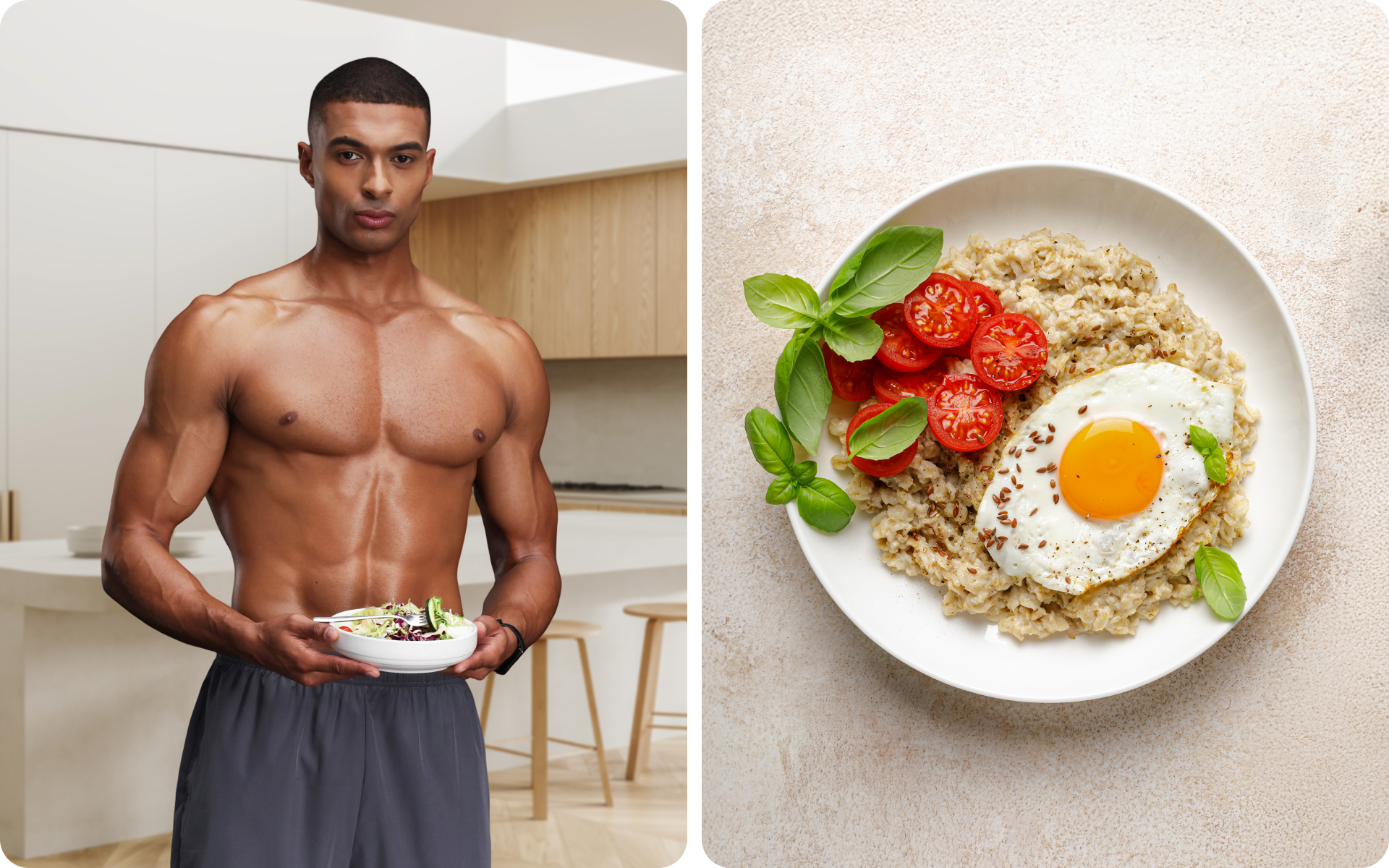
How can you build a 300-calorie lunch with protein, fiber, and fats?
Start with a protein source and vegetables or other fiber-containing foods. Measure calorie-dense additions, then check the total for your actual serving.
A recipe’s calorie estimate depends on both the ingredients and the portion size. Nutrition labels usually give values per serving, so adjust the calculation to the amount you use (2).
How can you estimate a 300-calorie portion?
To estimate a homemade meal, add the calories from every ingredient, including oil, dressing, and toppings. Divide the batch total by the number of equal servings.
For example, dividing a 1,200-calorie batch into four equal portions gives an estimate of 300 calories per portion.
| Share of a 1,200-calorie batch | Equal servings in batch | Calories per serving |
|---|---|---|
| One quarter | 4 | 300 |
| One third | 3 | 400 |
| One sixth | 6 | 200 |
Which protein foods can you include?
Research suggests dietary protein can influence fullness, but the response depends on the food and eating context (3). Choose a protein source you enjoy and can portion for the meal.
Protein foods you can portion into a lunch include:
- Skinless poultry
- Canned tuna in water
- Boiled eggs
- Fish and seafood
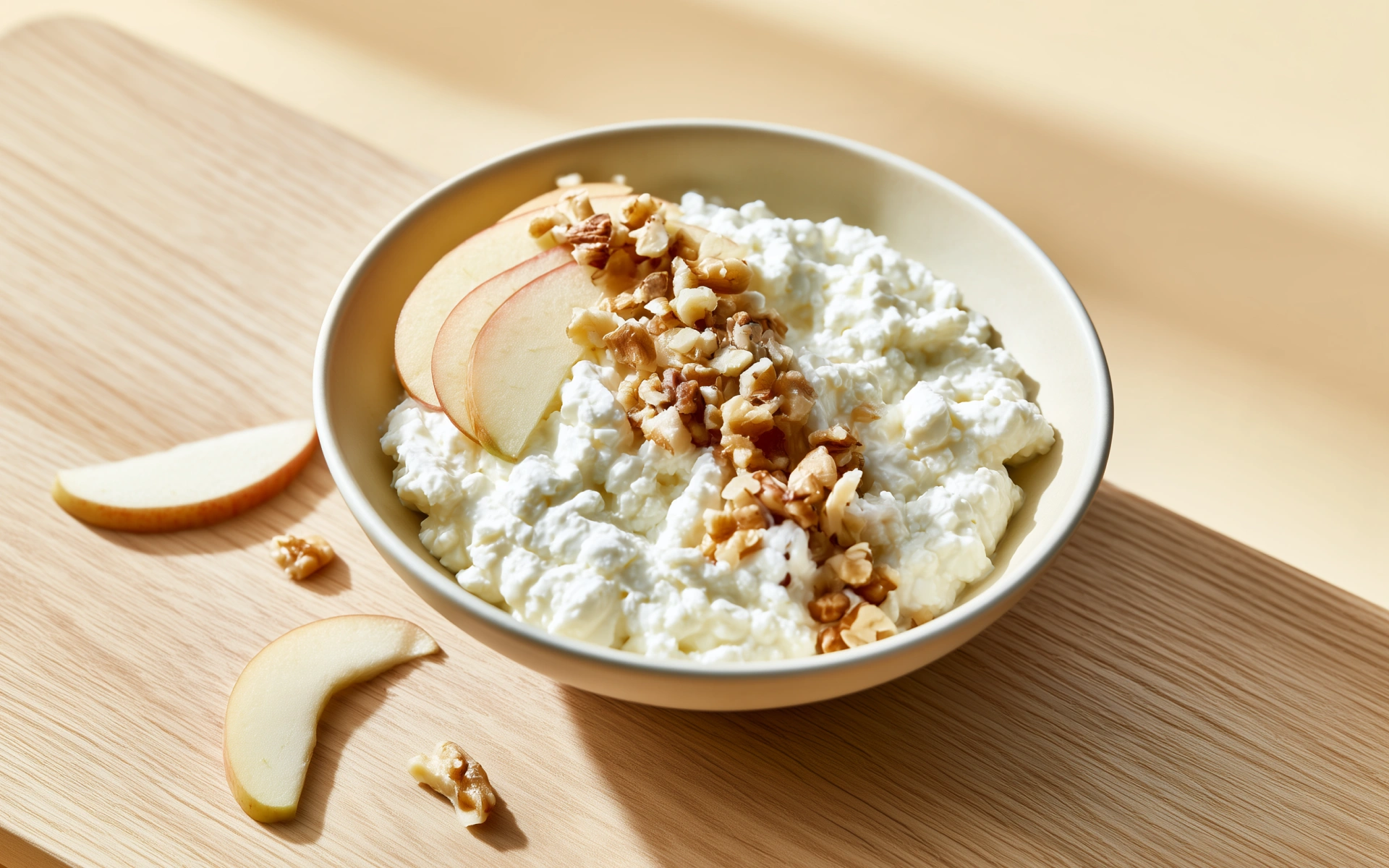
- Low-fat cottage cheese
- Plant protein sources such as beans, lentils, or tofu.
For additional portion ideas, see these 250-calorie meal ideas. Choose a serving that meets your needs.
Which foods provide fiber?
Fiber-containing foods include beans, lentils, vegetables, fruit, and whole grains. A review of soluble-fiber supplements found that effects on fullness and food intake varied by fiber type, dose, and study conditions (4).
Include vegetables and a portion of beans or whole grains according to your preferences and energy needs.
Examples include spinach, bell peppers, carrots, broccoli, cucumber, cabbage, oats, and black beans.
How can you portion fats and toppings?
Oil, avocado, nuts, seeds, and cheese can contribute to a meal. Measure the amount you use and include it in the calorie calculation (2).
Check the label for dressings and spreads. A small-looking addition can change the total, and homemade dressing is not automatically lower in calories.
Read more: 28-Day Mediterranean Diet Plan: Should You Give It A Try Or Not?
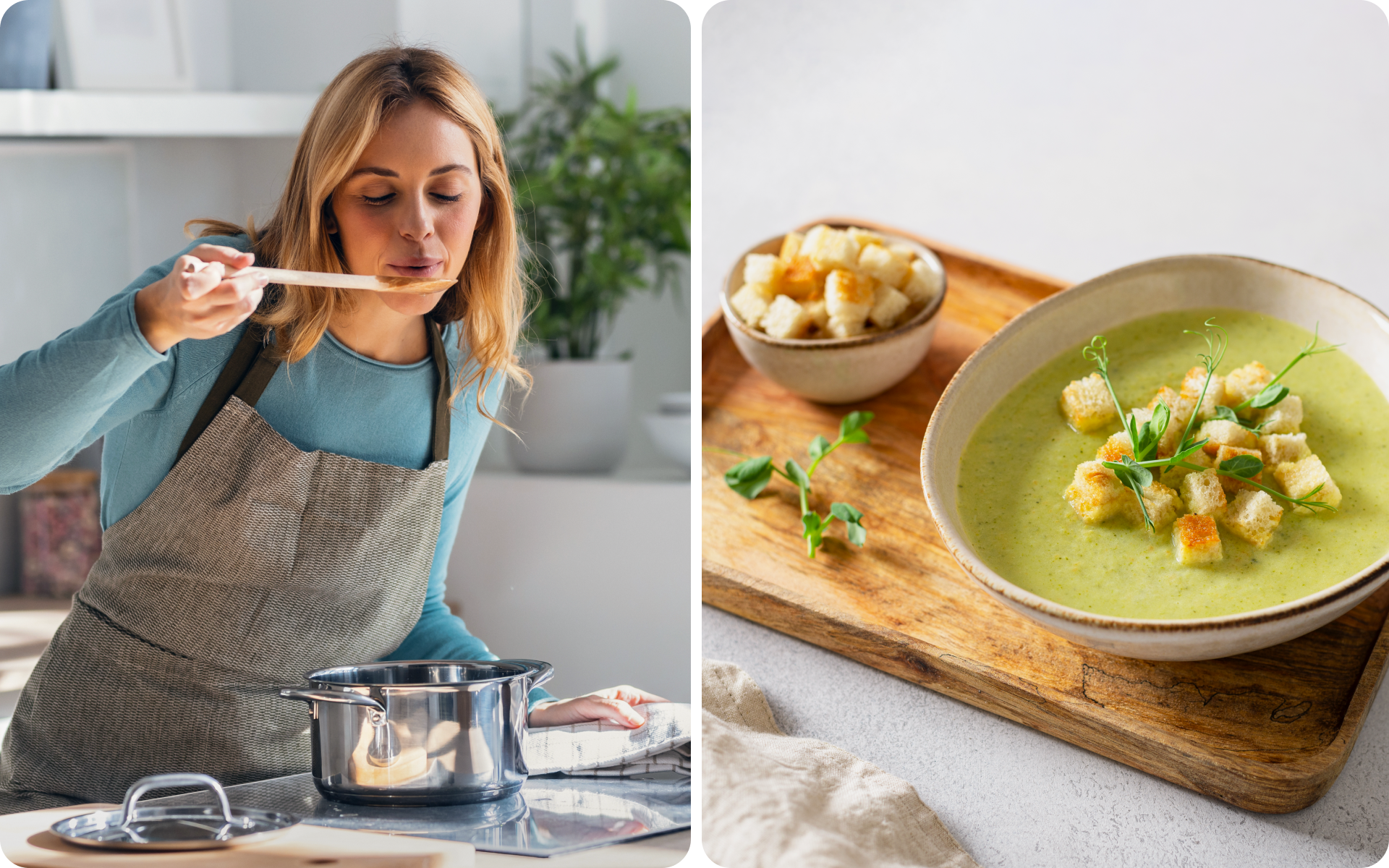
What 300-calorie lunch can you make in 10 minutes?
A vegetable-and-hummus sandwich is a no-cook option. The published recipe takes about 10 minutes and estimates 300 calories per sandwich (5). Product brands and ingredient sizes can change the total.
Vegetable-and-hummus sandwiches
For 2 sandwiches, use 4 thin slices of whole-grain bread, 1/3 cup hummus, 1 cup salad greens, half a medium cucumber, half a medium bell pepper, 1 medium plum tomato, 2 tablespoons sliced Kalamata olives, 1 tablespoon olive oil, and 1/8 teaspoon black pepper. Wash and slice the vegetables.
- Spread the hummus across the bread slices.
- Divide the vegetables, greens, and olives between 2 slices.
- Distribute the oil and pepper over the fillings.
- Close each sandwich with a remaining bread slice. One sandwich is one serving (5).
Other quick lunch combinations
The ideas below offer more variety. Measure the ingredients and check the calories for the portion you make:
- Tuna and avocado open sandwich: Top one slice of whole-grain bread with canned tuna, mashed avocado, and sliced tomatoes.
- Greek yogurt and fruit bowl: Combine plain Greek yogurt with fresh or frozen berries, a small banana, and a sprinkle of hemp seeds.
If you swap yogurt for cottage cheese or change the seeds, recalculate the serving.
- Chicken wrap: combine cooked chicken, cucumber, pico de gallo, and a measured amount of plain yogurt in a wrap. Compare the wrap’s label with other options.
- Egg and vegetable toast: add a boiled egg, baby spinach, and sliced tomatoes to whole-grain toast. Include any butter or cooking oil in the total.
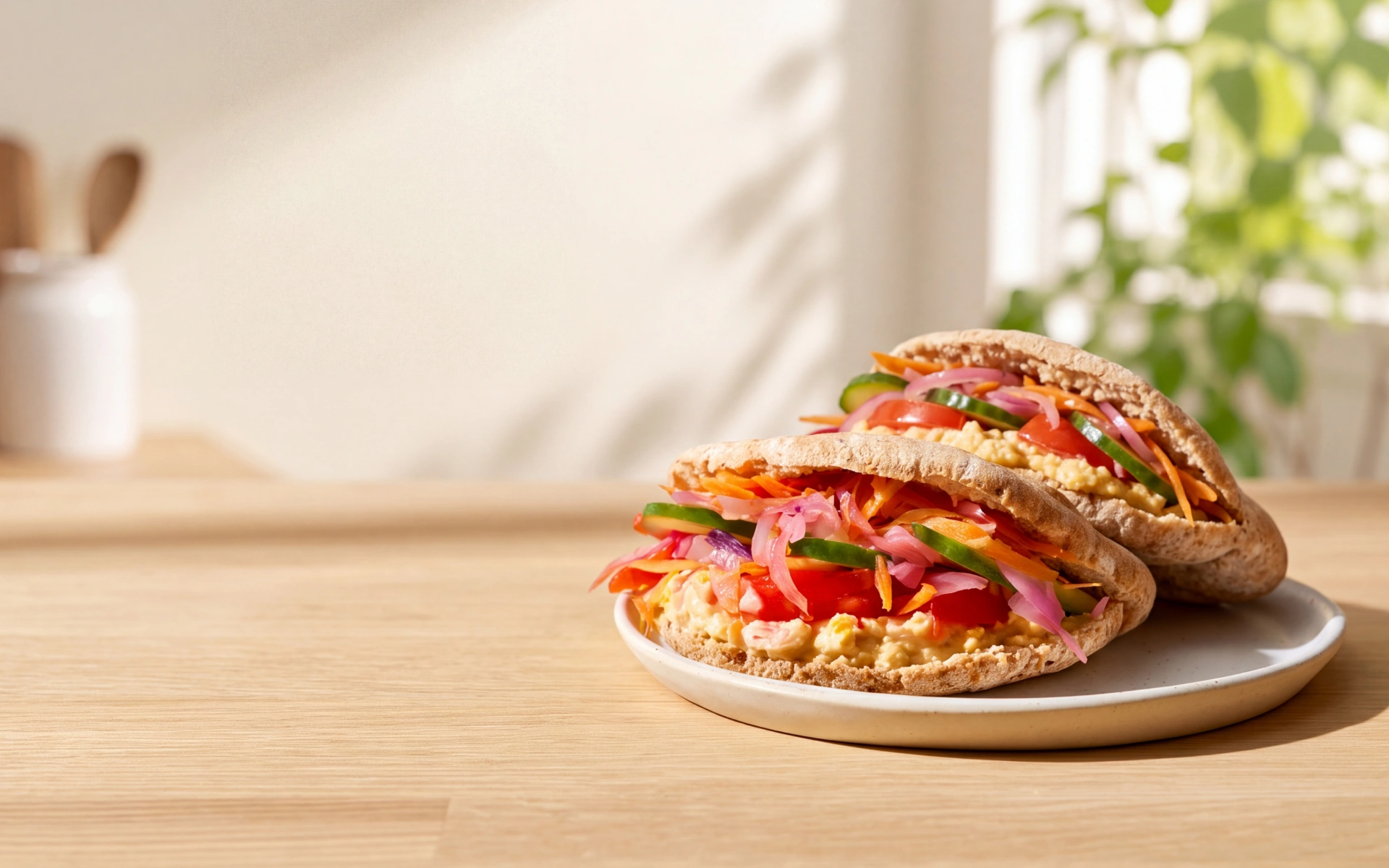
- Hummus and vegetable pita pockets: Fill a small whole-grain pita with hummus, cucumber, pickled onions, tomatoes, and shredded carrots.
To calculate a portion:
- Record the amount of each ingredient.
- Include dressings, cheese, nuts, spreads, and cooking oil.
- Use the matching label to calculate calories for the amount of each packaged ingredient you use (2). Add the ingredient totals and divide by the number of equal portions.
BetterMe: Health Coaching app can help you build a more structured approach to your wellness routine with meal plans, workouts, and habit-tracking tools. Start using the app to explore options that may support your personal fitness and nutrition goals.
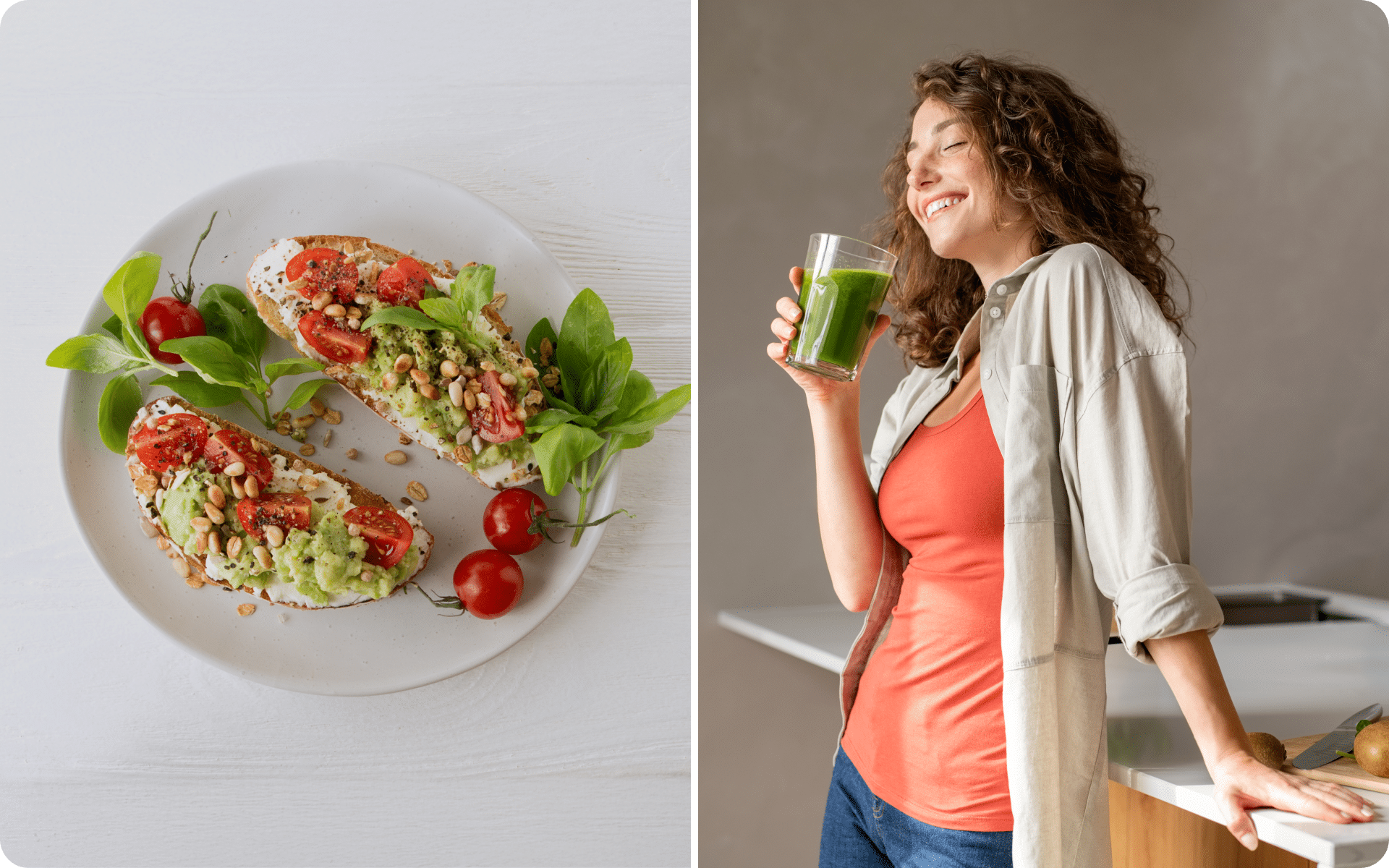
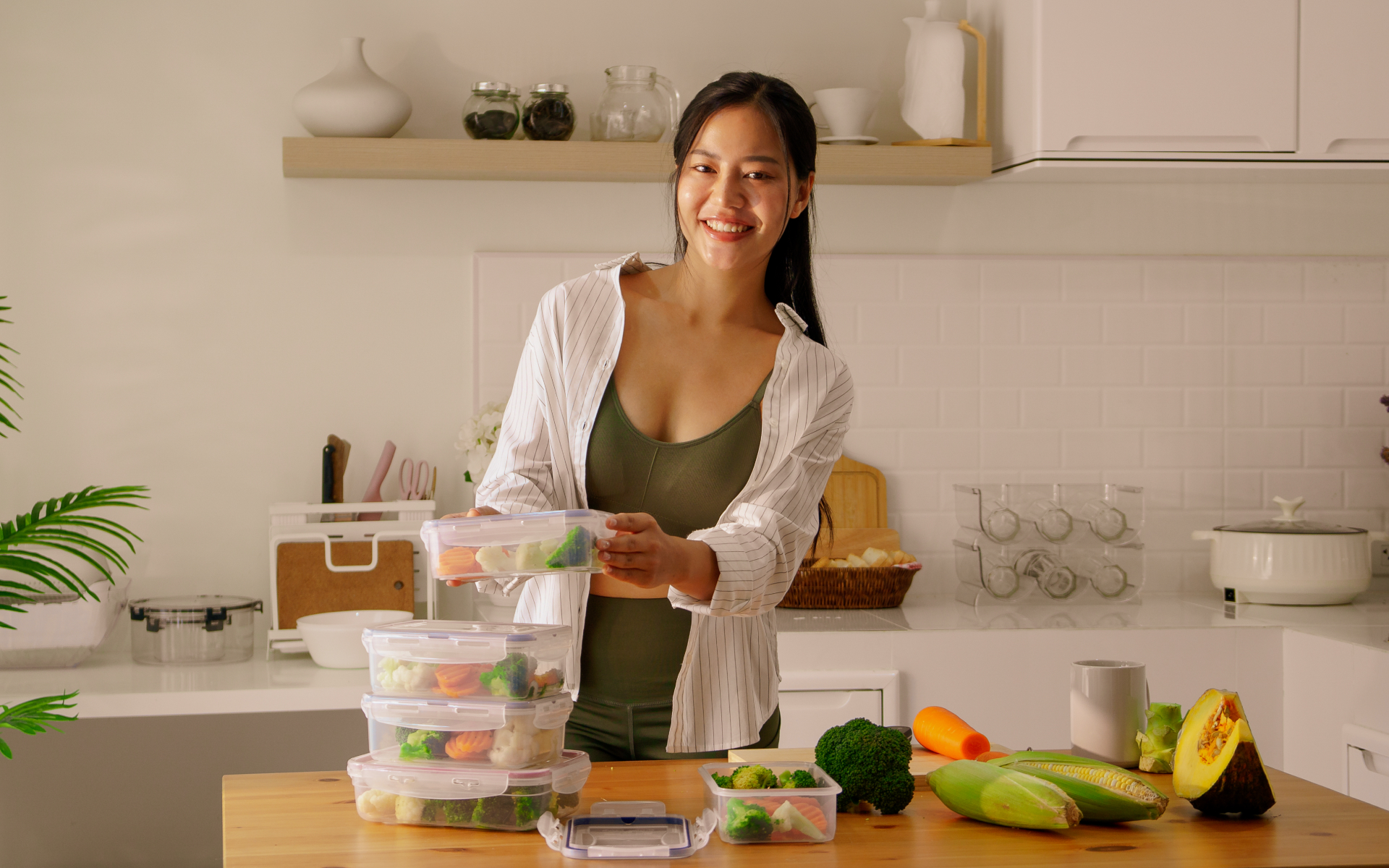
What 300-calorie lunches can you prep ahead of time?
A grain-and-chickpea salad can be prepared ahead and divided into 6 portions. The published recipe estimates 300 calories for one-sixth of the batch (7).
Mediterranean grain-and-chickpea salad
For 6 portions, use 1 cup uncooked brown rice or quinoa, 1 cup chopped tomatoes, 1 chopped cucumber, 1/4 cup chopped red onion, 1 chopped avocado, and one 15-ounce can chickpeas, drained and rinsed. Wash the produce before cutting.
For the dressing, measure 1/4 cup olive oil, 1 tablespoon vinegar, 1 tablespoon lemon or lime juice, 1 teaspoon mustard, and 1 teaspoon minced garlic. Optional additions are 1/4 cup fresh oregano or cilantro, or 1 tablespoon dried oregano, and 1/2 teaspoon salt.
- Cook the grain according to its package directions.
- Cool the cooked grain promptly before mixing it with the vegetables and chickpeas.
- Mix the dressing separately.
- Stir the dressing through the salad and divide it into 6 equal servings. The calorie estimate applies to the original recipe; substitutions can change it (7).
Other meal-prep combinations
Use these combinations for variety and calculate the calories from your chosen portions:
-
- Chicken and quinoa bowls: combine cooked chicken, quinoa, and vegetables. Measure the dressing and any oil used during cooking.
- Lentil and vegetable salad: Mix cooked lentils with chopped cucumber, tomatoes, peppers, pickled onions, and herbs. Drizzle a light vinaigrette over it right before eating.
- Turkey and lettuce wraps: Wrap some smoked turkey with cucumber, carrot, and bell pepper sticks in lettuce leaves. For this option, use a partitioned lunch box. The different vegetable sticks can be packed together, while the turkey and lettuce leaves go into different sections. Assemble immediately before eating.
- Tuna pasta salad: Mix whole-wheat pasta with canned tuna, peas, chopped vegetables, and a light plain yogurt dressing.
- Turkey and bean salad: combine turkey, black beans, corn, lettuce, and chopped tomatoes and cucumber. Measure the turkey, beans, and any dressing for the portion you plan to eat.
- Overnight oats: combine oats, plain yogurt, fruit, and seeds in measured amounts. Check the total for the portion you plan to eat.
For more combinations, see our lunch prep ideas. Refrigerate perishable leftovers within 2 hours, or within 1 hour when temperatures exceed 90°F. Use shallow containers and keep the refrigerator at 40°F or below (6).
Read more: Tuna And Water Diet: What Do Experts Say About Following It?
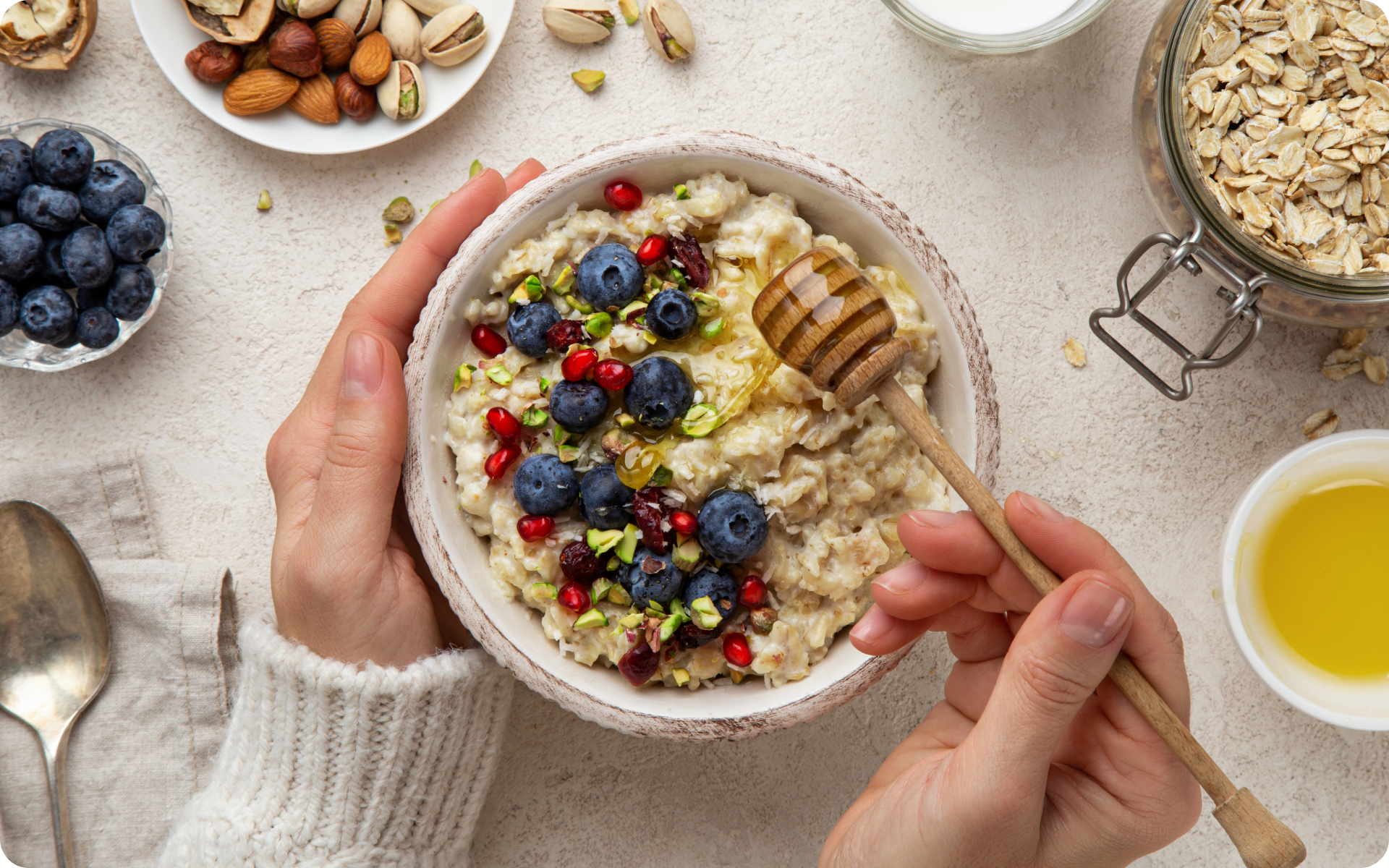
How can you include vegetables without making a salad?
Add vegetables to soups, wraps, cooked grain bowls, or egg dishes. A salad is optional.
How can you swap ingredients for vegetarian, dairy-free, or gluten-free lunches?
Keep the meal’s main components while choosing ingredients that fit your dietary needs. Recalculate calories after swaps because products and portions differ.
What can you use for vegetarian meals?
Plant protein options include beans, lentils, chickpeas, tofu, tempeh, and edamame. Eggs may suit some vegetarian diets but are not plant-based; vegan meals exclude eggs and dairy as well as meat and fish.
What can you use for dairy-free lunches?
Choose dairy-free products that fit your needs, and compare their protein and calorie labels. Plant-based alternatives do not all have the same nutritional content.
For a creamy dressing, consider plain soy yogurt, hummus, avocado, or tahini, measuring the portion used.
What should you check for gluten-free options?
Choose products labeled gluten-free when that is required for your diet, including oats, wraps, and bread. Rice paper and gluten-free bread are not automatically lower in calories; compare the labeled portions.
Check ingredient lists as well as calorie values when a swap needs to meet an allergy or medical requirement.
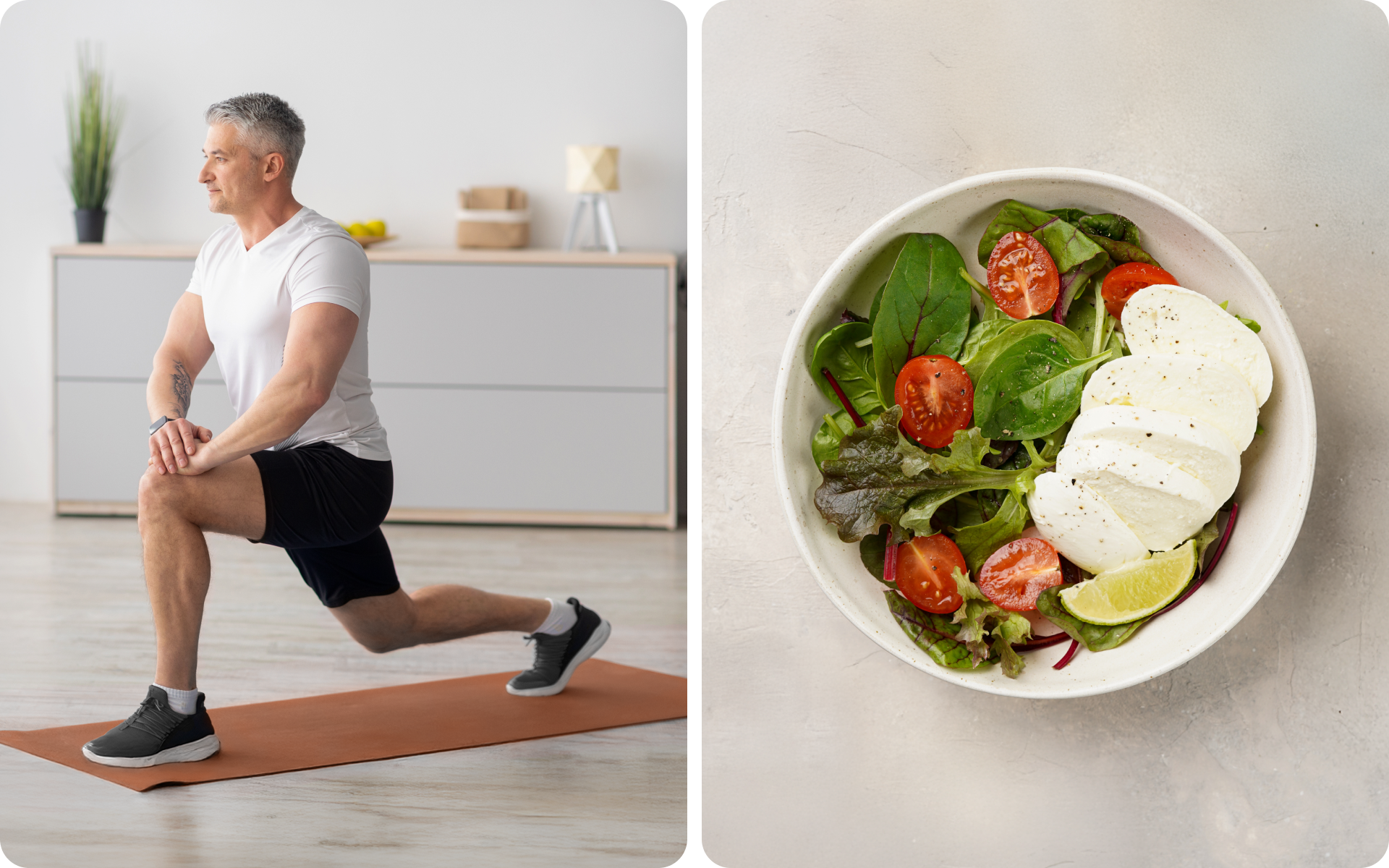
How can you adjust a lunch when 300 calories isn’t enough?
Increase the portion when a 300-calorie lunch does not meet your needs. Current US dietary guidance says calorie needs depend on age, sex, height, weight, and physical activity (1).
Ways to add food include:
-
- Adding more protein: Some extra pieces of chicken, tofu cubes, eggs, or beans can up the protein and calorie count.
- Add vegetables: include more of the vegetables you enjoy in a soup, bowl, or sandwich.
- Add carbohydrates: increase the portion of rice, potatoes, quinoa, oats, or another grain.
- Add a small side: A small handful of nuts, some peanut butter with apple slices or vegetable sticks, or a cup of yogurt can make the lunch more filling.
Who may need individual nutritional guidance before following a low-calorie meal plan?
Ask a registered dietitian or clinician for individual advice if a medical condition or eating difficulty affects your food intake.
Children, teenagers, pregnant or breastfeeding people, and people with an eating-disorder history should not use an adult low-calorie meal target as a default.
Persistent hunger, unintentional weight loss, or difficulty meeting nutritional needs calls for reassessing the plan rather than forcing a smaller portion.
Whether you’re just starting your fitness journey or looking to add more structure to your routine, BetterMe offers tools that can support different wellness goals. Explore the app and see how its workout, nutrition, and habit-building features can fit into your lifestyle.
FAQs
Can a sandwich fit into a 300-calorie lunch?
A sandwich can fit if its measured ingredients total about 300 calories. Count the bread, filling, spread, and any sides; a wrap is not automatically lower in calories.
Can I make a 300-calorie lunch without a salad?
Yes. A wrap, soup, or cooked bowl can include vegetables without being a salad.
Can pasta fit into a 300-calorie lunch?
Yes, depending on the measured portion and additions. Count the pasta, sauce, oil, protein, and toppings together.
Can I freeze a prepared 300-calorie lunch?
Cooked soups and combination dishes can be frozen in individual portions. Refrigerated leftovers generally keep for 3 to 4 days; frozen leftovers retain quality for about 3 to 4 months, and reheated leftovers should reach 165°F (6).
How can I estimate calories in a homemade lunch?
Add the calorie values for the measured amount of each ingredient, including oil and sauces. Divide the total by the number of equal portions, and check how much you actually serve.
The bottom line
Start with one of the measured recipes, then adjust portions and ingredients to suit your needs. Include additions in your calorie estimate and add more food when a 300-calorie lunch is not enough.
DISCLAIMER:
This article is intended for general informational purposes only and does not serve to address individual circumstances. It is not a substitute for professional advice or help and should not be relied on for making any kind of decision-making. Any action taken as a direct or indirect result of the information in this article is entirely at your own risk and is your sole responsibility.
BetterMe, its content staff, and its medical advisors accept no responsibility for inaccuracies, errors, misstatements, inconsistencies, or omissions and specifically disclaim any liability, loss or risk, personal, professional or otherwise, which may be incurred as a consequence, directly or indirectly, of the use and/or application of any content.
You should always seek the advice of your physician or other qualified health provider with any questions you may have regarding a medical condition or your specific situation. Never disregard professional medical advice or delay seeking it because of BetterMe content. If you suspect or think you may have a medical emergency, call your doctor.
SOURCES:
- Dietary Guidelines for Americans, 2025-2030 (2026, cdn.realfood.gov)
- Serving Size on the Nutrition Facts Label (n.d., fda.gov)
- Proteins and Peptides from Food Sources with Effect on Satiety and Their Role as Anti-Obesity Agents: A Narrative Review (2024, pubmed.ncbi.nlm.nih.gov)
- Unravelling the Effects of Soluble Dietary Fibre Supplementation on Energy Intake and Perceived Satiety in Healthy Adults: Evidence from Systematic Review and Meta-Analysis of Randomised-Controlled Trials (2019, pubmed.ncbi.nlm.nih.gov)
- Vegetable and Hummus Sandwich (n.d., diabetesfoodhub.org)
- Leftovers and Food Safety (2020, fsis.usda.gov)
- Mediterranean Salad (n.d., food.unl.edu)
 Reviewed by

 By
 Reviewed by
 Reviewed by