
Fasting is a lifestyle choice. It gives your body a break to digest food, which some people find makes them feel lighter and stabilizes blood sugar levels.
However, someone new to fasting might have trouble determining what foods to avoid when breaking a fast or understanding how different rules of intermittent fasting may affect their food choices.
Your food choices can vary depending on your diet.
For example, you may prefer plant-based meals or lean animal protein, like chicken or turkey. This article provides practical guidance for ending a fast with balanced, well-tolerated meals.
Every fast is a personal experience. Dietary preferences, body composition, activity level, and health circumstances can influence how fasting feels. Consider consulting a healthcare provider before starting or changing a fasting routine.
What Are Some Foods to Avoid When Breaking a Fast?
During fasting, your body makes adaptations that temporarily affect your metabolism and digestive activity. After a long fast, your digestive tract may initially feel more sensitive. Certain foods or too much food at once might cause an upset stomach, gas, bloating, diarrhea, or constipation (1).
The foods to avoid when breaking a fast, especially a longer fast, may include:
- High sugar foods: Pastries, cakes, and sugary beverages contain many added sugars. Limiting added sugar is commonly recommended because high intake is associated with less favorable long-term health outcomes (2). Additionally, after a longer fast, a lot of sugar at once could cause digestive discomfort.
- Ultra-processed meals: Ultra-processed and fast food often contain unhealthy fats, salt, and added sugars. Experts recommend limiting these processed foods due to their negative long-term health associations (3).
- Greasy foods: The sheer volume of fat in meals like bacon-wrapped fries or deep-fried onion rings can strain your digestive tract, especially after it has gone longer without digesting any food.
- Large meals: Even if the meal is nutritious, eating in large amounts can cause an upset stomach. Start with smaller portions and gradually increase the intake when ending a longer fast.
- Very spicy meals: Extremely spicy food, like chiles or jalapenos, has a pungent ingredient known as capsaicin. These foods can irritate the gastrointestinal tract and may not be an ideal key component of your first meal after a fast (4).
However, individual tolerance varies.

Can You Break Your Fast With Any Food?
You can end your fast with fruits, broth, vegetables, or eggs.
Any food that contains calories can help you leave the fasted state and introduce nutrients to your digestive tract.
Anytime you break a fast, you should do so with a balanced meal containing:
- Complex carbohydrates
- Lean proteins
- Healthy fats
If you’ve just completed a longer fast, your portion sizes might need to be smaller at your first meal to avoid digestive discomfort. You can also start with a cup of broth and then have your small, balanced meal about 30 minutes later if that feels more comfortable for you.
For shorter fasts (like the popular 16/8 method), you probably don’t need to worry much about digestive discomfort when breaking your fast. Most people can tolerate a normal-sized, balanced meal after 16 hours of fasting.
Read more: Intermittent Fasting Meal Plan: A Beginner’s Guide to Building Balanced Meals
How to Break a Fast Correctly?
If you’ve just completed a longer fast, consider easing out of it with light, nutritious, and balanced meals. The goal is to nourish your body with complex carbs, lean proteins, healthy fats, dietary fiber, minerals, and vitamins.
The meals should leave you feeling satisfied but not overly full.
The practices to include for breaking a fast properly:
- Start with a small, light portion. Choose easily digested foods that contain electrolytes, and use simple ingredients.
- Eat slowly. Take your time to chew the food and pause between bites.
This slower pace can reduce the chance of bloating or overindulgence.
- Hydrate the body. Consume enough fluids throughout the day, like water, tea, or coconut water.
- Create a routine. Make a fasting schedule that works for you and your body.
Your schedule should make you feel good and fit easily within your lifestyle.

What Is a Balanced Way to Break a Fast?
Every diet has its way to end a fast. The important thing is that your first meal is nutritious and balanced, and the foods and portion sizes are tolerable, which may depend on how long you fasted.
Here are some healthy food re-introduction strategies according to specific diets:
Plant-Based Diet
Vegan and vegetarian diets are rich in fiber, plant protein, and micronutrients.
The meals gently reintroduce the intestines to food, boosting satiation and easing digestion.
You can end the fast with whole grains, cooked vegetables, and plant-based protein, like tempeh, quinoa, or lentils.
High-Protein Diet
High protein diets promote satiety and help prevent muscle loss.
You can pair your protein-rich foods with complex carbs and healthy fats.
For example, you might have eggs with whole wheat toast and avocado, or Greek yogurt with fruit (5).
Keto Diet
Keto requires you to incorporate very low carbohydrate, moderate protein, and high healthy fat foods. For example, you might have a piece of salmon with roasted vegetables drizzled with olive oil.
Paleo Diet
Paleo focuses more on whole foods that historians believe our ancestors ate, excluding grains, dairy, and legumes. For example, you can end the fast with an omelette with cooked veggies or fruits, nuts, and seeds.
Mediterranean Diet
Mediterranean meals balance healthy fats, antioxidants, lean proteins, and whole grains. Many dishes are light and hydrating, like vegetable soup, fish with vegetables, and salads with olive oil and seeds. You can add various herbs and spices to boost flavor.

What Foods Can You Eat After Fasting?
Meals that are balanced, easy to digest, and teeming with nutrients can energize you. Choosing some foods to improve gut health may also help you build a varied, nutrient-rich diet after fasting.
The good meals to break a fast may include:
- Bone broth to start, followed by a small, balanced meal
- Smoothies or protein shakes
- Cooked vegetables in an omelette or scrambled with a side of whole grain toast
- Yogurt with fruits, nuts, and seeds
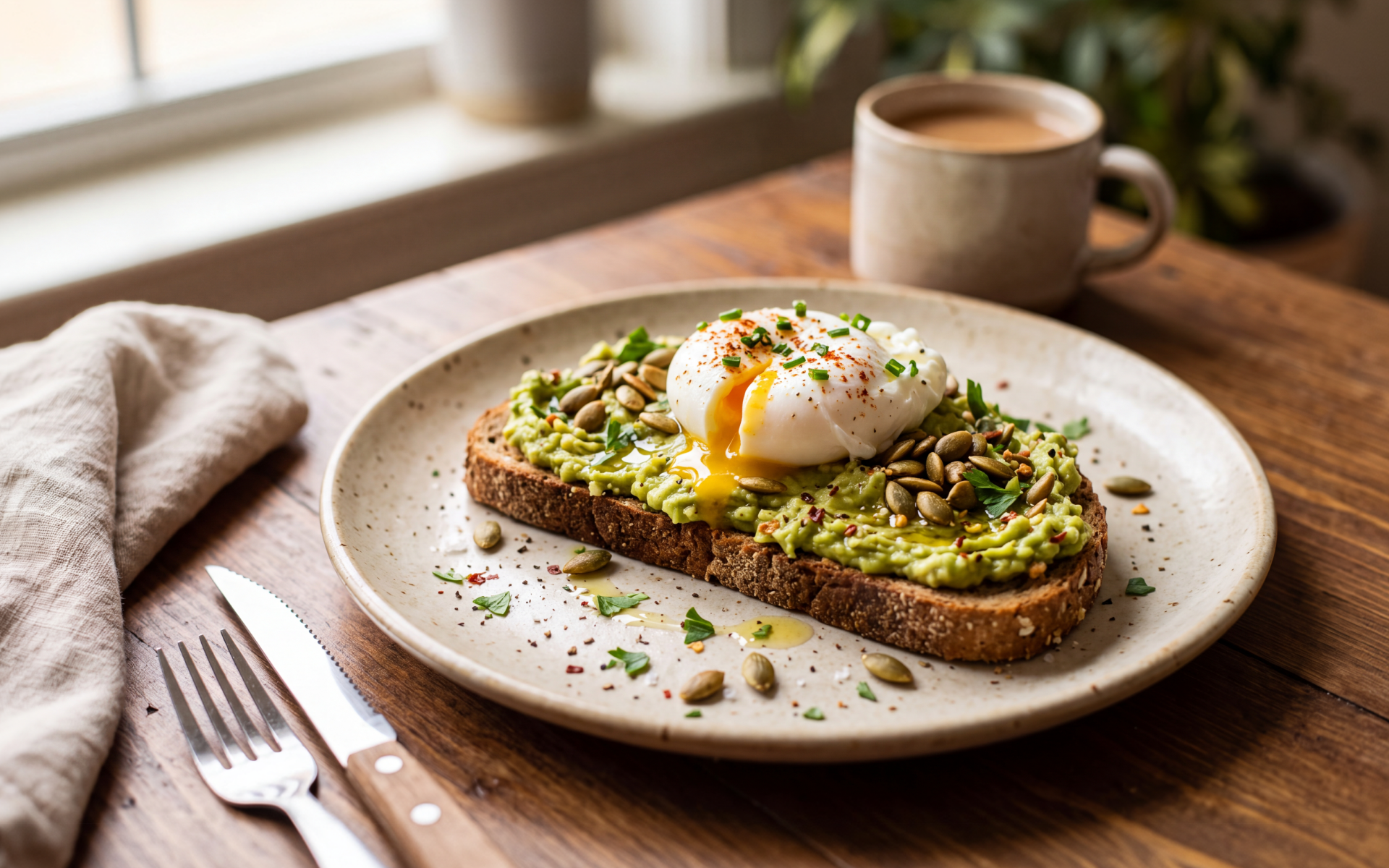
- Avocado toast with a protein like eggs, fish, tofu, etc
- Lentil and vegetable soup
- Mediterranean salads with whole grains and legumes
- Oatmeal with nut butter and fruit
BetterMe Well-Being Coach app can help you build a more structured approach to your wellness routine with meal plans, workouts, and habit-tracking tools. Start using the app to explore options that may support your personal fitness and nutrition goals.
How Many Calories in Food Break a Fast?
In most cases, any meaningful amount of calories can end the fast.
But the exact amount varies based on how strict you want to be with your fasting.
For example, strict (zero-calorie fasts) require you to refrain from consuming calories.
Foods that may unintentionally break this fast may include bone broth or coffee with sugar and/or milk.
Many consume black coffee and tea without sweeteners or water without ending a fast.
These are zero-calorie drinks intermittent fasting approved.
Modified fasting routines, like the 5:2 diet, may allow you to consume small amounts of calories during the fasting periods, usually around 500-600 calories per fasting day.
If you choose to track your intake, BetterMe includes tools that can help you record food and calories. Available features may vary by product version.
BetterMe combines food-tracking, meal-planning, and exercise tools that can support a routine based on the preferences and goals you select. Available features may vary by product version.
The app has everything from Pilates workouts to strength training, and more.

What Are the Risks of Breaking a Fast With the Wrong Food?
After a long fast, you can deplete your electrolyte levels.
You may feel hungry, irritable, or worried. In cases such as these, it is very easy for people to overeat or turn to unhealthy comfort foods. However, too much sugar, salt, protein, fiber, fat, or large food portions can cause indigestion, discomfort, and gas, especially after a longer fast.
The worst foods to break a fast, such as fatty and greasy, can contribute to digestive distress and overwhelm your digestive tract. A lot of added sugar all at once can also sometimes lead to unpleasant digestive symptoms after fasting for an extended period.
After a longer fast, some people may find that very sweet, spicy, or fatty foods cause digestive discomfort. Even eating too much healthy food at one time can cause digestive discomfort after a longer fast.
Read more: Intermittent Fasting and Fiber: How Much Do You Need?
How Long After Breaking a Fast Can You Eat Normally?
How long it takes for the body to get back to normal after fasting varies based on how long you fasted. Short fasts, like 16:8 intermittent fasting, have a very minimal downtime. The body quickly adjusts to normal digestion after a fast.
But, if you do longer fasts, like a 24-hour fast, you may need a few hours before introducing heavy or larger meals.
FAQs
Can I eat bread after fasting?
You can eat bread after fasting. The key is to put together a balanced meal of well-tolerated foods. If bread is usually a part of your diet, it can be a part of your post-fasting meal. Whole grain bread, especially, is rich in fiber and can form the complex carbohydrate component of your balanced meal. Pair it with a protein (like eggs) and a healthy fat (like avocado). Or spread some peanut butter (protein + healthy fats) on it.
Can I break a fast with a banana?
Bananas are a great fruit to end a fast, especially if you need some natural sugars and a few calories, and to satisfy a sweet tooth. They contain potassium and support electrolyte balance.
What are zero calorie foods?
Foods with zero to few calories include water, cucumbers, leafy greens, celery, lemon, pickles, and bone broth. They are hydrating and can benefit your weight loss routine.
These foods that don’t break intermittent fasting are easy to digest and add flavor.
Does Coke Zero break a fast?
Technically, Coke Zero has no calories, so it shouldn’t disrupt the fasting state.
However, some people find that the artificial sweeteners in the drink can trigger cravings for sugary foods, which could affect your weight loss results.
The Bottom Line
Breaking a fast allows for a range of enjoyable meals that replenish nutrients and hydrate the body. You can eat anything according to your diet, but try to put together a balanced meal and don’t eat too large a portion if you’ve just finished a long fast.
You may also want to avoid things that may irritate or overwhelm the digestive tract, like greasy, sugary, or spicy foods at first. Now, you can make informed choices when planning the next meal for your fasting regimen.
DISCLAIMER:
This article is intended for general informational purposes only and does not serve to address individual circumstances. It is not a substitute for professional advice or help and should not be relied on for making any kind of decision-making. Any action taken as a direct or indirect result of the information in this article is entirely at your own risk and is your sole responsibility.
BetterMe, its content staff, and its medical advisors accept no responsibility for inaccuracies, errors, misstatements, inconsistencies, or omissions and specifically disclaim any liability, loss or risk, personal, professional or otherwise, which may be incurred as a consequence, directly or indirectly, of the use and/or application of any content.
You should always seek the advice of your physician or other qualified health provider with any questions you may have regarding a medical condition or your specific situation. Never disregard professional medical advice or delay seeking it because of BetterMe content. If you suspect or think you may have a medical emergency, call your doctor.
SOURCES:
- The impact of intermittent fasting on gut microbiota: a systematic review of human studies (2024, nih.gov)
- Sugars and Gastrointestinal Health (2022, nih.gov)
- Ultra-processed foods and food additives in gut health and disease (2024, nih.gov)
- Consumption of spicy foods and the prevalence of irritable bowel syndrome (2013, nih.gov)
- Dietary Protein and Muscle Mass: Translating Science to Application and Health Benefit (2019, nih.gov)

 Reviewed by
 By
By 
 By
By 
 Reviewed by