Zero- or very low-calorie drinks are commonly included during intermittent fasting because they add little energy. Whether a drink fits a fasting routine may also depend on the type of fast and the person’s goals. Drinks with little or no caloric content can support hydration and may help some people feel more comfortable during a fasting window. Water, black coffee, plain tea, and sparkling water tend to be popular, low-calorie picks that many people rely on during a fast.
Staying hydrated with the right zero-calorie drinks intermittent fasting favorites can make your fasting window feel far more manageable. If you’ve ever hit that mid-morning slump and wondered what you can sip without derailing your progress, you’ve come to the right place. This guide breaks down which fasting window drinks tend to work, which ones to skip, and why.
We’ll cover water, coffee, tea, sweeteners, and more, all in plain language. Whether you’re new to fasting or fine-tuning your routine, you’ll find practical, easy-to-follow options here.
Are you ready for something you can actually use? Take our quick quiz to personalize your fasting plan.
Every fast is a personal experience. Your health history, dietary preferences, body composition, and activity level all influence your fasting journey. It’s advisable to consult a healthcare provider before embarking on a fasting regimen.
What Are Clean and Dirty Fasting Drinks?
Clean fasting is an informal term that is commonly used for a fasting approach that allows beverages with little or no caloric content, such as plain water, black coffee, and unsweetened tea.
On the other hand, dirty fasting drinks include small amounts of calories, sweeteners, or flavorings. Some people add a splash of cream to coffee or use a zero-calorie sweetener. This approach is more flexible, and many people find it easier to stick with over time.
Then there’s modified fasting drinks. This middle-ground style allows low-calorie options such as bone broth or a few drops of lemon. It’s often used by people who want some support during longer fasting windows without a full commitment to a strict fast.
So which style fits you? That depends on your goals and how your body responds. Here’s a quick comparison to help you understand the differences:
| Fasting style | What's allowed | Best for |
|---|---|---|
| Clean fasting | Water, black coffee, plain tea | People who want strict, simple fasts |
| Dirty fasting | Small calories, sweeteners, flavor add-ins | People who value flexibility |
| Modified fasting | Low-calorie broths, minimal add-ins | People doing longer or gentler fasts |
There’s no single “right” version. Clean fasting drinks tend to keep things straightforward, while dirty fasting drinks offer wiggle room. Modified fasting drinks sit comfortably in between. The approach a person chooses may depend on their goals, preferences, and individual response. People who are considering a significant change to their fasting routine may wish to discuss it with a qualified healthcare professional.
What Drinks Won’t Break Intermittent Fasting?
These eight fasting window drinks tend to be gentle on your fast because they contain little to no calories. Below, you’ll find the most popular, commonlyused options, plus a few flavorful twists to keep things interesting.
Keep in mind that “zero-calorie” has a specific meaning. The Food and Drug Administration (FDA) allows beverages with fewer than 5 calories per serving to carry that label (1), so always check the nutrition facts before you sip. A quick label scan takes seconds and helps you make informed choices (2).
Here are the drinks that don’t break a fast for most people, along with practical tips for each.
1. Water
Nothing beats plain water for hydration. It’s the ultimate fasting window drink, helping to support your body’s natural processes and maintain hydration throughout your fast (3). Best of all, water has zero calories, so it’s a suitable choice during your fasting periods.
Do you want to switch things up? Mineral water while fasting is a great option, offering trace minerals with no added calories. Some people use sugar-free electrolyte water during longer fasting periods or after substantial sweating, although individual electrolyte needs vary (4).
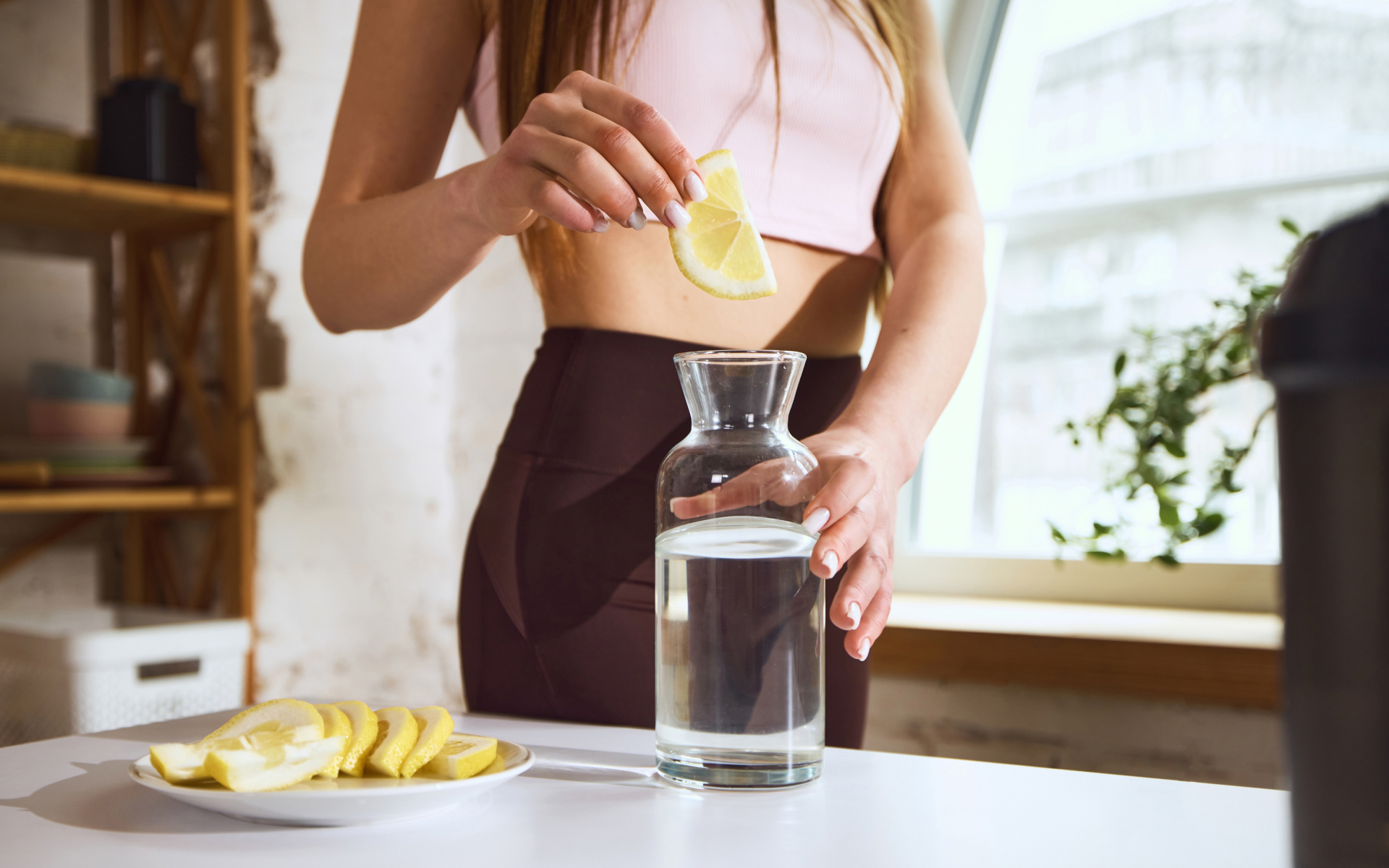
Many people also reach for zero-calorie electrolyte drinks fasting brands to stay refreshed. Just check the label, since some contain hidden sugars. For flavor, add a slice of lemon or cucumber, but keep it light to avoid extra calories.
BetterMe Well-Being Coach app can help you build a more structured approach to your wellness routine with meal plans, workouts, and habit-tracking tools. Start using the app to explore options that may support your personal fitness and nutrition goals.
2. Black Coffee
Black coffee is a beloved, zero-calorie companion for many people who fast. Its rich flavor is a welcome distraction from hunger, and it can help you feel more alert during your fasting window (5).
The catch? It needs to be black. No sugar, milk, or standard creamers, as these add calories. That being said, there’s more variety here than you might expect:
- Decaf coffee while fasting offers the taste without the caffeine kick, which is ideal for afternoons.
- Cold brew while fasting is smooth, low-acid, and refreshing when served over ice.
- Espresso while fasting delivers a quick, concentrated sip with minimal calories.
- Black coffee with cinnamon fasting adds warmth and flavor with just a pinch of spice.
If you crave something creamier, some people try a zero-calorie creamer intermittent fasting product. Read labels carefully, as many contain hidden calories or sweeteners that could affect your fast. When in doubt, keep it simple and black.
3. Green Tea
Green tea is a great pick for liquids to drink while fasting. Without any additives, it’s calorie-free and full of antioxidants, notably EGCG (epigallocatechin gallate), which has been associated with body weight management in some research (6).
Drinking green tea during intermittent fasting offers a gentle caffeine boost, which may help with alertness (7). It also has a light, clean taste that many people enjoy first thing in the morning or during an afternoon lull.
Brew it hot or serve it iced, but skip the honey and sugar to keep it fast-friendly. A squeeze of lemon can brighten the flavor without adding meaningful calories.

4. Apple Cider Vinegar
Although it’s not exactly a “drink”, 1-2 tablespoons of apple cider vinegar in a glass of water makes a near-zero-calorie beverage that many people enjoy during their fast. It has a tangy kick that can help freshen up your routine (8).
Always dilute it, as its acidity can be tough on your tooth enamel (9). Sipping through a straw and rinsing with water afterward tends to help protect your teeth.
While some people find it satisfying during a fast, keep your expectations realistic and listen to how your body responds. A little goes a long way here.
5. Bone Broth
Bone broth contains calories and would generally interrupt a strict zero-calorie fast. However, some modified fasting approaches allow small amounts of broth (10).
As it contains a small number of calories, it may not suit every fasting style. It may be included in some modified fasting or one-meal-a-day approaches, depending on the person’s chosen fasting structure.
Warm, savory, and comforting, bone broth can help you feel more grounded during a fast. Sip it slowly and enjoy the ritual.
Read more: Benefits of Intermittent Fasting for Women With Expert Tips to Reap Them Without Setbacks
6. Herbal Teas
Herbal teas, without added sugars or milk, are calorie-free and easy to include in your fast. They keep you hydrated and offer cozy flavors that make the fasting window feel more pleasant.
Options such as rooibos and chamomile contain polyphenols (11), which act as antioxidants and may support overall health. Peppermint is another refreshing choice that is antioxidant-rich (12).
Brew a pot in the evening for a soothing, caffeine-free wind-down. It’s a simple, relaxing habit that fits neatly into a fasting routine.
7. Sparkling Water
Sparkling water is a fun, fizzy option for anyone who is craving a little more excitement than plain water. It can feel like a treat and help you manage cravings for carbonated drinks during your fast.
Wondering about diet soda instead? While diet soda is typically labeled zero-calorie, it contains sweeteners that may not be aligned with every fasting approach. Plain sparkling water is a simpler option without added sweeteners. It gives you that satisfying fizz without the extras.
Watch out for flavored versions, as some sneak in a few calories or sweeteners. Always check the label, and remember: water should still be your main go-to for hydration.
8. Electrolyte Drinks
Electrolyte drinks can be a helpful addition, particularly during longer fasts or on active days when you sweat more. They help replenish minerals such as sodium, potassium, and magnesium that your body loses throughout the day (13).
Look for zero-calorie or very low-calorie options with no added sugar. Artificial sweeteners are a personal choice and will depend on your goals for fasting. Many powders and tablets dissolve easily in water and come in flavors that make hydration feel less like a chore.
During extended fasts, some people consider electrolyte drinks, but individual needs vary and unnecessary supplementation may not be appropriate for everyone. As always, scan the label first to keep your fast on track.

What Sweeteners Are Allowed During Intermittent Fasting?
Some non-caloric sweeteners are generally considered suitable during a fast, although responses can vary from person to person. If you like a touch of sweetness in your coffee or tea, a few options tend to be popular among people who fast.
Here’s the thing about artificial sweeteners and fasting: while they add little to no calories, whether some may prompt a mild response in certain people is currently debated (14).
Let’s break down the most common choices:
- Stevia while fasting is a plant-based sweetener with zero calories (15). Many people find it a convenient, natural-leaning option, though its slight aftertaste isn’t for everyone.
- Monk fruit sweetener while fasting is another zero-calorie, plant-based pick. It’s known for a clean sweetness (16) without the aftertaste some dislike in stevia.
- Erythritol while fasting is a sugar alcohol with almost no calories. It tends to be gentle for many people, although large amounts may cause tummy discomfort (17).
- Artificial sweeteners like aspartame and sucralose are calorie-free, but it’s unclear whether they may prompt a small insulin response in some individuals (18).
Here’s a quick comparison to help you choose:
| Sweetener | Calories | Source | Notes |
|---|---|---|---|
| Stevia | Zero | Plant-based | Slight aftertaste for some |
| Monk fruit | Zero | Plant-based | Clean, mild sweetness |
| Erythritol | Near zero | Sugar alcohol | Gentle in small amounts |
| Artificial | Zero | Lab-made | May prompt a response for some |
The best approach? Consider your goals. For people whose goal is body weight management, overall energy intake may be one relevant consideration, but fasting goals and individual metabolic responses can vary. If a strict metabolic fasting state is important to you, then skip the sweeteners.

Drinks to Avoid During Intermittent Fasting
Some drinks break a fast because they add calories, sugars, or ingredients that can interrupt your fasting state. Here’s what to skip during your fasting window, along with the reasons why.
1. Diet Soda
Diet sodas are zero-calorie, but they contain artificial sweeteners such as aspartame and sucralose. These can stimulate sweetness receptors and may prompt a small metabolic response for some people, potentially affecting your fasting state, which may or may not be important to you depending on what you are trying to achieve with fasting (18).
2. Fruit Juices
Even unsweetened fruit juices can disrupt your fast. The natural sugars in fruit become concentrated during juicing, which leads to a calorie load that tends to interrupt the fasting process (19).
3. Milk and Dairy-Based Beverages
Milk and dairy drinks contain sugars, proteins, and fats that add calories and can break your fast. This includes lattes and cappuccinos. If you dislike plain black coffee, a tiny splash of plant-based milk may have minimal impact, but it’s best skipped when possible.
4. Alcohol
Alcoholic beverages tend to be high in calories and can disrupt your fast. Drinking on an empty stomach may also lead to faster intoxication, so it’s worth being cautious (20).
5. Energy Drinks
Many energy drinks contain sugar and substantial amounts of caffeine. Sugar-containing versions add calories, while high caffeine intake may cause effects such as jitteriness in some people (21).
6. Coconut Water
Coconut water is hydrating and refreshing, but it contains natural sugars that add calories (22). Those calories can interrupt your fast, so save it for your eating window.
Many intermittent fasting approaches limit or avoid caloric intake during set periods. Whether a particular drink fits depends on the fasting method and your goals.
FAQs
Does 0-calorie water break a fast?
No, plain water doesn’t break a fast. It contains no calories, sugars, or proteins that could interrupt your fasting state. Staying hydrated is a core part of any fasting routine and tends to help you feel your best.
Do zero-calorie drinks spike insulin?
It depends on the ingredients. Zero-calorie drinks with artificial sweeteners may prompt a small response for some people, while others notice nothing. Some research has shown there to be no significant change. Responses tend to vary from person to person. Evidence on the metabolic response to different non-caloric sweeteners is mixed, and the practical relevance may depend on the sweetener, amount consumed, and individual response.
Does electrolyte water break a fast?
Generally, no, electrolyte water with zero calories won’t break a fast. It helps replenish minerals without adding the energy your body needs to process. Just check the label to make sure there’s no hidden sugar, which could change things.
Can you drink sparkling water while fasting?
Yes, plain sparkling water is fine during a fast. It has zero calories and offers a fizzy alternative to still water. Watch out for flavored versions, as some contain small amounts of calories or sweeteners.
Does decaf coffee break a fast?
No, plain decaf coffee generally won’t break a fast. As with regular black coffee, it’s calorie-free if you skip the sugar, milk, and creamers. It’s a great afternoon option if you want the taste without the caffeine.
Can I drink 0-calorie flavored water while fasting?
Yes, as long as it has no sugars or proteins. Zero-calorie flavored water won’t add calories that interrupt your fast. Some contain artificial sweeteners, so depending on your goals, you might enjoy them in moderation and notice how you feel.
The Bottom Line
Zero-calorie drinks such as water, black coffee, plain tea, and sparkling water can help you stay hydrated and satisfied without interrupting your fast. The main thing to watch out for is added sugars, calories, and certain sweeteners that may affect some people differently (if that matters to you). Water remains your best everyday choice, but flavorful options give you variety when you want it. Pay attention to labels, notice how your body responds, and pick the drinks that fit your routine and goals.
DISCLAIMER:
This article is intended for general informational purposes only and does not serve to address individual circumstances. It is not a substitute for professional advice or help and should not be relied on for making any kind of decision-making. Any action taken as a direct or indirect result of the information in this article is entirely at your own risk and is your sole responsibility.
BetterMe, its content staff, and its medical advisors accept no responsibility for inaccuracies, errors, misstatements, inconsistencies, or omissions and specifically disclaim any liability, loss or risk, personal, professional or otherwise, which may be incurred as a consequence, directly or indirectly, of the use and/or application of any content.
You should always seek the advice of your physician or other qualified health provider with any questions you may have regarding a medical condition or your specific situation. Never disregard professional medical advice or delay seeking it because of BetterMe content. If you suspect or think you may have a medical emergency, call your doctor.
SOURCES:
- eCFR :: 21 CFR Part 101 — Food Labeling (2023, ecfr.gov)
- How to Understand and Use the Nutrition Facts Label (2024, fda.gov)
- Fasting: How to Guide (2021, mdpi.com)
- Is Water-Only Fasting Safe? (2021, journals.sagepub.com)
- Effect of Black Coffee on Fasting Metabolic Markers and an Abbreviated Fat Tolerance Test (2020, pmc.ncbi.nlm.nih.gov)
- Therapeutic Activity of Green Tea Epigallocatechin-3-Gallate on Metabolic Diseases and Non-Alcoholic Fatty Liver Diseases: The Current Updates (2023, mdpi.com)
- Green tea consumption rapidly enhances cognitive performance and flow state during mental tasks in healthy young adults (2025, pmc.ncbi.nlm.nih.gov)
- What can apple cider vinegar really do for your health? (2024, heart.org)
- Erosive Effect of Acidic Beverages and Dietary Preservatives on Extracted Human Teeth—An In Vitro Analysis (2022, pmc.ncbi.nlm.nih.gov)
- Analysis of the Anti-Inflammatory Capacity of Bone Broth in a Murine Model of Ulcerative Colitis (2021, mdpi.com)
- Review on herbal tea as a functional food: classification, active compounds, biological activity, and industrial status (2023, sciencedirect.com)
- Antioxidant properties and antibacterial activity of selected herbal teas (2025, nature.com)
- Do I need electrolyte drinks? (2025, nutritionsource.hsph.harvard.edu)
- Exploring the Long-Term Effect of Artificial Sweeteners on Metabolic Health (2024, pmc.ncbi.nlm.nih.gov)
- Stevia Rebaudiosides Usage as a Sugar Reduction Tool: A Narrative Review of Their Metabolic, Gut Microbiome and Weight Management Effects in Human Clinical Studies (2026, mdpi.com)
- Monk Fruit Extract and Sustainable Health: A PRISMA-Guided Systematic Review of Randomized Controlled Trials (2025, mdpi.com)
- Erythritol: An In-Depth Discussion of Its Potential to Be a Beneficial Dietary Component (2022, mdpi.com)
- Exploring the impact of artificial sweeteners on diabetes management and glycemic control (2025, frontiersin.org)
- Health effects of fruit juices and beverages with varying degrees of processing (2024, sciencedirect.com)
- Drinking on an empty stomach: a scoping review of the evidence on how consuming food with alcohol affects short-term outcomes (2023, academic.oup.com)
- The Dark Side of Energy Drinks: A Comprehensive Review of Their Impact on the Human Body (2023, mdpi.com)
- Research Progress in Coconut Water: A Review of Nutritional Composition, Biological Activities, and Novel Processing Technologies (2022, mdpi.com)

 By
By 
 By
By