
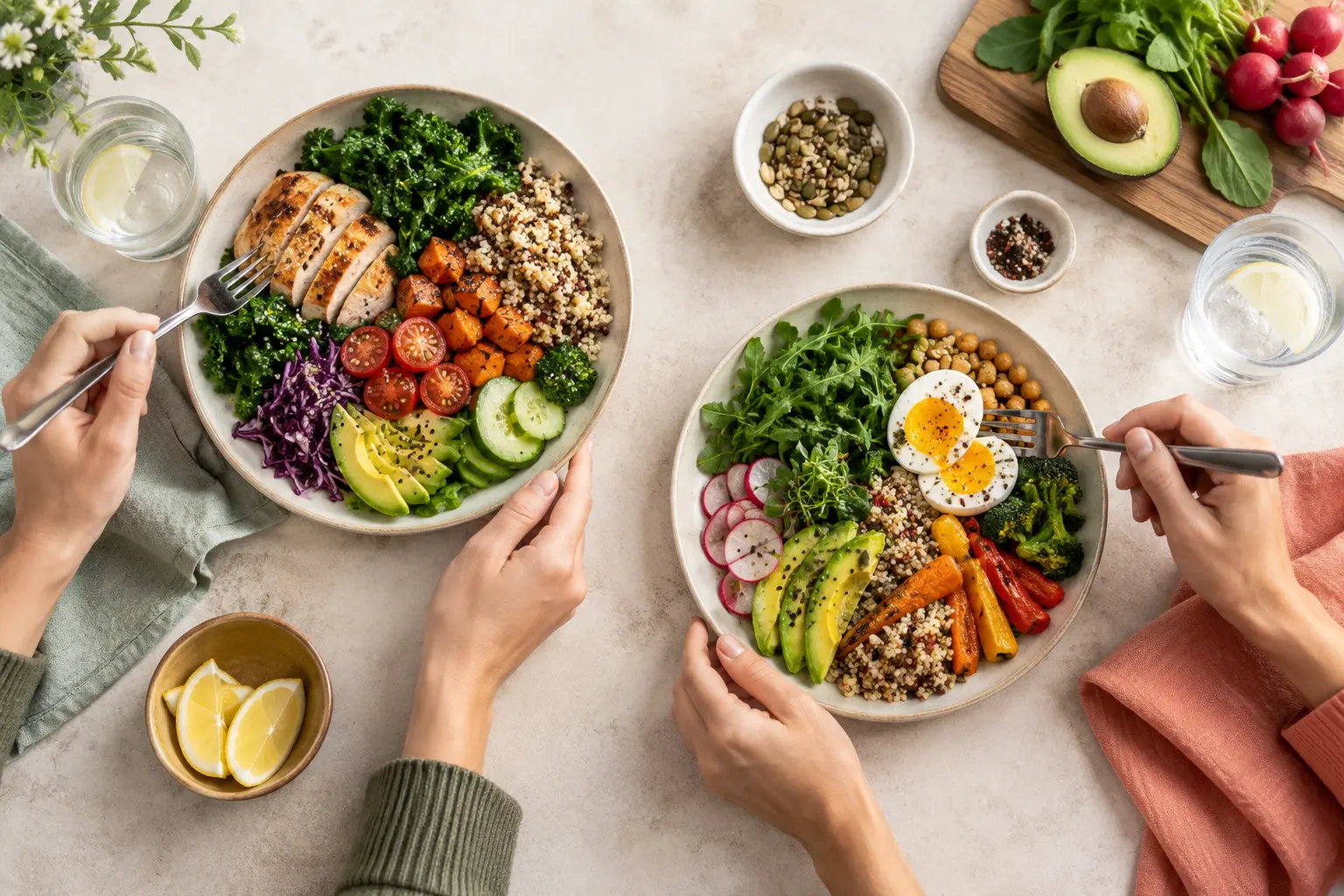
The Mediterranean diet for menopause is an eating pattern built on vegetables, fruit, legumes, whole grains, nuts and seeds, seafood, and extra virgin olive oil. It may support heart, bone, and brain health in midlife. Some studies link it with fewer hot flushes and a healthier weight, but it is not a treatment for symptoms, and individual results vary.
This guide covers what the diet includes, what research suggests for this life stage, foods to eat or limit, and breakfast and meal plan ideas. For a general starting point, see our sample meal plan for beginners.
This article is intended for general informational purposes only and does not serve to address individual circumstances. It is not a substitute for professional advice or help and should not be relied on to make decisions. Any action taken as a direct or indirect result of the information in this article is entirely at your own risk and is your sole responsibility.
Key takeaways
The pattern is flexible and plant-forward, and it may support midlife health and wellness, though it does not treat symptoms. The main points from the evidence are:
- The diet centers on plant foods, unsaturated fats, and fish, with less red meat, sweets, and refined grains (1).
- Women tend to gain fat faster and lose lean tissue during the transition to the final period (2).
- One study in midlife women linked a Mediterranean-style diet with fewer hot flushes and night sweats (3).
- A review found greater adherence linked with a lower risk of becoming overweight in this life stage (4).
- About 1.0 to 1.2 grams of protein per kilogram of body weight a day is suggested for women aiming to lose weight at this stage (5).
- In trials of peri- and postmenopausal women, walking programs led to small drops in body weight and body fat (6).

What is the Mediterranean diet for menopause?
It is the classic Mediterranean way of eating, used to support common midlife concerns such as weight, the heart, and bone strength. It is not a separate diet for this life stage, and it focuses on overall nutrient quality rather than strict rules.
The pattern comes from the traditional eating habits of countries bordering the Mediterranean Sea, such as Greece, Italy, and Spain. Researchers first described it in the 1970s. It is now one of the most studied diets worldwide (1).
Its core diet principles are simple:
- Build meals around fruits and vegetables, beans, grains, and nuts
- Use olive oil as the main added fat
- Eat fish, including fatty fish such as salmon, about twice a week
- Have moderate amounts of yogurt, cheese, eggs, and poultry
- Keep red meat, sweets, and refined grains for occasional meals
You do not count every calorie or ban whole food groups. That flexibility is one reason many people find it easier to keep up over the long term.
Read more: 30-Day Tuna Diet: A Balanced, Practical Guide
What is menopause like?
Menopause is the point 12 months after your last period, and the years leading up to it are called perimenopause (7). During this transition, hormonal shifts and falling estrogen can bring hot flashes, night sweats, sleep problems, mood changes, and vaginal dryness. The type and strength of symptoms differ widely between women (7).
Some women notice few changes, while others find symptoms affect daily life for several years. Changes in body composition are also common at this stage, which is one reason nutrition gets extra attention (2).
If symptoms disrupt your sleep, work, or relationships, talk with your doctor. Food choices can support overall health, but they do not replace medical care.

How can the Mediterranean diet support health during menopause?
The diet may support heart, bone, and brain health in midlife by supplying fiber, healthy fats, calcium, antioxidants, and other key nutrients. Most of this evidence comes from observational studies, so it shows links rather than proof of cause.
- Cardiovascular health: the diet is linked with better heart outcomes in women (8).
- Bone density: dairy, fortified plant milks, and greens are sources of calcium (9). In 105 postmenopausal women, higher adherence was linked with higher bone mineral density in the lower spine and more muscle mass (10).
- Healthy weight: fiber from vegetables, fruit, and oats helps you feel full, which can help with weight management (11).
- Brain: a meta-analysis linked higher adherence with less cognitive decline as people age (12).
A narrative review on excess weight in this life stage found promising weight results for the diet, especially with fewer calories and exercise. The authors noted that large intervention trials are still needed (4).
Can the Mediterranean diet help manage menopausal symptoms?
The diet may be linked with milder symptoms for some women, but it has not been shown to treat them. The studies so far are mostly observational.
One study followed about 6,000 midlife women. Those who ate a Mediterranean-style diet were less likely to report hot flushes and night sweats than women eating high-fat, high-sugar diets (3).
A smaller study of 100 postmenopausal women with obesity found that women with marked symptoms had lower adherence to the diet. Eating more legumes was linked with milder symptoms (13). In the same study, a higher intake of extra virgin olive oil was linked with fewer psychological symptoms (13).
Mood and memory changes are also common at this stage. Reviews of observational studies link healthier dietary habits with fewer depressive symptoms (14, 15). These links do not show that the diet treats depression. Anyone with low mood that lasts should speak with a doctor or mental health professional.

What foods should you eat or limit on the Mediterranean diet during menopause?
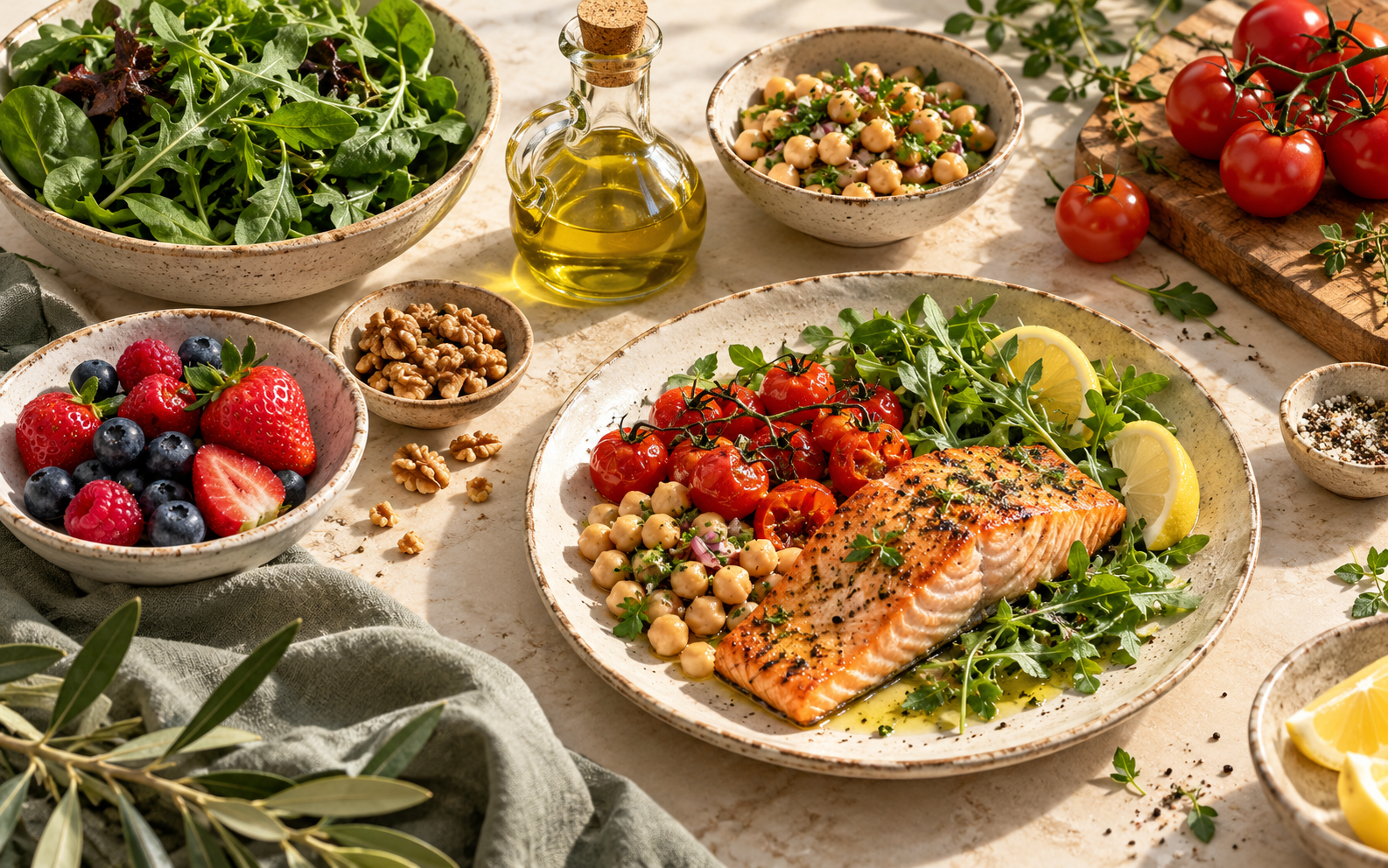
Eat mostly nutrient-dense foods such as vegetables, fruit, beans, grains, and fish, and limit ultra-processed foods, added sugars, and alcohol. This table gives simple examples.
| Eat often | Examples | Why it fits |
|---|---|---|
| Vegetables and fruit | Leafy greens, tomatoes, peppers, berries, oranges | Fiber, vitamins, and antioxidants |
| Legumes | Lentils, chickpeas, beans | Packed with plant-based protein and fiber |
| Whole grains | Oats, quinoa, brown rice, whole-grain bread | Steady energy and fiber |
| Fish | Salmon, sardines, mackerel, shellfish | Protein and omega-3s |
| Calcium sources | Yogurt, cheese, fortified soy milk | Calcium for bones |
| Fats | Cold-pressed oils, walnuts, almonds, avocado | Unsaturated oils |
Foods to limit include sugary drinks, pastries, processed meats, fried snacks, and refined white bread. Some women notice that alcohol, caffeine, or spicy foods seem to make their night sweats or sleep problems worse. A simple food and symptom diary can help you check your own patterns.
BetterMe offers a variety of workouts, recipes, challenges, and support tools to help you stay more consistent with your wellness routine. Explore the app to find features that fit your goals, preferences, and schedule.
What should a menopausal woman eat for breakfast?
A balanced breakfast with protein, fiber, and some nuts or seeds can keep you full through the morning. One trial found that a protein-rich dairy breakfast increased fullness before lunch compared with a lower-protein option. It was done in younger women, so results may differ at midlife (16).
Try simple, nutrient-rich options such as:
- Oatmeal with flaxseeds, blueberries, and almond butter
- Greek yogurt or plant-based yogurt with chia seeds and fruit
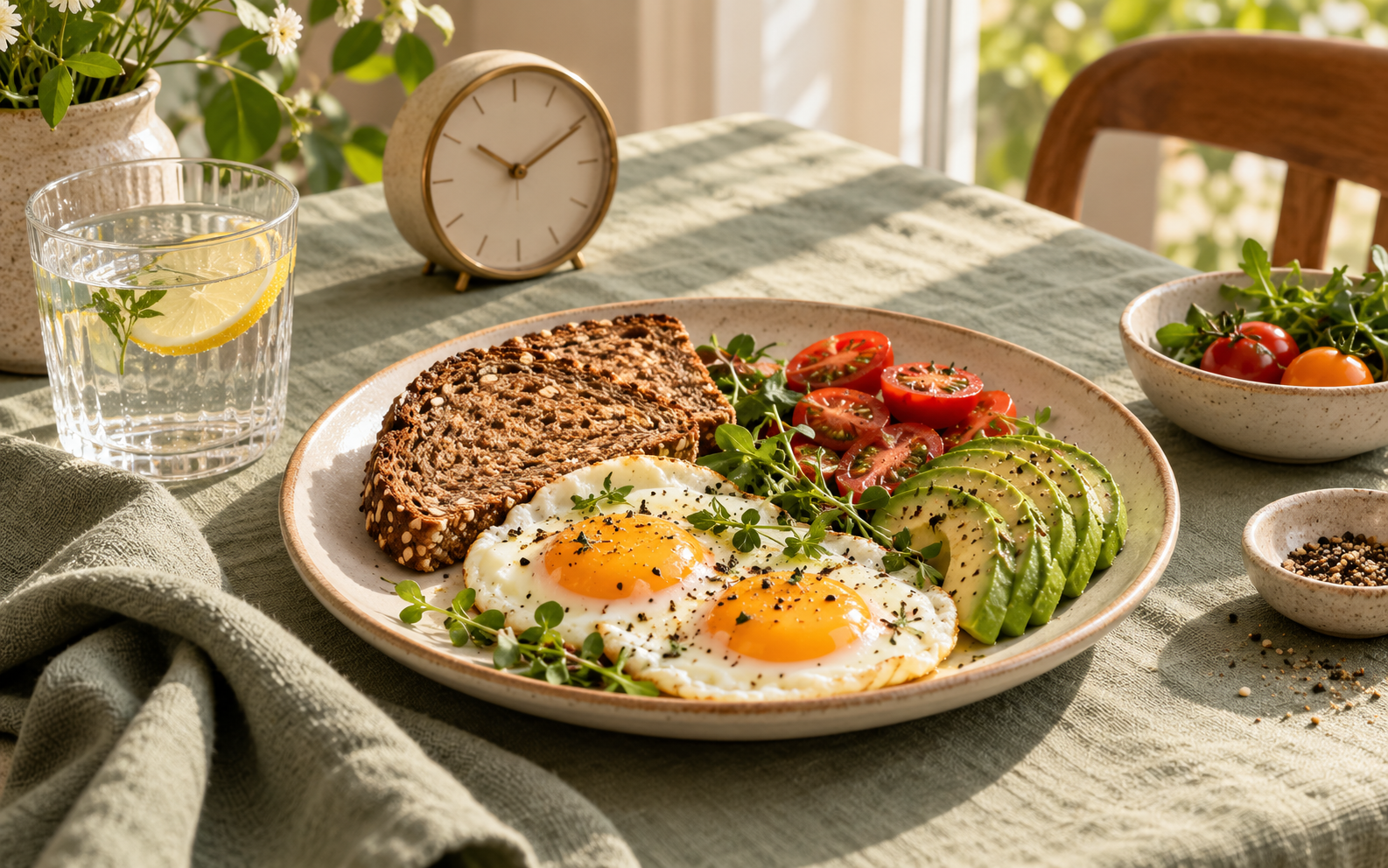
- Whole-grain toast with avocado and a boiled egg or tofu scramble
- A smoothie with spinach, soy milk, and a scoop of protein powder

How can you create a Mediterranean-style meal plan for menopause?
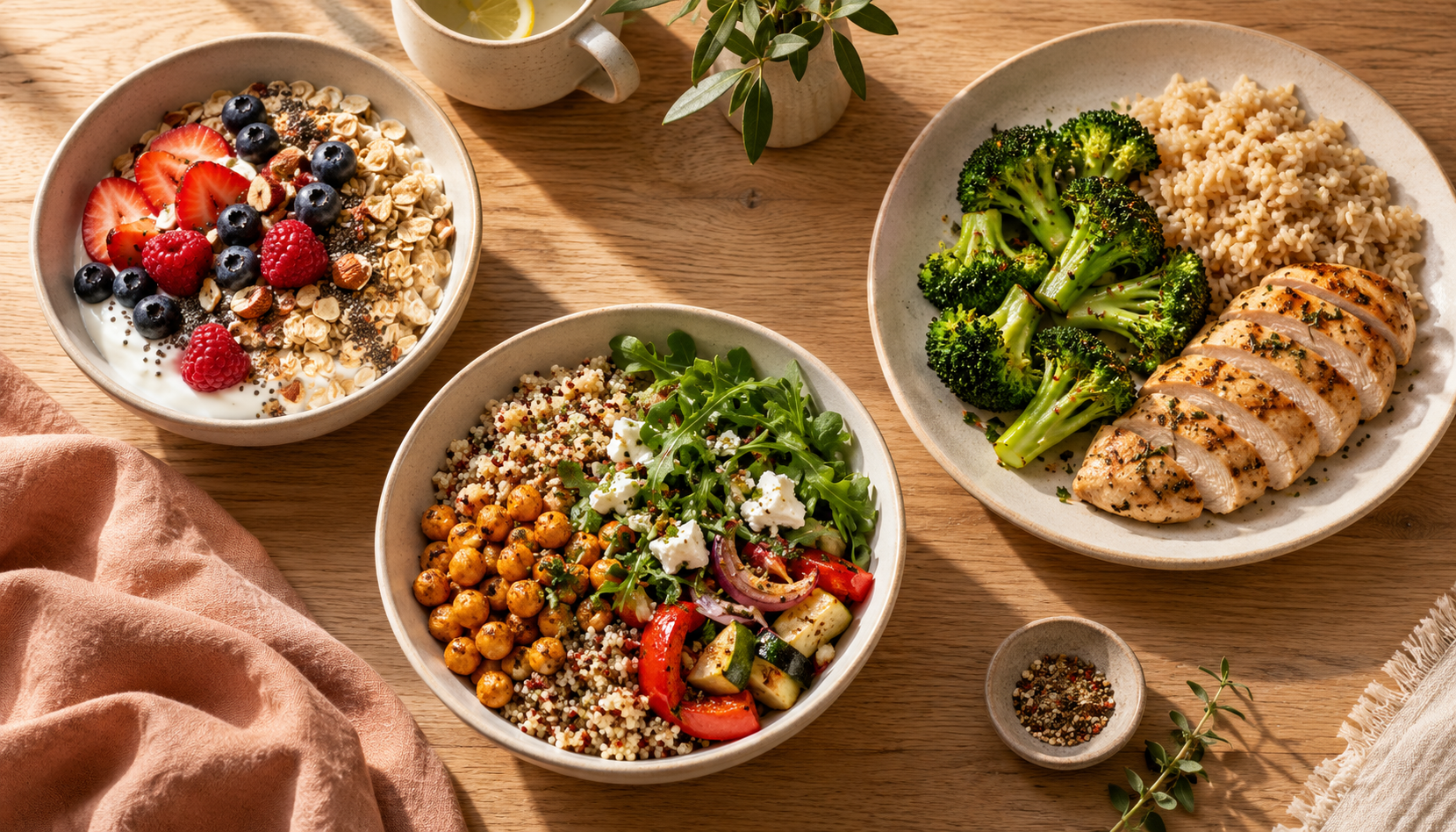
Create a Mediterranean-style meal plan by filling half your plate with vegetables. Then add a palm-sized protein, a portion of grains, and a drizzle of oil. Repeat that pattern across the day and adjust portions to your hunger and activity level.
- Pick 2 to 3 bean or fish dinners for the week.
- Plan one vegetable-heavy lunch you can batch-cook.
- Keep nuts, fruit, and yogurt on hand for snacks.
- Write a shopping list of Mediterranean foods before you shop.
A sample day could look like this:
| Meal | Example |
|---|---|
| Breakfast | Greek yogurt with berries and flaxseeds |
| Lunch | Lentil salad with tomatoes, cucumber, and a lemon dressing |
| Snack | A handful of almonds or walnuts and an orange |
| Dinner | Grilled salmon with quinoa and roasted vegetables |
If you want more structure, our weekly Mediterranean meal plan gives ready-made ideas. A registered dietitian can help you adapt the plan if you have diabetes, kidney concerns, food allergies, or other health conditions.
How can I lose weight during perimenopause?
Gradual weight loss during perimenopause usually comes from a modest calorie deficit, enough protein, regular activity, and steady sleep, rather than crash diets. Results differ from person to person.
A large study of midlife women found that fat mass tends to rise faster and lean mass tends to decline during the transition. This shift is linked to the transition itself, not only to age (2). These steps may help:
- Eat enough protein: about 1.0 to 1.2 grams per kilogram of body weight a day is suggested for women aiming to lose weight (5). It also helps you keep muscle.
- Try mindful eating: paying attention to hunger and fullness cues may reduce food intake in people with overweight (17).
- Track your habits: food logs, regular weigh-ins, and physical activity are linked with long-term weight loss (18).
- Follow the diet with fewer calories: a reduced-calorie version combined with activity has shown promising weight results in women with obesity during this stage (4).
Adult activity guidelines suggest muscle-strengthening work on 2 or more days a week (19), so pairing the diet with strength training can help protect muscle. Our guide on how women can gain muscle after 50 has simple ways to start. If you are thinking about a very low calorie plan or have a health condition, speak with your doctor or a registered dietitian first.

What lifestyle habits can support health during menopause?
Regular physical activity, steady sleep, good hydration, and limiting alcohol can support midlife health alongside the diet. Together they form a holistic approach rather than a quick fix.
- Sleep: many adults aim for about 7 hours of sleep. Poor sleep and shifts in body clock timing are linked with appetite hormones, body fat distribution, and energy use in midlife women (20).
- Hydration: drinking water before meals may help reduce hunger in middle-aged and older adults. Evidence does not support a set daily amount for weight loss (21).
- Movement: guidelines suggest 150 minutes of moderate activity, such as brisk walking, plus 2 or more days of strength training each week (19).
- Stress: short daily breaks for breathing, stretching, or time outdoors can make busy days feel more manageable.
Read more: 14-Day Mediterranean Diet Meal Plan Guide: What to Eat and What to Avoid
Is walking beneficial during menopause?
Yes, walking can be a helpful habit at this stage. A meta-analysis of 8 randomized controlled trials looked at peri- and postmenopausal women. Walking programs reduced body weight by about 1.1 kg and body fat by about 2.4 percentage points compared with no exercise (6).
Walking is low-cost and easy to fit into a day. Evidence that exercise reduces hot flushes is still limited, so treat walking as a general health habit rather than a symptom fix (22).
Is the Mediterranean diet anti-aging?
The diet is linked with healthier aging and longevity, but it does not stop aging. Its benefits seem to come from the overall pattern rather than one food.
Reviews describe how its plant foods may support the body’s normal defenses (23). One study in older adults linked higher adherence with longer telomeres, a marker of cell aging (24). Researchers are also studying effects on mitochondria, the energy centers of cells (25). These findings are early and do not show that the diet slows aging in any one person.
BetterMe: Health Coaching app can help you build a more structured approach to your wellness routine with meal plans, workouts, and habit-tracking tools. Start using the app to explore options that may support your personal fitness and nutrition goals.

Frequently asked questions
Is olive oil good for menopause?
Yes, it can be part of a healthy diet at this stage. The extra virgin type supplies monounsaturated fats and polyphenols. In one study of postmenopausal women, higher intake was linked with fewer psychological symptoms (13). Use it instead of butter, not in addition to it.
Is the Mediterranean diet good for perimenopause?
Yes, it can fit well during perimenopause, because the same plant-forward pattern supplies fiber, protein, and calcium sources. Reviews of nutrition at this stage suggest enough protein and a focus on whole foods as body composition starts to change (5, 4).
What can worsen menopause symptoms?
Stress, poor sleep, smoking, heavy drinking, and inactivity may make symptoms feel harder to manage. Keeping a simple symptom diary can help you and your doctor spot your own triggers.
What helps with menopause belly?
Belly fat often increases in midlife as hormones and body composition change (2). Walking, strength training, enough protein and fiber, good sleep, and fewer refined carbs may help over time, though results vary. Our article on menopause belly covers this topic in more detail.
Can diet changes help with vaginal dryness?
No, diet changes are not a treatment for vaginal or urinary changes after menopause. These changes are common, so talk with your doctor (26).
The bottom line
The Mediterranean diet offers a flexible, enjoyable way to nourish your body in midlife. Building meals around vegetables, beans, grains, fish, and nuts may support heart, bone, and brain health. Small swaps such as olive oil for butter are a practical place to start.
DISCLAIMER:
This article is intended for general informational purposes only and does not serve to address individual circumstances. It is not a substitute for professional advice or help and should not be relied on for making any kind of decision-making. Any action taken as a direct or indirect result of the information in this article is entirely at your own risk and is your sole responsibility.
BetterMe, its content staff, and its medical advisors accept no responsibility for inaccuracies, errors, misstatements, inconsistencies, or omissions and specifically disclaim any liability, loss or risk, personal, professional or otherwise, which may be incurred as a consequence, directly or indirectly, of the use and/or application of any content.
You should always seek the advice of your physician or other qualified health provider with any questions you may have regarding a medical condition or your specific situation. Never disregard professional medical advice or delay seeking it because of BetterMe content. If you suspect or think you may have a medical emergency, call your doctor.
SOURCES:
- Modern vision of the Mediterranean diet (2022, jpmh.org)
- The menopause transition and women’s health at midlife: a progress report from the Study of Women’s Health Across the Nation (SWAN) (2019, journals.lww.com)
- Fruit, Mediterranean-style, and high-fat and -sugar diets are associated with the risk of night sweats and hot flushes in midlife: results from a prospective cohort study (2013, academic.oup.com)
- Mediterranean diet as tool to manage obesity in menopause: A narrative review (2020, pubmed.ncbi.nlm.nih.gov)
- The Importance of Nutrition in Menopause and Perimenopause: A Review (2023, pmc.ncbi.nlm.nih.gov)
- Effects of walking on body composition in perimenopausal and postmenopausal women: a systematic review and meta-analysis (2016, pubmed.ncbi.nlm.nih.gov)
- What Is Menopause? (n.d., nia.nih.gov)
- Study Confirms the Heart Health Benefits of a Mediterranean Diet (2018, cardiosmart.org)
- Food Sources of Calcium (n.d., dietaryguidelines.gov)
- Mediterranean diet is associated with bone mineral density and muscle mass in postmenopausal women (2019, pubmed.ncbi.nlm.nih.gov)
- Foods high in fiber: Boost your health with fiber-rich foods (2024, health.harvard.edu)
- The role of the Mediterranean diet in reducing the risk of cognitive impairement, dementia, and Alzheimer’s disease: a meta-analysis (2025, link.springer.com)
- Mediterranean Diet: What Are the Consequences for Menopause? (2022, pubmed.ncbi.nlm.nih.gov)
- Healthy dietary indices and risk of depressive outcomes: a systematic review and meta-analysis of observational studies (2018, nature.com)
- Diet quality and depression risk: A systematic review and dose-response meta-analysis of prospective studies (2018, sciencedirect.com)
- A dairy-based, protein-rich breakfast enhances satiety and cognitive concentration before lunch in overweight to obese young females: A randomized controlled crossover study (2024, sciencedirect.com)
- A structured literature review on the role of mindfulness, mindful eating and intuitive eating in changing eating behaviours: effectiveness and associated potential mechanisms (2017, cambridge.org)
- What Matters in Weight Loss? An In-Depth Analysis of Self-Monitoring (2017, pmc.ncbi.nlm.nih.gov)
- Adult Activity: An Overview (2023, cdc.gov)
- Sleep, Health, and Metabolism in Midlife Women and Menopause: Food for Thought (2018, pubmed.ncbi.nlm.nih.gov)
- Water intake, hydration, and weight management: the glass is half-full! (2025, sciencedirect.com)
- Exercise for vasomotor menopausal symptoms (2014, pubmed.ncbi.nlm.nih.gov)
- Health Benefits of the Mediterranean Diet: Metabolic and Molecular Mechanisms (2018, pmc.ncbi.nlm.nih.gov)
- Mediterranean Diet, Telomere Maintenance and Health Status among Elderly (2013, journals.plos.org)
- Mediterranean diet and mitochondria: New findings (2023, sciencedirect.com)
- The 2020 genitourinary syndrome of menopause position statement of The North American Menopause Society (2020, pubmed.ncbi.nlm.nih.gov)
 Reviewed by

 Reviewed by