The 30-day tuna diet is a short-term eating pattern that’s built around frequent tuna meals, often to support quick weight loss. It is not a formal or well-established nutrition plan. Tuna can be a useful food, but relying on it daily for a month raises real concerns. For many people, a more flexible approach that includes tuna occasionally tends to work better.
Tuna feels like the perfect diet food—it’s cheap, lean, packed with protein, and needs almost zero prep. So it’s no surprise that the 30-day tuna diet keeps popping up as a quick fix. A 30-day tuna diet simply means eating tuna as your main food, often at most meals, for a month. But is this a smart move or a shortcut with hidden costs?
This guide is for anyone who is curious about a tuna-focused plan and wondering whether it’s worth trying. You’ll learn what the diet actually involves, where the real concerns lie, and how to enjoy tuna in a way that supports your goals. Let’s dig into what the research and current guidance really suggest.
Please note: In 4 weeks users can typically expect to lose not more than 1-2 lbs per week. Individual results may vary.
What Is the 30-Day Tuna Diet?
The 30-day tuna diet is a month-long eating pattern that centers most meals around tuna. There’s no single official version, so plans vary widely from person to person.
In plain terms, it’s a form of restrictive eating which has impacts on well-being (1). This means you limit your food choices to one main protein source for a set period.
Most versions share a few traits:
- Tuna appears at 2-3 meals per day
- Total calories stay fairly low
- Carbs and sweets are often reduced
Some people follow a stricter tuna and water diet, while others add vegetables, eggs, or whole grains. The looser versions tend to be gentler on your overall nutrition.
It helps to see this as a trend, rather than a validated framework. No major fish consumption guidelines suggest eating one type of fish every day for a month.
If you’re exploring a stricter version that pairs tuna with plain water, you can read more in our guide to the Tuna And Water Diet.

Why Has This Restrictive Eating Trend Become Popular?
This restrictive eating trend has become popular because it’s simple, cheap, and promises fast results. For busy people, that combination is very appealing.
A few clear reasons explain the buzz:
- High-protein, low-calorie: Tuna feels filling for very few calories.
- Minimal planning: One main food means less decision fatigue.
- Budget-friendly: Canned tuna is one of the cheapest proteins around.
- Fitness culture: Repetitive “clean” eating often gets framed as discipline.
There’s also the appeal of quick scale movement. When people cut variety and calories, early weight loss can feel motivating.
Still, fast initial results don’t always mean the plan is balanced or sustainable. Many people find rigid diets hard to maintain past a few weeks.
Read more: Is Raw Salmon Good For You?
Can a Tuna-Focused Diet Provide Balanced Nutrition?
A tuna-focused diet usually can’t provide full, balanced nutrition on its own. Tuna offers a lot, but no single food covers everything your body needs.
First, the good news about tuna nutrition. Tuna delivers real value, including (2):
- High-quality protein
- Selenium
- Vitamin B12
- Some omega-3 fats
Now the gap. A tuna-heavy plan can fall short on other important nutrients, such as:
- Fiber
- Calcium
- Vitamin C
- Folate
Current fish guidance consistently points to variety, not repetition. It encourages a mix of fish plus choices from all food groups (3).
So tuna can contribute to a balanced plate. It simply can’t build balance by itself.

What Are the Main Concerns With Eating Tuna Every Day?
The main concerns with eating tuna every day are mercury exposure, nutritional monotony, and long-term sustainability. Each one matters for different reasons.
Here are the key tuna diet risks to keep in mind:
- Mercury buildup: Tuna contains methylmercury, which can accumulate over time (4).
- Nutrient gaps: Repetition crowds out other foods and nutrients.
- Sodium levels: Some canned options are high in added salt.
- Diet fatigue: Eating the same food often can lead to burnout and rebound eating.
Methylmercury is a form of mercury that’s found in fish. Larger, longer-living fish tend to carry more of it (4).
There’s also a “false health halo” effect. A lean, structured plan can look healthy while still missing key nutrients.
For most people, the issue isn’t tuna itself—it’s the frequency and lack of variety that raise questions.
How Do Mercury Levels Differ Between Types of Tuna?
Mercury levels differ between types of tuna mainly due to the size and lifespan of the fish. Bigger, older tuna tend to carry more mercury (5).
Tuna mercury levels rise as fish move up the food chain. Larger predators absorb mercury from the smaller fish they eat (6).
Here’s a simple comparison to guide your choices (3).
| Tuna type | Typical mercury level | General guidance category | Practical note |
|---|---|---|---|
| Canned light (often skipjack) | Lower on average | "Best choices" | A common everyday pick |
| Albacore/white | Roughly 3x higher than light (7) | "Good choices" | Enjoy less often |
| Yellowfin | Higher than canned light (7) | "Good choices" | Rotate with lower-mercury fish |
| Bigeye | Highest of common types | "Choices to avoid" for sensitive groups | Best limited or skipped |
One review of canned tuna noted that contaminant exposure deserves ongoing attention with heavy intake (8). The takeaway is simple: type matters.
Whether you want to refresh your fitness routine, explore lower-calorie recipe ideas, or bring more structure to your wellness habits, BetterMe Well-Being Coach app offers tools that can support your next step. Explore the app and find an approach that works for your lifestyle.
Why Does the Difference Between Canned Light and Albacore Tuna Matter?
The difference between canned light and albacore tuna matters because it changes how often you can comfortably eat it. Mercury content is the deciding factor.
Canned light tuna mercury tends to sit on the lower end. This is why it often lands in the “best choices” category in current fish guidance (3).
Albacore tuna mercury runs higher, roughly three times that of canned light on average.
(7). As a result, guidance suggests eating it less frequently (3).
A quick way to remember it:
- Canned light: Lower mercury, more flexibility
- Albacore (white): Higher mercury, smaller portions less often
One consumer report also found mercury can vary from can to can (9). So averages help, but they don’t remove all uncertainty.
The lesson is the fact that “tuna is healthy” doesn’t make all types of tuna interchangeable.
Who Should Be Particularly Careful About Tuna Consumption?
People who are pregnant or may become pregnant, those who are breastfeeding, and young children should be particularly careful about tuna consumption. Their bodies are more sensitive to mercury (10).
Methylmercury is a concern for the developing brain and nervous system (11). This is why guidance for these groups is more cautious.
Extra care may also help these groups:
- People eating tuna very frequently
- Those relying on tuna as their only fish
- Smaller-bodied individuals, where the same amount means more per pound
Some consumer advocates suggest pregnant people avoid tuna entirely, citing can-to-can variability (9). This is a cautious stance, rather than a universal rule.
If any of this applies to you, consider speaking with a qualified professional—they can tailor advice to your situation.
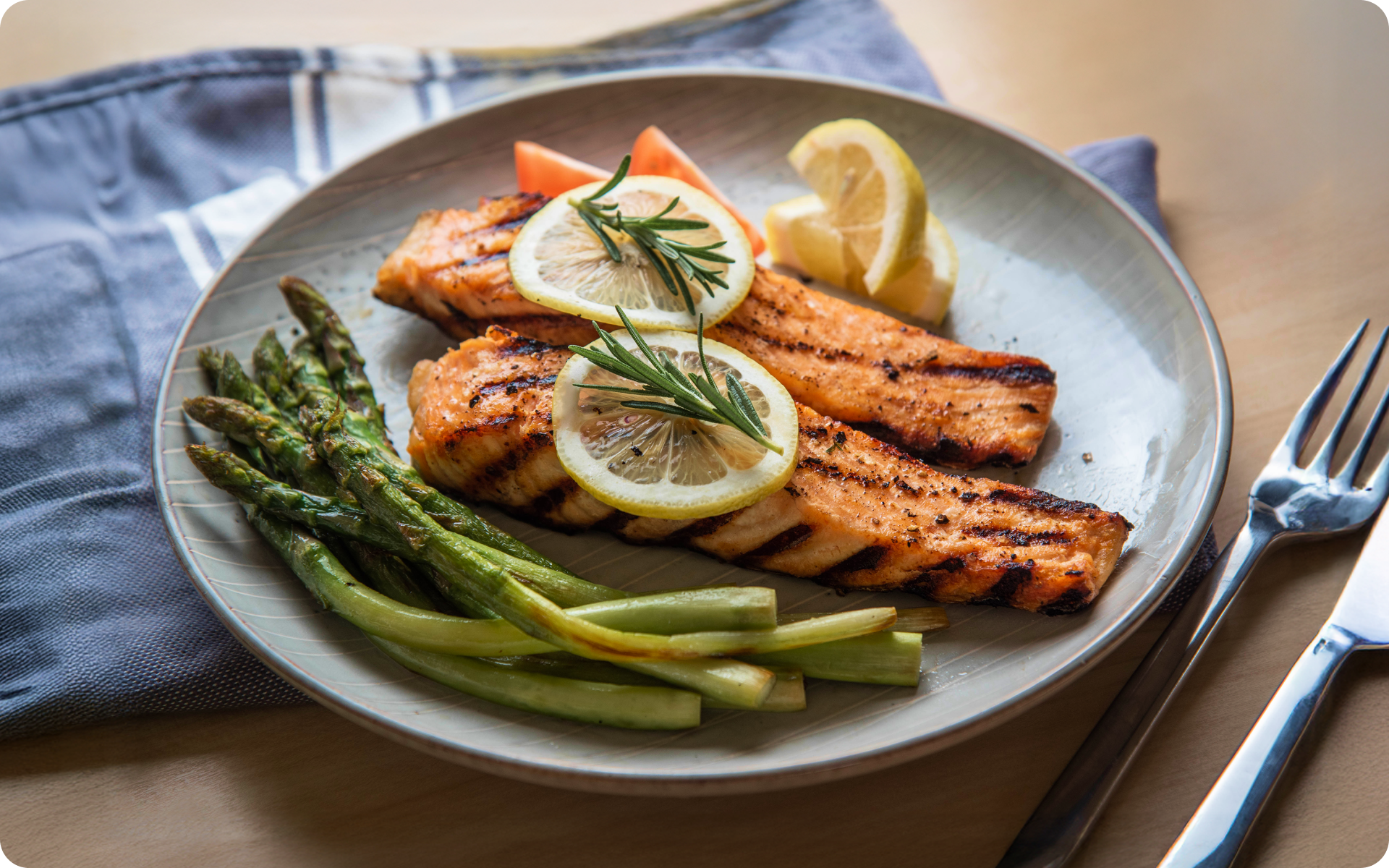
Why Is Protein-Food Variety Important?
Protein-food variety is important as different protein sources bring different nutrients and lower your reliance on any single one (12). This includes reducing repeated mercury exposure from tuna.
Think of protein as a pattern, not just one food. Each source offers something unique.
Here’s how protein food variety pays off:
- Fish: Omega-3s and selenium (13)
- Beans and lentils: Fiber, folate, and potassium (14)
- Eggs: Choline and B12 (15)
- Yogurt: Calcium and protein (16)
Rotating these gives your body a broader nutrient base. It also keeps meals more interesting.
Current guidance echoes this by encouraging a variety of fish rather than the same type each time (10). Variety tends to support both well-being and long-term consistency.
Read more: 30-Day Diet Plan For Weight Loss: The Ultimate Cheat Sheet For Shedding Those Stubborn Pounds
Can One Food Determine Weight-Loss Results?
No single food can determine your weight-loss results, including tuna. Overall patterns matter far more than any one ingredient.
Weight management usually comes down to several factors working together (17):
- Total calories over time
- Protein intake and fullness
- Sleep and daily movement
- How consistent and sustainable the plan feels
If someone loses weight on a tuna diet for weight loss, tuna likely isn’t the magic ingredient. The real drivers are often fewer calories and simpler choices.
Higher protein can help you feel full, which may support a calorie deficit (18). A calorie deficit means eating fewer calories than you burn (19).
So tuna can be a helpful tool. It just isn’t a fat-burning shortcut on its own.

How Can Tuna Fit into a Balanced Meal?
Tuna fits into a balanced meal best as one protein option among many, paired with produce, fiber-rich carbs, and healthy fats. That combination rounds out your plate.
A simple template for balanced tuna meals can look like this:
- Protein: Tuna
- Fiber-rich carb: Beans, quinoa, brown rice, or whole-grain bread
- Produce: Greens, tomatoes, peppers, or cucumber
- Healthy fat: Olive oil, avocado, or seeds
A few easy examples:
- Tuna with white beans, tomatoes, olive oil, and herbs
- Tuna rice bowl with edamame, cabbage, and sesame
- Tuna baked potato with yogurt and a side salad
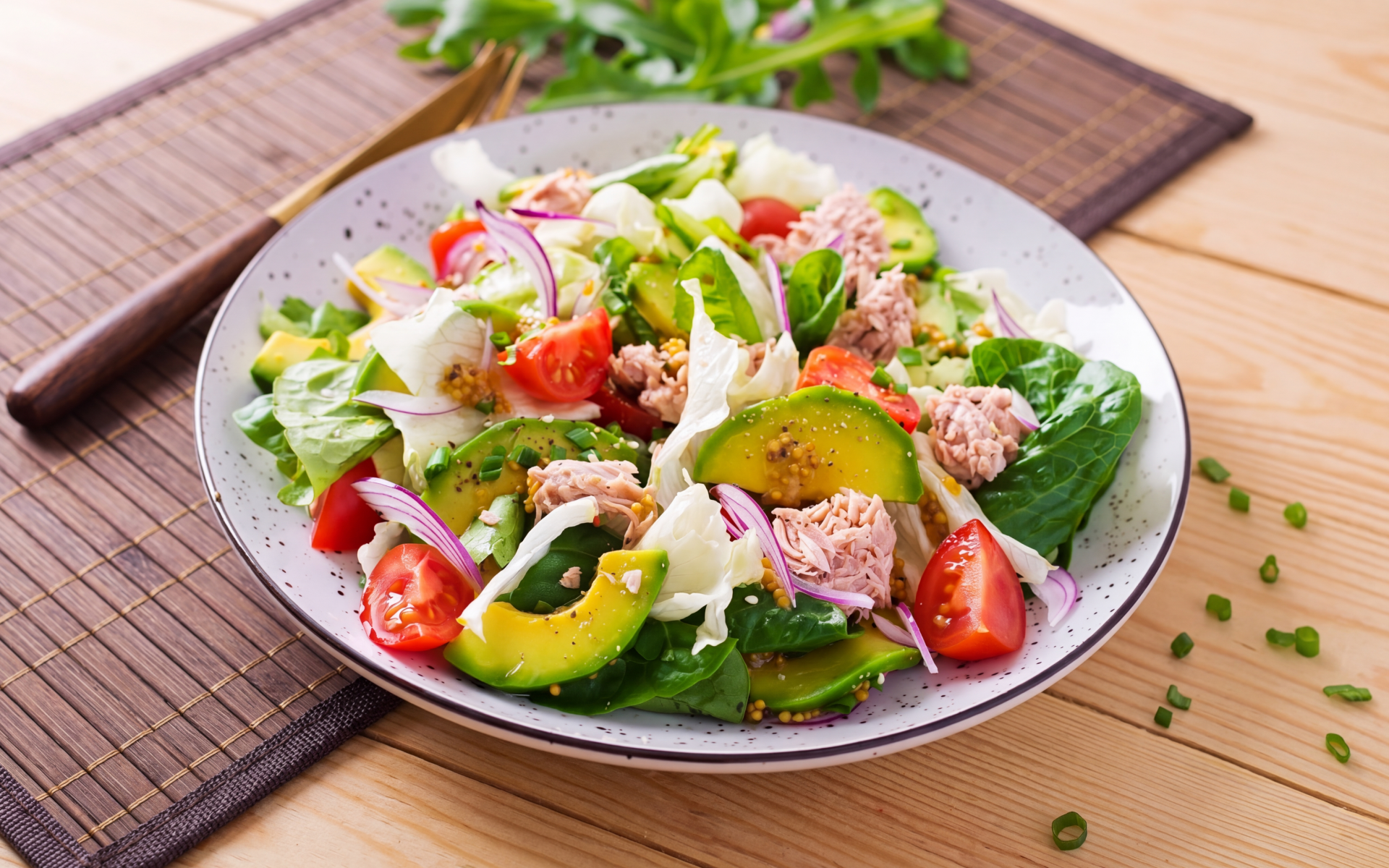
This looks very different from “just tuna, repeated”. For a fresh, fiber-rich option, try our Tuna and Quinoa Salad.
Which Foods Can Provide Alternatives to Tuna?
Plenty of foods can provide alternatives to tuna, depending on whether you want lean protein, omega-3s, or lower-mercury seafood. Rotating options keeps your plan flexible.
Use this table to match your goal with a swap.
| Your goal | Alternative options | Why it works |
|---|---|---|
| Lean protein | Chicken breast, Greek yogurt, cottage cheese, tofu | High-protein, versatile, easy to prep |
| Omega-3 fats | Salmon, sardines, trout, walnuts, chia | Support similar fats found in tuna |
| Lower-mercury seafood | Salmon, sardines, shrimp, pollock, tilapia | Often gentler on mercury exposure |
| Plant-based protein | Lentils, chickpeas, edamame, tempeh | Add fiber and variety |
If you like tuna for convenience, canned salmon or sardines can play a similar role. They add variety while keeping things simple.
BetterMe can help you add more structure to your daily wellness routine with workouts, meal planning tools, and habit-building features. Explore the app and take a practical step toward a routine that feels more manageable for you.
How Can You Replace a Rigid Diet with a Flexible Meal Framework?
You can replace a rigid diet with a flexible meal framework by using a repeatable meal template instead of a fixed food. This will keep structure without locking you into tuna daily.
Try this build-a-plate approach at each main meal:
- Choose a protein: Tuna, fish, eggs, beans, or chicken
- Add produce: Aim for 1-2 plant foods
- Include a fiber-rich carb: Whole grains, potatoes, or fruit
- Add a healthy fat: Olive oil, nuts, or avocado
- Boost flavor: Herbs, lemon, mustard, or salsa
This gives you the structure people crave from a tuna meal plan, minus the monotony. You still enjoy tuna, just not for every single meal.
The goal is flexibility that you can keep. A plan you can adjust tends to last longer than one you endure.
What Should You Check on a Canned-Tuna Label?
You should check the tuna type, sodium, packing liquid, and ingredient list on a canned-tuna label. These details shape both nutrition and mercury considerations.
Here’s a quick label checklist:
- Type: Light, skipjack, or albacore (most important for mercury)
- Sodium: “No salt added” may help frequent eaters
- Packing: Water-packed is lower calorie, oil-packed is richer
- Ingredients: A short list is usually a good sign
- Serving size: Helpful for realistic tracking
One nuance worth knowing. A label tells you the type, which hints at typical mercury risk. It doesn’t reveal the exact mercury level in that specific can.
Reading labels puts you in control (20). A 30-second scan can guide a smarter pick.

How Can You Make Tuna Meals More Varied?
You can make tuna meals more varied by changing the cuisine style, meal format, and mix-ins. Small tweaks keep things fresh and enjoyable.
Try switching up the flavor profile:
- Mediterranean: Olive oil, lemon, capers, and white beans
- Japanese-inspired: Rice, cucumber, edamame, and sesame
- Latin-inspired: Corn, black beans, lime, and cilantro
Or change the format entirely:
- Salad, wrap, or grain bowl
- Stuffed potato or lettuce cups
- Tuna melt or pasta salad
Helpful mix-ins add texture and nutrients:
- Chickpeas or white beans
- Chopped veg and fresh herbs
- Avocado, yogurt, or pickles
The smartest variety, though, is rotating tuna with other proteins. For more ideas, browse our collection of High-Protein Tuna Recipes.
When Should You Consult a Dietitian or Healthcare Professional?
You should consult a dietitian or healthcare professional before you start any restrictive plan, particularly if you have specific needs. Customized guidance can make a real difference.
Consider reaching out if you:
- Are pregnant, trying to conceive, or breastfeeding
- Plan to eat tuna or large fish very frequently
- Have a history of disordered eating
- Manage a condition where sodium or protein intake matters
A qualified professional can turn a rigid tuna idea into a plan that fits your life. They can also flag anything that may be worth adjusting.
This kind of support is especially helpful for sensitive groups. If in doubt, a quick check-in is a caring choice.

FAQs
Is it appropriate to eat tuna every day?
Eating tuna every day isn’t ideal for most people, mainly due to mercury and limited variety. Canned light tuna is lower in mercury, but daily intake still adds up over time. A more balanced approach rotates tuna with other proteins and fish. If you love tuna, enjoying it a few times a week tends to be a better and more sustainable choice.
How much tuna can an adult eat per week?
An adult can generally enjoy 2-3 servings of lower-mercury fish per week, which may include canned light tuna. A serving is approximately 4 ounces, roughly the size of your palm (3). Albacore carries more mercury (5), so smaller amounts less often make sense. These are general ranges from current fish guidance, and individual needs vary, so consider customized advice.
Is tuna packed in water better than tuna packed in oil?
Tuna packed in water is lower in calories, while oil-packed tuna is richer and more filling. Neither is “better” overall—it depends on your goals and taste. Water-packed works well if you’re watching calories or adding your own dressing. Oil-packed can add flavor and satiety. Check the label for sodium and ingredients either way, and pick what fits your plate.
Can tuna detox the body or burn fat?
No, tuna doesn’t detox the body or burn fat on its own. Your body already handles filtering through your liver and kidneys (21, 22), without any special food required. Tuna’s high protein can support fullness, which may help with a calorie deficit (18). Any weight change comes from your overall pattern, not one ingredient. Tuna is a helpful tool, rather than a magic solution.
What can you eat instead of tuna for protein?
You can eat many proteins instead of tuna, including salmon, sardines, eggs, chicken, tofu, and beans. For omega-3s, salmon, sardines, and trout are great picks (13). For plant-based options, lentils, chickpeas, and beans add fiber too (23). Greek yogurt and cottage cheese also pack protein with calcium (24). Rotating these will keep meals interesting while broadening your nutrients beyond a single source.
The Bottom Line
A 30-day tuna diet can feel simple and structured, but a tuna-only approach tends to be too narrow for balanced nutrition and raises mercury considerations. Tuna remains a genuinely useful, high-protein food when it’s enjoyed a few times a week alongside other proteins, produce, and whole grains. Rather than following a rigid month-long plan, build a flexible framework that you can shape around your own tastes and goals, and let tuna be one tasty option among many.
DISCLAIMER:
This article is intended for general informational purposes only and does not serve to address individual circumstances. It is not a substitute for professional advice or help and should not be relied on for making any kind of decision-making. Any action taken as a direct or indirect result of the information in this article is entirely at your own risk and is your sole responsibility.
BetterMe, its content staff, and its medical advisors accept no responsibility for inaccuracies, errors, misstatements, inconsistencies, or omissions and specifically disclaim any liability, loss or risk, personal, professional or otherwise, which may be incurred as a consequence, directly or indirectly, of the use and/or application of any content.
You should always seek the advice of your physician or other qualified health provider with any questions you may have regarding a medical condition or your specific situation. Never disregard professional medical advice or delay seeking it because of BetterMe content. If you suspect or think you may have a medical emergency, call your doctor.
SOURCES:
- Unintended consequences of dieting: How restrictive eating habits can harm your health (2023, sciencedirect.com)
- Health benefits of bluefin tuna consumption: (Thunnus thynnus) as a case study (2024, frontiersin.org)
- Advice about Eating Fish (2024, fda.gov)
- Mercury Contamination in Fish and Its Effects on the Health of Pregnant Women and Their Fetuses, and Guidance for Fish Consumption—A Narrative Review (2022, mdpi.com)
- Variability of Mercury Concentrations Across Species, Brand, and Tissue Type in Processed Commercial Seafood Products (2025, mdpi.com)
- Bioaccumulation and Biomagnification of Mercury Along the Seafood Chain in Europe: A Systematic Review (2025, mdpi.com)
- Mercury Levels in Commercial Fish and Shellfish (1990-2012) (2022, fda.gov)
- Concentration of potential toxic elements in canned tuna fish: systematic review and health risk assessment (2023, tandfonline.com)
- How Worried Should You Be About Mercury in Your Tuna? – Consumer Reports (2023, consumerreports.org)
- Questions & Answers from the FDA/EPA Advice about Eating Fish for Those Who Might Become or Are Pregnant or Breastfeeding and Children Ages 1 to 11 Years (2022, fda.gov)
- Methylmercury and developmental neurotoxicity: A global concern (2020, sciencedirect.com)
- Food Proteins as Functional Ingredients in the Management of Chronic Diseases: A Concise Review (2024, mdpi.com)
- Health benefits of fish and fish by-products—a nutritional and functional perspective (2025, frontiersin.org)
- Legumes: Cultivation, Uses, and Benefits (2025, intechopen.com)
- Effect of egg consumption on health outcomes: An updated umbrella review of systematic reviews and meta-analysis of observational and intervention studies (2025, sciencedirect.com)
- Nutritional Value of Yogurt as a Protein Source: Digestibility/Absorbability and Effects on Skeletal Muscle (2023, mdpi.com)
- Dietary and Behavioral Strategies for Weight Loss and Weight Loss Maintenance: A Narrative Review (2025, mdpi.com)
- Clinical Evidence and Mechanisms of High-Protein Diet-Induced Weight Loss (2020, pmc.ncbi.nlm.nih.gov)
- Does eating less or exercising more to reduce energy availability produce distinct metabolic responses? (2023, pmc.ncbi.nlm.nih.gov)
- How to Understand and Use the Nutrition Facts Label (2024, fda.gov)
- Physiology, Liver (2023, ncbi.nlm.nih.gov)
- Physiology, Renal (2023, ncbi.nlm.nih.gov)
- The Role of Dietary Fiber in Health Promotion and Disease Prevention: A Practical Guide for Clinicians (2026, ncbi.nlm.nih.gov)
- Perspective: Milk and Dairy Provide Affordable High-Quality Protein and Merit Inclusion in the Protein Foods Group (2025, cdn.nutrition.org)

 Reviewed by